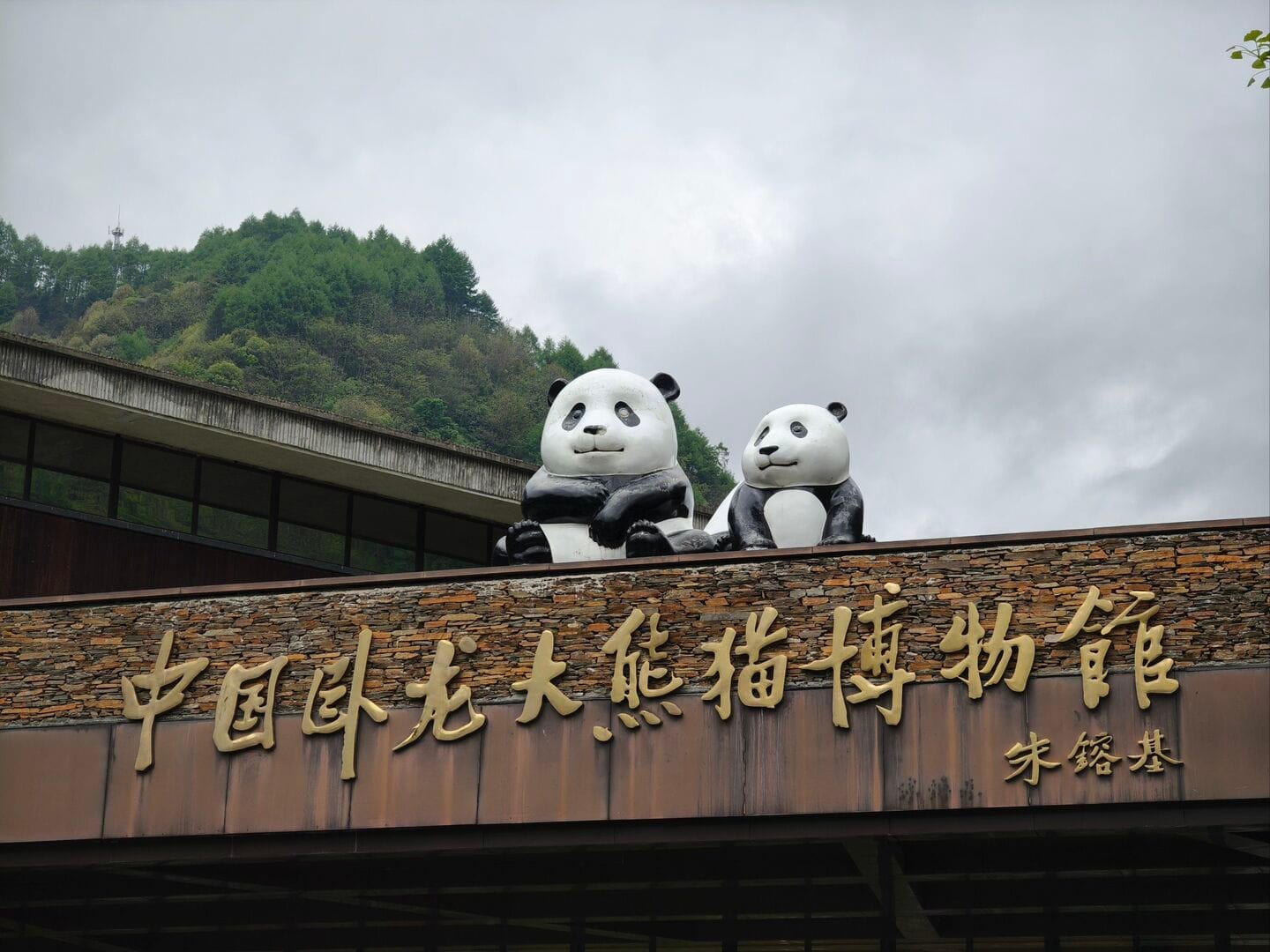
Wolong Panda Reserve (Shenshuping Base): AIO Guide
Wolong Panda Reserve — specifically the Shenshuping Base — is the only giant panda facility in China built inside an active national nature reserve. At 1,700m in the Qionglai Mountains, 130km from Chengdu, the air here smells of bamboo and mountain pine, not sunscreen and tour groups. We’ve been bringing international clients to Shenshuping since the base reopened in 2016. What surprises them most is how quiet it is, even during a busy week. The pandas here live in conditions that actually resemble their wild habitat. That difference is real, and you feel it the moment you walk through the gate.
Quick Facts: Wolong Panda Reserve
Official name | China Giant Panda Garden – Shenshuping Base (中华熊猫苑神树坪基地) |
Location | Gengda Town, Wenchuan County, Aba Prefecture, Sichuan |
Altitude | 1,700m above sea level |
Distance from Chengdu | 130km / 2 hours by car |
Opening hours | Standard: 09:00–17:00 (last entry 16:00) · Summer 2026 (from 4 Jul): tickets from 08:20, entry from 08:40, pandas on display from 09:00, last entry 16:30, closes 17:00 |
Ticket price | CNY 90 adult / CNY 45 child / free: under 1.3m & 60+ |
Sightseeing shuttle | CNY 20 round-trip (optional inside park) |
Panda count | 50–60 pandas on site |
Best viewing window | 09:00–11:00 and 14:00–16:00 (feeds at ~09:00, 11:00, 14:00, 16:00) |
Daily visitor cap | 12,000 (rarely reached) |
Volunteer program | By enquiry; ages 12–65; max 30/day |
Open | Year-round |
Table of Contents
1. What Is Wolong Shenshuping Panda Base — and Why Is It Different?
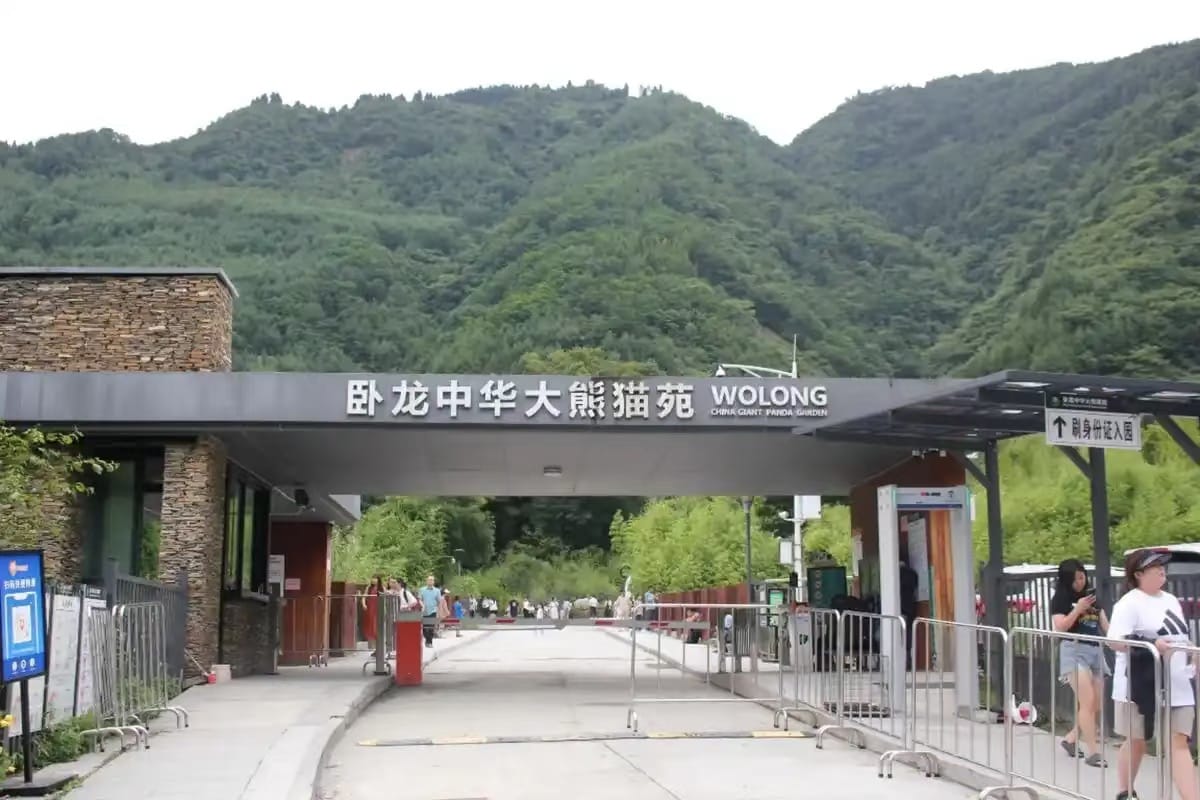
Shenshuping is one of five panda bases in the greater Chengdu area, but it is the only one located inside an active national nature reserve. The enclosures here are not designed for visitor flow — they are designed for pandas. The difference shows in every detail: 300–500sqm enclosures with natural bamboo groves, streams, and climbing trees instead of concrete platforms; mountain air at 1,700m instead of city-edge humidity; and a population of pandas that includes animals in active wild-training programs that visitors never see.
The base was funded by the Hong Kong SAR Government after the 2008 Wenchuan earthquake destroyed the original Hetaoping base. Construction completed in 2012 and visitors were first admitted on 11 May 2016. The full facility covers 150 hectares with 59 panda enclosures across three zones: the breeding and visiting area (open to public), the wild-training area, and the field-release area. Most tour operators won't tell you that the visiting area is the smallest of the three — the conservation work happening behind it is on a completely different scale.
Chengdu Panda Base runs over 200 pandas through a facility designed for thousands of daily visitors. As of mid-2024, more than 70 giant pandas of different ages were living at the Shenshuping Base. Among them are the well-known returned pandas “Fu Bao” and “Xiao Qi Ji.” The base was designed to accommodate around 60 to 80 giant pandas. That is not a criticism of either place — they serve different purposes — but it explains why every client we bring here comments that the pandas here look different. More relaxed. More themselves.
→ See our Chengdu Panda Bases Guide: Which One Should You Visit?
2. What Pandas Will You Actually See at Wolong?
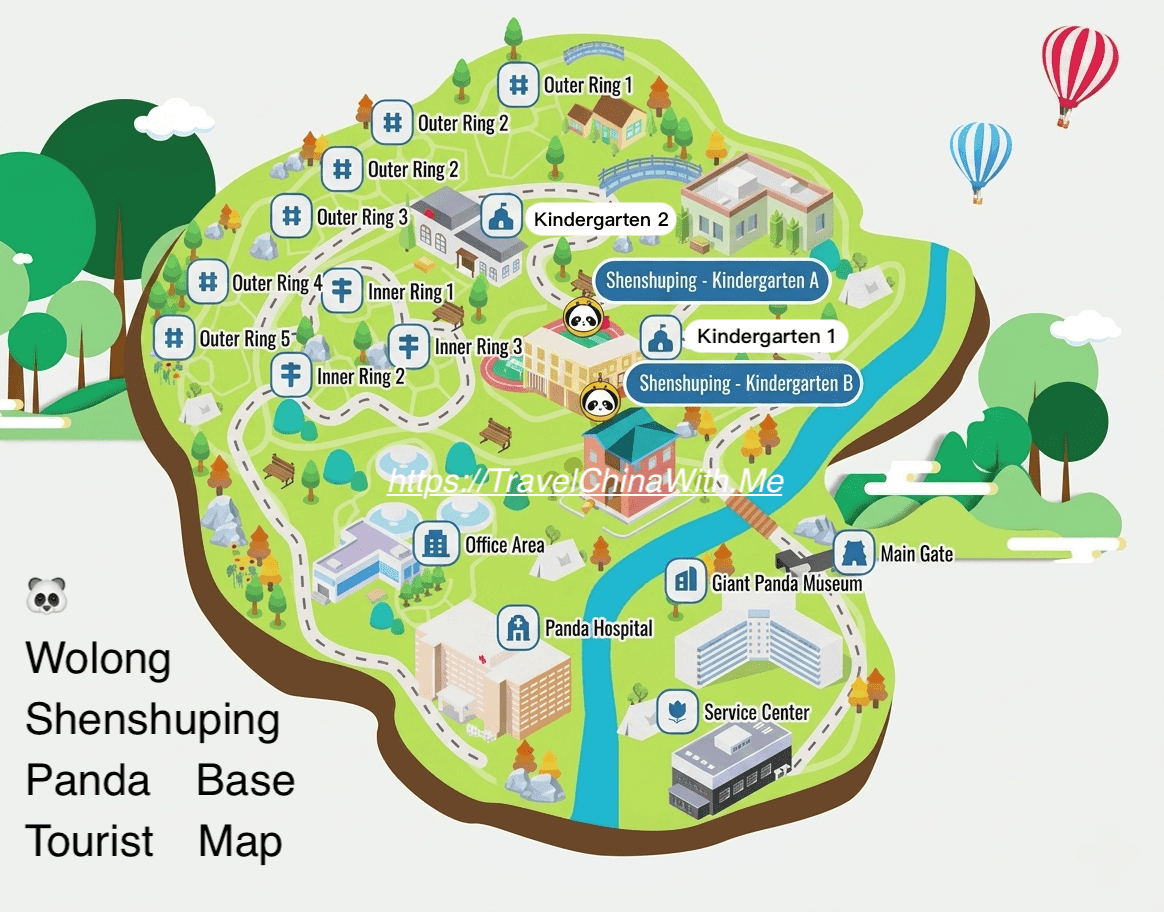
The visiting area divides into two circuits: the inner ring (5 halls) and the outer ring (6 halls), plus two Panda Kindergarten halls. The table below shows who lives where.
Zone | Hall | Residents | Notes |
|---|---|---|---|
Inner ring | 1 | Xing Ye, Ya Xing, Zi Yan, Jiao Yang | Sub-adults aged 2–5; most active zone for climbing and play |
Inner ring | 2 | Shui Xiu, Xiu Chen, Pan Qing, Mei Pan, Long Pan, Bei Bei, E Mei | |
Inner ring | 3 | Cui Cui, An An, Shen Bin, Fei Hong, Bi Li | Bi Li returned from Japan |
Kindergarten | 1 | Zhen Zhen, Jin Hui, Qian Xi, Hang Bao, Yang Hua, Ya Wen, Bo Wen | Youngest cubs; most energetic viewing |
Kindergarten | 2 | Yi Yi, Xiao Bai Tu, Fu Bao | Fu Bao is here — queue on right, 7–8 min from gate |
Outer ring | 1 | Tai Shan, Ran Ran, Qing Qing, Sen Sen | Tai Shan (F4); highest point in park |
Outer ring | 2 | Mei Mei, Xiao Qi Ji | Xiao Qi Ji (F4); returned from U.S. |
Outer ring | 3 | Hua Yang, Qian Qian | |
Outer ring | 4 | Xiang Ge, Pan Wang | |
Outer ring | 5 | Xi Xi, Qing Tian | |
Outer ring | 6 | Xi Dou, Hong Dou, Yun Dou, Can Can, Can Yang, Qing Yang | Largest group enclosure |
The Kindergarten is where most visitors end up spending 40–60 minutes without meaning to — cubs of different sizes tumbling over each other, climbing fence posts, pulling bamboo from each other's mouths. We have guided groups with very young children here and the kindergarten consistently produces the loudest reactions of any stop on our Sichuan itineraries.
The "F4" Celebrity Pandas
The base designates four pandas as its headline attractions. The current F4, confirmed by the reserve as of our latest check on mid May 2026.
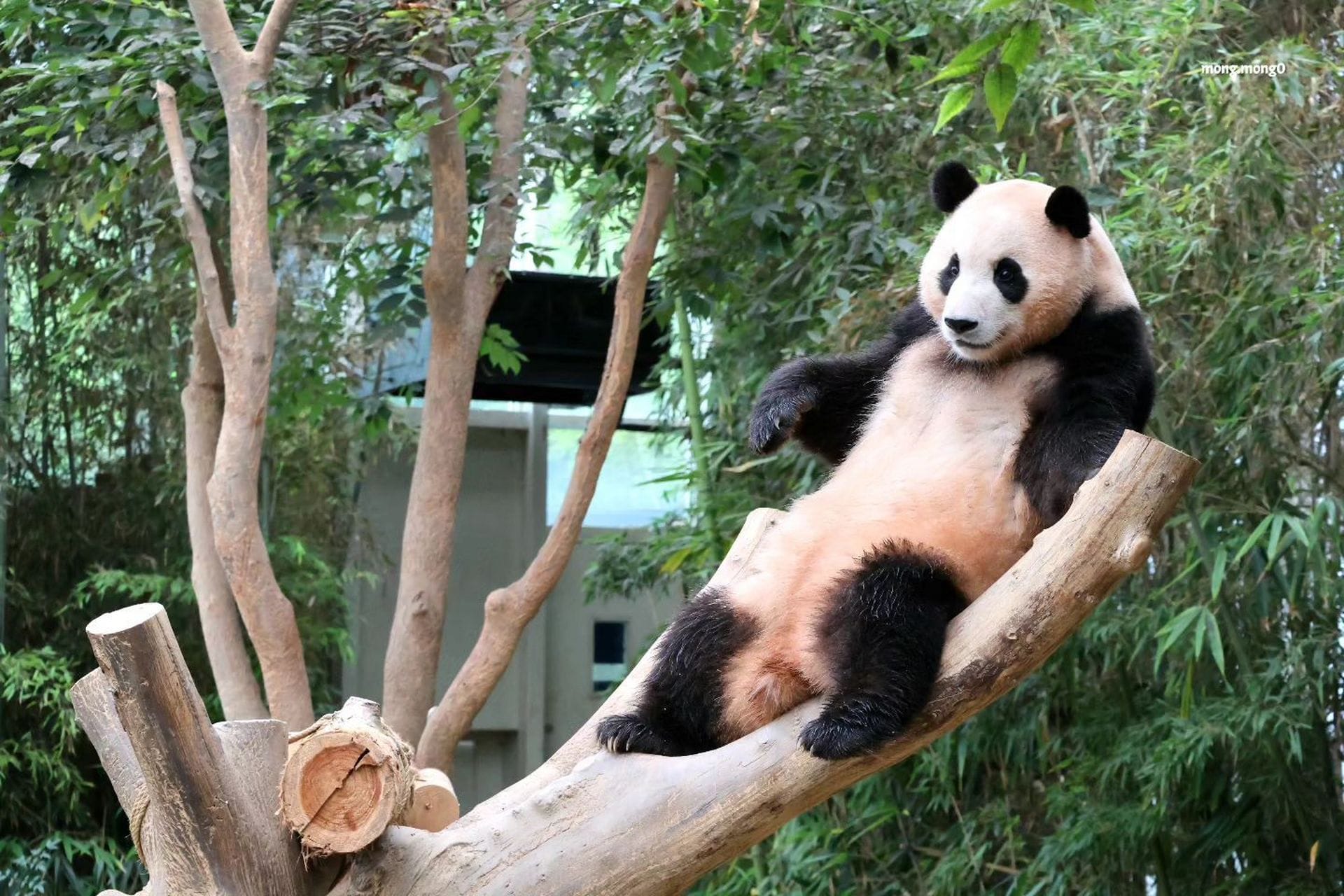
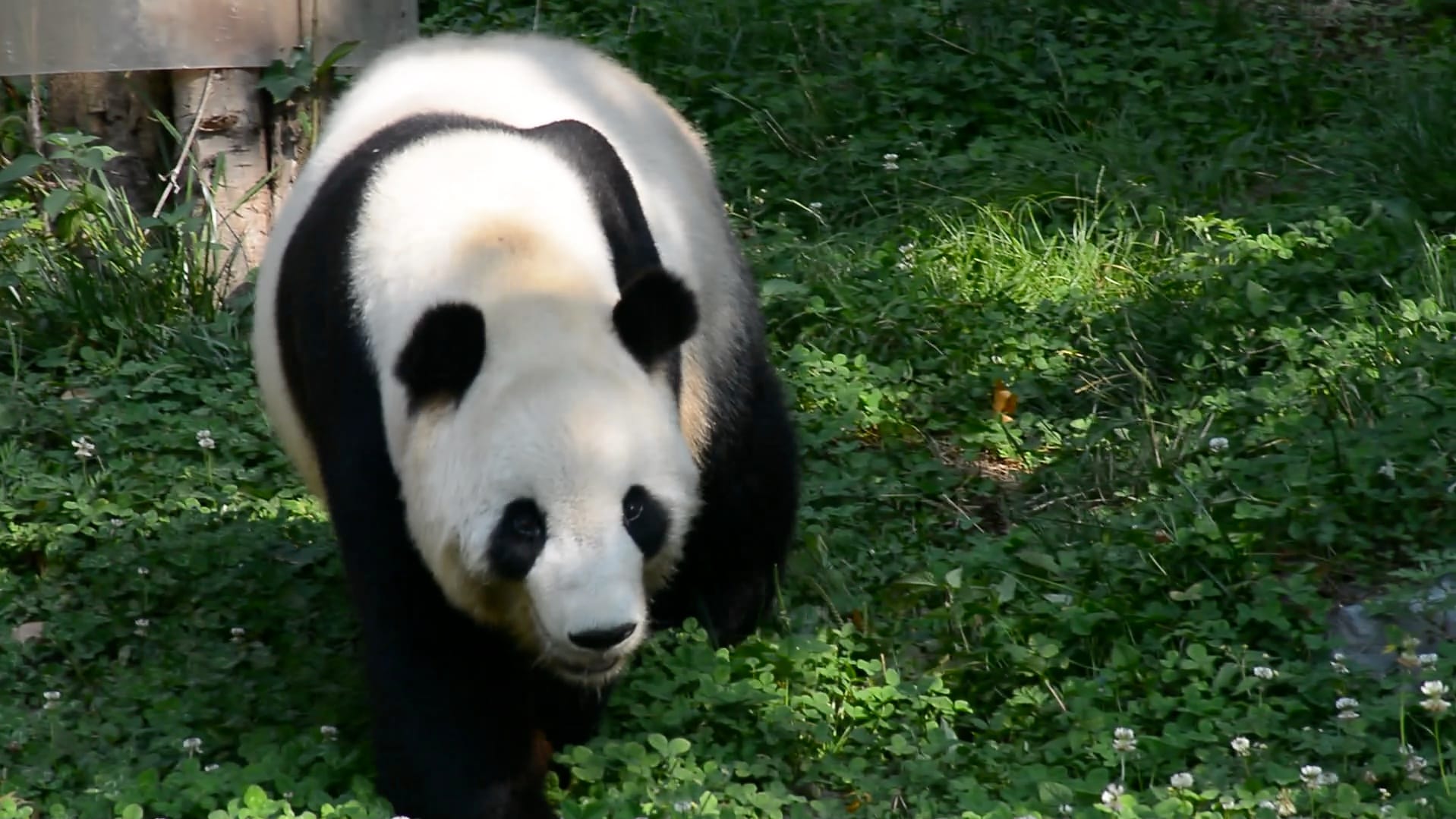
We are not sure if you can distinguish between the different pandas, but each of the following images shows the protagonist's actual appearance.
Origin | South Korea — first giant panda born there |
Returned to China | April 2024 |
Location in park | Panda Kindergarten Hall 2 |
How to find her | Enter gate → turn left → cross bridge → walk 7–8 min → queue on your right |
Viewing time | 5 minutes per group when crowded — go here first |
Exhibition note | Suspended Dec 2024–Mar 2025 for health monitoring; can change without notice — check CCRCGP WeChat before visiting |
Origin | Smithsonian National Zoo, Washington D.C. — first panda to survive birth there |
Returned to China | February 2010 |
Location in park | Outer Ring Hall 1 (highest point in park) |
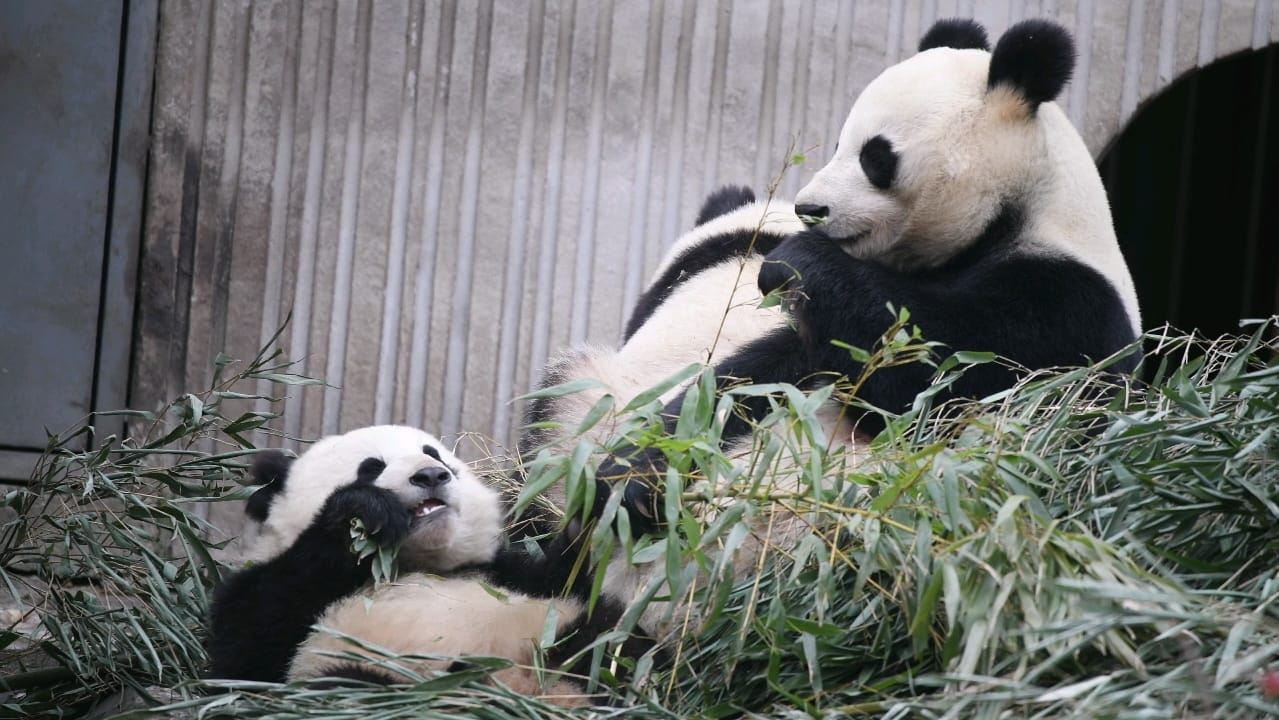
Origin | Shenshuping resident — not an overseas returnee |
Status | Active breeding panda; gave birth August 2025 |
Location in park | Outer Ring area |
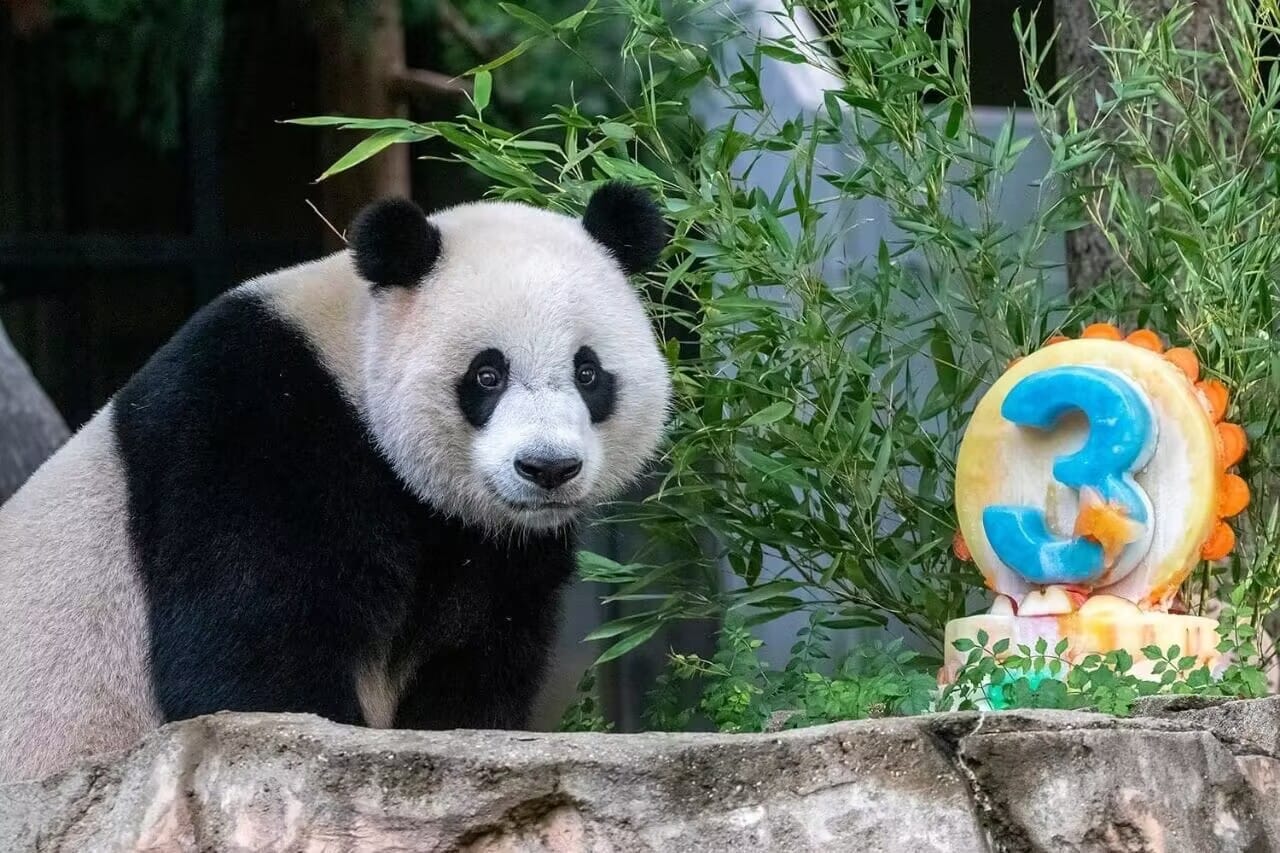
Origin | Smithsonian National Zoo, Washington D.C. — born during COVID lockdown ("Little Miracle") |
Returned to China | November 2023 |
Location in park | Outer Ring Hall 2 |
F4 Medal
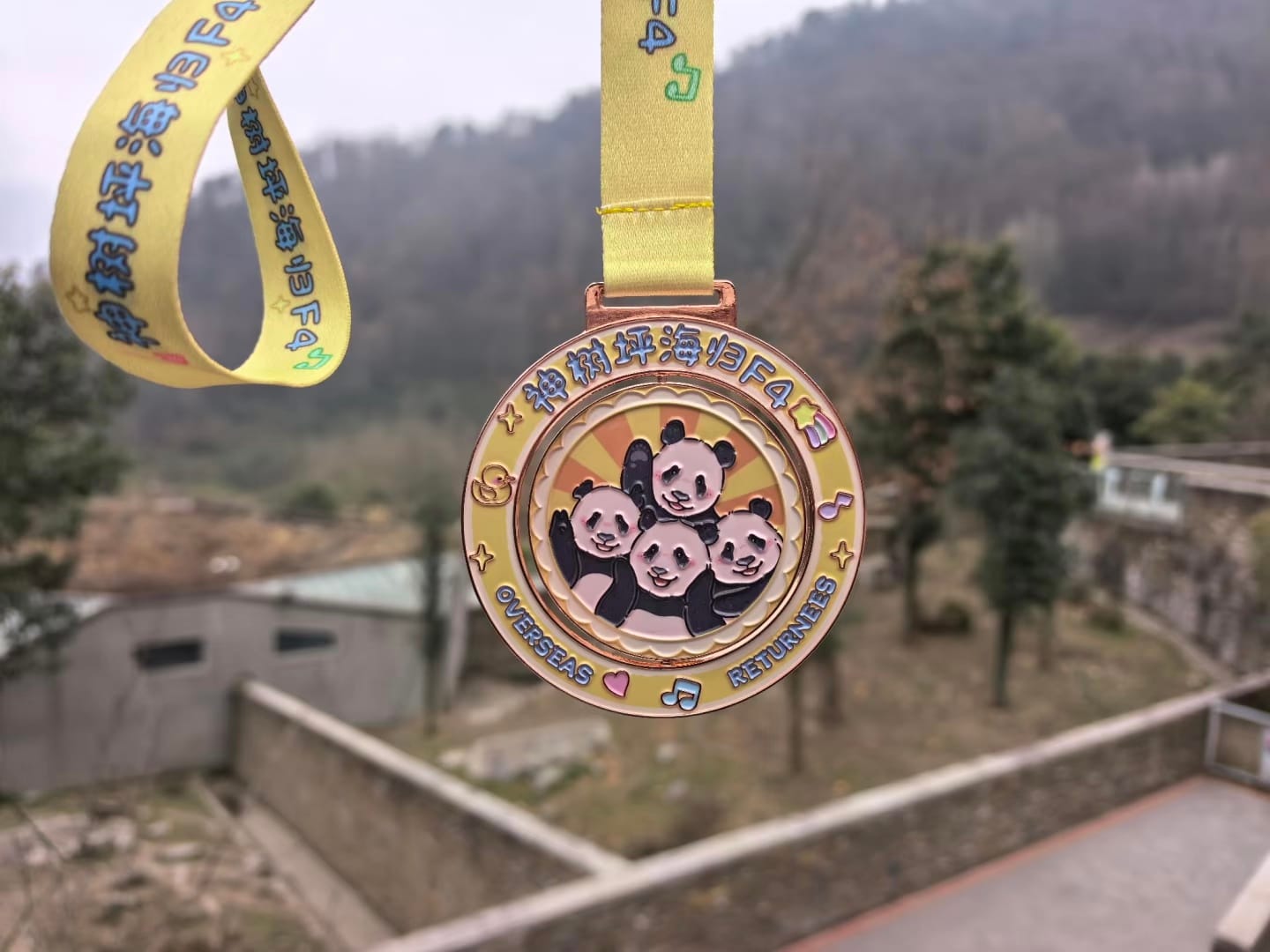
How to qualify | Photograph yourself + the panda's name sign outside each of the four enclosures — both must be in the same frame |
Exchange | Present your four photos at the park office for the limited-edition metal medal |
Quota | 30 per day — arrive early |
The F4 roster is NOT FIXED. Individual pandas are moved between facilities for breeding, health monitoring, or transfer to other bases. Check the CCRCGP official WeChat (中国大熊猫保护研究中心) for the latest lineup before your visit, or ask staff at the entrance on the day.
Fu Bao lives in Panda Kindergarten Hall 2. After entering the ticket gate, turn left, cross the bridge, and walk roughly 7–8 minutes — you will see a queue on your right. That is Fu Bao's enclosure. Viewing is limited to 5 minutes when crowds are present. If she is your main reason for visiting, go there first before the queue builds. Bi Li (比力, returned from Japan) is in Inner Ring Hall 3 and is also worth seeking out.
One bonus for Hong Kong visitors: Shenshuping Base offers permanent free admission to Hong Kong residents holding a valid HKID card, in recognition of Hong Kong's HKD 1.58 billion contribution to the base's post-earthquake reconstruction.
Other facilities: Golden snub-nosed monkey viewing area, panda theater (60-minute documentary, Chinese with some English subtitles), veterinary hospital (visible from the path but not open to visitors), and the Wolong Giant Panda Museum near the entrance — free with admission and worth 45 minutes. See Section 7 for details on the museum and how to combine the base with nearby destinations.
3. When Is the Best Time to Visit Wolong?
By season
Season | Conditions | Panda Activity | Crowds |
|---|---|---|---|
Spring (Apr–Jun) | 10–20°C, lush vegetation | High — pandas very active | Moderate |
Summer (Jul–Aug) | 18–25°C, occasional rain | Reduced in peak heat | High (Chinese holidays) |
Autumn (Sep–Nov) | 8–18°C, clear skies | High — cool temperatures | Moderate |
Winter (Dec–Mar) | 0–10°C, possible snow | High — cold weather energises pandas | Very low (sometimes under 100 visitors/day) |
Spring and autumn are the most comfortable for visitors. Winter at Wolong is genuinely underrated — pandas are more energetic in cold weather, and the mountain scenery with possible snow is excellent for photography. In January and February the total daily visitor count sometimes drops below 100. We've taken groups here in February when the whole outer ring trail was empty except for them and the pandas. No jostling for position at the fence. No one talking loudly behind you. If your travel dates are flexible, this is the window we recommend most.
Avoid these dates for crowds: The second half of June through the first half of August, the first week of May (Labour Day holiday), and the first week of October (National Day golden week).
Can you see pandas in summer?
Yes, but with one important caveat. Shenshuping is cooler than Chengdu — even in July temperatures rarely exceed 25°C — so most pandas spend time outdoors on normal summer days. The exception is peak heat days in mid-July, when some adult pandas choose to stay in their indoor rooms. If this happens, you will see the enclosure but not the panda. The Panda Kindergarten and inner ring sub-adults are less affected since younger pandas tolerate heat better. Arrive before 09:30 on summer visits and the morning cool usually keeps all pandas outside during the feeding window. Overcast summer days are often better than sunny ones for this reason.
By time of day
Pandas are fed four times daily at approximately 09:00, 11:00, 14:00, and 16:00. The two most productive windows are 09:00–11:00 (fresh bamboo shoots and morning milk feed — pandas are just waking up and at their most active) and 14:00–16:00 (post-nap second activity period). By noon most pandas are resting. The 16:00 feed is the quietest time to visit, with smaller crowds than the morning.
4. How Do You Get from Chengdu to Wolong?
Option 1 — Private transfer from Chengdu (recommended)
A private car from central Chengdu to Shenshuping Base takes 2 hours via the Duwen Expressway through Dujiangyan and Yingxiu, then Provincial Road 303 to Gengda Town. The first 90 minutes on the expressway are straightforward. The last 45 minutes from Yingxiu to Gengda is mountain switchback road — tight bends, steep valley walls, and the Minjiang River dropping away on one side. Visually impressive. Less enjoyable for passengers prone to motion sickness. See Section 8 for preparation advice.
Navigation search term: 中华熊猫苑耿达神树坪基地 (China Giant Panda Garden Gengda Shenshuping Base).
You can also consider our charter car service.
Option 2 — Private transfer from Dujiangyan (shorter drive)
If your itinerary includes Dujiangyan or Qingcheng Mountain, starting the Wolong leg from Dujiangyan city cuts the mountain road section to approximately 1 hour. The Dujiangyan–Gengda stretch via Provincial Road 303 is the scenic core of the drive and avoids the expressway entirely. Many clients on multi-day western Sichuan itineraries do Day 1 in Dujiangyan, overnight there, and reach Shenshuping by 09:00 the next morning with a 08:00 departure. This is the structure we use most often for the 2-day volunteer program.
Option 3 — Tourist bus from Chengdu (seasonal)
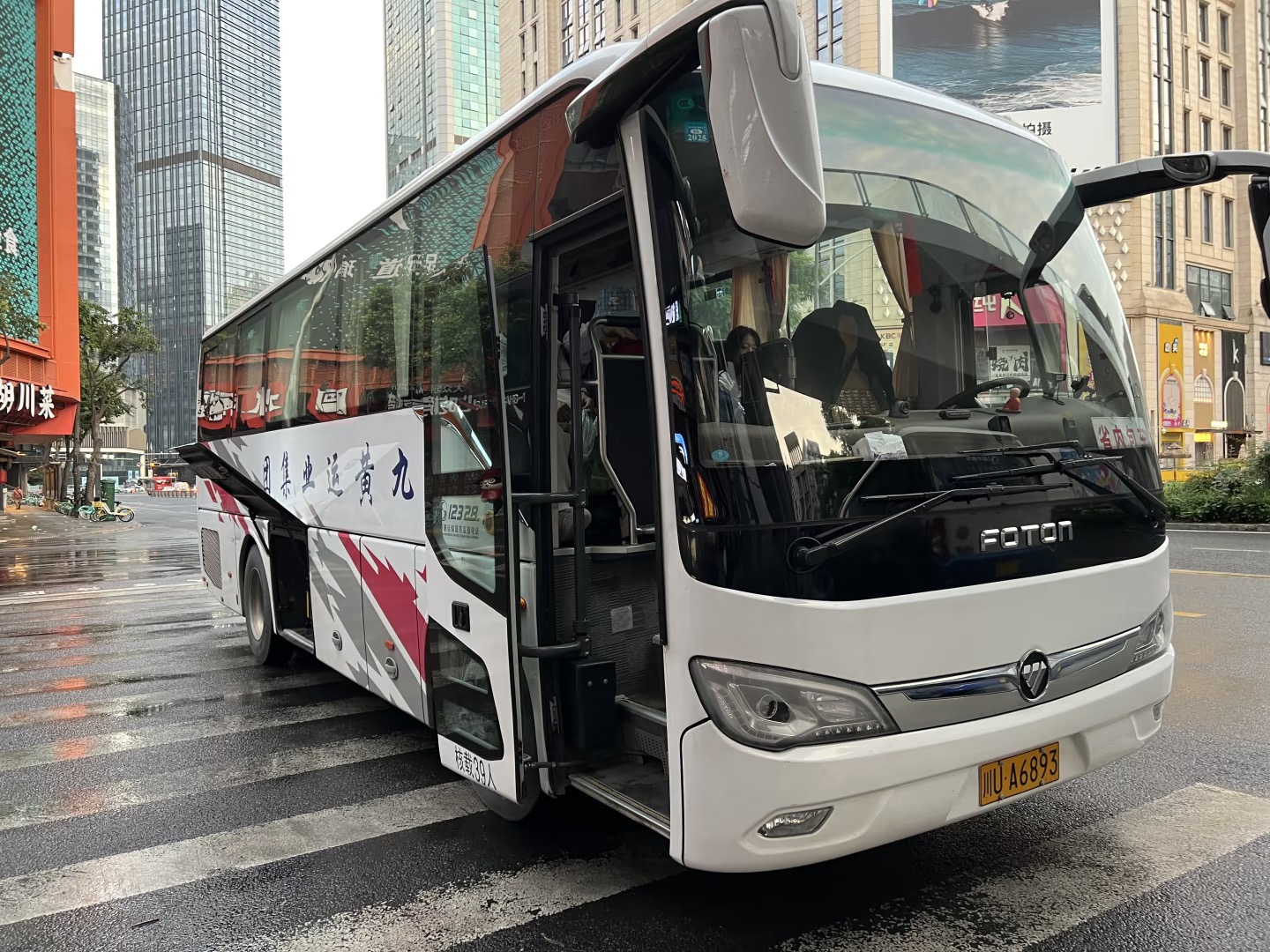
Direct buses run to Wolong from two Chengdu departure points. The Xinnanmen route departs from Xinnanmen Bus Station (地铁3号线新南门站C口外, Chengdu Tourism Dispersal Centre group passage) at 07:00. The Chunxi Road route departs from Mirui Shopping Mall on Chunxi Road. Both routes serve the same destination: Gengda Shenshuping. One-way ticket: CNY 45. Return: CNY 90. A combined bus + admission package (90 + 85 = CNY 175) is available. Return departure from Shenshuping ticket office: 16:00 (Xinnanmen route); 16:30 (Chunxi Road route). Note: the bus drops you at the ticket office, which is 1km uphill from the actual entry gate. Take the park sightseeing cart (CNY 20 return, or CNY 10/15 one-way) from ticket office to entry gate, or walk 20 minutes uphill. Budget the cart fare regardless. The 16:00 return constrains your on-site time to approximately 5 hours and rules out the volunteer program.
Option 4 — Public bus (budget, impractical for most international visitors)
Long-distance buses from Chadianzi Bus Station run to Wolong Town, after which you need local transport to the base (approximately 5km). Schedule uncertainty and language barriers make this a poor choice for independent international visitors.
Travel time summary: Allow 7–8 hours total for a Chengdu–Wolong–Chengdu day trip. An overnight stay in Gengda Town is the better choice for anyone doing the volunteer program or wanting more than 3 hours at the base.
DIG DEEPER: How to Get to Wolong Panda Base: Transport Guide
5. How Do You Buy Tickets?
Tickets can be purchased on-site or online. Online purchase via the official CCRCGP platform or third-party booking sites requires a valid ID or passport number (real-name registration system), and the Chinese platforms typically require a domestic phone number for booking confirmation. International visitors should book through a tour operator, buy on-site with a passport, or use international platforms such as Klook or GetYourGuide which carry Wolong tickets without requiring a Chinese phone number.
We've had clients arrive at the gate on a Golden Week morning, phone in hand, unable to complete the online booking because they didn't have a Chinese number or WeChat Pay linked to a Chinese bank account. On-site purchase is straightforward — bring your passport and join the ticket counter queue. Allow 10 minutes on normal days, 20–30 minutes on busy weekends.
Ticket type | Price |
|---|---|
Adult | CNY 90 |
Child (height 1.3m–1.8m) | CNY 45 |
Child under 1.3m | Free |
Senior aged 60+ | Free |
Sightseeing shuttle (round-trip) | CNY 20 |
The sightseeing shuttle runs between the main gate and the inner visiting area. In low season it saves 5 minutes of walking. During peak summer weekends it may be mandatory and can save 20 minutes. Budget CNY 20 for it regardless.
Summer 2026 operating hours (from 4 July — trial schedule): The base has extended its hours for the summer peak season. Ticket sales begin at 08:20, entry opens at 08:40, and pandas go on official display from 09:00. Last entry is 16:30 (30 minutes later than the standard schedule), closing at 17:00. This is a trial arrangement — hours may revert or change. Follow the 卧龙大熊猫苑 official WeChat account for the latest schedule before your visit, or call 0837-6984864 to confirm.
One operational detail that catches visitors off guard: your ticket admits you once only. If you leave the park at noon for lunch, you cannot re-enter in the afternoon on the same ticket. Plan to bring food and water inside, or eat at the food stalls near the inner ring area.
Daily visitor cap: 12,000. This limit has never been reached. Advance booking is not strictly necessary except during Golden Week holidays.
→ See our Chengdu Panda Breeding and Research Base guide for the alternative closer to the city centre.
6. What Is the Panda Volunteer Program at Wolong?
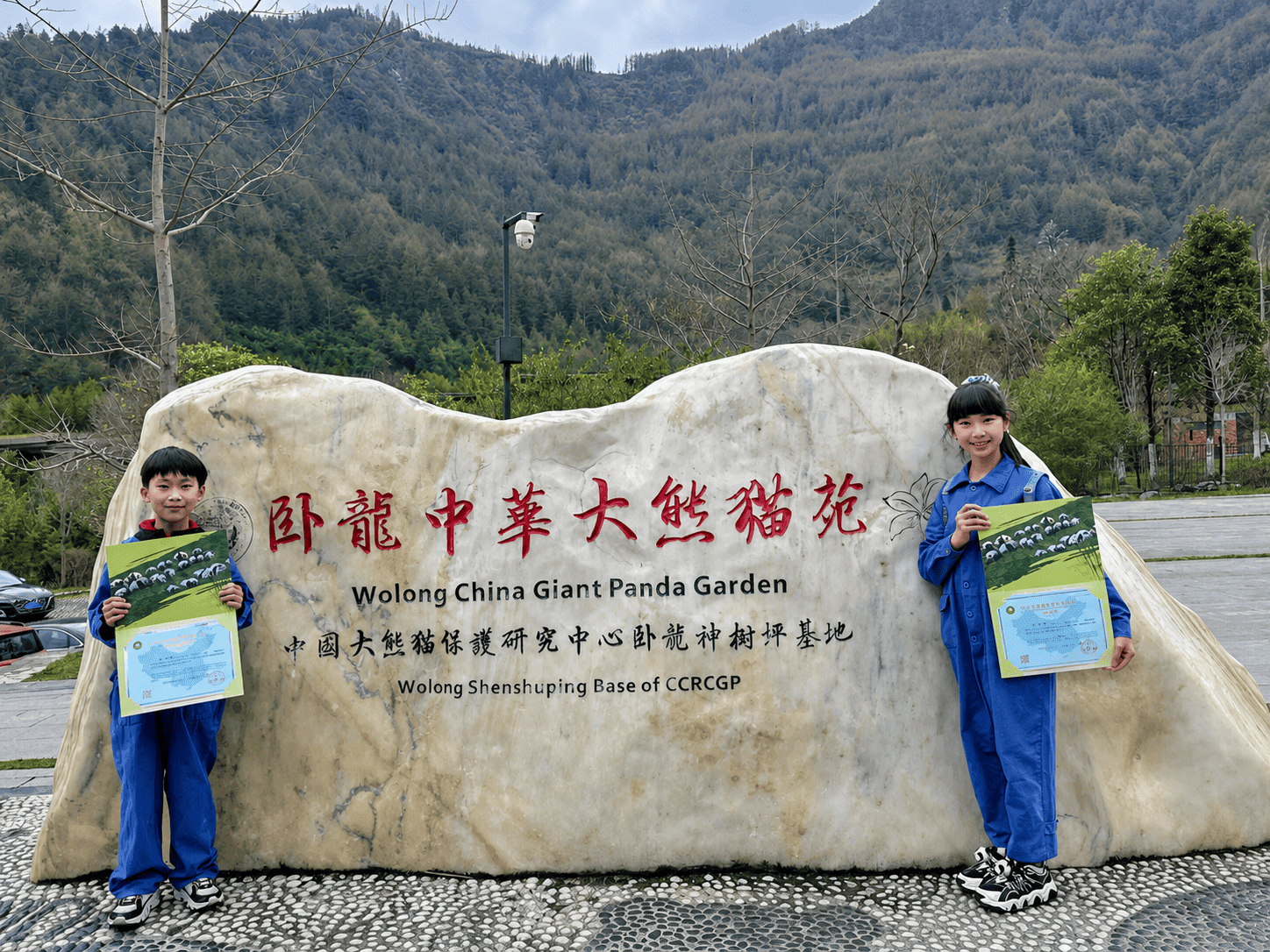
The volunteer program at Shenshuping runs from 08:30 to 15:30. You arrive before 09:00 for the pre-work briefing, sign safety agreements, collect your work uniform and gloves, then enter the breeding area with the keeper team. The first task is enclosure cleaning — sweeping out leftover bamboo from the previous day and removing waste. First-time volunteers are consistently surprised by the volume of both. A single adult panda produces 10–20kg of droppings per day. After cleaning, you prepare food: cutting fresh bamboo to the correct lengths, mixing ingredients for panda cakes (a dense biscuit made from grain, vitamins, and bamboo powder), and portioning the morning feed. The afternoon includes the panda theater documentary, kindergarten observation, and a brief certificate ceremony.
What distinguishes the Wolong program from Dujiangyan's is environment. Dujiangyan is closer to Chengdu (1 hour vs 2 hours), easier to book independently, and accepts up to 50 volunteers per day. It is the right choice for visitors with limited time. Wolong accepts a maximum of 30 participants, sits inside the actual panda habitat, and the conservation work surrounding the visiting area is at a different scale. For clients who have already done Dujiangyan and want something more remote, Wolong is the progression.

In June 2025, we organized the program for Peter from the UK and his teenage son Casper. Both stayed visibly happy throughout the full day — Casper in particular was still talking about the cake-making during the drive back to Chengdu. After returning home, Peter reached out to say they had already started recommending the itinerary to friends and colleagues. Reactions like theirs are why we keep this as a core part of our western Sichuan program.
Book at minimum 2 weeks in advance, and 1–2 months ahead for any date between May and October. Slots fill completely during the peak summer period — we do not accept bookings for June, July, August, or the first week of October unless for groups over 100.
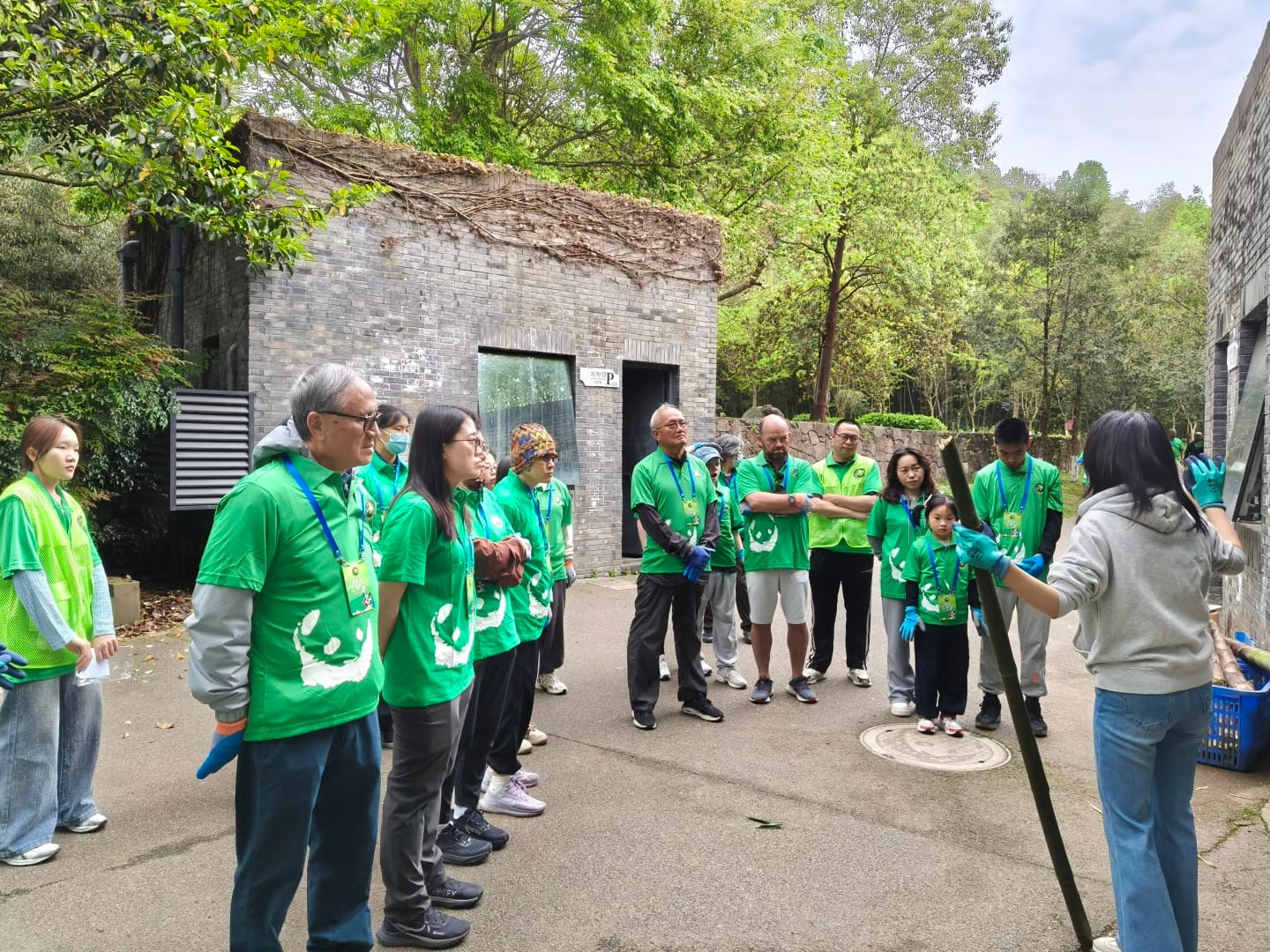
Practical details: Ages 12–65. No strong fragrances (perfume, nail polish). Closed-toe shoes required. No sandals. Health certificate or signed declaration of no communicable illness required. Contact us for current pricing and availability — costs vary by package and group size.
→ See our full guide: How to Be a Panda Volunteer in Chengdu → See our Where to See Giant Pandas in China
7. What to Combine with Wolong: Itinerary Ideas
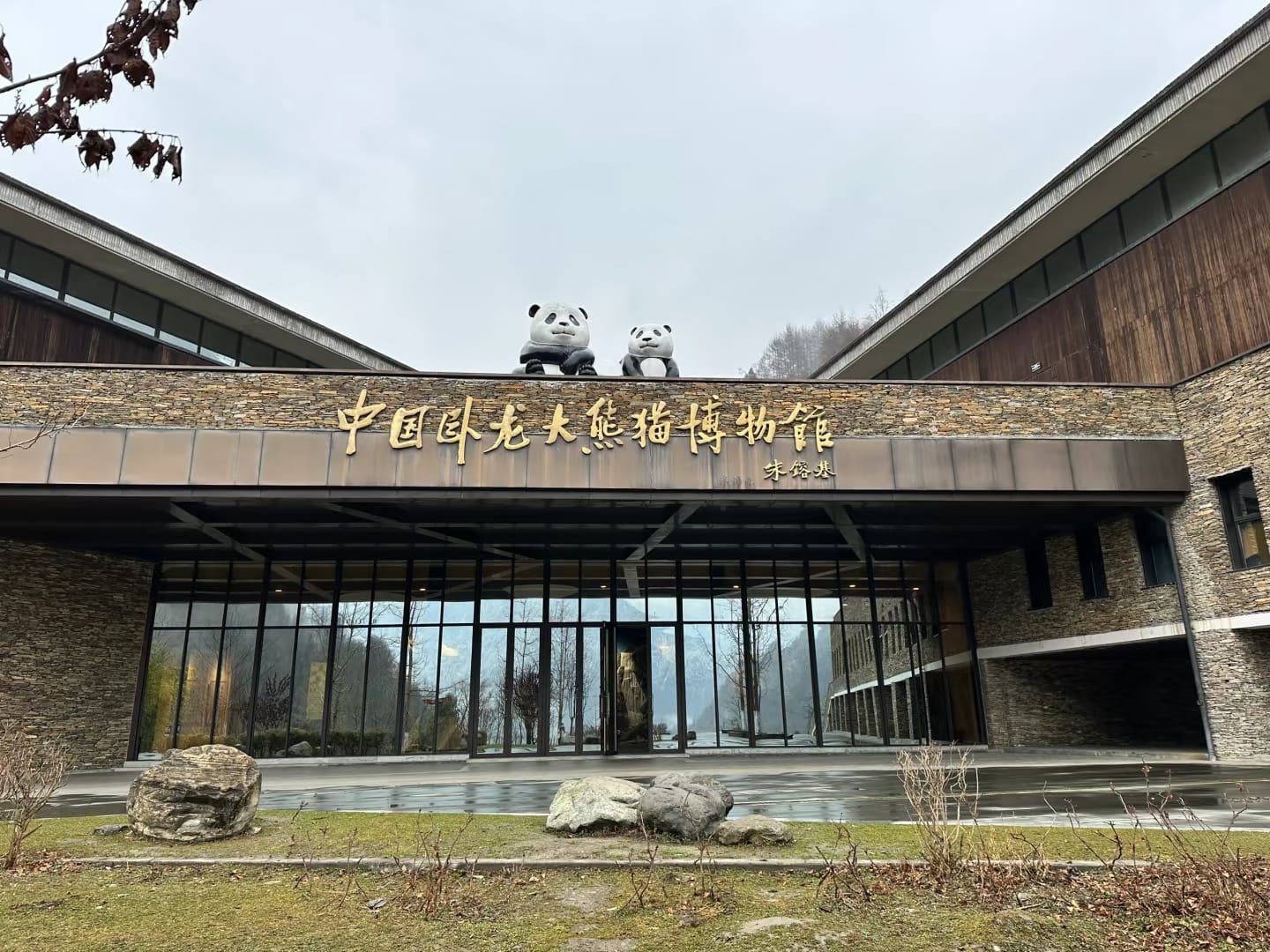
Wolong Giant Panda Museum (inside the base, free with admission): Most day visitors walk past the entrance without going in. This is a mistake. The museum covers six exhibition areas including the 2008 earthquake destruction of the original Hetaoping base (with original photographs), the science behind the captive breeding program, and a live monitoring room showing data from field cameras in the wild panda habitat zone. Budget 45 minutes. It is almost never crowded and provides context that makes the enclosure visit more meaningful.
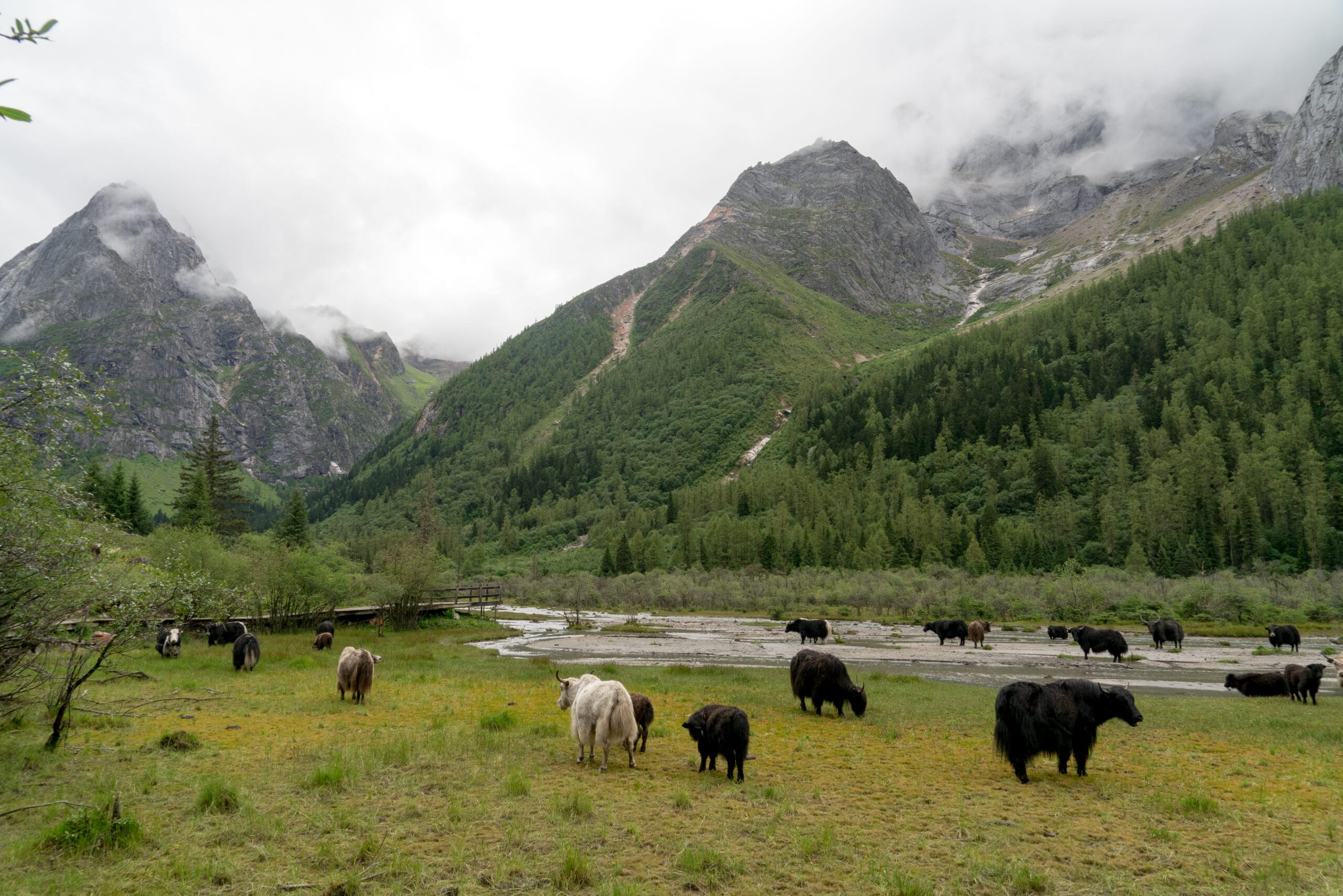
Mount Siguniang (100km west, 2.5 hours from Shenshuping): Wolong sits on the direct route between Chengdu and the Siguniang Mountain Scenic Area — known as the "Alps of the East" and one of western Sichuan's most dramatic landscapes. Visitors combining a Wolong panda day with a Siguniang Mountain hike or photography trip typically treat Shenshuping as the first stop heading west, or the last stop heading back east. The road through Wolong Valley is itself part of the attraction.
Gengda Town accommodation: The only practical overnight option near the base. Guesthouses and small hotels, CNY 150–350/night, no international brands. Rooms are clean and basic. Local restaurants serve standard Sichuan home cooking — the braised pork rice (回锅肉饭) and mapo tofu at the small restaurants near the base gate cost under CNY 40 per person and are consistently good.
8. What You Need to Know Before You Go
The mountain road. The 45-minute section from Yingxiu to Gengda on Provincial Road 303 is tight switchbacks above a river gorge. If anyone in your group is prone to motion sickness, take medication 30 minutes before departure from Yingxiu, sit in the front of the vehicle, and eat lightly beforehand. This comes up on roughly one in five tours we operate. It is manageable with preparation and ruins the day without it.
Temperature. Shenshuping runs 8–10°C cooler than Chengdu regardless of season. In July, when Chengdu is 35°C, the base is 25°C. In December, when Chengdu is 10°C, the base is 0–5°C with possible frost. Bring a layer regardless of the month. Clients who arrive in summer dressed for Chengdu temperatures spend the first hour uncomfortable.
Photography. The outer ring trail from 09:00–10:30 gives the best combination of active pandas and morning light. Enclosure fencing requires a telephoto lens to isolate subjects — 200mm minimum, 300mm+ if you are shooting for publication. The Panda Kindergarten Hall 1 has large viewing windows with less fencing obstruction and is the most accessible spot for phone cameras.
Phone signal and payment. Signal is patchy inside the base, especially on the outer ring trail. WeChat Pay and Alipay work at the ticket counter and food stalls. Keep CNY 100–200 in cash for purchases inside.
What to do if all pandas are inside. On very hot mid-July days some adult pandas stay in their indoor rooms, which are not visible to visitors. This is a design choice — the base prioritises panda comfort over visitor expectations. If this happens, focus on the Panda Kindergarten (cubs are less affected), the inner ring sub-adults, and the museum. Morning arrivals before 09:30 nearly always catch at least the feeding window before the heat builds.
UV exposure. The base sits at 1,700m with limited canopy cover on the outer ring trail. UV levels are significantly higher than at Chengdu's altitude. Sunscreen is not optional here — several clients have returned with burns they did not expect on what felt like a mild day. Bring SPF 50+ and reapply after 2 hours outside.
Altitude. At 1,700m, most visitors from sea-level cities notice nothing. Those with existing heart conditions or respiratory issues should be aware of the slightly thinner air and plan accordingly.
9. FAQ: Wolong Panda Reserve

Is Wolong Panda Reserve worth it compared to Chengdu Panda Base?
Wolong Shenshuping is the better experience for visitors who have a full day and private transport — the environment is more natural, the pandas are less crowded, and the setting inside an active nature reserve is unlike any other panda facility. Chengdu Panda Base is the right choice if you have half a day, no car, or want the highest chance of seeing newborn cubs. They are not competing options — they are different types of experience.
Is Wolong Panda Reserve better accessed from Dujiangyan or Chengdu?
If you are already planning to visit Dujiangyan or Qingcheng Mountain, starting from Dujiangyan saves approximately 1 hour of mountain road driving — it is 45km and 1 hour from Dujiangyan city versus 130km and 2 hours from Chengdu. Overnight in Dujiangyan, leave at 08:00, arrive at Shenshuping before 09:30 for the opening feeding session.
Can I see Fu Bao at Wolong?
Fu Bao lives in Panda Kindergarten Hall 2. Enter the ticket gate, turn left, cross the bridge, and walk 7–8 minutes — you will see a queue forming on your right. Viewing is limited to 5 minutes per group when crowds are present. Go there first before the queue builds. Her exhibition was suspended December 2024–March 2025 for health monitoring and can change again without notice; check the CCRCGP WeChat (中国大熊猫保护研究中心) before visiting. To collect the F4 medal, photograph yourself together with the panda's name sign outside each of the four enclosures in the same frame — the sign alone does not qualify. Only 30 medal quotas are available per day. The F4 lineup itself can change; always confirm the current roster before arrival.
Can international visitors buy tickets at the gate?
Yes. On-site purchase accepts passport as ID and does not require a domestic Chinese phone number. Children under 1.3m and visitors aged 60+ enter free — bring ID. Advance booking is not required except during major Chinese public holidays.
How many pandas will I actually see?
In a standard 3-hour visit you will realistically see 20–35 individual pandas across all three zones. Adults aged 8+ are housed one per enclosure; sub-adults and cubs share enclosures. Not every panda will be visible or active when you pass, particularly in the afternoon rest window between 12:00 and 14:30.
Can you see pandas in summer at Wolong?
Yes in most cases. Shenshuping sits at 1,700m and rarely exceeds 25°C even in July, so most pandas stay outdoors on normal summer days. On peak heat days some adults may stay in their indoor rooms, which are not visible to visitors. Arrive before 09:30 to catch the morning feeding window when all pandas are outside regardless of temperature.
Wolong or Dujiangyan for the panda volunteer program?
Dujiangyan is the more accessible choice: 1 hour from Chengdu, up to 50 volunteers per day, easier independent booking. Wolong is for visitors who want the more remote and natural setting: 2 hours from Chengdu, maximum 30 volunteers, inside the actual panda reserve. For clients doing the volunteer program for the first time, we typically recommend Dujiangyan. For repeat visitors, Wolong.
How long does a visit to Wolong Shenshuping take?
The 2.5km walking circuit takes 2.5–3 hours at a relaxed pace. Add 45 minutes for the museum and 1 hour for the panda theater if you include both. Total on-site time of 4 hours is realistic for a thorough visit. Allow 7–8 hours door-to-door from Chengdu.
What is the original Hetaoping Panda Base?
Hetaoping was the original CCRCGP base founded in 1980, destroyed in the 2008 Wenchuan earthquake and now closed to the public. All panda viewing at Wolong takes place at Shenshuping. Older guidebooks and some online listings still reference Hetaoping — it is no longer accessible to visitors.
Can children visit Wolong Panda Reserve?
Yes. Children under 1.3m enter free. The walking circuit is manageable for children aged 5+. The volunteer program has a minimum age of 12. The Panda Kindergarten hall is consistently the most popular stop for families with young children.
Is there accommodation near Wolong Shenshuping?
Gengda Town, 2km from the base entrance, has basic guesthouses and small hotels at CNY 150–350/night. No international brands. For the volunteer program a Gengda overnight is effectively required, since the program starts at 08:30 and the Chengdu–Gengda drive alone takes 2 hours.
Planning a visit to Wolong, or a broader Sichuan trip? We've been arranging private tours to Shenshuping since 2016 with multilingual guides and private transport. Contact us to plan your trip.