Where to See Panda Cubs in China (Best Bases & Seasons)
Panda cubs and adult pandas are not the same visit. We have matched clients to the right base and season for 20+ years, and the difference between a good cub encounter and a great one comes down to two decisions: where to see panda cubs in China and when.
Best months for nursery cubs | September – October |
Best months for active outdoor cubs | January – February |
Best base for nursery window viewing | Chengdu Research Base |
Best base for outdoor cubs | Ya’an Bifengxia |
Table of Contents
1. What Do Panda Cubs Look Like — and How Are They Different from Adults?
At birth
A mother panda weighs 80–120kg. Her newborn weighs just 90–130 grams — 1/900th of her body mass. The Chengdu Research Base considers 100–190 grams the normal birth weight range; any cub under 60 grams goes into intensive care immediately.
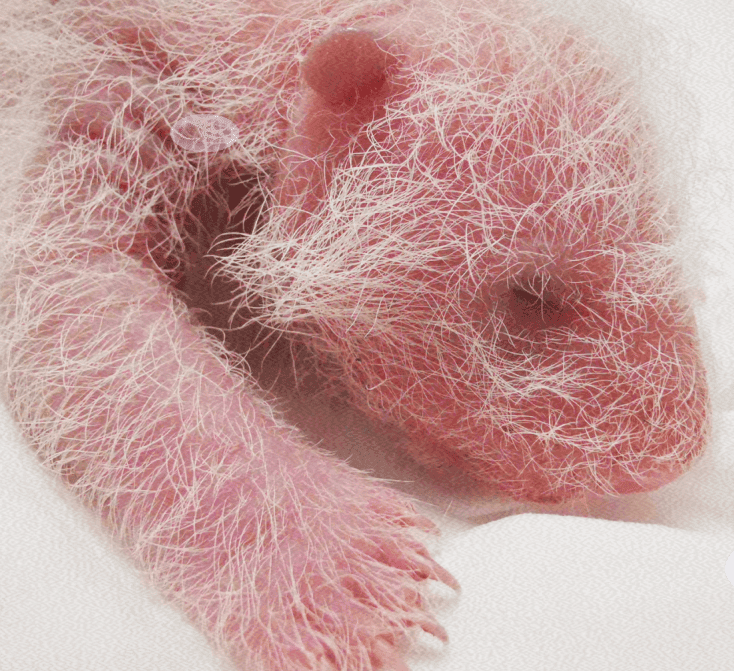
Newborns are pink, hairless, and blind. Their ears and eyes are sealed shut. The black-and-white markings do not appear until the second week. Keepers describe the first reaction of visitors who see a true newborn as almost always the same: they look at the incubator, then back at the keeper, and ask if it is actually a panda.
Approximately 56% of captive births produce twins. In the wild a mother raises only one, abandoning the other. In captivity, keepers rotate twins between the mother and the incubator so both receive nursing time. Abandoned or underweight twins at Bifengxia are raised entirely by hand.
Development by age
Panda cub development — tap a stage to explore
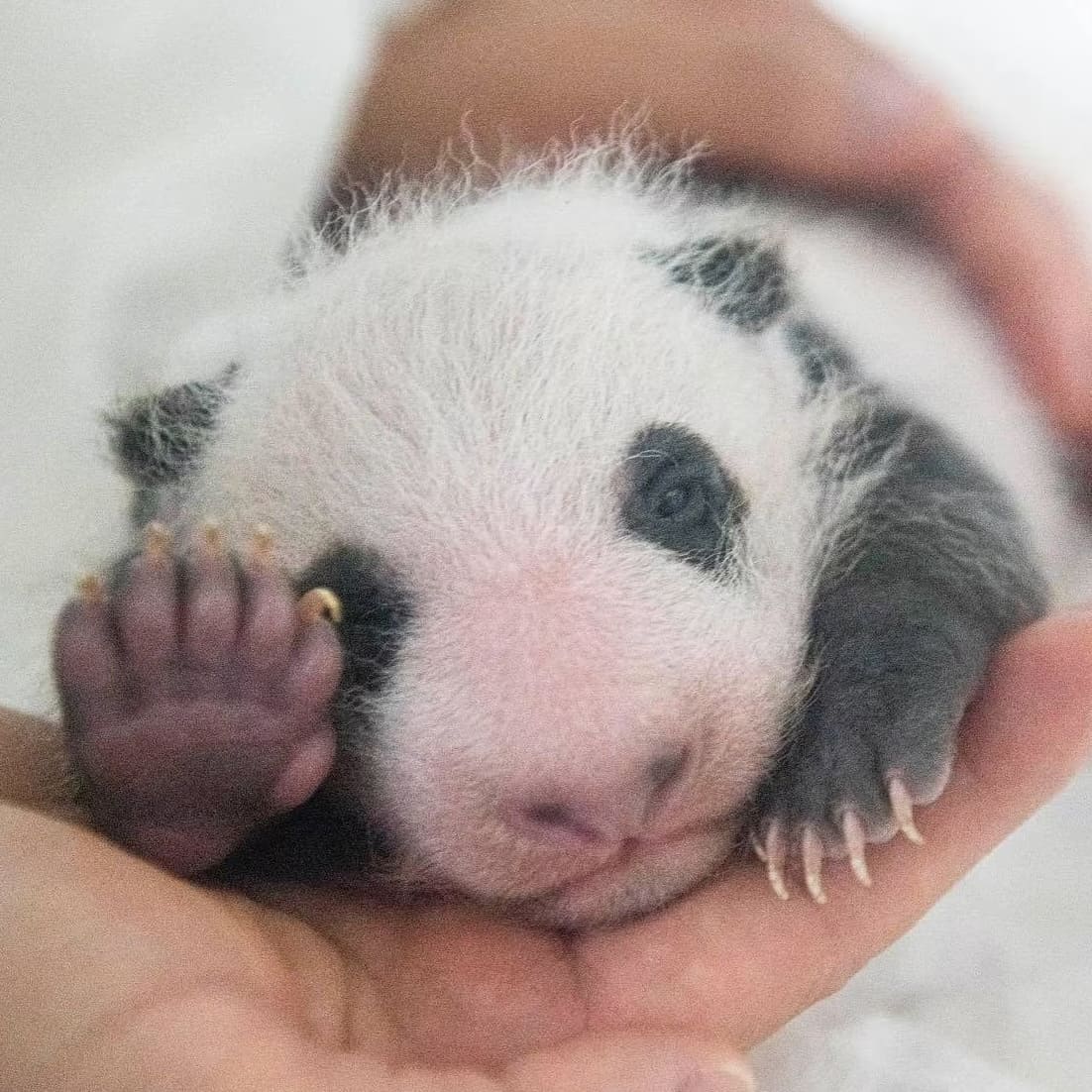
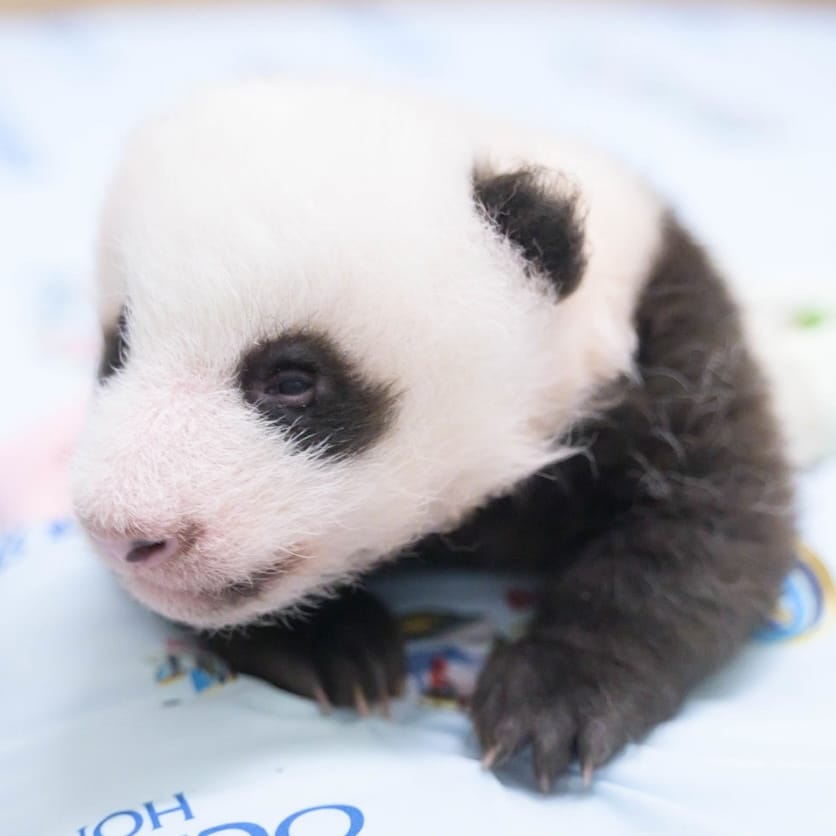
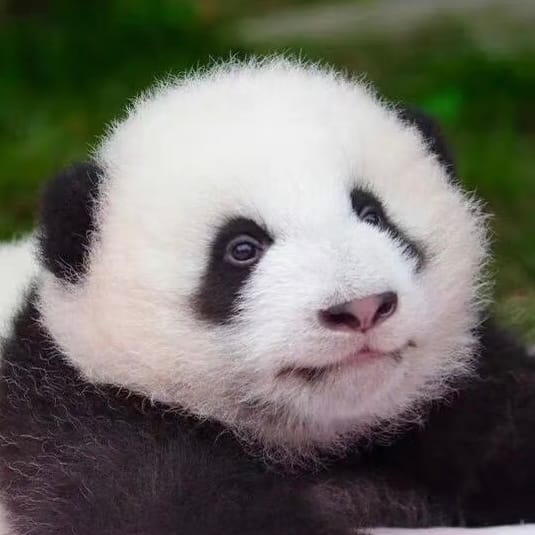
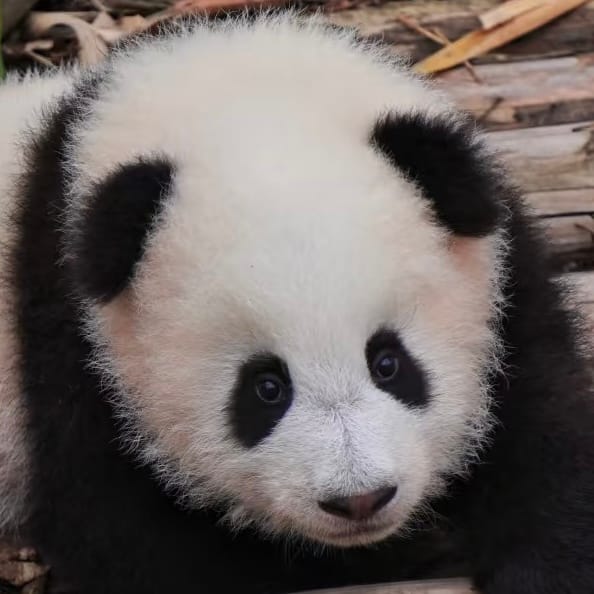
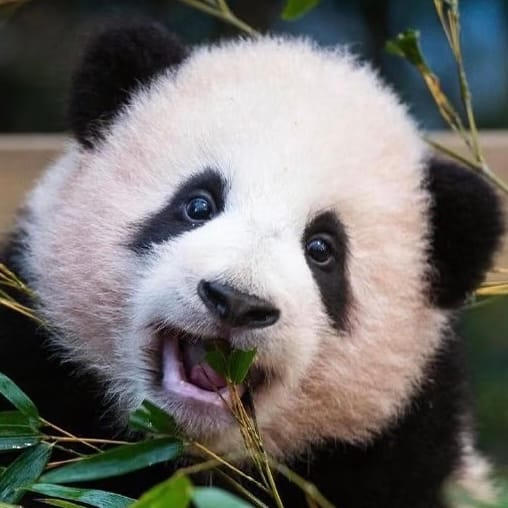
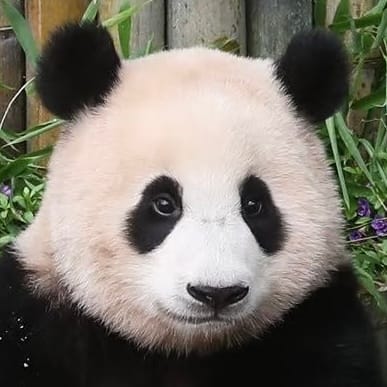
Appearance
Abilities
Green-bordered circles = stages visible through nursery windows at the Chengdu Research Base
Why cubs are a different visit from adults
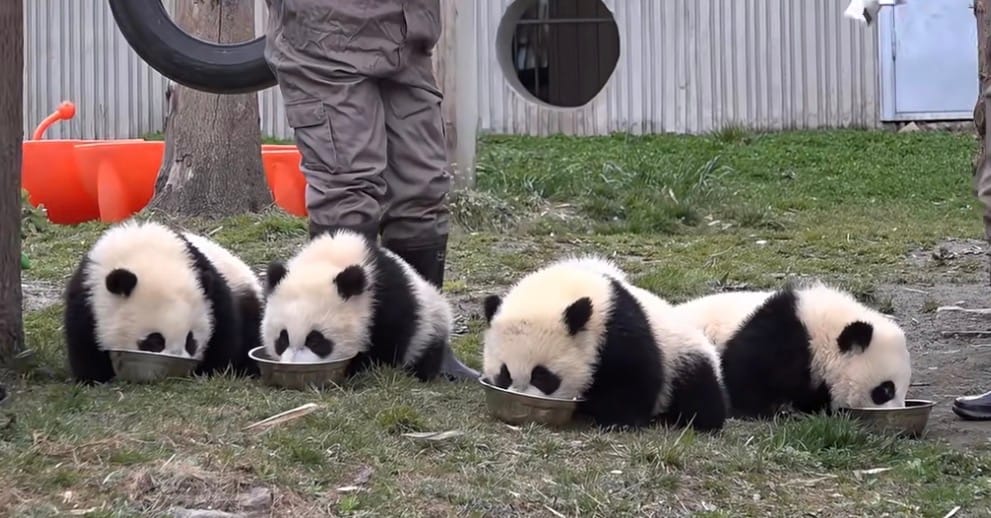
Adult giant pandas eat, sleep, and largely ignore visitors. Cubs at 3–6 months crawl toward the glass, tumble onto each other, and react to sound and movement. At 12–14 months they are competitive and physical in ways adults never are — two of them will fight over a single bamboo shoot with complete commitment, then immediately forget why. Through the nursery window, the most visible stages are 6 weeks to 3 months, when cubs are held by keepers or lying in cribs, small and moving but not yet mobile. From 3–6 months, cubs crawl toward the glass, attempt to pull themselves upright, and tumble. At 4 months, the limb coordination is just good enough to make everything look intentional — and just bad enough to make every attempt end on the floor. We have had clients tell us the nursery at Chengdu was the single best thing they did in China — not in Chengdu, in China.
2. When Do Panda Cubs Go on Display?
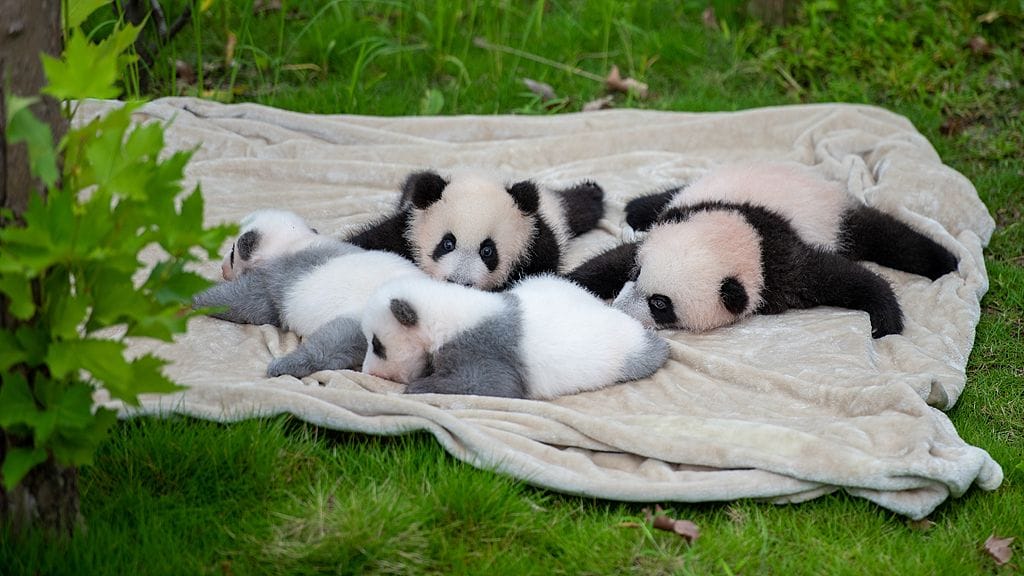
Giant pandas give birth between late June and August. Most births fall in July and August. Cubs enter the nursery immediately after birth and stay under intensive care for several months.
You cannot see newborns. Pink, hairless cubs under 6 weeks old remain in incubators in restricted areas. The earliest visible stage — when cubs have their black-and-white markings and can crawl — begins from late July or August. In 2025, the Chengdu Research Base and the two CCRCGP bases recorded 45 combined births. That is the largest single-year cohort we have seen across two decades of running these visits.
When to visit for panda cubs
3. What Is the Best Time to Visit for Panda Cubs?
Best: September – October
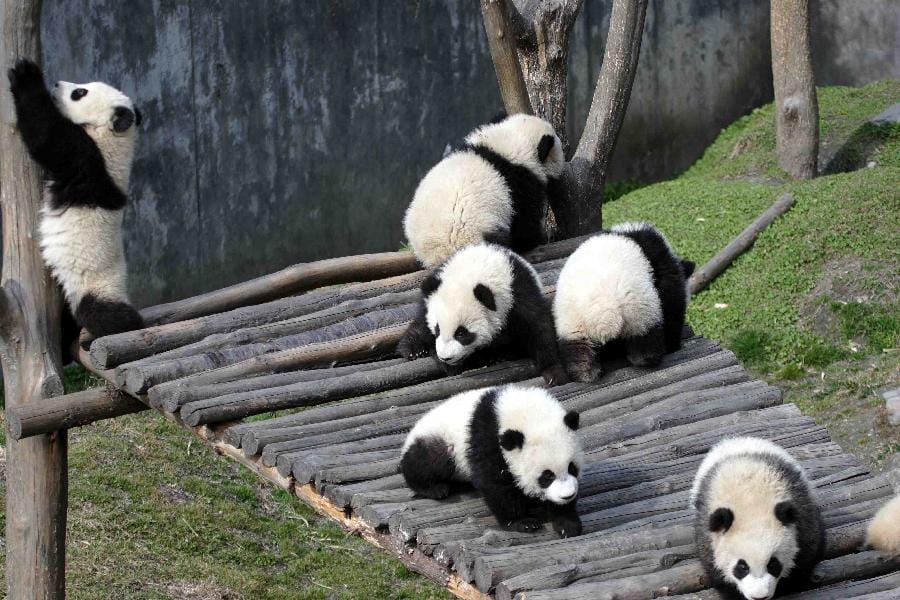
September gives the widest simultaneous cub experience. The new cohort born in July and August is 1–3 months old and visible through the nursery glass. The previous year’s 13–14 month-old sub-adults are active outdoors, learning to eat bamboo and competing for the same tree. You see two generations of cubs in a single visit. We have not had a client visit in September and come away disappointed.
October is almost as strong. Crowds thin, temperatures drop to 15–20°C in Chengdu, and the nursery cohort is now 2–4 months old — more mobile and easier to observe. One exception: the National Day Golden Week (October 1–7) draws some of the highest visitor numbers of the year to every panda base. If your dates fall in this window, book the Chengdu Base morning slot several weeks ahead and arrive at 07:30.
Second best: January – February
Cubs born the previous summer are now 6 months old and have moved to outdoor enclosures. They are active, clumsy, and far more entertaining than adults. Crowd levels drop sharply after Chinese New Year. At Wolong Shenshuping, we have taken groups in February when the outer trail had no other visitors — no queue at any fence, no noise. The cold suits the pandas; every age group is more active.
Avoid: May – June
Cubs from the current year have not yet been born. Sub-adults from the previous season are in their warmest and laziest phase. The cub experience at every base is weaker than at any other time of year. If May–June are the only dates available, Wolong — where the mountain temperature stays below 25°C even in summer — keeps pandas more active than the Chengdu city base.
4. Chengdu Research Base — Nursery Access and Largest Cub Population
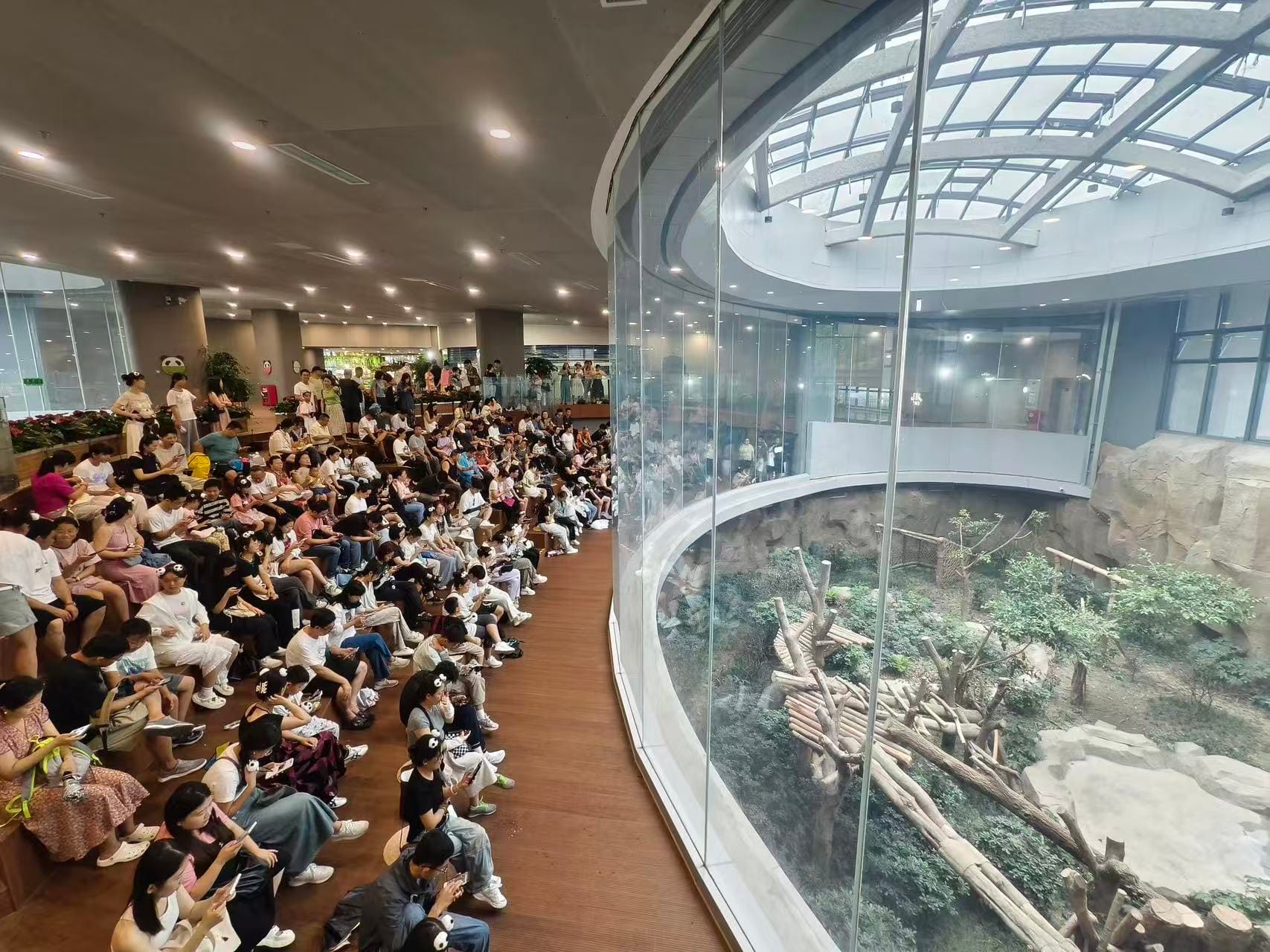
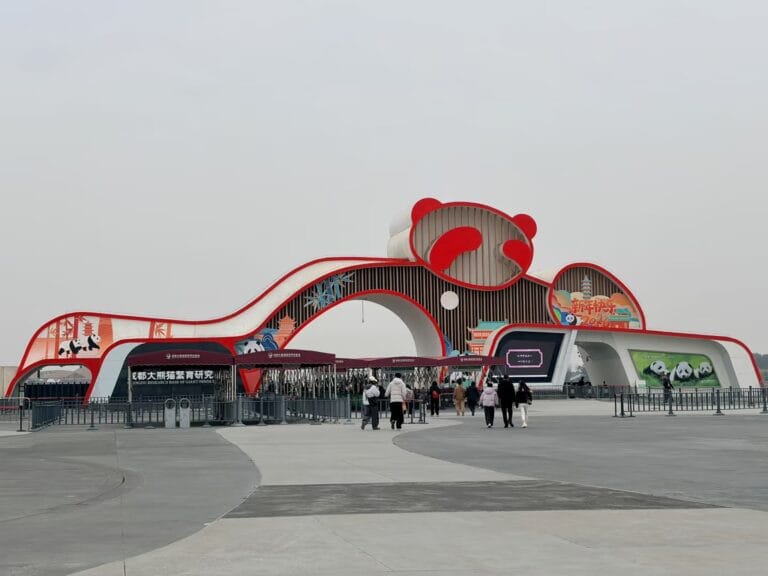
The Chengdu Research Base holds 237 giant pandas — the largest captive panda population in the world. It produces more cubs per year than any other single facility. Three nurseries operate on site: Star Nursery House, Sun Nursery House, and Moon Nursery House. During cub season (late July through October), all three may hold cubs at different ages.
Go to the Star Nursery first. It is the newest building, has the best enclosed outdoor viewing space alongside the glass windows, and draws shorter queues relative to what is on display. The Moon Nursery receives the youngest arrivals but viewing conditions are more cramped. Keepers bring cubs outside for daily sessions between 14:00 and 16:00. Outside those windows, cubs are visible indoors through glass, usually two to three visitors deep in peak season.
Arrive at 07:30 and reach the Star Nursery before 08:30. After 10:00 the queue at every window is significant. One thing we tell every first-time visitor: the cubs at 3–4 months are more entertaining than the adults at any age. They fall, they try again, and they have no concept yet that they are being watched.
Admission | CNY 55 |
Booking | Mandatory online via WeChat or Trip.com; passport number required |
Sightseeing bus | CNY 30; covers the full 3km² circuit |
Best gate for nurseries | South Gate |
Hua Hua (Villa No. 6) | Closed Mondays |
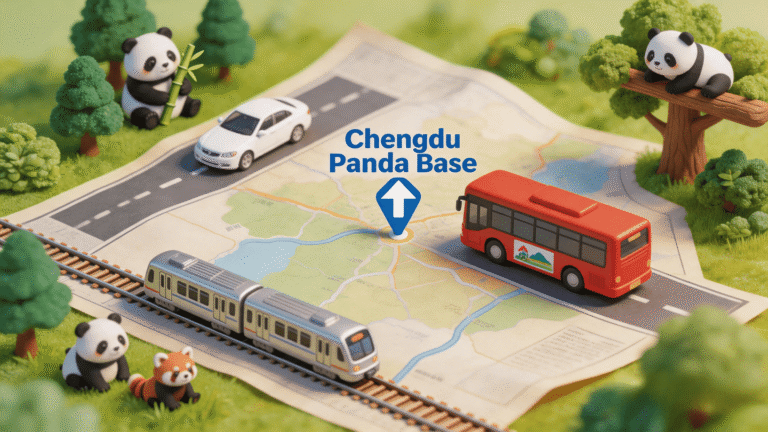
→ See our Chengdu Panda Base Guide
5. Ya’an Bifengxia — Outdoor Cubs and the Panda Kindergarten
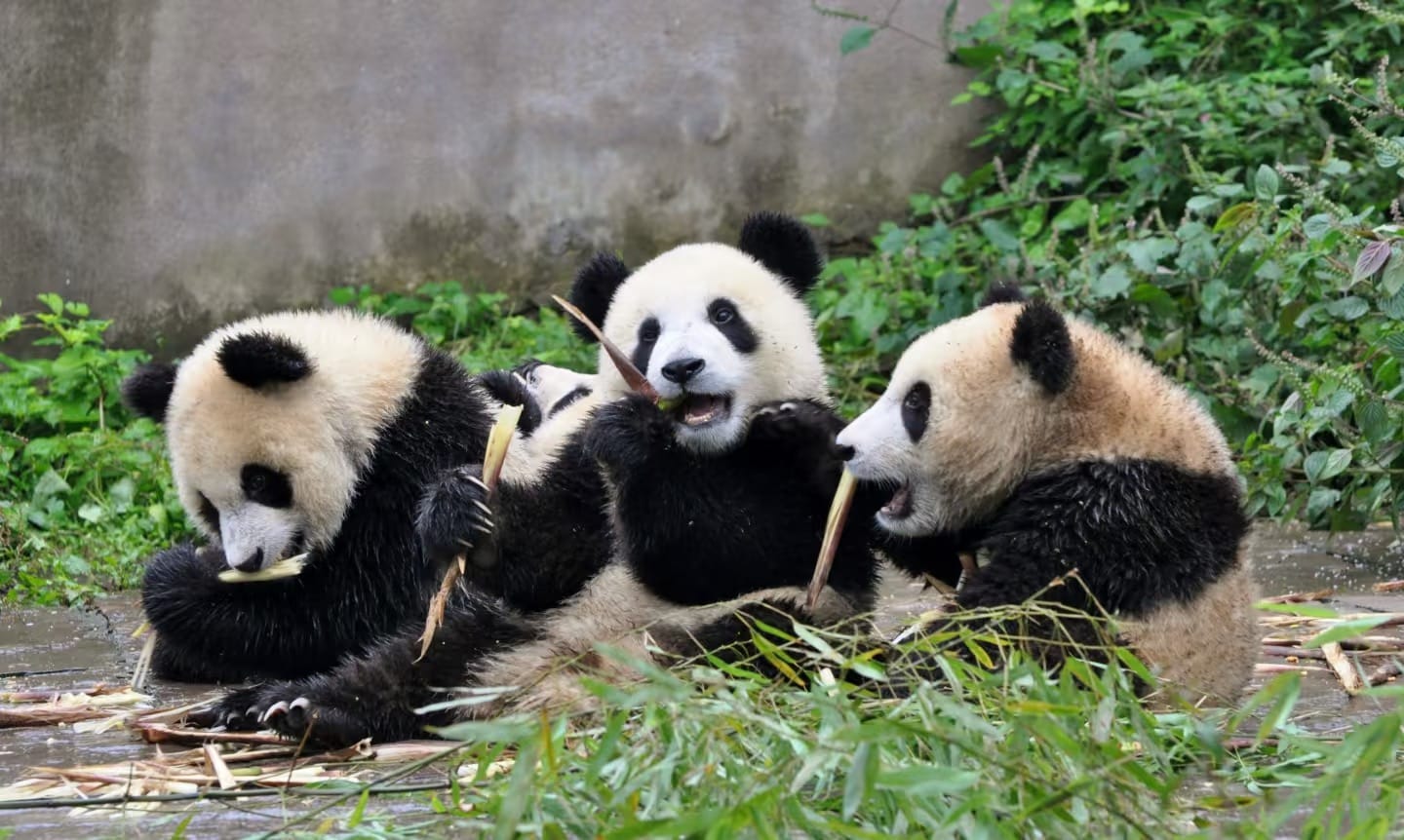
Bifengxia is where we take clients who want to see cubs outside, not behind glass. The base sits inside a canyon 150km from Chengdu and holds 60+ giant pandas across three viewing zones. Its Panda Kindergarten puts you on a hillside viewing platform looking down into a forested enclosure where cubs from multiple birth years share space. We have watched 1-year-old cubs take turns attempting to climb the same tree, fall off, and immediately return to try again. Adult pandas do not do this.
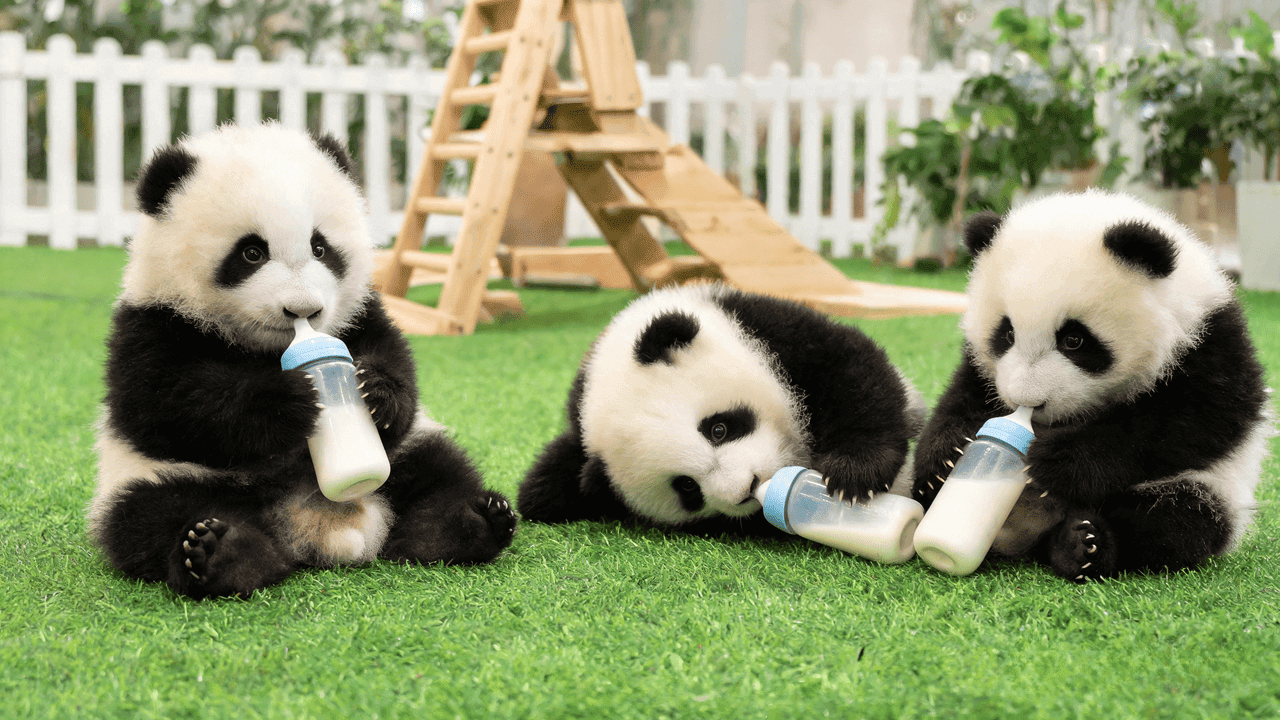
Bifengxia also takes in abandoned twins. From July to October you can watch keepers bottle-feed these cubs through the nursery window. July and August offer the best chance of seeing very young animals here.
→ See our Ya’an Bifengxia Panda Base guide
6. Wolong Shenshuping — Mountain Conditions and Least-Crowded Cubs
Shenshuping sits at 1,900m elevation in the Qionglai Mountains, 3 hours from Chengdu. The base holds 80 giant pandas as of 2022, the largest population of any CCRCGP facility. In 2025 it contributed 18 of the 45 combined births across both major Sichuan institutions.
The altitude changes the cub viewing experience. Even in July, Shenshuping rarely exceeds 25°C. Cubs spend more time outdoors than at the city base, and the enclosures are larger and more vertical. The inner ring houses breeding pandas and young animals in spaces that feel closer to real habitat than anything in Chengdu. Shenshuping has fewer guaranteed nursery viewing windows — it is a working conservation facility. Every client who visits both Chengdu and Wolong on the same trip says the same thing: at Shenshuping the pandas are not performing. They move on their own schedule, eat when they want to, and ignore the fence.
→ See our full Wolong Shenshuping guide
7. Which Base Should You Choose?
Priority | Best choice |
|---|---|
Nursery glass: youngest cubs (July–Oct) | Chengdu Research Base |
Outdoor cubs in natural enclosures | Ya’an Bifengxia |
Fewest crowds, most active young pandas | Wolong Shenshuping (Jan–Feb) |
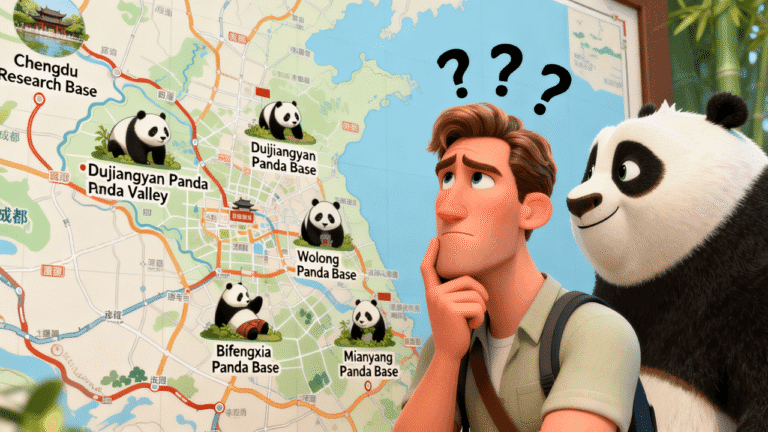
Half-day, fewer crowds than Chengdu | Dujiangyan Panda Valley (open; no nursery) |
Half-day from central Chengdu | Chengdu Research Base |
Full-day or overnight immersion | Wolong or Bifengxia |
Dujiangyan has two panda facilities with different operators and very different situations — see our Dujiangyan Panda Base vs Panda Valley guide.
8. Can You Hold or Touch Panda Cubs?
Those photos you see online of people holding pandas or standing very close to them were all taken many years ago.
Physical contact with giant pandas ended across all bases in 2019. No facility in China permits holding, touching, or close-contact photo sessions with any panda, including cubs.
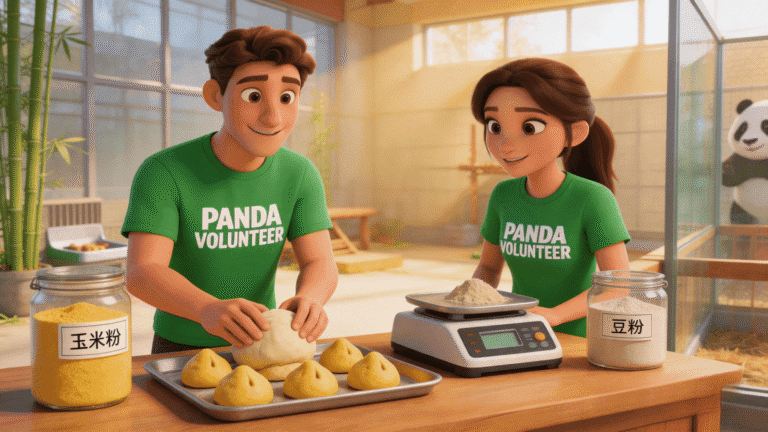
The panda volunteer programme at Wolong Shenshuping and Ya’an Bifengxia is the closest legal access available. It involves a full working day alongside the conservation team — cleaning enclosures, preparing bamboo and panda cakes, observing keepers during cub care routines at close range.
→ See our panda volunteer guide for current programme details
FAQ – Where to See Panda Cubs in China
Is it worth going to a panda base just to see cubs, or are adult pandas just as good?
Cubs are a categorically different experience. Adult giant pandas eat, sleep, and largely ignore visitors. Cubs at 3–6 months crawl toward the glass, tumble onto each other, and react to sound and movement. At 12–14 months they are competitive and physical in ways adults never are. We have had clients tell us the nursery at Chengdu was the single best thing they did in China — not in Chengdu, in China.
Is Bifengxia or Chengdu better for seeing panda cubs?
Chengdu Research Base is the right choice for very young cubs through nursery glass — particularly July through October. Bifengxia is the better choice for older cubs (3 months to 2 years) in outdoor forested enclosures. If travel dates fall outside cub season, Bifengxia’s Panda Kindergarten is consistently more active than Chengdu’s adult enclosures.
Can I see panda cubs at city zoos in Beijing, Shanghai, or Guangzhou?
City zoos in Beijing, Shanghai, Chongqing, and Guangzhou’s Chimelong Safari Park all keep giant pandas, but breeding results are infrequent and unpredictable. None operates a dedicated nursery at the scale of the Sichuan bases. If seeing cubs specifically is the goal, the Sichuan bases are the only reliable options.
Do I need to book panda base tickets in advance?
The Chengdu Research Base has no gate sales — advance online booking is mandatory. Foreign visitors book through the WeChat Mini Program or Trip.com using a passport number. Morning slots (07:30–12:00) sell out faster than afternoon ones. Bifengxia and Wolong Shenshuping do not currently require advance booking, but both have daily capacity limits.
Are panda cubs visible year-round at Sichuan panda bases?
Cubs at different ages are present year-round at the Chengdu Research Base, Ya’an Bifengxia, and Wolong Shenshuping. What changes by season is the age and location: nursery glass viewing peaks from July to October; active outdoor cub viewing peaks from September through March.
What should I do if I visit during May or June and still want to see young pandas?
Sub-adults from the previous year’s cohort are still in outdoor enclosures and more active than adults. At Wolong Shenshuping, the mountain temperature stays below 25°C even in summer, so pandas remain outdoors longer than at the Chengdu city base. Bifengxia’s Panda Kindergarten typically has 1–2 year-old animals regardless of season. Neither replaces the nursery cub experience, but both are better than the adult enclosures at Chengdu in summer.
Can I photograph panda cubs in the nursery?
Photography is permitted at all three Sichuan bases, but flash is strictly prohibited in all enclosed areas, including every nursery. Cubs have sensitive eyes in their first months, and flash through glass causes distress. Turn off your flash and disable automatic flash mode before entering any nursery area. A zoom lens or portrait mode through the viewing glass works well; brace your phone or camera against the window frame to reduce blur.
How long should I allow for a panda base visit?
The Chengdu Research Base takes 3–4 hours to cover the nurseries, sub-adult enclosures, and red pandas. The CNY 30 sightseeing bus is worth taking — the base covers 3km². Ya’an Bifengxia needs a full half-day: the Panda Kindergarten and nursery sit at opposite ends of a canyon trail, and the walk between them is part of the experience. Wolong Shenshuping is best treated as an overnight trip. The drive from Chengdu is 3 hours each way, and a rushed visit misses most of what distinguishes it from the city bases.
I can’t travel to China — is there a way to watch panda cubs online?
The Chengdu Research Base runs a 24-hour livestream through iPanda, broadcasting from nursery cameras and outdoor enclosures. No account is required to watch. China Media Group also publishes cub highlight videos around Chinese New Year, when the year’s cohort makes their group debut. The CCRCGP streams cub events from Wolong through its official Weibo and WeChat channels during breeding season.
Planning a panda cub visit? Contact us and we will match your travel dates to the right base.