Chengdu Panda Bases Guide: Which One Should You Visit?
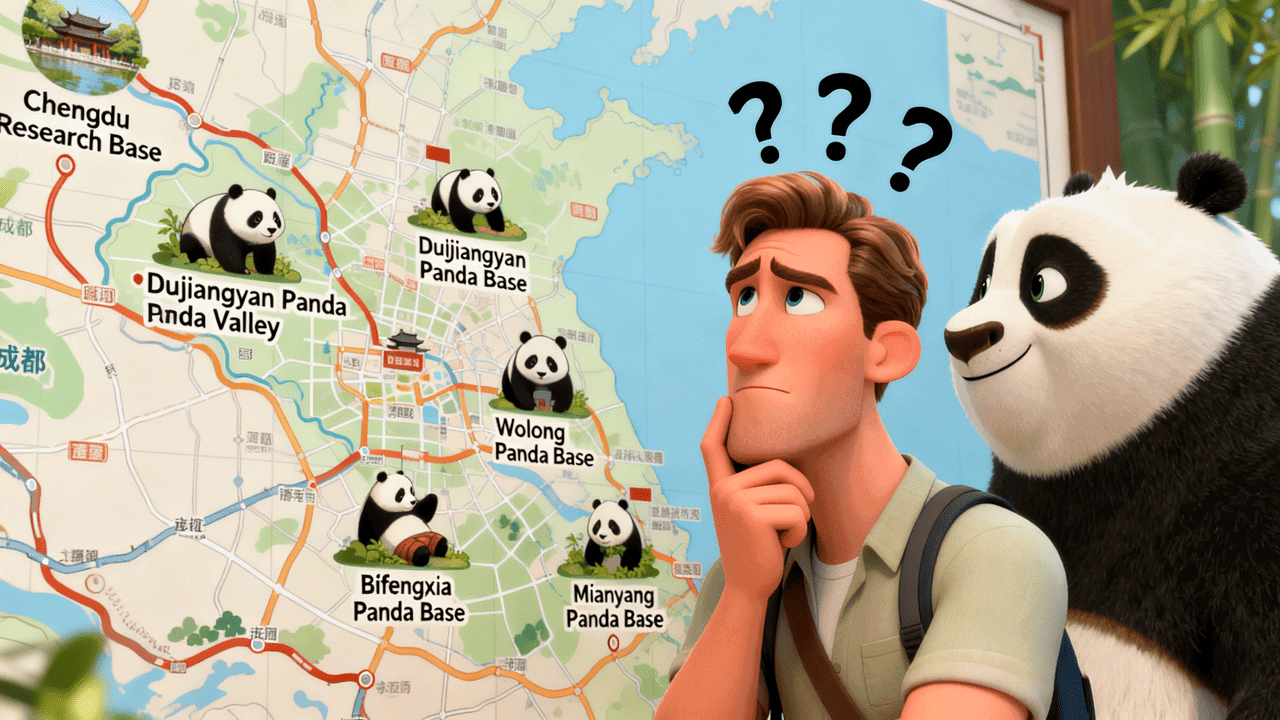
There are six panda facilities within reach of Chengdu. Most travelers only hear about one. The right choice depends on your time, tolerance for crowds, and what kind of panda experience you’re actually after. We’ve been matching clients to these bases since 2006. This guide covers what most sites skip.
TL;DR
Half a day, easy access, first visit 👉 Chengdu Research Base (city base)
Full day, fewer crowds, hillside setting 👉 Dujiangyan Panda Valley
Volunteer program, wilderness setting 👉 Wolong Shenshuping
New, quiet, overseas-resident pandas 👉 Mianyang Base
Pandas plus gorge scenery, overnight trip 👉 Ya’an Bifengxia
Dujiangyan Panda Base 👉 Temporarily closed
Table of Contents
1. How Do the Six Chengdu Panda Bases Compare?
Two separate organizations run these six facilities — the Chengdu city system and the national CCRCGP. They have different mandates, different pandas, and meaningfully different experiences. Understanding the split saves a lot of confusion, especially in Dujiangyan where both organizations have a site. Our panda organizations explainer covers this in full.
 Chengdu Research Base of Giant Panda Breeding Logo
 CCRCGP logo

Organization | Chengdu city | Chengdu city | CCRCGP | CCRCGP | CCRCGP | CCRCGP |
Distance from Chengdu | 10 km | 50 km | 67 km | 130 km | 150 km | 113 km |
Travel time | 30–45 min | 60–80 min | 90 min | 2–2.5 hrs | 2.5–3 hrs | 42 min (train) + transfer |
Ticket (adult) | CNY 55 | CNY 55 | CNY 58 | CNY 85 | CNY 95 | CNY 55 (trial price) |
Pandas on site | 237+ | 12 | 20+ | 70+ | 80+ | 20 |
Crowds | Very high | Low | Low–Moderate | Very low | Low | Very low |
Cubs / nursery | Yes, reliable | Occasional | Occasional | Occasional | Occasional | Opening in stages |
Volunteer program | No | No | Yes | Yes | Yes | No |
Public transport | Metro Line 3 | Train + Bus 14 | Train + taxi | Private car only | Private car recommended | Train + taxi/bus |
Best for | First-timers, families, cubs | Natural setting, fewer crowds | Conservation focus, volunteer program | Wilderness, re-wilding research | Gorge scenery + pandas | Quiet visit, overseas-resident pandas |
Our rating | ★★★★ | ★★★★★ | ★★★★★ | ★★★★ | ★★★ | ★★★☆ |
Bubble size = ticket price
Best season across all bases: March–May and September–November. Summer (June–August) brings heat that pushes pandas indoors by late morning. Winter visits are quieter and perfectly viable but expect slower, less active animals on cold days. Check our Best Time to See Pandas in Chengdu guide for more. If you’d like to see the panda cubs, please refer to: Where to See Panda Cubs in China (Best Bases & Seasons).
2. Chengdu Research Base of Giant Panda Breeding
The city base is the default for a reason. It sits 10 km from the center, it’s on the metro, and it holds 237 giant pandas — the largest captive panda population in the world. No other facility delivers that density of pandas that quickly. For a visitor with one morning free in Chengdu, this is the right answer.
The trade-off is crowds. On a weekend morning in peak season, the paths at the Sunshine Nursery fill fast. We’ve seen clients queue 20 minutes for a nursery window view. Come at 07:30 when the gates open, stay ahead of the tour buses, and leave by 10:30. The pandas are actively eating and moving then. By noon most are asleep and most of the crowds have arrived.
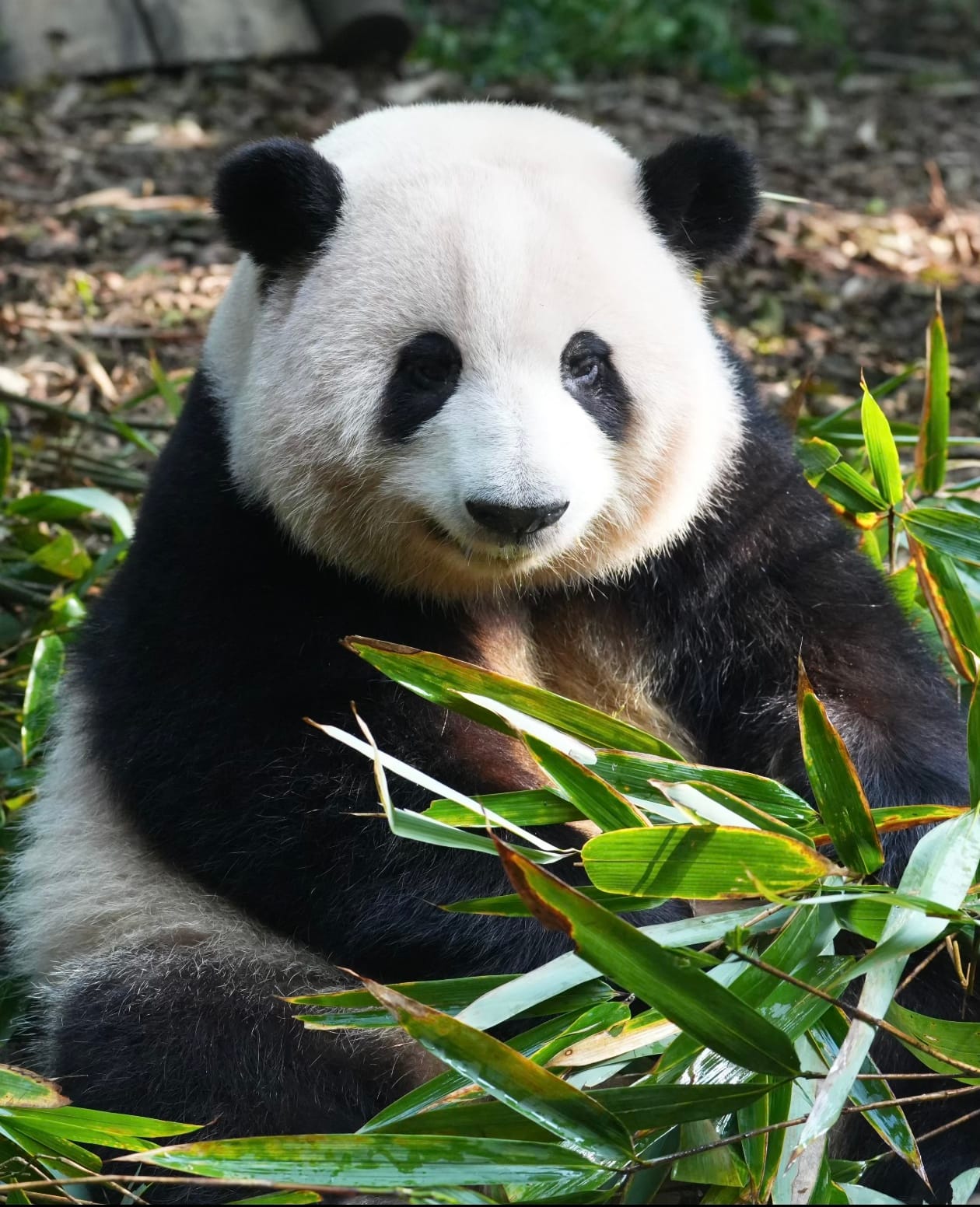
The nursery is the main event. This base runs the most successful breeding program in the world. In late summer and autumn you have a realistic chance of seeing cubs in incubators or toddlers at play. No other base matches that reliably. Hua Hua (花花), currently China’s most famous panda, lives here — worth knowing if you’re traveling with young panda fans. The red panda section is also worth the detour; they stay active longer than the giant pandas and the enclosures allow close unobstructed views.
The base completed a major expansion in 2023, adding the Jinfeng Garden (金凤园) area. It roughly doubled the walkable footprint. First-time visitors should stick to the core area — the nurseries, the sub-adult enclosures, and the red panda section — rather than trying to cover everything. Budget three to four hours.
Get there: Metro Line 3 to Panda Avenue (熊猫大道), Exit A, then Panda Bus D01 (10 min) or taxi. Total from Tianfu Square: 30–45 minutes.
Go if: This is your first panda visit, you have half a day, you’re traveling with young children, or you specifically want cubs or Hua Hua.
Skip if: You’ve done it before, crowds bother you, or you want pandas in a natural open-air setting.
→ See our Chengdu Research Base visitor guide & How to Get to Chengdu Panda Base (All in One Guide) for full ticket and transport details.
3. Dujiangyan Panda Valley
Panda Valley is run by the same Chengdu city organization as the main base, but it functions differently. The 134-hectare hillside site in Yutang Town is a wild-release training center — the pandas here are selected captive-borns learning to forage, climb, and navigate unfamiliar terrain. The enclosures are larger. The bamboo grows untrimmed beside the trails. Streams run through the lower sections. It feels less like a park and more like a forested hillside that happens to have pandas in it.
We’ve been bringing clients here since it opened in April 2015. The consistent feedback: the experience is calmer and more absorbing than the city base, even though there are only 12 giant pandas on site. Twenty red pandas round out the resident population. On a weekday morning in spring, you can spend long uninterrupted minutes watching a panda without anyone jostling you. Clients who come expecting the city base often leave preferring this one.
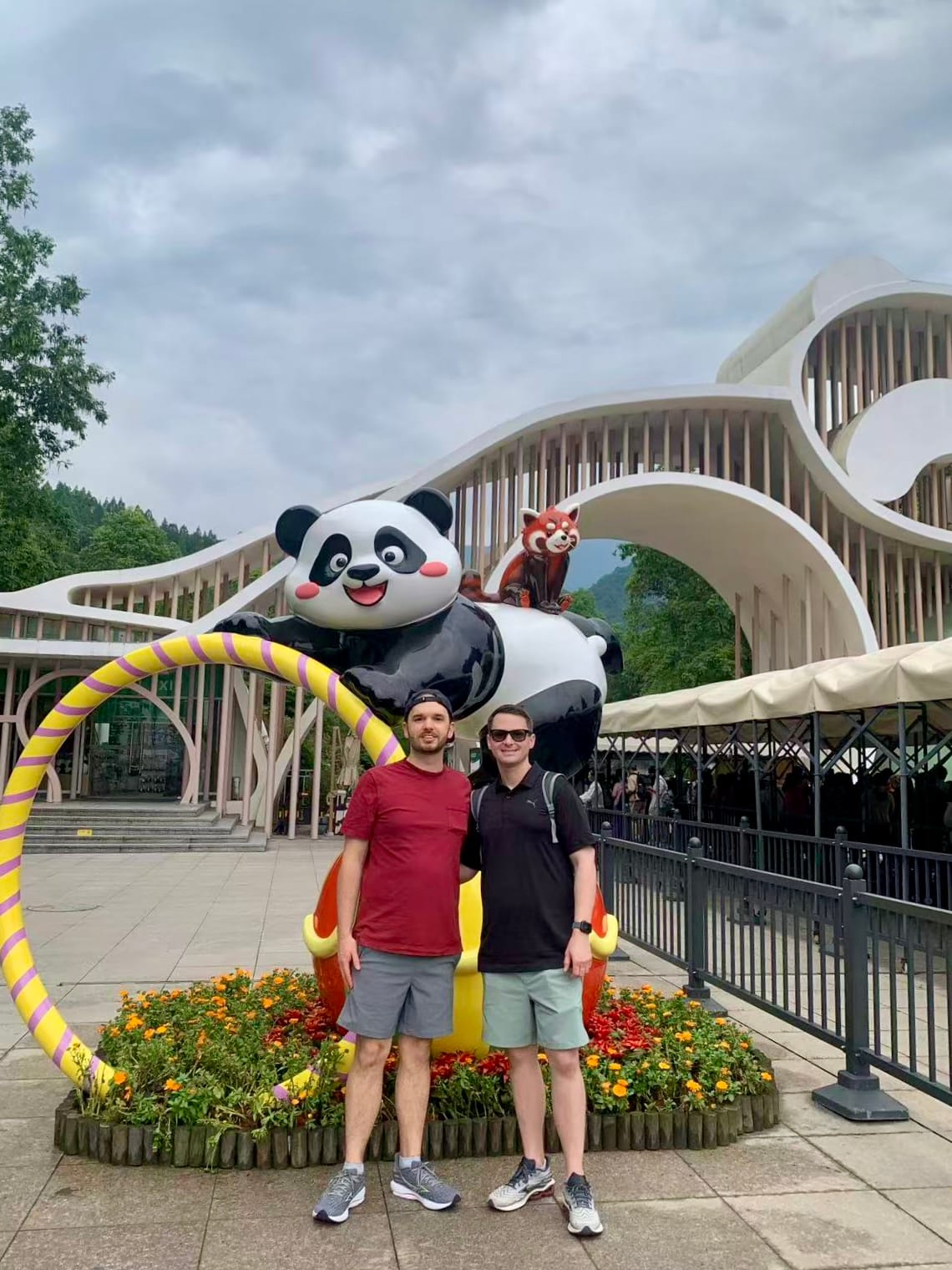
Arrive by 08:00–08:30. The keepers begin the morning feed around 08:30, and the active window closes fast. Ticket is CNY 55, advance booking only through the official site or WeChat mini-program (熊猫谷).
Get there: High-speed train from Xipu Station (犀浦站) to Liduiyuan Station (离堆公园站), about 30 minutes, then Bus 14 to the entrance. Total from Chengdu: 60–80 minutes.
Go if: You want a more natural setting, you’ve already visited the city base, you’re a photographer who needs space, or you can dedicate a full morning.
Skip if: Your only priority is seeing the most pandas or newborn cubs.
→ See our Dujiangyan Panda Valley complete guide & How to Get to Dujiangyan Panda Valley from Chengdu (All in One Guide) for full visiting details.
4. Dujiangyan Panda Base
⚠️ 2026 Closure Notice: Dujiangyan Panda Base (熊猫乐园) is temporarily closed for renovation from April 23, 2026. No reopening date has been confirmed. Panda Valley (熊猫谷) remains open as normal.
The Dujiangyan Panda Base is a different facility from Panda Valley — different organization, different location, different purpose. Where Panda Valley is run by the Chengdu city system and trains pandas for wild release, this base is run by the national CCRCGP and focuses on medical care, rehabilitation, and housing pandas returning from overseas zoos. The enclosures are vast forested hillside spaces. Crowds are a fraction of the city base. The air is cleaner. You can hear the forest.
This is our top recommendation for visitors who can spare a full day. We’ve sent hundreds of clients here over the years. The feedback is consistent: the experience is more absorbing, more peaceful, and more genuinely connected to conservation than anything you get in the city. Pandas who have lived at overseas zoos end their careers here — you can read their individual histories at each enclosure.
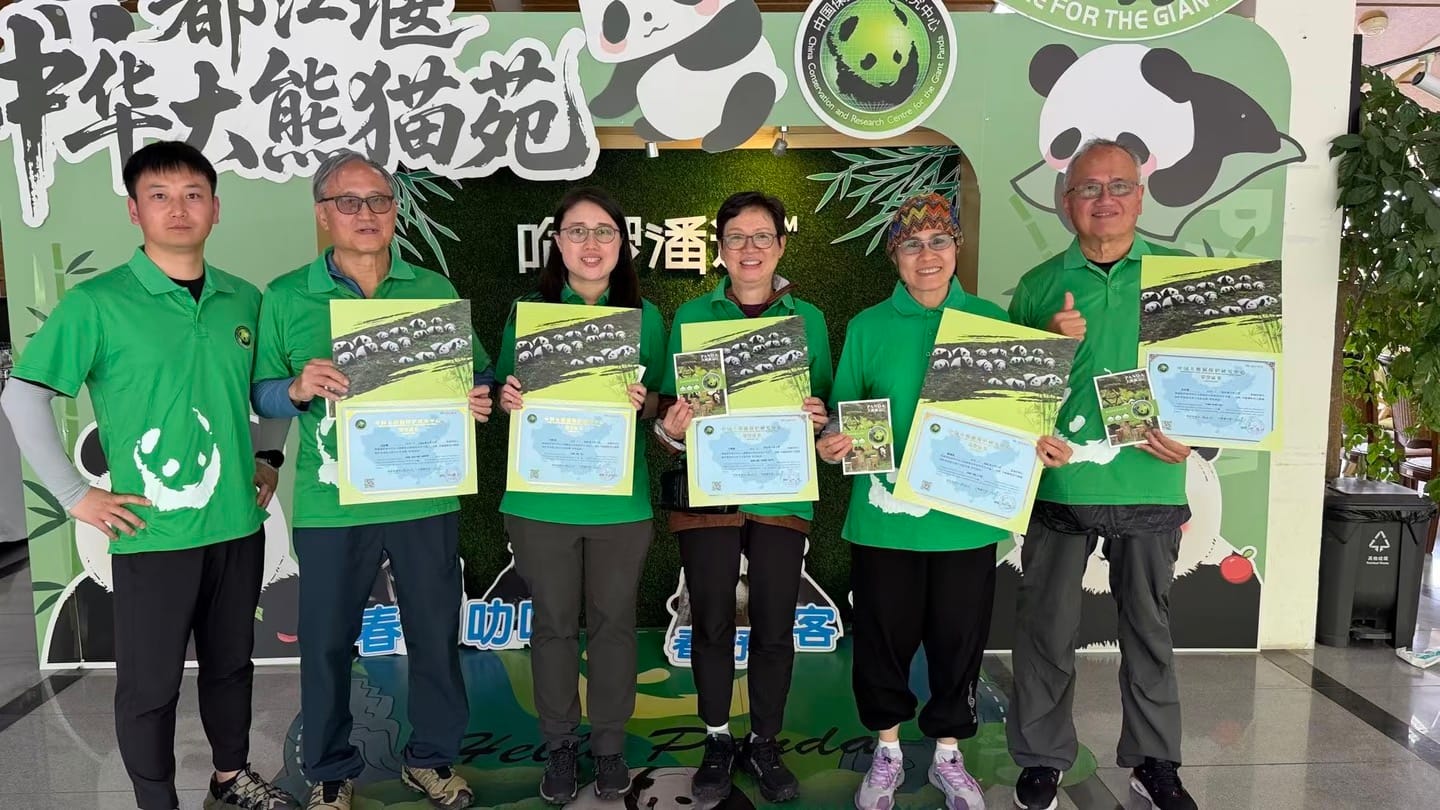
The volunteer program here is the best-organized for international visitors of any base in the country. Working a full keeper day alongside the permanent staff — bamboo prep, feed transport, behavioral observation — is something most guests describe as the single best day of their China trip.
Ticket: CNY 58. Shuttle bus available within the park (CNY 15).
Get there: High-speed train from Xipu Station (犀浦站) to Qingchengshan Station (青城山站), then taxi 10–15 minutes (CNY 15–20). Total from Chengdu: 90 minutes.
Go if: You want fewer crowds, a natural forested setting, the volunteer program, or the most authentic panda conservation experience in the region.
Skip if: You only have half a day, need metro-level convenience, or are primarily after newborn cubs.
→ See our Dujiangyan Panda Base vs Panda Valley guide and our panda volunteer guide for full details.
5. Wolong Shenshuping Panda Base
Wolong is the one base where the setting itself changes the experience. At 1,700m in the Qionglai Mountains, 130 km from Chengdu, this is the only giant panda facility built inside an active national nature reserve. The enclosures — 300–500 sqm with natural bamboo groves, streams, and climbing trees — are designed for pandas, not visitor flow. You feel that difference immediately.
We’ve been bringing international clients to Shenshuping since it reopened in 2016. What surprises most guests is the quiet. On a busy week, it still feels uncrowded. The trade-off is practical: no direct public transport. A private car from Chengdu is the only viable option for a day trip, and it’s a 2–2.5 hour drive each way. Budget a full day.

The volunteer program here is the most serious in the system. A maximum of 15 participants per day work alongside permanent keepers on actual care tasks — bamboo prep, feed transport, enclosure maintenance, behavioral observation. That low cap is exactly why it works. Peter brought his teenage son from the UK in June 2025 specifically for the Wolong volunteer day. His description afterward: “It was four hours of hard work and the best thing we did in China.”
Ticket: CNY 85.
Get there: Private car from Chengdu, 2–2.5 hours each way. No practical public transport option for international visitors.
Go if: You want the volunteer program, you’re a serious wildlife enthusiast, or you want to see pandas in the closest setting to their natural habitat.
Skip if: You only have half a day, prefer no long drive, or this is your first panda visit.
→ See our Wolong Panda Reserve guide & How to Get to Wolong Panda Base: Transport Guide for full details including the volunteer program.
6. Ya’an Bifengxia Panda Base
Bifengxia became a major panda center after the 2008 earthquake destroyed the original Wolong facility. It holds 80+ giant pandas inside a scenic gorge — waterfalls, forested canyon walls, cliff coffins on the hillside above. The pandas are spread across enclosures on the gorge slopes. Getting between them means real walking through mountain scenery, supplemented by shuttle buses that run between the zones.
The distance is the limiting factor for day-trippers. At 150 km from Chengdu, the round-trip drive alone is 5–6 hours. We tell most clients: if you’re coming to Bifengxia, stay overnight in Ya’an. The base also closes between 11:30 and 13:30 for the pandas’ midday rest, which means a late departure from Chengdu can cost you the best viewing window before you even walk in. We’ve taken clients who combined pandas with a full afternoon walk through the gorge and came back deeply satisfied. Clients who came purely for pandas and left after the panda section told us they wished they’d gone to Panda Valley instead.
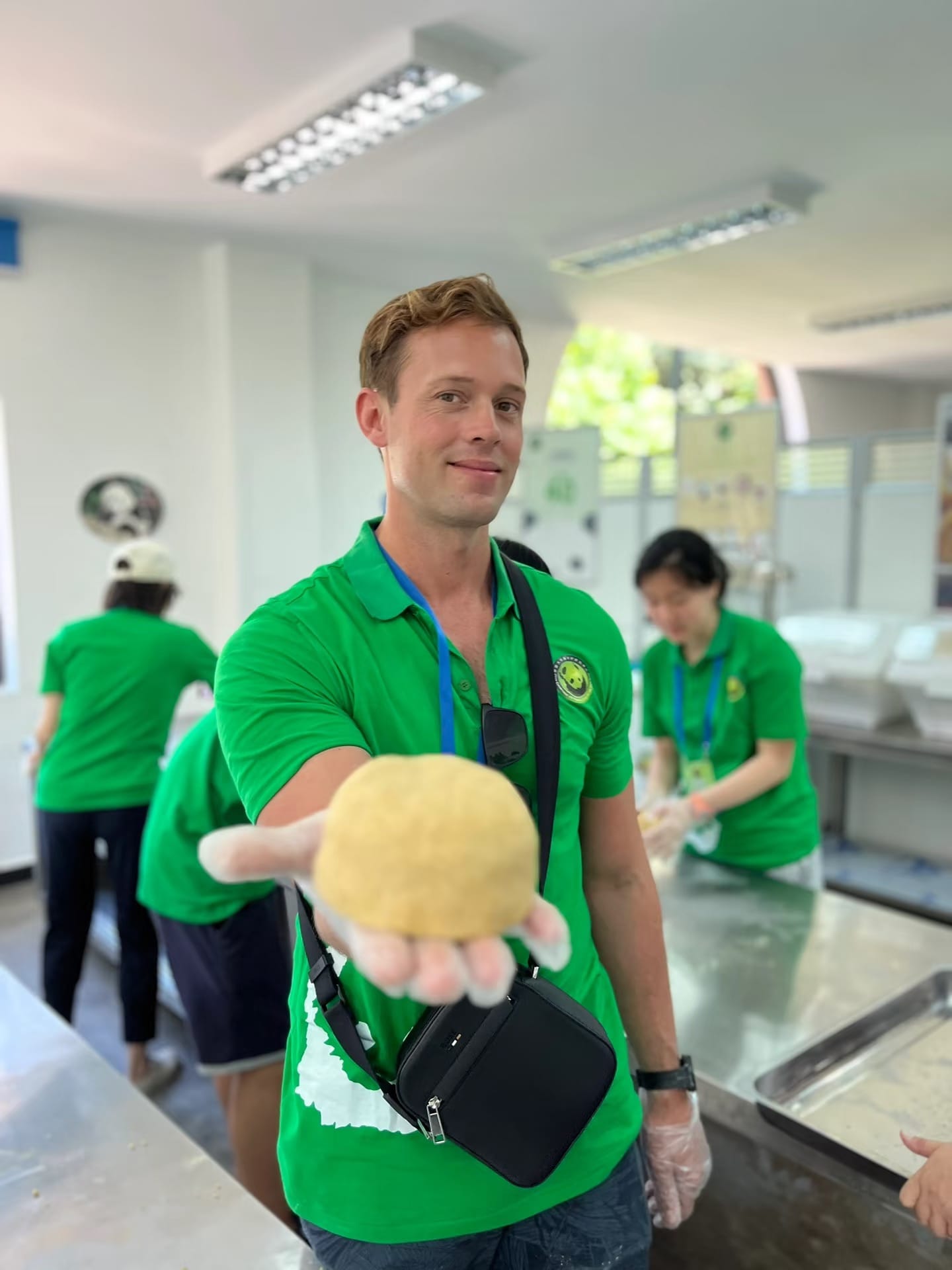
Ticket: CNY 95 (includes panda base, shuttle bus within the gorge, and scenic elevator).
Get there: Private car recommended. 2.5–3 hours from Chengdu. Bus from Xinnanmen to Ya’an, then taxi or local bus to the gorge — viable but adds significant time.
Go if: You’re spending a night or two in Ya’an, you want pandas combined with proper mountain scenery, or this is your second or third panda base.
Skip if: You’re doing a day trip from Chengdu and pandas are your only goal.
→ See our Ya’an Bifengxia Panda Base guide & How to Get to Bifengxia Panda Base (All in One Guide) for full visiting details.
7. Mianyang Panda Base
China’s newest panda facility opened December 29, 2025. It’s the fifth CCRCGP base, joining Wolong, Bifengxia, and the two Dujiangyan sites. At 120 hectares with 20 resident pandas, it’s still in trial operation, but it’s already worth the trip for the right visitor.
The draw is specific: Mianyang holds pandas with overseas histories. Fu Wa and Feng Yi returned from Malaysia in 2025. Tian Bao was born at Pairi Daiza in Belgium. Hua Bao and Jin Baobao lived at Ähtäri Zoo in Finland. If you’ve met any of these bears at a zoo abroad, the pull of seeing them settled on a Sichuan hillside is real. Then there’s Cao Cao — born wild, mother of the first cub ever born at a wild-training base, and the first captive panda to conceive by a wild male. Chinese guests cross the province to stand at her enclosure.
The paths are flat, smooth, and step-free throughout — the most accessible panda base in the entire system. The downside: no shade yet (the trees were planted two years ago), which makes summer visits uncomfortable. Spring and autumn are the seasons to aim for. Book the morning slot (08:30 entry); the afternoon slot means sleeping pandas.
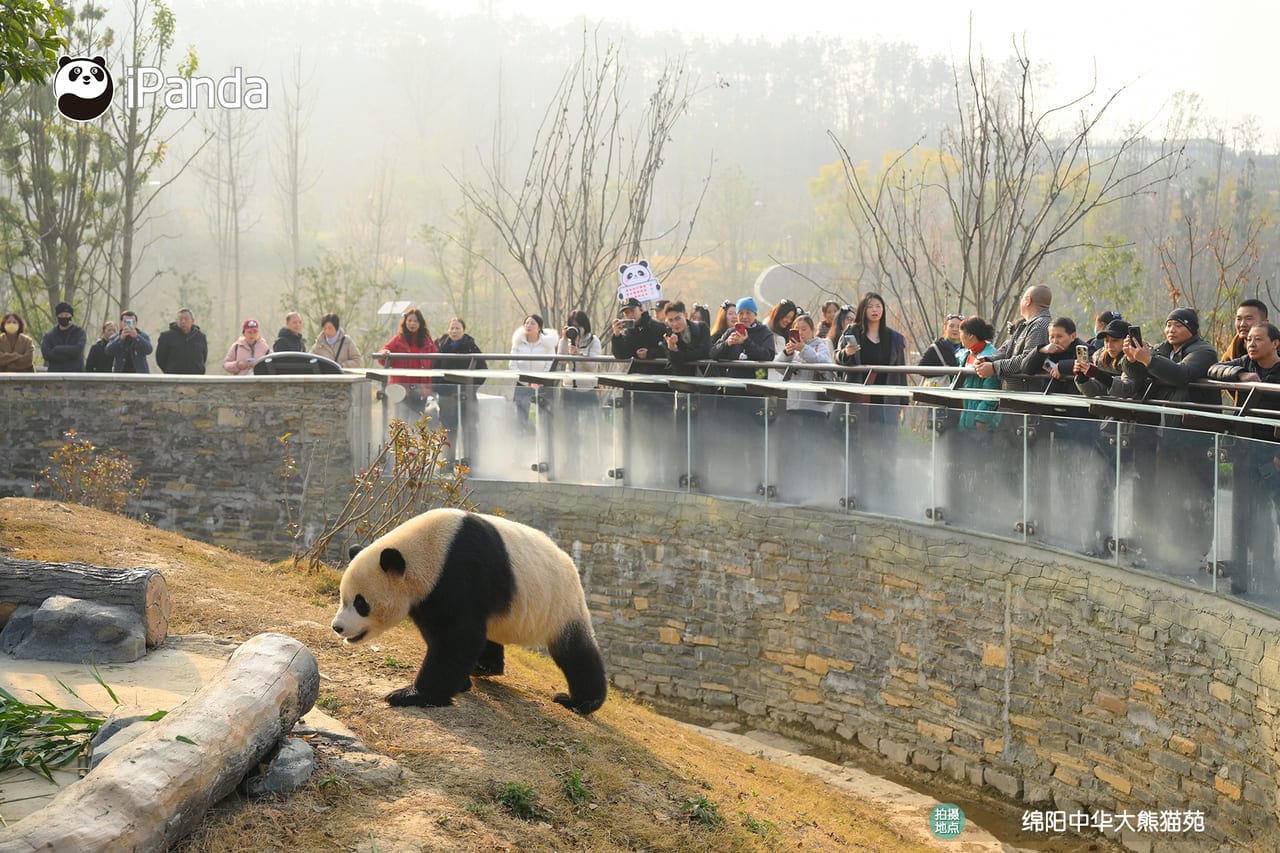
Train from Chengdu East to Mianyang: 42 minutes, CNY 45. Taxi from Mianyang station to the west gate. Total door-to-door from Chengdu: 90 minutes. Ticket: CNY 55 (trial price).
Go if: You’ve done the Chengdu base, want a quiet half-day, travel with a wheelchair or pram, or want to see the overseas-resident pandas.
Skip if: This is your only panda day in Sichuan, you’re primarily after newborn cubs, or you can’t spare the train trip.
→ See our Mianyang Panda Base guide for full ticket and transport details.
8. Which Panda Base Should You Actually Visit?
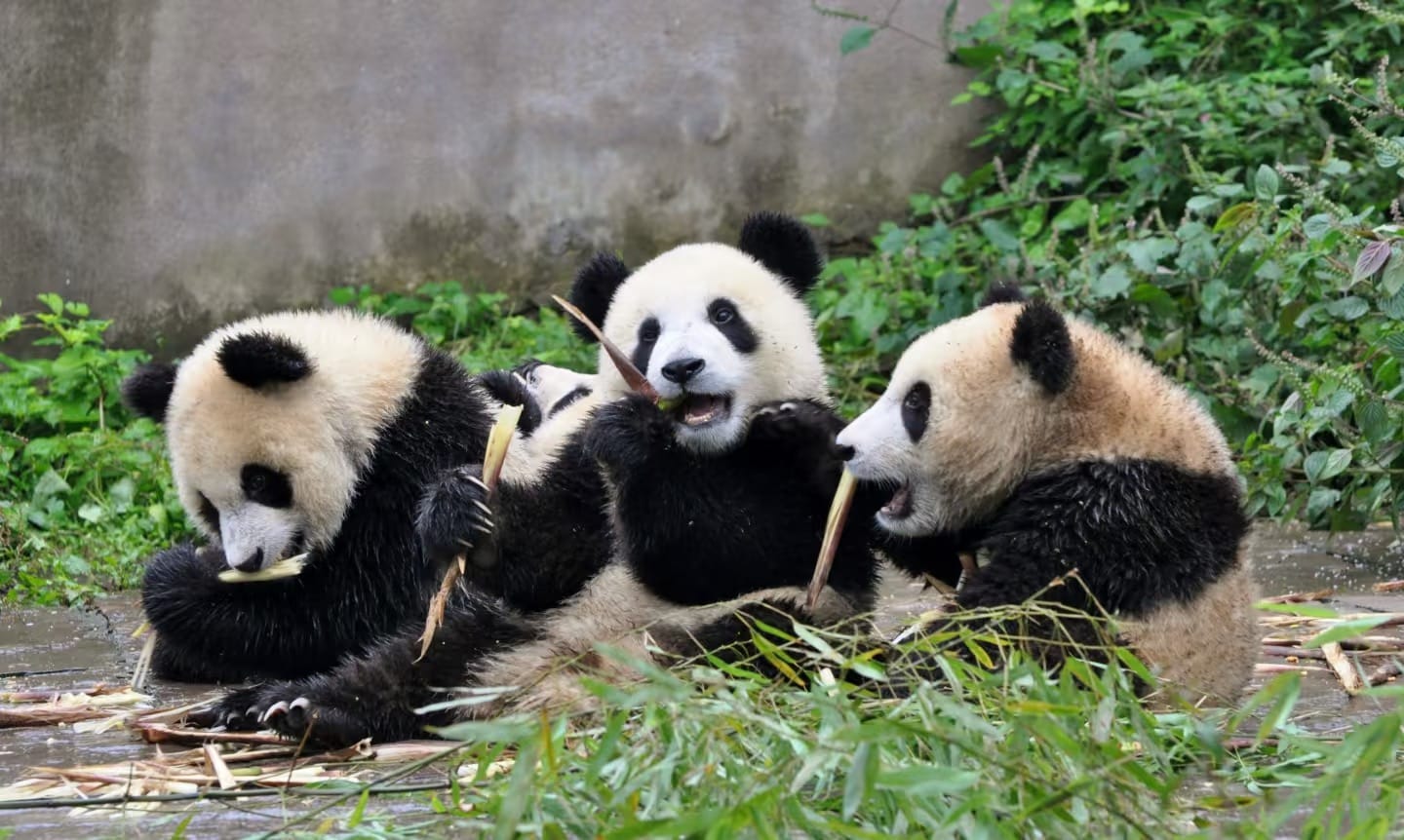
Most visitors have one panda day in Chengdu. A smaller group has two or three.
One panda day: Chengdu Research Base for most people — easy, full panda count, best chance of cubs. Panda Valley if you’ve already done the city base or crowds are a dealbreaker. Not both in one day; 90 minutes apart and each deserves a proper morning.
Two panda days: City base on day one (07:30, beat the crowds, see the nursery, see Hua Hua). Panda Valley or Mianyang on day two — the former if you want more natural panda behavior, the latter if you want a train-trip day out with pandas that have lived abroad.
Three panda days: Add Wolong with a private car — but only for visitors genuinely interested in the conservation work, not just ticking a third base. Wolong is worth the drive. Bifengxia makes more sense if you’re already routing through Ya’an.
For the volunteer program: Dujiangyan Panda Base, Wolong, and Bifengxia all run international programs. All need advance booking — 2–4 weeks minimum, 8 weeks during May–October.
Frequently Asked Questions
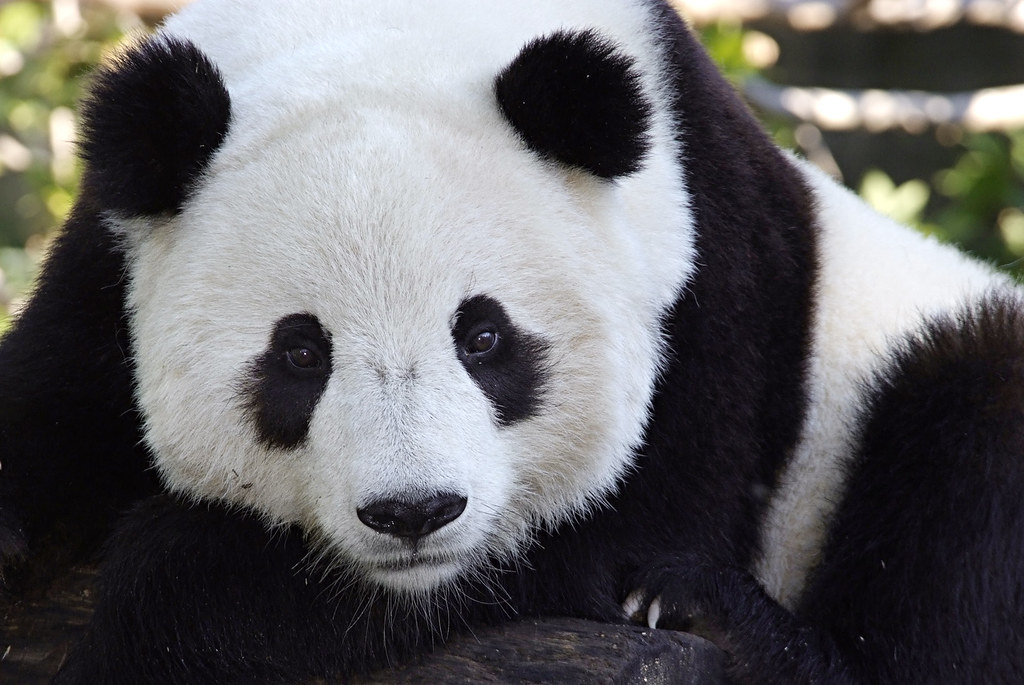
Can I hold a panda at any Chengdu base?
No. Panda holding for tourist photos was banned in 2018 across all facilities in China. The alternative is the panda keeper volunteer program at the Dujiangyan Panda Base, Wolong, or Bifengxia, where you work alongside permanent keepers on actual care tasks. You don’t touch the pandas, but you get close during feeding sessions through a barrier — the correct and humane way to do it. See our panda volunteer guide for what the program involves and how to book.
What is the best time of day to visit any panda base?
Arrive at opening. At every base, pandas are fed and active from early morning until roughly 10:30–11:00, then sleep for most of the afternoon. An afternoon visit means photographing sleeping pandas. At the Chengdu city base, arriving at 07:30 also puts you ahead of the tour buses, which typically arrive from 09:00.
Which base has the best chance of seeing panda cubs?
The Chengdu Research Base has the most active breeding program and the most reliable nursery. In late summer and autumn — roughly August to November — newborn cubs are often visible in incubators. Cubs at other bases appear occasionally but cannot be predicted. See our where to see panda cubs guide for a base-by-base breakdown by season.
Why are there two panda bases in Dujiangyan?
Panda Valley (熊猫谷) and the Dujiangyan Panda Base (熊猫乐园) are in the same city but run by completely separate organizations — the Chengdu city system and the national CCRCGP respectively. They are 19 km apart, serve different conservation purposes, and have different pandas. Most travel sites treat them as one place, which causes genuine booking confusion. See our full comparison guide for the details that matter before you book.
Is it possible to visit more than one panda base in a day?
Not comfortably. Chengdu Research Base and Panda Valley are 90 minutes apart — combining them means rushing both. Mianyang, Wolong, and Bifengxia each require a full-day commitment. Plan one base per day.
Are the panda bases wheelchair accessible?
Chengdu Research Base and Mianyang are the most accessible — paved, flat, step-free paths throughout. Panda Valley has gentle slopes but is manageable. Wolong uses elevated boardwalks with some uneven terrain. Bifengxia is the most challenging: steep gorge paths and shuttle transfers between panda zones.
Do I need to book tickets in advance?
Yes at the Chengdu Research Base, Panda Valley, and Mianyang — all are online-only, no walk-up window. Wolong and Bifengxia are more flexible on general admission, but the volunteer program at either base requires 2–4 weeks advance booking (8 weeks in peak season). All bases require real-name registration; international visitors use their passport.
What should I wear to a panda base?
Comfortable walking shoes — you’ll cover 3–6 km at any base. Sun protection is essential at Mianyang (young trees, no canopy) and on open gorge paths at Bifengxia. Bring a light rain jacket for Wolong — mountain weather at 1,700m changes without warning. Carry a water bottle; drinking fountains are absent at most bases. Avoid perfume and heavily scented skincare if you’re doing the volunteer program — pandas have a highly sensitive sense of smell.
Planning a panda trip and not sure which base fits your schedule? Get in touch and we’ll plan it around you.