Panda Organizations in Chengdu: Two Institutions Explained
Most visitors don’t realise this until something goes wrong. The panda bases near Chengdu are split across two entirely separate government organizations — one city-level, one national — with no shared management, no combined ticketing, and no connection at all. Getting them confused means booking the wrong base, missing a volunteer program, or losing an hour driving between the wrong sites in Dujiangyan. This article untangles which organization runs what.
Chengdu Research Base | CCRCGP | |
|---|---|---|
Chinese name | 成都大熊猫繁育研究基地 | 中国大熊猫保护研究中心 |
Government level | Municipal — Chengdu city | National — central government |
Governing authority | Chengdu Park City Construction & Management Bureau | National Forestry and Grassland Administration |
Founded | 1987 | 1980 (with WWF) |
Facilities | City base + Panda Valley | Dujiangyan · Shenshuping · Hetaoping · Bifengxia · Mianyang |
Pandas under management | 237 | 380+ |
City base / main ticket | CNY 55 | CNY 58 (Dujiangyan) |
Primary mission | Breeding, research, public education | Wild rescue, rewilding, disease control, overseas panda management |
Official website |
Table of Contents
1. Are All Chengdu Panda Bases Run by the Same Organization?
No. Two separate institutions manage the six panda facilities near Chengdu, and the split goes back to how each came to exist.
In 1987, Chengdu city had six wild-rescued pandas sitting at the city zoo with nowhere proper to go. The municipal government built them a facility. That became the Chengdu Research Base — city-funded, city-managed, accountable to the Park City Bureau, not to Beijing.
The national track started seven years earlier. In 1980, China and the World Wildlife Fund agreed to build a research station at Wolong — a proper conservation institution, not a city project. That became the China Conservation and Research Center for the Giant Panda (CCRCGP), which reports directly to the National Forestry and Grassland Administration. Its job is wider than any single city’s interests: rescuing injured wild pandas, training animals for reintroduction to nature, managing China’s international panda loans, and controlling disease across the entire captive population.
Together they have grown the captive panda population to over 600. But they remain entirely distinct — separate budgets, separate staff, separate ticketing.
2. Which Facilities Does the Chengdu Research Base Run?

The Chengdu Research Base of Giant Panda Breeding runs two facilities, both funded by Chengdu city:
Facility | Location | Size | Distance from Tianfu Square | Ticket |
|---|---|---|---|---|
City base (熊猫基地) | 1375 Panda Avenue, Chenghua District | 3.07 km² | 15km | CNY 55 |
Panda Valley (熊猫谷) | Yutang Town, Dujiangyan | 2,004 mu (134 ha) | 67km | CNY 55 |
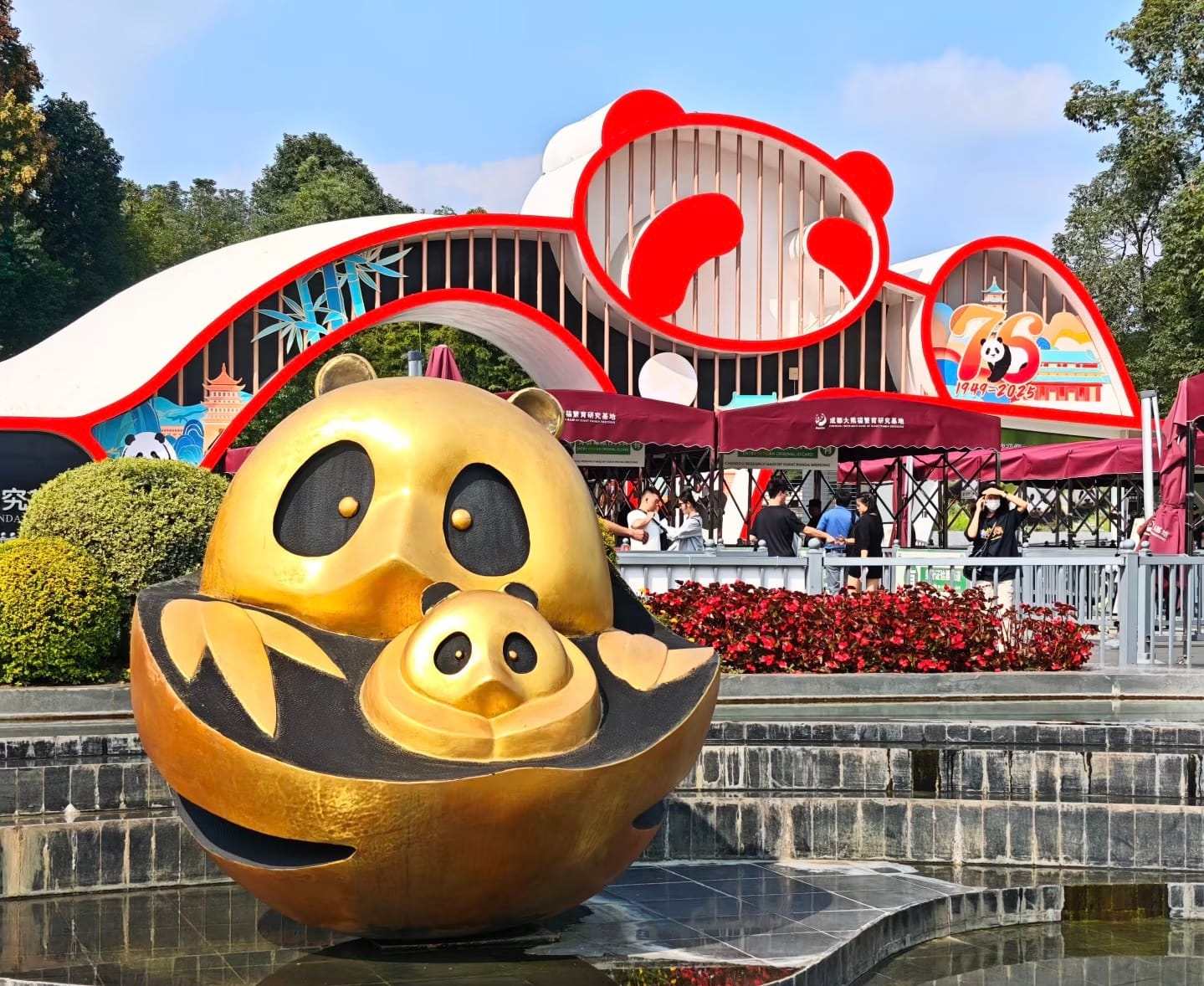
The city base is what almost every visitor means when they say “Chengdu panda base.” It holds 237 giant pandas — the largest captive panda population in the world — spread across the original Old Area and the Jinfeng Garden expansion that opened in late 2021. Three nursery facilities let you observe pandas at different life stages, from newborns through sub-adults. Red pandas occupy open enclosures throughout the park and are often more visible than the giant pandas by mid-morning.
One detail foreign visitors consistently miss: no on-site ticket window exists. All admission requires advance booking online via WeChat (official account: 成都大熊猫繁育研究基地) or Trip.com, with a passport number. Morning slots (7:30am–12:00pm) sell faster than afternoon ones and are worth prioritising — giant pandas are active for the first 90 minutes after opening and largely asleep by 11am.
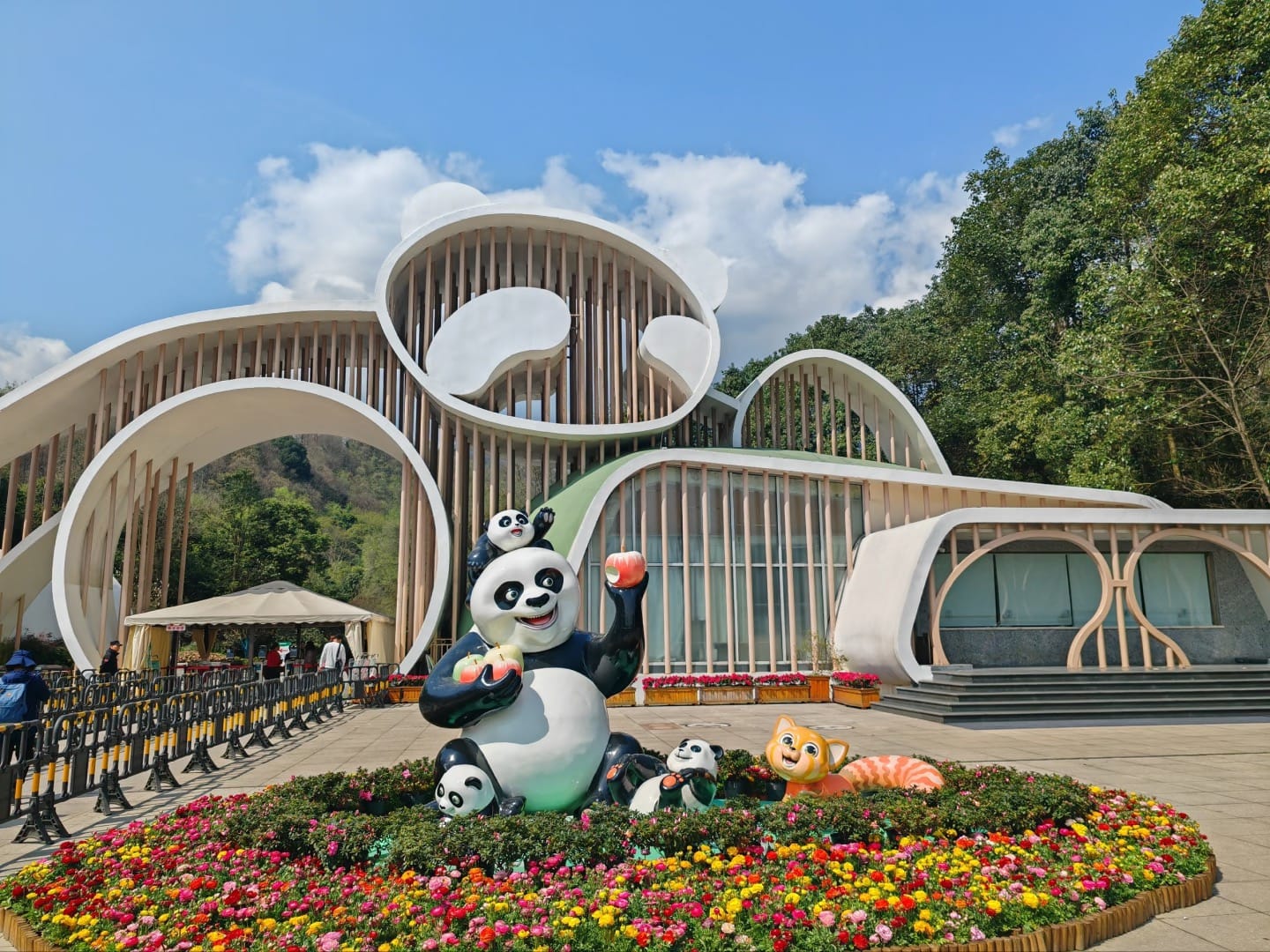
Panda Valley is the city base’s second facility — formally the Dujiangyan Wild-Release Breeding Research Centre (都江堰野放繁育研究中心). The name states the mission: training selected pandas in foraging, climbing, and terrain navigation before eventual reintroduction to the wild. It sits in a natural forested valley 3km from Dujiangyan city centre, opened in April 2015, and houses a smaller resident population than the city base. The enclosures are more naturalistic. The paths are hillier. Crowds are a fraction of what the city base sees on the same day.
The two facilities have separate ticketing. City base tickets do not cover Panda Valley — book through WeChat account 熊猫谷.
→ See our Chengdu Panda Bases Guide for current hours and visiting conditions at both sites.
3. Which Facilities Does the CCRCGP Run?
The CCRCGP (中国大熊猫保护研究中心) is a national institution under Beijing’s National Forestry and Grassland Administration. It grew out of field conservation work, not tourism — which is why its bases feel different from the city base, and why the pandas there often behave differently too. It now operates five bases:
Base | Chinese name | Location | Size | From Chengdu | Ticket |
|---|---|---|---|---|---|
Dujiangyan Base | 都江堰中华大熊猫苑 (熊猫乐园) | Qingchengshan Town, Dujiangyan | 760 mu | 56km | CNY 58 |
神树坪基地 | Gengda Town, Wolong National Reserve | 2,250 mu | 130km · 2 hrs | Varies | |
Hetaoping Base | 核桃坪基地 | Wolong Town, Wolong National Reserve | 300+ mu | 130km · 2 hrs | — |
碧峰峡基地 | Bifengxia Scenic Area, Ya’an | 1,074 mu | 150km · 2 hrs | Varies | |
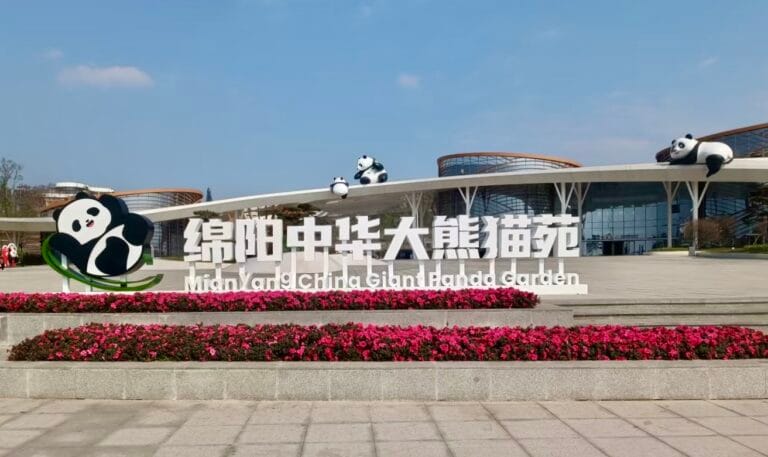
绵阳基地 | Mianyang Science and Technology City | 1,800 mu (120 ha) | 120km · 1.5 hrs | — |
The 2008 Sichuan earthquake destroyed the original Hetaoping facility at Wolong. Staff carried pandas out on their backs. The Shenshuping Base that replaced it was rebuilt 20km away and opened in 2016. The Dujiangyan China Giant Panda Garden came from the same disaster — it was funded by the Hong Kong SAR government as part of post-earthquake reconstruction and completed in 2013.
Distance from Chengdu city centre (km)
Dujiangyan China Giant Panda Garden (都江堰中华大熊猫苑)
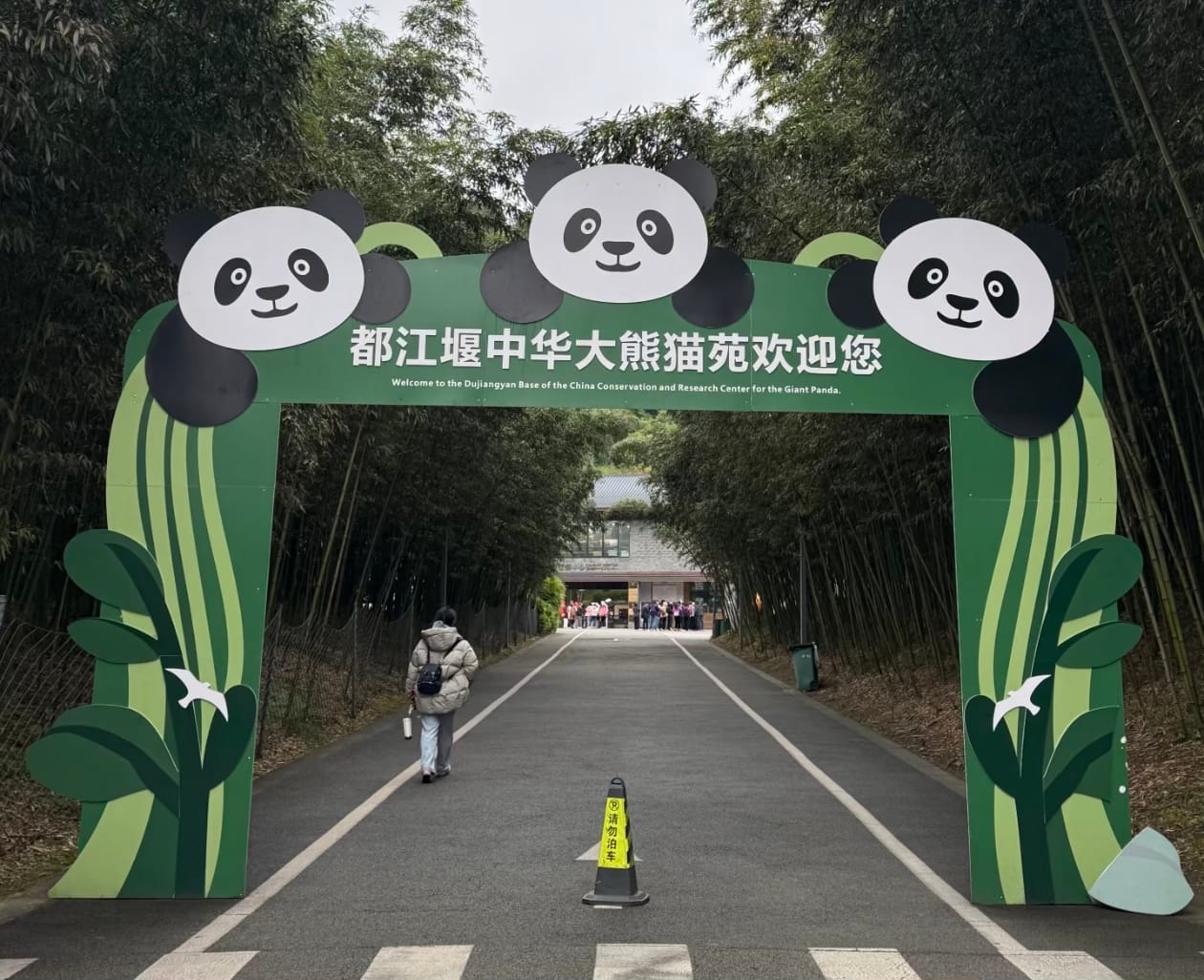
This base specialises in disease control, wild rescue, and elderly panda care. It houses the world’s only dedicated elderly panda nursing facility — a unit for pandas aged 26 and above, with custom nutrition and around-the-clock medical monitoring. When an overseas panda finishes a loan period and returns to China, it typically comes here: Fu Bao returned from Korea in April 2024 and went to this facility, not to the city base.
Shenshuping Base at Wolong (神树坪基地)
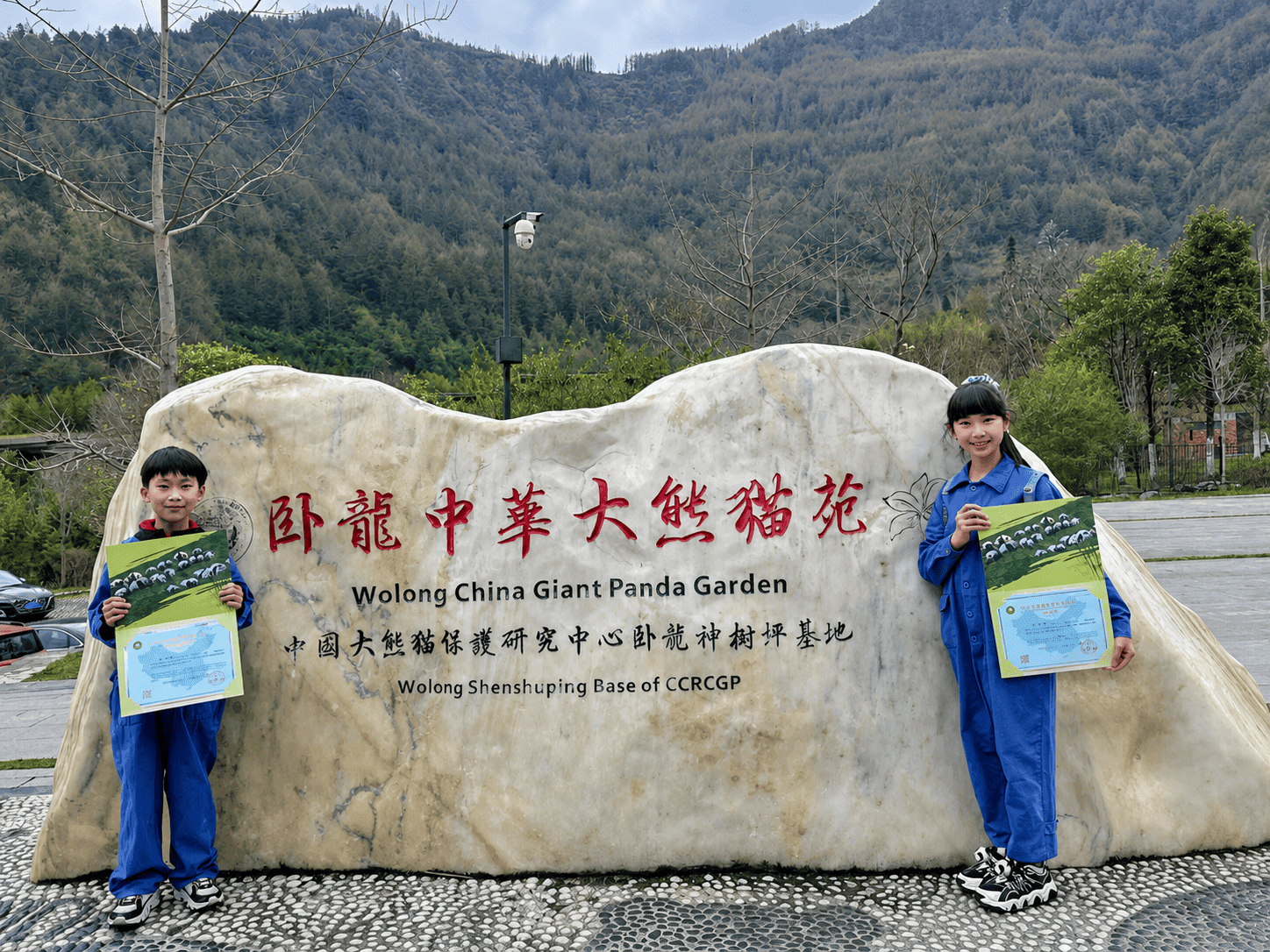
The Shenshuping Base sits inside the Wolong National Nature Reserve at 1,800m altitude. As of mid-2024, over 70 giant pandas lived there. The visiting area divides into an inner ring (5 halls) and outer ring (6 halls), plus two Panda Kindergarten sections. The surrounding landscape is a working conservation zone. We have brought clients to both Shenshuping and the city base on consecutive days. Every one of them says the pandas at Wolong behave differently — less habituated, more themselves. The drive takes 2 hours from central Chengdu. The final 45 minutes from Yingxiu is mountain switchback road above the Minjiang River gorge. It is not suitable for guests with severe motion sickness without advance preparation.
Bifengxia Base (碧峰峡基地)
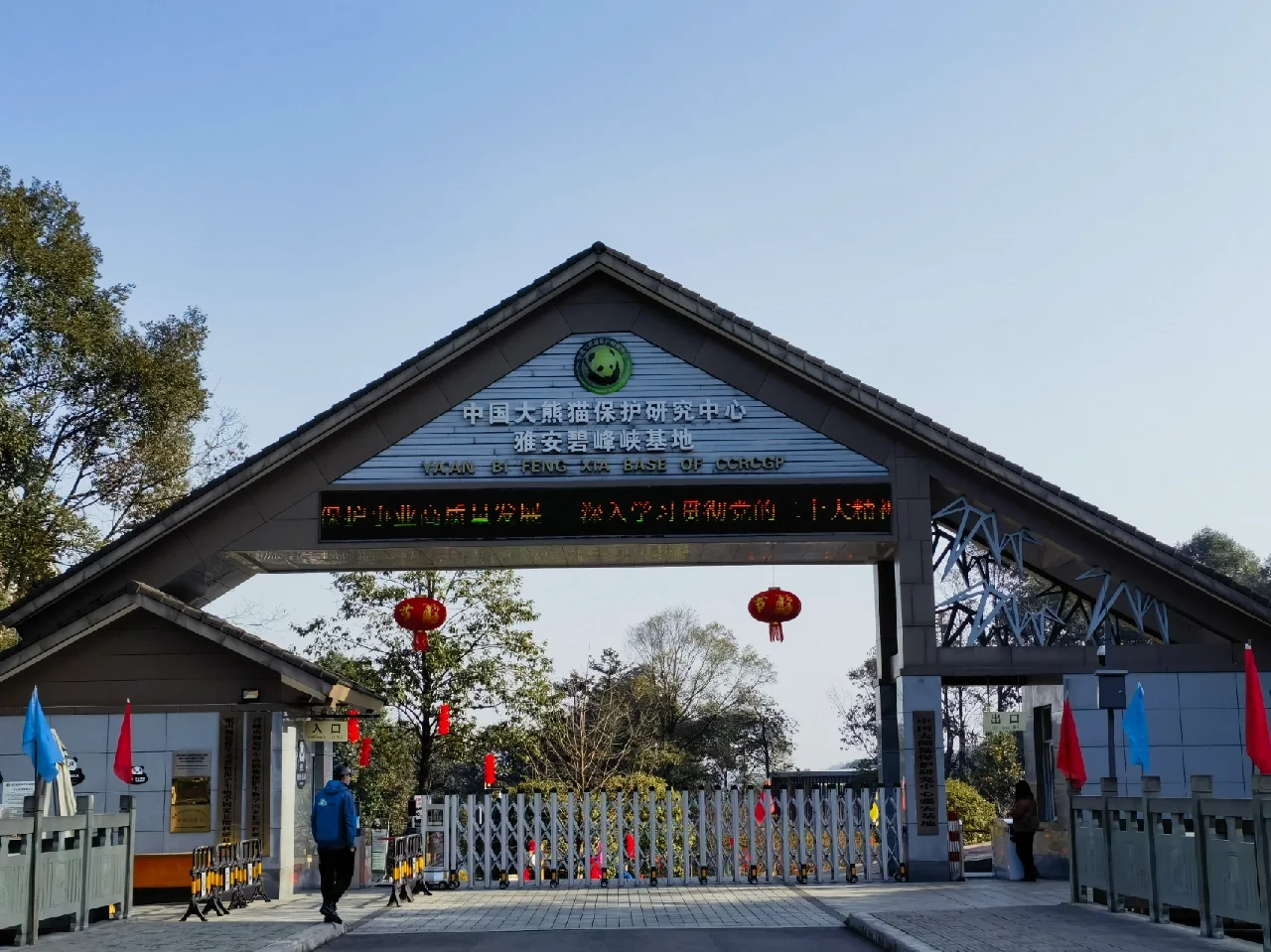
The Bifengxia Base sits inside the Bifengxia Scenic Area in Ya’an, 150km from Chengdu. It took in pandas displaced by the 2008 earthquake when Hetaoping became inaccessible, and has operated as a breeding and conservation base since. The surrounding gorge scenery — waterfalls, forested cliffs — makes it the most visually dramatic setting of the five CCRCGP bases. We combine it with the Bifengxia gorge itself when clients want a full day out of Chengdu that isn’t purely a panda visit.
Mianyang Base (绵阳基地)
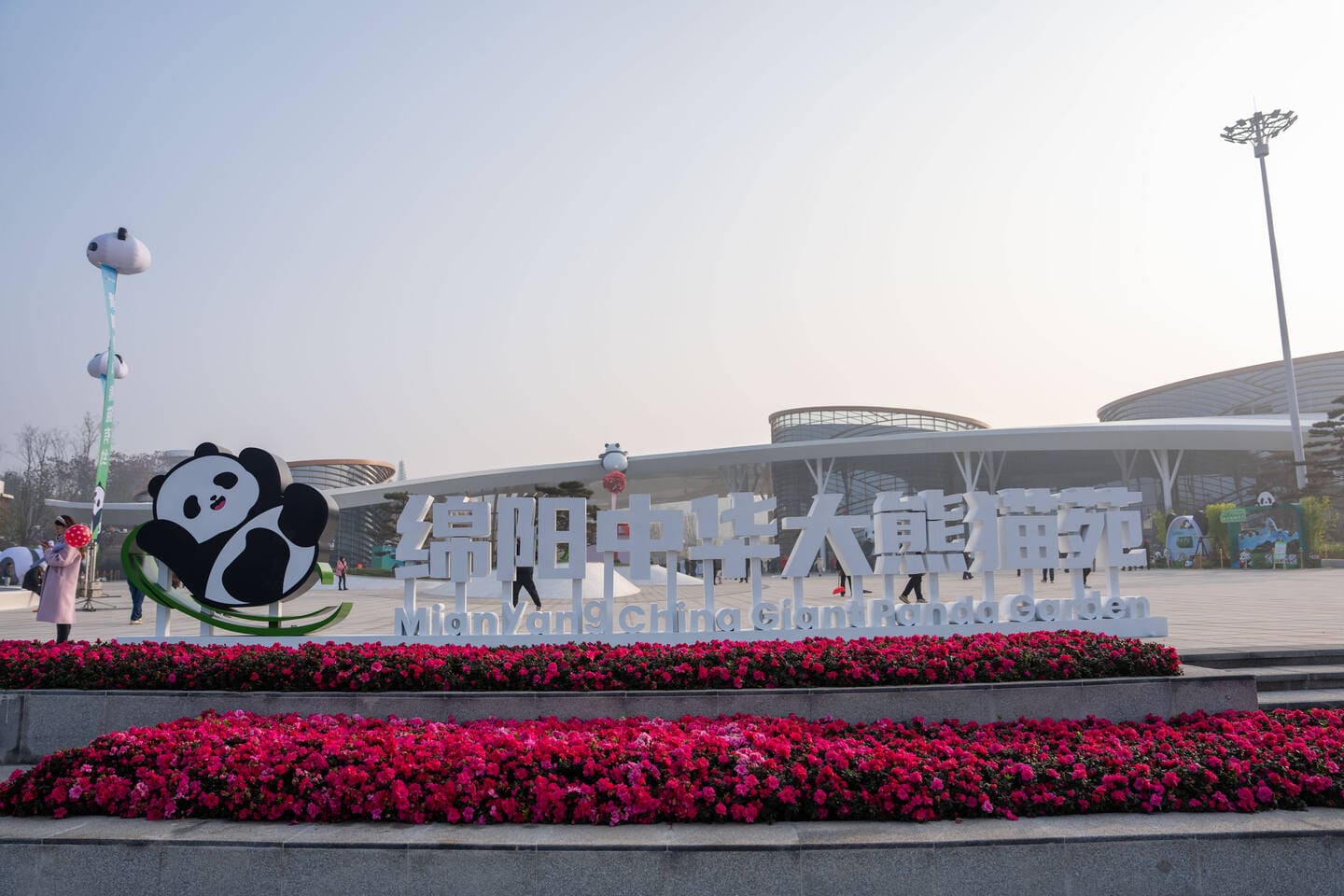
The newest CCRCGP base opened on December 29, 2025, with 20 resident pandas across 120 hectares. Mianyang city contains 22% of China’s total wild giant panda population — the highest concentration of any prefecture-level city. The base is still in trial operation; visitor infrastructure is less developed than at the older sites.
4. Why Does Dujiangyan Have Two Completely Different Panda Facilities?
Because two separate organizations both built in the same city.
Dujiangyan city contains two panda sites, 19km apart, with no institutional connection:
Panda Valley | Dujiangyan China Giant Panda Garden | |
|---|---|---|
Chinese name | 熊猫谷 | 都江堰中华大熊猫苑 (熊猫乐园) |
Organization | Chengdu Research Base (municipal) | CCRCGP (national) |
Town | Yutang Town (near Dujiangyan irrigation project) | Qingchengshan Town (near Qingcheng Mountain) |
Bus from Dujiangyan Station | Route 14 | — |
Bus from Qingchengshan Station | — | Route 102 |
Ticket | CNY 55 · WeChat: 熊猫谷 | CNY 58 · CCRCGP WeChat |
Primary role | Wild-release training | Disease control, elderly care, overseas returnees |
Both get described as “the Dujiangyan panda base” on most travel sites. Both are in Dujiangyan city. They are institutionally unrelated.
A client booked a volunteer program at what she called “the Dujiangyan panda base.” She wanted Panda Valley. Her tour operator’s directions took her to the CCRCGP facility 19km in the other direction. Different organization, different bus route from the station, different volunteer program format. One hour gone before 9am on a full-day itinerary.
Always confirm which one. Yutang Town is Panda Valley (Chengdu Research Base). Qingchengshan Town is the China Giant Panda Garden (CCRCGP).
→ See our Dujiangyan Panda Base vs Panda Valley guide for a full side-by-side.
5. What Does the Organization Split Mean for Your Booking?
The split matters most in four practical situations.

Volunteer programs only run at CCRCGP bases — the city base has never offered one, and Panda Valley doesn’t either. The CCRCGP’s Dujiangyan base and Shenshuping at Wolong are the two that have taken international visitors. Check availability before booking, as programs open and close with operational changes. Wolong takes a maximum of 30 people per day. Book 4–6 weeks ahead in peak season, 2 months for July and August. Our panda volunteer guide has the full process.
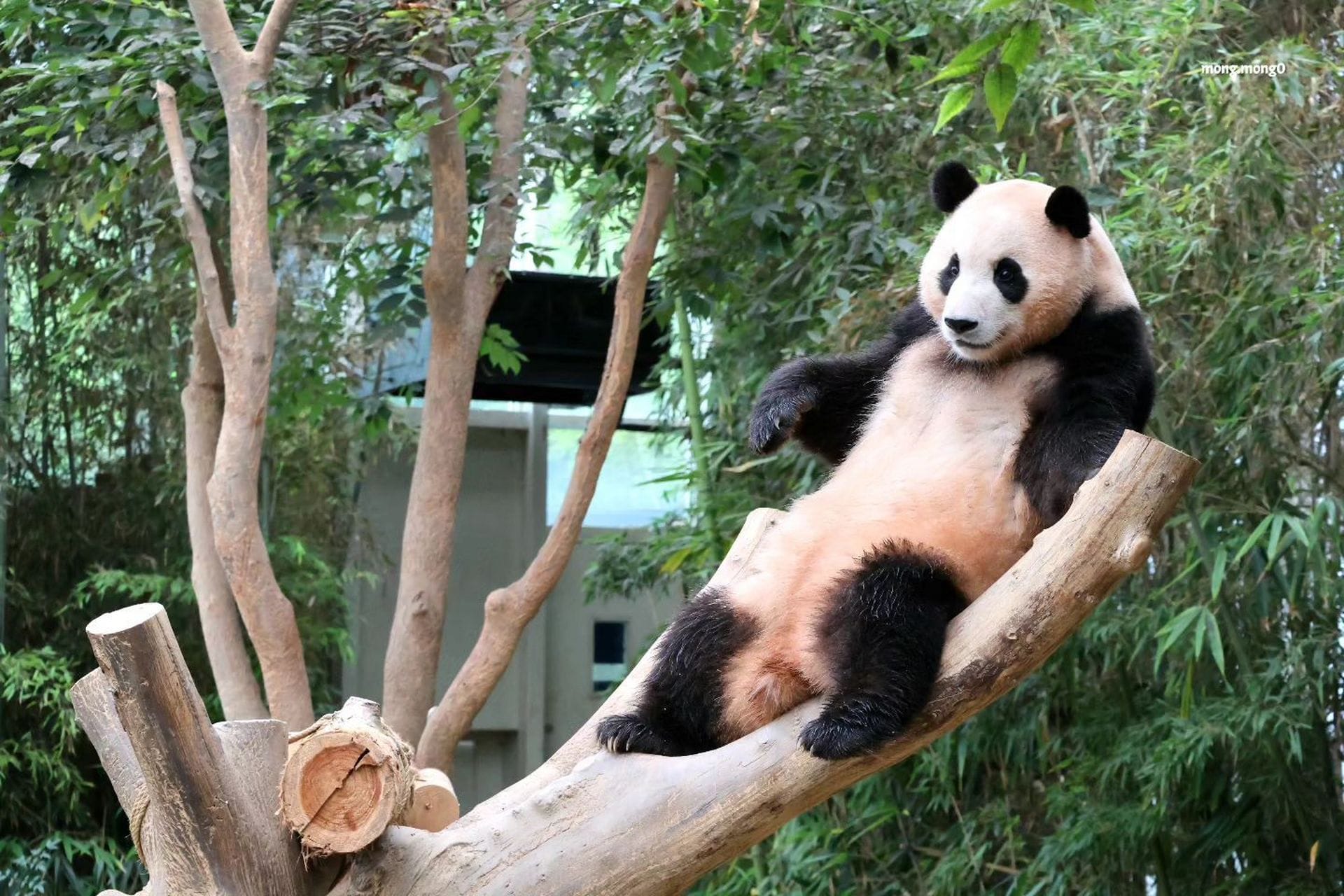
If you follow a specific panda, you need to know which organization holds it. Overseas-returned pandas — Fu Bao, Bao Bao, Le Le — come back to the CCRCGP’s Dujiangyan facility, not the city base. Check the panda’s current location before booking anything.
Tickets are completely separate. City base tickets (WeChat: 成都大熊猫繁育研究基地) don’t work at Panda Valley or any CCRCGP base. Panda Valley (WeChat: 熊猫谷) is its own booking. Every CCRCGP base has its own system too. There is no combined ticket.
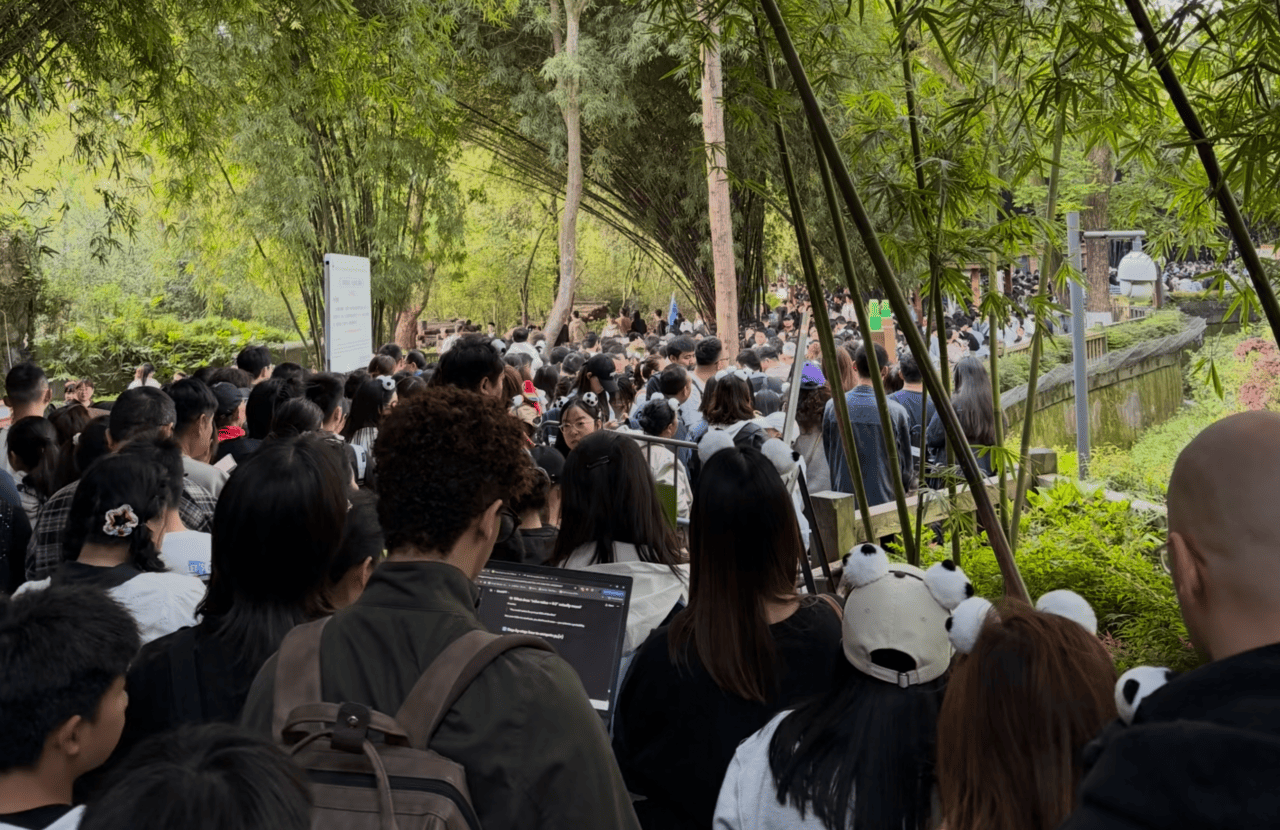
The crowd gap is bigger than most people expect. The city base processed over 9 million visitors in 2019. On the same Saturday morning in July, Shenshuping at Wolong might see 300 for the whole day. Same country, completely different experience.
Getting there also splits cleanly. The city base is 30 minutes by Metro Line 3 to Panda Avenue Station, then the D01 shuttle. Panda Valley is 90 minutes by high-speed train from Xipu Station to Dujiangyan, then Route 14 bus. Every CCRCGP base outside Dujiangyan needs a private car — there is no direct public transit to Wolong, Bifengxia, or Mianyang. We have dedicated transportation and access articles for each panda park. For more details, please refer to those specific guides.
6. Which Organization Should You Visit?
We have been matching clients to panda bases for 20 years. The choice comes down to time, group composition, and what the visit is actually for.
The city base suits visitors with half a day and no appetite for a long drive. Three nurseries, 237 pandas, Metro access from central Chengdu — it delivers the widest panda encounter fastest. We take families with young children here, visitors combining pandas with a Chengdu city day, and anyone for whom seeing a newborn or infant panda is the specific goal. The one rule: arrive at 7:30am exactly. Arriving at 9am on a July Saturday means fighting 5,000 people for a view through fogged glass.
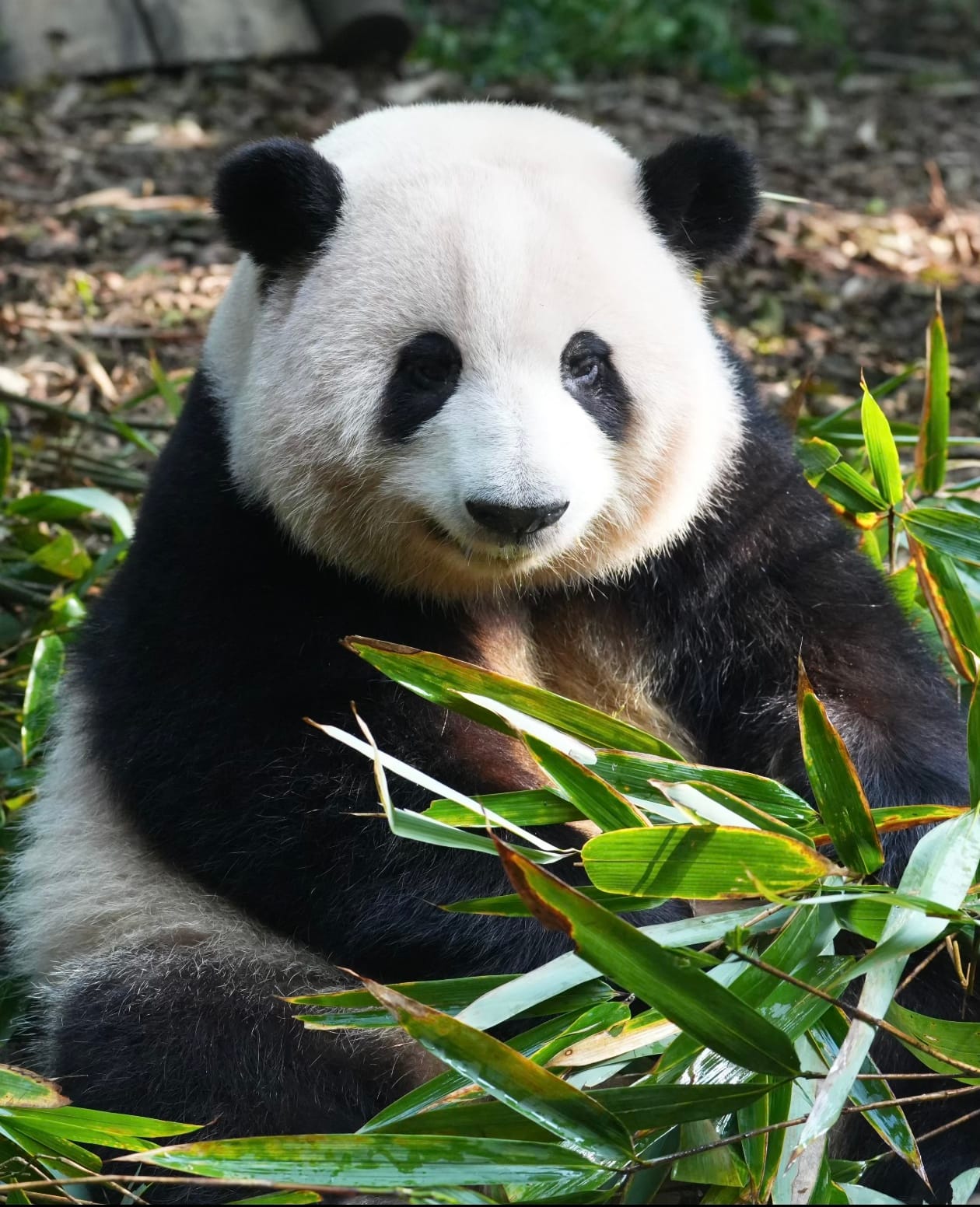
CCRCGP facilities suit visitors willing to spend a full day and trade convenience for quiet. Shenshuping at Wolong is the one we return to most often with clients who have already done the city base once. The ratio of pandas to people is reversed. The pandas behave differently at altitude, in real mountain terrain, with no tour bus crowds. A Dujiangyan day combining Panda Valley with the China Giant Panda Garden covers both organizations in one trip — check current opening status for both before planning.
→ See our Where to See Giant Pandas in China guide for current opening status across all bases.
7. FAQ – Panda Organizations in Chengdu
Are all Chengdu panda bases run by the same organization?
No. Six panda facilities operate within two hours of Chengdu, and they split across two completely separate government institutions. The Chengdu Research Base of Giant Panda Breeding is a city-level institution under the Chengdu municipal government. The China Conservation and Research Center for the Giant Panda (CCRCGP) is a national institution under the central government’s National Forestry and Grassland Administration. They share no management, no ticketing, and no combined booking.
Does Panda Valley belong to the same organization as the Chengdu city panda base?
Yes. Panda Valley (熊猫谷), formally the Dujiangyan Wild-Release Breeding Research Centre, is a department of the Chengdu Research Base of Giant Panda Breeding. Both sit under the same Chengdu municipal institution. Their tickets are sold separately — city base tickets explicitly exclude Panda Valley, and Panda Valley books through its own WeChat account (熊猫谷). Both are currently open.
Which organization runs the Dujiangyan China Giant Panda Garden (熊猫乐园)?
The CCRCGP — not the Chengdu Research Base. The Dujiangyan China Giant Panda Garden (都江堰中华大熊猫苑) is a national institution built in 2013 with Hong Kong SAR funding after the 2008 earthquake. Its scientific focus is disease control, wild rescue, and geriatric panda care, including the world’s only dedicated elderly panda nursing facility. Check current opening status before visiting — confirm directly via the CCRCGP’s official WeChat or chinapanda.org.cn.
How many CCRCGP bases are there?
Five, as of October 2026. The original four were Wolong Shenshuping, Wolong Hetaoping, Dujiangyan, and Bifengxia in Ya’an. A fifth opened in Mianyang on December 29, 2025 — 120 hectares, 20 resident pandas, in a city that holds 22% of China’s wild panda population.
Where can I do a panda volunteer program in 2026?
The CCRCGP’s Dujiangyan base and Shenshuping at Wolong are the two facilities that have run panda keeper volunteer programs for international visitors. The city base and Panda Valley do not offer volunteer programs. Check current availability before booking — program access changes with operational status. Wolong accepts a maximum of 30 international participants per day, requires booking 4–6 weeks ahead in standard season and 2 months ahead for July and August. Minimum age is 12.
Can I visit both organizations on the same trip?
Yes. A practical two-day combination: city base on day one (half-day, Metro Line 3 to Panda Avenue Station, no car needed), Shenshuping at Wolong on day two (full day, private car, 2 hours each way). A single Dujiangyan day can also cover both organizations — Panda Valley and the China Giant Panda Garden — though they are 19km apart and require separate tickets and different bus routes from the train station. Check current opening status for the China Giant Panda Garden before planning a Dujiangyan day.
Is the Dujiangyan panda base the same as Panda Valley?
No. These are two different facilities in Dujiangyan city run by two different organizations. Panda Valley (熊猫谷) is run by the Chengdu Research Base (municipal), sits in Yutang Town, and focuses on wild-release training. The Dujiangyan China Giant Panda Garden (都江堰中华大熊猫苑, also called Panda Paradise or HiPanda) is run by the CCRCGP (national), sits in Qingchengshan Town 19km away, and specialises in disease control and elderly panda care. They share a city but nothing else.
Do either organization’s bases offer panda holding?
No. Paid panda holding experiences have been discontinued across all reputable panda facilities in China. Any operator advertising a “panda hug” or “hold a panda” at a Chengdu-area base is not accurately representing what is on offer. This applies to the Chengdu Research Base and all five CCRCGP facilities.
Planning a panda trip? We have been arranging visits to both organizations since 2006. Contact us for current availability and itinerary advice.