Mianyang Panda Base: All in One Guide
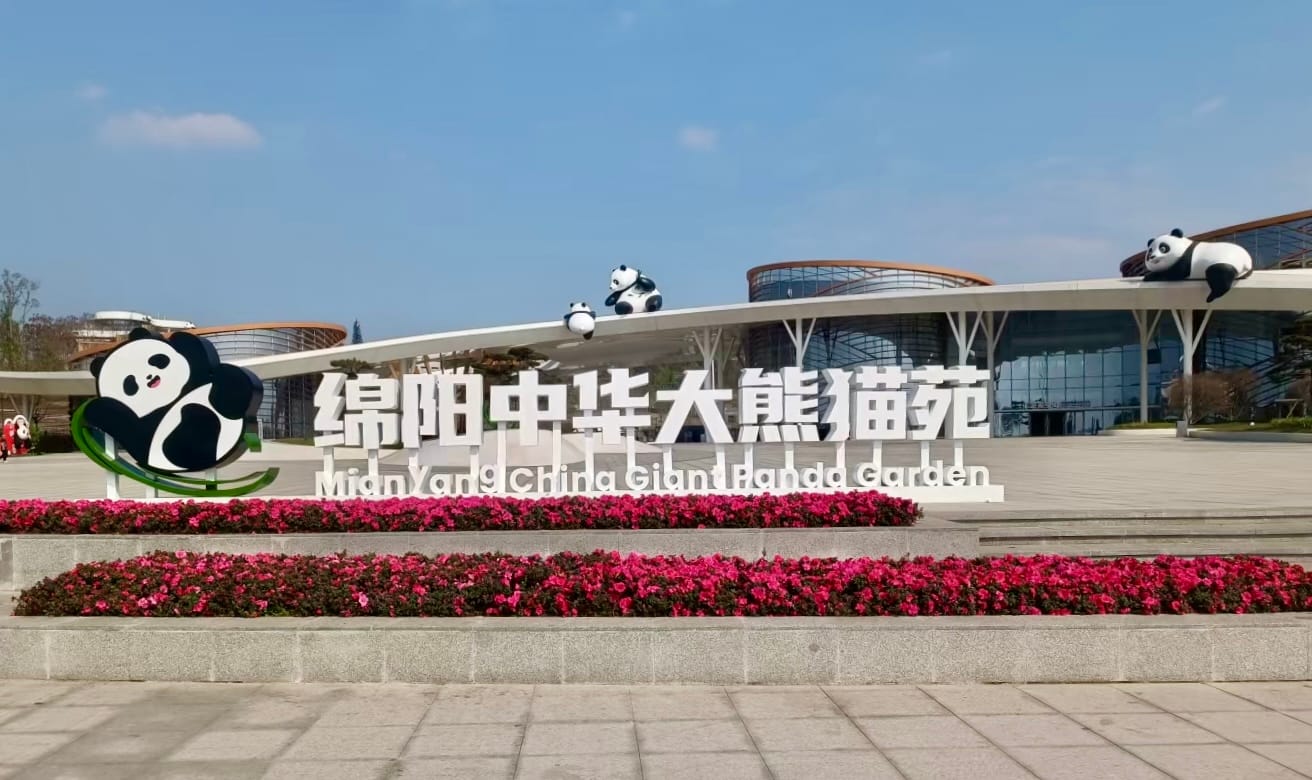
The Mianyang Panda Base is China’s newest giant panda base, opened December 29, 2025, a 42-minute high-speed train ride north of Chengdu. We’ve followed it since the first 13 pandas were trucked in from Wolong and Dujiangyan, and we’ve since taken our own guests through the gate. Here’s what it’s actually like — and whether it’s worth the trip out from Chengdu.
Official name | Mianyang Base, China Conservation and Research Center for the Giant Panda |
Chinese name | 绵阳中华大熊猫苑 |
Adult ticket | CNY 55 (listed CNY 78) |
Opening hours | Morning 8:30–11:59, afternoon 12:00–16:30 |
Size | 120 hectares, five seasonal zones |
Status | Trial operation; some areas open in stages |
Address | Gulou Mountain Ecological Park, Science & Technology City New District, Mianyang |
Table of Contents
1. What Is the Mianyang Panda Base?
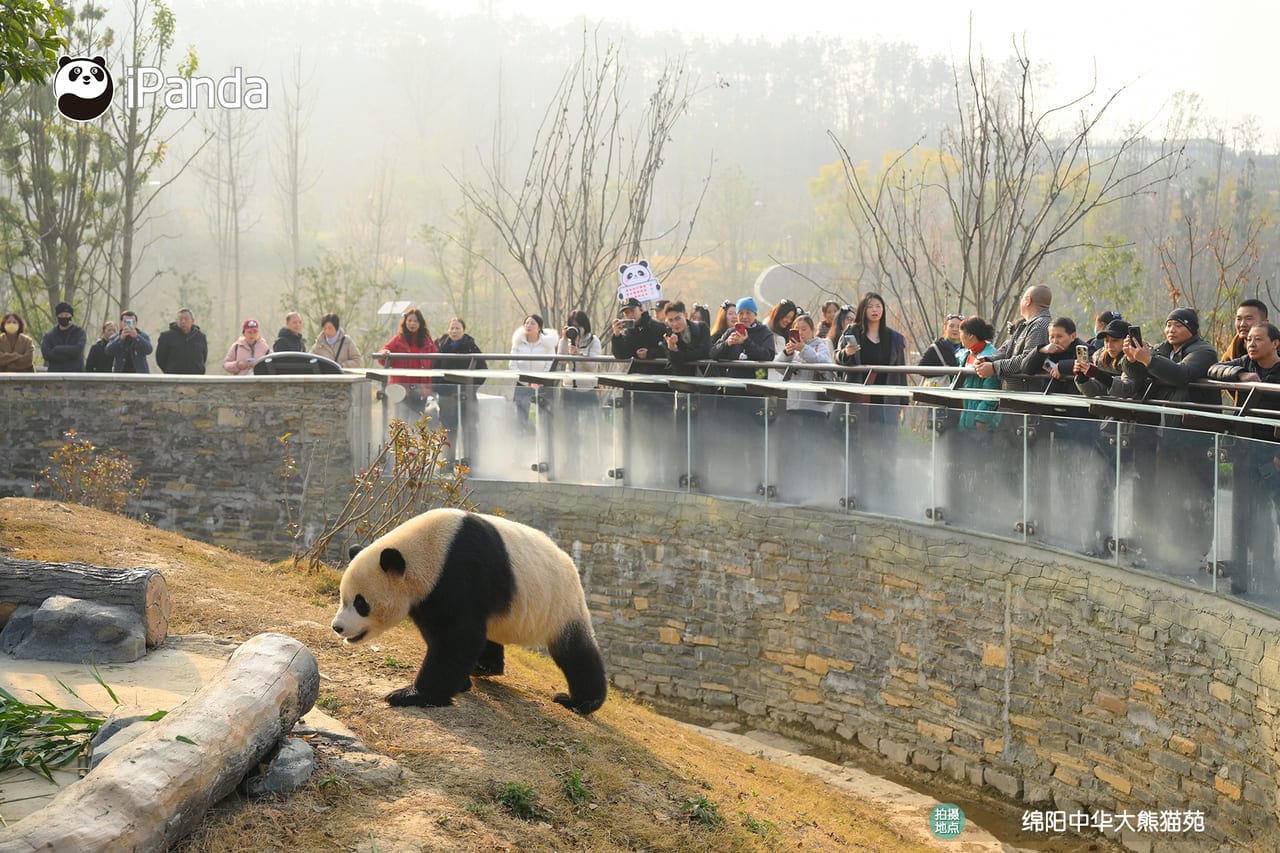
The Mianyang Base is the fifth and newest base of the China Conservation and Research Center for the Giant Panda, joining Wolong Shenshuping, Wolong Hetaoping, Dujiangyan, and Ya’an Bifengxia. It opened to the public on December 29, 2025, and is still in trial operation.
It sits on 120 hectares of Gulou Mountain Ecological Park, in Mianyang’s Science & Technology City New District. The build cost CNY 1.5 billion, broke ground in March 2024, and was handed over in October 2025. The first 13 pandas arrived from Wolong and Dujiangyan that November, and 20 were in residence by opening day.
This is a working breeding and research centre, not a zoo. Its 54 enclosures cover everything from near-natural habitats to breeding dens and a disease-control unit. There’s a reason the centre chose Mianyang: the prefecture holds 418 wild giant pandas, 22.4% of the world’s wild population, more than any other city in China. The base supports the wild population in the Minshan mountains, the national park’s northern reaches. The tech is pure Mianyang, too — climate-controlled dens, a medical-grade disinfection system, and a self-driving guest shuttle borrowed from the city’s autonomous-vehicle program.
2. Which Pandas Live at Mianyang?
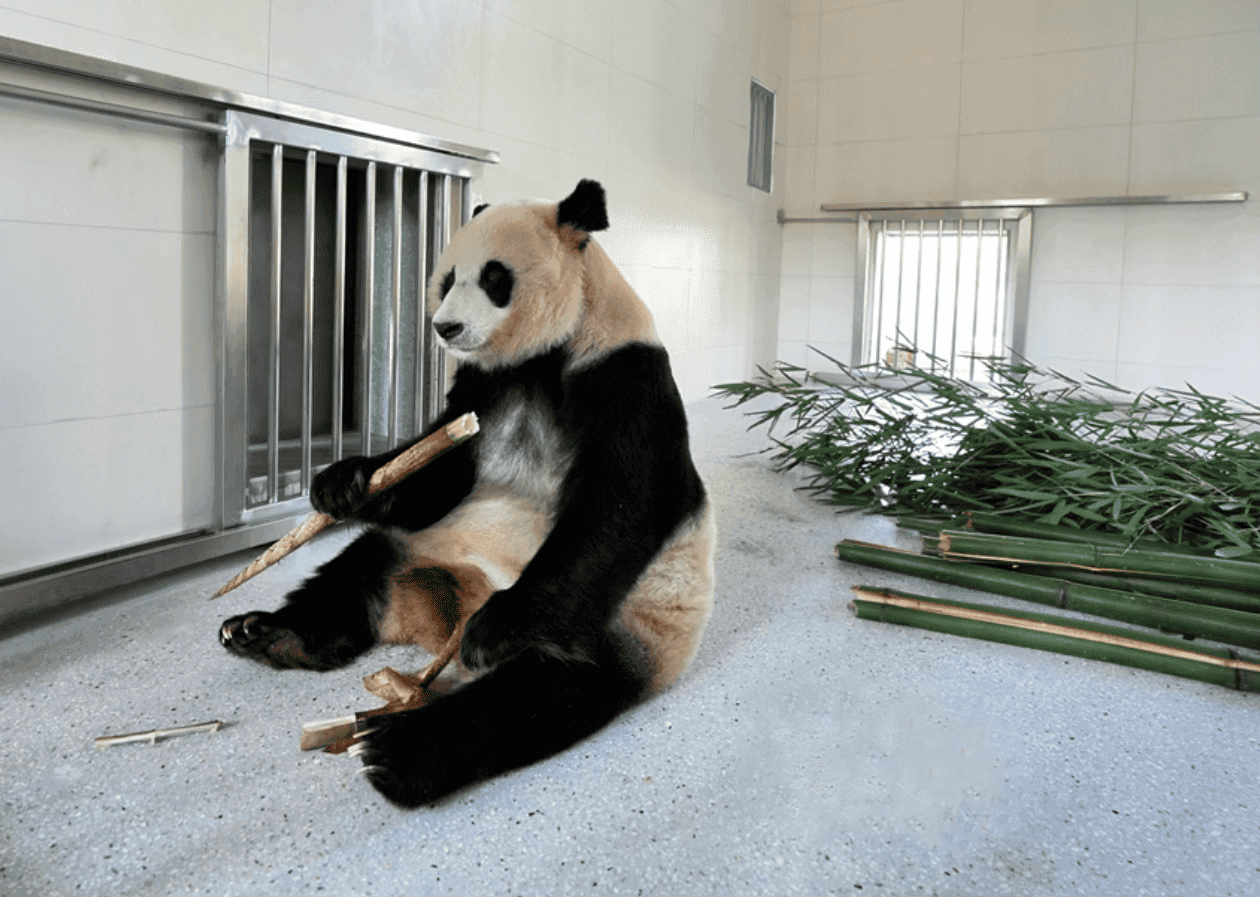
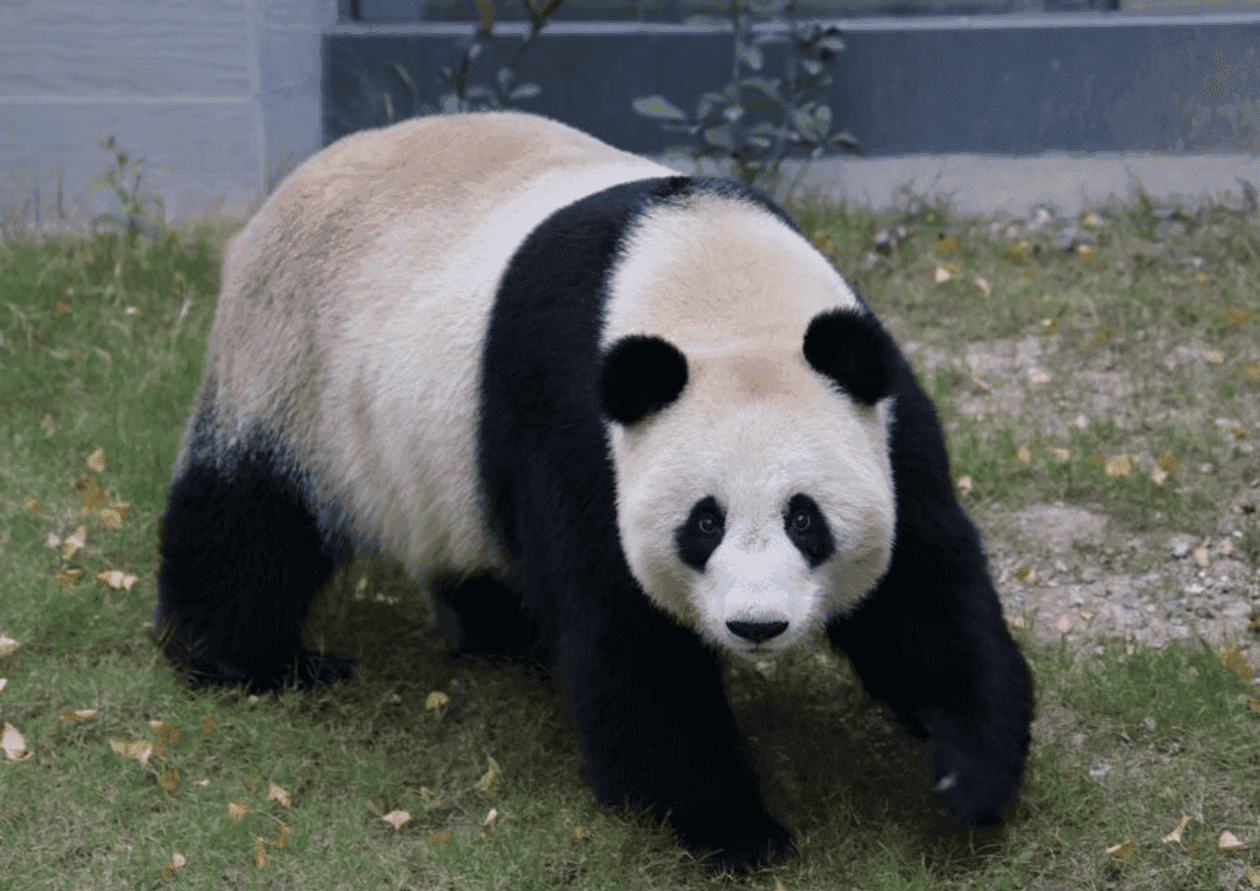
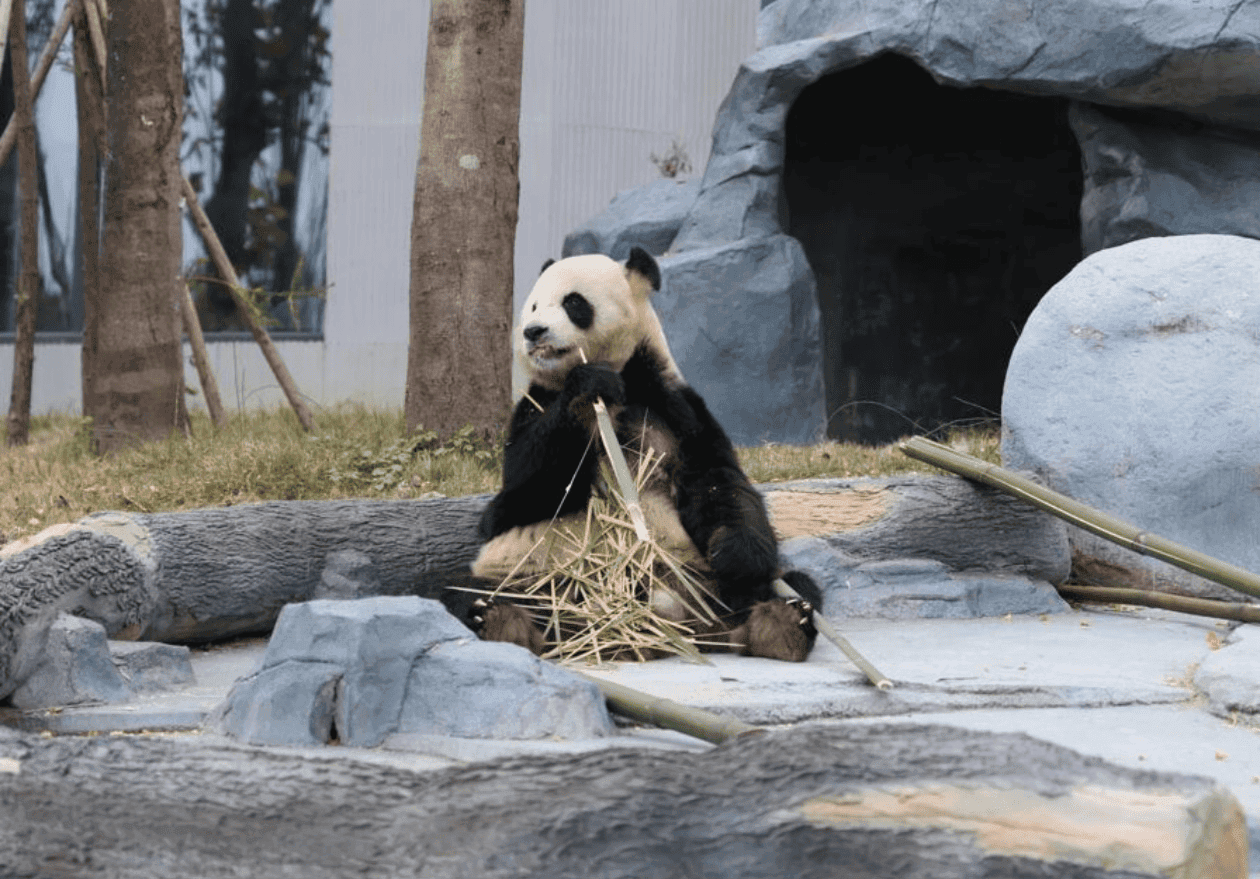

The 20 opening residents include the names that pull the biggest crowds: pandas with overseas histories. Fu Wa (福娃) and Feng Yi (凤仪) came back from Malaysia in 2025. Tian Bao (天宝) was born at Pairi Daiza in Belgium. Hua Bao (华豹) and Jin Baobao (金宝宝) both lived at Ähtäri Zoo in Finland. If you’ve met one of those bears at a zoo back home, there’s a real pull to seeing it settled onto a Sichuan hillside.
Then there’s Cao Cao (草草), the name Chinese guests cross the province for. She was born wild, and she made history twice over. Her son Tao Tao was the first cub ever born at a wild-training base. And in 2017 she became the first captive panda to conceive by a wild male, out in the mountains during a release experiment. Standing at her enclosure, you’re looking at a genuine matriarch of the breeding program. Yin Ke (银柯), the “welcome bear,” earns his fans the easy way — he eats his bamboo sitting bolt upright, paws full, like a toddler at dinner.
One thing we tell every guest: don’t pin your hopes on a single panda. Keepers move the bears between halls, some still have no indoor viewing, and on a hot day a panda may stay tucked at the back of its yard. Ask a keeper at the gate which enclosures are lively that morning — it saves a long walk to an empty window.
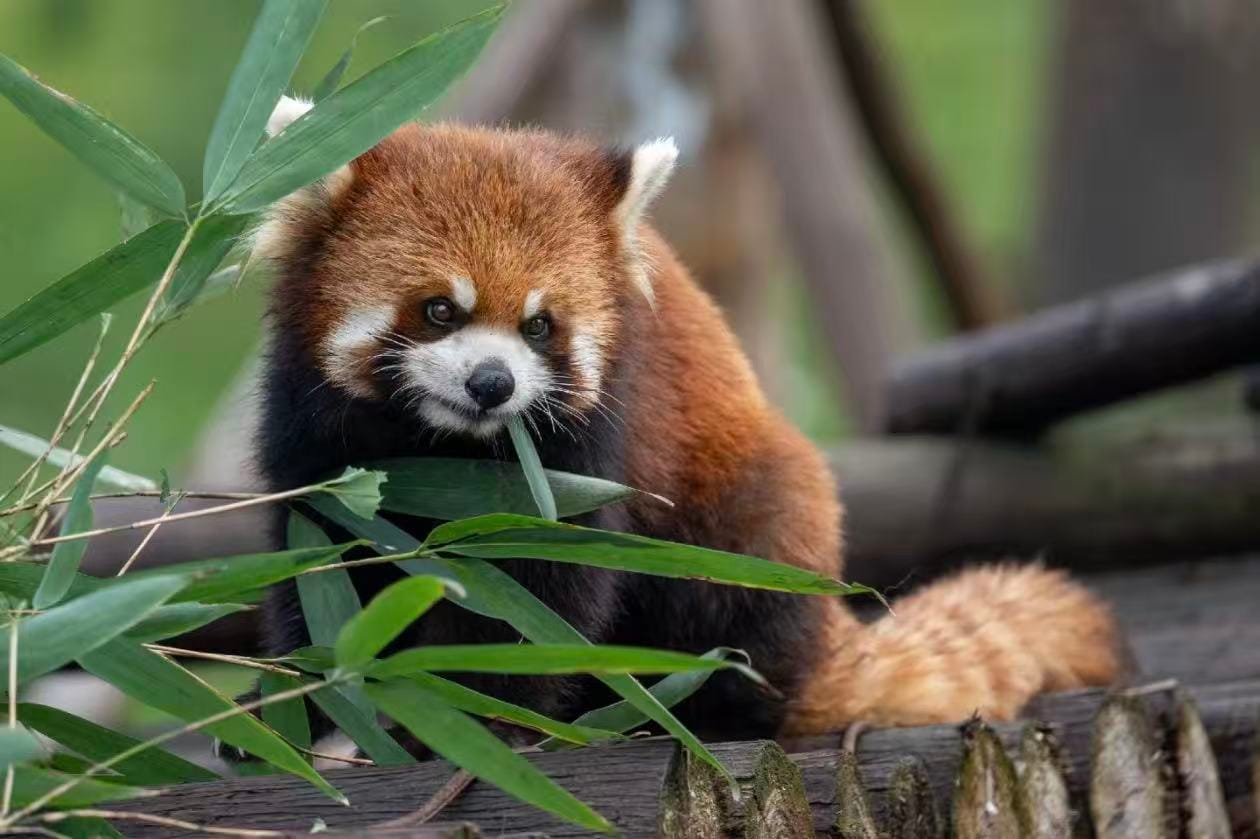
The layout has a clever touch. The yards step up and down the slope, so pandas in separate enclosures can see one another across the gaps — company at a distance, without the friction of sharing a space. It quietly answers a worry we hear from guests, that solo enclosures must be lonely. Houses for four companion species — red pandas, golden snub-nosed monkeys, sika deer, and takin — round out the park. The red pandas came first; the rest arrive in stages.
You can’t hold or touch the pandas here, and you won’t anywhere in China — public panda-holding ended years ago. Viewing is through glass or across barriers.
→ See our guide on where to see giant pandas in China for the full picture across all bases.
3. What’s the Park Like to Walk Around?
There’s one gate, the west gate, and the visitor centre sits just inside it. From there the park splits into two valleys. The South Valley (南谷) is the shorter loop — the spring-themed halls, the red-panda house, and two restaurants, walkable in a little over two hours. The North Valley (北谷) is the longer one, the autumn and winter halls strung along the hillside, closer to three hours on foot. The pavilions are named for the seasons, and each carries a conservation theme. Pavilion 1 (春见馆) marks where the giant panda was first described to science. Pavilion 11 (冷山馆) takes the southernmost wild range. Once you know that, the loop reads like a mountainside museum rather than a random scatter of enclosures.
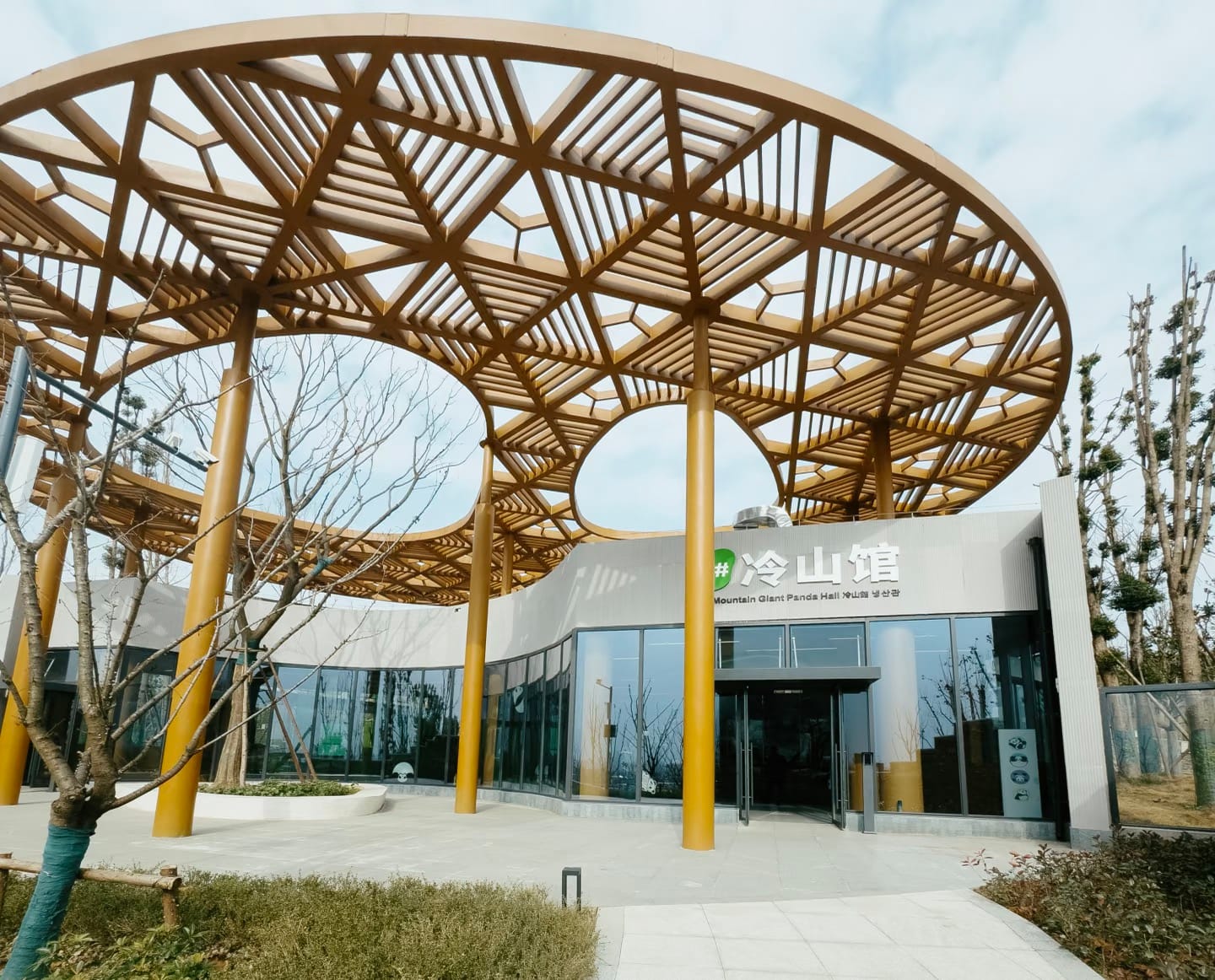
The official advice is to walk the South Valley first, then take on the North Valley either on foot or by shuttle. The park publishes four suggested routes with timings, which we’ve laid out below. The scatter is the thing people grumble about — the halls sit a fair walk apart, and the path doubles back on itself, so you do feel like you’re trekking to the next bear. It’s less punishing than it looks. The ground is flat and smooth the whole way, and guests amble the full loop without complaint. We’ve pushed a stroller around it with no trouble, which is more than we can say for hilly Wolong or Bifengxia.
Suggested routes through the base
The park’s four official loops, west gate to exit. Follow the numbers.
Should you take the sightseeing cart?
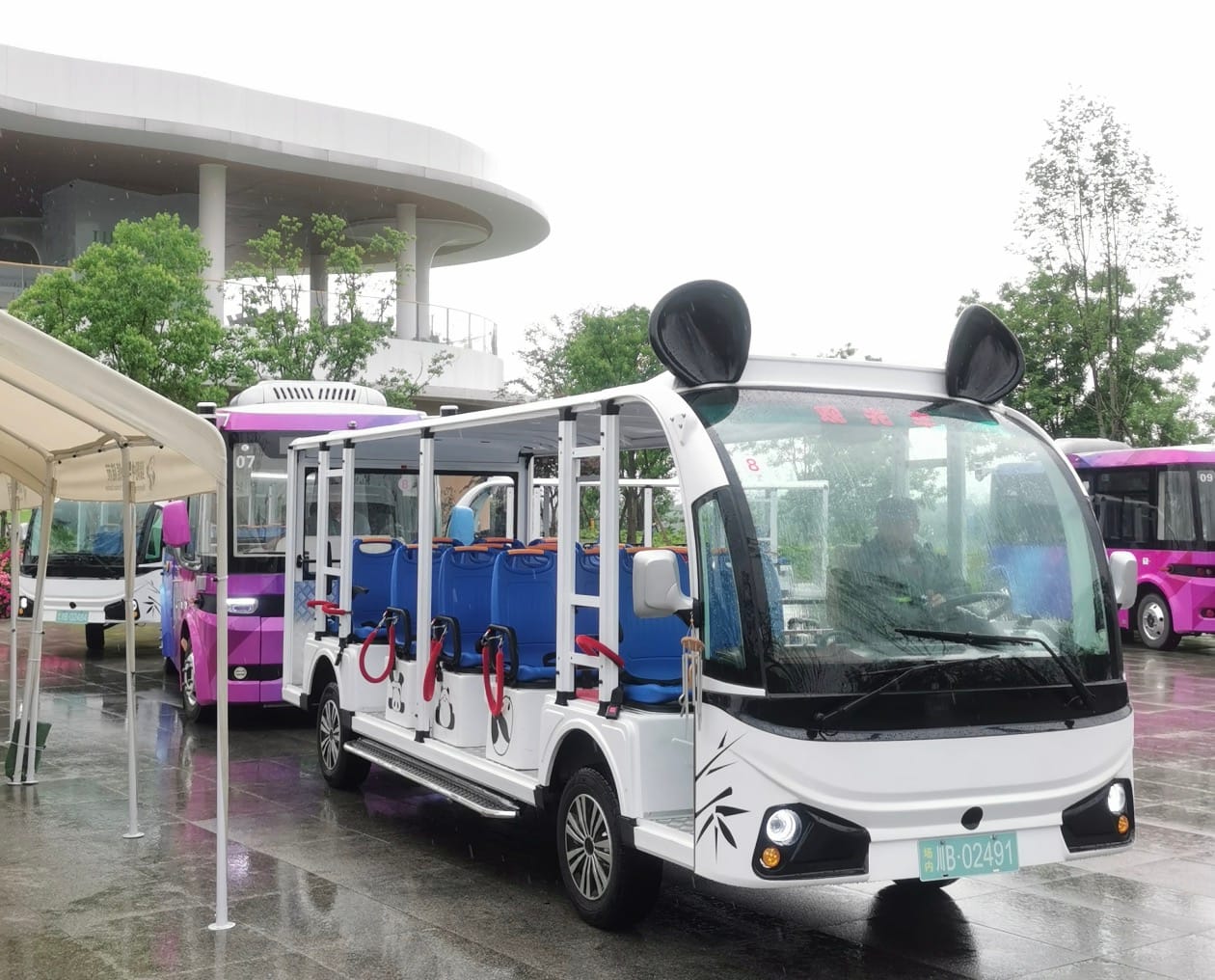
Honestly, most people don’t need it. The CNY 20 ticket buys unlimited rides all day. But the shuttle only runs the North Valley. It starts at the Yunding Restaurant stop, near the middle of the park, and loops the autumn and winter halls — Qiucai, Qiuyi, Qiushan, Lengshan, Xiatong — before the exit. The South Valley you walk regardless. And even in the North Valley the saving is thin: the official timings put the shuttle loop at 2.7 hours against 2.9 on foot. You’re trading a 12-minute gain for time spent waiting and boarding. The one real reason to climb aboard: one of the two shuttles drives itself, a leftover from Mianyang’s self-driving car program, and no other panda base has anything like it. Ride it once because it’s odd and fun, then walk the rest.
Bring sun protection
The trees here were planted yesterday, in panda-base terms, so there’s no canopy. On a clear day the paths bake. One of our guests walked the entire loop last May under an umbrella and still came out pink. The only reliable shade is inside the glass viewing houses. Hat, sunscreen, or a parasol from spring through autumn — not optional. The pandas agree with you: by a hot afternoon they’ve slumped into the shade or gone indoors, which is one more argument for a morning visit.
Food, water, and pushchairs
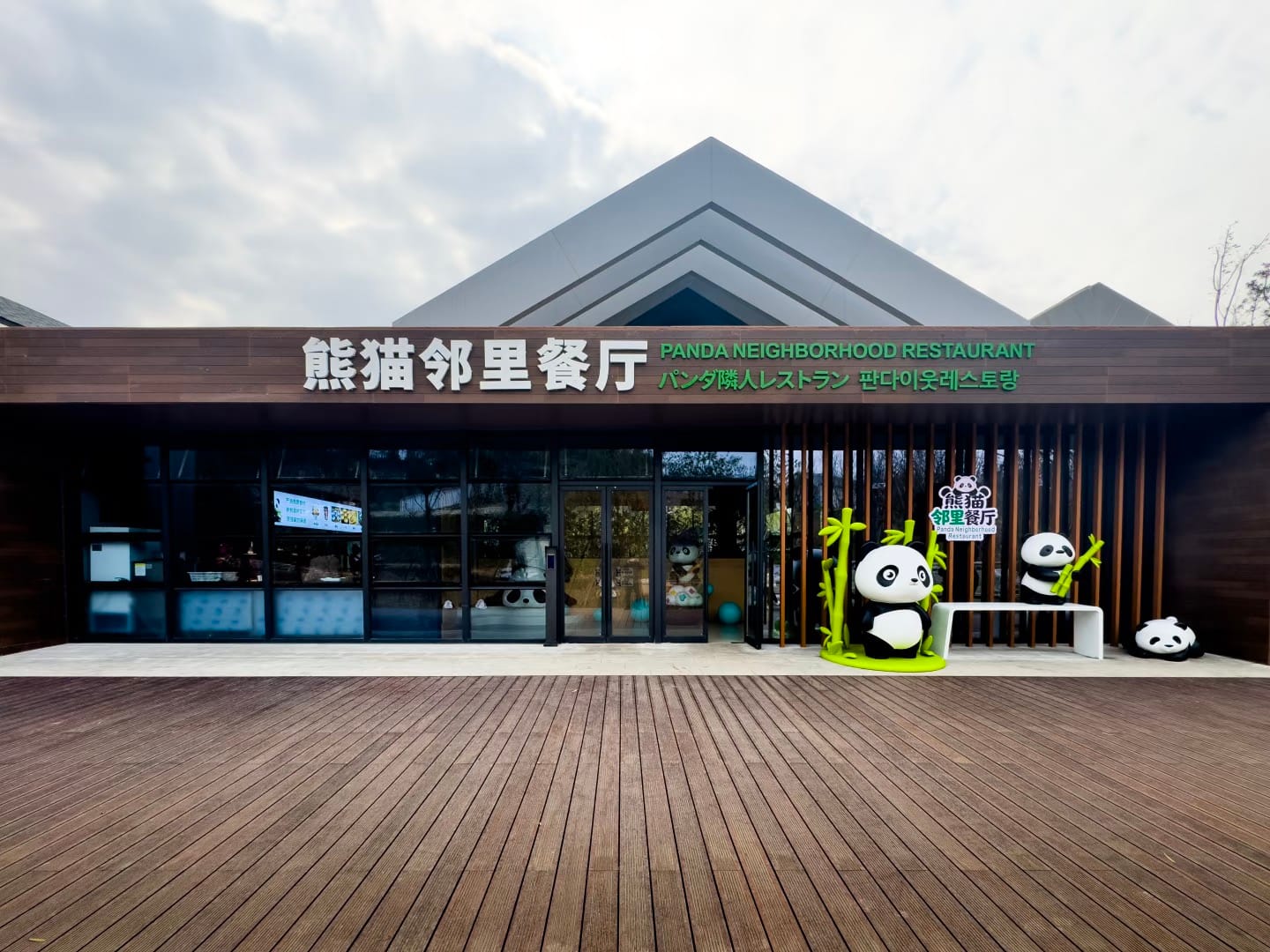
Three restaurants and seven snack kiosks mean you won’t starve — egg tarts, grilled sausage, drinks, the usual. The red-panda restaurant has glass onto the red-panda yard, so children eat with a show. Don’t expect much of the sit-down meals, though; guests keep telling us they’re small, pricey, and taste reheated. There’s no drinking fountain, only refills at the restaurants, so carry a water bottle and a few snacks.
One real plus: this is the easiest base in the system for wheelchairs and pushchairs — flat, smooth, step-free almost throughout.
Check what’s open before you go
The base is still in trial operation, opening in stages. The cub nursery and the houses for the monkeys, deer, and takin may be shut on your day — at the start, only the red pandas had arrived. We keep this guide current as the base fills out, but openings shift faster than any guide can follow. Two minutes on the official mini-program before you set off saves a wasted walk.
4. Is the Mianyang Panda Base Worth Visiting?
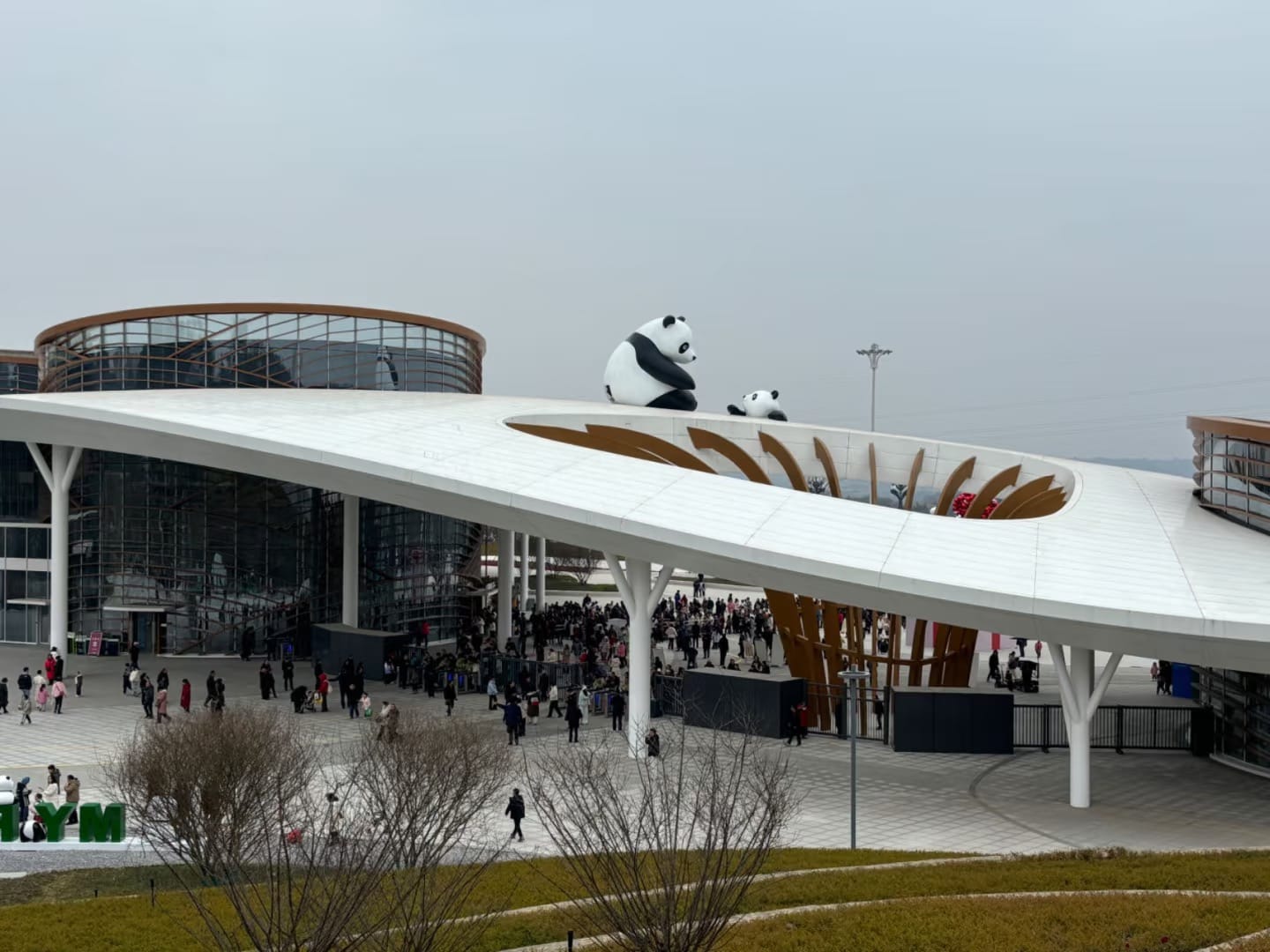
For a first-timer with one free day in Sichuan, no — the Chengdu Research Base is the better call. For panda enthusiasts, families on a slower schedule, or anyone who has already done the Chengdu crowds, yes. Mianyang trades convenience for calm and space. It also has something none of the other bases can claim: this is panda heartland, the prefecture with 418 wild giant pandas, 22.4% of the world’s total and more than any other city in China.
What Mianyang does better than the other bases
Space, mostly, and the quiet that comes with it. At 120 hectares it makes the city base feel like a car park. We’ve stood at a window here on a weekday with not another soul in sight — try that in Chengdu on a Saturday. It’s also the only base holding pandas that have lived abroad, in Malaysia, Belgium, and Finland. The enclosures and the kit are the newest in the whole system, self-driving shuttle included. And the paths are flat and smooth. It’s the one base we’d send a guest to without a second thought if they’re in a wheelchair or pushing a pram — Wolong and Bifengxia are a different story.
Where it falls short
Getting there is the obvious one: a train plus a transfer, when the city base is a metro ride away. The rest comes down to its age. The trees give no shade. The name plates barely tell you more than a panda’s age and sex. And with only 20 bears, a keen panda-watcher can work through the lot and still feel the city base’s two hundred would have given more. None of this is a dealbreaker — it’s just a young base showing its seams.
Who should visit
- Go if you’ve already seen the Chengdu base, want a calm half-day, are travelling with a wheelchair or pram, or like the idea of seeing pandas in their wild heartland.
- Skip it if this is your only panda day in Sichuan, you’ve come for cubs, or you can’t spare the side trip from Chengdu.
Mianyang vs the Chengdu Research Base
The comparison most people are really after, since the city base is the default:
Mianyang Base | Chengdu Research Base | |
|---|---|---|
From Chengdu downtown | 42-min train + transfer | 10km, metro or taxi |
Pandas | 20 (should keep increasing) | 200+ |
Crowds | Light | Heavy, especially mornings |
Cubs / nursery | Opening in stages | Yes, reliable |
Shade | Sparse, young trees | Mature bamboo cover |
Accessibility | Excellent, flat paths | Good, some slopes |
Best for | Quiet, space, repeat guests | First-timers, families, cubs |
→ See our Chengdu Panda Bases Guide for how all the Sichuan bases compare, and our explainer on the two organizations that run them — Mianyang is a national CCRCGP base, not part of the Chengdu city system.
5. When Is the Best Time to Visit?
Two things matter here: the time of day, and the season. Get both right and you’ll see active pandas in decent weather. Get them wrong and you’ll be photographing furry lumps asleep in the heat.
Best time to visit the Mianyang Panda Base
By month — average daytime high (°C). ☂ marks the rainy months.
Temperature and rainfall data: climate-data.org (1991–2021 averages)
Mornings win, every time. Be through the gate by 09:00 and don’t gamble on anything after 11:00 — the keepers say it flatly, the bears feed and roam in the morning and spend the afternoon dozing. So book the morning slot (8:30–11:59), not the afternoon.
Spring and autumn are the seasons to aim for, March to May and September to November. Summer is the one to avoid: with no grown trees for shade, July and August turn the paths into a griddle, and the pandas give up and retreat to their air-conditioned dens by lunchtime. Winter is quiet and perfectly pleasant, though a cold snap keeps some bears indoors too.
Half a day or a full day?
Half a day does it. Most guests have seen everything on show in 2.5 to 3 hours. You could stretch to a full day if you want to sit and watch each bear, but with the count still low, you’ll run out of pandas before you run out of afternoon. We’d rather pair the visit with lunch in town or an earlier train home than pad it out inside the gate.
Can you do it as a day trip from Chengdu?
Easily. Forty-two minutes on the train each way, two and a half hours at the base — it slots into a relaxed day out. Catch a train from Chengdu East at 08:00, get there while the pandas are still busy, and you’re back in the city by mid-afternoon. It’s exactly how we run it for guests who’d rather not overnight in Mianyang.
6. How Much Are Tickets and How Do You Book?
Ticket | Trial price | Listed price | Who qualifies |
|---|---|---|---|
Adult | CNY 55 | CNY 78 | General admission |
Concession | CNY 27 | CNY 39 | Ages 6–18; full-time students (see note) |
Free | — | — | Under 6 or under 1.3m; adults 60+ |
Sightseeing bus | CNY 20 | — | Optional, unlimited same-day rides |
The student concession has tight rules: full-time students up to undergraduate level, and if over 18, you must be under 23 and not in adult education. Carry a student card to claim it, or pay the difference at the gate.
Booking is online only — there’s no ticket window. Use the official “绵阳中华大熊猫苑” WeChat mini-program, or authorized platforms Meituan, Trip.com, Douyin, and Tongcheng. Tickets release 7 days ahead, and daily slots sell out on weekends and holidays, so book early.

Everyone needs a real-name booking, including free and concession guests. International guests register with a passport, and you must bring the same passport you booked with — staff check it against your booking at the gate.
One choice the booking page forces: a morning or afternoon slot. Morning admits you 8:30–11:59, afternoon 12:00–16:30, and you can’t enter outside your slot. Take the morning. The keepers say it plainly — pandas are active before 11:00 and doze through the afternoon. Go late and you’ll mostly photograph sleeping backsides.
7. How Do You Get There From Chengdu?
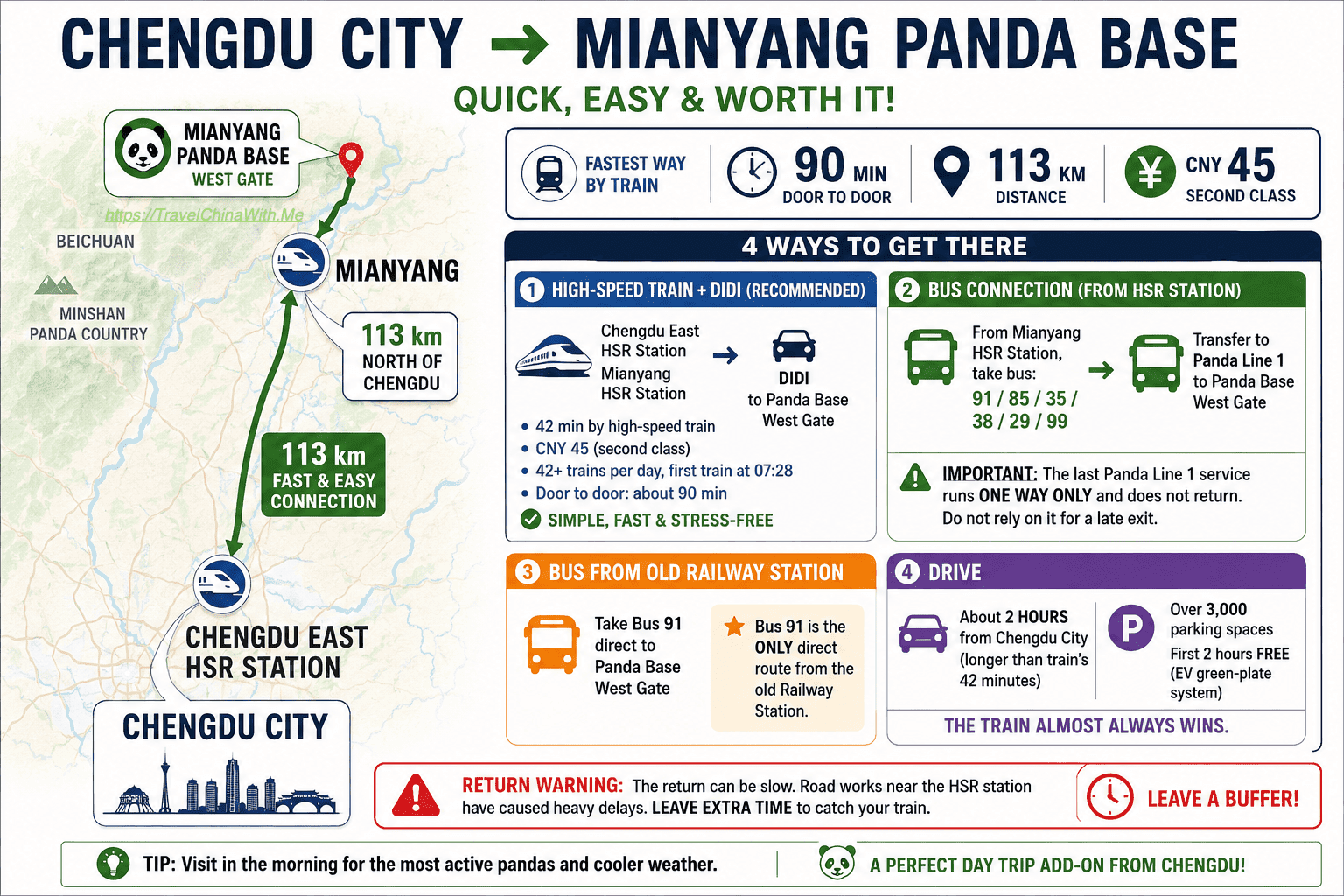
Mianyang is Sichuan’s second city, 113km north of Chengdu and the gateway to the province’s north — the Jiuzhaigou–Huanglong loop runs up beyond it, with Beichuan and the Minshan panda country close by. For your purposes, though, what matters is that it’s a quick train hop, which makes the base an easy add-on to a Chengdu trip.
Take a high-speed train from Chengdu East to Mianyang — 42 minutes, CNY 45 in second class — then a taxi or bus to the base. Door to door it runs 90 minutes. Trains leave all day, 42-plus of them, the first at 07:28.
Most Chengdu trains stop at the HSR Station, and there’s no single direct bus from there. The simplest option by far is a DiDi or taxi straight to the west gate. If you’d rather take the bus, here are the panda routes, all on Mianyang’s city-bus fares:
Bus | Route | Hours | Fare |
|---|---|---|---|
Panda Line 1 (熊猫专线1号线) | Linyuankou ⇄ the base | 06:30–19:00 | CNY 2 |
Panda Line 2 (熊猫专线2号线) | Nanhu Bus Station ⇄ the base, weekends and holidays only | 08:00–17:00 | CNY 2 |
Bus 91 | Railway Station ⇄ Anzhou, stops at the base | 06:30–19:00 | CNY 2–4, by distance |
Bus 601 | Nanjiao Airport ⇄ Beichuan, stops at the base | 07:10–17:00 | CNY 2–7, by distance |
From the HSR Station, take any of bus 91, 85, 35, 38, 29, or 99 and change to Panda Line 1. One quirk to know: the last Panda Line 1 service runs one way only and doesn’t come back, so don’t count on it for a late exit. Bus 91 is the one direct route from the old Railway Station.
A warning from a recent trip: the return can be slow. Road works near the HSR station nearly cost our guest the train home. Leave a buffer.
Driving from Chengdu takes two hours against the train’s 42 minutes, so the train almost always wins. If you do drive, the base has over 3,000 parking spaces, with the first two hours free on the EV green-plate system.
Of course, if you would rather avoid the hassle, you are welcome to use our private car service. You don’t need to manually enter any uncertain Chinese addresses, or worry about running into scams with DiDi or taxis. The service provides round-trip transportation directly from your hotel to the Mianyang Panda Base.
8. Frequently Asked Questions
Can foreigners book Mianyang Panda Base tickets?
Yes. Foreign guests book online with a passport for real-name registration, up to 7 days ahead, through the official mini-program or platforms like Trip.com and Meituan. Bring the same passport you booked with for ID checks at the gate.
Can you hold or touch a panda at Mianyang?
No. Mianyang doesn’t offer panda-holding, and no panda base in China lets the public hold or touch the animals anymore. You view pandas through glass or across enclosure barriers.
Do I need to stay overnight in Mianyang?
No. The base is an easy day trip from Chengdu — a 42-minute train each way and a 2.5-hour visit. Most guests go out in the morning and return to Chengdu the same afternoon. Stay over only if you’re carrying on north towards Jiuzhaigou or exploring Mianyang itself.
Why was the panda base built in Mianyang?
Mianyang prefecture holds 418 wild giant pandas, 22.4% of the world’s wild population — the highest of any city in China. The national research centre built its fifth base here to support conservation of the Minshan mountain population in the northern reaches of Giant Panda National Park. It’s a national CCRCGP facility, separate from the Chengdu city panda base.
Is the base accessible for wheelchairs and strollers?
Yes. The paths are smooth and the gradients gentle, so wheelchairs and strollers handle the full loop without trouble. It’s notably easier on wheels than older, hillier panda bases.
Is it a good place to visit with kids?
Yes for a calm walk and close-up panda viewing, and the red-panda lawn with its wooden walkways and tree houses is a hit with children. But signage is thin and many enclosures look alike, so younger kids may lose interest after a few sleeping pandas. Bring snacks, water, and sun cover.
Planning a Sichuan panda trip and not sure which base fits your schedule? Get in touch and we’ll build the route around you.