
Best Time to See Pandas in Chengdu: Month, Time of Day & Which Base
Timing determines everything at a panda base. This guide covers the best months to visit, the best time of day at each base, when newborn cubs go on public display, and which of the five Chengdu-area bases makes sense for your travel window — from operator who have been running panda visits for international guests since 2006.
Best months overall | October–November; March–April |
Best window — main Chengdu base | 7:30 AM – 10:00 AM |
Best window — Panda Valley | 7:30 AM – 11:00 AM |
Best window — Wolong / Bifengxia | 9:00 AM – 11:00 AM |
Cub birth season | July–September |
Cubs on public display | Late September – December (2–5 months old) |
Pandas move indoors when | Temperature exceeds 26°C |
Avoid | Golden Week (Oct 1–7), Chinese New Year, July–Aug school holidays |
2026 closure | Dujiangyan Panda Base closed from April 23, 2026; no reopening date confirmed |
Table of Contents
1. What Is the Best Time of Day to See Pandas?
Arrive at gate opening. Leave by 10:30 AM. That is the short answer for most visitors.
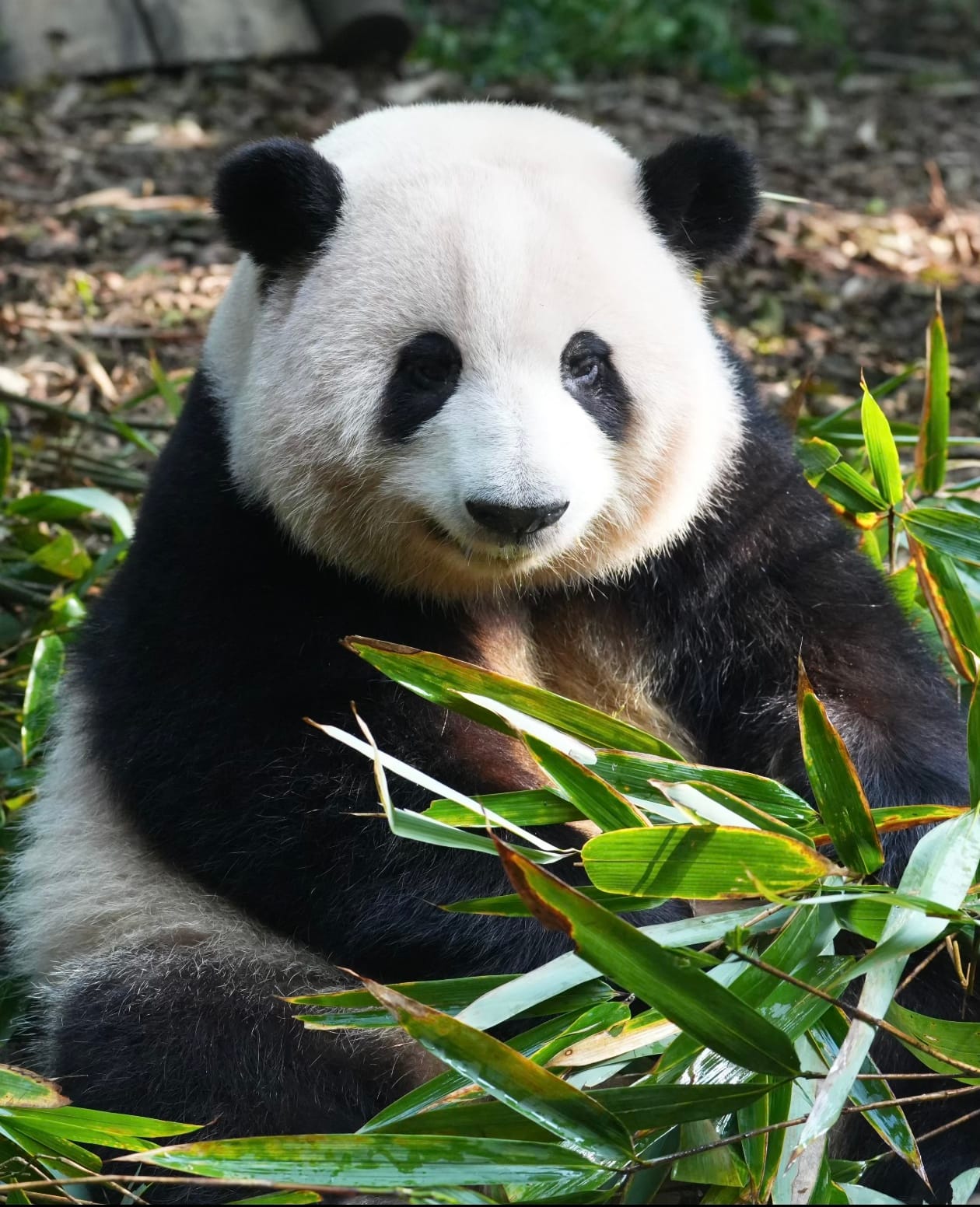
Pandas eat bamboo for up to 14 hours a day, and they start hungry. At the main Chengdu Research Base, keepers begin the morning feed at 8:00 AM. For the next 90 minutes every enclosure is active — pandas climbing, rolling, shredding bamboo stalks. Hua Hua’s queue at Villa No. 6 runs about 20 minutes at 7:30 AM and over two hours by 10:00 AM. By 10:30 AM, the bamboo coma sets in. Most animals retreat to high branches or air-conditioned indoor rooms until the afternoon feed.
There is an afternoon window: 2:30–4:00 PM, second feeding, less crowded nurseries. It is a genuine option in cooler months. In July and August the heat usually keeps pandas indoors until late afternoon, so the afternoon visit rarely recovers what a late-morning arrival already missed.
When Pandas Are Active at Each Base
Green = morning active window · Amber = afternoon active window. Feeding happens within these windows.
Feeding Times by Base: At-a-Glance
Each base runs on its own feeding schedule. The table below shows when to be at the enclosures — not when to arrive at the gate.
Base | Morning Active Window | Key Feed Times | Afternoon Window |
|---|---|---|---|
7:30–10:30 AM | Bamboo: 8:00–9:30 AM | 2:30–3:00 PM | |
9:00–11:00 AM | Bamboo: 9:00–11:00 AM | 1:00–4:00 PM (supplement ~1:40 PM) | |
7:30–11:00 AM | Bamboo: 7:30–9:00 AM; red pandas: 9:00–10:00 AM; supplement: 9:30–10:30 AM | 1:30–3:00 PM | |
9:00–11:00 AM | Main feed: 9:00–11:00 AM | 2:30–4:00 PM | |
9:00–11:00 AM | Main feeds: 9:00 AM, 11:00 AM; supplement: 2:00 PM, 3:30 PM | 2:00–3:30 PM |
South Gate vs West Gate at the main base: South Zone pandas are active from 7:30 AM; West Zone pandas don't emerge until around 9:00 AM. A 7:30 AM West Gate arrival gains nothing over 9:00 AM.
Dujiangyan Panda Base is closed from April 23, 2026. The schedule above reflects normal operating hours — check official channels before visiting.
Dujiangyan Panda Valley from May 1–October 31: morning and afternoon tickets are sold separately and cannot be swapped. In hot weather, pandas go indoors at around 11:00 AM; the afternoon slot (1:30–3:00 PM) is glass-viewing only.
Wolong noon-to-2:00 PM: full rest at every base, but at Wolong most pandas are completely inactive in this window. Plan to arrive before 9:00 AM and leave by 11:30 AM, or return after 2:30 PM.
Bifengxia: arrive 15–20 minutes before each listed feed time to be in position.
2. Which Month Is Best for Seeing Pandas in Chengdu?
October (after the 8th) and November are the top two months. March and April are the best alternatives. Cool temperatures between 13–22°C keep pandas outdoors through the full morning feed.
Below is an approximate overview for different months:
March–April

The mating season runs March–April. Adult pandas are more animated during this period than any other — more climbing, more chasing, more noise from the enclosures. Guests who visit in March often comment that the animals seemed almost restless, which is exactly what mating-season behavior looks like. The base also looks its best: bamboo is thick and green, the gardens are in flower.
May
May is still good but warming fast. Crowds climb steadily from the Labor Day holiday (May 1–5) onward and don't drop back until late September.
June–August
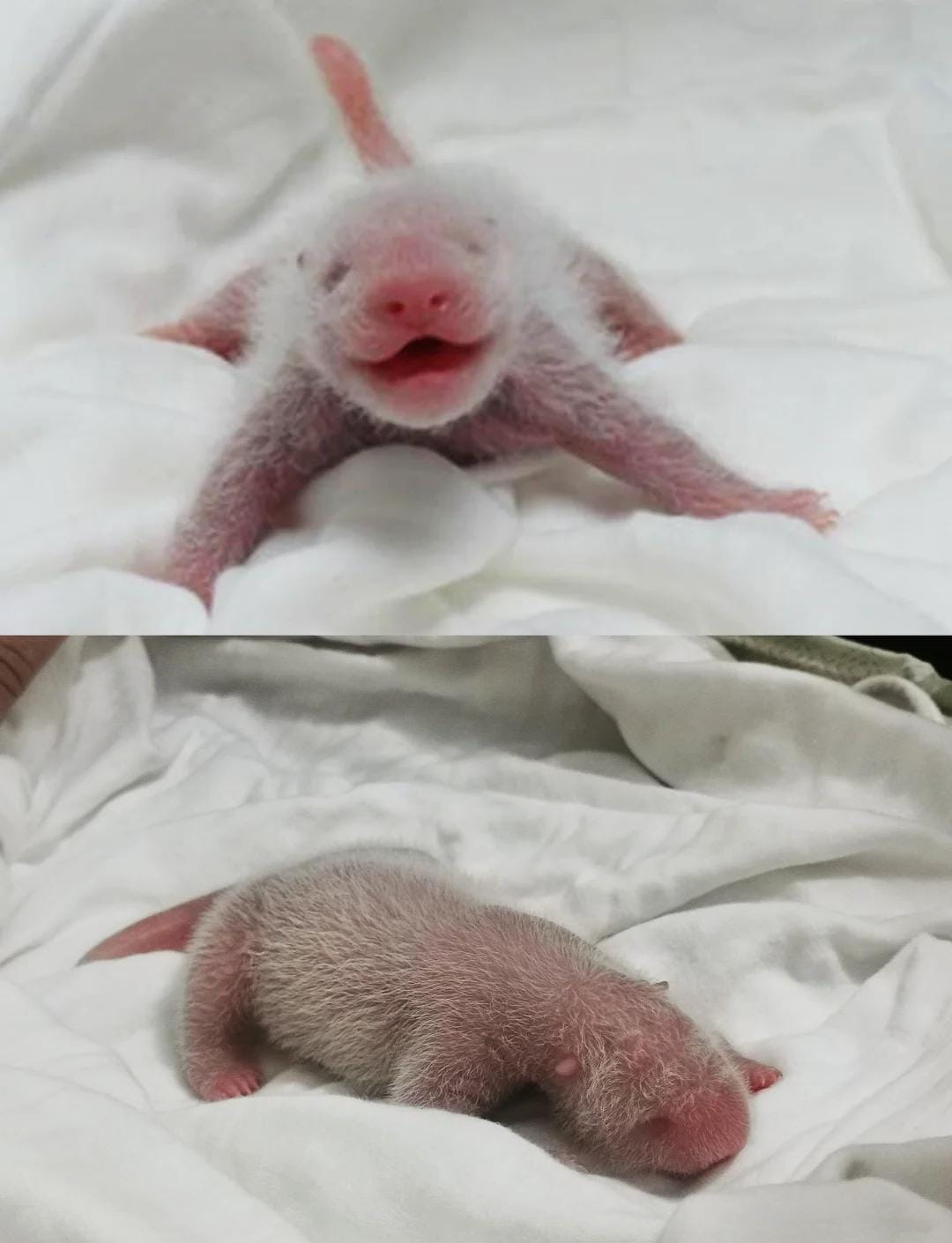
The heat problem is genuine: once temperatures exceed 26°C — typically by 10:00–10:30 AM in July and August — keepers move pandas indoors. But summer is the only window to see newborn cubs, and for many guests that is the point of the visit.
The strategy that works: arrive at 7:30 AM, cover every outdoor enclosure before 10:00 AM, then pivot to the Sunshine and Moonlight nurseries. By the time outdoor activity fades, the nursery visit is just getting started. A summer morning structured this way is actually excellent. A summer afternoon at the main city base is generally not.
For visitors in June–August who want active outdoor pandas through the morning, Wolong is the better option — August temperatures there stay under 22°C.
September–November
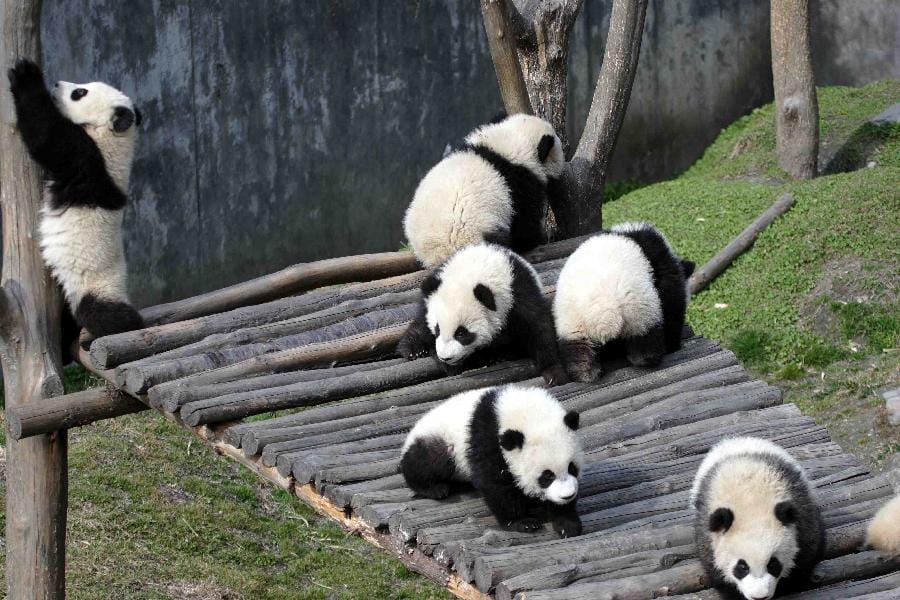
September still runs hot in the first half. From late September, temperatures drop to 15–22°C and pandas stay outdoors reliably.
October is when activity and cub visibility peak together. Cubs born in July and August are now 2–4 months old, strong enough for public display, small enough to look brand new. The only catch is Golden Week (October 1–7), when the base hits its daily cap before the gates open. After Golden Week ends — from October 8 — the crowds drop off sharply while everything else stays excellent.
November is our quietest recommendation. Cool and clear, good panda activity, cubs now 3–5 months old and increasingly mobile, no major Chinese holidays.
December–February
Pandas evolved in cold mountain forests. They are more active in cold weather than most visitors expect — in December and January we regularly watch them rolling through frost-covered grass and climbing for long stretches, behavior you will not see on a hot August afternoon. Crowds are at their lowest outside Lunar New Year.
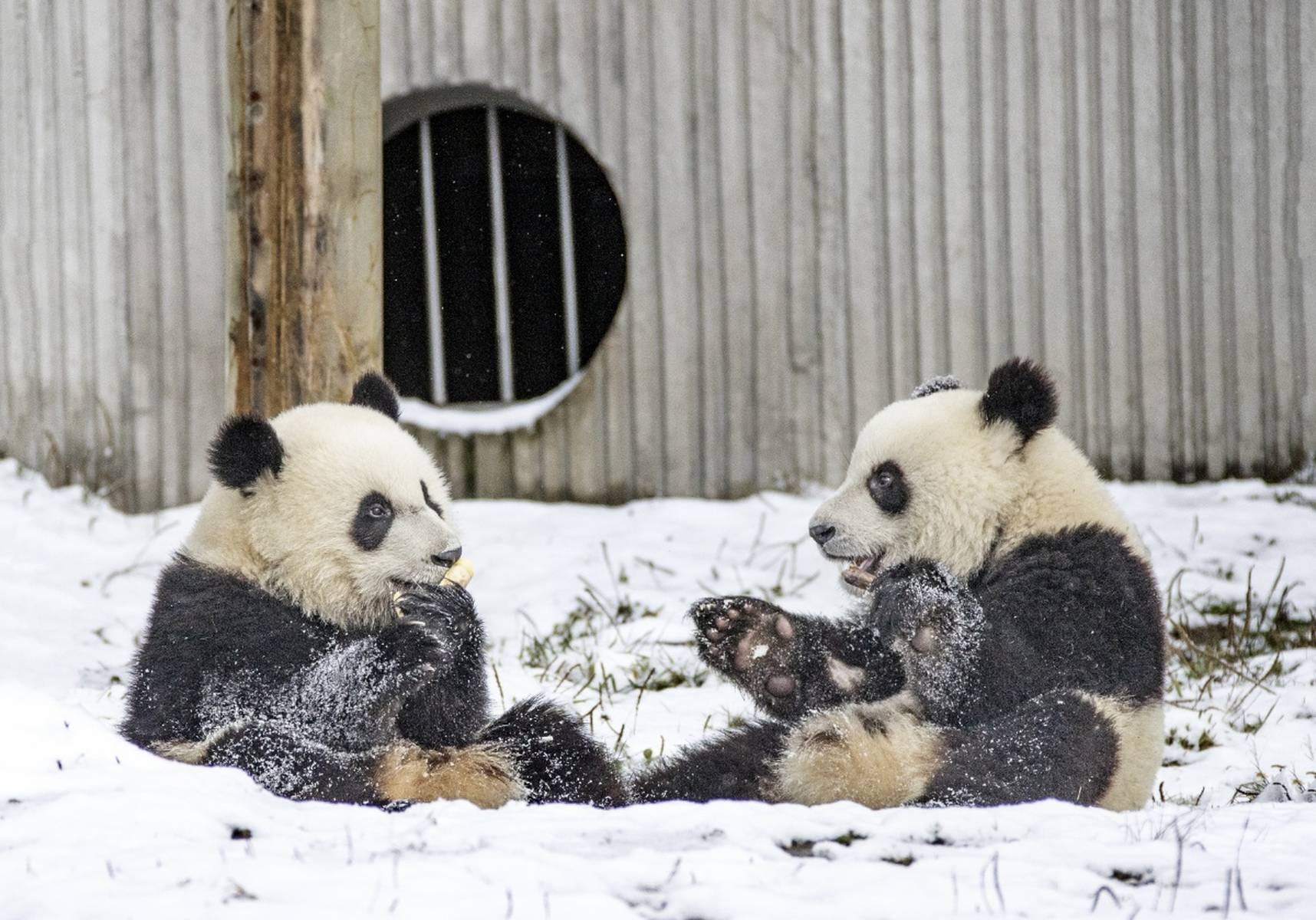
At Wolong, winter adds something no other month offers: snow. When snow settles on the enclosures at Shenshuping, pandas go noticeably more playful — rolling, wrestling, digging. If you have seen the viral clips of pandas tumbling through powder, that is Wolong in winter. It requires planning (the road can close in heavy snow), but guests who have done it tell us it is the most memorable panda experience of all the bases at any time of year.
Trade-offs at the main city base: gate opening is 8:00 AM instead of 7:30 AM. Some outer areas are muddy or frost-covered. The cubs are 4–6 months old and energetic in the nursery.
Month | Temp | Outdoor Activity | Crowds | Cub Stage |
|---|---|---|---|---|
Mar–Apr | 13–23°C | ⭐⭐⭐⭐⭐ Mating energy | Medium | 6–12 months, playful |
May | 20–27°C | ⭐⭐⭐⭐ | Medium–High | Older cubs |
Jun–Aug | 28–33°C | ⭐⭐ outdoors | High | ⭐⭐⭐⭐⭐ Newborns in nursery |
Sep | 22–28°C | ⭐⭐⭐ | Medium–High | 1–2 months, just displayed |
Oct–Nov | 13–22°C | ⭐⭐⭐⭐⭐ | Low–Medium | ⭐⭐⭐⭐ 2–5 months, mobile |
Dec–Feb | 4–12°C | ⭐⭐⭐⭐ Cold = active | Low | ⭐⭐⭐ 4–6 months, crawling |
Best Month to See Pandas in Chengdu
Activity and cub visibility scored out of 10. Crowd pressure: lower score = fewer visitors.
3. Which Base for Which Month?
The five bases near Chengdu sit at very different elevations. The same month plays out differently depending on which base you are at.
Base | Distance | Best Months | Timing note |
|---|---|---|---|
15km | Oct–Nov, Mar–Apr | South Zone active 7:30 AM; West Zone 9:00 AM | |
67km | Oct–Nov, Mar–Apr | ⚠️ Closed from April 23, 2026 — no reopening date | |
67km | Any month | Active from 7:30 AM; cooler than city | |
130km | Jun–Aug works well | Active 9:00–11:00 AM; stays cool all year | |
150km | Oct–Nov, Mar–Apr | Similar timing to main base |
Chengdu Research Base — Most Heat-Sensitive
Scores out of 10 — higher is better for each dimension
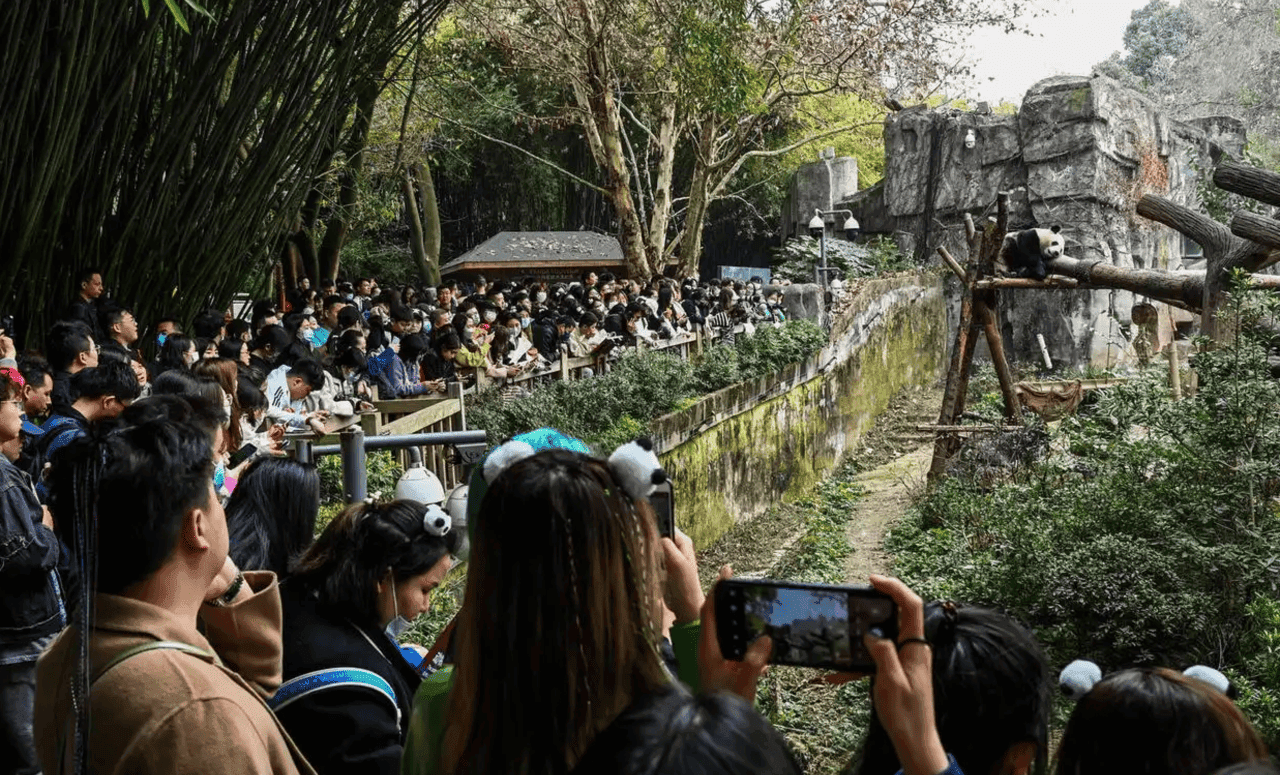
The main base is at city elevation. In summer, city heat and panda base heat are the same thing. Morning timing — specifically before 10:00 AM — is the only reliable strategy from June through August.
Gate choice matters more here than at any other base. Enter through South Gate if seeing Hua Hua or the nurseries is the priority: the South Zone pandas are active from 7:30 AM and Villa No. 6 is a 5-minute walk from the entrance. Enter through West Gate if the Panda Tower and a quieter, downhill walk through the West Zone are the goal — but West Zone pandas don't emerge until around 9:00 AM.
On the weekly schedule: Villa No. 6 and the Giant Panda Museum close every Monday. The Panda Tower closes every Tuesday. If all three are on the list, Wednesday through Sunday is the only window.
→ See our Chengdu Panda Base Guide for routes, gate options, and what most guides miss about the West Zone
Dujiangyan — Two Different Bases
Dujiangyan Panda Base
Scores out of 10 — higher is better for each dimension
⚠️ Dujiangyan Panda Base closed April 23, 2026. No reopening date confirmed.
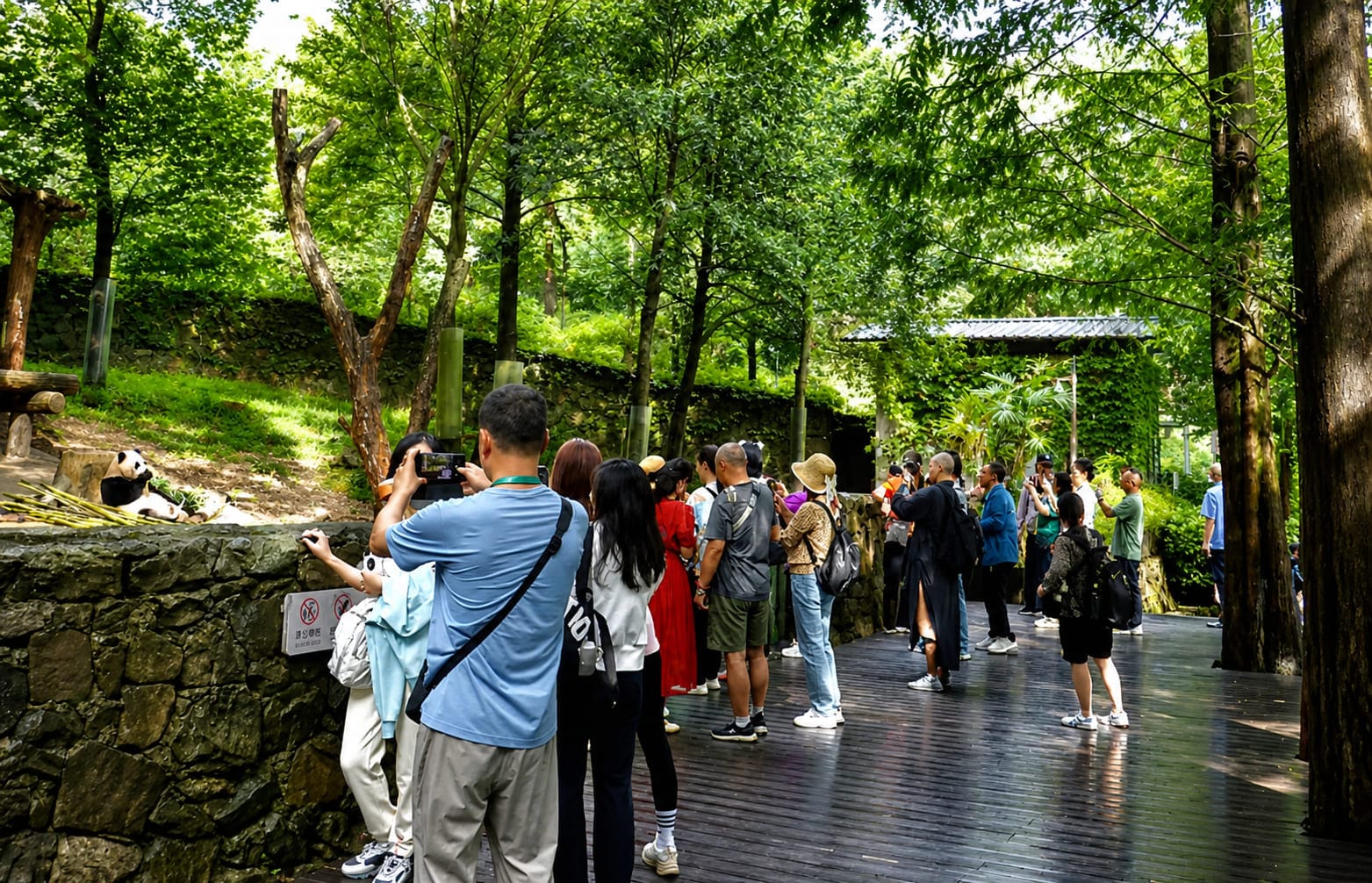
When operating, the Dujiangyan Panda Base runs a morning session from 9:00–11:00 AM — the main bamboo feed and most active period. The afternoon is a genuine second option here in a way it is not at the city base: pandas wake from their midday rest, receive a supplement feed at around 1:40 PM, and stay active through 4:00 PM. Crowds are much smaller than the city base, and the base sits near Mt. Qingcheng, running 5–8°C cooler than central Chengdu in summer.
Dujiangyan Panda Valley
Scores out of 10 — higher is better for each dimension
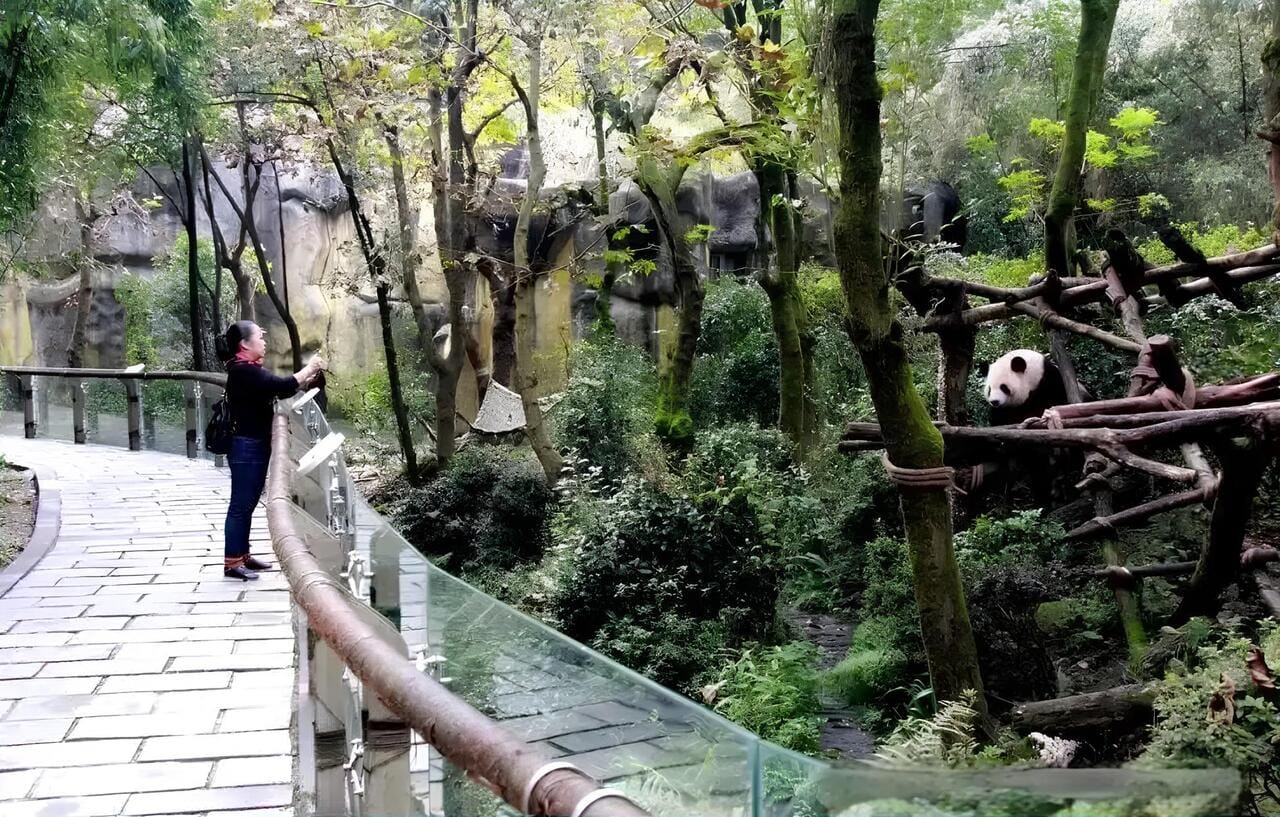
Dujiangyan Panda Valley is separately operated and remains open. About 12 giant pandas in a naturalistic mountain setting, far fewer visitors than the city base. Pandas are active from 7:30 AM — earlier than most visitors expect. The morning runs in three overlapping phases: bamboo feeding from 7:30–9:00 AM, red panda feeding at 9:00–10:00 AM (they roam the boardwalk area and are very approachable), then a supplement feed of apples and steamed buns for the giant pandas at 9:30–10:30 AM. Being present through the full 7:30–11:00 AM window covers all three.
From May 1–October 31, Panda Valley sells separate morning and afternoon tickets that cannot be swapped. In hot weather, pandas move indoors at around 11:00 AM and the afternoon session (1:30–3:00 PM) is through glass. Morning tickets are the right choice for this base in summer.
READ ALSO: Dujiangyan Panda Base vs Panda Valley: Complete Guide
Wolong — Summer's Best Answer
Scores out of 10 — higher is better for each dimension

Wolong Shenshuping sits in a mountain valley at roughly 1,900m elevation. August temperatures there average 17–20°C — the 26°C threshold that sends city pandas indoors does not apply here. If a summer panda visit is unavoidable and seeing active outdoor pandas matters, Wolong is the right choice. The enclosures are vast and naturalistic; pandas are harder to spot but behave more like wild animals when found.
The practical catch: the drive from Chengdu takes 2.5 hours each way. A day trip is possible but leaves little time at the base. Most guests doing Wolong properly stay one night.
Bifengxia — For Serious Time, Not Quick Visits
Scores out of 10 — higher is better for each dimension
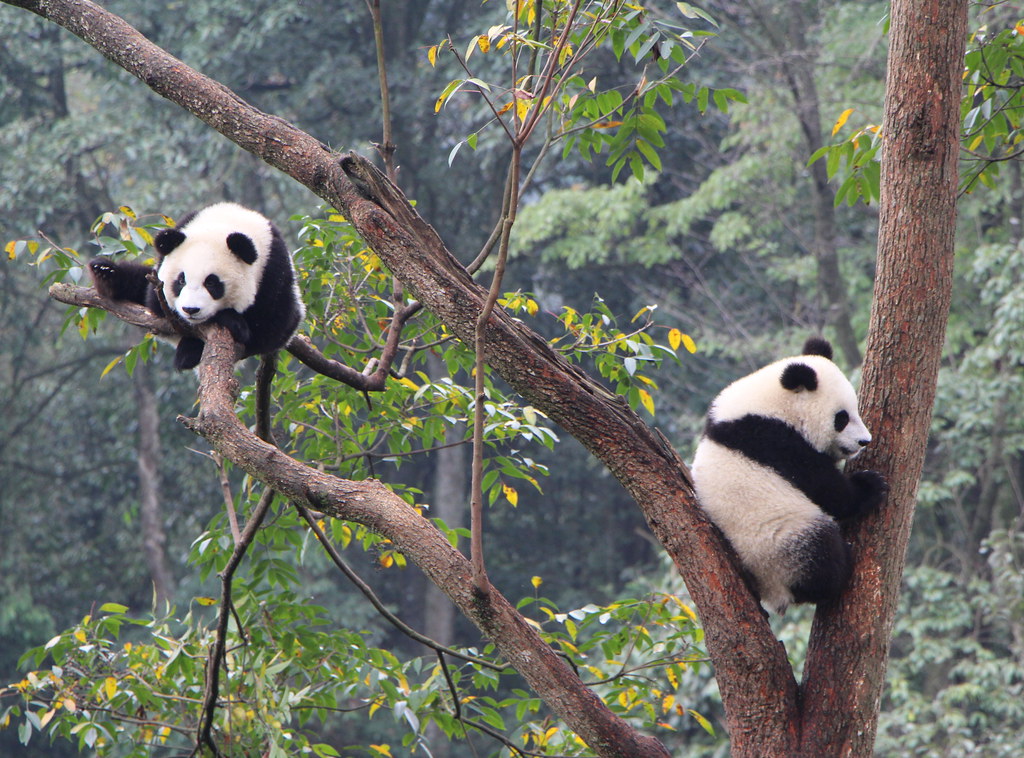
Bifengxia is 150km from Chengdu. At that distance, it is only worth the journey combined with Mount Emei or Leshan — or for the Panda Loving Care volunteer program. Timing follows the same logic as the main base: October–November and March–April are most comfortable, June–August mornings still work.
→ See our full Chengdu Panda Bases Guide for a side-by-side comparison of all five bases
4. When Is the Best Time to See Newborn Panda Cubs?
Giant pandas mate in March–April. Cubs are born July–September, with most births in late July and August. Newborns spend their first 6–8 weeks in intensive care and go on public display once they are strong enough — usually from late September or early October at the main base.
The best window for cub viewing is October through December, when the year's cubs are 2–5 months old: small enough to look brand new, mobile enough to roll and interact. They are usually displayed in groups across three nursery houses: Sunshine (South Zone, near South Gate), Moonlight (West Zone), and Star.

During peak cub season (July through September), the base runs daily newborn meet-and-greet sessions from 2:00–4:00 PM in the Sunshine and Moonlight nurseries (main base in Chengdu). These are scheduled periods where the youngest cubs are brought out to a viewing area — a different experience from the standard enclosure walk-past. If newborns are the reason for the trip, this afternoon session is worth planning around even though morning is normally the better time of day.
Three things most visitors miss about the nurseries. First, all three houses operate on rotation — not all will have cubs on any given day. Second, Sunshine gets the longest queues because it is closest to the South Gate entrance; we route clients to Moonlight first. Third, cub display is weather-dependent — on very cold or very hot days, cubs may stay off public view even during scheduled hours.
If you visit in July or August expecting to see newborns: you may, through incubator glass, but they are often motionless and barely visible at that age. The previous year's cubs — now 10–14 months old and running the enclosures — are better to watch.
READ ALSO: Where to See Panda Cubs in China (Best Bases & Seasons)
5. When Is the Best Time to Avoid Crowds?
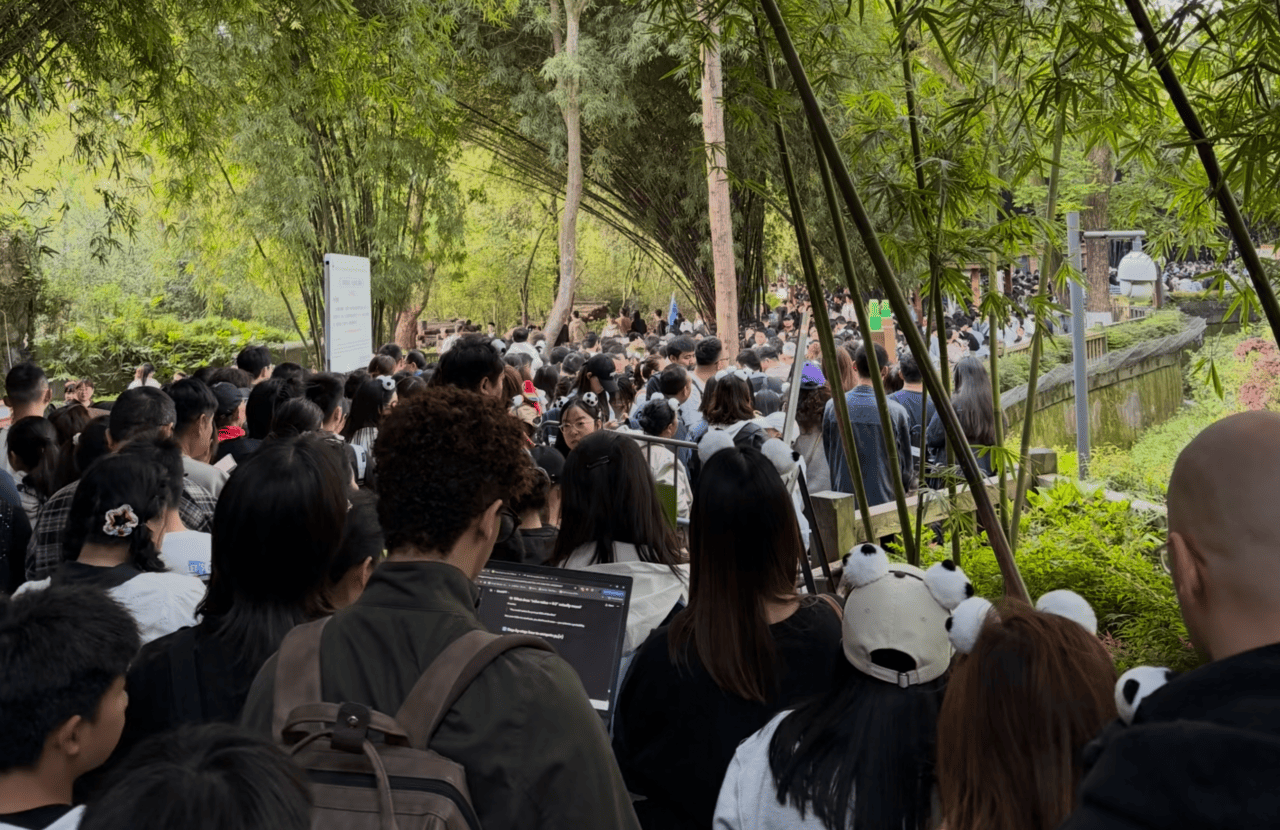
November is the quietest month with excellent conditions. January outside Chinese New Year is the second quietest. Weekdays are consistently quieter than weekends year-round.
Crowd Levels at Chengdu Panda Base by Month
Darker red = harder to visit. Weekdays are consistently quieter than weekends.
Golden Week (October 1–7) is the hardest period. The main base reaches its daily cap before the gates open; queue times at every enclosure double. Book 14 days in advance and arrive 20 minutes before opening.
Chinese New Year (late January or February, dates shift each year) brings 7–10 days of peak domestic travel. Same sell-out risk as Golden Week.
Summer school holidays (mid-July to late August) push the base close to capacity most days, stacked on top of the heat problem.
Labor Day (May 1–5) is significant but shorter than the two major holiday periods.
A Tuesday–Thursday visit in late October or November gives the best combination of active pandas, cub visibility, and space to move.
6. FAQ - Best Time to See Pandas in Chengdu
What is the single best month to see pandas in Chengdu?
October — but only from October 8 onward, after Golden Week ends. Temperatures average 15–20°C and pandas stay outdoors through the full morning window. The year's cubs are 2–3 months old and on display in the nursery. If you must visit during Golden Week itself, book tickets the moment the 14-day window opens and arrive before the gate does.
What time is panda feeding at the Chengdu base?
Morning feeding runs from 8:00 AM to 9:30 AM. Afternoon feeding runs from 2:30 PM to 3:00 PM. Gate opening is 7:30 AM from March through October and 8:00 AM from November through February. Arrive before the gate opens to be at the first enclosures when feeding begins.
Can you see pandas in summer in Chengdu?
Yes, with morning-only timing. Arrive at 7:30 AM via the South Gate, cover the outdoor enclosures first, and reach the Sunshine or Moonlight nursery by 9:30 AM. Once temperatures hit 26°C — usually around 10:00–10:30 AM in July and August — most pandas move indoors. The nursery is summer's strongest feature: newborn cubs go on public display from late September, and from July you may see very young cubs through the nursery glass. During July–September, the base also runs daily 2:00–4:00 PM newborn sessions. For active outdoor pandas all morning, Wolong is the better option — August there stays under 22°C.
When can you see baby pandas at the Chengdu base?
Cubs are born July–September and go on public display from approximately late September. The best viewing window is October through December, when cubs are 2–5 months old. The main base has three nursery houses — Sunshine, Moonlight, and Star — operating on rotation, so not all will have cubs on any given day. Sunshine has the longest queue; Moonlight is often a faster entry with similar cubs.
Is Monday a bad day to visit?
For most visitors, yes. Villa No. 6 — home to Hua Hua — is closed for animal rest every Monday. The Giant Panda Museum also closes on Mondays. Tuesday has its own catch: the Panda Tower closes every Tuesday (except national holidays). If all three are priorities, Wednesday through Sunday is the only window that covers them. Hua Hua's queue is about 20 minutes at 7:30 AM and exceeds two hours by 10:00 AM.
Does rain affect a panda visit?
Light rain and overcast skies are actually good signs. Pandas are native to Sichuan's cool, misty mountain forests and are more active in those conditions than in summer heat. We have run visits on gray, drizzly October mornings where pandas were rolling around outside and our clients were the only ones at the enclosure. Bring a light jacket — do not reschedule for overcast skies alone.
How far in advance do I need to book tickets?
At the main base: online booking opens 14 days ahead. During Golden Week, Chinese New Year, and summer school holidays, morning slots sell out within hours of becoming available. Book the day the window opens. In quieter months — November, early January — two to three days' notice is usually enough. All bookings require real-name registration; bring the matching ID when you arrive.
Planning a panda visit? Contact our team — we have arranged panda experiences for international guests since 2006 and can handle tickets, timed transfers, and guide service to the morning feeding window.