Zhangjiajie Travel Guide: Exploring China’s Avatar Mountains and More
Maybe you’ve seen the photos — those towers of rock rising out of mist, looking like something from another world. Maybe a friend mentioned it, or you caught a glimpse in a film. However it came to your attention, you’re now trying to figure out whether it’s worth the trip, and if so, how to actually do it. This guide answers both questions.
Table of Contents
Why Zhangjiajie?
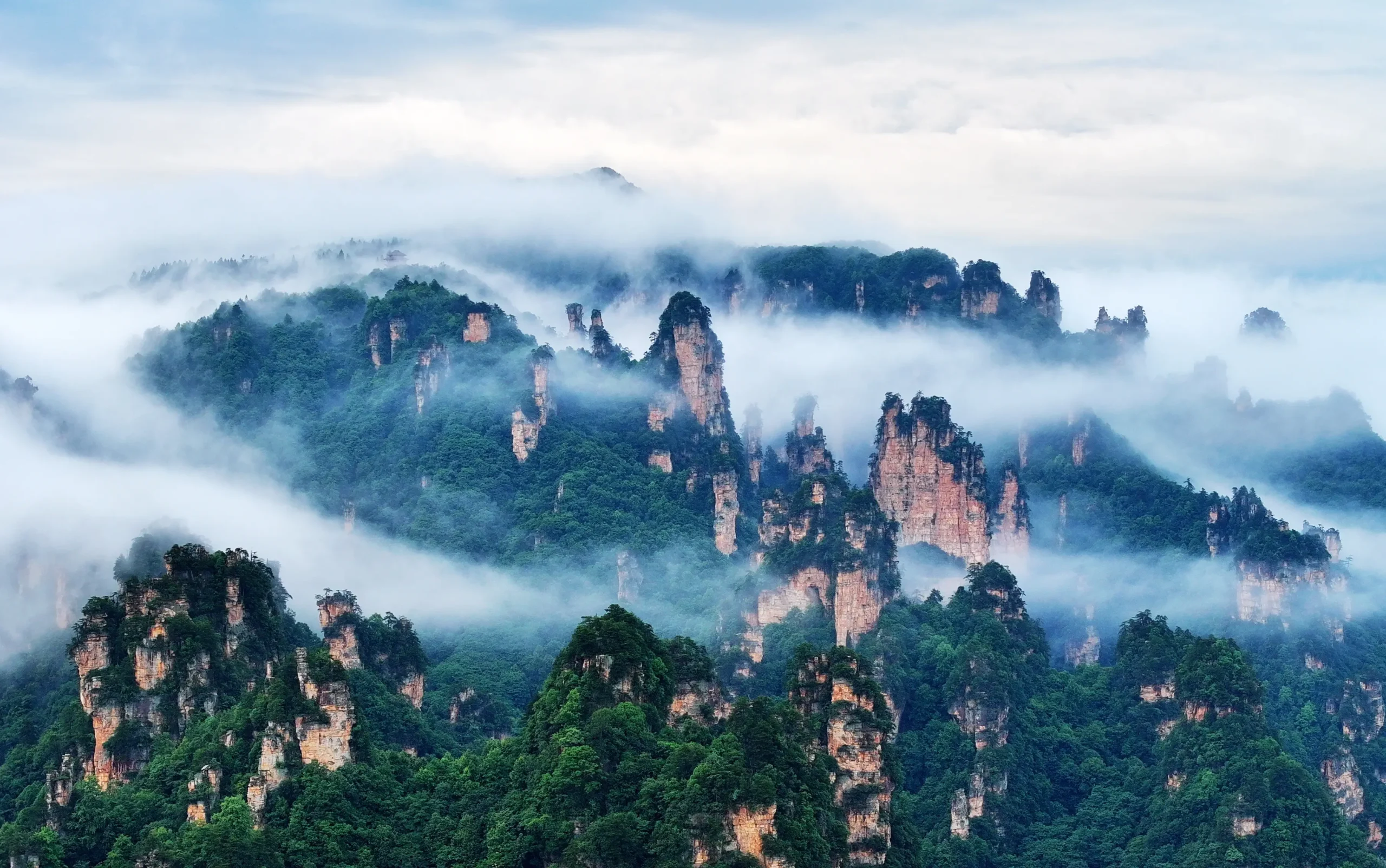
Zhangjiajie is a mountain destination in northwest Hunan Province where over 3,000 quartzite sandstone pillars — some rising more than 300 meters — are packed into a single valley, all forested to the crown. When cloud fills the lower gorges after rain, only the tops are visible. It stops looking like scenery. James Cameron used these formations as the visual basis for the floating mountains of Avatar. The real place is more disorienting than the film.
We’ve taken clients through Huangshan, Guilin, Jiuzhaigou, and Tibet. Zhangjiajie is the one they have the hardest time describing when they get home. The density and vertical scale produce something closer to vertigo than admiration. Beyond the pillar landscape, a compact area holds the world’s longest high-altitude cable car, a glass bridge 260 meters above a canyon, via ferrata on cliff faces at 1,500 meters, and a karst cave with an underground river. Most visitors come for the Avatar mountains and leave having seen things they didn’t expect.
It’s worth being honest about fit. Zhangjiajie is not a relaxing destination. The parks are large, spread out, and physically demanding — expect to walk 10–15 km on any full day in the forest park. The geography is complex: multiple separate attractions, each with their own ticketing and transport, which catches many first-time visitors off guard. That said, we’ve guided visitors in their 70s and families with young children through it successfully. The key is planning. That’s what this guide is for.
We are Travel China With Me, an inbound tour operator running Zhangjiajie trips every week since 2006. Everything here is built from direct experience, not desk research.
1. What Is Zhangjiajie? (And Why the Naming Confuses Everyone)
“Zhangjiajie” refers to four different things, and the confusion causes real planning mistakes — people book hotels in the wrong place and spend hours commuting every day.

Zhangjiajie City (Yongding District) is the urban centre — where the airport (DYG) and main train station (Zhangjiajie West) are. Tianmen Mountain is on the city side, 8 km from downtown.
Wulingyuan Scenic Area is the UNESCO World Heritage Site — the massive park complex most people come to see, 35 km from the city. Stay in the city and plan to visit Wulingyuan daily and you’re adding 70–90 minutes of dead transfer time per day.
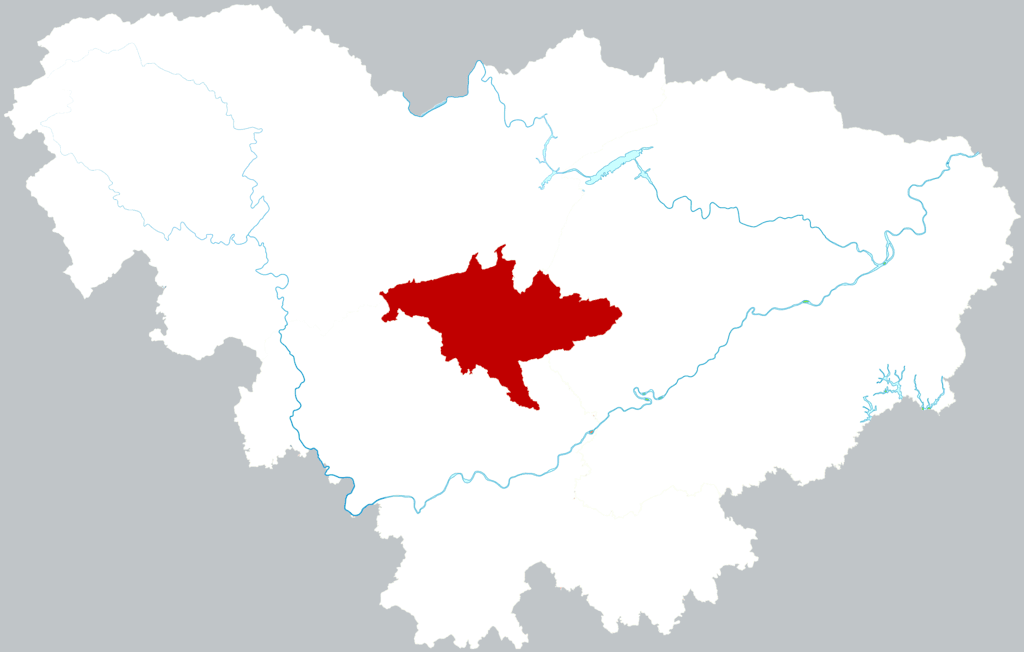
Zhangjiajie National Forest Park is one of four zones inside Wulingyuan, established in 1982 as China’s first national forest park.
The important separation: Wulingyuan (the pillar landscape) and Tianmen Mountain (the cave arch and skywalks) are completely different attractions. They need separate days from separate bases. Our Zhangjiajie vs Wulingyuan explainer covers this in full.
2. Top Attractions in Zhangjiajie
Zhangjiajie is not one park with one ticket. It’s a cluster of completely separate scenic areas — each with its own admission, transport, and full day’s worth of content.
Wulingyuan Scenic Area (National Forest Park)

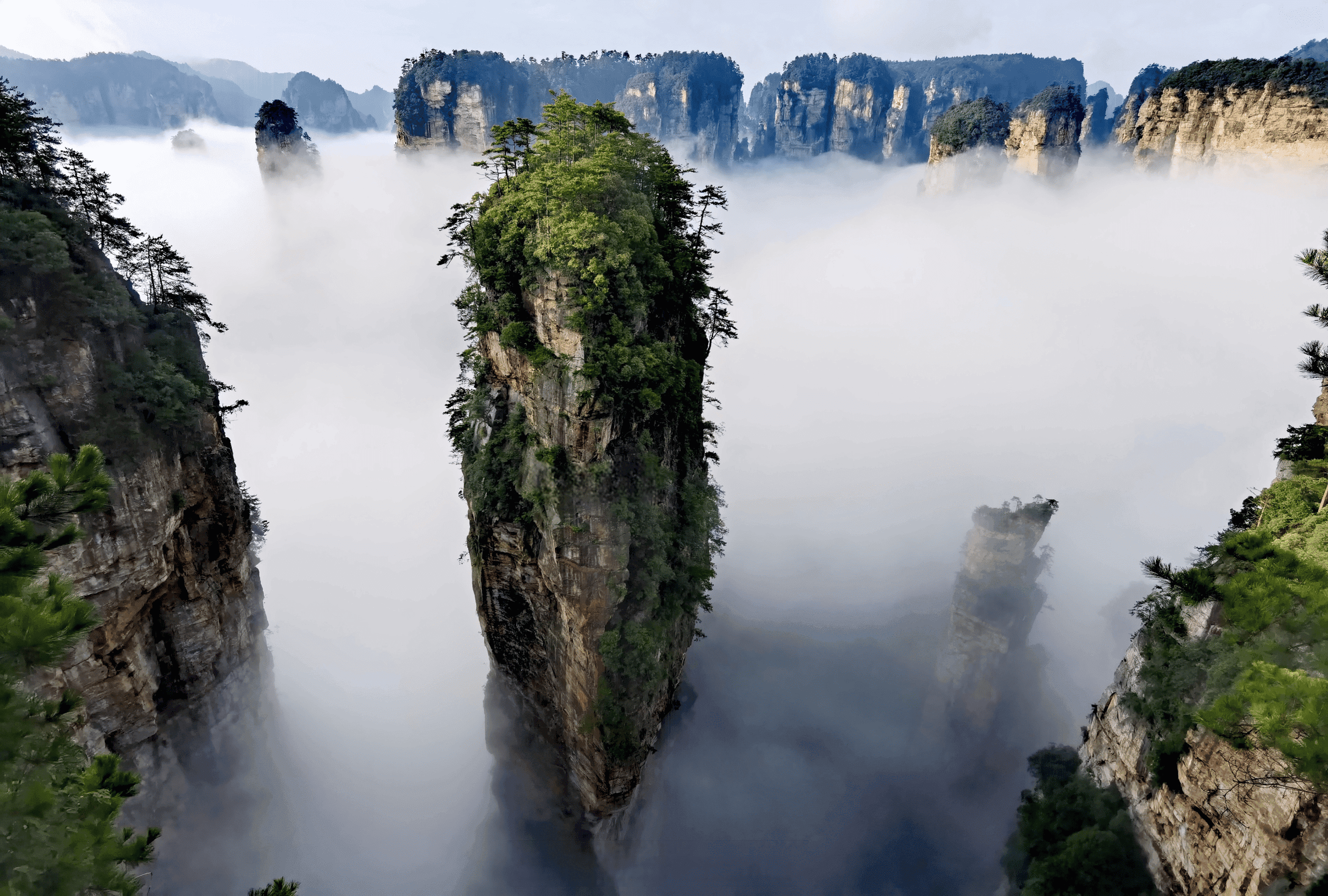
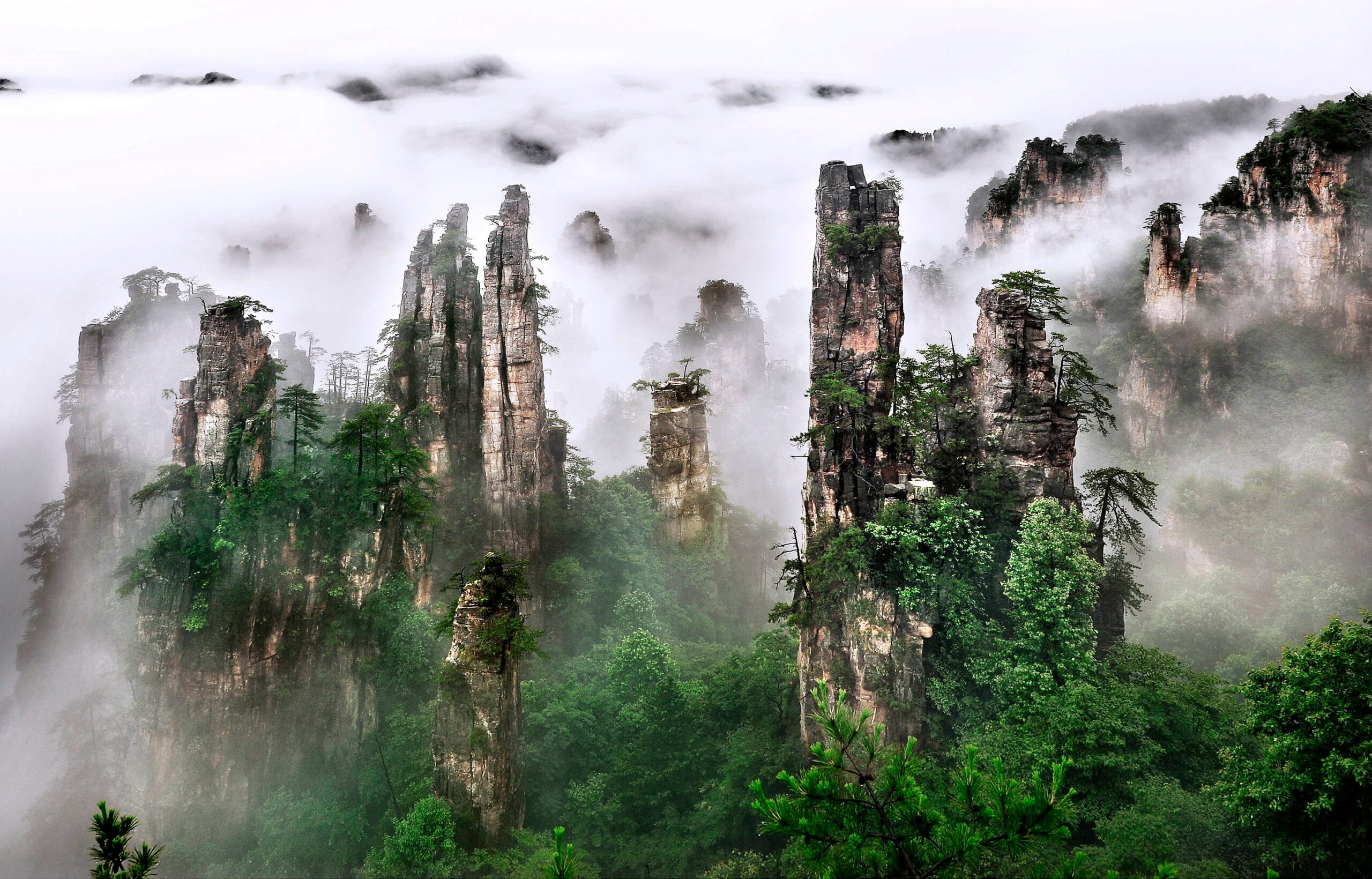
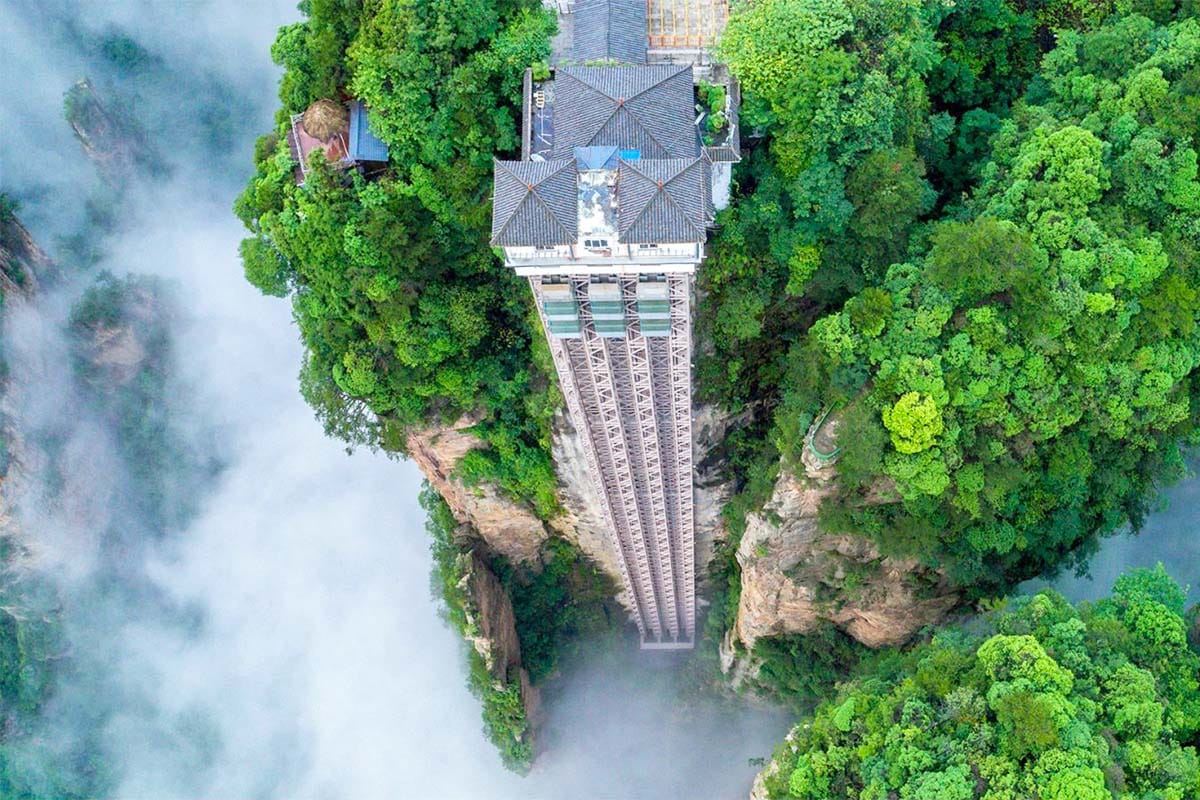
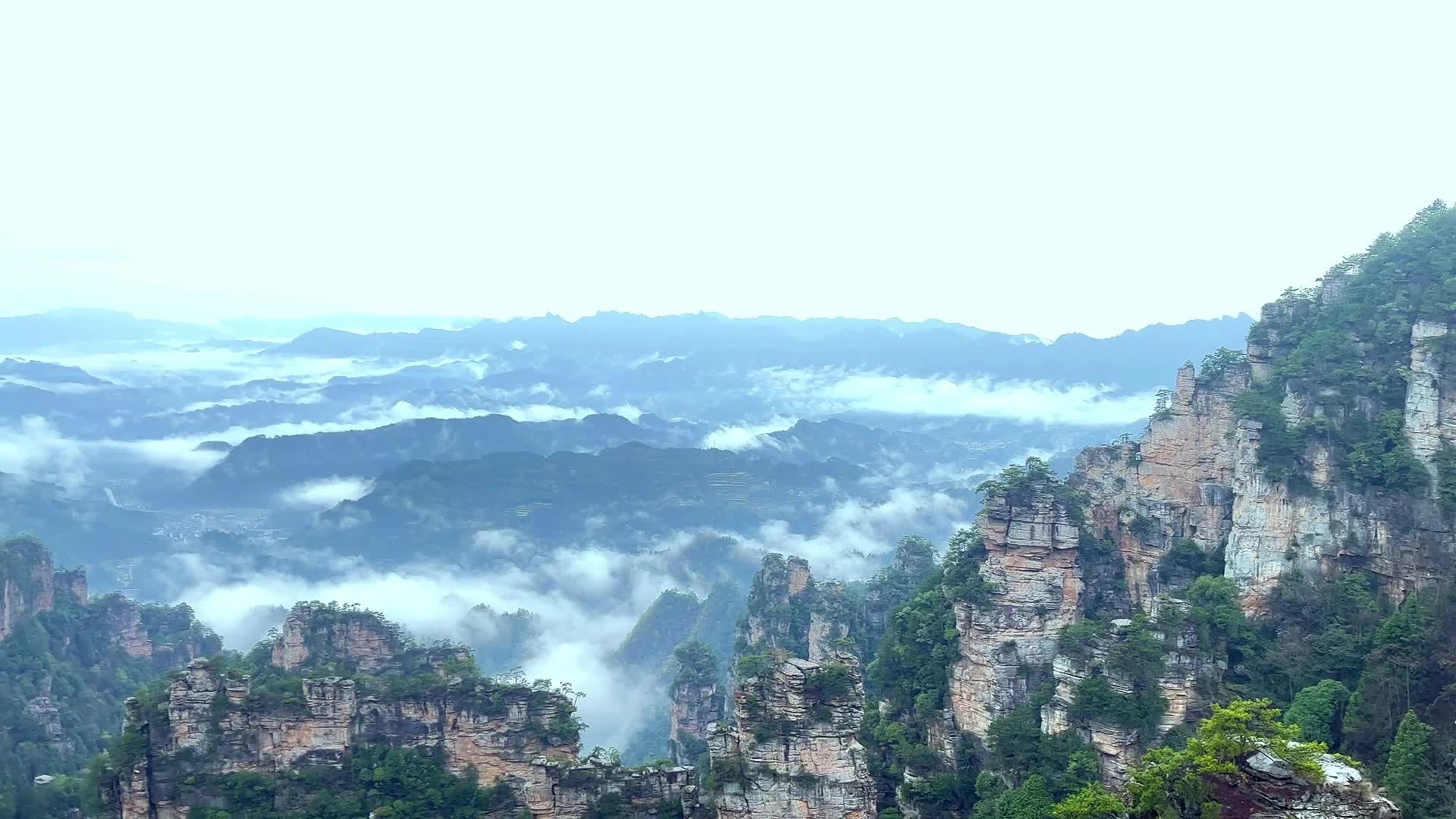
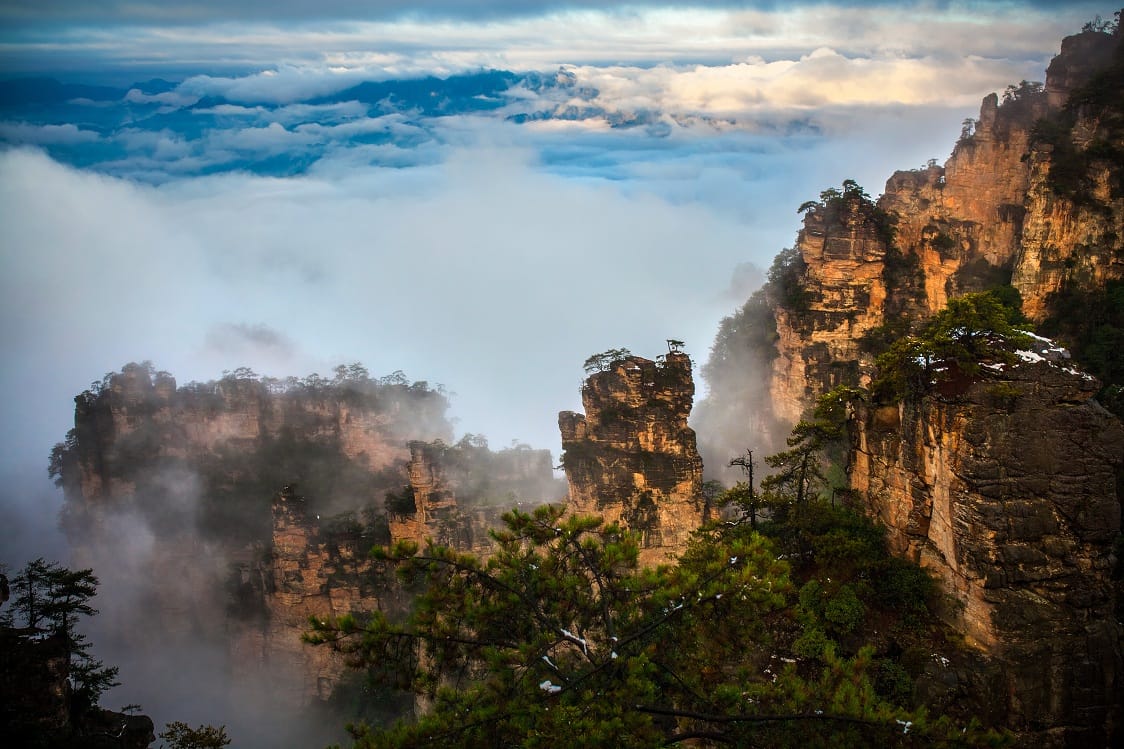
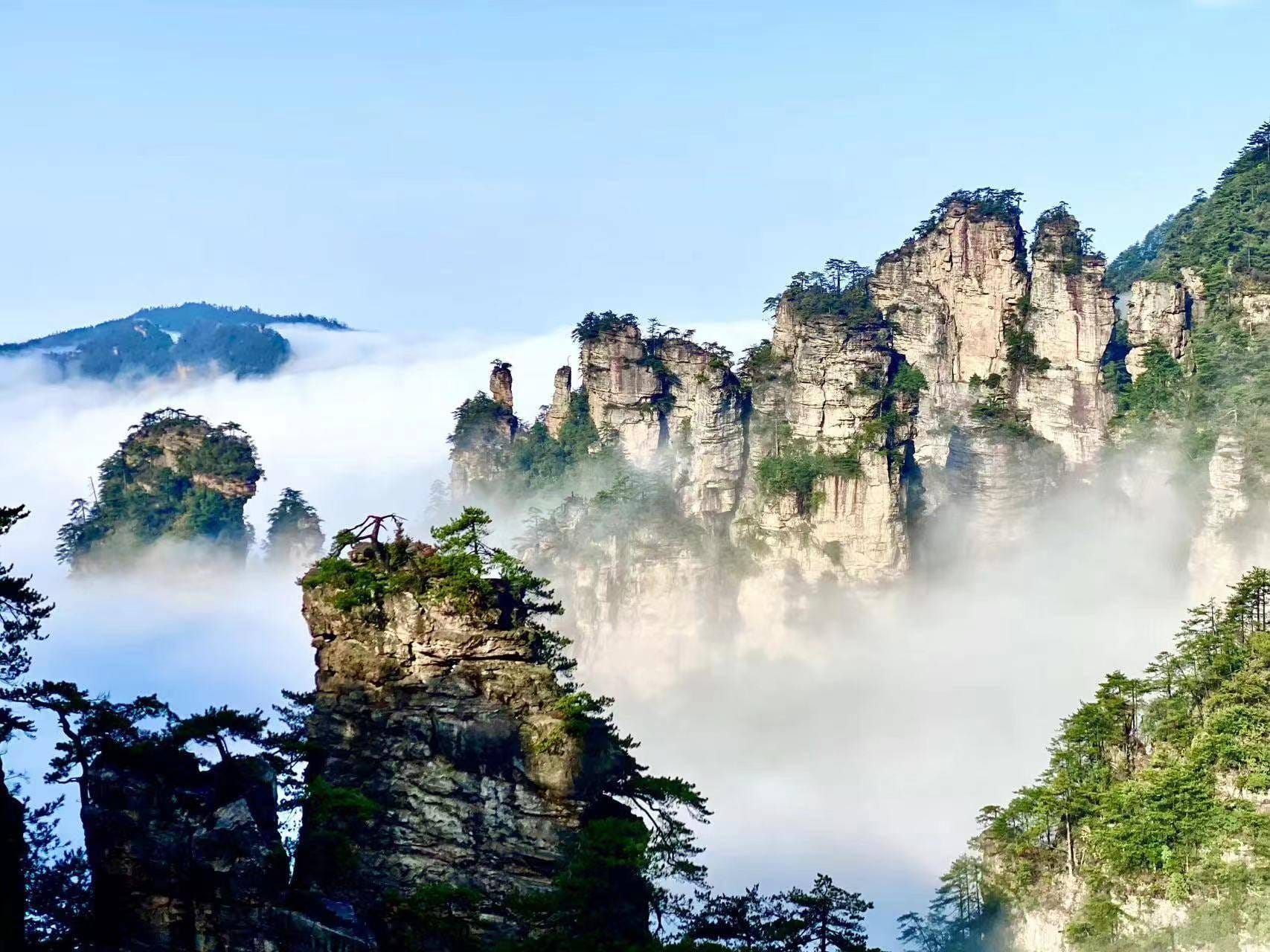

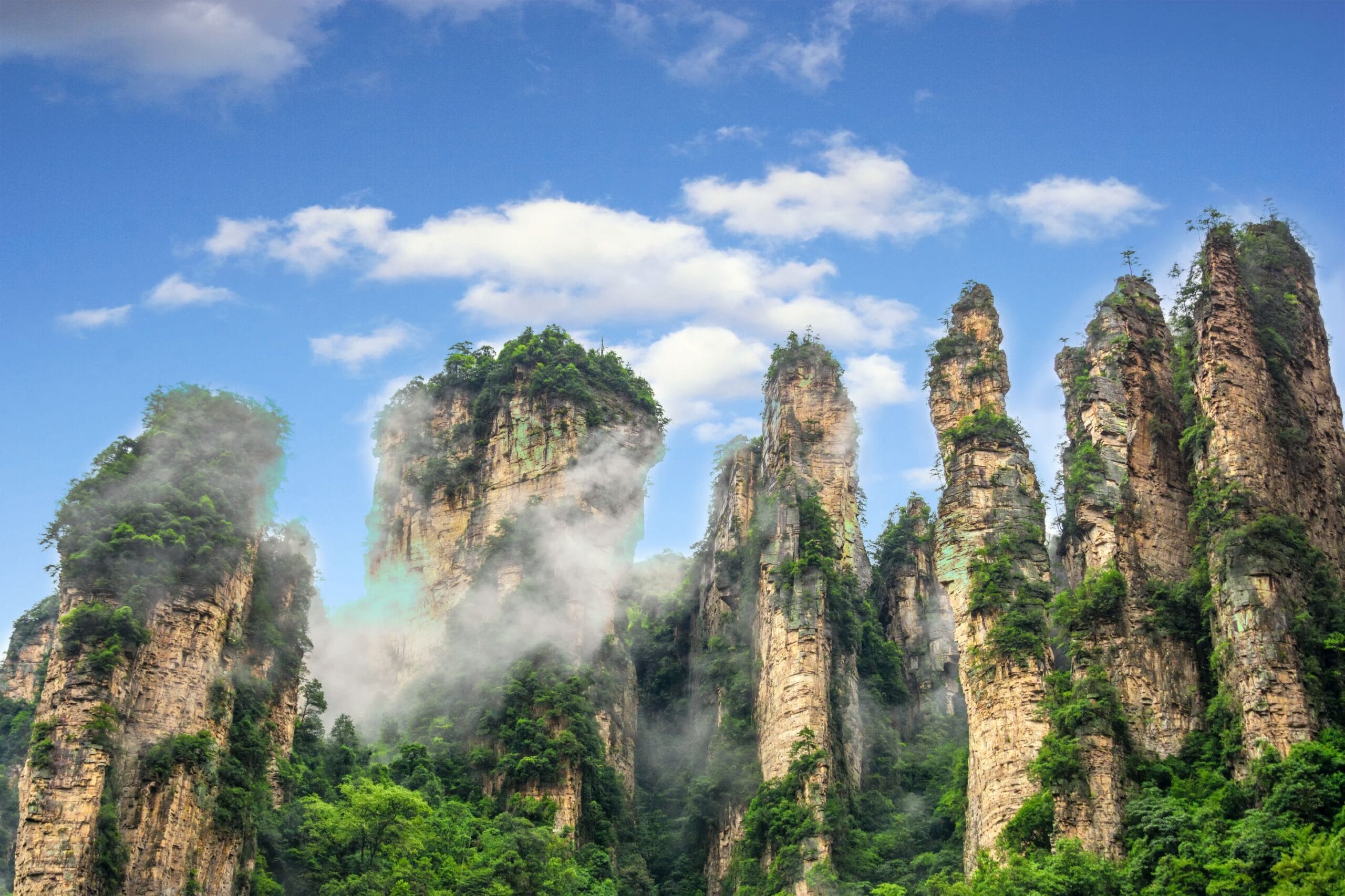
The core of what people come to Zhangjiajie for. The Wulingyuan Scenic Area covers over 264 square kilometres of sandstone pillar formations, accessible on a single ¥239 ticket valid for four days. Inside: Yuanjiajie and the Avatar Hallelujah Mountain, Tianzi Mountain for the cloud sea panoramas, Huangshizhai for the full-perimeter plateau views, Golden Whip Stream for the valley floor trail and wild macaques, and Yangjiajie — the least-crowded zone and our recommended entry point for anyone who wants to avoid the morning queues. Full guide to the National Forest Park →
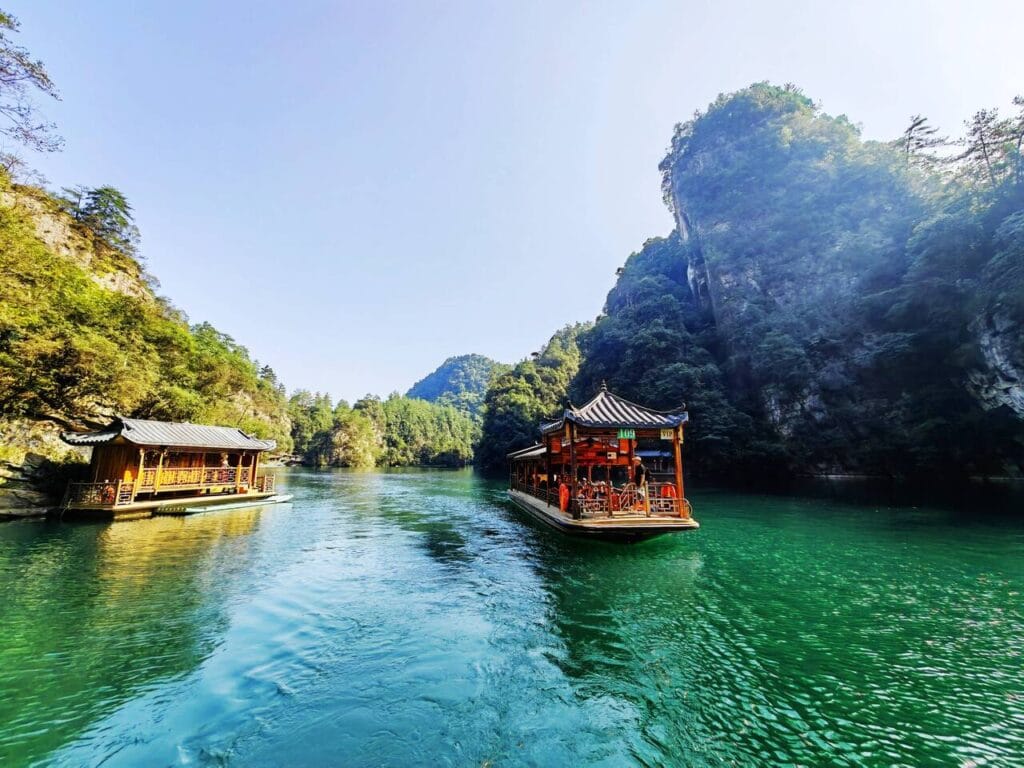
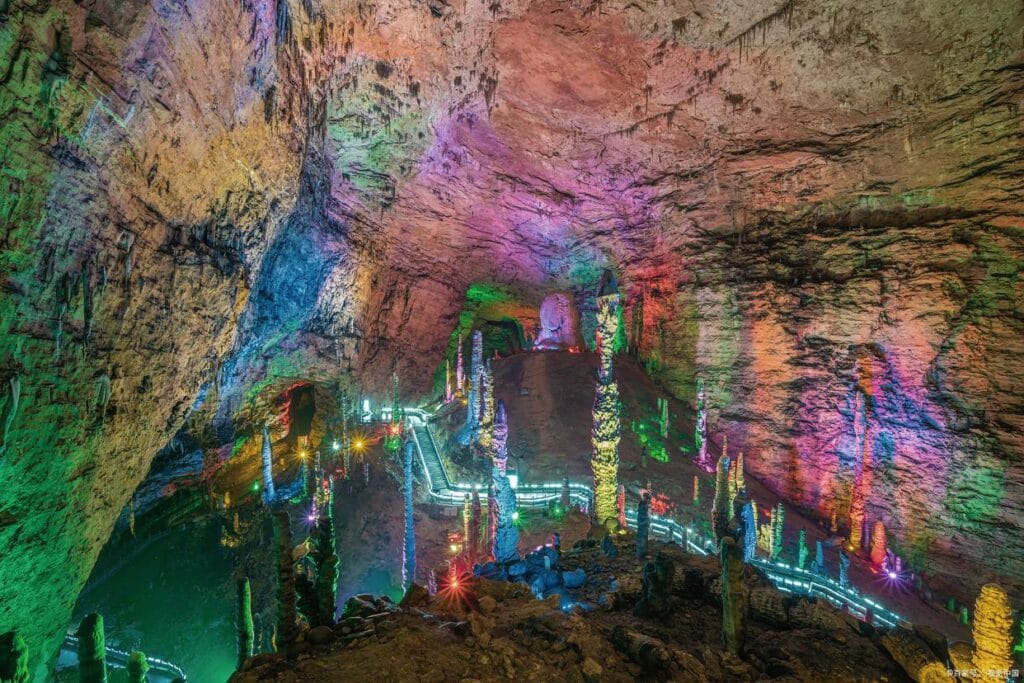
Adjacent to the park but on separate tickets: Baofeng Lake — an emerald reservoir with Tujia folk music performed on the water, the only cultural experience inside the UNESCO zone — and Yellow Dragon Cave (Huanglong Cave), Asia’s largest explored karst cave system. Both pair naturally as a full day. Getting around the park: Eco-Bus Guide · Cable Cars Guide · Bailong Elevator
Tianmen Mountain
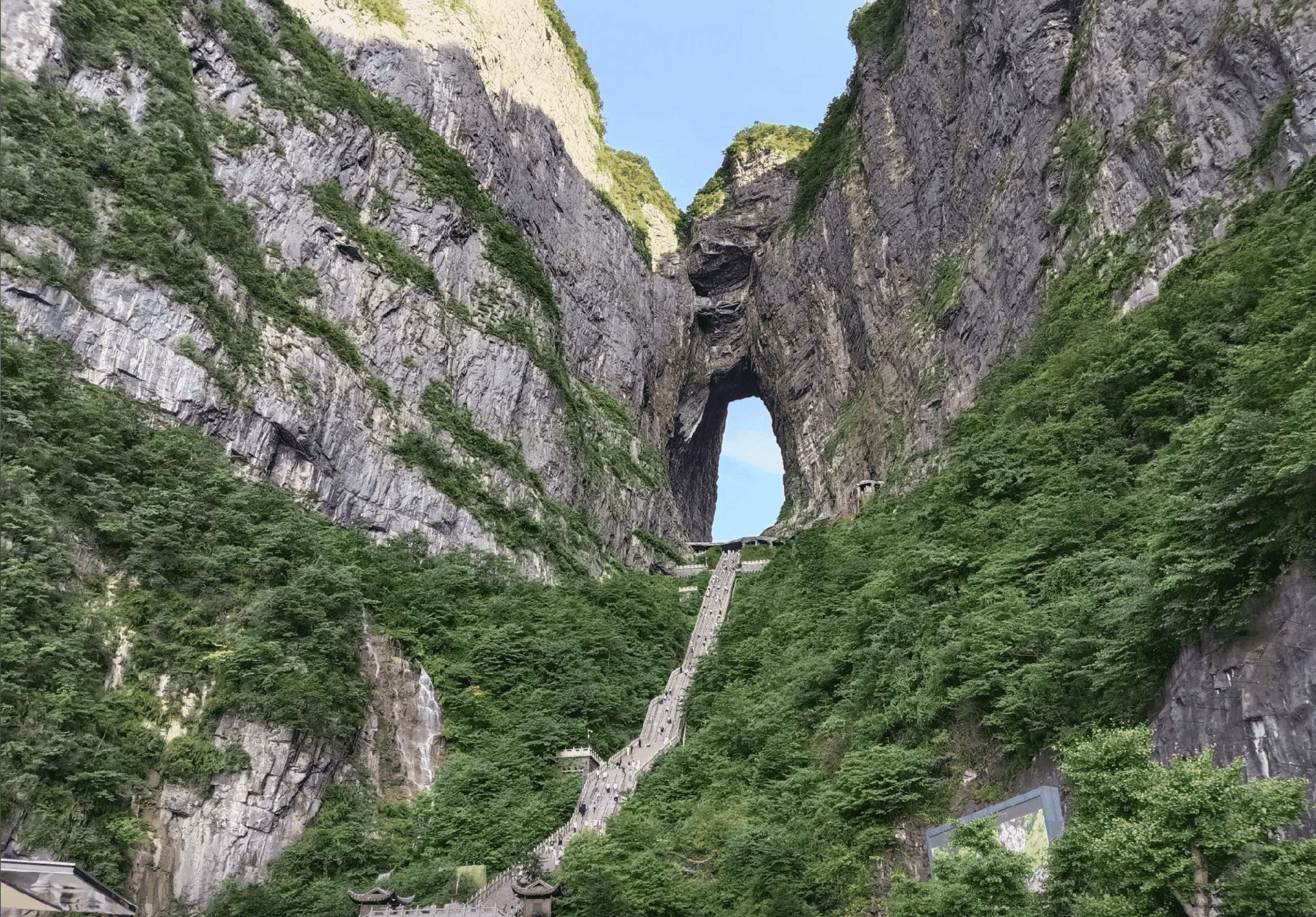

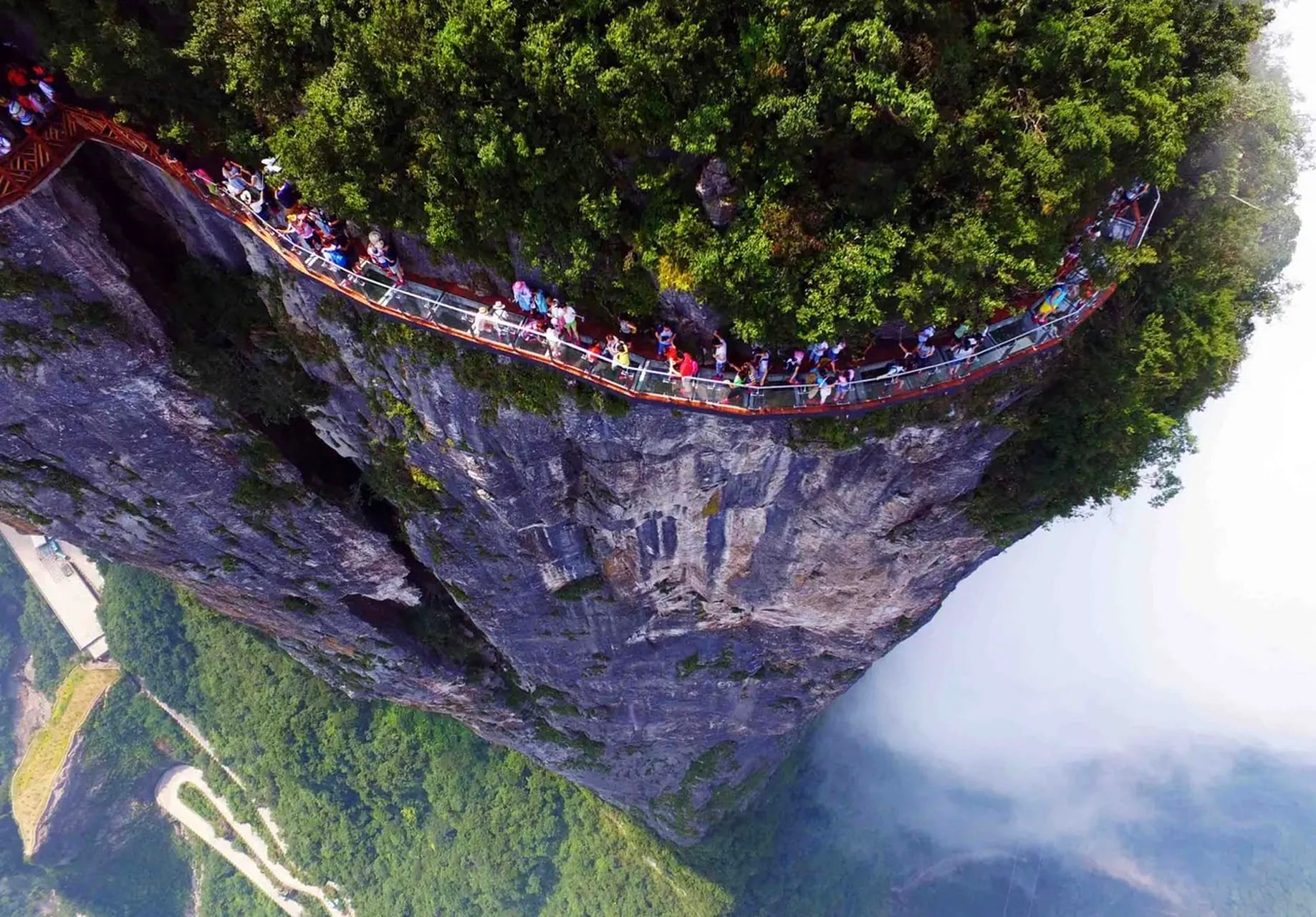
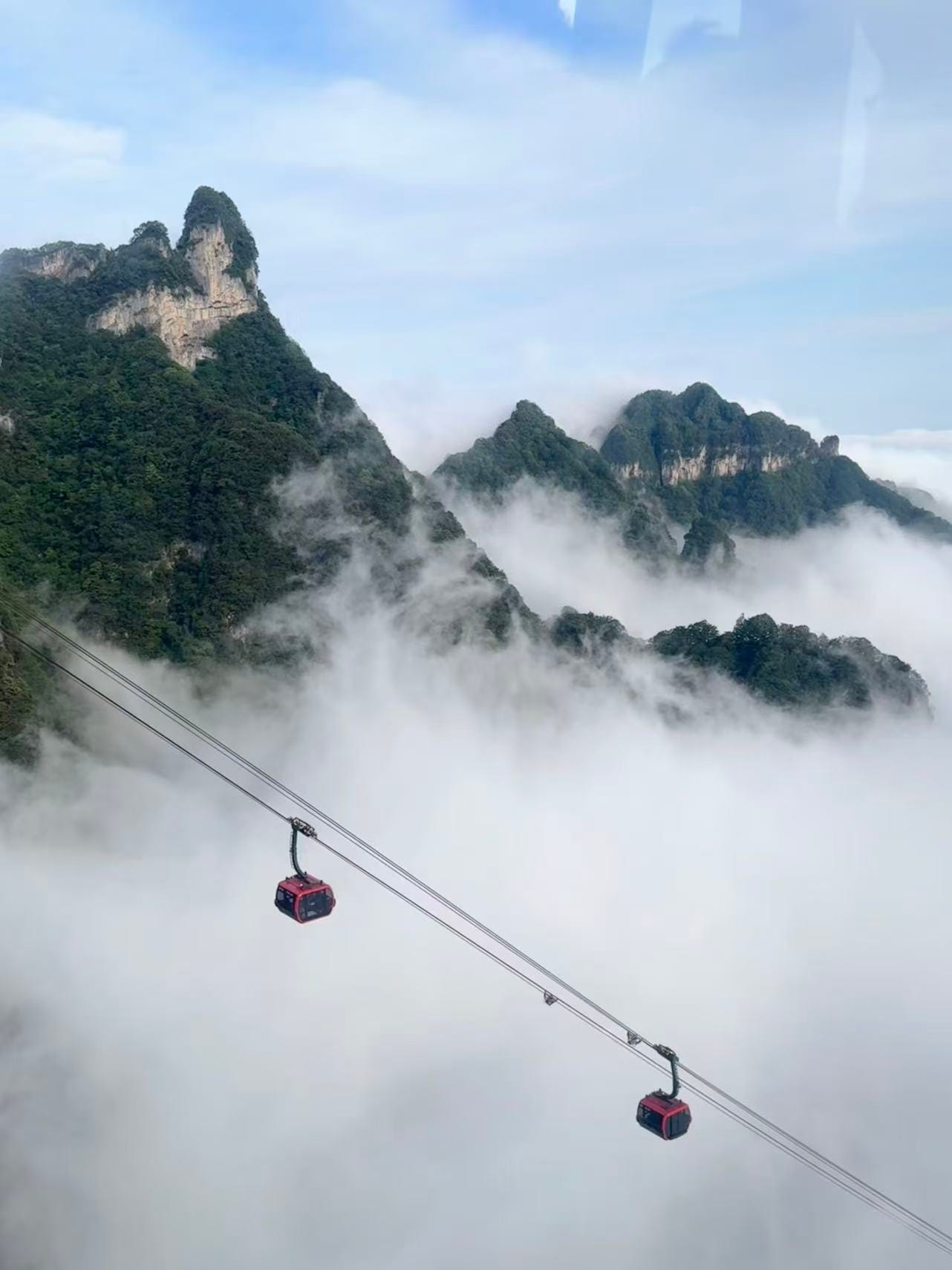
Tianmen Mountain has nothing to do with the Avatar landscape. It is a completely separate park 35 km from Wulingyuan, on the city side, with its own ¥288 ticket. What it offers is different in character: the world’s longest high-altitude cableway (7.5 km), a natural cave arch at 1,264 m elevation, glass skywalks bolted to cliff faces, and the 99 Bends Road — 99 hairpin turns on a narrow mountain road. One full day, not to be combined with the forest park. Critical 2026 update: the upper cableway section has been closed for renovation since November 2025. All routes still operate via modified paths. Line A, B or C — current situation →
Grand Canyon & Glass Bridge

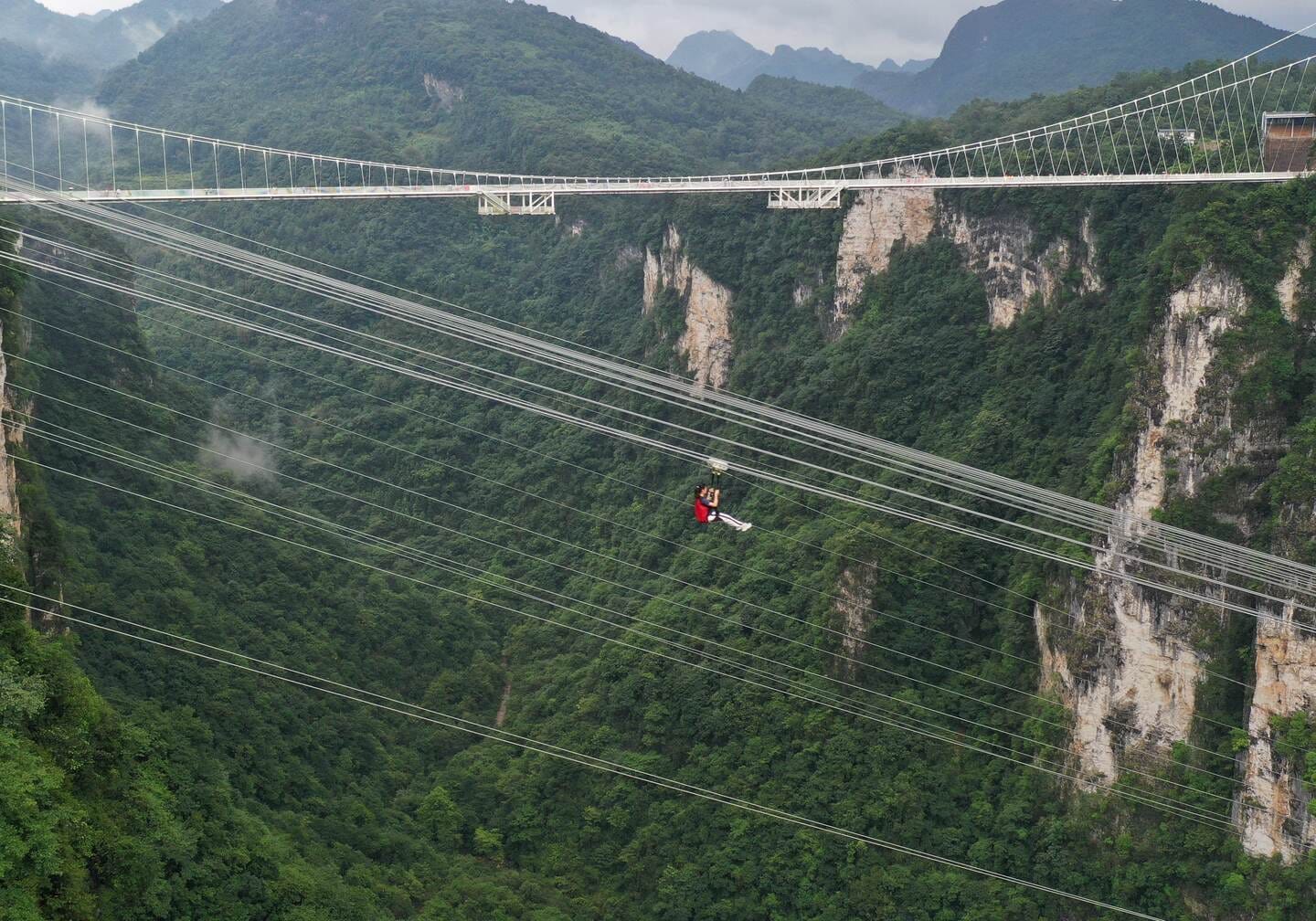
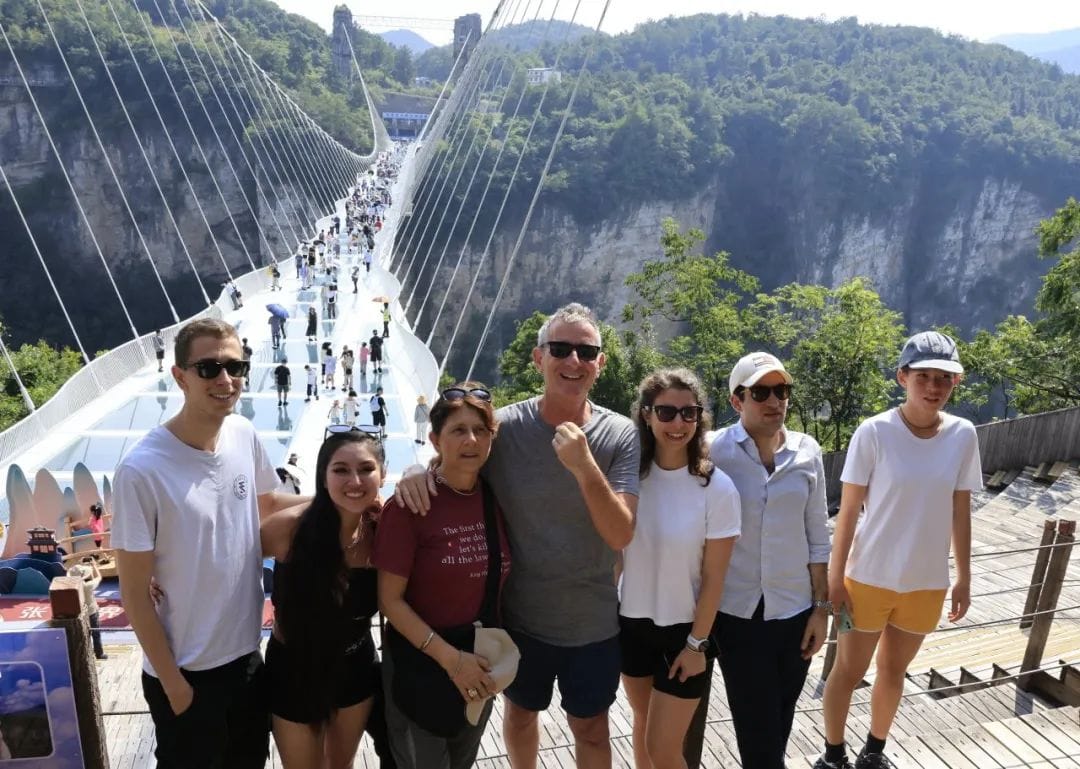
The Zhangjiajie Grand Canyon and Glass Bridge is in Cili County, 60 km from the city — a completely separate attraction from the forest park. The bridge (officially Yuntiandu, 云天渡) spans 430 meters at 260 meters above the canyon floor. Buy the ¥178 combined ticket; the canyon-only line at ¥60 does not include bridge access. The canyon trail below is worth equal attention: waterfalls, a one-line sky crack between vertical walls, and the Touch Cave karst tunnel. Guests who’ve spent two days looking up at the forest park often say the canyon feels like the exhale.
Zhangjiajie also has three glass structures in three different locations — not one. Full comparison of all three →
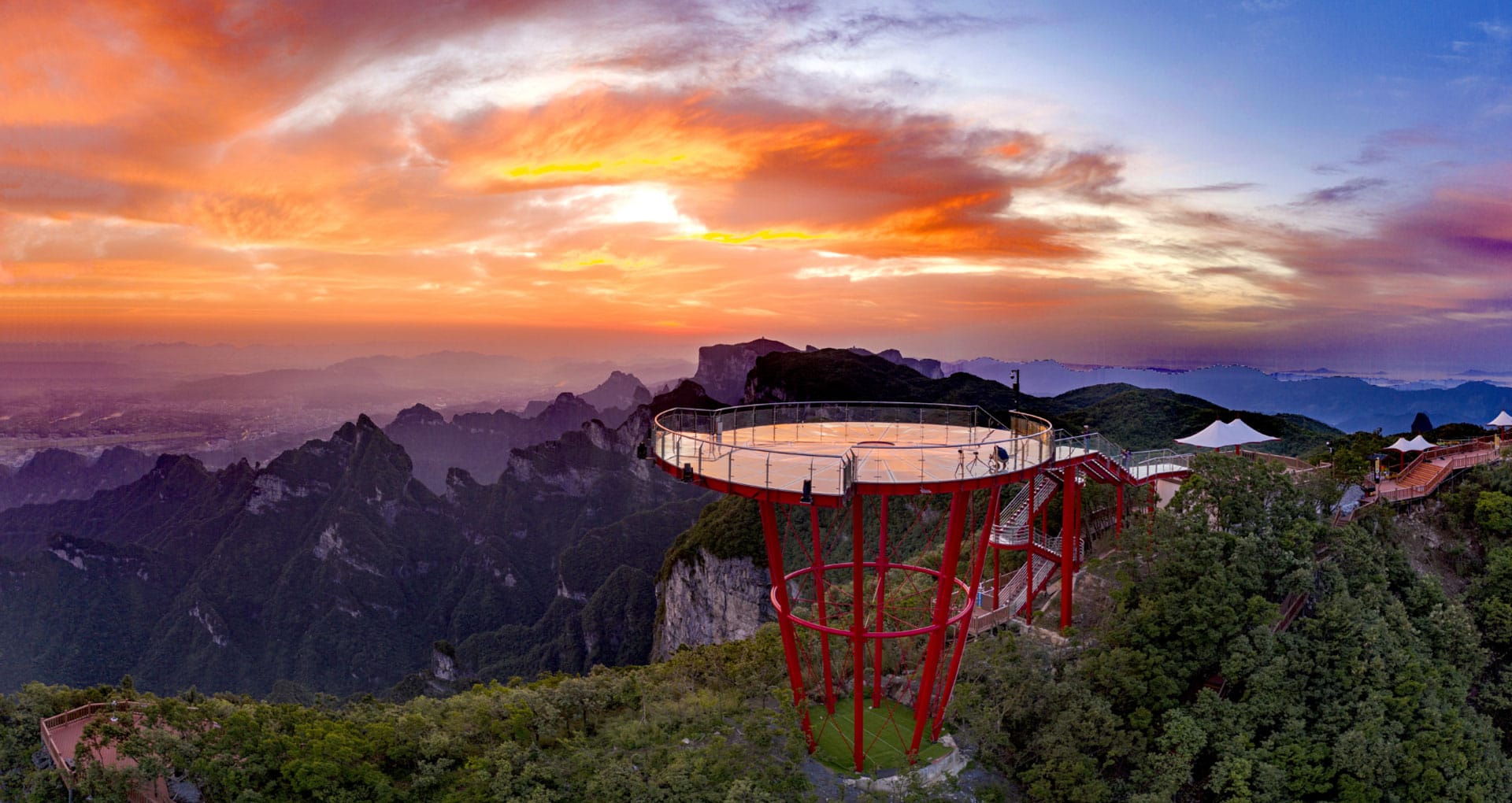

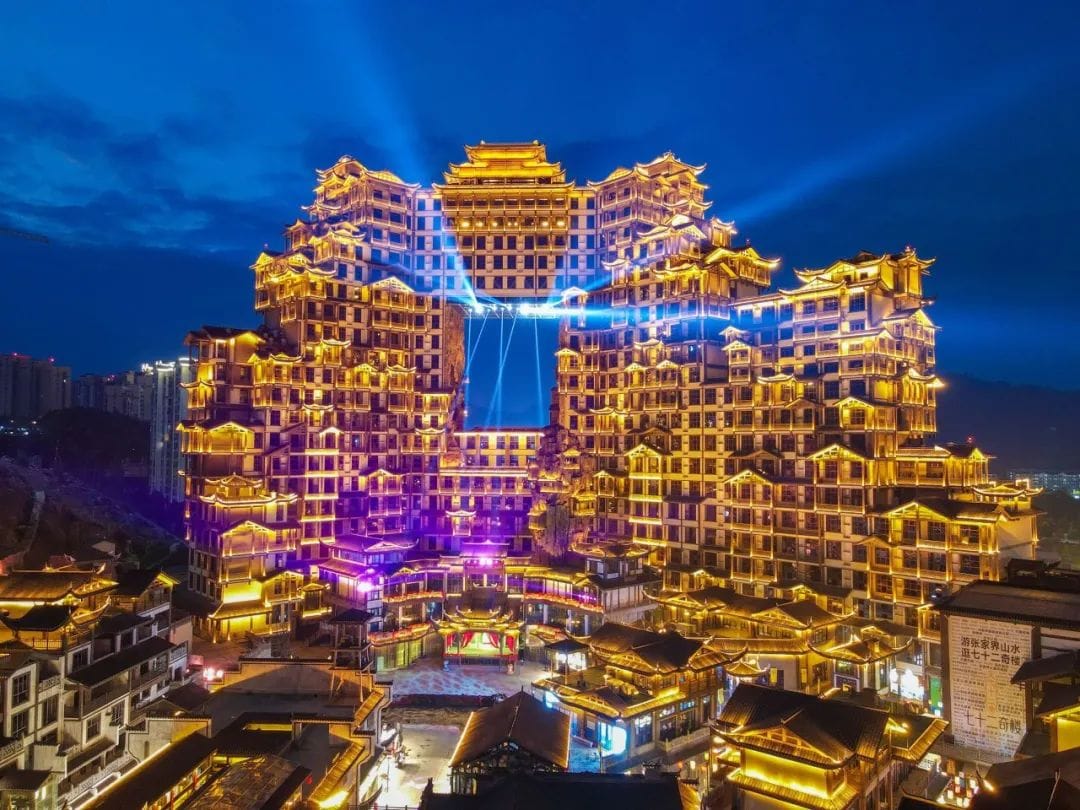
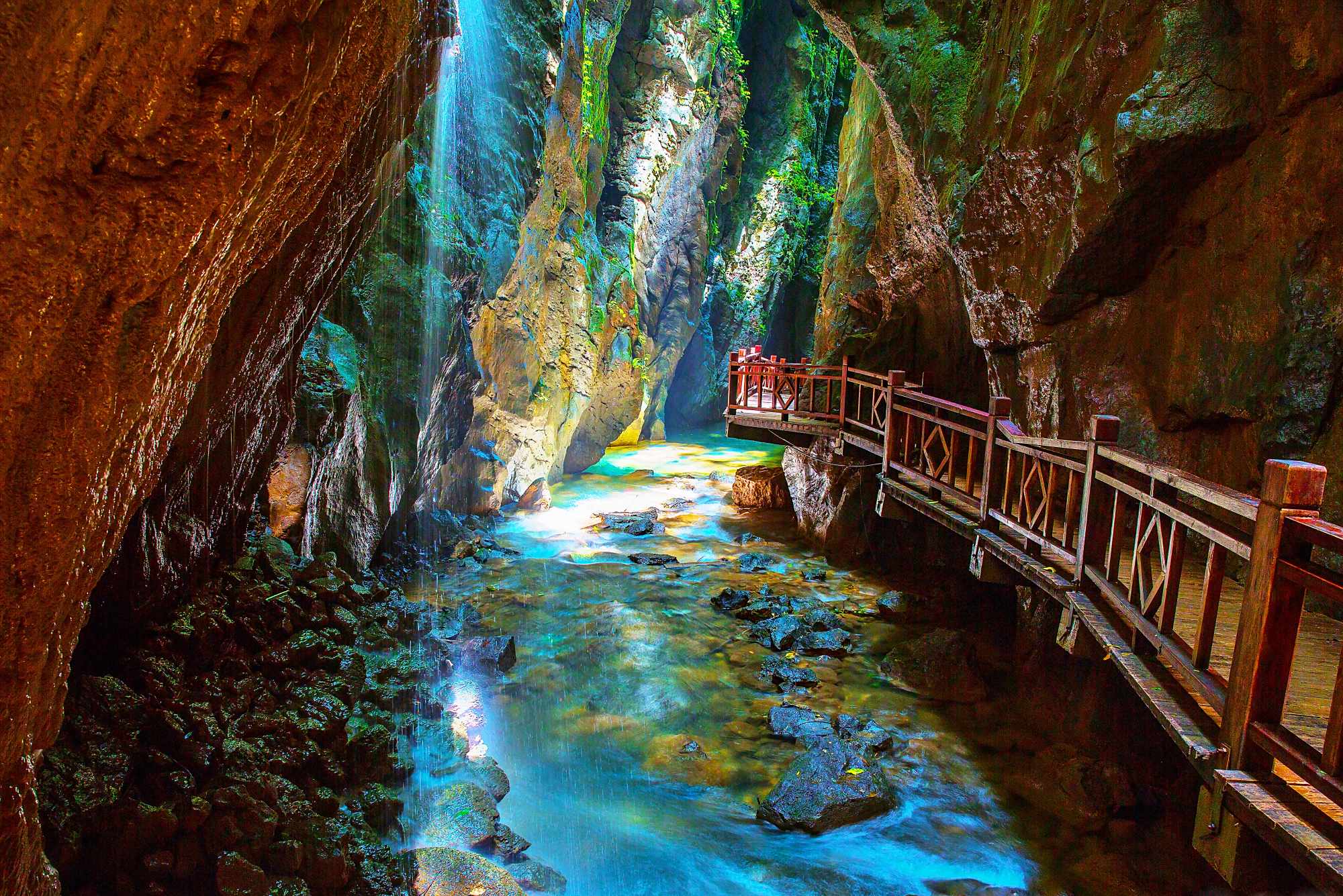
Beyond the three main attractions: Qixing Mountain — the highest point in the city area at 1,528 m, home to via ferrata routes and the Sky Eye glass platform. 72 Qilou — the main cultural complex in the city centre, best experienced at night. Zhangjiajie Ground Rift — a 5-km karst gorge crack, walls as narrow as 1 metre, worth a half-day for those with time to spare. Full pricing for all attractions: Zhangjiajie Tickets Guide
3. Adventure Activities
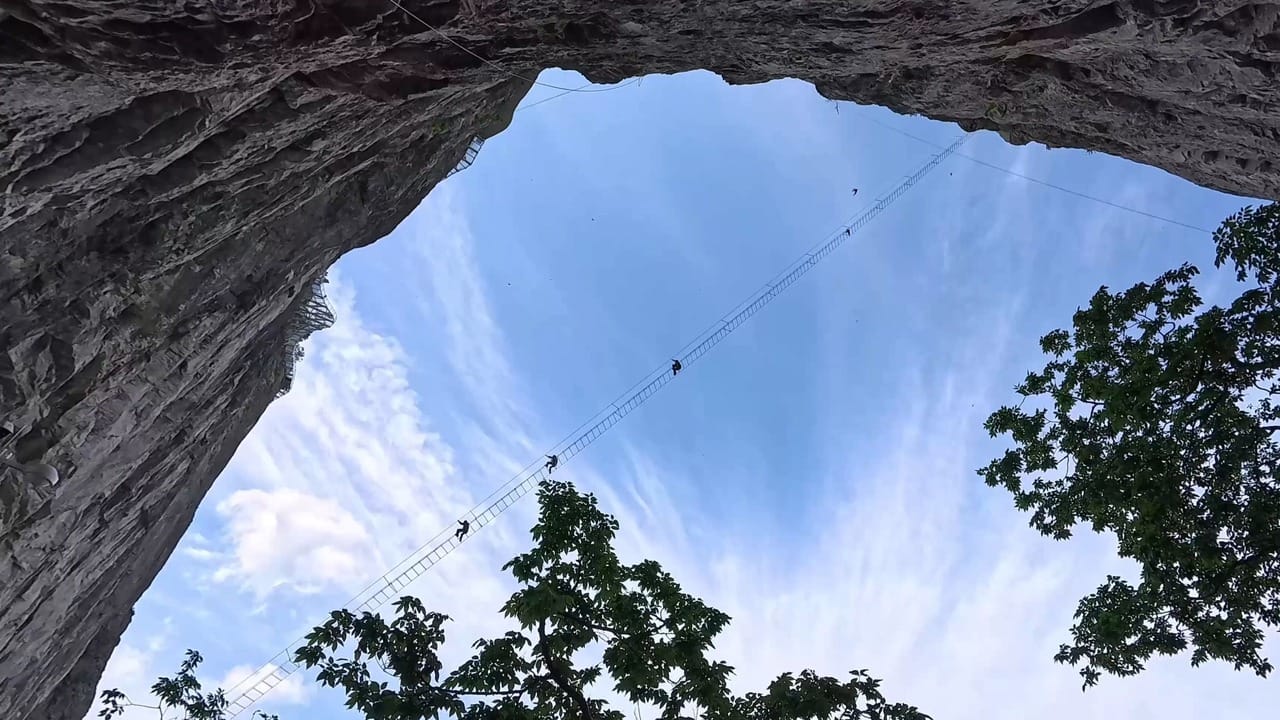


Zhangjiajie has a concentration of outdoor adventure that few destinations in China match.
The most serious adventure option in the region is via ferrata at Qixing Mountain. Routes 1 & 2 (¥780) cross cliff faces with 500–700 m drops at 1,528 m elevation. No experience required; full briefing and equipment provided. A European client after the Sky Ladder: “I’ve never done anything that stupid or that good at the same time.”
Grand Canyon adventure package (¥298, choose 5 of 7) — Zip line, VR flying, canyon slides, rock climbing, elevators. The best-value adventure half-day in Zhangjiajie. Arrive by 8:30 AM — the zip line queue is short in the first hour and builds fast.
Bungee jumping — Available at the Grand Canyon, platform at 260 m above the canyon floor.
If heights are a genuine concern, read the fear of heights in Zhangjiajie guide before booking. Pricing, safety notes, and full logistics: Zhangjiajie Outdoor Activity Guide
4. When to Visit Zhangjiajie

Spring (mid-April to late May) and autumn (mid-September to late October) are the strongest windows. October is the single best month: stable weather, autumn colour in the valley floors, crowds thinning after Golden Week.
The question worth asking isn’t “what’s best?” but “what do I value?”
- Clear views, manageable crowds: mid-April or mid-September to mid-October
- Dramatic fog, empty trails: March or November
- Solitude and lower prices: January or December
- Cloud seas after rain: May through July
- Guaranteed bad experience: May 1–5, October 1–7, Chinese New Year week
During Golden Week, the Bailong Elevator — which normally carries 18,000 people daily — sees demand exceed 50,000. One 2025 visitor reported a 3-hour bus queue inside the park plus 90 minutes for the elevator. The infrastructure cannot handle it.
One thing most guides skip: rain days are worth using. The queues disappear. The pillars appear to float because the valley beneath them does too. Bring a jacket and non-slip shoes and go anyway. Month-by-month analysis with crowd data: Best Time to Visit Zhangjiajie
5. Where to Stay
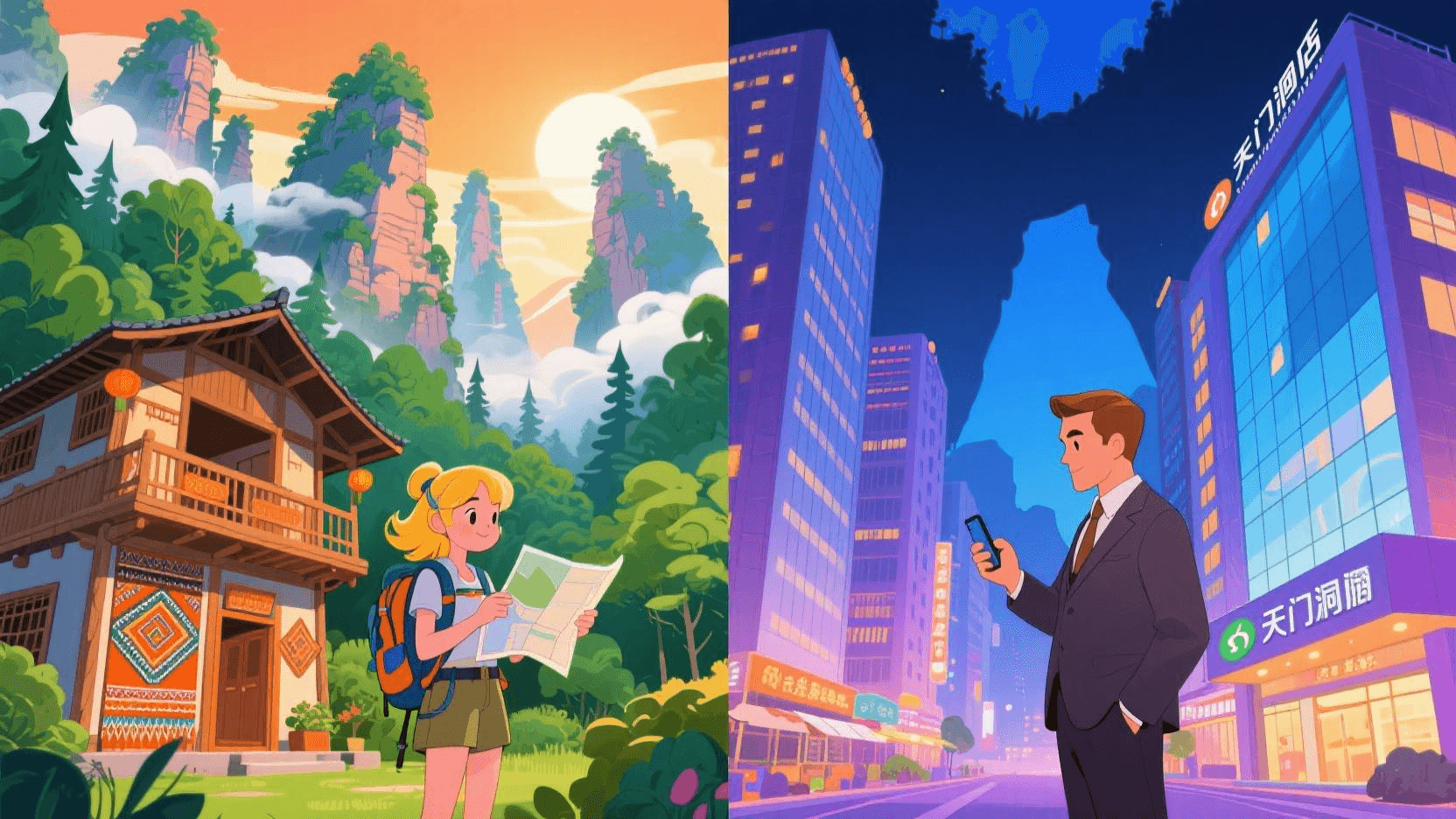
The single most impactful decision: stay in Wulingyuan, not Zhangjiajie city, if the forest park is your priority. The city is 35 km from the park entrance — 70–90 minutes of transfers per day. On a 3-day trip, that’s half a morning gone before you set foot inside.
Wulingyuan Town puts you 5 minutes from the park gates. Full range from ¥150 guesthouses to the Hilton Garden Inn Zhangjiajie Wulingyuan (opened May 2025) near the east entrance — book on Trip.com.
Zhangjiajie City (Yongding) is the right base if Tianmen Mountain is your priority, or if you’re arriving late or departing early. Better transport connections to the airport and station.
Two strategies that work well: stay in Wulingyuan the whole trip and day-trip to Tianmen Mountain, or split 2–3 nights Wulingyuan / 1 night city-side for Tianmen. Full breakdown by budget and trip type: Zhangjiajie Accommodation Guide
6. Getting to Zhangjiajie

By air: Zhangjiajie Hehua Airport (DYG) has direct flights from Beijing (~2.5 hrs), Shanghai (~2 hrs), Guangzhou (~1.5 hrs), Chengdu (~1.5 hrs), and others. A Bangkok route added direct Southeast Asian access in 2024.
By high-speed train: Zhangjiajie West Station is the HSR hub. Changsha South to Zhangjiajie West takes approximately 2.5 hours with 20+ daily services. From Hong Kong West Kowloon: a direct G-class service takes approximately 4.5–5 hours, introduced June 2024.
From the station to Wulingyuan: Taxi ¥80–150, 40–50 minutes. DiDi shows the fare upfront. Public Bus No. 6 runs to Wulingyuan for around ¥13 but is slower.
Sort WeChat Pay or Alipay before you land — both accept international Visa and Mastercard. Without one, you’ll hit friction at bus windows, park entrances, and food stalls. Full inter-attraction transport: Zhangjiajie Transportation Guide
7. How Many Days in Zhangjiajie?
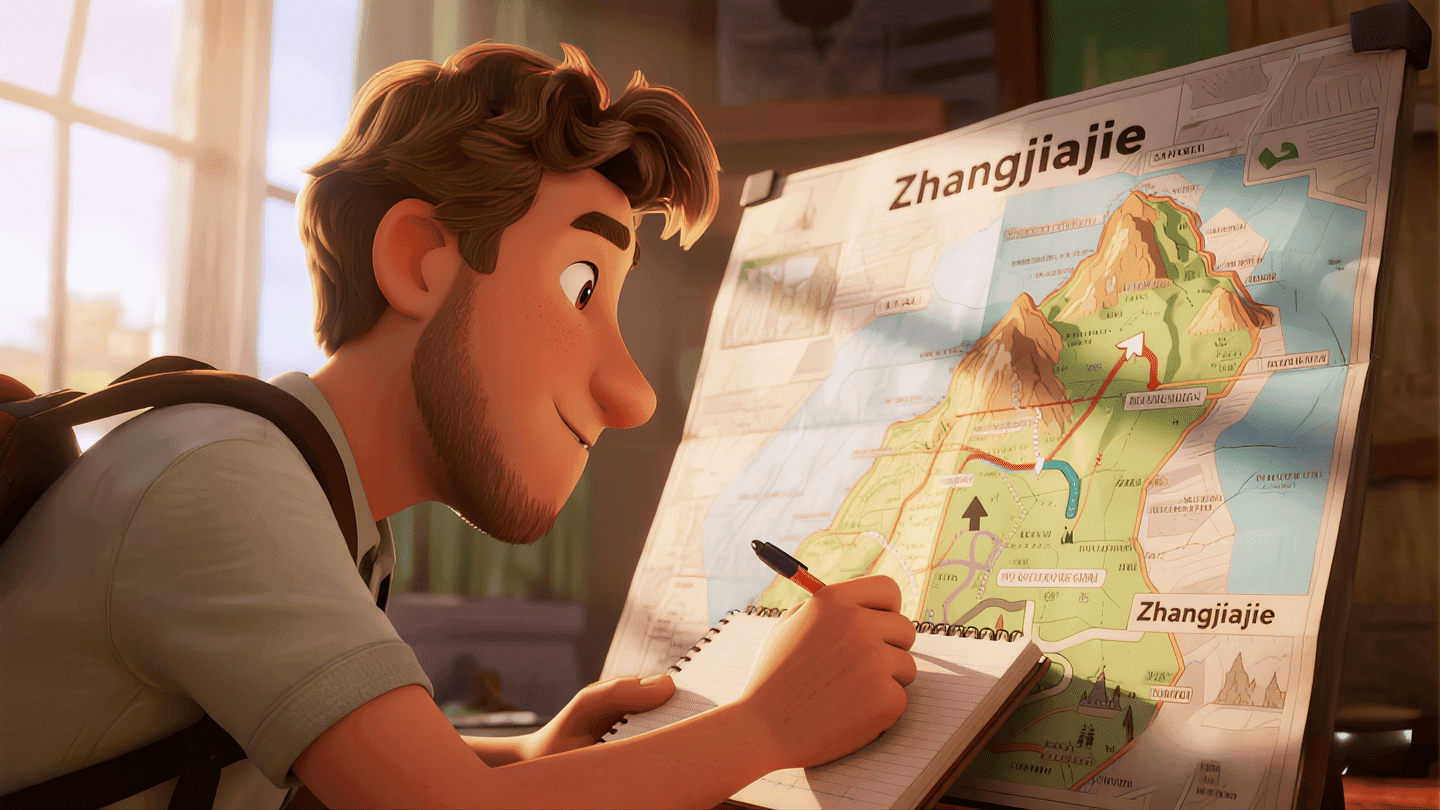
1 day: Forest park only. Go straight to Yuanjiajie via the Bailong Elevator. Genuinely extraordinary. Don’t try to combine with other attractions.
2–3 days: Forest park (2 days) + Tianmen Mountain (1 day). The minimum we recommend for first-time visitors.
4 days (standard recommendation): Forest park (2 days) + Tianmen Mountain + Grand Canyon. Each major attraction gets its own day. This is what most of our international clients choose.
5 days: Add Baofeng Lake + Yellow Dragon Cave as a full day — they’re 8 km apart and pair naturally.
6–7 days: Add Furong Ancient Town (day 6) and Fenghuang Ancient Town (day 7). Furong is closer and more compact. Fenghuang rewards more time — one night minimum. Both pair naturally with Zhangjiajie as a wider western Hunan circuit.
The ¥239 forest park ticket is valid for 4 consecutive days. Rushing it into one day is the most common regret we hear. Full day-by-day breakdown: Zhangjiajie Itinerary Guide
Book Your Park Days in Advance (Since June 2025)
Every visit to the National Forest Park requires advance booking — including return visits on days 2, 3, and 4 of your ticket window. Returning visitors get lower priority than first-timers during peak season. Book each day you plan to enter at the time of purchase, not the morning of.
8. Evenings & Food
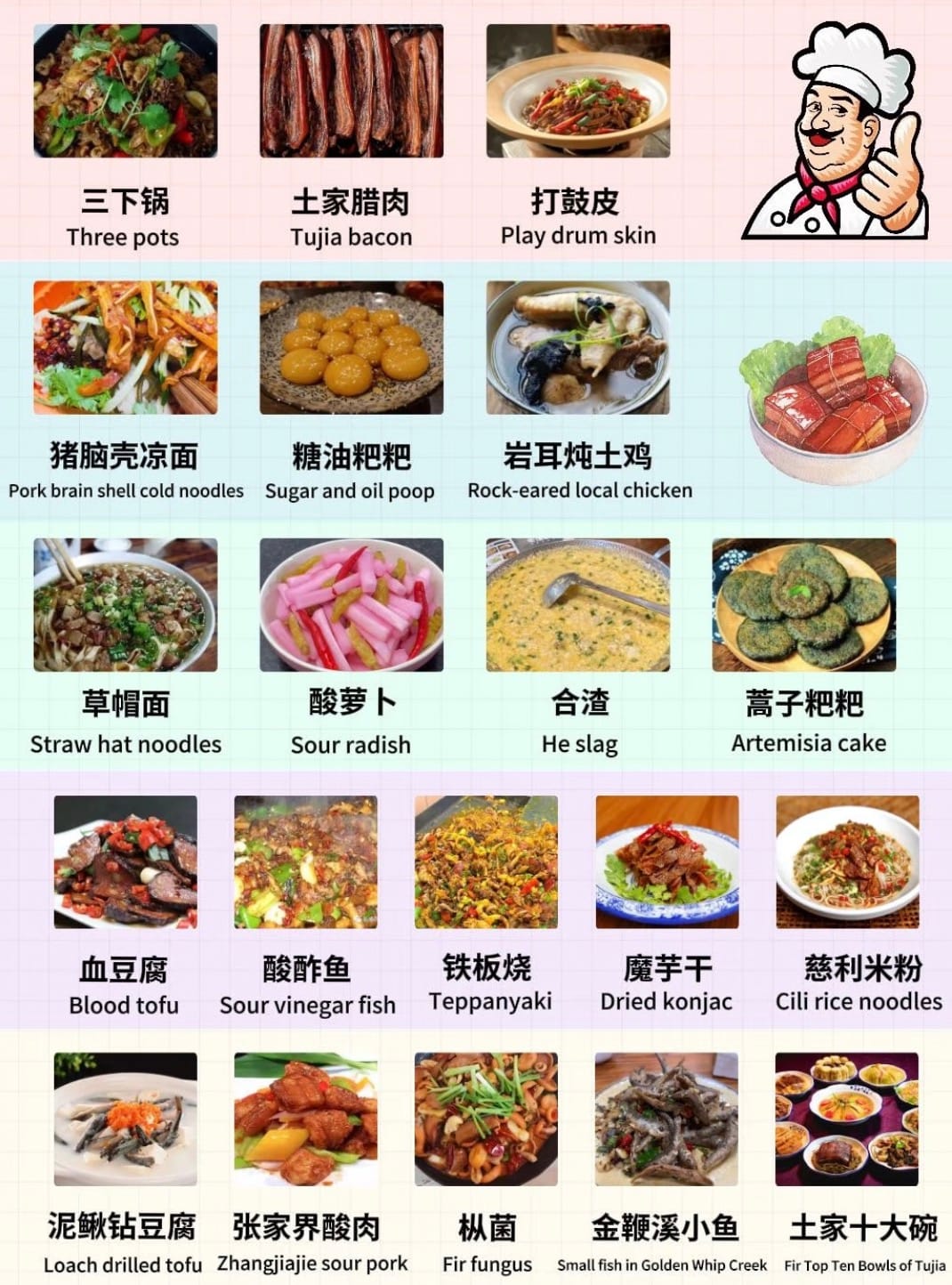
Most visitors eat at tourist restaurants inside the park and leave without understanding why Zhangjiajie food has a reputation. The real version is in Wulingyuan town, outside the gates, at a fraction of the price. Start with the Tujia smoked pork (腊肉) — air-cured over cypress or oak, served stir-fried with garlic; it’s genuinely unlike anything from a factory. Stone ear mushroom (石耳) grows on the sandstone cliffs and stewed with chicken produces a deeply savory medicinal broth that generates more follow-up questions from returning clients than any other dish. Also worth ordering: sour fish soup (酸鱼汤), Cili rice noodles, and Maoyan berry tea — caffeine-free, genuinely good, despite the health marketing that has run well ahead of the product. Don’t eat inside the scenic areas unless you have no choice. What to Eat in Zhangjiajie →
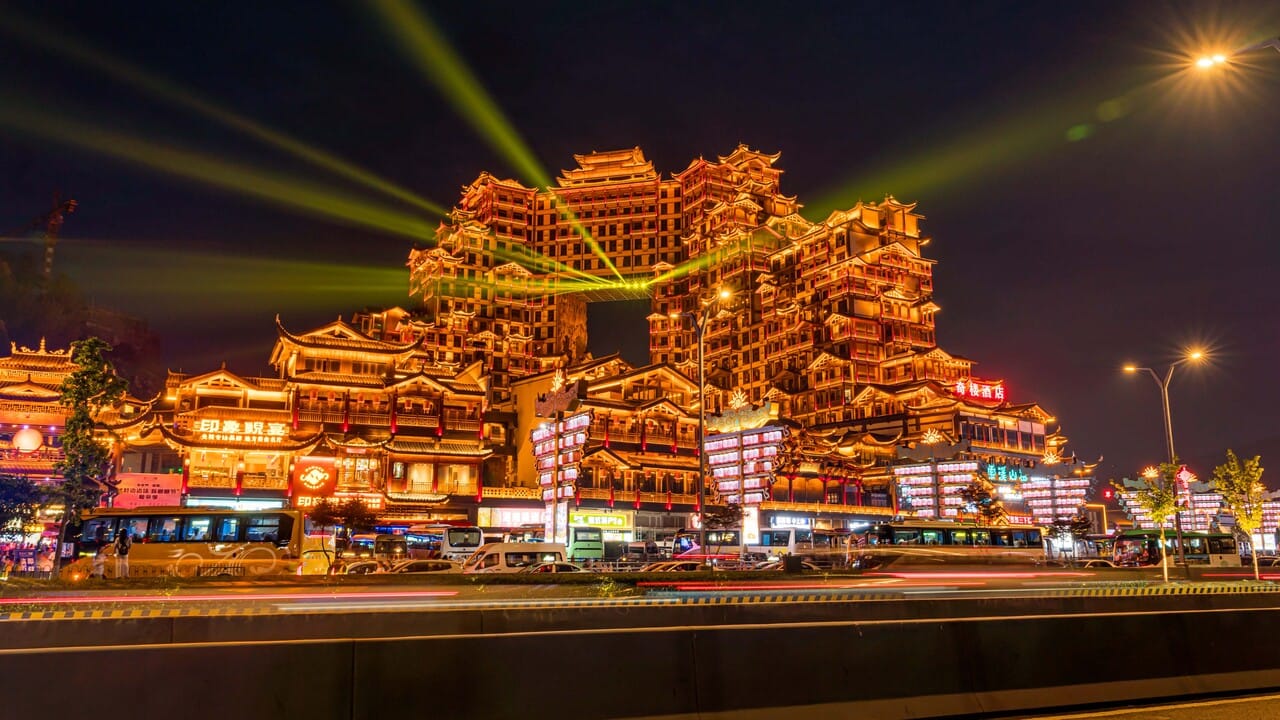
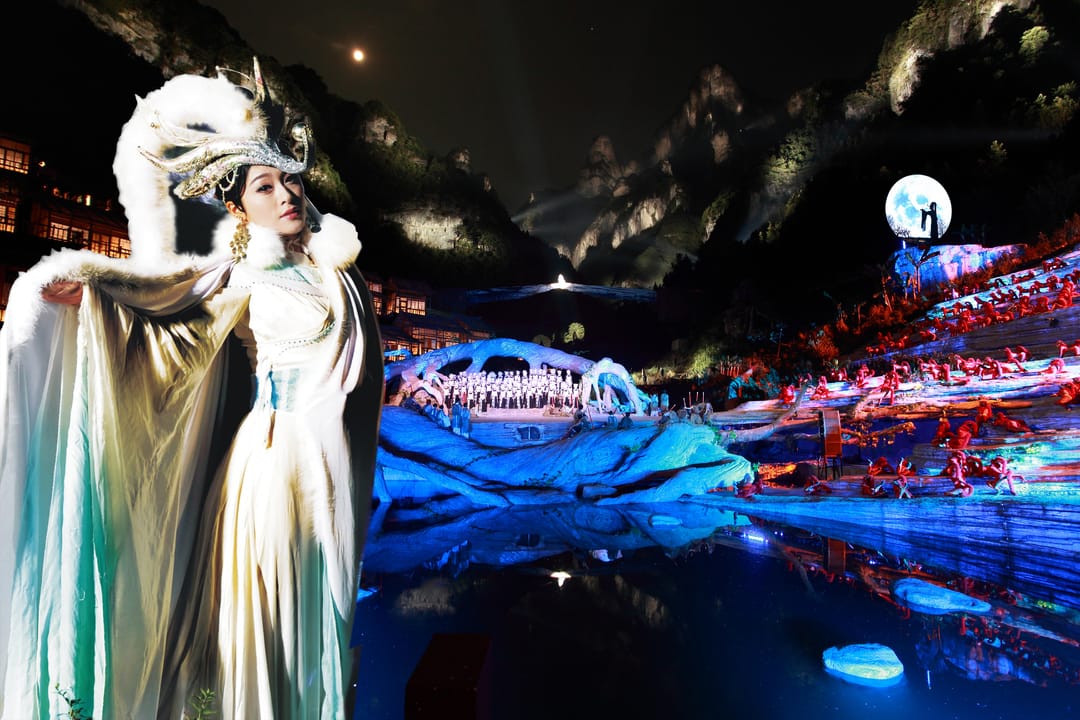

For evenings, 72 Qilou is the main cultural option — a complex in the city centre built around Tujia and Miao ethnic architecture, best experienced after dark. The night show (¥88, 70 minutes, starts 20:00) pairs naturally with a Tianmen Mountain day. Day entry: ¥20. Zhangjiajie Night Shows Guide →
9. Cost & Budget
A realistic 4-day budget per person:
Attraction tickets (3 main parks) | ¥705 (¥239 forest park + ¥288 Tianmen + ¥178 Grand Canyon) |
Cable cars (forest park) | ¥150–520 (3-ride pass ¥238; unlimited pass ¥518) |
Accommodation (Wulingyuan) | ¥150–600/night |
Meals (outside parks) | ¥80–150/day |
Transport (inter-attraction) | ¥200–400 for the trip |
The forest park ticket is the best value in Zhangjiajie — ¥239 covers four zones for four consecutive days. Cable cars are where costs vary most; if you plan to use three or more, the multi-ride pass at ¥238–518 saves money versus individual rides. Eating outside the parks consistently costs 50–70% less than inside. Full ticket breakdown and discount rules →
10. Practical Tips & Souvenirs
Payment: WeChat Pay and Alipay are accepted nearly everywhere inside the parks; international credit cards often aren’t. Carry ¥300–500 cash as backup. Set up one of the apps before arriving — international Visa and Mastercard now link directly.
Timing: Be at the gate by 7:15 AM. The first shuttle buses reach cable car stations before queues build. This single decision affects your entire day more than anything else. The eco-buses from Yuanjiajie and Tianzi Mountain stop running around 17:30–18:00 — miss them and you’re walking out in fading light. If you’re checking out of your hotel mid-trip or doing a day trip from another city, most hotels in Wulingyuan store luggage; dedicated options are covered in the Luggage Storage in Zhangjiajie guide.
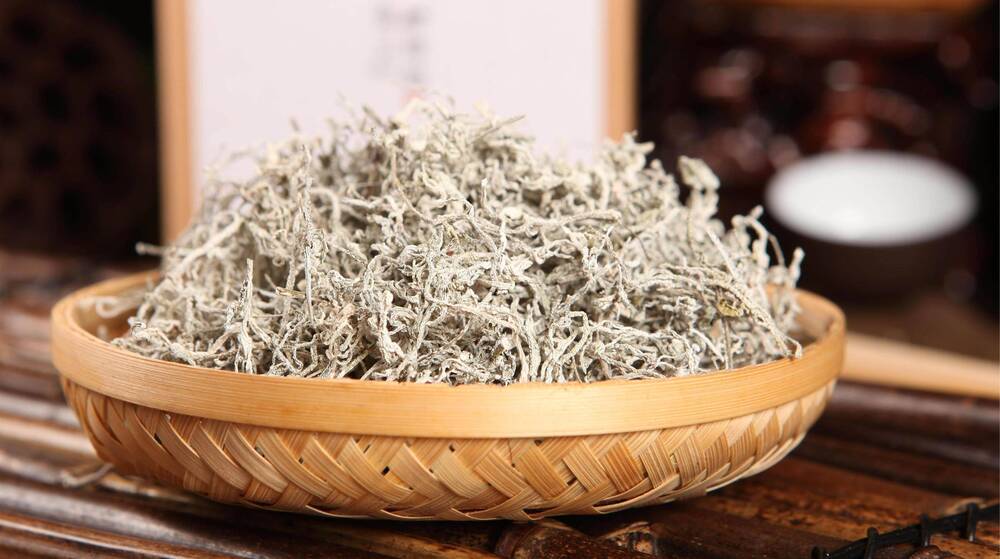
Souvenirs: Do your reconnaissance on the first evening without buying. Walk Tianzijie Street in Wulingyuan, see what’s available. Buy on day two or three. Worth taking home: stone ear mushrooms (unique to this region, travels well), Tujia brocade, Eucommia leaf tea, Shannie brand mascot figurines. Don’t buy packaged food inside the scenic areas — the same products cost less outside the gates. What’s real, what’s fake, what’s worth it →
11. Common Mistakes
The most expensive mistake most visitors make is staying in Zhangjiajie city when their goal is the forest park. The city is 35 km from Wulingyuan — every day costs you 70–90 minutes of transfers. Stay in Wulingyuan.
Treating Tianmen Mountain and Wulingyuan as one attraction. They are 35 km apart, on different sides of the city, with separate tickets and completely different scenery. Never combine them in a single day.
Not pre-booking park entry for every day. Since June 2025, every visit — including return visits on days 2, 3, and 4 of your ticket window — requires advance booking. Many visitors buy the ticket and then can’t get in on day two because slots are full.
Buying the canyon-only ticket at the Grand Canyon. The ¥60 line does not include bridge access. You need the ¥178 combined ticket. This confusion sends visitors back to the ticket window mid-visit.
Arriving at the Bailong Elevator after 9 AM. Queues hit 45–90 minutes by 9:30 AM on busy days. Arrive at 7:15 AM or use the VIP Fast Track.
Retreating to the hotel when it rains. Rain is when Zhangjiajie looks most like Avatar. The queues disappear. Go anyway.
Assuming all three glass structures are the same thing. The Grand Canyon Glass Bridge, Tianmen Mountain skywalks, and Qixing Mountain Sky Eye are in three different locations on three different tickets. Full comparison →
12. Booking a Private Tour
Zhangjiajie is manageable independently — English signage inside the park is solid, Trip.com and Klook handle international card bookings, and the eco-bus system is intuitive once you have the map. That said, a guide removes friction at every decision point: correct entrance for your plan, weather-based day ordering, queue strategy, and access to viewpoints that don’t appear on standard maps.
Two clients from Germany, after their trip: “The park is huge. The bus system is all in Chinese. Our guide Xenia was a miracle. She navigated us perfectly, skipped lines, showed us hidden spots.”
We run private Zhangjiajie tours every week. Every itinerary is built around your schedule, group size, and pace. Contact us for a quote.
13. FAQ
Is Zhangjiajie worth visiting?
After 20 years and thousands of clients through here, yes — and it’s different from every other Chinese landscape destination. Over 3,000 pillars packed into a single valley, all forested to the crown. When cloud fills the lower gorges, only the tops are visible. The mass of it doesn’t register as scenery. It registers as something closer to vertigo. We’ve watched people step off the Bailong Elevator at Yuanjiajie for the first time and just stop talking.
How many days should I spend in Zhangjiajie?
Four days is our standard recommendation: two days in Wulingyuan, one day at Tianmen Mountain, one day at the Grand Canyon. Three covers the essentials. Five adds Baofeng Lake, Yellow Dragon Cave, and room to breathe.
Can I do Zhangjiajie without a tour guide?
Yes. English signage is solid inside the park, and the eco-bus system is straightforward once you understand the map. Where guides make the biggest difference: correct day sequencing based on weather, queue strategy for the Bailong Elevator, and access to off-map viewpoints.
Is the glass bridge scary?
For most people: yes, in the first 30 meters. The moment you step from solid rock onto glass and see 260 meters of air beneath your feet, the brain reacts before reason does. Almost everyone adjusts within a few minutes. The bridge is structurally beyond question — triple-laminated tempered glass, engineered to support far more weight than its daily cap. If heights are a real concern, read our fear of heights guide before booking.
What’s the difference between Zhangjiajie and Wulingyuan?
Wulingyuan is the UNESCO World Heritage Site containing four park zones. Zhangjiajie National Forest Park is one of those zones. The important separation is Wulingyuan versus Tianmen Mountain — separate parks, separate days. Zhangjiajie vs Wulingyuan explains it in full.
Do I need a China visa to visit Zhangjiajie?
China now has extensive visa-free policies. Many nationalities can enter for up to 30 days without a visa, or up to 10 days in transit under the 240-hour policy. The 240-hour visa-free transit guide covers the transit option.
Is Tianmen Mountain’s cableway running?
Partially. The upper section has been under renovation since November 6, 2025. The lower section, express cableway, escalators, skywalks, and summit circuit all operate. See the Tianmen Mountain Line A, B or C guide for what’s actually operating right now.
Can I visit Zhangjiajie in winter?
Yes, and it’s underrated. Fewer than 15% of annual visitors come December–February. Pillar tops dusted with snow are visually extraordinary. Prices drop. Trails are nearly empty. Trade-offs: temperatures below −5°C at elevation, some facilities on reduced hours.
What’s the best entrance to the National Forest Park?
Depends on your plan. East Gate is fastest for Yuanjiajie and the Bailong Elevator. South Gate is better for Huangshizhai and Golden Whip Stream. West Gate (Yangjiajie) is the crowd-avoidance strategy — zero queue at 7:30 AM. The National Forest Park Entrances Guide maps which gate matches which plan.
Can I day-trip to Fenghuang from Zhangjiajie?
Not comfortably. Fenghuang is about 220 km away — a 3-hour drive or a bus with a transfer. One night minimum; two nights lets you experience the riverside after day-trippers leave.
We are Travel China With Me — an inbound China tour operator running private tours since 2006. Everything here comes from direct experience on the ground, not desk research or guesswork. If you want someone professional to handle the logistics, get in touch.