Zhangjiajie vs Wulingyuan: What’s the Difference? (And Why It Matters for Your Trip)
These two names confuse almost every traveler who comes here. Let’s fix that.
If you’ve spent any time researching this destination, you’ve hit the same wall. Every article uses “Zhangjiajie” and “Wulingyuan” interchangeably — and then suddenly doesn’t. You search for hotels in “Zhangjiajie” and end up booked an hour from the park. Or you read about a UNESCO World Heritage Site called “Wulingyuan” and wonder if it’s somewhere else entirely.
We’ve been bringing international travelers to this region for 20+ years. The confusion is not just semantic. It determines where you sleep, how early you can enter the park, and how much of your day disappears in a taxi. A client from Australia once spent two of her four days commuting — simply because her original travel agent confused the two names when booking accommodation.
This article clears it up completely. We cover what each term actually means, how they connect historically, what’s inside each area, and how to use all of this to plan a trip that doesn’t waste a single morning.
Table of Contents
The Short Answer: One City, One District, One Scenic Area
Think of it in three distinct layers.

Zhangjiajie is a prefecture-level city in northwest Hunan Province — a full city with its own airport (ZJJ), high-speed rail stations, urban government, and roughly 1.5 million people across the prefecture. It sits about 270 km northwest of Changsha.
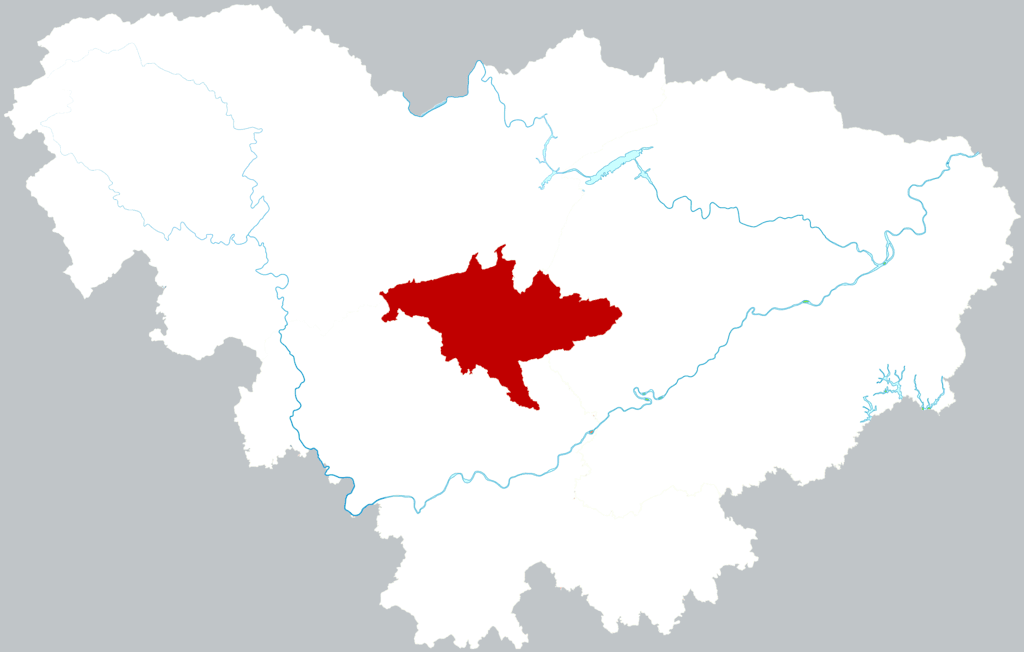
Wulingyuan is one of Zhangjiajie city’s urban districts. It’s compact and rural — home to roughly 59,000 permanent residents as of 2024. Its entire economy revolves around tourism.
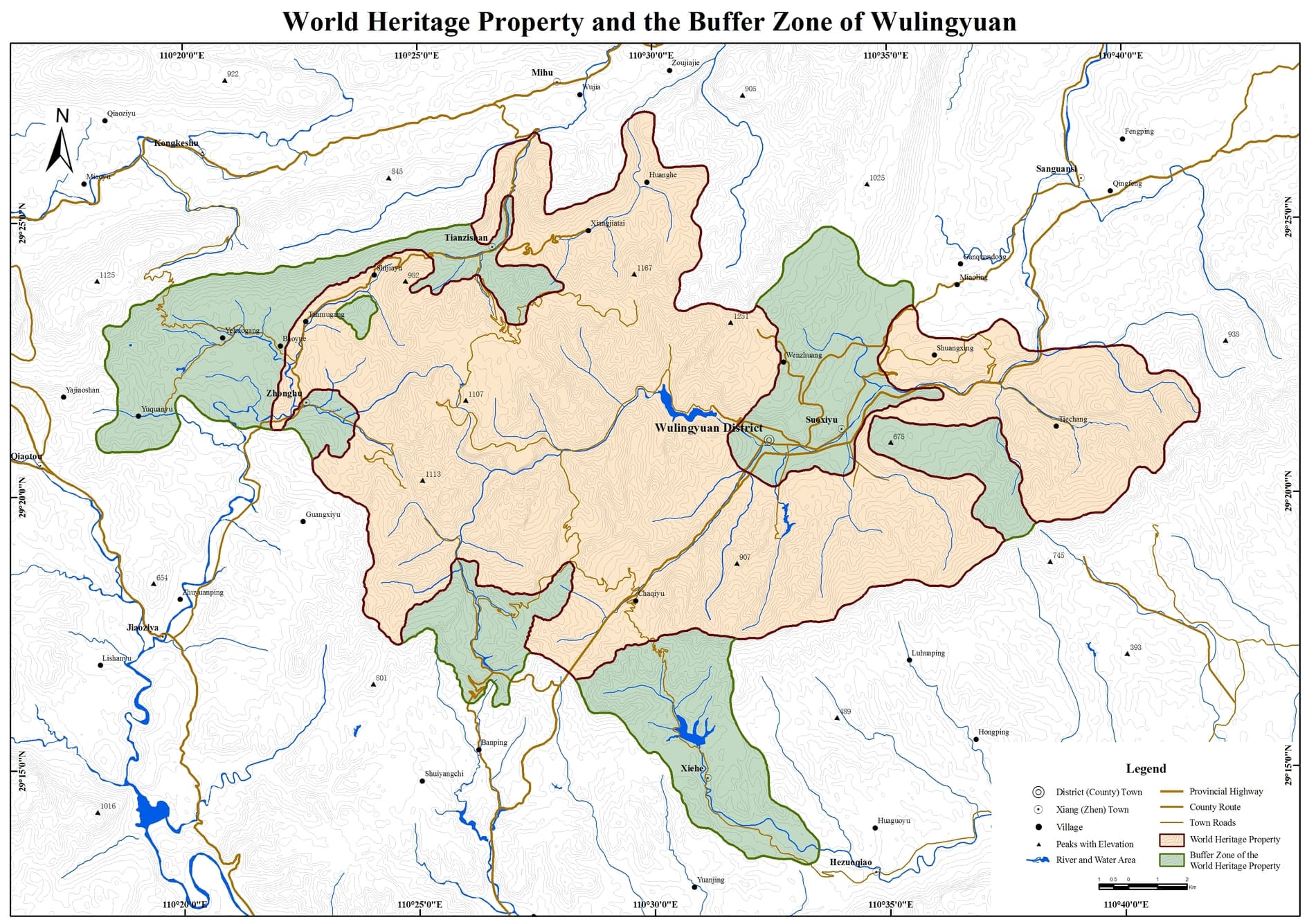
Wulingyuan Scenic Area is the UNESCO World Heritage Site that put this region on the world map. It covers approximately 397.58 square kilometers total, with a protected core zone of 217.2 km² and an outer buffer zone of 174 km². It sits entirely within Wulingyuan District.
Put simply: Zhangjiajie is the city. Wulingyuan is a district and a small town within that city. The famous park takes its name from the district it’s in. When travelers say “I’m going to Wulingyuan,” they almost always mean the scenic area — not the administrative boundary.
Why the Names Got Mixed Up — A History Worth Knowing
This is where it gets interesting — and where most travel articles completely drop the ball.
The earliest tourist name for this area was simply “Zhangjiajie.” In 1982, China’s State Council approved the creation of Zhangjiajie National Forest Park — the country’s very first national forest park. That name stuck internationally for years.
The name “Wulingyuan” came about through an unlikely combination of art and politics. In the winter of 1984, the celebrated Chinese painter Huang Yongyu proposed unifying the three separate scenic zones — Zhangjiajie, Suoxi Valley, and Tianzi Mountain — under a single name: Wulingyuan. The proposal was approved at a Hunan provincial governor’s meeting and subsequently reported to Beijing. In early 1985, General Secretary Hu Yaobang was invited to inscribe the name in his own calligraphy — lending it official weight. The name honored the broader Wuling Mountain range and evoked the legendary “Peach Blossom Spring” (桃花源), the utopian land described in Tao Yuanming’s famous prose poem written in 421 AD.
When UNESCO inscribed the site in December 1992, the official name in their records became Wulingyuan Scenic and Historic Interest Area. Their inscription covers more than 26,000 hectares.
But internationally, “Zhangjiajie” had already won. When the 2009 film Avatar sent global searches surging — the floating Hallelujah Mountains were partly inspired by the quartzite pillars here — every headline used “Zhangjiajie,” not “Wulingyuan.”
The result today: both names circulate freely, sometimes within the same sentence on the same signpost. Tour operators use “Zhangjiajie” because it’s globally recognized. Official UNESCO and Chinese government documents use “Wulingyuan.” Neither side is wrong. But only one matters for figuring out where to book your hotel.
The Geographic Breakdown
Term | What It Is | Size | Key Attractions |
|---|---|---|---|
Zhangjiajie City | Prefecture-level city | ~9,533 km² | Airport, train stations, Tianmen Mountain |
Yongding District | Main urban district (city center) | City core | Tianmen Mountain cable car, bus hubs |
Wulingyuan District | Smaller rural district | 397.58 km² | Wulingyuan Town, the scenic area |
Wulingyuan Scenic Area | UNESCO World Heritage Site | 397.58 km² total (core: 217.2 km²) | The four scenic zones, all famous rock pillars |
Zhangjiajie National Forest Park | One zone within the scenic area | 130 km² | Yuanjiajie, Bailong Elevator, Golden Whip Stream |
The distance between downtown Zhangjiajie (Yongding District) and Wulingyuan Town is about 32 km — roughly 40 to 55 minutes by bus or taxi. That gap is the source of most traveler frustration. Book your hotel in the wrong district, and you’re hemorrhaging an hour or two every single day.
Inside the Wulingyuan Scenic Area: Four Zones, One Ticket
The Wulingyuan Scenic Area contains four distinct zones. A single ticket covers all four — not just Zhangjiajie National Forest Park, which is only one of them, despite being the most famous. The ticket is valid for 4 consecutive days during peak season (March–November, CNY 227 per person) and CNY 116 in winter. You can enter through any of five gates and move freely between zones.
DIG DEEPER: Zhangjiajie Tickets Explained: All in One Guide
Here’s what actually distinguishes them — not just what they contain, but how they feel on the ground.
Zhangjiajie National Forest Park
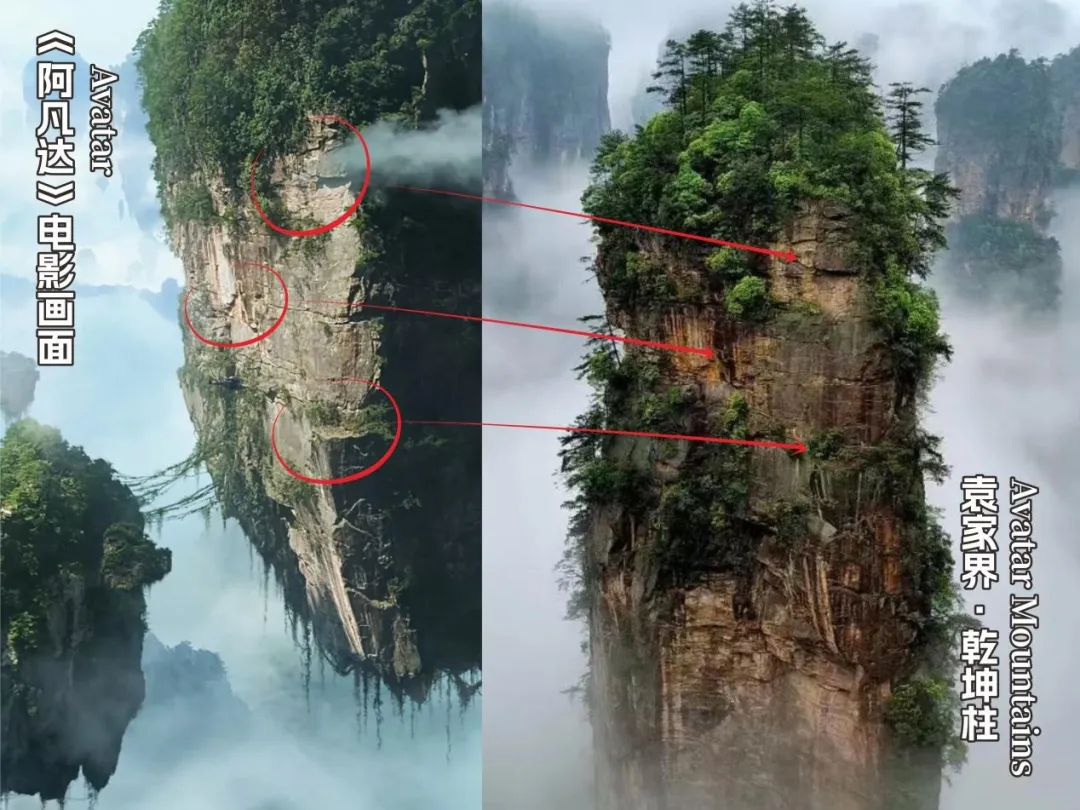
This is where most first-timers spend most of their time — and for good reason. Established in 1982 as China’s first-ever national forest park, it contains the greatest density of the famous quartzite pillars. Yuanjiajie plateau is here, including the pillar that partly inspired the floating mountains in Avatar (officially renamed Qiankun Pillar, 乾坤柱, in 2010 after the film’s release). The Bailong Elevator — at 335 meters, the world’s tallest outdoor elevator — is also here.
Tianzi Mountain Nature Reserve
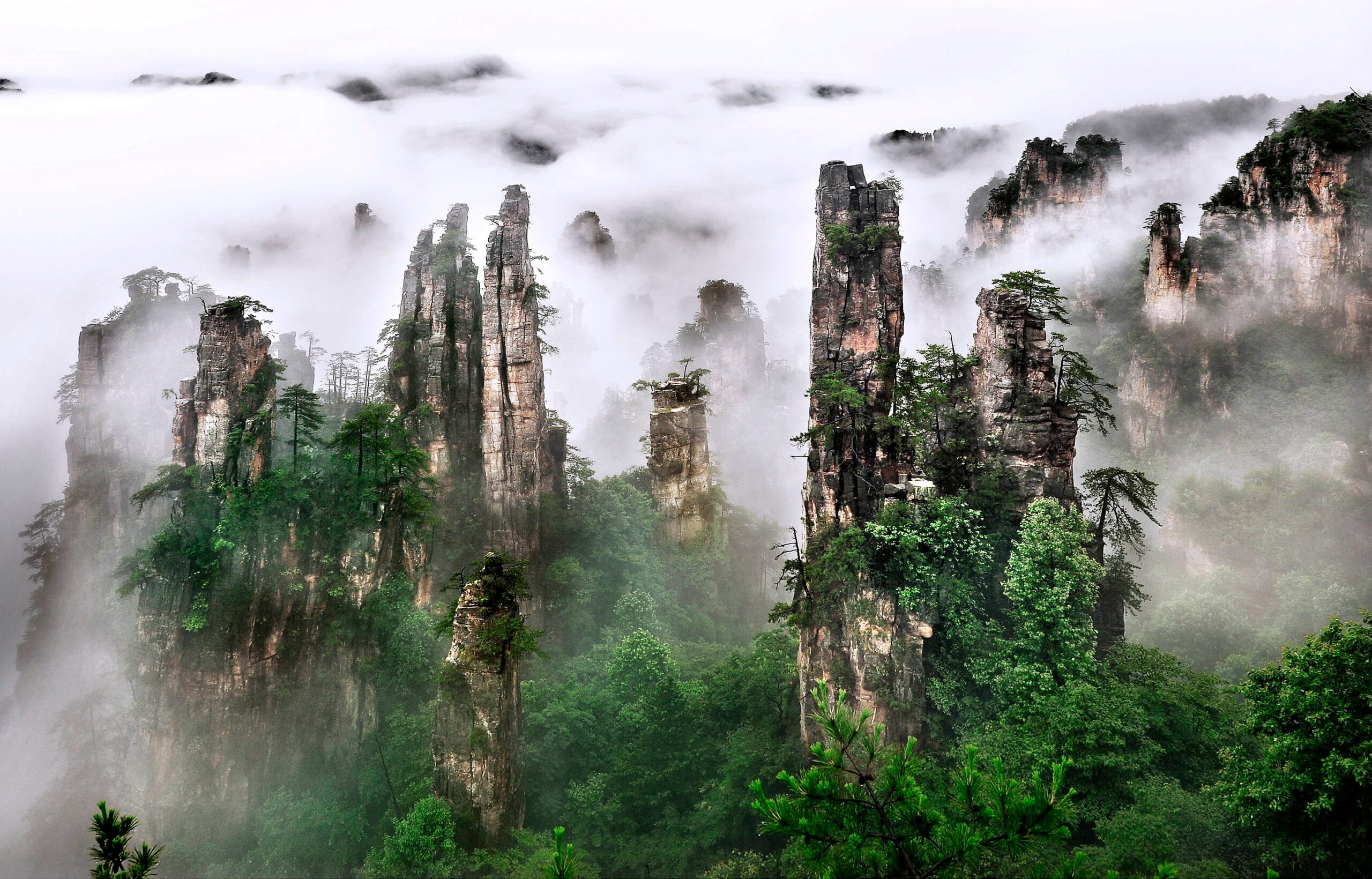
The northern zone — higher, wilder, less crowded. The maximum elevation here reaches 1,262.5 meters. Tianzi Mountain is the best place in the entire scenic area to catch sea-of-clouds phenomena. The optimal conditions: summer, after rain, early morning, when cold valley air hasn’t yet burned off. We’ve stood at the Helong Park viewpoint on a July morning watching the cloud sea move through the pillars like slow water. That’s the kind of scene that stays with you.
The downside: getting here requires more time and transit within the park. Most visitors skip it or give it only a hurried hour. That’s a mistake — this zone deserves at least a half-day.
Suoxiyu Scenic Zone / Suoxi Valley
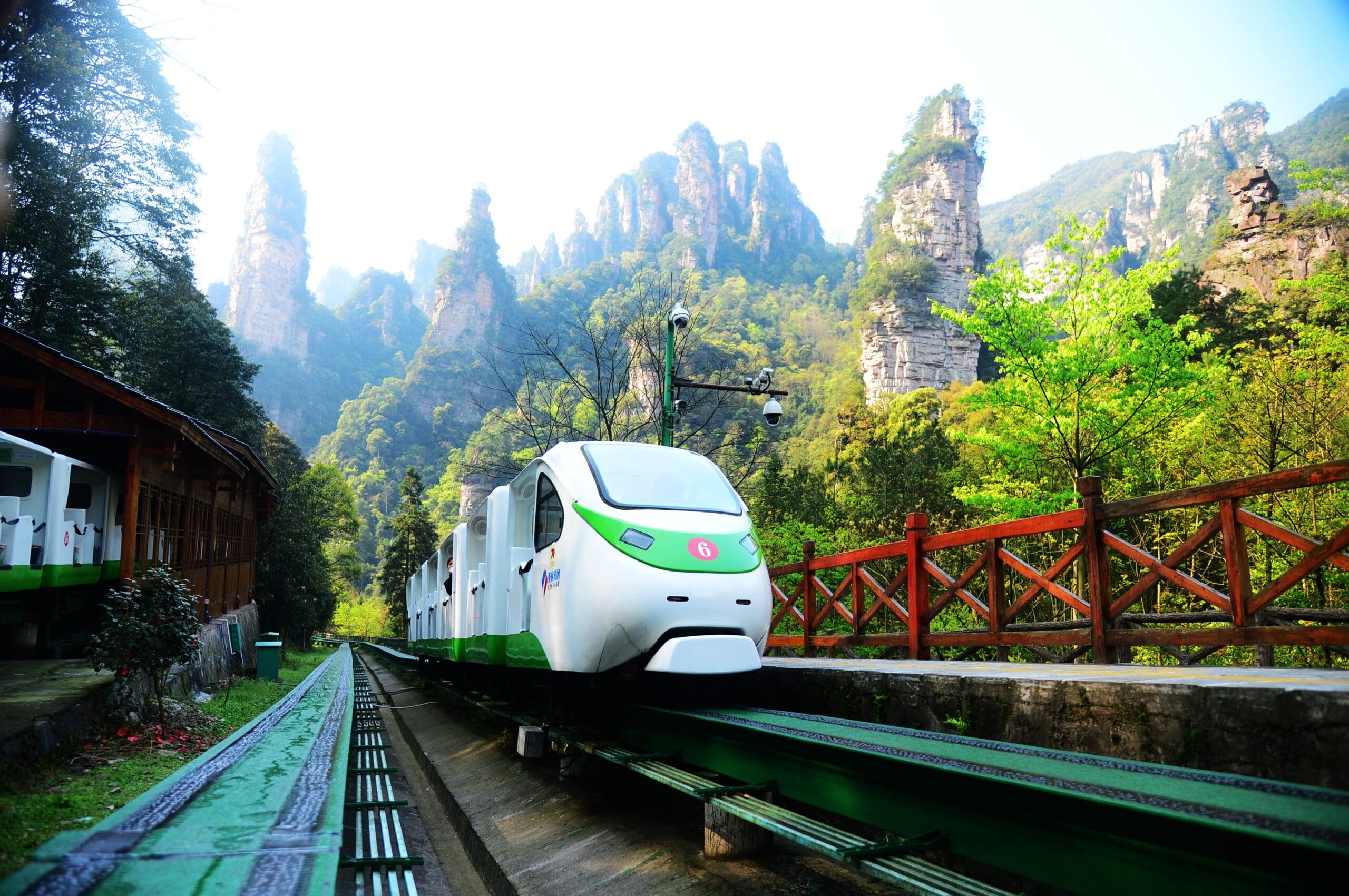
The eastern zone, and geologically the most diverse. While the other zones showcase the vertical drama of the pillars, Suoxiyu adds horizontal depth — long valleys, stream walking, and a more intimate landscape scale. The famous Ten-Mile Gallery is here: a flat valley walk where the pillars flank you on both sides at close range, accessible by sightseeing cart. It’s one of the few sections of the entire park that’s genuinely manageable for older visitors or families with young children.
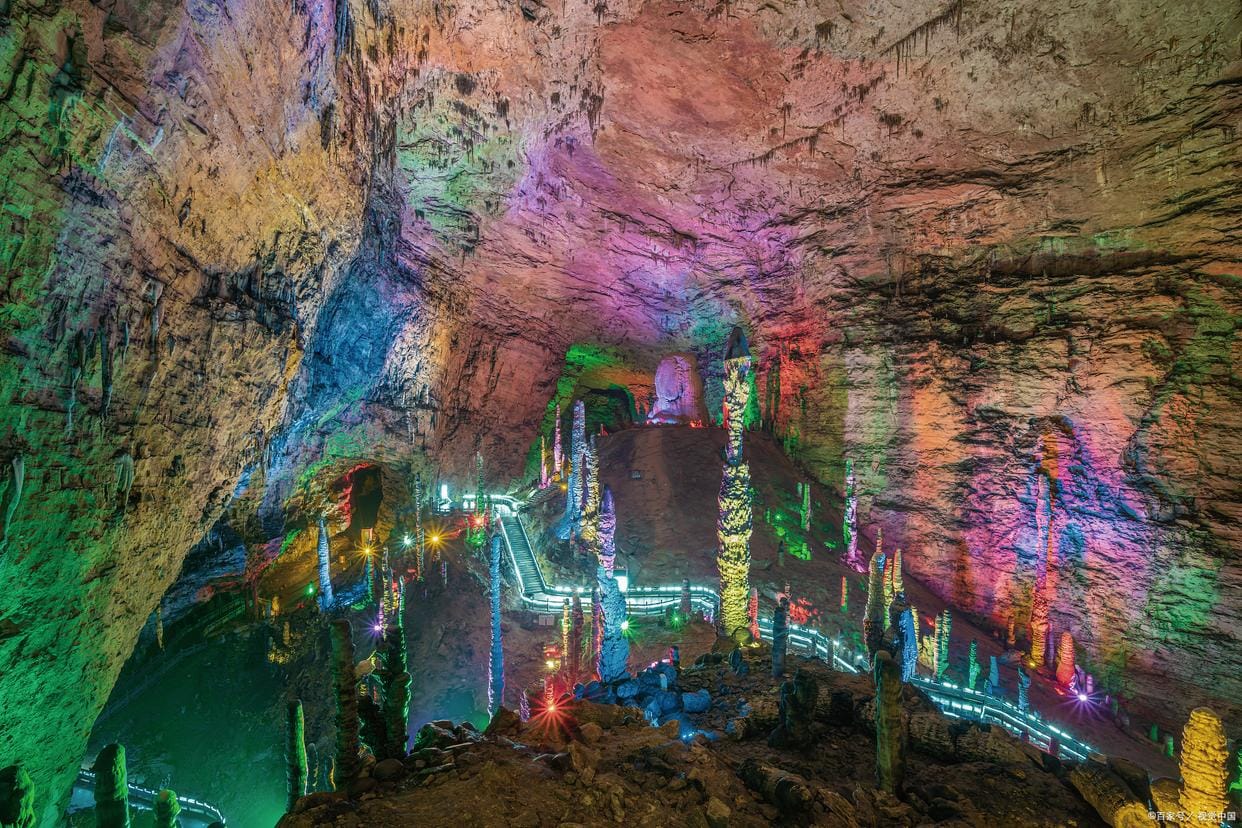
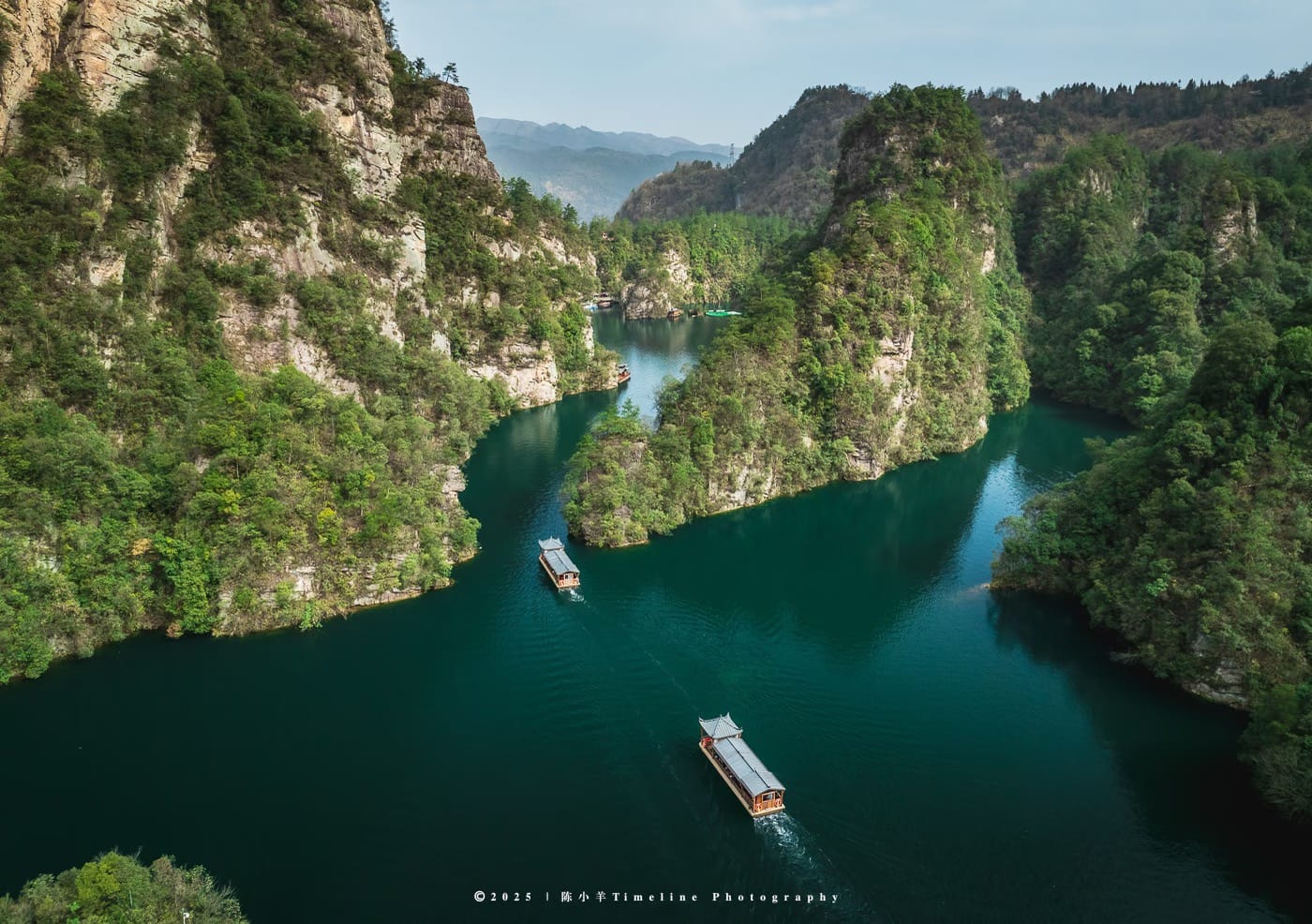
A note on Yellow Dragon Cave and Baofeng Lake: both are administratively part of Suoxiyu Scenic Zone, but they charge separate admission fees not included in the main 4-day ticket. Yellow Dragon Cave is CNY 100 per person; Baofeng Lake is CNY 64. Both are worth the add-on but plan for them as separate half-day items.
Yangjiajie Scenic Area
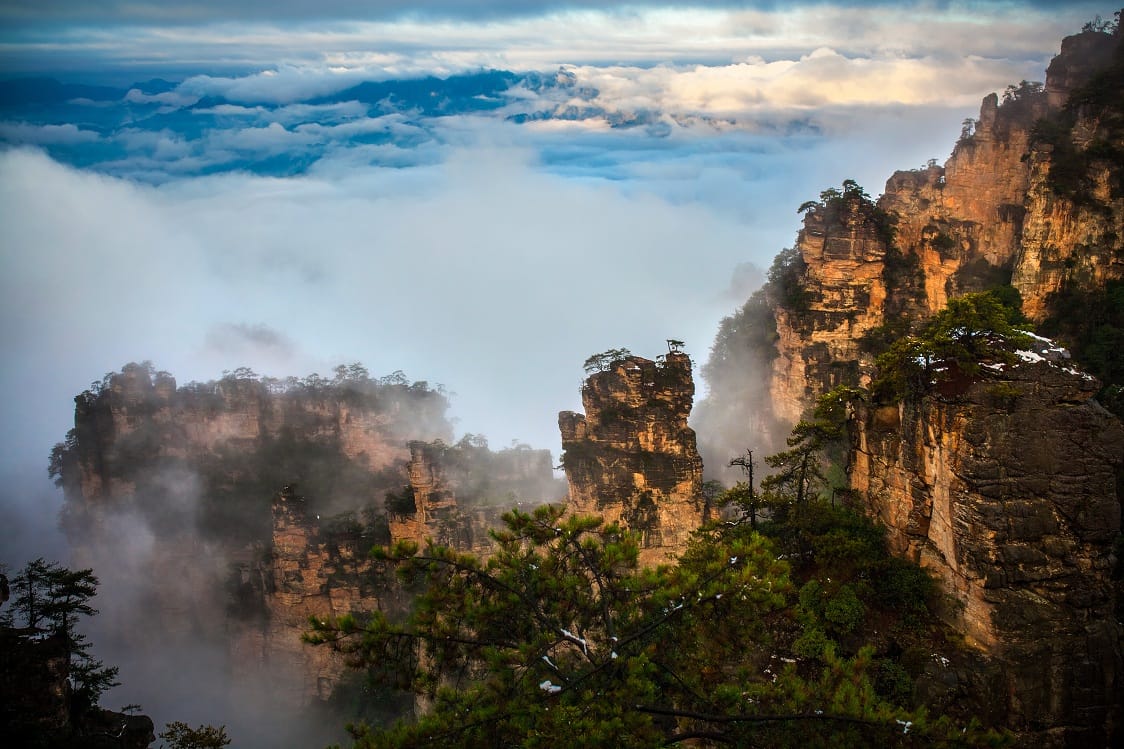
Most itineraries skip Yangjiajie entirely. We think that’s the single biggest planning mistake travelers make in this park.
Here’s why it gets skipped: it’s the smallest zone at 34 km², the newest (formally opened in the early 1990s), the hardest to reach by internal shuttle, and no single landmark inside it has become an Instagram icon. There is no elevator, no glass bridge, no renamed Avatar pillar. So it falls off the list.
What that means in practice: on a day when the path to Yuanjiajie is moving shoulder-to-shoulder and the Bailong Elevator queue stretches 40 minutes, Yangjiajie is nearly empty. We’ve walked its ridge trails at 10 AM on a golden week day with fewer than a dozen other people in sight. The forest coverage here reaches 95% — the densest of the four zones — and the sandstone formations are just as dramatic, just experienced differently. Slower. More vertical. More yours.
The name carries a history that the other zones don’t. “Yang” refers to the Yang family generals (杨家将) of the Northern Song Dynasty (960–1127 AD) — one of China’s most celebrated military dynasties, whose story has been retold in operas, novels, and TV series for a thousand years. The Yang clan’s ancestral graves from the Ming and Qing periods still exist in the area. And the Tujia people, the indigenous ethnic group of this mountain region, are more visibly present here than anywhere else in the park: old stone paths, terraced slopes, the faint shape of a way of life that existed before the first tourist ever arrived.
If your schedule allows five days rather than four, give the fifth to Yangjiajie. If it only allows four, swap half a day of Yuanjiajie crowds for a morning here. You won’t regret it.
Zhangjiajie City: Not Just a Gateway
Most articles treat the city center purely as a logistics hub — airport pickup, bus to the park, done. That’s a significant waste.
Tianmen Mountain
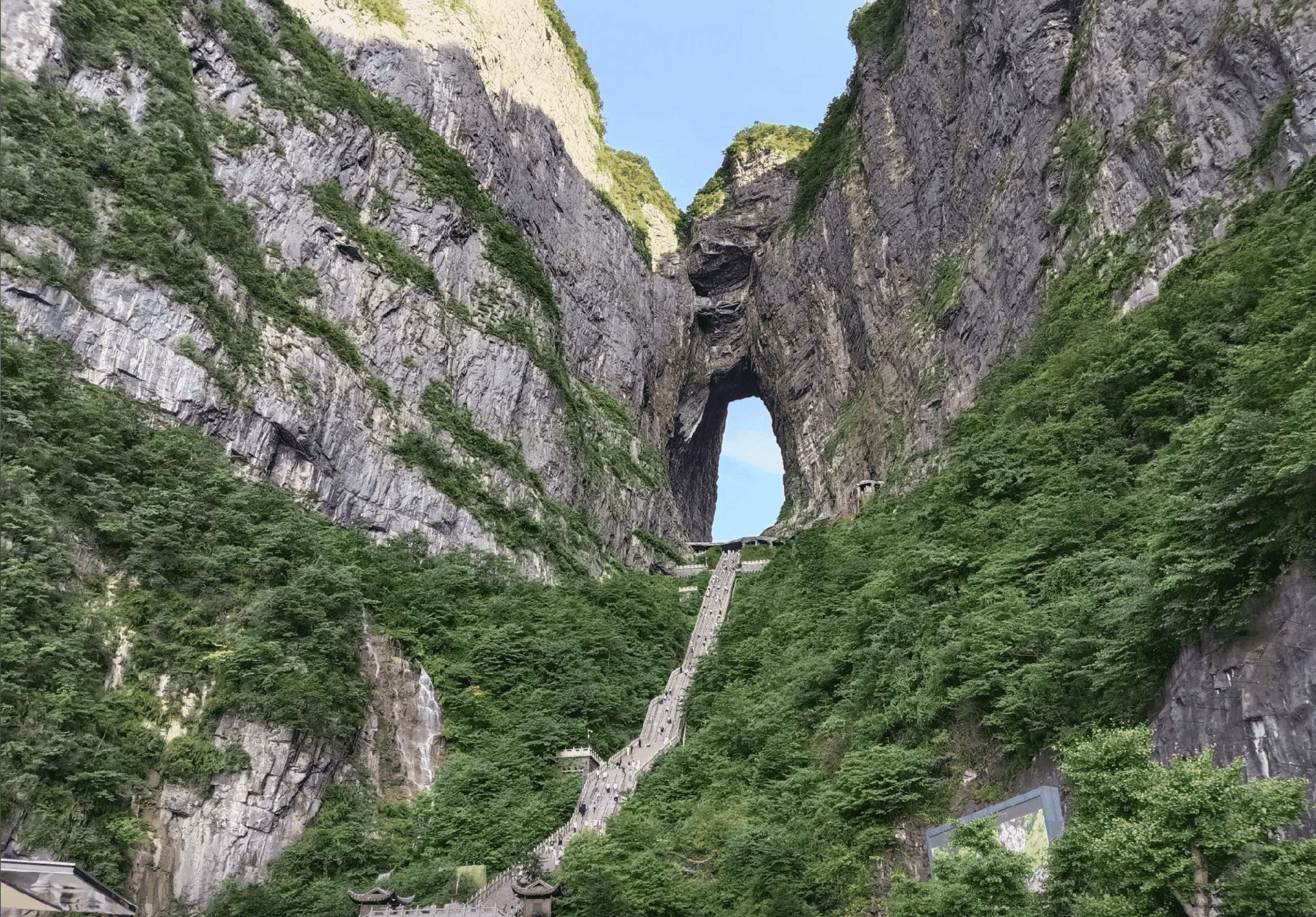
Tianmen Mountain is located in Yongding District, the city center — completely separate from Wulingyuan. Separate ticket, separate management, different geological formation, and frankly a different emotional register. Where Wulingyuan rewards patience and hiking, Tianmen delivers pure spectacle.
The cable car from the city covers 7,455 meters — one of the longest passenger cable cars on earth. It climbs from urban Zhangjiajie into clouds and deposits you at a complex that includes a glass-bottomed cliff walkway, the 999-step staircase leading to Tianmen Cave, and the natural stone arch of the cave itself (131.5 meters high). The mountain road — 99 hairpin bends called Tongtian Avenue — exists largely for sightseeing buses and the occasional wingsuit pilot.
DIG DEEPER: Tianmen Mountain: Line A, B or C? The Ultimate Route Comparison Guide
A full Tianmen day is not compatible with a Wulingyuan day. The distances, timing, and energy required don’t allow it. Give Tianmen its own day.
Zhangjiajie Grand Canyon and Glass Bridge

About 32 km from Wulingyuan Town and not included in the scenic area ticket, the Grand Canyon is home to the world’s longest glass-bottomed bridge: 430 meters long, suspended 300 meters above the canyon floor. The bridge opened in 2016, briefly became the most-visited attraction in the entire region, and now requires advance booking on busy days. It’s worth it — but know that the bridge itself takes about 15 minutes to cross, and the surrounding canyon hike is what fills the rest of the day.
Where to Stay: The Decision That Shapes Everything
This is the single most practical output of understanding the geography above.
Base yourself in Wulingyuan Town for the core park days. The east gate of Zhangjiajie National Forest Park is 5 to 10 minutes from the main hotel cluster. That proximity lets you enter at 7:30 AM — before the tour groups arrive. In peak season, that two-hour head start means you’ll reach Yuanjiajie with perhaps a dozen other people rather than a thousand. The difference in experience is not small.
Hotel options in Wulingyuan Town range from the Pullman Zhangjiajie and Hilton Garden Inn on the upper end to family-run guesthouses on the narrow lanes between the tourist street and the river. The local restaurants along Wulingyuan Avenue serve solid Hunan food — spicy tofu, river fish, and the local smoked pork that pairs surprisingly well with a cold Tsingtao after a full day in the park.
Stay one night in downtown Zhangjiajie if you’re visiting Tianmen Mountain. The cable car base station sits in the city center — commuting from Wulingyuan for a 7:30 AM cable car start is possible but adds unnecessary friction. One night downtown, Tianmen in the morning, then bus or taxi to the airport or train station is a much cleaner exit.
DIG DEEPER: Where to Stay in Zhangjiajie: Complete Accommodation Guide / Zhangjiajie Itinerary Guide: From 1 Day to 7 Days
A practical framework for a 4-night trip:
Night | Base | Focus |
|---|---|---|
1–3 | Wulingyuan Town | Wulingyuan Scenic Area (all 4 zones), Grand Canyon |
4 | Downtown Zhangjiajie | Tianmen Mountain, then departure |
Important for 2026 visitors: The park now operates a timed-entry system introduced in summer 2025. You must reserve a 1-hour entry window and specify your entry gate in advance. Facial recognition is active at all gates, at the Bailong Elevator, and at cable car boarding points. Your passport is required every single day inside the park. Don’t leave it in the hotel.
One Last Thing Worth Knowing
“Wulingyuan” is doing three jobs at once: it’s the name of the administrative district, the name of the small town next to the east gate, and the name of the scenic area. When a local, a hotel receptionist, or a fellow traveler says “stay in Wulingyuan,” they mean the town. That’s the right interpretation in every practical context — don’t overthink it.
A Brief Note on UNESCO Status
The UNESCO World Heritage inscription belongs to the Wulingyuan Scenic and Historic Interest Area — not to “Zhangjiajie” as a name. The inscription was made in December 1992. In 2004, the site was additionally recognized as a UNESCO Global Geopark. In 2007, it was classified as a national 5A-level tourist attraction — China’s highest official tourism rating.
Tianmen Mountain, though spectacular and increasingly famous internationally, is not part of this UNESCO designation. It operates as a separate national forest park under Yongding District management.
FAQ – Zhangjiajie vs Wulingyuan
Q: Are Zhangjiajie and Wulingyuan the same place?
No — but they’re deeply connected. Zhangjiajie is a prefecture-level city. Wulingyuan is a smaller district within that city. The famous scenic park is called the Wulingyuan Scenic Area. Most travelers come to see the Wulingyuan Scenic Area, which is why the two names are constantly conflated.
Q: Why is the area sometimes called Zhangjiajie and sometimes Wulingyuan?
Historical accident. The park opened under the “Zhangjiajie” name in 1982. In the winter of 1984, painter Huang Yongyu proposed unifying the three scenic zones under the name “Wulingyuan,” which was approved provincially and reported to Beijing. In early 1985, General Secretary Hu Yaobang inscribed the name in his calligraphy, giving it official recognition. UNESCO used “Wulingyuan” in 1992. But internationally, “Zhangjiajie” had already stuck — and the Avatar effect in 2009 cemented it permanently in global usage.
Q: Is Wulingyuan a UNESCO World Heritage Site?
Yes. The Wulingyuan Scenic and Historic Interest Area was inscribed in December 1992. The site covers more than 26,000 hectares and contains over 3,000 quartzite sandstone pillars, many exceeding 200 meters in height.
Q: Is Tianmen Mountain part of Wulingyuan?
No. Tianmen Mountain is a separate national forest park in Yongding District (the city center). It has its own ticketing system and is not included in the 4-day Wulingyuan ticket.
Q: What does the Wulingyuan ticket cover?
The 4-day ticket (CNY 227 peak season March–November, CNY 116 off-season) covers all four scenic zones: Zhangjiajie National Forest Park, Tianzi Mountain, Suoxiyu, and Yangjiajie. It does not cover Tianmen Mountain, Yellow Dragon Cave, Baofeng Lake, or the Grand Canyon Glass Bridge (separate booking required).
Q: How far is Wulingyuan Town from Zhangjiajie city center?
About 32 km by road — roughly 40 to 55 minutes by taxi or direct bus. Public buses run from Zhangjiajie Central Bus Station and cost around CNY 12. Taxis run CNY 80–120 depending on negotiation and time of day.
Q: Where should first-time visitors stay?
Wulingyuan Town for the park days, downtown Zhangjiajie for the Tianmen Mountain day. If your schedule only allows one base, choose Wulingyuan Town — that’s where the core experience is.
Q: Do I need my passport inside the park?
Yes, every day. Since summer 2025, the park runs a timed-entry system with mandatory facial recognition at gates, the Bailong Elevator, and cable car boarding. Your passport must be with you throughout.
Q: What is the Avatar mountain’s official name?
The pillar is officially called Qiankun Pillar (乾坤柱). Before 2010, it was known as the Southern Sky Column (南天柱). It’s located in Yuanjiajie, within Zhangjiajie National Forest Park, and was renamed in honor of the Avatar film after director James Cameron acknowledged the visual influence of the Zhangjiajie landscape on the film’s design team.
Travel China With Me specializes in inbound travel to China. We’ve been planning and escorting trips to Zhangjiajie since long before Avatar made it a household name. All data in this article — ticket prices, distances, entry procedures — is verified against official sources and ground experience as of October 2026. Tourism policies change, so always confirm current rules through us or the official Zhangjiajie tourism authority before your visit.