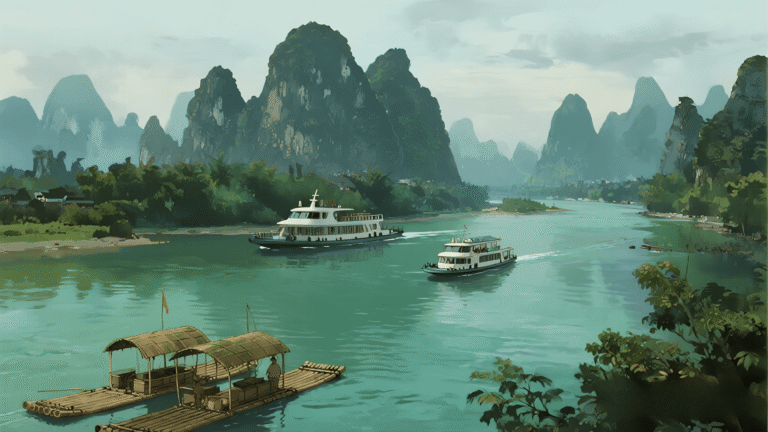
How Much English Is Spoken in China? 25 Cities Rated
The short answer: English works well in Shanghai, reasonably well in Beijing, Chengdu, and Xi’an, and becomes a genuine obstacle in most of the rest of China. The long answer depends on exactly where you’re going — which is what this guide is for.
This guide rates English accessibility for every major Chinese tourist destination, city by city, using a consistent six-dimension scoring system. The ratings come from running tours across China since 2006.
Table of Contents
1. How Much English Is Actually Spoken in China?
China ranked 91st out of 116 countries in the 2024 EF English Proficiency Index — below the global average, in the “low proficiency” tier. That puts it behind Russia, Vietnam, Cuba, and Egypt. Within Asia, China ranks 15th out of 23 countries.
The city-level data shows the range:
City | EF Score | Band |
|---|---|---|
Beijing | 518 | Moderate |
Shanghai | 511 | Moderate |
Guangzhou | 480 | Low |
Chongqing | 454 | Low |
Source: EF English Proficiency Index 2024 (116 countries). Higher = better English.
Beijing scores higher than Shanghai on the EF Index, but Shanghai ranks as the more English-accessible city in practice. The reason: Shanghai has a far larger expatriate community and a denser concentration of international businesses, which means English gets used in daily commerce and service industries in ways that Beijing’s higher school-test scores don’t reflect on the street.
“Moderate” means basic tourist exchanges work in certain environments. It doesn’t mean the city runs in English. The gap between being able to read a sign and being able to hold a real-time spoken conversation is significant — and most people outside the major cities haven’t had the practice to bridge it.
One structural point worth understanding: every Chinese city has a tourist layer — the main attractions, the hotel strip, the international airport — where English has been built in deliberately. Beneath that layer is the real city, which runs in Mandarin without exception.
How to read the ratings:
Dimension | What it measures |
|---|---|
🗣 English spoken | Chance of finding English-speaking locals on the street or in shops |
🪧 City signage | English on metro, roads, public transport, restaurants |
🏔 Attraction signage | Bilingual coverage at tourist sites specifically |
😰 Difficulty without Chinese | How hard is independent travel? (⭐ = easy, ⭐⭐⭐⭐⭐ = very hard) |
📱 App dependency | How much you rely on translation tools to function |
🧭 Best approach | Our recommendation for trip style |
English Accessibility by Province — China
The map gives the quick overview. The table below puts numbers to it — hover or scroll to find your destination.
2. All 25 Destinations at a Glance
Destination | English spoken | City signage | Attraction signage | Difficulty | Recommended approach |
|---|---|---|---|---|---|
Shanghai | ⭐⭐⭐⭐ | ⭐⭐⭐⭐⭐ | ⭐⭐⭐⭐⭐ | ⭐ | Fully independent |
Beijing | ⭐⭐⭐ | ⭐⭐⭐⭐ | ⭐⭐⭐⭐ | ⭐⭐ | Independent with prep |
Hangzhou | ⭐⭐⭐ | ⭐⭐⭐ | ⭐⭐⭐⭐ | ⭐⭐ | Independent with prep |
Chengdu | ⭐⭐⭐ | ⭐⭐⭐ | ⭐⭐⭐⭐ | ⭐⭐ | Independent with prep |
Xiamen | ⭐⭐ | ⭐⭐⭐ | ⭐⭐⭐ | ⭐⭐ | Independent with prep |
Yangshuo | ⭐⭐⭐⭐ (West St) | ⭐⭐⭐ | ⭐⭐⭐ | ⭐ | Fully independent |
Guilin | ⭐⭐ | ⭐⭐⭐ | ⭐⭐⭐ | ⭐⭐ | Independent with prep |
Xi’an | ⭐⭐ | ⭐⭐⭐ | ⭐⭐⭐⭐ | ⭐⭐⭐ | Independent with prep |
Nanjing/Suzhou | ⭐⭐ | ⭐⭐⭐ | ⭐⭐⭐⭐ | ⭐⭐ | Independent with prep |
Qingdao | ⭐⭐ | ⭐⭐⭐ | ⭐⭐⭐ | ⭐⭐⭐ | Independent with prep |
Harbin | ⭐⭐ | ⭐⭐⭐ | ⭐⭐⭐ | ⭐⭐⭐ | Independent with prep |
Wuhan | ⭐⭐ | ⭐⭐⭐ | ⭐⭐⭐ | ⭐⭐⭐ | Independent with prep |
Chongqing | ⭐⭐ | ⭐⭐⭐ | ⭐⭐⭐ | ⭐⭐⭐ | Independent with prep |
Zhangjiajie | ⭐ | ⭐⭐ | ⭐⭐⭐⭐ (park) | ⭐⭐⭐⭐ | Guide recommended |
Yunnan towns | ⭐⭐ | ⭐⭐ | ⭐⭐⭐ | ⭐⭐⭐ | Semi-independent |
Guizhou | ⭐ | ⭐⭐ | ⭐⭐ | ⭐⭐⭐⭐ | Guide essential (villages) |
Shanxi | ⭐ | ⭐⭐ | ⭐⭐ | ⭐⭐⭐⭐ | Guide recommended |
Anhui | ⭐ | ⭐⭐ | ⭐⭐⭐ | ⭐⭐⭐ | Semi-independent |
Henan | ⭐ | ⭐⭐ | ⭐⭐⭐ | ⭐⭐⭐⭐ | Guide recommended |
Fujian Tulou | ⭐ | ⭐⭐ | ⭐⭐ | ⭐⭐⭐ | Guide useful |
Inner Mongolia | ⭐ | ⭐⭐ | ⭐⭐ | ⭐⭐⭐⭐ | Guide essential |
Xinjiang | ⭐⭐ (sites) | ⭐⭐ | ⭐⭐⭐ | ⭐⭐⭐⭐ | Guide recommended |
Gansu | ⭐ | ⭐ | ⭐⭐ | ⭐⭐⭐⭐⭐ | Guide essential |
Qinghai | ⭐ | ⭐ | ⭐⭐ | ⭐⭐⭐⭐⭐ | Guide essential |
Tibet | ⭐ | ⭐⭐ | ⭐⭐ | ⭐⭐ (guided) | Guided mandatory |
3. Eastern China
Shanghai — The Most English-Friendly City in Mainland China
🗣 English spoken | ⭐⭐⭐⭐☆ | 🪧 City signage | ⭐⭐⭐⭐⭐ |
🏔 Attraction signage | ⭐⭐⭐⭐⭐ | 😰 Difficulty | ⭐☆☆☆☆ |
📱 App dependency | ⭐⭐☆☆☆ | 🧭 Best approach | Fully independent |
Shanghai is the most English-accessible city in mainland China. Decades of international business presence, a large expatriate community, and heavy investment in tourist infrastructure have pushed English further into daily life here than anywhere else on the mainland. In Jing’an, the French Concession, and Xintiandi, English menus and English-speaking staff are normal rather than exceptional. The metro system is fully bilingual. International hotel staff consistently speak functional English.
Outside those districts, Shanghai is still China — local residential neighborhoods and morning markets run in Mandarin. But the English-accessible layer is thick enough that a prepared independent traveler faces less friction here than at any other mainland destination.
Jiangsu — Nanjing and Suzhou: Manageable with Preparation
🗣 English spoken | ⭐⭐☆☆☆ | 🪧 City signage | ⭐⭐⭐☆☆ |
🏔 Attraction signage | ⭐⭐⭐⭐☆ | 😰 Difficulty | ⭐⭐☆☆☆ |
📱 App dependency | ⭐⭐⭐☆☆ | 🧭 Best approach | Independent with preparation |
Nanjing and Suzhou both benefit from proximity to Shanghai and well-developed tourist infrastructure. At major sites — the Sun Yat-sen Mausoleum in Nanjing, the classical gardens in Suzhou — English signage and audio guides are reliable. Staff at tourist-area hotels handle basic check-in in English.
Away from those zones, English disappears quickly. Suzhou’s canal-side streets and local food markets are largely Mandarin-only. Nanjing outside the university district and the main heritage corridor is the same. Both cities are workable independently with translation apps; neither has Shanghai’s depth of English coverage.
Zhejiang — Hangzhou: Better Than Its Reputation
🗣 English spoken | ⭐⭐⭐☆☆ | 🪧 City signage | ⭐⭐⭐☆☆ |
🏔 Attraction signage | ⭐⭐⭐⭐☆ | 😰 Difficulty | ⭐⭐☆☆☆ |
📱 App dependency | ⭐⭐⭐☆☆ | 🧭 Best approach | Independent with preparation |
Hangzhou has risen sharply as an international destination, partly through viral social media and partly through its one-hour high-speed rail link to Shanghai. The West Lake area has solid English signage; main tourist sites are manageable. Alibaba’s presence here has created an above-average pool of young English speakers in the professional class — you’re more likely to find someone who can help in Hangzhou than in Xi’an or Chengdu.
The city works in Chinese beyond the West Lake corridor. But for first-time visitors following the standard tourist route, preparation and a translation app cover most situations.
Anhui — Huangshan and Hongcun: Beautiful, Limited English Outside the Park
🗣 English spoken | ⭐☆☆☆☆ | 🪧 City signage | ⭐⭐☆☆☆ |
🏔 Attraction signage | ⭐⭐⭐☆☆ | 😰 Difficulty | ⭐⭐⭐☆☆ |
📱 App dependency | ⭐⭐⭐⭐☆ | 🧭 Best approach | Semi-independent; local guide adds real value |
Huangshan (Yellow Mountain) is internationally famous but English coverage is limited outside the park itself. The cable car terminals have bilingual signage; trail markers are increasingly bilingual. The surrounding villages — Hongcun, Xidi, Nanping — draw significant foreign visitors but have little English at ground level. Guesthouse owners may have a few phrases; menus at local restaurants rarely do.
Getting to and between these sites requires navigating bus stations and local transport where Mandarin is the only working language. DiDi works in the area, which removes the taxi problem. Everything else needs camera translation or a guide.
4. Northern China
Beijing — Strong Tourist Infrastructure, Mandarin Everywhere Else
🗣 English spoken | ⭐⭐⭐☆☆ | 🪧 City signage | ⭐⭐⭐⭐☆ |
🏔 Attraction signage | ⭐⭐⭐⭐☆ | 😰 Difficulty | ⭐⭐☆☆☆ |
📱 App dependency | ⭐⭐⭐☆☆ | 🧭 Best approach | Independent with preparation |
Beijing is the most foreigner-ready city in northern China. The airport, subway, and high-speed rail stations have consistent English signage. Staff at the Forbidden City, Temple of Heaven, and major international hotels handle basic requests in English. The tourist infrastructure for the standard first-timer itinerary — Great Wall, Forbidden City, hutong areas — is solid.
Step off that corridor and things shift fast. Street taxis, local wet markets, neighbourhood noodle shops, smaller museums outside the central zones — these run in Mandarin. Beijing works in English where it has been deliberately built to work in English. That zone is narrower than most visitors expect, but it covers what most first-timers actually visit. See our Beijing itinerary guide and Beijing transportation guide for practical planning.
Shanxi — Pingyao and Datong: Off the International Circuit, Low English Coverage
🗣 English spoken | ⭐☆☆☆☆ | 🪧 City signage | ⭐⭐☆☆☆ |
🏔 Attraction signage | ⭐⭐☆☆☆ | 😰 Difficulty | ⭐⭐⭐⭐☆ |
📱 App dependency | ⭐⭐⭐⭐☆ | 🧭 Best approach | Local guide strongly recommended |
Shanxi holds some of China’s most extraordinary heritage — Pingyao Ancient City, the Yungang Grottoes, the Hanging Temple. But it sits well off the international tourist trail, and English coverage reflects that. At Pingyao’s main historic sites, some bilingual signage exists. Beyond that, the province is effectively Mandarin-only: guesthouses in the old town, transport between cities, local restaurants, smaller temples.
Foreign visitor numbers are low enough that locals are often curious and welcoming — but communication relies almost entirely on translation tools. The signs don’t explain what you’re looking at; a guide does.
Inner Mongolia — Grasslands and Hohhot: Three Languages, English Comes Last
🗣 English spoken | ⭐☆☆☆☆ | 🪧 City signage | ⭐⭐☆☆☆ |
🏔 Attraction signage | ⭐⭐☆☆☆ | 😰 Difficulty | ⭐⭐⭐⭐☆ |
📱 App dependency | ⭐⭐⭐⭐☆ | 🧭 Best approach | Tour operator or guide essential |
Inner Mongolia’s main draw for foreign visitors is the grassland experience — yurt stays, horse riding, the landscape north of Hohhot or around Hulunbuir. English is sparse at every level. Signage in Hohhot is bilingual in Chinese and Mongolian script; English appears only at the airport and a handful of international hotels.
Grassland camps catering to foreign tourists have staff with basic English — enough for logistics of the stay. Away from those setups, Mongolian and Mandarin are the working languages. Transport between Hohhot and the grassland areas is challenging without Mandarin. Most visitors arrange this through operators rather than independently, which is also our recommendation.
Shandong — Qingdao Works Independently; Mount Tai and Qufu Need a Guide
🗣 English spoken | ⭐⭐☆☆☆ (Qingdao) | 🪧 City signage | ⭐⭐⭐☆☆ (Qingdao) |
🏔 Attraction signage | ⭐⭐⭐☆☆ | 😰 Difficulty | ⭐⭐⭐☆☆ |
📱 App dependency | ⭐⭐⭐☆☆ | 🧭 Best approach | Independent with preparation (Qingdao); guide useful for Mount Tai and Qufu |
Qingdao is the most foreigner-accessible city in Shandong, shaped partly by its German colonial history and partly by being a major port city. The Badaguan historic district and the beachfront areas have reasonable English signage; Tsingtao Brewery and some coastal hotels have English-speaking staff. The city is navigable independently with preparation.
Mount Tai and Qufu are a different story. Both are internationally known but see relatively few independent foreign visitors — the visitor infrastructure is overwhelmingly oriented toward Chinese domestic tourists. English signage at both sites is limited. Trail markers on Mount Tai are mostly Chinese; the Confucius Temple complex in Qufu has some English labeling but audio guides are the main bilingual provision. A guide adds real value at both destinations.
5. Central China
Henan — Longmen Grottoes and Shaolin: Built for Chinese Domestic Tourism
🗣 English spoken | ⭐☆☆☆☆ | 🪧 City signage | ⭐⭐☆☆☆ |
🏔 Attraction signage | ⭐⭐⭐☆☆ | 😰 Difficulty | ⭐⭐⭐⭐☆ |
📱 App dependency | ⭐⭐⭐⭐☆ | 🧭 Best approach | Guide strongly recommended |
Henan is the cradle of Chinese civilization — Luoyang’s Longmen Grottoes, the Shaolin Temple, Zhengzhou’s connection to the Yellow River culture. Foreign visitors come specifically for these, but the surrounding infrastructure is not built for them. The Longmen Grottoes have reasonable English signage; Shaolin has bilingual elements at the main temple buildings. Beyond those specific sites, Henan is Mandarin-only.
Zhengzhou is a major transport hub but receives few foreign leisure travelers — English at restaurants, shops, and on public transport is essentially absent. Luoyang’s old town, despite being a significant heritage area, has minimal English coverage at ground level. The province rewards travelers who come prepared and who ideally have a local guide to provide context the bilingual signs don’t offer.
Hubei — Wuhan and Three Gorges: Better English Than Its Reputation Suggests
🗣 English spoken | ⭐⭐☆☆☆ | 🪧 City signage | ⭐⭐⭐☆☆ |
🏔 Attraction signage | ⭐⭐⭐☆☆ | 😰 Difficulty | ⭐⭐⭐☆☆ |
📱 App dependency | ⭐⭐⭐☆☆ | 🧭 Best approach | Independent with preparation |
Wuhan is a major city with several universities and a young population — English coverage is better than its reputation suggests. The Yellow Crane Tower and East Lake scenic area have bilingual signage. International hotels in the city centre have English-speaking staff. The metro is increasingly bilingual.
Three Gorges cruise departures are typically handled through tour operators, which removes most language friction for that portion of a trip. The river towns themselves — Yichang, Chongqing — operate in Mandarin; the cruise infrastructure handles the translation layer.
6. Southern China
Guangdong — Guangzhou and Shenzhen: Cantonese First, English Third
🗣 English spoken | ⭐⭐☆☆☆ | 🪧 City signage | ⭐⭐⭐⭐☆ |
🏔 Attraction signage | ⭐⭐⭐☆☆ | 😰 Difficulty | ⭐⭐☆☆☆ |
📱 App dependency | ⭐⭐⭐☆☆ | 🧭 Best approach | Independent with preparation |
Guangzhou and Shenzhen have well-developed international transport infrastructure and significant foreign business communities. Metro and public transport signage is bilingual. International hotels are well-resourced in English.
One complication: the local language is Cantonese, not Mandarin. Locals may switch between the two, but Cantonese is what you’ll hear everywhere outside formal settings. This creates an extra layer — a translation app producing Mandarin output may not help with a Cantonese-speaking taxi driver or market vendor. Shenzhen skews younger and more international than Guangzhou; English is marginally more common there. Neither city is a major international tourist draw in the conventional sense, but both are practical gateways.
Guangxi — Guilin and Yangshuo: Two Very Different English Environments
🗣 English spoken | ⭐⭐☆☆☆ (Guilin) | 🪧 City signage | ⭐⭐⭐☆☆ |
🏔 Attraction signage | ⭐⭐⭐☆☆ | 😰 Difficulty | ⭐⭐☆☆☆ (Guilin) / ⭐☆☆☆☆ (Yangshuo) |
📱 App dependency | ⭐⭐⭐☆☆ | 🧭 Best approach | Fully independent |
Guilin and Yangshuo sit at opposite ends of the English spectrum — a distinction most guides blur.
Guilin city has adequate English infrastructure at tourist-facing points: the airport, main hotels, and Li River cruise departure points. The cruise boats carry English commentary. This is manageable independently.
Yangshuo’s West Street is genuinely different. Decades of absorbing Western backpackers have created a strip where English menus, English-speaking guesthouse owners, and conversational English with local business owners are all normal. Outside Shanghai, it’s one of very few places in China where you can have a real conversation in English with a local restaurant owner.
Leave West Street and that English disappears. The surrounding villages, countryside cycling routes, and rural markets operate in Mandarin — often in local Cantonese dialect that even Mandarin speakers struggle with.
Fujian — Xiamen: Surprisingly Accessible; Tulou Villages: Rural and Mandarin-Only
🗣 English spoken | ⭐⭐☆☆☆ | 🪧 City signage | ⭐⭐⭐☆☆ |
🏔 Attraction signage | ⭐⭐⭐☆☆ | 😰 Difficulty | ⭐⭐☆☆☆ |
📱 App dependency | ⭐⭐⭐☆☆ | 🧭 Best approach | Independent with preparation |
Xiamen is one of China’s most foreigner-friendly secondary cities. Its compact layout, walkable historic district on Gulangyu Island (a pedestrianized former international settlement), and relatively cosmopolitan character make it more navigable than most cities at its population size. Gulangyu has bilingual signage at the main heritage buildings; Xiamen’s tourist district around South Putuo Temple is similarly equipped. Staff at mid-range hotels handle basic English.
The Fujian Tulou earthen round houses — a UNESCO World Heritage Site about two hours inland — are a very different environment. The villages themselves are rural and Mandarin-only. The main tourist-facing sites have basic English signage and some bilingual display boards, but the surrounding area, transport logistics, and local guesthouses operate entirely in Chinese. Visitors who go independently to the Tulou need good camera translation and a plan for getting there and back.
7. Western China
Sichuan — Chengdu and Jiuzhaigou: Willing Locals, Thin Coverage Outside Tourist Zones
🗣 English spoken | ⭐⭐⭐☆☆ | 🪧 City signage | ⭐⭐⭐☆☆ |
🏔 Attraction signage | ⭐⭐⭐⭐☆ | 😰 Difficulty | ⭐⭐☆☆☆ |
📱 App dependency | ⭐⭐⭐☆☆ | 🧭 Best approach | Independent with preparation |
Chengdu has a large expat community and a young, internationally curious population — the baseline for English encounters is higher than in most inland cities. The Panda Research Base has strong English signage. The Kuanzhai Alley area has English menus at many restaurants. Chengdu residents are, in our experience, among the most willing in China to attempt English even with limited fluency — the city’s relaxed culture extends to interactions with strangers.
Jiuzhaigou, about five hours north by road, is a different environment. The national park itself has bilingual signage and shuttle bus information in English. The town outside the park entrance operates in Mandarin. The altitude and remote location mean that translation app reliability (data signal) can be inconsistent; offline language packs matter more here.
Chongqing — Viral Destination, Low English Proficiency Score
🗣 English spoken | ⭐⭐☆☆☆ | 🪧 City signage | ⭐⭐⭐☆☆ |
🏔 Attraction signage | ⭐⭐⭐☆☆ | 😰 Difficulty | ⭐⭐⭐☆☆ |
📱 App dependency | ⭐⭐⭐☆☆ | 🧭 Best approach | Independent with preparation |
Chongqing has become a viral destination for international visitors, driven partly by its dramatic hillside geography and partly by social media. The Hongya Cave area and Jiefangbei CBD have growing English signage. International hotels are competent. But Chongqing scored 454 on the EF Index — near the bottom of China’s major cities — and that’s reflected at ground level. The city’s famous hot pot restaurants, cable car systems, and local transport are Mandarin-only environments.
The local dialect (Chongqing-hua) is also distinct enough that Mandarin-trained translation apps occasionally struggle with voice input from older residents. Camera translation is the more reliable tool here.
Yunnan — Dali and Lijiang: Workable; Villages and Shangri-La: Much Harder
🗣 English spoken | ⭐⭐☆☆☆ (Dali/Lijiang tourist areas) | 🪧 City signage | ⭐⭐☆☆☆ |
🏔 Attraction signage | ⭐⭐⭐☆☆ | 😰 Difficulty | ⭐⭐⭐☆☆ |
📱 App dependency | ⭐⭐⭐⭐☆ | 🧭 Best approach | Semi-independent; guide recommended outside main towns |
Yunnan is where China’s ethnic diversity becomes most visible to foreign visitors — and where the language picture gets complicated in ways most guides don’t explain. Mandarin is the common tongue, but locals in many areas speak Bai, Naxi, Yi, or Tibetan dialects as their first language. English adds a third layer on top of that.
In Lijiang‘s Old Town and Dali‘s tourist quarter, English is workable. Both towns have absorbed Western backpackers for years; guesthouse owners and restaurant staff along the main streets often have practical English. Move into the surrounding countryside, minority villages, or markets serving Chinese domestic tourists and both English and Mandarin thin out simultaneously.
Shangri-La is a step further again. Tibetan Buddhist culture dominates; monks, market vendors, and homestay hosts speak Tibetan dialect first, Mandarin second, and English rarely. The scenery is extraordinary but language logistics require more planning than the developed Yunnan towns.
Guizhou — Spectacular Minority Villages, Almost No English Infrastructure
🗣 English spoken | ⭐☆☆☆☆ | 🪧 City signage | ⭐⭐☆☆☆ |
🏔 Attraction signage | ⭐⭐☆☆☆ | 😰 Difficulty | ⭐⭐⭐⭐☆ |
📱 App dependency | ⭐⭐⭐⭐⭐ | 🧭 Best approach | Guide essential for village areas; semi-independent for Guiyang/Huangguoshu |
Guizhou doesn’t get the international attention it deserves — Huangguoshu Waterfall, Fanjingshan, the Miao and Dong ethnic minority villages of Qiandongnan are extraordinary — but it’s also among the most challenging provinces in China for non-Mandarin speakers.
Guiyang, the capital, has reasonable urban infrastructure and some English at major hotels and the airport. Huangguoshu Waterfall has bilingual signage at the main viewing area. Beyond these points, English is essentially absent. The ethnic minority villages that are Guizhou’s greatest draw — Xijiang Miao Village, Zhaoxing Dong Village, Zhenyuan Ancient Town — have almost no English. Guides at 4-5 star hotels in major destinations may speak basic English; village guesthouses will not.
The Miao and Dong villages add a further layer: locals here often speak their ethnic minority language first, Mandarin second. A translation app set to Mandarin won’t help. For anyone serious about experiencing these villages rather than just photographing them, a guide who speaks both Mandarin and can navigate the cultural context is essential, not optional.
8. Northwestern China
Shaanxi — Xi’an: Tourist Triangle Works, City of 13 Million Does Not
🗣 English spoken | ⭐⭐☆☆☆ | 🪧 City signage | ⭐⭐⭐☆☆ |
🏔 Attraction signage | ⭐⭐⭐⭐☆ | 😰 Difficulty | ⭐⭐⭐☆☆ |
📱 App dependency | ⭐⭐⭐☆☆ | 🧭 Best approach | Independent with preparation |
Xi’an surprises most visitors positively. The Muslim Quarter — one of the most-visited areas — is genuinely foreigner-friendly, with vendors long accustomed to tourists who don’t speak Mandarin. The Terracotta Warriors site has English audio guides and bilingual signs throughout. Hotel staff at mid-range and above properties near the Bell Tower handle check-in in English.
Step outside the tourist triangle of the Warriors, the City Wall, and the Muslim Quarter and English fades quickly. Xi’an is a city of 13 million people; its English coverage is a thin layer over a very large surface. The local bus network, street restaurants in the old town, and shops away from tourist strips — Mandarin only.
Xinjiang — Kashgar and Urumqi: Three Languages, English a Distant Third
🗣 English spoken | ⭐⭐☆☆☆ (tourist sites) | 🪧 City signage | ⭐⭐☆☆☆ |
🏔 Attraction signage | ⭐⭐⭐☆☆ | 😰 Difficulty | ⭐⭐⭐⭐☆ |
📱 App dependency | ⭐⭐⭐⭐☆ | 🧭 Best approach | Guide strongly recommended; essential outside major cities |
Xinjiang is one of the most linguistically complex destinations in China. The real local language is Uyghur — a Turkic language completely unrelated to Mandarin, with its own script. Outside tourist facilities, you’re navigating a context where neither English nor Mandarin is the default. Vendors in Kashgar’s markets try Uyghur first, then Mandarin; English is a distant third.
At major tourist sites in Urumqi, Turpan, and Kashgar city, tourist-facing staff have been investing in English. The Kashgar Old City, Heavenly Lake near Urumqi, and main bazaars have bilingual signage. International visitor numbers are rising fast. But the linguistic complexity — three languages, two scripts — means Xinjiang demands more planning than almost any other destination in China.
Security checkpoints are routine throughout the region; staff at these operate in Chinese. Having documents in order matters more here than your ability to explain yourself.
Gansu — Dunhuang to Jiayuguan: One Exception, Otherwise Mandarin-Only
🗣 English spoken | ⭐☆☆☆☆ | 🪧 City signage | ⭐☆☆☆☆ |
🏔 Attraction signage | ⭐⭐☆☆☆ (⭐⭐⭐⭐☆ at Mogao Caves specifically) | 😰 Difficulty | ⭐⭐⭐⭐⭐ |
📱 App dependency | ⭐⭐⭐⭐⭐ | 🧭 Best approach | Guide essential |
Dunhuang’s Mogao Caves are the exception within Gansu — genuinely excellent English-language audio guides, accustomed international staff, multilingual ticketing. Anywhere else in the province, English is effectively absent. Zhangye (Danxia Rainbow Mountains), Jiayuguan Fort, the Hexi Corridor towns — beautiful, historically significant, and almost entirely Mandarin. The province is well off the international tourist circuit and the infrastructure reflects that.
Gansu rewards visitors who come completely self-sufficient or with a guide. It is not the place to discover that your translation setup doesn’t work.
9. Northeast China and Tibet
Heilongjiang — Harbin: English Peaks During Ice Festival Season, Sparse Otherwise
🗣 English spoken | ⭐⭐☆☆☆ | 🪧 City signage | ⭐⭐⭐☆☆ |
🏔 Attraction signage | ⭐⭐⭐☆☆ | 😰 Difficulty | ⭐⭐⭐☆☆ |
📱 App dependency | ⭐⭐⭐☆☆ | 🧭 Best approach | Independent with preparation |
Harbin draws two distinct waves of international visitors: winter tourists for the Ice and Snow Sculpture Festival (December–February), and visitors curious about its Russian colonial architecture and distinctive Northeastern character. The city has made real investment in English infrastructure for the festival season — the Ice and Snow World at Harbin Zhongyang Street (the pedestrianized Russian-style main street) has bilingual signage, and tourist-facing staff at major ice park venues have basic English.
Outside the tourist season and the main festival sites, Harbin operates in Mandarin. The city is further from the standard international circuit than Beijing or Xi’an, and its English coverage reflects that. The Russian influence means you’ll occasionally see Russian alongside Chinese — not English. For festival-season visits with standard itineraries, it’s navigable independently. For more complex trips into the surrounding Manchurian landscapes and smaller cities, preparation matters more.
Qinghai — Xining and Qinghai Lake: Among the Least English-Accessible in China
🗣 English spoken | ⭐☆☆☆☆ | 🪧 City signage | ⭐☆☆☆☆ |
🏔 Attraction signage | ⭐⭐☆☆☆ | 😰 Difficulty | ⭐⭐⭐⭐⭐ |
📱 App dependency | ⭐⭐⭐⭐⭐ | 🧭 Best approach | Guide essential |
Qinghai’s main draws — Qinghai Lake, the Kumbum Monastery near Xining, and access to the Tibetan plateau — attract visitors seeking landscapes and Tibetan Buddhist culture. Xining has basic English at the main tourist sights. Tibetan Buddhist sites outside Xining have increasing foreign visitor numbers but no English infrastructure to speak of. Rural Qinghai is among the least English-accessible environments in China.
Both Gansu and Qinghai are provinces for experienced travelers who go in with full preparation and realistic expectations. A guide adds more value per day here than anywhere else in China.
Tibet — Guided Tour Mandatory; Language Barrier Managed for You
🗣 English spoken | ⭐☆☆☆☆ | 🪧 City signage | ⭐⭐☆☆☆ |
🏔 Attraction signage | ⭐⭐☆☆☆ | 😰 Difficulty | ⭐⭐☆☆☆ (guide required — language managed for you) |
📱 App dependency | ⭐⭐☆☆☆ | 🧭 Best approach | Guided tour mandatory (permit requirement) |
Tibet is a special case. All foreign visitors must hold a Tibet Travel Permit in addition to a Chinese visa, and must travel with a pre-arranged licensed guide — independent travel is not permitted. Most Tibetans do not speak English. Tourism industry workers may have some proficiency; staff at international hotels in Lhasa can handle basic requests. The working languages are Tibetan dialect and Mandarin.
The guide requirement means the language barrier is effectively managed for you — your guide handles communication with locals, drivers, and attraction staff. English fluency matters less in Tibet than at any other Chinese destination. But your entire experience runs through the guide relationship, and picking a knowledgeable one matters more here than anywhere else.
10. Hunan Province
Hunan — Zhangjiajie: Easy Inside the Park, Hard Everywhere Else
🗣 English spoken | ⭐☆☆☆☆ | 🪧 City signage | ⭐⭐☆☆☆ |
🏔 Attraction signage | ⭐⭐⭐⭐☆ (inside national park) | 😰 Difficulty | ⭐⭐⭐⭐☆ |
📱 App dependency | ⭐⭐⭐⭐☆ | 🧭 Best approach | Local guide strongly recommended |
Zhangjiajie is the destination we know best — and the one we’re most specific about.
Inside Zhangjiajie National Forest Park, English signage is solid. The eco-bus route maps are bilingual. Major viewing platforms are labeled in both languages. You can navigate the park itself without Mandarin.
Outside the park gates is a different world. Wulingyuan town, local restaurants, bus stations, taxis — almost entirely Mandarin. One fact most guides miss: Zhangjiajie’s largest international visitor market is South Korean, not English-speaking. The city has invested in Korean-language services — over 200 Korean-speaking guides, Korean signage in hotels and transport hubs. English infrastructure lags well behind Korean.
The complexity isn’t just the forest park. Tianmen Mountain, the Grand Canyon Glass Bridge, and Baofeng Lake are all separate attractions with their own Chinese-language ticketing systems and Mandarin-only staff. And Fenghuang Ancient Town — often paired with Zhangjiajie — is a beautiful destination with essentially zero English infrastructure. Our guide Rex puts it plainly: “Clients feel fine inside the park. Five minutes outside the gate, they’re pointing at photos on their phones.”
For Zhangjiajie specifically, we offer private multilingual guide services and have written detailed guides to Zhangjiajie itineraries and ticket booking.
Changsha, Hunan’s capital, has real energy — Wuyi Square, the tea-themed neighborhoods, the night food scene draw millions of young Chinese visitors — but English infrastructure hasn’t kept pace with the domestic hype. Prepare to navigate entirely in Mandarin.
Planning a Trip to a Difficult Destination?
For Zhangjiajie, Guizhou, Shanxi, Henan, Xinjiang, Gansu, Qinghai, Inner Mongolia, and most of rural China — an English-speaking guide isn’t just a convenience. Without one, you navigate by pointing and guessing. With one, you understand what you’re looking at, get to the right place at the right time, and pay the right price.
We’ve been running guided tours in China since 2006. Our guides are government-licensed, work on a no-commission basis (no shopping stops, ever), and cover destinations across Beijing, Zhangjiajie, and beyond. We also offer private car hire for destinations where you need flexible transport without the language barrier of a street taxi.
If you’re planning a trip to any destination in this guide and want to talk through your itinerary — whether you end up booking with us or not — get in touch here.
FAQ
Is it easy to travel China without speaking Chinese?
It depends entirely on where you’re going. Shanghai and Beijing are manageable with preparation. Yangshuo is easy. Xi’an and Chengdu are workable. Zhangjiajie, Guizhou, Shanxi, Gansu, and anywhere off the main tourist circuit require either a guide or serious preparation — camera translation tools, written Chinese cards, offline maps, and realistic expectations about what stays in Mandarin regardless.
Which Chinese city is easiest to visit without speaking Chinese?
Shanghai, followed by Yangshuo and Beijing. Shanghai has the deepest English infrastructure of any mainland city. Yangshuo’s West Street is uniquely foreigner-friendly for a secondary destination. Beijing covers the main tourist itinerary well, though daily life off that corridor runs in Mandarin.
Which Chinese destinations should I avoid without a guide if I don’t speak Mandarin?
Guizhou’s minority villages, Shanxi beyond Pingyao, Inner Mongolia’s grasslands, Gansu, rural Qinghai, and Xinjiang outside major tourist sites. Tibet requires a guide by law. Zhangjiajie is manageable inside the national park but complicated when combining multiple attractions across the region.
Is English getting better across China?
At major tourist sites and in tier-one cities, yes — bilingual signage and English-interface booking systems have improved noticeably since 2019. At street level in secondary and tertiary cities, the EF data suggests the opposite: China’s overall proficiency ranking dropped in 2024. The tourist layer improves; the everyday layer doesn’t necessarily follow.
Does it matter which part of China I’m in for translation apps?
Yes, more than most guides acknowledge. Translation apps trained on standard Mandarin struggle with Cantonese (Guangdong), Sichuan dialect (Chengdu/Chongqing), Hunanese (Zhangjiajie/Changsha), Uyghur (Xinjiang), and Tibetan (Tibet/Qinghai/Yunnan highlands). Camera translation is more reliable than voice across all regions. Download offline language packs before arrival.
Are tour guides worth it in China?
For tier-one cities on the standard tourist trail — Shanghai, Beijing, Xi’an — a guide is optional. For secondary destinations with significant language complexity — Guizhou’s villages, Zhangjiajie’s multi-attraction logistics, Xinjiang, Tibet — a guide is the difference between a trip that works and one that constantly runs into walls. The value isn’t translation alone; it’s real-time local knowledge that no app replicates. We’ve been providing Multilingual guide services across China since 2006 — if you’re planning a harder trip and want to talk through what level of support your itinerary needs, get in touch.