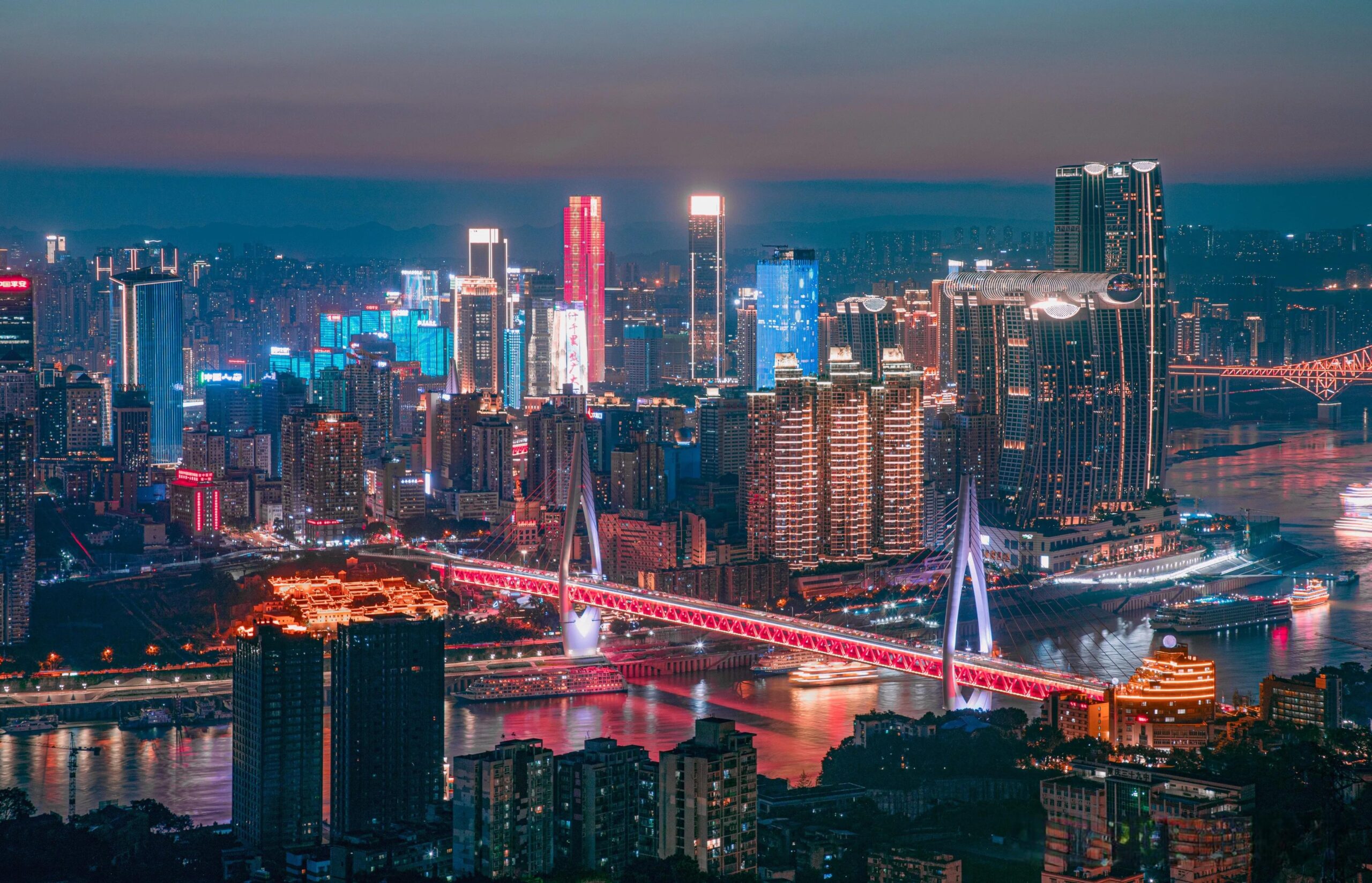
Chongqing: Complete Insider’s Guide to China’s 8D Magic City
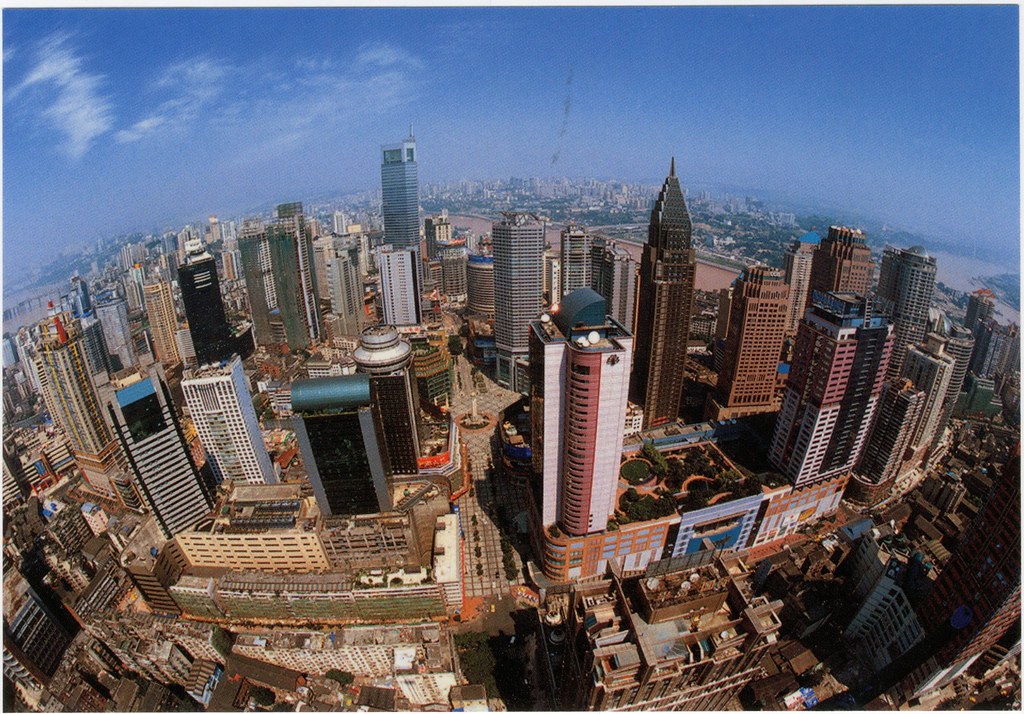
After 20 years guiding thousands of travelers through Chongqing’s labyrinthine streets, we’ve learned something most Chongqing travel guides won’t tell you: this mountain city will challenge every assumption you have about China. Forget Shanghai’s polished glamour or Beijing’s imperial grandeur. Chongqing is raw, authentic, and unapologetically itself—a cyberpunk metropolis where grandmother’s hotpot recipes still rule and skyscrapers grow from mountainsides like concrete bamboo.
This comprehensive Chongqing travel guide isn’t your typical tourist brochure. This is your insider’s handbook to navigating China’s most complex urban maze, written by professional guides who’ve made every mistake so you won’t have to. Discover the best Chongqing attractions, master authentic hotpot culture, and experience the real “8D Magic City” that locals call home.

Table of Contents
Why Choose Chongqing for Your China Adventure
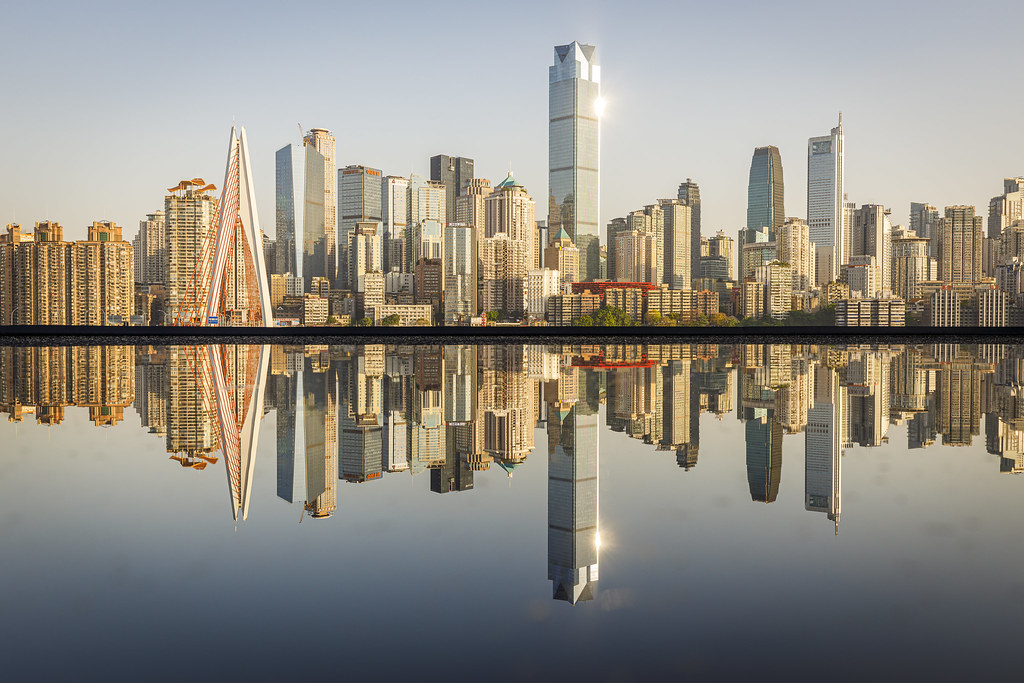
Most travelers flock to Beijing or Shanghai for their China adventure. Smart travelers discover Chongqing first. We’ve witnessed this transformation from industrial hub to must-visit destination. The mountain city offers authentic Chinese experiences without overwhelming tourist crowds, making it perfect for travelers seeking genuine cultural immersion.
The Reality Check: Chongqing isn’t conventionally beautiful. It’s industrial, chaotic, and overwhelming. But it’s also the most authentic Chinese experience you’ll find in any major city. While Beijing performs for tourists and Shanghai poses for Instagram, Chongqing simply exists—rawly, powerfully, and without apology.
Known for its unique geography, Chongqing is surrounded by hills and mountains, making it a city with dramatic landscapes. It serves as a gateway to the Three Gorges region and is an important economic and transportation hub in western China. As China’s largest municipality by area with over 32 million residents, Chongqing serves as the economic and cultural hub of southwestern China.
What Makes Chongqing the Ultimate Mountain City Destination
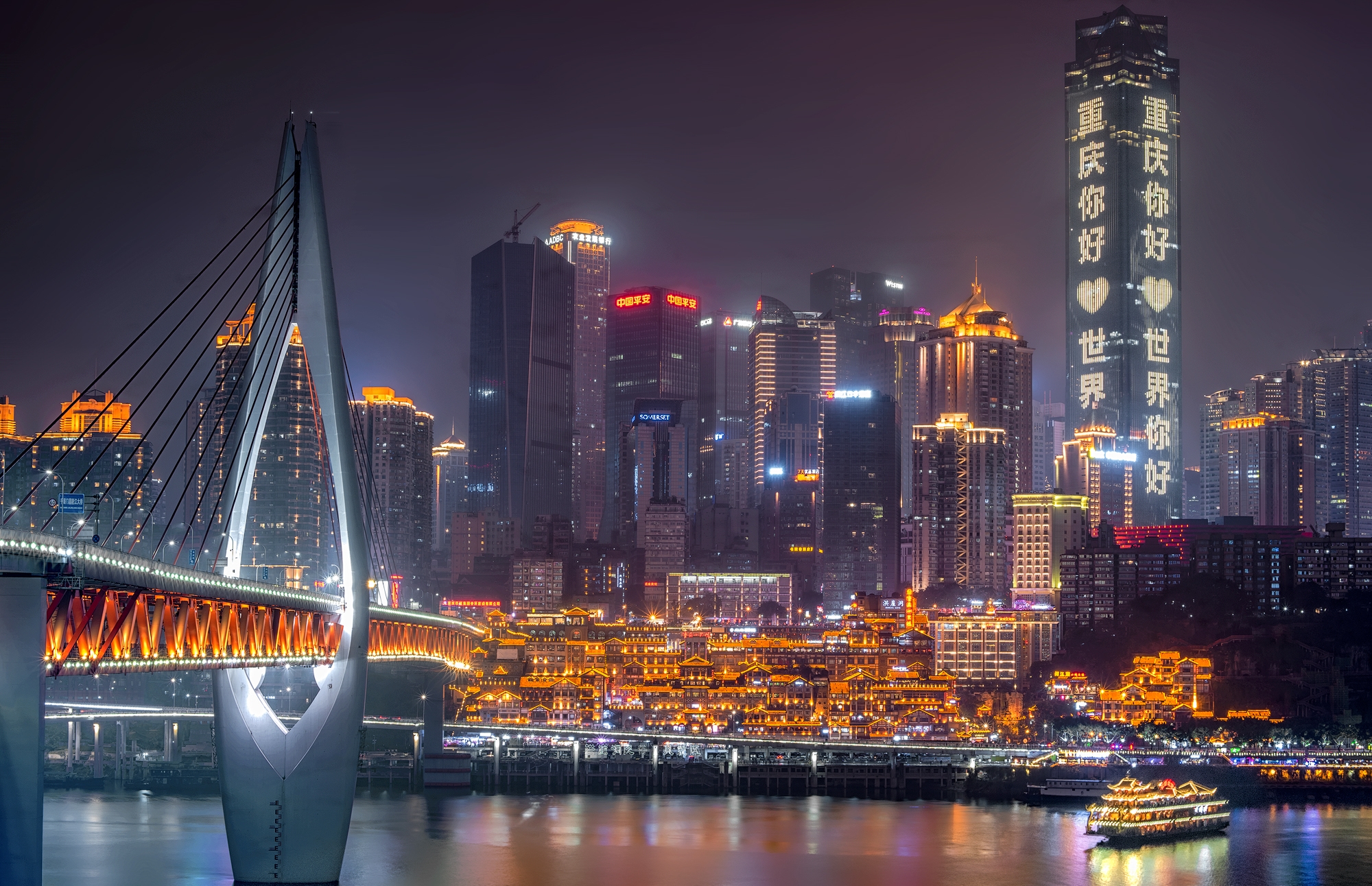
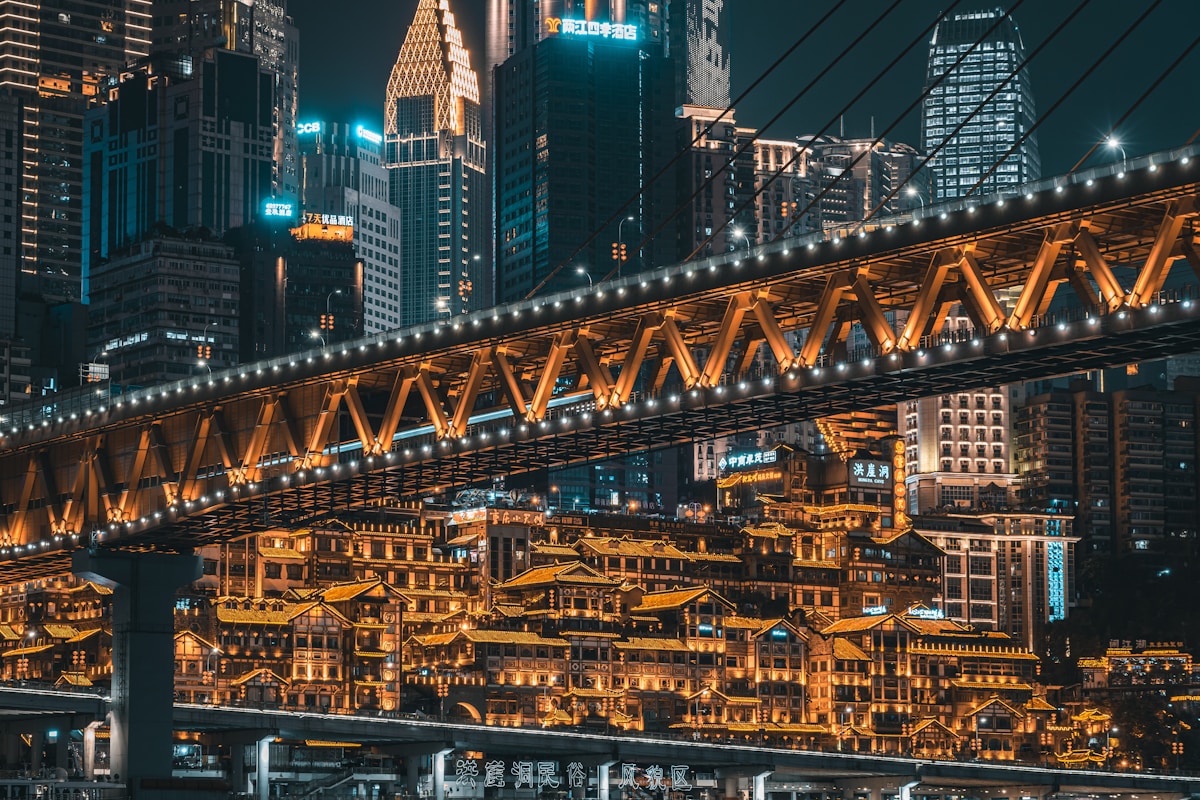
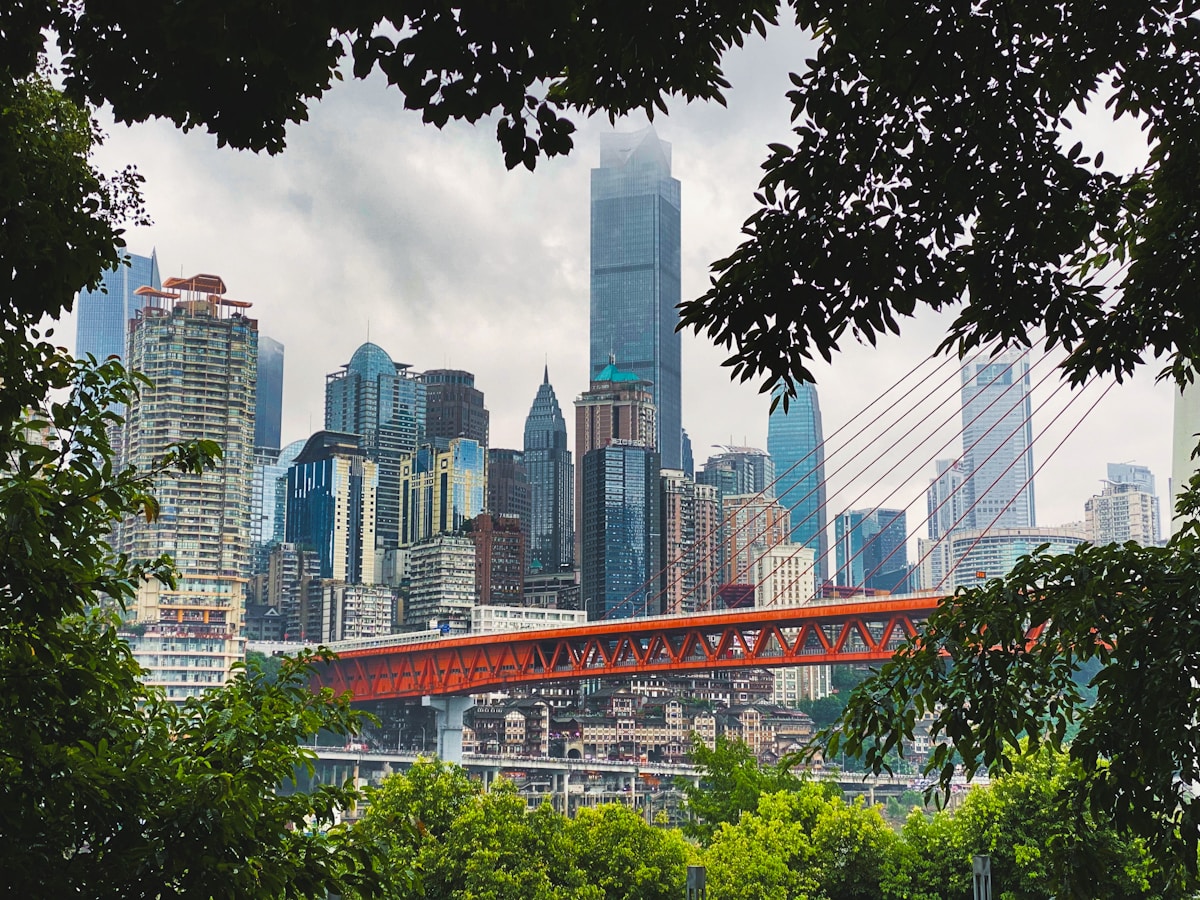
8D Magic City Architecture: Known as the ‘8D Magic City’ due to its intricate mountainous landscape that crafts a multifaceted urban vista, Chongqing also boasts breathtaking nocturnal scenery. Buildings rise from riverbanks to mountain peaks in impossible configurations. We’ve counted 22-story buildings whose “first floor” sits 200 meters above another street’s ground level.
Authentic Hotpot Culture Capital: No tourist traps here. Locals still gather in century-old teahouses. Street food vendors serve hotpot recipes passed down through generations. This is where Sichuan hotpot culture originated and remains most authentic.
Strategic Three Gorges Gateway: Perfect base for exploring the Three Gorges region. Yangtze River cruises begin here, making Chongqing your gateway to one of China’s most spectacular natural wonders.
Unbeatable Value: Luxury experiences at fraction of Beijing prices. We’ve enjoyed five-star dining experiences for $20 per person, world-class attractions with minimal crowds, and premium accommodations at budget prices.
Best Time to Visit Chongqing
Monthly Weather Overview: When to Experience the Mountain City
Chongqing experiences a subtropical monsoon climate with distinct seasons perfect for different types of mountain city adventures. Understanding Chongqing weather patterns is crucial for planning your ideal visit to this unique destination.
Month | Avg Temp (°C) | High/Low (°C) | Rainfall (mm) | Humidity (%) | Crowd Level | Best Activities |
|---|---|---|---|---|---|---|
January | 8 | 10/4 | 15-25 | 75% | Very Low | Hotpot tours, museums |
February | 10 | 13/6 | 20-30 | 78% | Low | Indoor attractions, cultural sites |
March | 15 | 18/11 | 40-60 | 80% | Medium | City sightseeing, temples |
April | 20 | 24/16 | 80-120 | 82% | Medium | Outdoor activities, hiking |
May | 25 | 28/21 | 100-140 | 85% | High | Photography, river cruises |
June | 28 | 32/24 | 180-220 | 88% | High | Indoor attractions, air-conditioned venues |
July | 30 | 35/26 | 200-250 | 90% | Peak | Underground shopping, early morning activities |
August | 30 | 35/25 | 180-220 | 88% | Peak | Evening activities, night markets |
September | 25 | 28/21 | 120-160 | 85% | High | All outdoor activities |
October | 20 | 23/16 | 60-100 | 82% | Medium | Photography, hiking |
November | 15 | 18/11 | 40-80 | 78% | Low | City exploration, cultural sites |
December | 10 | 13/6 | 20-40 | 75% | Very Low | Hotpot season, indoor experiences |
Best Time to Visit Analysis
Peak Season (March-May, September-November): Perfect balance with temperatures from 12.8°C to 25.3°C and manageable rainfall between 25-50mm
Summer Challenge (June-August): Extreme heat with temperatures reaching 27-43°C, with humidity making it feel even hotter
Winter Opportunity (December-February): Mild winters with lows around 4°C, little frost or snow, but significant fog and mist
Fog Season Considerations
Chongqing experiences 100+ foggy days annually, primarily from October to January, earning its nickname “Capital of Fog.” This creates unique photographic opportunities but can affect visibility for sightseeing.
The Architecture That Breaks Physics
Why Buildings Grow from Cliffs: The Diaojiaolou Legacy
Every first-time visitor asks the same question: “How do buildings just… hang there?” The answer lies in traditional stilted buildings, known as diaojiaolou, built to maximize space in mountainous terrain and protect against flooding.
The Deep Why: Traditional Bayu architecture adapted to Chongqing’s steep hills and riverside cliffs. Ancient builders faced the same problem modern architects do—there’s nowhere to build but up and out. The difference? They did it with wood and ingenuity instead of steel and engineering degrees.
What This Means for You: Understanding diaojiaolou isn’t tourist trivia—it’s the key to reading this city. Every seemingly impossible building placement makes sense when you realize Chongqing has been defying gravity for over 1,000 years.
Hongya Cave: Instagram Icon or Cultural Monument?
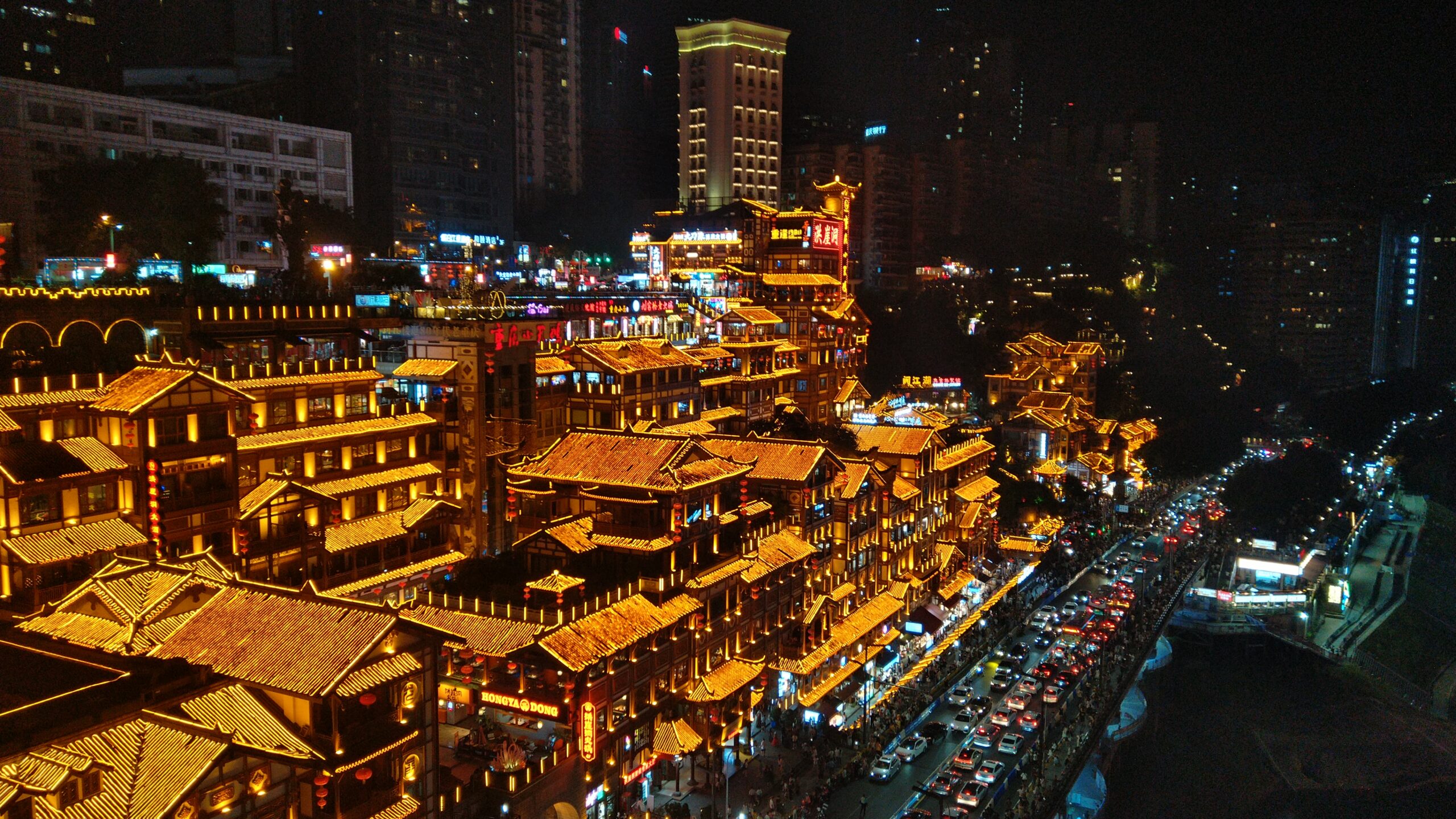
We’ve guided photography enthusiasts who spend hours at Hongya Cave and leave completely confused. They get their shots but miss the story.
The Insider’s Perspective: Hongya Cave represents traditional Ba-Yu stilt house architecture, but the current structure is a 2006 reconstruction. The original was demolished decades ago. This reconstruction controversy reveals modern China’s complex relationship with authenticity versus beauty.
Pro Photographer Tip: Skip the crowded riverside shots everyone takes. Take the elevator to the 11th floor at sunset, then work your way down. The interplay of artificial lighting with natural riverside reflections creates the most dramatic compositions between floors 4-6.
Top Chongqing Attractions 2026
Hongya Cave: Chongqing’s Most Iconic 8D Magic City Architecture
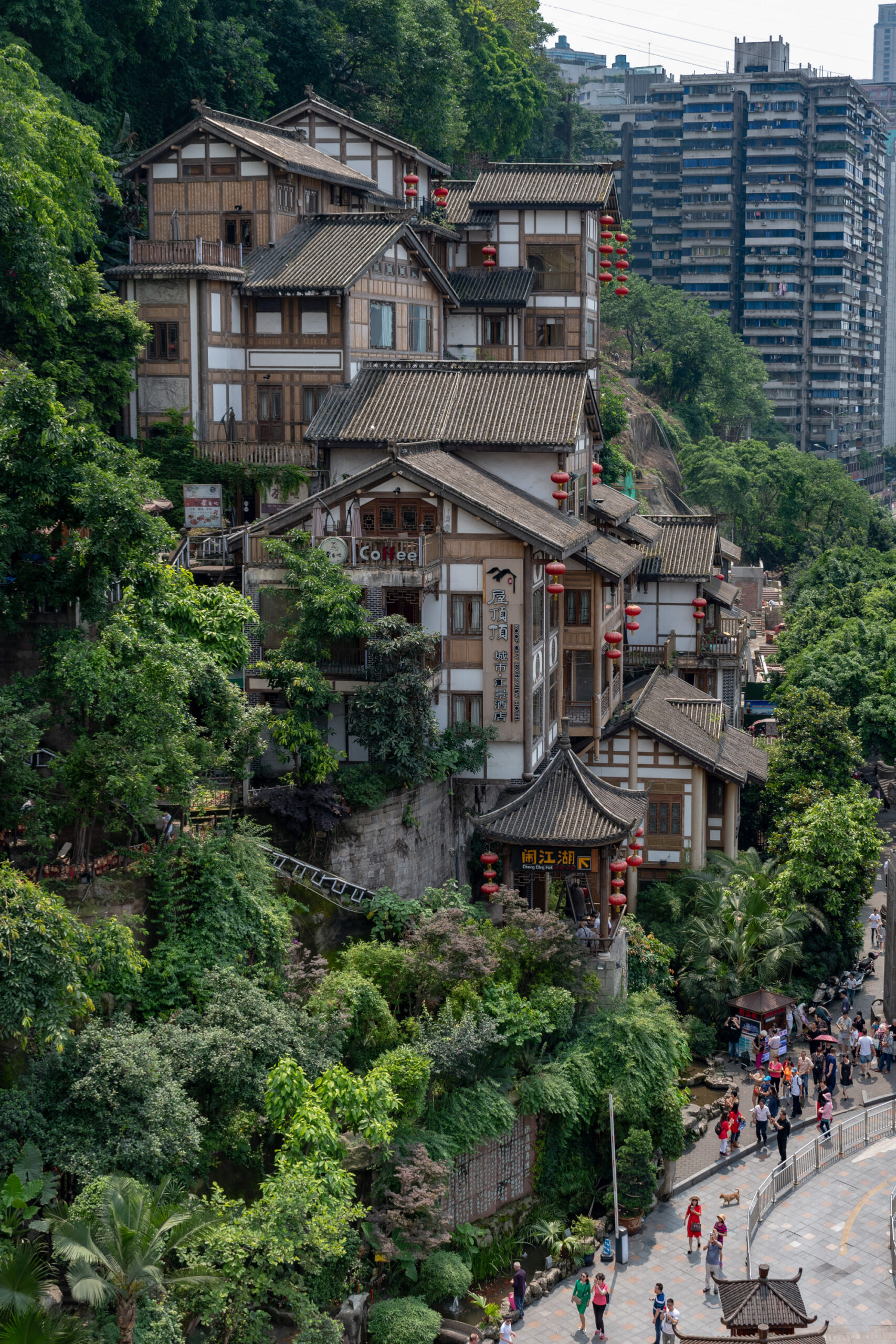
Hongya Cave stands as Chongqing’s most acclaimed attraction and represents the perfect introduction to the city’s impossible architecture. This isn’t just Instagram-worthy scenery—it’s a masterclass in traditional Ba-Yu stilt house design adapted for modern tourism.
The Insider’s Perspective: Hongya Cave showcases traditional Ba-Yu stilt house architecture, but the current structure is a 2006 reconstruction. The original was demolished decades ago. This reconstruction controversy reveals modern China’s complex relationship with authenticity versus beauty, making it a fascinating cultural study.
Best Visiting Strategy: Skip the crowded riverside shots everyone takes. Take the elevator to the 11th floor at sunset, then work your way down. The interplay of artificial lighting with natural riverside reflections creates the most dramatic compositions between floors 4-6.
Chaotianmen Square: Where Two Rivers Meet in the Mountain City
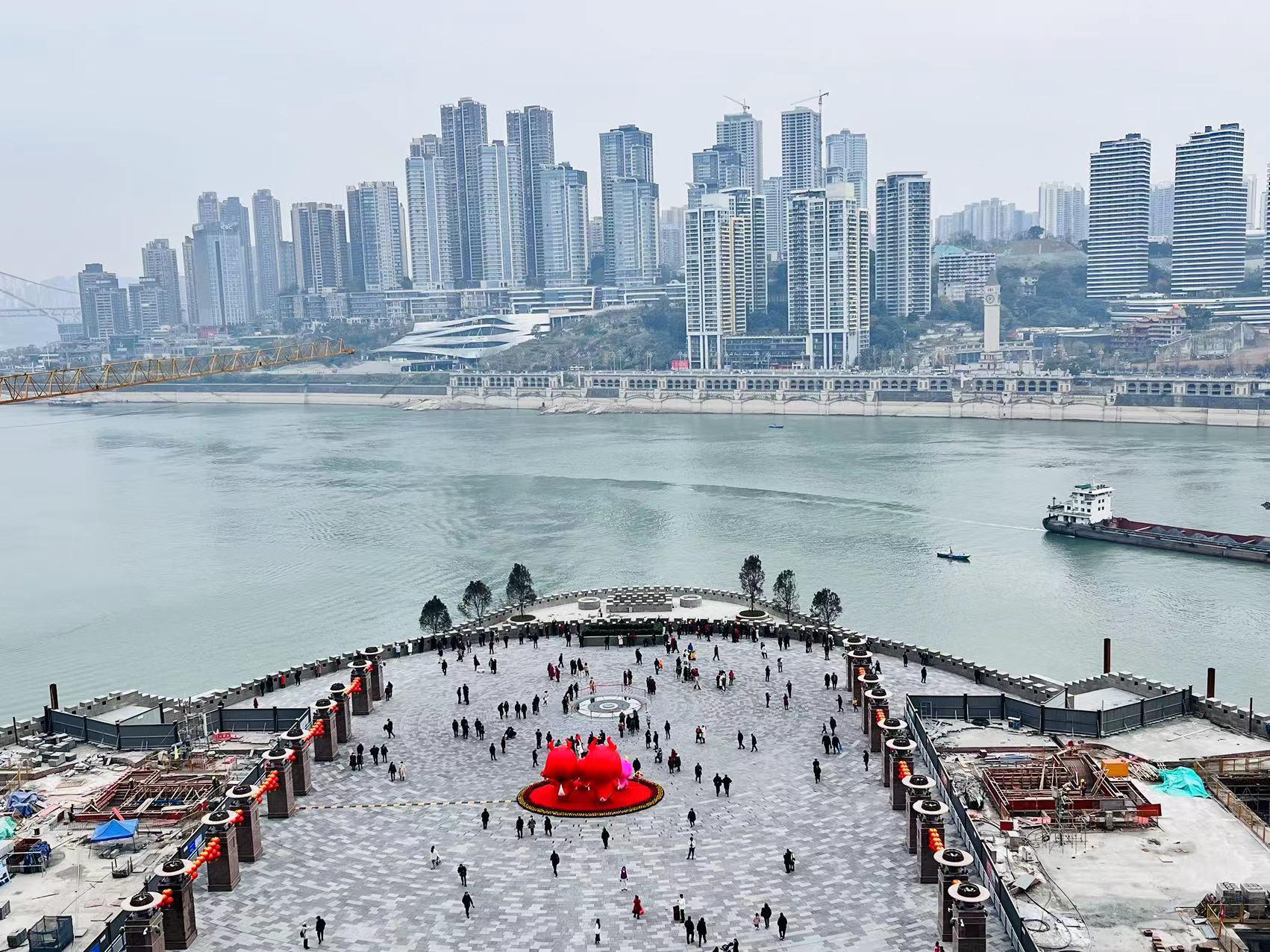
Chaotianmen Square represents the geographic and cultural heart of Chongqing, positioned at the dramatic confluence where the Yangtze River meets the Jialing River. This isn’t just another city square—it’s where you witness one of China’s most spectacular natural phenomena.
The Natural Wonder: Watch two rivers merge with dramatically different colors. Yangtze flows brown with sediment, while Jialing runs clearer blue-green. This color differential creates photographic opportunities unique to Chongqing.
Ciqikou Ancient Town: 1000-Year-Old Mountain City Heritage
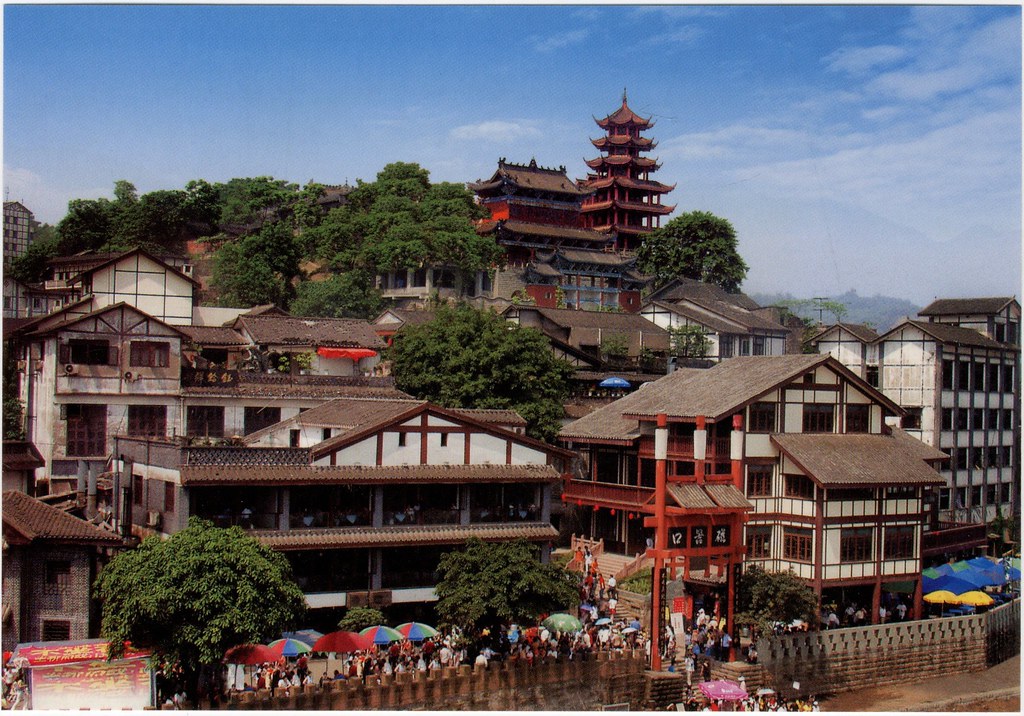
Step into Ciqikou for authentic Chongqing history spanning over 1,000 years. This ancient town survived modern development, preserving traditional mountain city architecture and culture that defines authentic Chongqing character.
Cultural Significance: Former porcelain trading hub during Ming and Qing dynasties, representing Chongqing’s historical role as a major Yangtze River commerce center.
Complete Chongqing Attractions Information Table
Attraction | Opening Hours | Ticket Price | Recommended Duration | Best Visit Time | Insider Tips |
|---|---|---|---|---|---|
Hongya Cave | 24 hours | Free | 2-3 hours | 6-9 PM for lights | Start from 11th floor, work down |
Chaotianmen Square | 24 hours | Free | 1-2 hours | Golden hour | Watch two rivers merge with different colors |
Ciqikou Ancient Town | 9:00-22:00 | Free | 3-4 hours | Weekday mornings | Avoid weekend crowds |
Jiefangbei Pedestrian Street | 24 hours | Free | 2-3 hours | Evening | Major shopping and dining hub |
Yangtze River Cable Car | 7:30-22:30 | ¥30 round trip | 30 minutes | Early morning/late afternoon | Best city panorama views |
Crown Escalator | 6:30-24:00 | ¥2 | 15 minutes | 6:30-18:00 avoiding rush hours | World’s longest outdoor escalator system |
UNESCO World Heritage Sites
Site | Distance from City | Duration | Transportation | Ticket Price | Accommodation |
|---|---|---|---|---|---|
Wulong Karst (Three Natural Bridges) | 180km (2.5 hours) | 2 days, 1 night | Tour bus/private car | ¥135 | Stay in Wulong town |
Wulong Karst (Furong Cave) | 180km (2.5 hours) | Half day | Combined with bridges | ¥120 | Temperature constant 16°C |
Dazu Rock Carvings | 165km (2 hours) | 1 day | Tour bus/private car | ¥170 | Day trip possible |
Chongqing Transportation Guide
Mastering Chongqing’s Unique Mountain City Transportation
Chongqing’s transportation system defies conventional city planning. This mountain city built the world’s most complex urban transit network, featuring monorails through buildings, cable cars across rivers, and escalators up mountainsides. Understanding this system is crucial for any successful Chongqing adventure.
The Famous Chongqing Monorail Experience

Chongqing’s monorail isn’t just efficient transportation—it’s an essential mountain city experience. Unlike standard subway systems, it reveals the city’s impossible topography and urban development patterns that make Chongqing the “8D Magic City.”
Line 2 Essential Experience: Board at Jiaochangkou, position yourself on the right side facing forward. The journey to Xinshancun offers the complete Chongqing experience: river crossings, building passages, mountain tunneling, and urban canyon navigation.
Liziba Station Insider Tip: Position yourself in the first or last car, facing the windows. When the train threads through the residential building, you’ll capture perspective shots impossible from outside. This viral phenomenon represents Chongqing’s unique solution to mountain city geography.
Transportation Mode | Operating Hours | Cost Range | Best For | Frequency |
|---|---|---|---|---|
Metro Lines 1-10 | 6:30-23:30 | ¥2-7 | City center, major attractions | 2-5 minutes |
Monorail (Lines 2,3) | 6:30-23:30 | ¥2-7 | Sightseeing, unique experience | 3-6 minutes |
Yangtze Cable Car | 7:30-22:30 | ¥30 | River crossing, views | 15 minutes |
Public Bus | 5:30-23:00 | ¥1-2 | Local neighborhoods | 10-15 minutes |
Taxi/Didi | 24 hours | ¥10+ base fare | Door-to-door convenience | On demand |
River Ferry | 7:00-19:00 | ¥2 | River crossing, budget option | 30 minutes |
Mastering Chongqing Hotpot
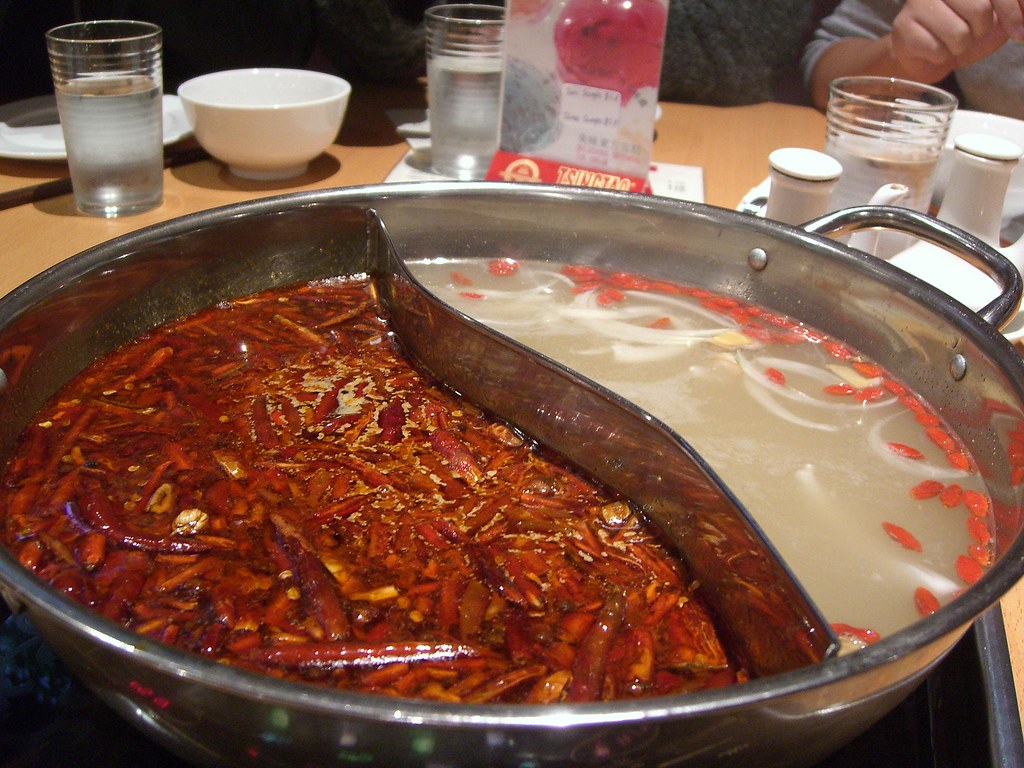
The Cultural Initiation Rite
Hotpot isn’t dinner in Chongqing—it’s a tribal initiation. We’ve watched grown adults cry into their oil dishes and couples have relationship-defining arguments over spice tolerance. This isn’t hyperbole. The broth literally changes brain chemistry, releasing endorphins that create a mild high.
The Uncomfortable Truth: Authentic Chongqing hotpot will hurt. The locals aren’t exaggerating when they warn foreigners. We once guided a group of self-proclaimed “spicy food experts” from Mexico who lasted exactly three bites before requesting milk.
DIG DEEPER: Hotpot Food: A Culinary Journey into the Heart of Chinese Food Culture
Hotpot Etiquette and Survival Guide
The Oil Dish Protocol (调油碟)
Component | Chinese | Purpose | Amount |
|---|---|---|---|
Sesame oil | 芝麻油 | Base, heat reduction | 2-3 tablespoons |
Minced garlic | 蒜泥 | Flavor enhancement | 1 teaspoon |
Cilantro | 香菜 | Fresh flavor balance | Small handful |
Fermented tofu | 腐乳 | Local secret: neutralizes capsaicin | 1/2 piece (mashed) |
Soy sauce | 生抽 | Saltiness adjustment | Light drizzle |
Oyster sauce | 蚝油 | Umami depth | 1 teaspoon |
Cooking Time Guide
Food Item | Chinese | Cooking Time | Visual/Audio Cues |
|---|---|---|---|
Thin beef slices | 牛肉片 | 10-15 seconds | Meat changes color completely |
Fresh tripe | 毛肚 | 7 ups, 8 downs | Listen for “sizzling” sound |
Duck blood | 鸭血 | 2-3 minutes | Firm but not hard |
Potato slices | 土豆片 | 3-4 minutes | Translucent edges |
Winter melon | 冬瓜 | 5-6 minutes | Soft and translucent |
Enoki mushrooms | 金针菇 | 2-3 minutes | Wilted appearance |
Restaurant Recommendations with Details
Restaurant | Location | Price Range | Spice Levels Available | Special Features | Reservation Required |
|---|---|---|---|---|---|
Dezhuang Hotpot | Multiple locations | ¥80-150 per person | Mild to Extra Hot | 24-hour operation | No |
Yang Ji Long Fu | Jiefangbei area | ¥100-200 per person | Traditional levels only | Time-honored recipes | Weekends recommended |
Qin Ma Hotpot | Nanping area | ¥60-120 per person | Customizable | Local favorite | No |
Liu Yi Shou | Chain locations | ¥70-130 per person | Tourist-friendly levels | English menu available | No |
Common Tourist Mistakes
Transportation Blunders
Mistake #1: Taking taxis everywhere. Chongqing’s traffic makes Bangkok look efficient. We’ve seen 15-minute metro rides become 90-minute taxi adventures.
The Insider Fix: Master the monorail system immediately. Line 2 isn’t just transportation—it’s entertainment. At Liziba Station, position yourself in the first or last car, facing the windows. When the train threads through the residential building, you’ll capture perspective shots impossible from outside.
Mistake #2: Attempting to walk between “nearby” attractions. Chongqing’s geography laughs at map distances. What appears as a 10-minute walk might involve 200 vertical meters and three different elevation changes.
The Professional Solution: Download the Baidu Maps app (百度地图) and select public transportation options. Google Maps fails catastrophically in Chongqing’s vertical landscape.
Cultural Missteps
Mistake #3: Treating spice levels as negotiable suggestions. When a server warns about spice level, they’re not upselling—they’re preventing medical emergencies.
True Story: We once guided a client who insisted on “authentic level spice” despite our warnings. Thirty minutes later, we were helping translate symptoms to emergency room doctors. The moral: respect local expertise.
Photography and Etiquette Errors
Mistake #4: Photography without context awareness. Chongqing locals are generally photography-friendly, but certain areas remain sensitive.
The Cultural Rule: Always ask permission before photographing people in traditional teahouses or residential areas. These spaces represent generational community hubs, not tourist attractions.
Tailored Experiences for Different Travel Styles
For Couple’s Romance (The Unexpected Love Story)
Chongqing might seem an unlikely romantic destination, but we’ve facilitated more marriage proposals here than in typical romantic cities. The key lies in shared adventure rather than passive beauty consumption.
Romantic Itinerary Table
Day | Morning (9-12) | Afternoon (2-5) | Evening (6-9) |
|---|---|---|---|
1 | Eling Park sunrise views | Cable car river crossing | Hongya Cave level 8 café |
2 | Traditional teahouse experience | Ciqikou pottery workshop | Private hotpot dinner |
3 | River ferry to both sides | Chaotianmen Square walk | Night cruise departure |
Case Study: We guided a couple from Germany who were considering breaking up due to communication issues. Navigating Chongqing’s challenges together—from ordering food without shared language to surviving authentic hotpot—restored their partnership confidence. They married eight months later.
For Solo Travelers (The Deep Dive)
Solo travel in Chongqing offers opportunities impossible in group settings. Locals engage more openly with individual visitors, especially in traditional teahouses and neighborhood markets.
Solo Travel Strategy Schedule
Time Period | Activity Type | Recommended Locations | Cultural Benefits |
|---|---|---|---|
6-8 AM | Local morning rituals | Chaotianmen Square tai chi | Direct cultural participation |
9-11 AM | Market exploration | Shapingba wholesale markets | Authentic commerce observation |
2-4 PM | Transportation mastery | Line 6 suburban extensions | Modern Chinese urban life |
6-8 PM | Community dining | University district restaurants | Natural social interaction |
For Families with Children (The Adventure Balance)
Chongqing challenges typical family travel assumptions. The city’s chaos can overwhelm children, but proper preparation creates unforgettable adventures.
Family-Friendly Solutions Table
Challenge | Child-Friendly Solution | Age Suitability | Safety Notes |
|---|---|---|---|
Spicy food | Tomato/mushroom hotpot bases | All ages | Test spice tolerance gradually |
Complex transportation | Monorail games with activity sheets | 4+ years | Always hold hands on platforms |
Language barriers | Kids translation app tutorials | 6+ years | Children learn faster than adults |
Cultural differences | Playground visits with local children | All ages | Universal play language |
Real Example: We guided a family with three children (ages 6-12) who initially worried about cultural barriers. By the end of five days, the children were ordering food independently using translation apps and teaching parents basic Mandarin phrases they’d learned from local children in playgrounds.
For Photography Enthusiasts (The Vision Quest)
Chongqing offers photographers something rare: urban landscapes that look impossible even in photographs. But capturing these images requires local knowledge and timing.
Photography Location and Timing Guide
Location | Best Time | Equipment Needs | Unique Shots Available | Difficulty Level |
|---|---|---|---|---|
Eling Park | 90 min before sunset | Tripod, wide lens | Skyline without crowds | Easy |
Nanshan Tree viewpoint | Golden hour | Telephoto lens | Classic city panorama | Moderate |
Yangtze Cable Car | 5:30 PM departure | Fast lens, stabilization | River crossing dynamics | Easy |
Liziba Station interior | Morning rush hour | Wide angle, fast shutter | Monorail through building | Moderate |
Chaotianmen docks | Early morning | Weather protection | Industrial poetry shots | Challenging |
Professional Equipment Notes: Chongqing’s humidity destroys camera equipment faster than most climates. Bring silica gel packets and waterproof storage. The city’s air pollution requires UV filters year-round, not just for lens protection but for image clarity.
Real Costs and Hidden Expenses
Comprehensive Daily Budget Analysis
Expense Category | Budget Traveler | Mid-Range Explorer | Luxury Experience |
|---|---|---|---|
Accommodation | ¥100-300 | ¥300-800 | ¥800-2000+ |
Local guesthouse | Boutique hotel | Five-star river view | |
Meals | ¥80-150 | ¥150-300 | ¥300-600+ |
Street food & local restaurants | Mixed dining experiences | High-end restaurants | |
Transportation | ¥30-50 | ¥50-100 | ¥100-300+ |
Metro & bus only | Mix of public & taxi | Private driver | |
Attractions | ¥50-100 | ¥100-200 | ¥200-500+ |
Free sites & basic entries | Standard attractions | Premium experiences | |
Miscellaneous | ¥50-100 | ¥100-200 | ¥200-400+ |
Basic necessities | Comfort items | Luxury services | |
Daily Total | ¥310-700 | ¥700-1,600 | ¥1,600-3,800+ |
Hidden Costs Most Travelers Miss
Hidden Expense | Cost Range | Why Necessary | Prevention Strategy |
|---|---|---|---|
Digital payment setup | ¥100-200 | International cards often fail | Hotel concierge assistance |
Translation app subscriptions | ¥50-100/month | Essential for authentic experiences | Download before arrival |
Spice adaptation medications | ¥150-300 | Digestive protection needed | Pharmacy visit day 1 |
Humidity protection gear | ¥200-400 | Camera and clothing protection | Purchase in home country |
Cultural gift protocols | ¥200-400 | Business cards, tea ceremony items | Research customs beforehand |
Cultural Deep Dive
The Three Gorges Connection and Cultural Impact
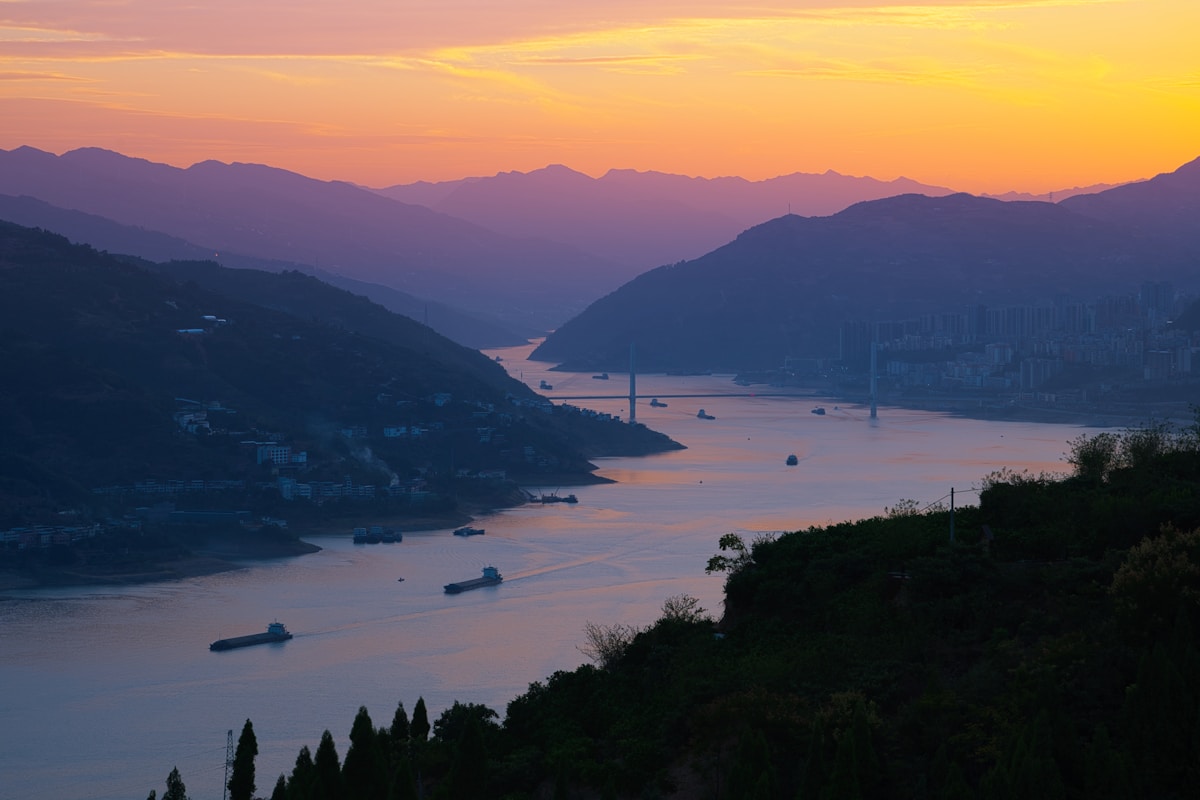
Chongqing’s identity remains inseparable from the Yangtze River and Three Gorges region. The Three Gorges Dam project displaced 1.3 million people, many relocating to Chongqing, creating cultural mixing that defines modern city character.
Traditional Culture Preservation Efforts
Cultural Element | Preservation Status | Where to Experience | Authenticity Level |
|---|---|---|---|
Traditional opera | Actively maintained | Huguang Guild Hall | High – genuine performances |
Teahouse culture | Thriving in residential areas | Neighborhood teahouses | Very High – unchanged customs |
Hotpot traditions | Commercialized but authentic | Family-run restaurants | High – recipes preserved |
Traditional crafts | Mixed preservation | Ciqikou workshops | Medium – some tourist adaptation |
Modern Urban Development Philosophy
Chongqing represents Chinese urban planning philosophy better than Beijing or Shanghai. The city demonstrates how modern China adapts international development models to local geography and culture.
Vertical Urban Planning: Space constraints forced innovative architectural solutions that other Chinese cities now copy. Chongqing pioneered multi-level urban systems now standard in Chinese mountain cities.
Chongqing’s Exclusive Deep Cultural Experiences
Authentic Dock Culture Immersion
Most visitors see Chaotianmen Square but miss the living dock culture that still pulses beneath modern Chongqing.
The “Bangbang Army” Cultural Experience
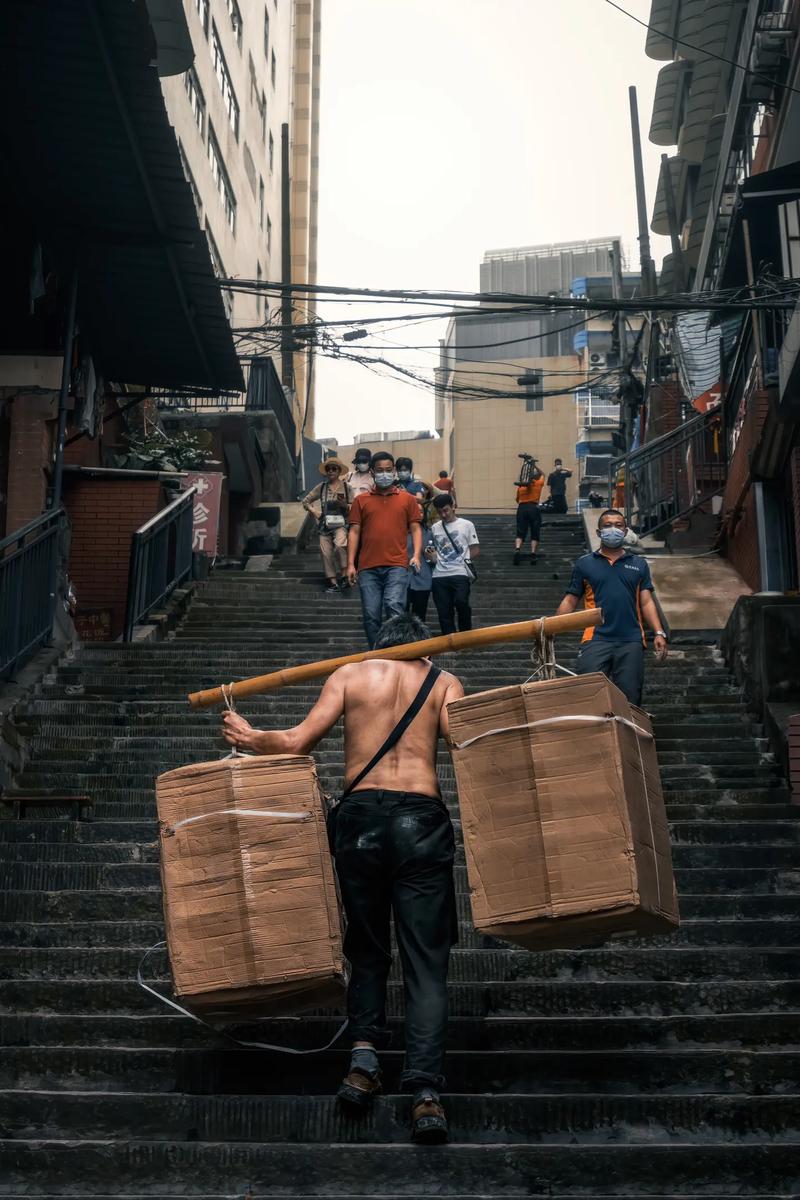
What It Is: Experience the legendary porter culture that built modern Chongqing. These human carriers, known as “bangbang” (棒棒), still operate around major markets and transport hubs.
Where to Find Them: Early morning (6-8 AM) at Chaotianmen wholesale market, Shapingba logistics center, and major construction sites throughout the city.
The Experience: We arrange supervised encounters where travelers can witness (not participate in) the traditional carrying methods that moved entire cities worth of goods up Chongqing’s impossible terrain. Local guides explain the social hierarchy, pricing systems, and cultural significance.
Cultural Insight: This isn’t poverty tourism—it’s understanding how Chongqing’s unique geography shaped an entire social system that persists despite modern alternatives.
Traditional River Life Exploration
Morning River Markets (5:30-7:30 AM): Join fishermen and wholesale buyers at floating markets along the Jialing River. Watch negotiations conducted in rapid-fire Chongqing dialect while boats bob against ancient stone steps.
Evening Riverside Social Culture: From 8-10 PM, locals gather at riverside platforms for traditional activities: card games, chess, impromptu opera singing, and community gossip sessions that date back centuries.
The Underground Chongqing Experience
Hidden Air-Raid Shelters Network

Chongqing contains the world’s largest urban network of air-raid shelters from WWII. Many now serve as unique restaurants, shops, and entertainment venues.
Exclusive Access Locations:
- Underground hotpot restaurants: Family-run establishments in converted shelters where three generations cook using original recipes
- Shelter markets: Underground bazaars where locals still shop for daily necessities
- Historical tours: Guided experiences through preserved wartime tunnels with local historians
Cultural Context: These spaces represent Chongqing’s resilience during the Japanese bombing campaigns—the city’s character was literally forged underground.
Traditional Craftsmen Workshops
Authentic Sichuan Opera Face-Changing Apprenticeship

Beyond Tourist Shows: Spend time with master performers learning the basics of this closely guarded art form. Most tourists see performances; we arrange practice sessions where you understand the technique’s complexity.
Location: Traditional opera schools in residential areas where masters still teach using apprenticeship methods unchanged for centuries.
What You Learn: Basic mask-changing techniques (simplified versions), makeup application, and the cultural stories behind different character faces.
DIG DEEPER: Sichuan Opera and Face-Changing: The Magical Art of Bian Lian
Traditional Hotpot Base Making Workshop
The Secret Arts: Learn authentic hotpot base preparation from restaurant families whose recipes span four generations. This isn’t a cooking class—it’s cultural transmission.
Process: Participate in the 12-hour process of creating authentic mala base, including spice selection, oil temperature techniques, and fermentation timing that determines authentic flavor.
Location: Family workshops in residential areas where commercial hotpot restaurants source their bases.
Seasonal Chongqing Exclusives
Cherry Blossom Season Deep Experience (March-April)
Beyond Photos: Participate in traditional spring festivals in neighborhoods where locals have celebrated cherry blossoms for generations before tourism arrived.
Unique Activity: Join community tea ceremonies under blooming trees, learn traditional flower viewing etiquette, and participate in poetry recitation sessions that locals organize annually.
Fog Season Cultural Immersion (October-January)
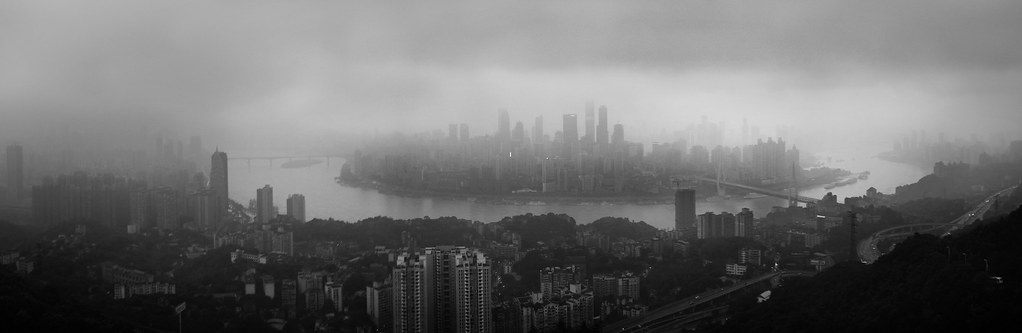
The Fog Walker Experience: Early morning guided walks through Chongqing’s famous fog with local photographers who’ve spent decades capturing the city’s mysterious moods.
Traditional Fog Culture: Learn how locals historically navigated the city during heavy fog seasons, including traditional sound navigation techniques still used by elderly residents.
Local Community Integration Experiences
Residential Neighborhood Morning Routines
Market Integration: Join local families for authentic grocery shopping in residential wet markets where no tourists venture. Learn ingredient selection techniques, price negotiation customs, and seasonal eating patterns.
Community Exercise: Participate in neighborhood morning exercise groups—tai chi in small parks, community dancing, and group calisthenics that represent authentic Chinese urban life.
Traditional Teahouse Deep Dive
Beyond Tourist Tea: Spend entire mornings in neighborhood teahouses where three generations gather daily. Learn mahjong basics, understand social hierarchies, and observe community problem-solving in action.
Cultural Protocols: Master the unwritten rules of teahouse interaction, contribution expectations, and respectful observation techniques.
Chongqing’s Underground Food Culture
Residential Building Hidden Restaurants
Experience restaurants literally hidden in residential buildings, accessible only through apartment complex courtyards.
What Makes Them Special: These establishments serve neighbors who’ve eaten there for decades. No English menus, no tourist accommodations—just authentic flavors at local prices.
The Challenge: Navigation requires local guides who know building layouts and can facilitate cultural exchange with proprietors.
Street Food Cultural Immersion
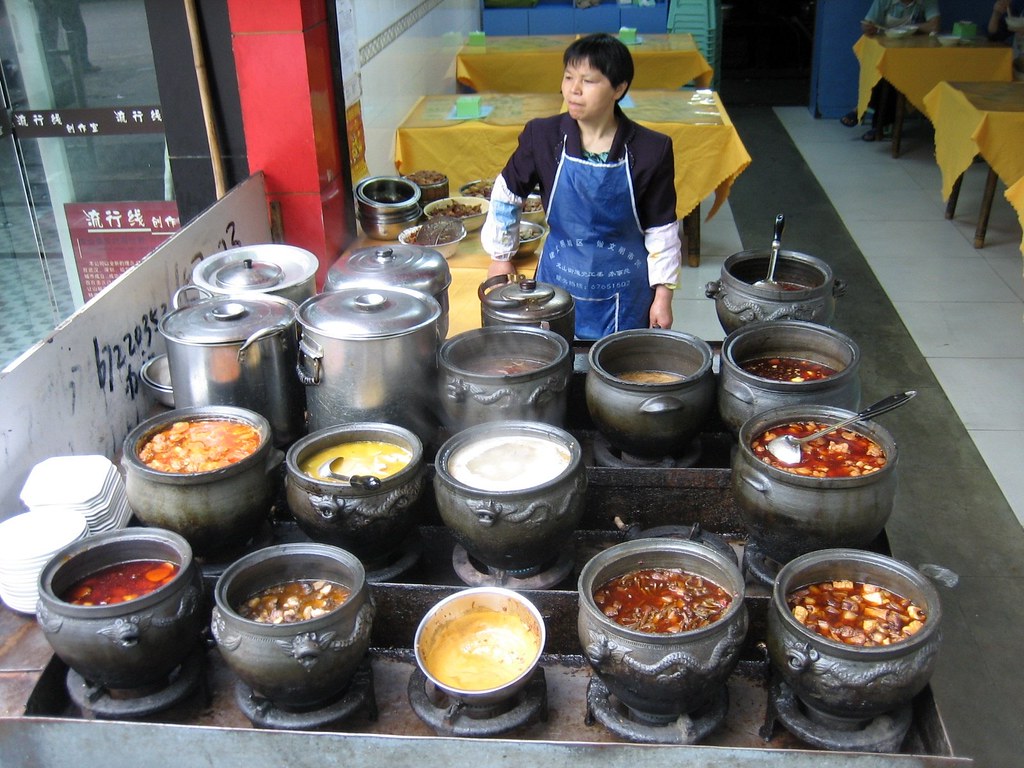
Night Market Deep Dive: Beyond typical street food sampling, understand the social ecosystem of night markets—vendor hierarchies, customer loyalties, and seasonal specialties.
Local Food Traditions: Participate in community food sharing customs, learn proper street food consumption etiquette, and understand quality indicators locals use.
Chongqing-Specific Photography Expeditions
Industrial Heritage Photography
Unique Locations: Access abandoned industrial sites that showcase Chongqing’s transformation from heavy industry to modern metropolis. These locations require local permissions and safety equipment.
Cultural Context: Understand how rapid development created layers of architectural history visible nowhere else in China.
River Confluence Documentation
The Two-River Phenomenon: Professional photography sessions at locations where Yangtze and Jialing rivers merge with dramatically different water colors—a natural phenomenon unique to Chongqing.
Technical Guidance: Local photography masters teach techniques for capturing the color differential and seasonal variations in water confluence patterns.
Authentic Neighborhood Guide

Districts Beyond Tourist Zones
District | Character | Best Experiences | Transportation Access | Safety Level |
|---|---|---|---|---|
Shapingba | University area | Student culture, cheap authentic food | Metro Line 1 | Very Safe |
Jiangbei | Middle-class residential | Family restaurants, community life | Multiple metro lines | Very Safe |
Nan’an | Emerging arts district | Galleries, independent culture | Metro Line 6 | Safe |
Beibei | Suburban authentic | Hot springs, local markets | Metro Line 6 extension | Safe |
Local Etiquette and Cultural Protocols
Situation | Appropriate Behavior | What to Avoid | Cultural Significance |
|---|---|---|---|
Teahouse visits | Accept offered tea, tap table to acknowledge service | Refusing tea service | Shows respect for hospitality |
Hotpot dining | Share serving utensils, cook food for elders | Eating from shared spoons | Demonstrates social harmony |
Photography | Ask permission, especially of elderly people | Photographing without consent | Respects personal privacy |
Gift giving | Small cultural items from home country | Expensive gifts that create obligation | Builds cultural bridges |
Transportation Mastery
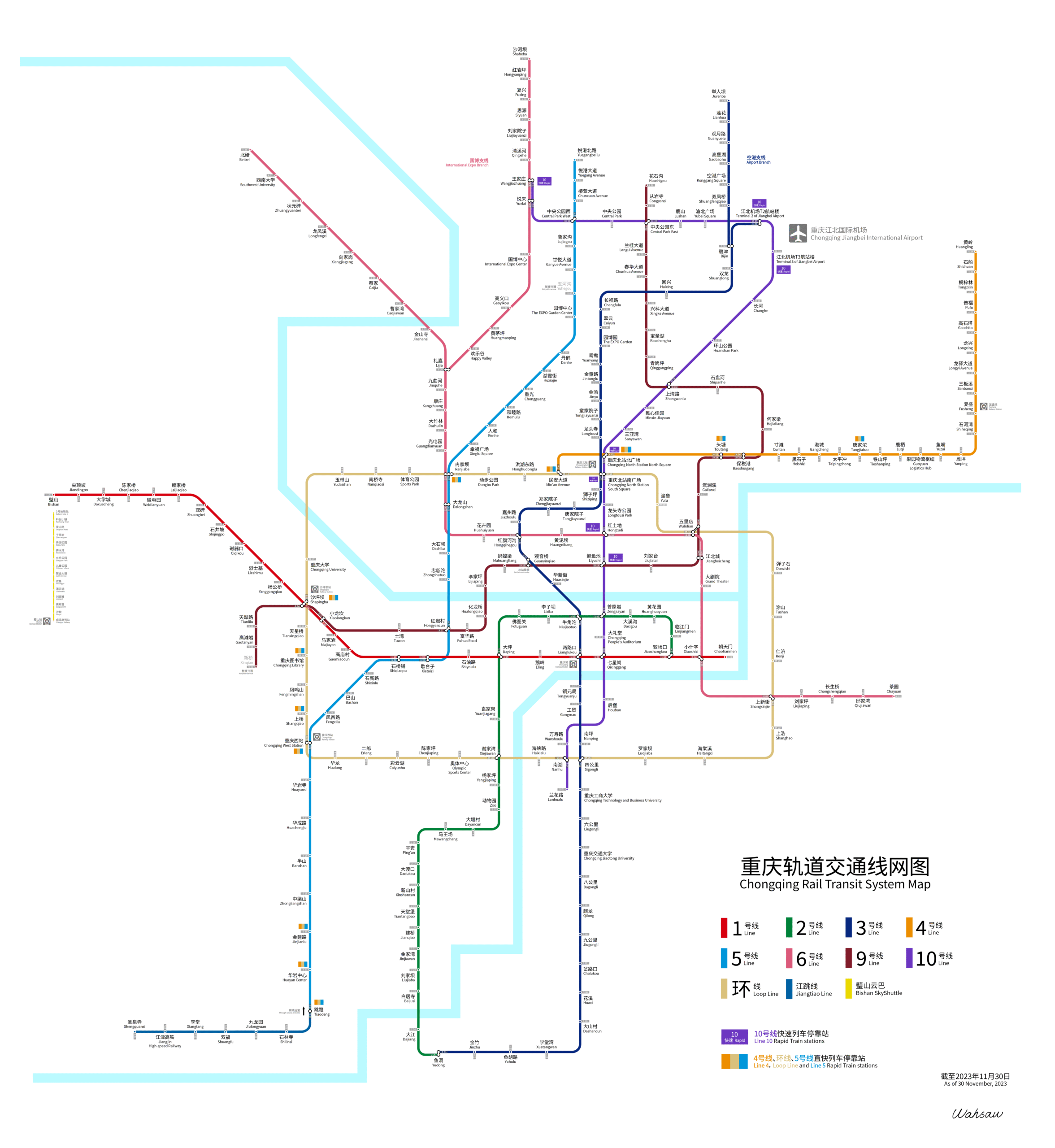
Metro and Monorail Network Details
Line | Key Stations | Unique Features | Tourist Value | Operating Hours |
|---|---|---|---|---|
Line 1 | Shapingba, Jiaochangkou | Underground system | Shopping districts | 6:30-23:30 |
Line 2 | Jiaochangkou, Liziba, Linjiangmen | Monorail through buildings | Essential experience | 6:30-23:30 |
Line 3 | Jiulongpo, Nanping, Yudong | Longest monorail line | Suburban exploration | 6:30-23:30 |
Line 6 | Beibei, Hongqi River, Lijiatuo | Suburban extension | Authentic neighborhoods | 6:30-23:30 |
Alternative Transportation Options
Mode | Cost | Best Use | Unique Experience | Booking Method |
|---|---|---|---|---|
Yangtze Cable Car | ¥30 round trip | River crossing views | Historic transportation | On-site purchase |
Public ferry | ¥2 | Budget river crossing | Local commuter experience | On-site purchase |
Crown Escalator | ¥2 | Hillside navigation | World’s longest outdoor escalator | On-site purchase |
Traditional taxi | ¥10+ starting fare | Door-to-door service | Local driver interaction | Street hailing |
Shopping and Cultural Acquisition
Traditional Crafts and Authentic Purchases
Item Category | Price Range | Where to Buy | Authenticity Markers | Cultural Value |
|---|---|---|---|---|
Shu Brocade | ¥500-5000+ | Certified artisan workshops | Complex patterns, silk quality | 2000+ years of tradition |
Local pottery | ¥50-500 | Ciqikou artist studios | Watch artisans work | Traditional techniques |
Hotpot ingredients | ¥20-200 | Local markets vs tourist shops | Packaging in Chinese only | Authentic flavors |
Traditional tea | ¥100-1000+ | Specialized tea shops | Origin certification | Regional specialties |
Modern Cultural Items
Category | Best Locations | Price Range | Cultural Insight |
|---|---|---|---|
Contemporary literature | University bookstores | ¥30-150 | Modern Chinese thought |
Local music | Independent music stores | ¥50-200 | Regional artistic expression |
Design objects | Arts district boutiques | ¥100-800 | Contemporary Chinese aesthetics |
Fashion items | Independent designers | ¥200-2000+ | Modern Chinese fashion trends |
Extended Itinerary Options
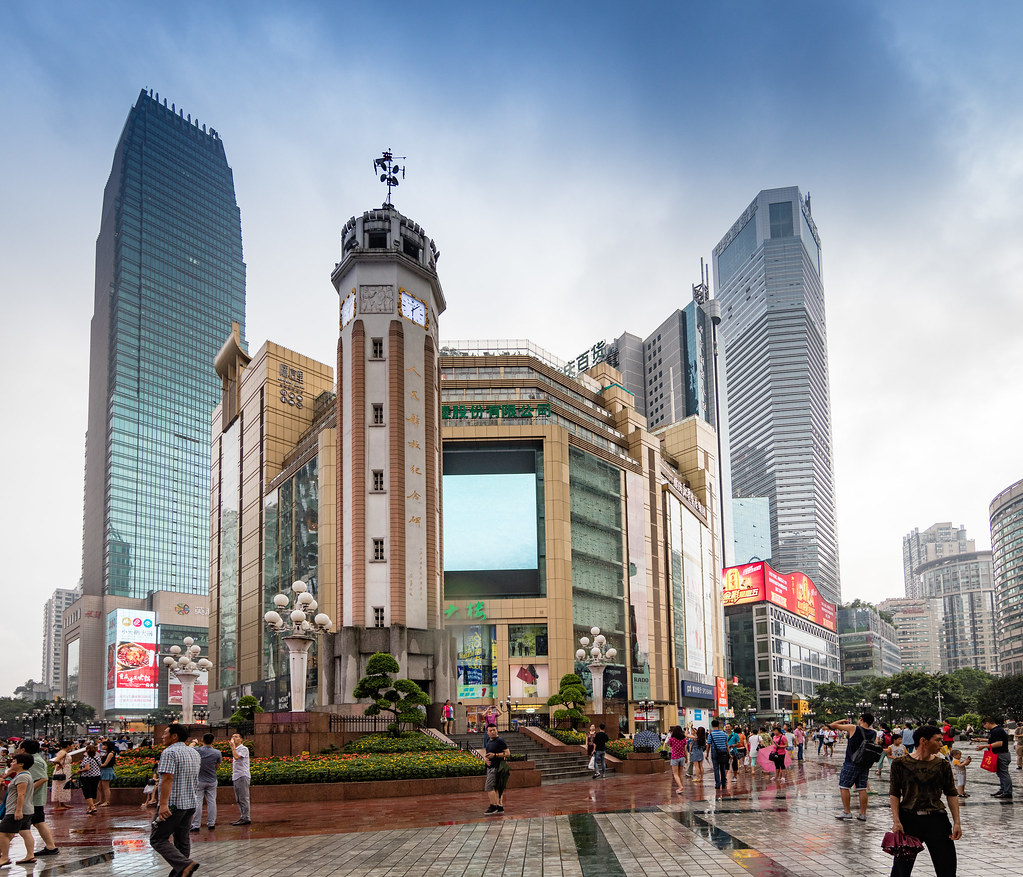
3-Day Chongqing Highlights
Day | Morning | Afternoon | Evening |
|---|---|---|---|
1 | Hongya Cave exploration | Jiefangbei pedestrian area | Authentic hotpot experience |
2 | Ciqikou Ancient Town | Cable car and river views | Traditional teahouse with opera |
3 | Three Gorges Museum | People’s Hall and surroundings | Farewell dinner cruise |
5-Day Cultural Immersion
Day | Focus | Main Activities | Accommodation |
|---|---|---|---|
1-2 | Urban exploration | Follow 3-day highlights above | City center hotel |
3 | Natural wonders | Wulong Karst day trip | Return to city |
4 | Cultural heritage | Dazu Rock Carvings | Overnight in Dazu |
5 | River culture | Return via scenic route, river activities | City center |
7-Day Complete Experience
Days | Theme | Key Experiences | Base Location |
|---|---|---|---|
1-3 | City mastery | Urban attractions, food culture | Central Chongqing |
4-5 | UNESCO sites | Wulong and Dazu exploration | Mixed accommodation |
6-7 | River journey | Three Gorges cruise preparation/departure | Riverside hotels |
Frequently Asked Questions
How do I handle the spice levels without looking like a tourist?
We’ve guided clients through this challenge hundreds of times. Start with “微辣” (wei la – mildly spicy) regardless of your perceived spice tolerance. Authentic Chongqing mild spice often exceeds what most international visitors consider “hot.”
Professional Strategy: Order cooling ingredients with spicy dishes—winter melon, tofu, and clear noodles help absorb oil and reduce heat. This shows cultural understanding rather than spice avoidance.
Can I really experience authentic culture without speaking Mandarin?
Yes, but it requires strategic preparation. We recommend learning 20-30 essential phrases before arrival, downloading offline translation apps, and embracing gestural communication.
Cultural Reality: Many elderly locals appreciate any attempt at Mandarin, regardless of accuracy. Your effort demonstrates respect, which opens cultural doors that perfect grammar cannot.
What’s the real cost difference between budget and mid-range travel?
Based on our client experiences, the daily difference ranges from ¥400-900 RMB per person. The primary factors are accommodation location, dining choices, and transportation preferences.
Value Analysis: Mid-range spending typically provides significantly better cultural access and comfort without the premium pricing of luxury options.
How do I avoid tourist traps while still seeing major attractions?
The key lies in timing and approach rather than destination avoidance. Major attractions offer authentic experiences when visited strategically.
Insider Strategy: Visit popular destinations during off-peak hours, engage with local visitors rather than tour groups, and observe how locals interact with the same spaces.
Is the summer heat really as challenging as described?
We’ll be direct: summer in Chongqing tests even experienced travelers from tropical countries. July-August regularly exceed 40°C with extreme humidity.
Survival Reality: Plan indoor activities during 11 AM-4 PM, carry water constantly, and seek air-conditioned spaces regularly. The discomfort is real but manageable with proper preparation.
What are the most common mistakes first-time visitors make?
Top 3 Mistakes:
1. Underestimating spice levels and geographic distances
2. Relying on taxis instead of mastering public transportation
3. Rushing through without allowing time for cultural immersion
Prevention Strategy: Trust local advice, invest time in transportation system mastery, and build flexibility into your schedule.
How do I prepare for the humidity and its effects?
Chongqing’s humidity affects everything from clothing to camera equipment. Pack moisture-wicking fabrics, waterproof storage, and expect daily laundry needs.
Equipment Protection: Bring silica gel packets for electronics, quick-dry clothing materials, and anti-fungal items for extended stays.
What cultural gifts should I bring from home?
Small, culturally representative items work best. Local tea, regional specialties, or items showcasing your country’s culture create positive connections without creating obligation.
Avoid: Expensive items that make recipients uncomfortable, religiously sensitive objects, or perishable foods that might not pass customs.
How reliable is internet access and digital connectivity?
WiFi widely available in hotels, restaurants, and public spaces. Mobile data coverage excellent throughout urban areas. VPN required for accessing certain international websites.
Practical Tip: Download offline maps and translation apps before arrival. Purchase local SIM card or international roaming package for reliability.
What should I pack specifically for Chongqing’s unique challenges?
Essential Items: Moisture-wicking clothing, comfortable walking shoes for steep terrain, digestive medications for spice adaptation, portable umbrella for sudden weather changes, and waterproof storage for electronics.
Climate-Specific: Layers for air-conditioned spaces, sun protection for high altitude UV, and quick-dry materials for humidity management.
Final Word: A Journey of Discovery
Chongqing is not just a destination. It’s an experience. It challenges your senses. It invites you to step outside your comfort zone. We have spent years uncovering its secrets. We have a deep love for this incredible city. It’s a love we want to share with you. Our promise is simple. We will give you an authentic, unforgettable, and truly effortless journey.
If you’re ready to see the real Chongqing, we are here to guide you.