Beijing Itinerary Guide: From 1 Day to 7 Days
Planning your Beijing itinerary starts with one question: given your available days, what should it actually look like?
We are Travel China With Me, an inbound China tour company running Beijing tours since 2006. Pick your available days from the table below and read the relevant sections — whether you have one day or seven, you’ll leave with a plan that works on the ground.
Table of Contents
1. Understanding Beijing’s Layout
Beijing is enormous — 16,410 square kilometres. The attractions most visitors come for are spread across the city, and the distances between them have real consequences for how you plan your days.
The core imperial sites — Tiananmen, Forbidden City, Jingshan Park, Temple of Heaven — sit in the central and southern districts. The Summer Palace and Ming Tombs are in the northwest, 15–50 km out. The Great Wall sections are 70–130 km outside the city. The 798 Art District is in the northeast. Gubei Water Town is 130 km away.
Above everything else: cluster your days geographically. A trip that looks like 20 minutes on Google Maps takes 90 minutes in Beijing rush hour. Never zigzag across the city in a single day. We always group the central imperial sites together, the northwest sites together, and the Great Wall as a standalone full day.
Also note: the Forbidden City is closed every Monday. This catches visitors out every week. If you arrive on a Sunday, don’t plan the palace for Monday.
For where to stay, see our Beijing accommodation guide. Your neighbourhood choice affects how much time you lose on transport each day.
2. How to Use This Guide
Before you start building your itinerary: advance booking is non-negotiable. The Forbidden City releases tickets exactly 10 days ahead at 8:00 AM Beijing time. During peak seasons they sell out within minutes. See our China attraction ticket booking guide for how to navigate the booking systems as a foreigner.
We divide Beijing’s attractions into two types: full-day anchors and half-day additions.
Attractions are listed in recommended priority order within each group — if your time is limited, choose from the top. Build your itinerary by selecting full-day anchors first, then filling the remaining time with half-day additions that are geographically close to your anchor for that day.
Full-Day Anchors
# | Attraction | Best For |
|---|---|---|
1 | Forbidden City + Jingshan Park | Everyone — the non-negotiable starting point |
2 | Great Wall — Mutianyu | Most first-time visitors |
3 | Great Wall — Badaling (+ Ming Tombs option) | Families, wheelchair users, history lovers |
4 | Great Wall — Jinshanling | Hikers, photographers |
5 | Gubei Water Town + Simatai Great Wall night tour | Repeat visitors, couples |
Half-Day Additions
# | Attraction | Best For |
|---|---|---|
1 | Temple of Heaven | Everyone, especially for seeing local daily life |
2 | Beijing Hutongs | Travelers wanting Beijing beyond the imperial sites |
3 | Summer Palace | Garden lovers, families |
4 | Lama Temple (Yonghe) | Tibetan Buddhism, religious architecture |
5 | National Museum of China | History enthusiasts; free, advance reservation required |
6 | Shopping (Wangfujing, Silk Street, Sanlitun, Dashilanr, Panjiayuan) | All types |
7 | Olympic Park — Bird’s Nest + Water Cube | Families, architecture lovers |
8 | Universal Studios Beijing | Families with children; allow a full day |
9 | Tiananmen flag raising ceremony | Anyone curious about Chinese national identity |
10 | 798 Art District | Contemporary art lovers; best later in the trip |
Match Your Days to What to Include
Total Days | Suggested Combination |
|---|---|
1 day | Forbidden City + Jingshan Park |
2 days | Forbidden City + Jingshan / Temple of Heaven + Hutongs |
3 days | Forbidden City + Jingshan / Great Wall / Temple of Heaven + Summer Palace + Hutongs |
4–5 days | All above + Lama Temple + National Museum + Shopping |
6–7 days | All above + Gubei Water Town + Simatai night tour + 798 Art District |
If you only have one day, don’t try to cover multiple zones. One well-planned day at the Forbidden City and Jingshan Park is a complete and meaningful experience on its own.
Itinerary Structure · At a Glance
How Your Beijing Days Stack Up
Each bar shows the recommended mix of full-day anchors and half-day additions per total trip length.
3. Full-Day Anchors
1. Forbidden City + Jingshan Park
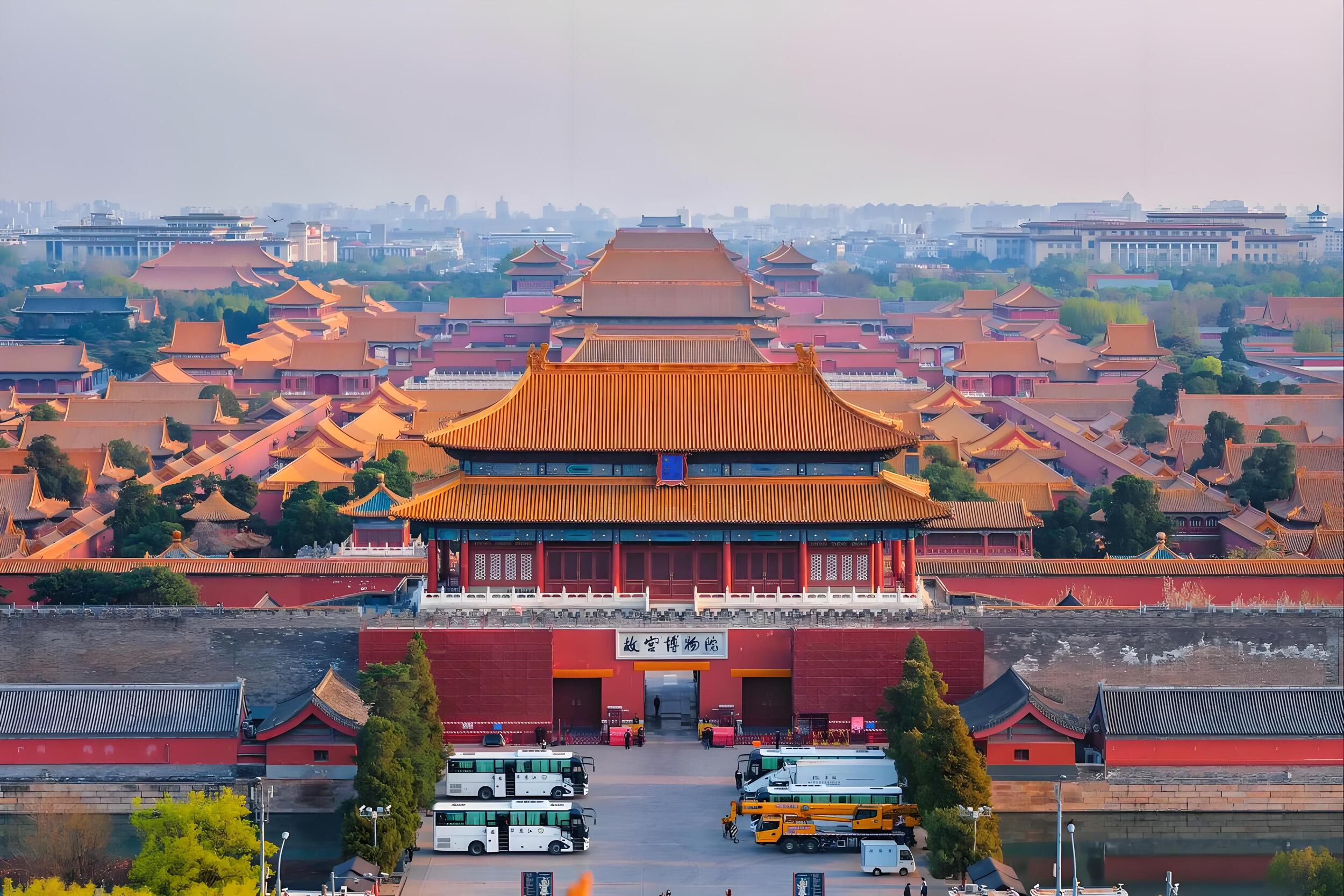
Time needed: 1 full day Best for: Everyone — the non-negotiable anchor of any Beijing visit Closest subway: Tiananmen East (Lines 1 & 2) Booking: Required — 10 days in advance via WeChat mini-program “故宫博物院”. Sells out fast in peak season.
The Forbidden City is the centre of any Beijing itinerary. Allow four hours inside — that’s realistic, not generous. Follow the central axis from the Meridian Gate through the Hall of Supreme Harmony to the Imperial Garden at the north end. Don’t try to cover the side halls on a first visit.
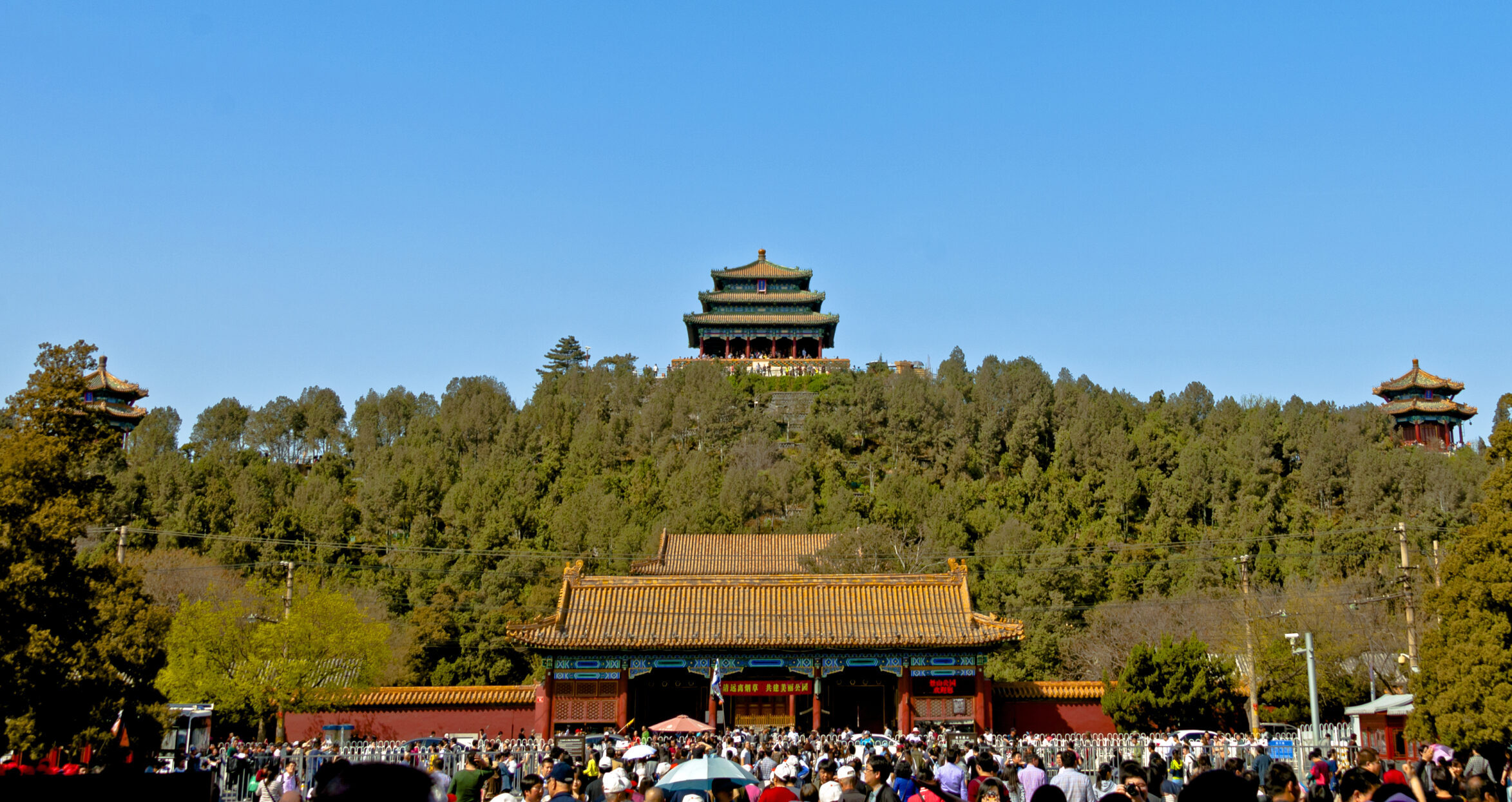
Exit from the north gate (Shenwumen) and walk directly into Jingshan Park. The climb to Wanchun Pavilion takes ten minutes. What you see from the top — the entire Forbidden City on its central axis, stretching south to Tiananmen — is the single most clarifying view in Beijing. Everything you spent four hours walking through suddenly makes sense as a designed whole. Entry is ¥2.
Start your morning at Tiananmen Square before entering the palace. The square is 440,000 square metres — standing there before the crowds arrive gives you a sense of Beijing’s scale that no photograph captures.
Why this combination: Forbidden City and Jingshan are physically connected — you exit one and walk into the other. They work as a single experience: ground level first, then the whole picture from above. One of the few pairings in Beijing where the second site directly completes the first.
A note for travelers less interested in history: In March 2026, we guided a young American couple through the Forbidden City. About halfway through, the wife told us she was finding it hard to engage — too much marble, too many halls, not enough context that felt personal to her. They cut the palace visit short and spent the afternoon shopping at Silk Street instead. That was the right call for them. If you know going in that you're more drawn to food, shopping, or contemporary city life than to imperial history, build that into your plan from the start. The Forbidden City rewards genuine curiosity about Chinese history. Without it, two hours along the central axis is enough — don't force four.
2. Great Wall — Mutianyu
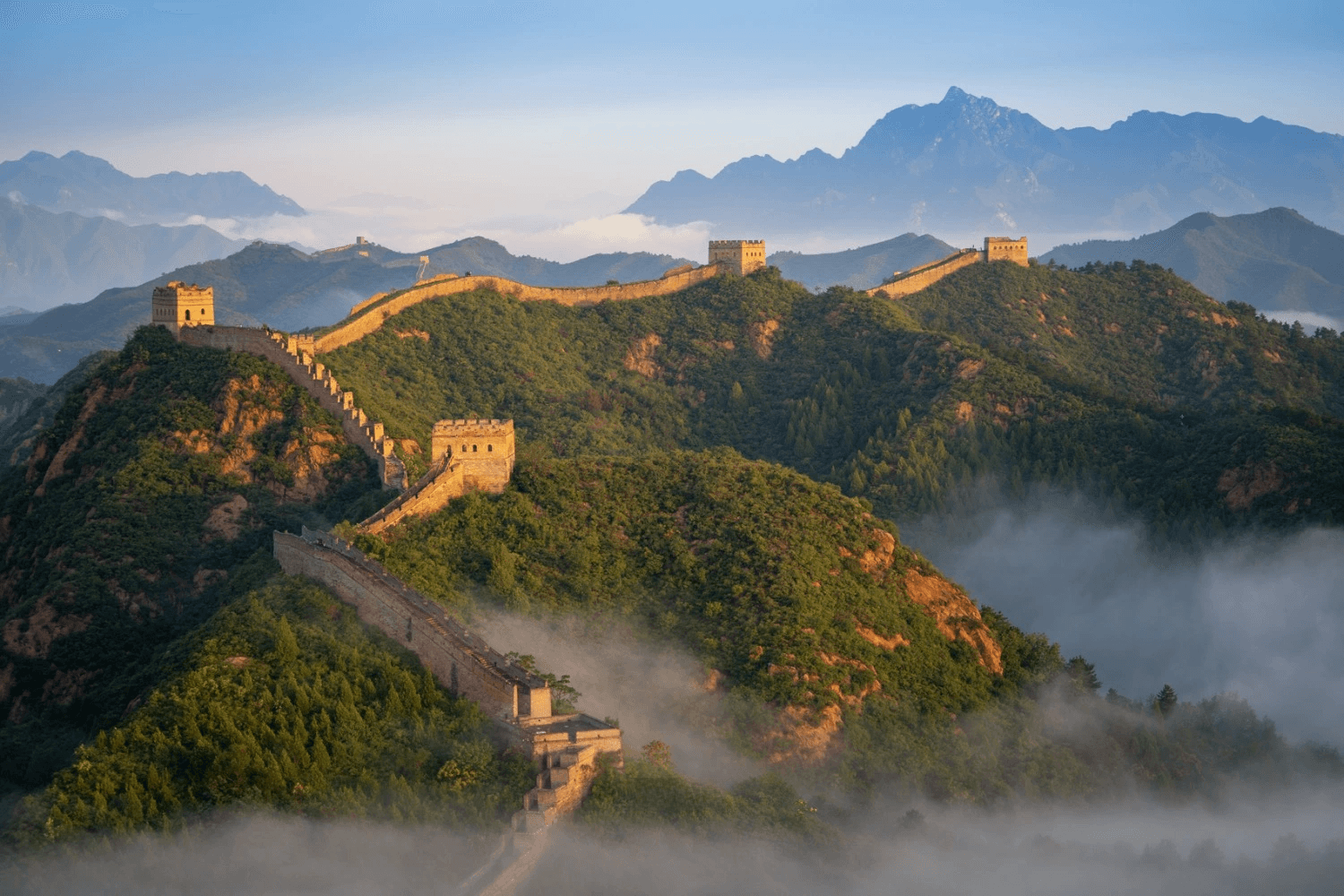
Time needed: 1 full day Best for: Most first-time visitors — the best balance of authenticity, scenery, and convenience Distance: 73 km northeast of downtown Booking: Via WeChat mini-program “慕田峪长城”
Mutianyu is our first recommendation for most visitors. Original Ming Dynasty architecture, significantly less crowded than Badaling, cable car up and toboggan descent available (note: the toboggan is restricted to travelers under 60). Leave your hotel by 7:30 AM.
In September 2025, we took a Belgian couple from Beijing Capital Airport directly to Mutianyu — their flight landed at 5:30 AM and they reached the wall before 8:00. Empty wall, morning mist still sitting in the valleys, just the two of them. That kind of morning doesn’t happen at 10:00 AM.
3. Great Wall — Badaling (+ Ming Tombs option)
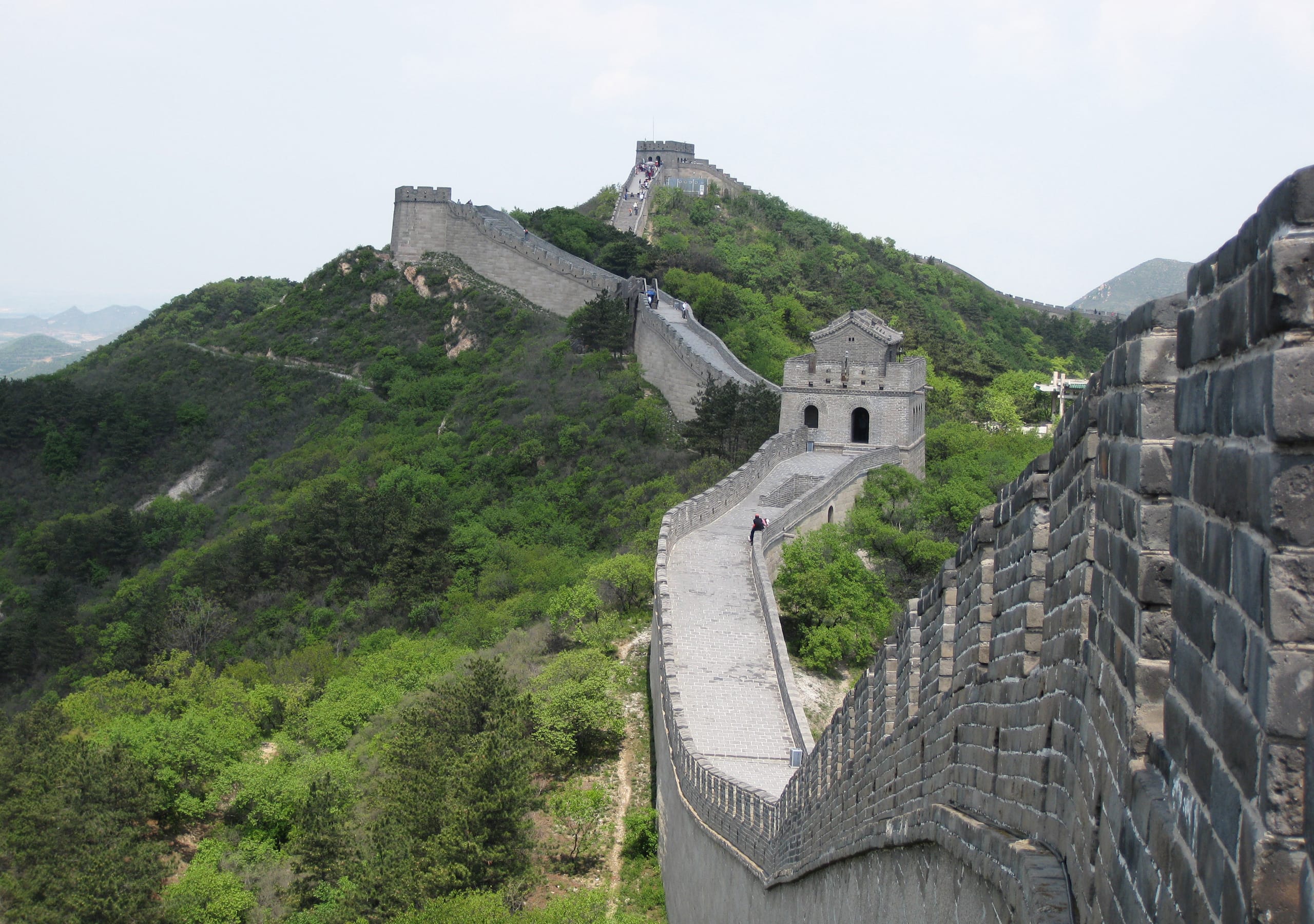
Time needed: 1 full day Best for: Families, first-timers, visitors with mobility needs, and history lovers who want to combine with the Ming Tombs Distance: 70 km northwest of downtown Booking: Required via WeChat mini-program “八达岭长城”
Badaling is the most visited section in China — fully restored, strong infrastructure, cable car, and the best accessibility facilities of any Great Wall section. In April 2026, we arranged a visit for Tony and his wife from Australia — she uses a wheelchair and had dreamed of visiting China for years. She completed the entire visit by wheelchair and told us afterward it was one of the best days of her life.

Combine with Ming Tombs (recommended): Badaling is in the northwest, 30 minutes by car from the Ming Tombs in Changping. Visit the Ming Tombs and Sacred Way in the morning (8:30–11:30), then drive to the wall in the afternoon. Both sites are Ming Dynasty imperial projects — the morning gives you the ending of the dynasty (the tombs); the afternoon gives you the ambition that defined it (the wall).
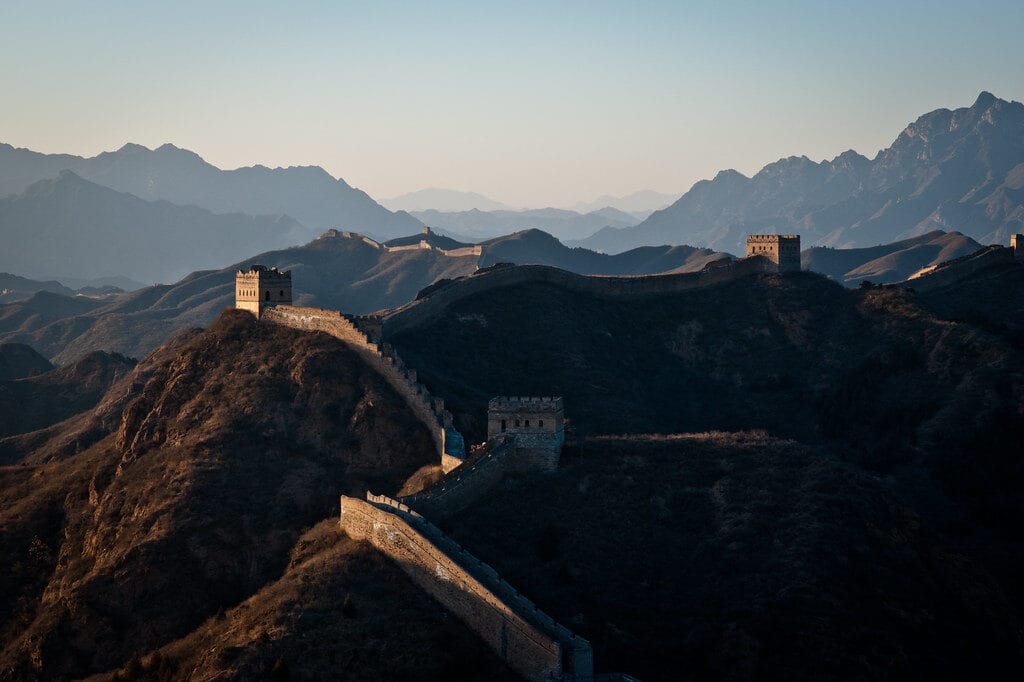
Alternatively, Juyongguan (居庸关) pairs equally well with the Ming Tombs — it’s even closer to Changping than Badaling, less crowded, and one of the most strategically important passes in the entire wall system. A good choice if you want to avoid Badaling’s peak crowds.
Caution: The Ming Tombs combination is physically demanding — long walks at both sites. Not recommended for groups with limited mobility.
4. Great Wall — Jinshanling
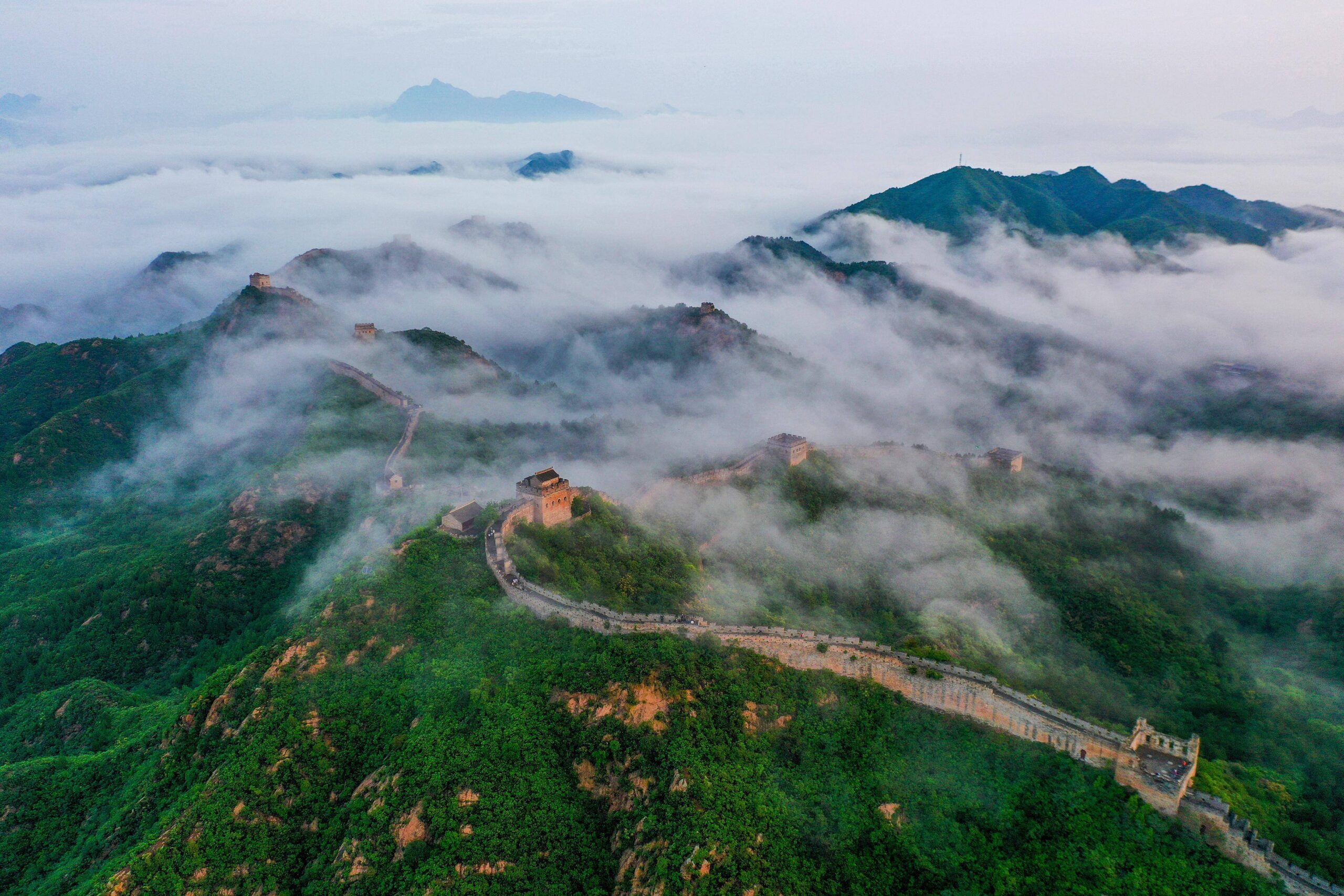
Time needed: 1 full day Best for: Hikers and photographers who want solitude and a wilder wall experience Distance: 130 km northeast of downtown Booking: Not required, but go early
Jinshanling is raw, partially unrestored, and far quieter than either Mutianyu or Badaling. The wall here follows steep ridge lines with long drops on both sides — dramatic at any time of year, extraordinary at sunrise. Allow a full day including 2.5 hours of travel each way. Private car recommended; public transport is limited.
See our Great Wall of China guide for a full overview, or our Great Wall sections comparison if you’re deciding between sections.
Great Wall Sections · Comparison
Which Great Wall Section Is Right for You?
Scores are relative ratings (1–5) based on our team’s first-hand experience across all sections.
5. Gubei Water Town + Simatai Great Wall Night Tour
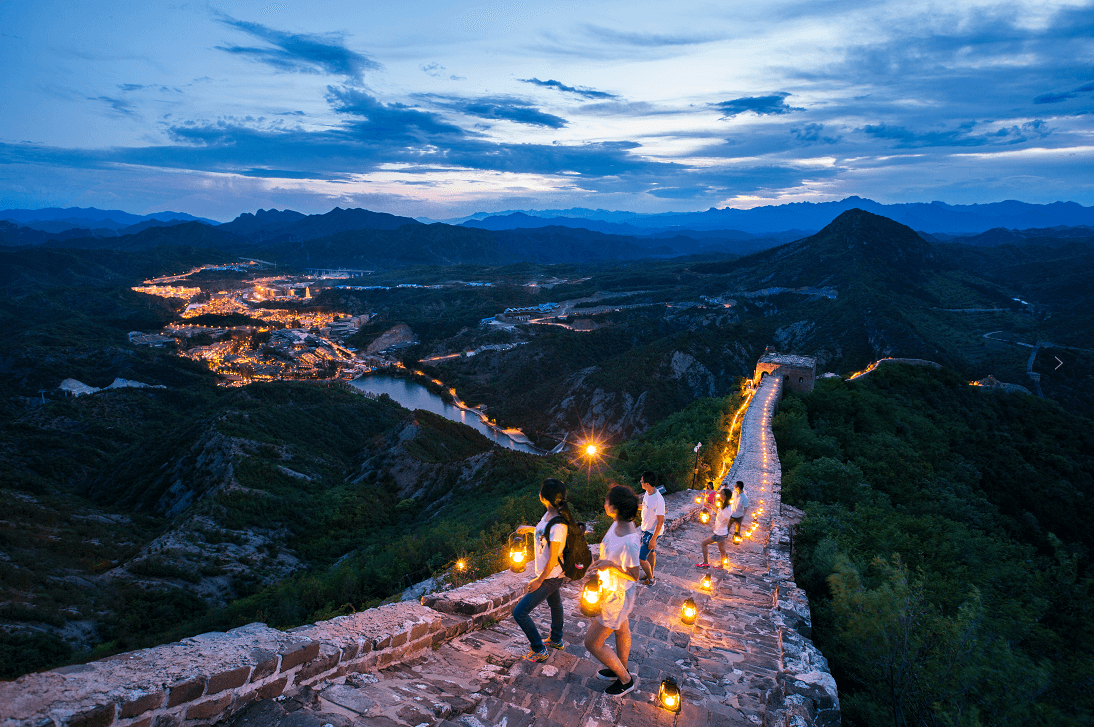
Time needed: 1 full day (day trip from Beijing) Best for: Repeat visitors, couples, anyone who wants something genuinely off the standard tourist trail Distance: 130 km northeast — allow 1.5 hours by private car Booking: Required for Simatai night tour via Gubei Water Town’s official channels
Gubei Water Town is a traditional water village built at the foot of the Simatai Great Wall. Stone bridges, canals, Jiangnan-style wooden buildings — it works as a real place rather than a theme park. The Simatai Great Wall above it is the only section in China open for night tours. After dark, the wall is lit and the views over the town and surrounding mountains are unlike anything else on a standard Beijing itinerary.
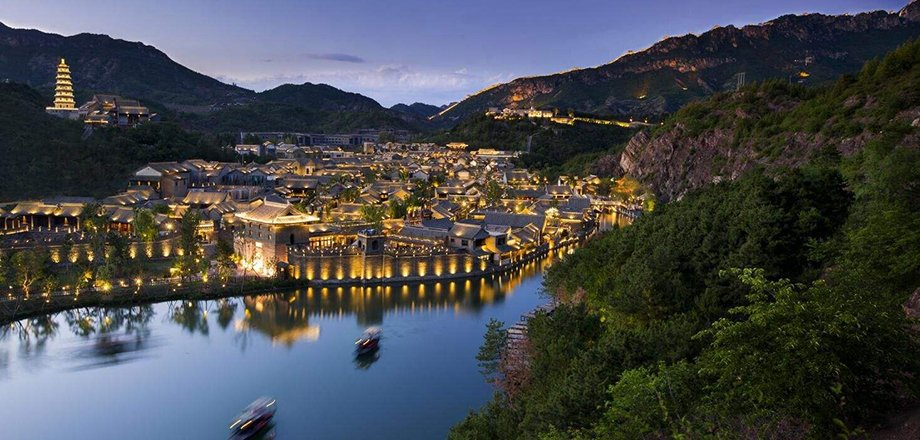
Arrive around 10:00 AM, explore the town through the day, have lunch, then do the Great Wall in the late afternoon into the evening. This is consistently the day our clients mention most when they write to us afterward.
We recommend a private car for this trip. Public transport involves multiple transfers and takes 2.5 to 3 hours each way.
4. Half-Day Additions
1. Temple of Heaven
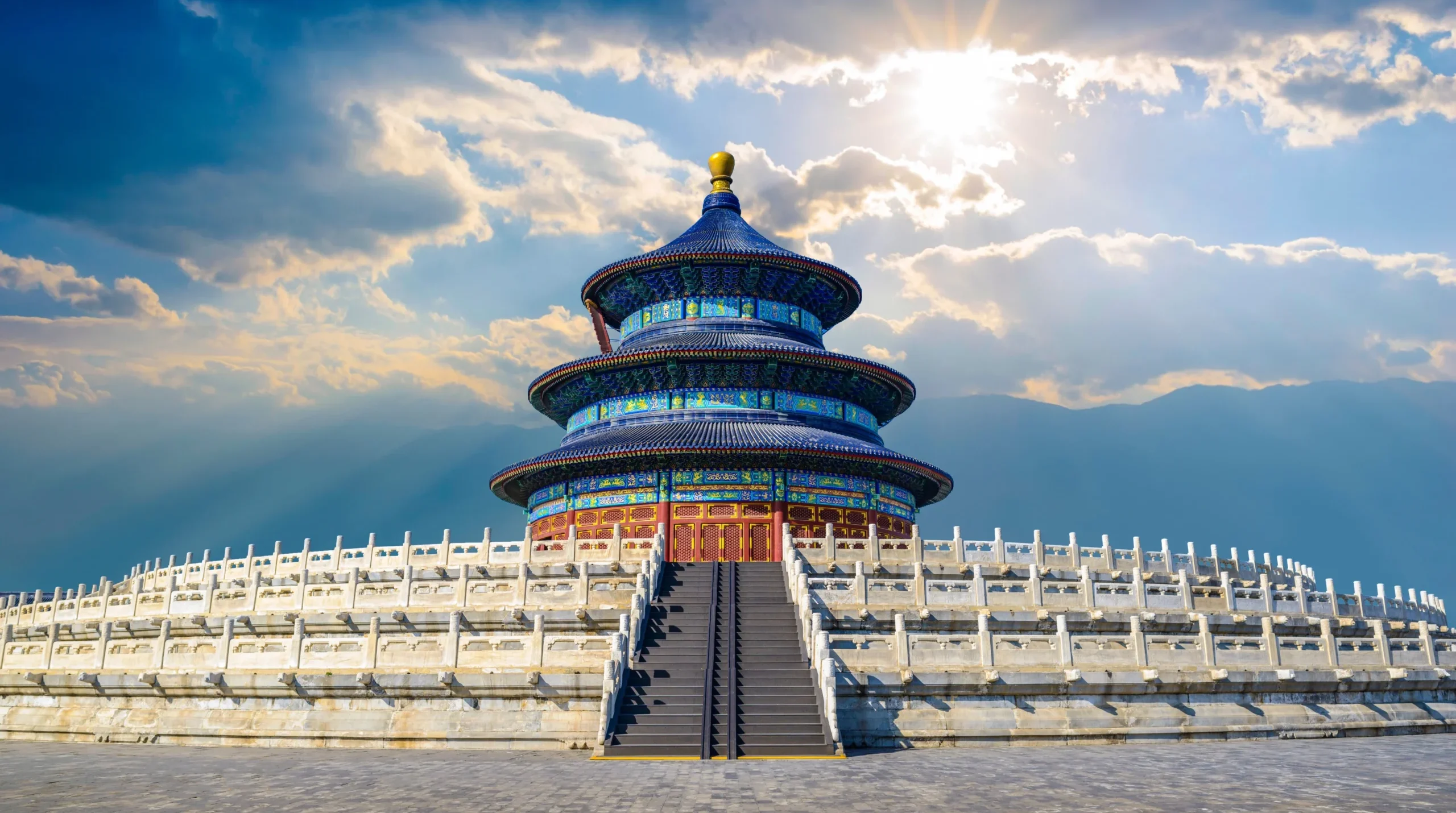
Time needed: 2–3 hours Best for: Everyone, especially those interested in Chinese cosmology and imperial ritual — and anyone who enjoys watching local life Closest subway: Tiantan Dongmen (Line 5) Booking: Recommended
The Temple of Heaven covers 273 hectares — four times the size of the Forbidden City — but the key structures are grouped tightly enough for a focused visit. The Hall of Prayer for Good Harvests, with its three-tiered blue roof and circular geometry, is one of the most precisely designed buildings in China.
Go early. From 6:00 AM the park fills with Beijing residents — choir groups, tai chi, kite flying, ballroom dancing. This is one of the few places in Beijing where you see how the city actually lives.
Best pairing: Temple of Heaven in the morning + Hutongs in the afternoon. Both are in central-south Beijing, no cross-city travel needed. Natural full day.
2. Beijing Hutongs

Time needed: 2–3 hours Best for: Travelers who want to see Beijing beyond the imperial sites; those interested in daily life, local food, and architecture Best areas: Nanluoguxiang, Shichahai, Drum Tower and Bell Tower area No booking needed
The hutong neighbourhoods are Beijing’s oldest surviving residential lanes — some dating to the Yuan Dynasty in the 13th century. Only about 1,000 remain today, down from an estimated 3,000 in the 1950s.
Walk slowly. Shichahai Lake is a good anchor — bars, teahouses, local food stalls around a scenic lake. For something quieter, try Dongsijiutiao or the lanes around Beixinqiao instead of the more polished Nanluoguxiang. See our full Beijing hutong guide for walking routes, and our siheyuan courtyard guide for the architecture.
Best pairing: Naturally pairs with the Lama Temple — both in Dongcheng, a short walk between the two. Also pairs well with the Temple of Heaven for a full central-south day.
3. Summer Palace

Time needed: 3–4 hours Best for: Garden and landscape lovers, families, anyone who wants a break from stone and marble — the Summer Palace is all water, hills, and pavilions Closest subway: Xiyuan or Beigongmen (Line 4) Booking: Recommended
The Summer Palace is Beijing’s finest imperial garden — 293 hectares of lakes, hills, pavilions, and corridors. Enter from the East Gate, walk the 728-metre Long Corridor with its thousands of painted scenes, and take a boat across Kunming Lake if time allows. Three to four hours covers the highlights comfortably.
Best pairing: The Summer Palace is 15 km northwest of the centre. Pair it with the Ming Tombs on a northwest-cluster day if you’re not doing the Great Wall combo that day.
4. Lama Temple (Yonghe)

Time needed: 1.5–2 hours Best for: Those interested in Tibetan Buddhism, religious architecture, or a more spiritual counterpoint to the imperial sites Closest subway: Yonghegong (Lines 2 & 5) Booking: Recommended
The Lama Temple is the most important Tibetan Buddhist temple in Beijing — a blend of Han Chinese, Mongolian, and Tibetan architectural traditions built around a former imperial palace. The 18-metre Maitreya Buddha in the final hall is carved from a single white sandalwood trunk. Still in active religious use today. Photography is not permitted inside the halls, which actually improves the experience.
Best pairing: Visit the Lama Temple first, then walk south into the hutong lanes around Nanluoguxiang and Drum Tower. One of the most satisfying half-day combinations in Beijing, and no extra transport needed between the two.
5. National Museum of China
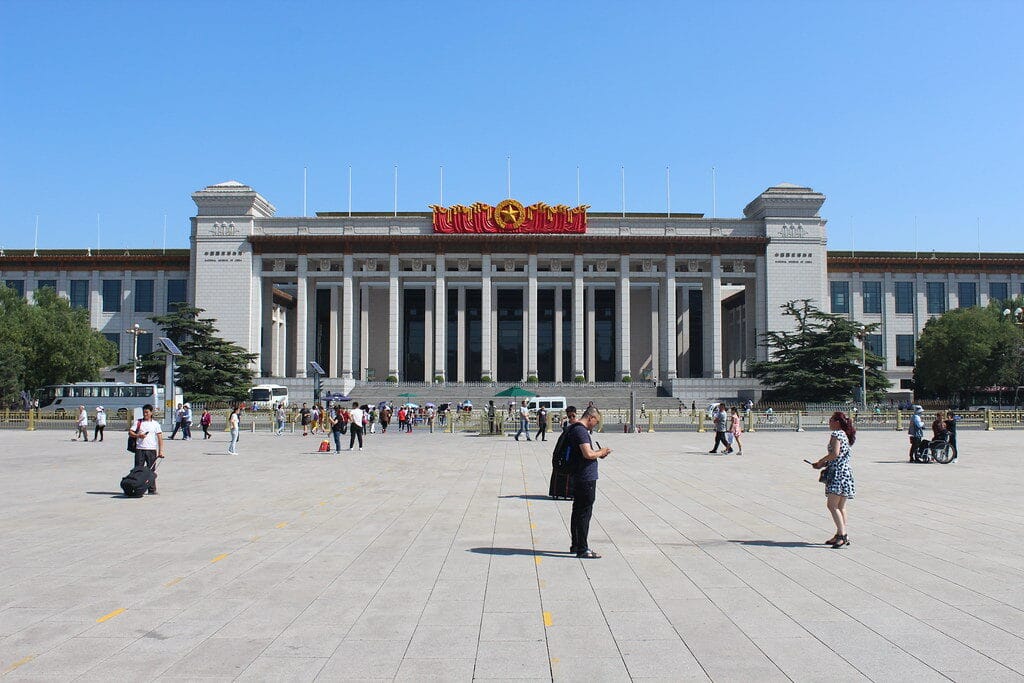
Time needed: 2–3 hours (could easily spend a full morning) Best for: History enthusiasts, travelers who want intellectual depth alongside the visual spectacle of the imperial sites Closest subway: Tiananmen East (Lines 1 & 2) Booking: Required — free entry but advance reservation needed via the official website
The National Museum of China sits on the eastern side of Tiananmen Square and holds over one million artefacts spanning from prehistoric China to the late Qing Dynasty. The permanent Ancient China exhibition runs from prehistoric tools to Qing dynasty court objects — the scope is hard to grasp until you’re inside. Allow at least two hours; history enthusiasts will want three.
Best pairing: The National Museum is directly adjacent to Tiananmen Square — combine it with the Forbidden City on the same day, visiting the museum first thing in the morning before walking through the Gate of Heavenly Peace into the palace.
6. Shopping

Time needed: 2–3 hours per area Best for: Travelers who want souvenirs, silk, cashmere, tailored clothing, or simply a feel for Beijing’s commercial life No booking needed
Beijing has several distinct shopping areas, each with a different character:
Wangfujing (王府井) — Beijing’s main pedestrian shopping street. Department stores, Chinese brand flagships, international chains, and the famous Wangfujing Snack Street for street food. Convenient and central, best as an evening activity after a full day elsewhere.
Xiushui Street / Silk Street (秀水街) — The place for silk, cashmere, tailored clothing, and souvenirs. Bargaining is expected and prices are negotiable. Quality varies by vendor — take your time. Near Yong’anli station on Line 1.
Sanlitun (三里屯) — Beijing’s main international lifestyle district. High-end brands, concept stores, independent boutiques, and the best concentration of international restaurants and bars in the city. Good for an evening that combines shopping with dinner. See our Beijing nightlife guide for what to do in Sanlitun after dark.
Dashilanr (大栅栏) — Just south of Tiananmen, one of Beijing’s oldest commercial streets. Famous for traditional Chinese brand flagships — Ruifuxiang silk, Tongrentang pharmacy, Neiliansheng shoes. More interesting for culture than bargain shopping.
Panjiayuan Antique Market (潘家园旧货市场) — Beijing’s largest antiques and curios market. Open weekends. Calligraphy, old maps, Mao-era memorabilia, ceramics, jade, and plenty of reproduction antiques. Interesting to browse even if you don’t buy. Bargain hard.
Best pairing: Shopping works best as an evening activity or on a lighter day. Wangfujing is close to the Forbidden City — convenient after finishing the palace in the afternoon. Sanlitun pairs naturally with 798 Art District, both in the northeast.
7. Olympic Park — Bird’s Nest + Water Cube
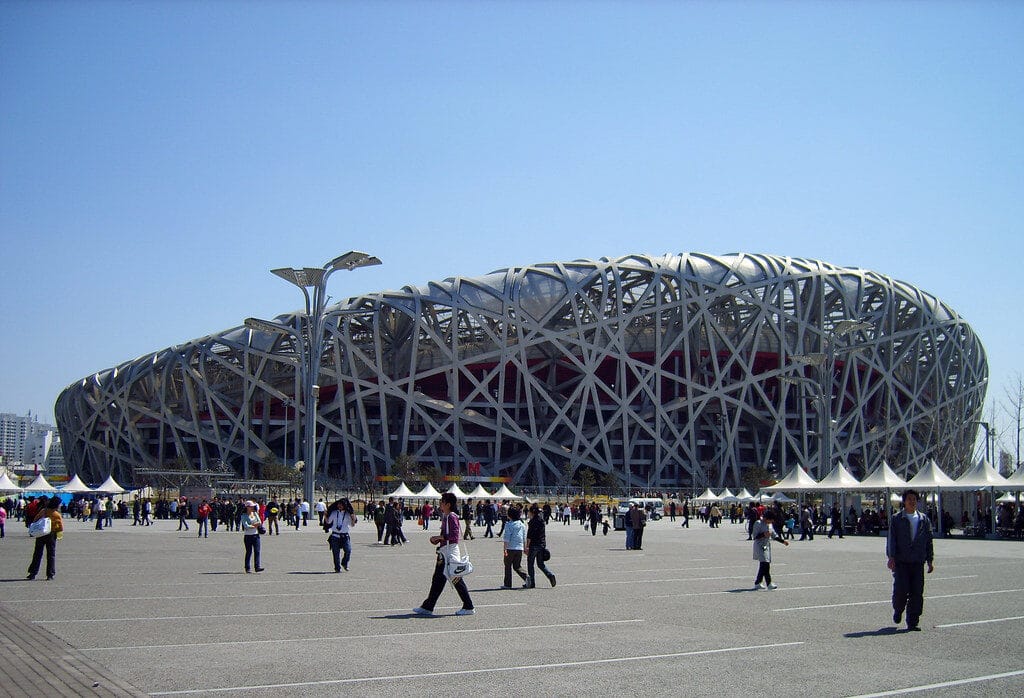
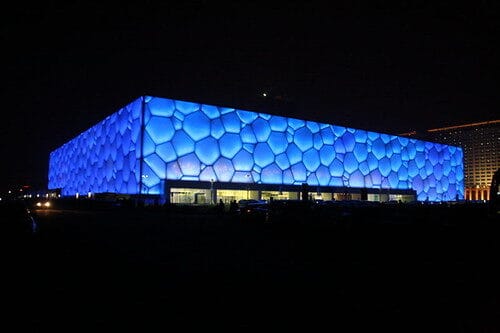
Time needed: 2–3 hours Best for: Families, architecture lovers, anyone curious about Beijing’s modern identity Closest subway: Olympic Green (Line 8) No booking needed for exterior; tickets required for interior
The Bird’s Nest and Water Cube are Beijing’s most recognisable modern landmarks, built for the 2008 Olympics. The exterior walk between the two takes 15 minutes and is impressive on its own. In winter, the Bird’s Nest runs a ski resort on its grounds.
Best pairing: Olympic Park is in Chaoyang District — pair it with 798 Art District or Sanlitun for a northeast-side day.
8. Universal Studios Beijing
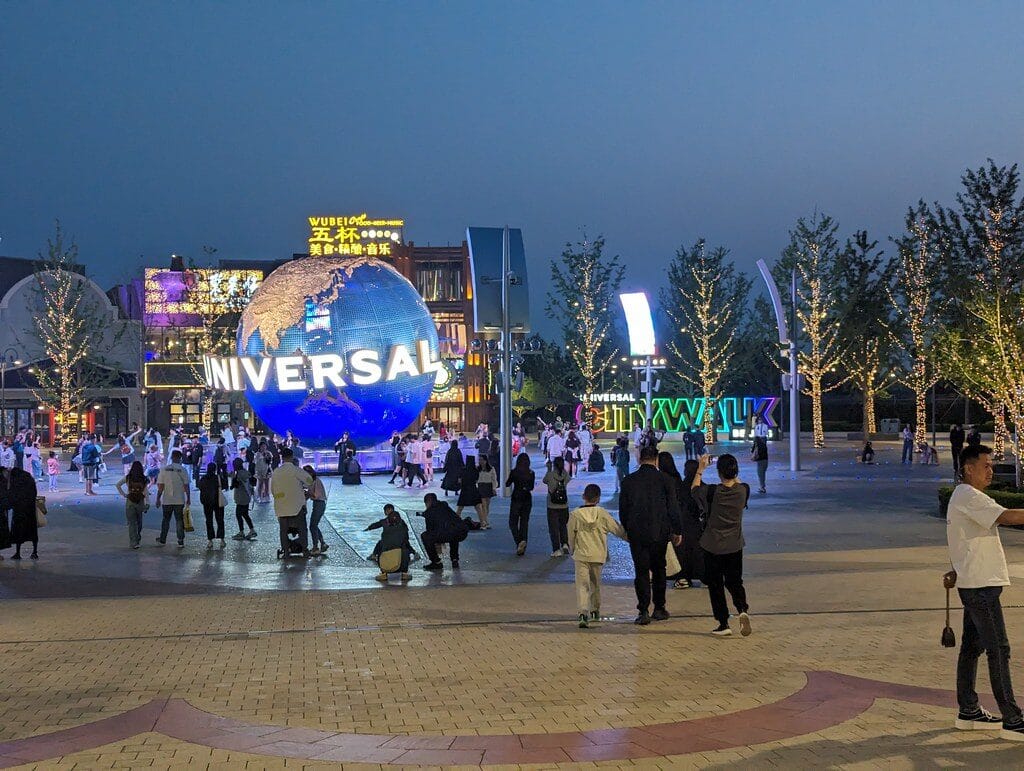
Time needed: Full day Best for: Families with children; fans of Harry Potter, Kung Fu Panda, and Minions Closest subway: Universal Studios (Line 1) Booking: Required in advance
Universal Studios Beijing is the world’s largest Universal park. The Wizarding World of Harry Potter and Kung Fu Panda Land of Awesomeness are the headline zones. Allow a full day and don’t combine with other sightseeing.
9. Tiananmen Flag Raising Ceremony

Time needed: Arrive 30–45 minutes early; the ceremony lasts exactly 2 minutes 7 seconds Best for: Anyone curious about Chinese national identity and culture — this is one of the most emotionally resonant experiences in Beijing No booking needed — free, security screening required Details: Flag raising ceremony guide
Each morning, the honour guard marches exactly 138 steps from the Gate of Heavenly Peace to the flagpole. The ceremony lasts just over two minutes. Hundreds of Chinese visitors come every single day — many have travelled from distant provinces specifically for this moment. Standing in that crowd before sunrise, you understand something about China that’s difficult to explain from the outside.
Sunrise time ranges from 4:40 AM in June to 7:40 AM in winter — check the exact time for your travel date. After the ceremony, you’re already at Tiananmen Square with the Forbidden City opening at 8:30 AM right ahead of you. A natural lead-in to Full Day 1.
10. 798 Art District
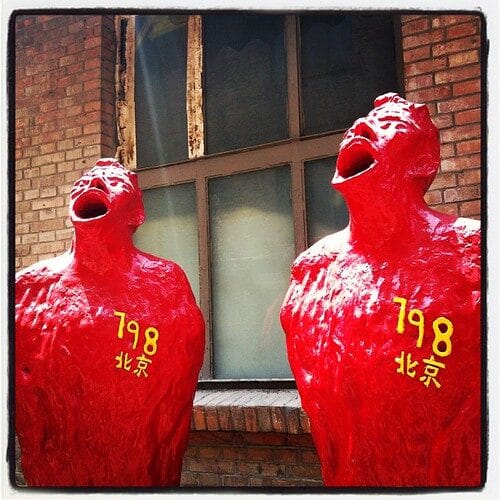
Time needed: 2–3 hours Best for: Contemporary art and design lovers; repeat visitors who want to see Beijing beyond the imperial layer Location: Chaoyang District, northeast Beijing No booking needed
Beijing’s contemporary art hub, built inside a decommissioned Soviet-era factory complex. Galleries fill repurposed warehouses; sculpture spills into outdoor spaces. The IOMA Green Art Center opened in 2026 — a translucent metal facade with living trees growing through it.
This belongs later in a trip, not on Day 1. By Day 5 or 6 you have enough context about the imperial city to appreciate the contrast with what Beijing has become.
Best pairing: 798 is in Chaoyang, close to Sanlitun. Pair them for a full northeast-side day — contemporary art in the afternoon, dinner and evening in Sanlitun. See our Beijing nightlife guide for what the neighbourhood offers after dark.
5. Practical Notes
Booking sequence
Book the Forbidden City first — it’s the hardest ticket to get. Then Badaling if it’s on your plan. Everything else can follow. The Summer Palace and Temple of Heaven are much more forgiving on shorter notice.
Rules change — always verify before you go
Beijing’s attraction regulations update regularly, sometimes with little notice. One recent example: Mutianyu’s toboggan slide now prohibits riders aged 60 and above — this was permitted until recently. Always check the latest rules before your trip, especially if you have elderly travelers in your group. We stay current on these changes for our clients; if you’re unsure about anything, ask us before you book.
Getting around
Beijing’s subway covers every major attraction for ¥3–8 per ride with English signage throughout. For the Great Wall and Ming Tombs you need a private car or tour bus — or the high-speed train from Beijing North or Qinghe Station for Badaling only. We offer private airport transfers from both PEK and PKX. Contact us for charter vehicles to any attraction.
When to visit
September to mid-October is the best time. Clear skies, cool air, red maple leaves at Fragrant Hills from late October. Spring (April–May) is second best — warmer, with cherry blossoms in Yuyuantan Park. Avoid July and August: hot, humid, every major site at capacity. Winter is cold but crowds thin out and hotels discount heavily.
Avoid Golden Week (October 1–7) and May Day (May 1–3) if you can. See our Golden Week guide if your dates overlap.
Beijing · Monthly Overview
Best Time to Visit Beijing
Comfort score reflects weather, air quality, and crowd levels combined (5 = ideal). Crowd index: higher = more crowded.
What to eat
Don’t plan restaurants far from your daily route. Near the Forbidden City: wonton soup and sesame flatbread from the small places on Jingshan West Street. Near the Temple of Heaven: Qianmen area for Peking duck — avoid the tourist-trap restaurants directly in front of major gates. See our Peking duck restaurant guide for where to eat it properly. In the hutongs: lamb skewers, cold sesame noodles, copper-pot lamb hotpot on a cold evening. Jianbing — egg crepe from a street stall — is a better breakfast than anything your hotel serves. Read also: What & Where to Eat in Beijing: 12 Must-Try Dishes
The mistake we see every week
Travelers put the Great Wall and the Forbidden City on the same day to “save time.” The Forbidden City needs four hours. The Great Wall is 70+ km away and needs three to four hours including travel. Trying to do both means rushing both. They deserve separate days, every time.
6. Plan Your Beijing Trip With Us
The itineraries in this guide are built around a comfortable, unhurried pace — the kind that lets you absorb what you’re seeing rather than just collect it. Most visitors find this works well.
Some don’t. In August 2025, we worked with a group of seven Americans who had only two full days in Beijing and wanted to see as much as possible. The standard pace wasn’t going to work for them. We reorganised their itinerary significantly — tighter sequencing, smarter geographic clustering, earlier starts — and they got through considerably more than this guide’s default two-day plan. It required planning that isn’t captured in any standard itinerary template.
If your time is tight and you want to maximise what you see, the right answer isn’t to try to squeeze more into each day on your own — it’s to have someone who knows the city design the sequence for you.
Beijing is navigable on your own — the subway works, signs are in English, apps function well. But a private tour changes what you understand, not just where you go. Why the Forbidden City’s courtyards are all slightly tilted to the south. What the sequence of roof animals on each building signifies. Which parts of the Lama Temple are still in active religious use today.
We’ve been running private tours and charter services in Beijing since 2006. Our services include:
- Private guided tours — licensed local guides, all languages, flexible itineraries built around your interests and pace
- Charter car services — door-to-door private vehicles to the Great Wall, Ming Tombs, Gubei Water Town, or any site in Beijing
- Customised tour packages — full itinerary planning including hotels, tickets, guides, and transport
Get in touch here — we reply within 24 hours and quote without obligation.
7. Frequently Asked Questions
How many days is enough for Beijing?
One well-planned day covers the Forbidden City and Jingshan Park — a complete experience in itself. Two days adds the Temple of Heaven and a hutong walk. Five days covers all the essential sights at a comfortable pace for first-time visitors. Seven days is right if Beijing is your main destination, not a stop on a larger itinerary.
What is the best order to visit Beijing attractions?
Cluster by geography. Central imperial sites (Forbidden City, Jingshan, Tiananmen, Temple of Heaven) together. Northwest sites (Summer Palace, Ming Tombs) together. Great Wall as a standalone full day. Northeast sites (798, Sanlitun) together. Never cross the city twice in one day.
Do I need to book Beijing attractions in advance?
Yes — especially the Forbidden City and Badaling Great Wall. The Forbidden City sells out 10 days in advance during peak seasons. The Temple of Heaven, Summer Palace, and Lama Temple are more forgiving but still worth booking ahead. The National Museum of China is free but requires advance reservation online.
Is 1 day enough in Beijing?
One day is enough to see the Forbidden City and Jingshan Park properly — these two together form a complete and meaningful experience. Don’t add the Great Wall or Summer Palace on the same day. You’ll rush everything and do justice to nothing.
Can I combine the Great Wall and Ming Tombs in one day?
Yes — this is actually the most efficient way to visit both. They are in the same northwest direction from Beijing, about 30 minutes apart by car. Visit the Ming Tombs and Sacred Way in the morning, then drive to Badaling or Juyongguan in the afternoon. Both sites are Ming Dynasty imperial projects, and visiting them together on the same day makes historical sense.
Which Great Wall section is best for first-time visitors?
Mutianyu for most people: original Ming architecture, cable car and toboggan access (riders must be under 60), less crowded than Badaling. Badaling if accessibility matters for your group — it has the best facilities for visitors with mobility needs. Jinshanling for hikers and photographers who want solitude. Full breakdown in our Great Wall sections guide.
What should I eat in Beijing?
Peking duck at a proper restaurant — not a tourist trap near major gate entrances. Zhajiangmian: thick wheat noodles with fermented soybean paste. Jianbing crepe from a street stall for breakfast. Copper-pot lamb hotpot on a cold evening. Tanghulu — candied hawthorn skewers — while walking the hutongs. Read also: What & Where to Eat in Beijing: 12 Must-Try Dishes
Is Beijing safe for solo travelers?
Yes. Beijing is one of the safer major cities in Asia. Keep your phone and wallet secure in crowds at the Forbidden City and Tiananmen. One scam worth knowing: near Wangfujing, friendly strangers sometimes approach and invite you to a “tea ceremony” or “art exhibition.” Decline politely — the bill at the end is always a surprise.