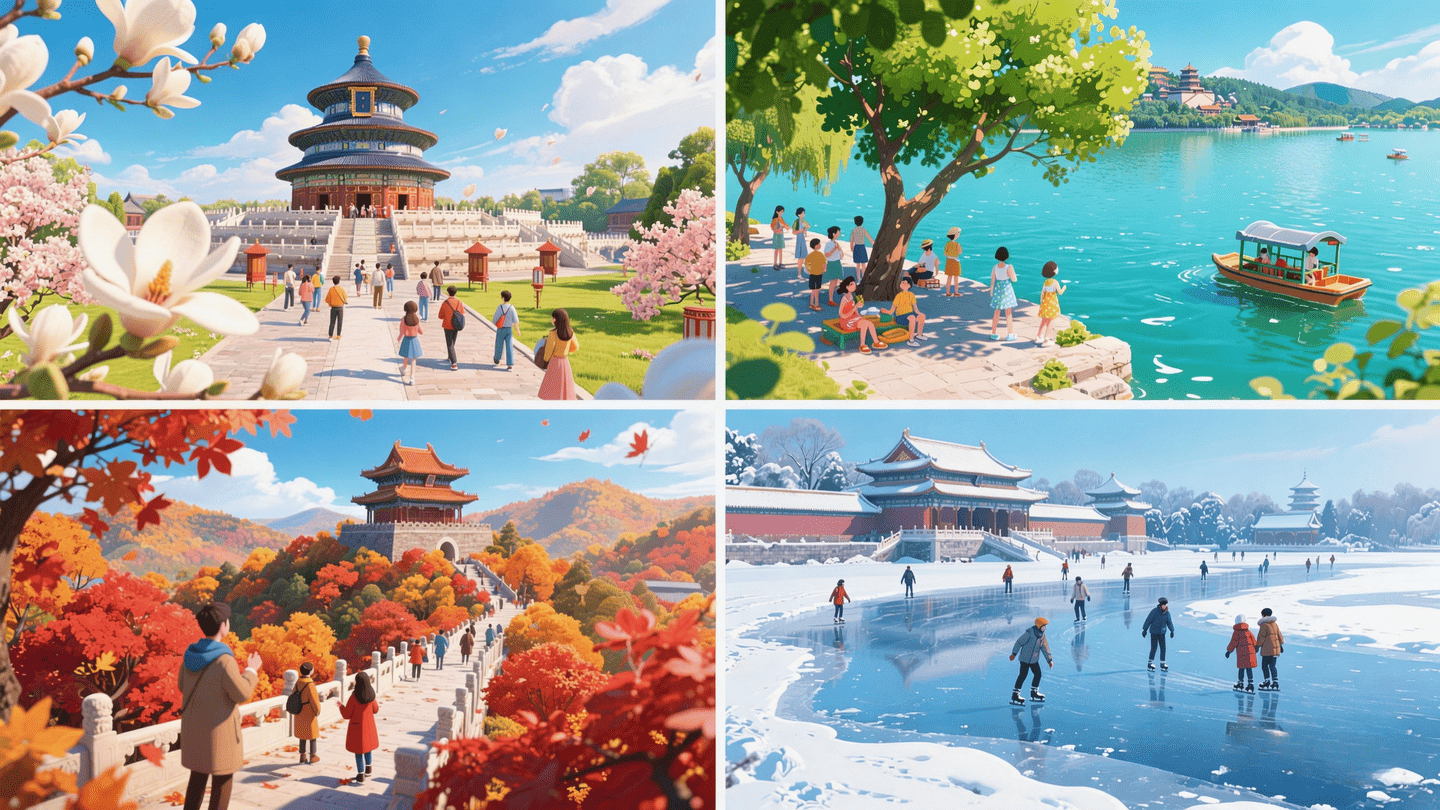
Best Time to Visit Beijing: An Honest Month-by-Month Guide
The short answer: visit Beijing in mid-September to late September, or from October 8 onward. If spring works better for your schedule, late April to mid-May is the next best window. Every other month has a real tradeoff — and this guide tells you what it is.
We run private English-language tours across China and have taken clients to Beijing in all twelve months. We know what the Forbidden City looks like on a sandstorm morning in March (yellow sky, gritty teeth, not what anyone planned). We know that October 8 — the day after Golden Week ends — is when Beijing suddenly exhales and the city becomes itself again. We know November gets unfairly ignored, and that a clear November morning at Jingshan Park, with frost on the rooftiles and almost no other tourists, is one of the best things Beijing offers.
Most guides say “spring and autumn are best” and stop there. This one goes further: every month gets an honest verdict, including the cost angle, the crowd reality, and the specific weeks that are worth the tradeoff.
Table of Contents
1. Quick Glance: Every Month at a Glance
Data sources: Beijing Municipal Ecology and Environment Bureau — 2024 Annual Ecological Report · NASA Earth Observatory — Beijing Dust Storm 2021 · China Discovery — Beijing Hotel Rate Seasonal Index
Month | Temp (High/Low) | Rain | Crowds | Cost | Verdict |
|---|---|---|---|---|---|
Jan | −1 / −9°C | Very low | Low | Cheapest | Cold but quiet; snow possible |
Feb | 4 / −6°C | Very low | Low → Surge | Low → High (CNY) | Avoid Chinese New Year week |
Mar | 11 / 1°C | Low | Low–Moderate | Low | Sandstorm risk; budget window |
Apr | 21 / 10°C | Low | Moderate | Moderate | Good — watch Qingming holiday |
May | 27 / 16°C | Low–Mod | Busy | High | Excellent — skip May 1–5 |
Jun | 32 / 21°C | Moderate | Moderate | Moderate | Underrated; hot but manageable |
Jul | 31 / 24°C | High | Very busy | Highest | Avoid if possible |
Aug | 29 / 22°C | High | Very busy | Highest | Avoid if possible |
Sep | 24 / 15°C | Low | Busy | High | Best overall |
Oct | 17 / 7°C | Low | Busy → Low | High → Moderate | Best foliage; hard skip Oct 1–7 |
Nov | 7 / −1°C | Very low | Low | Low–Moderate | Underrated gem |
Dec | 0 / −7°C | Very low | Very low | Cheapest | Cold; best value |
2. The Two Best Times to Visit Beijing
Autumn: September to Mid-October (Our Top Pick)
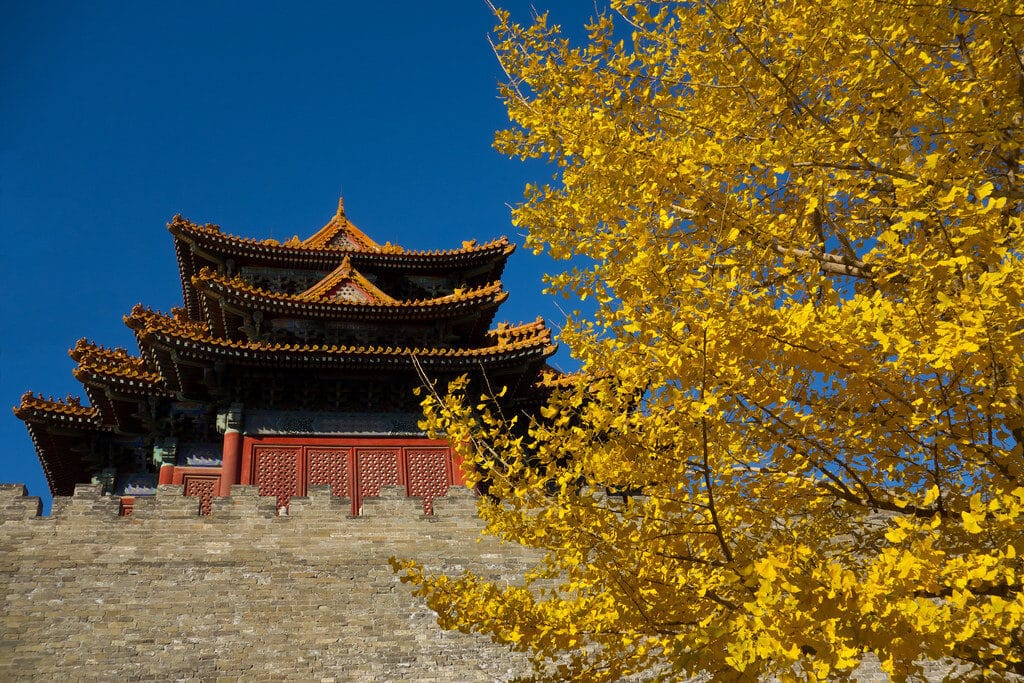
If we’re sending a first-time traveler to Beijing in one specific window, it’s mid-September through September 30. Then again from October 8 onward.
Here’s why autumn wins. Beijing’s air quality is at its best in September and October — dry air, no heating season, no summer humidity. The city recorded 290 good-air-quality days in 2024, its best result since monitoring began, and the clearest days cluster in autumn. Temperatures sit between 15–24°C during the day, cooling off in the evenings. The light turns golden. Photographs of the Forbidden City‘s yellow rooftiles against a deep blue sky essentially take themselves.
The Great Wall in autumn is a different experience from any other season. At Mutianyu and Jinshanling, the hillsides around the wall turn deep red and gold from mid-October. Hiking is actually fun in October — you stop to take photos instead of stopping to catch your breath. We’ve brought many groups to Mutianyu in late October. Without exception, it’s the section of the trip clients talk about most afterward.
The Golden Week trap: China’s National Day holiday runs October 1–7. Domestic tourism surges dramatically. Hotel prices in central Beijing can triple. Train tickets become very difficult to book last-minute. The Forbidden City and major sites are overwhelmingly crowded.
Our firm advice: finish your Beijing visit before September 30, or begin it on October 8. The days immediately surrounding Golden Week are fine — the crowds thin out quickly after the 7th.
Late October to early November is Beijing’s best-kept secret. Golden Week crowds have gone home. Hotels drop back to normal pricing. The weather remains crisp and manageable — typically 7–17°C. And the foliage at Fragrant Hills (Xiangshan Park) peaks right in this window, where over 200,000 trees cover the hillside in red and gold. The best window runs roughly October 18 through early November, depending on when the first frost arrives. Go on a weekday morning — weekends draw heavy local day-trip crowds.
Spring: Late April to Late May

Spring in Beijing is beautiful — warm temperatures, cherry blossoms and magnolias across the parks, long daylight hours. It comes with two practical caveats.
Sandstorms. Beijing sits downwind of the Gobi Desert. Every spring, northerly winds carry dust into the city. In 2021, a single March storm pushed PM10 concentrations to over 7,000 μg/m³ — about 70 times normal levels. In 2023, spring sandstorm frequency hit its highest point in a decade. In April 2025, Beijing was reportedly hit by the strongest sandstorm in 75 years, forcing major sites to close and cancelling hundreds of flights. The risk is highest in March and April, tapering through May.
DIG DEEPER: Sandstorms in Beijing: A Traveler’s Honest Guide
May Day holiday (May 1–5). Like Golden Week, this brings a massive surge in domestic visitors. Hotels and transport are expensive and harder to book.
Our sweet spot within spring: late April to mid-May. After the worst sandstorm period, before the holiday rush. Temperatures are comfortable at 16–27°C. The parks are in bloom. Crowds are moderate.
3. Best Time to Visit Beijing by Travel Goal
Not everyone visits Beijing for the same reason. If you already know what you’re optimizing for, this section gets you to the answer faster.
Cheapest Time to Visit Beijing
Index: off-season = 100. Hotel data: Trip.com Beijing hotel rates 2025–2026 · Attraction prices: Beijing official ticketing authority · Flight variation: Jetsetter Alerts Beijing cost guide · Metro fares: Beijing government — subway fares
Best: December through February, excluding Chinese New Year week. Hotel rates run 40–50% below peak season. Flights are cheaper. Crowds at every major site are thin. The only cost is cold — and proper gear fixes that.
Second best: March (workable with sandstorm flexibility) and November. Both sit below the May–October peak pricing while still offering real outdoor sightseeing.
Most expensive months: July, August, and the first week of October. Peak crowds and peak pricing overlap completely.
Best Time for the Great Wall
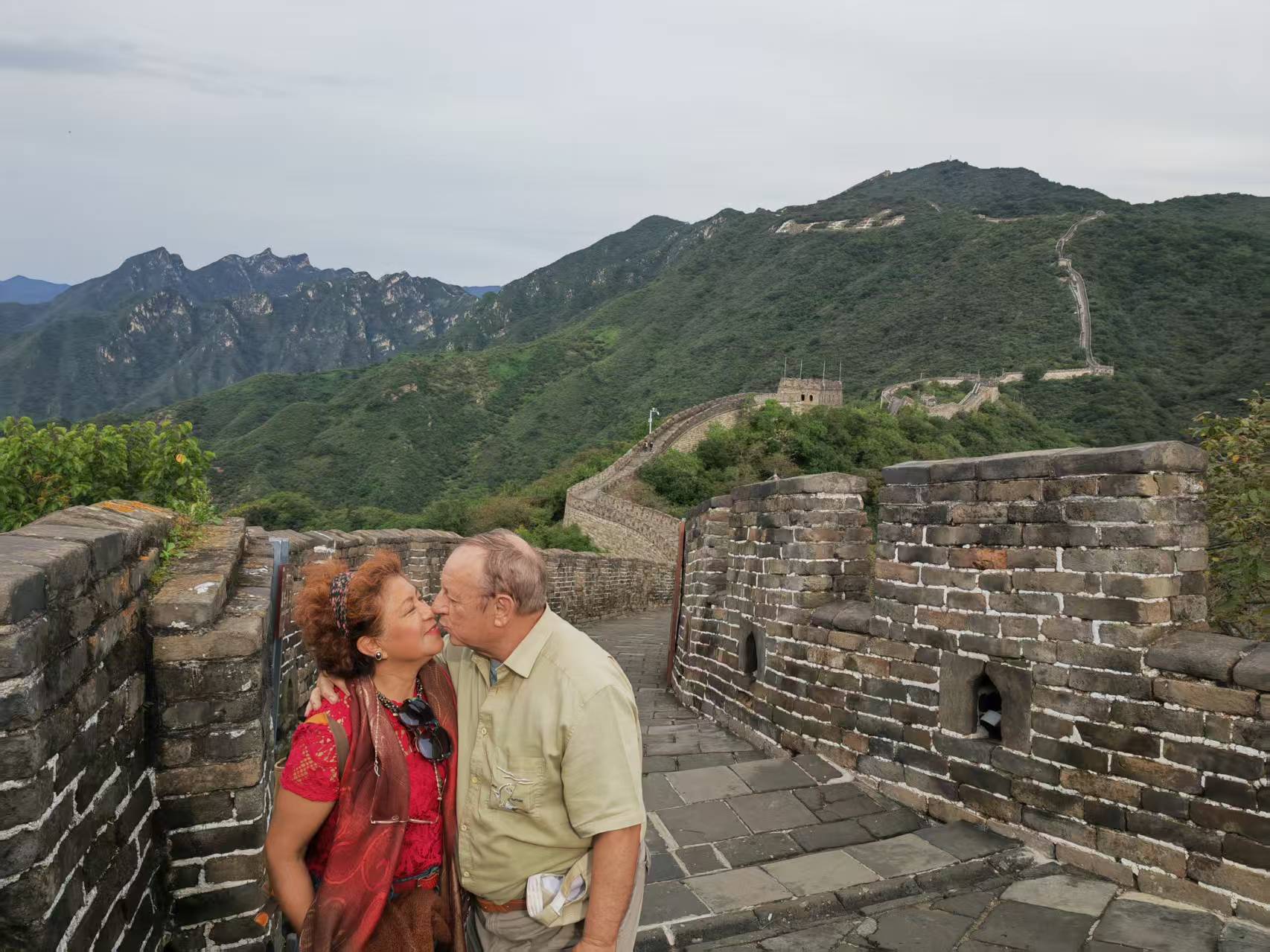
Mid-September to mid-October. Clear skies, comfortable hiking temperatures, and the hillsides around Mutianyu and Jinshanling turning red and gold. This is the window serious hikers plan around.
Second best: late April to May — green hillsides, mild temperatures, long daylight. Avoid July and August heat, and be careful on icy steps in winter.
Best Time for Photography
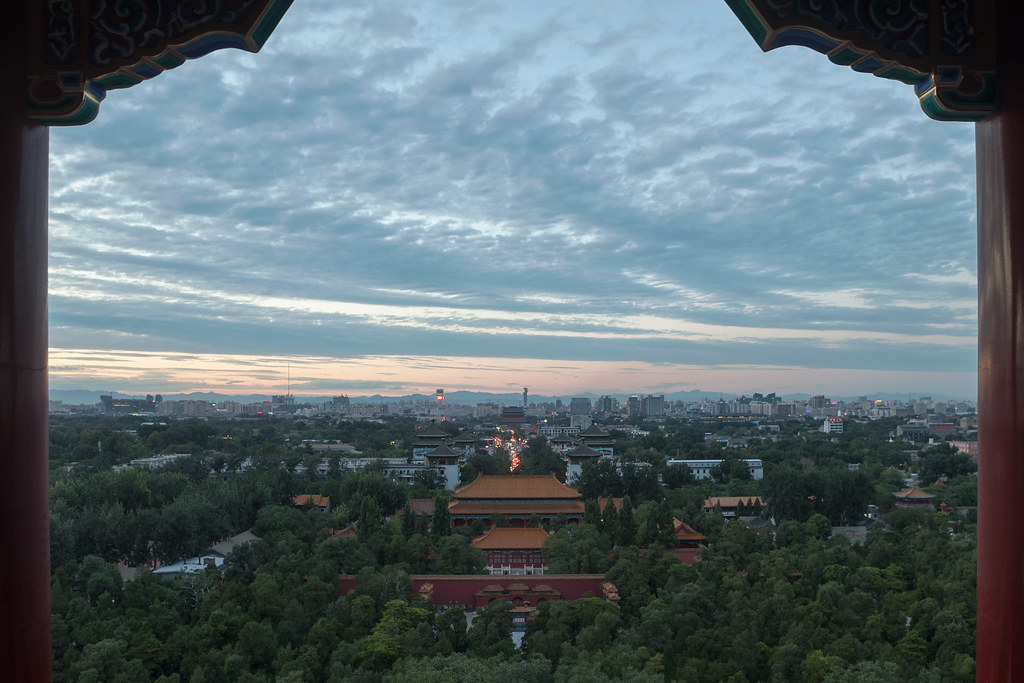
Late September to late October. The sun angle is lower, the tones go golden, and the sky is that deep northern blue. An early morning at Jingshan Park during this window — looking down over the Forbidden City rooftops — is one of the best photography situations we know in China.
Spring blooms: early to mid-April for cherry blossoms and magnolias at Yuyuantan Park and the Summer Palace grounds. Peonies at Jingshan Park through early May.
Snow scenes: December and January carry the highest snowfall probability. The Forbidden City under snow is exceptional.
Best Time for Autumn Foliage
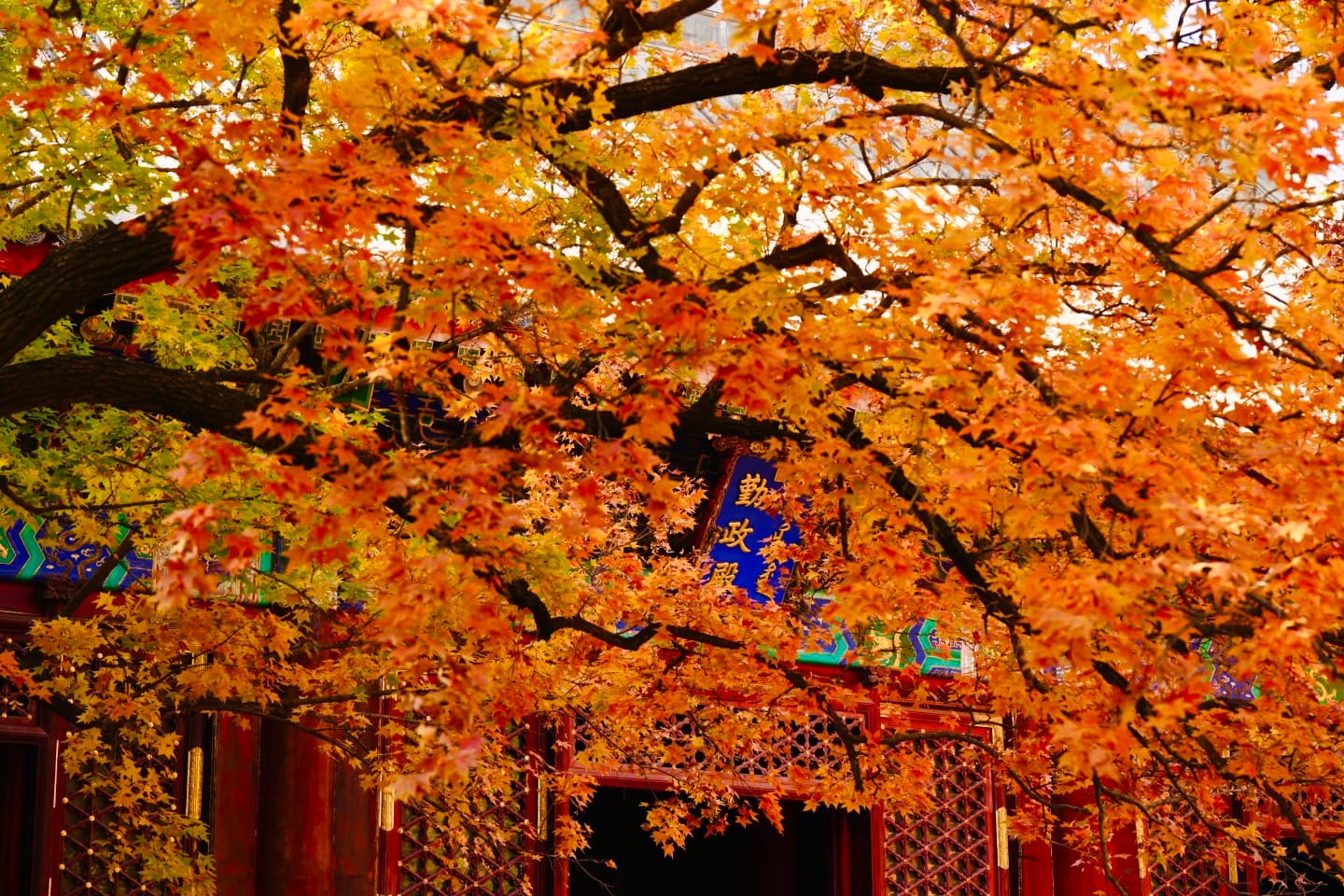
Fragrant Hills (Xiangshan Park) peaks late October to early November, after the first frost. The exact window shifts by a week or two year to year. Go on a weekday morning — weekend crowds here are heavy.
Diaoyutai Ginkgo Boulevard peaks around mid-November, when ancient trees turn the avenue brilliant gold.
Great Wall hillsides (Mutianyu, Jinshanling): peak mid to late October.
Best Time for Families with School-Age Children
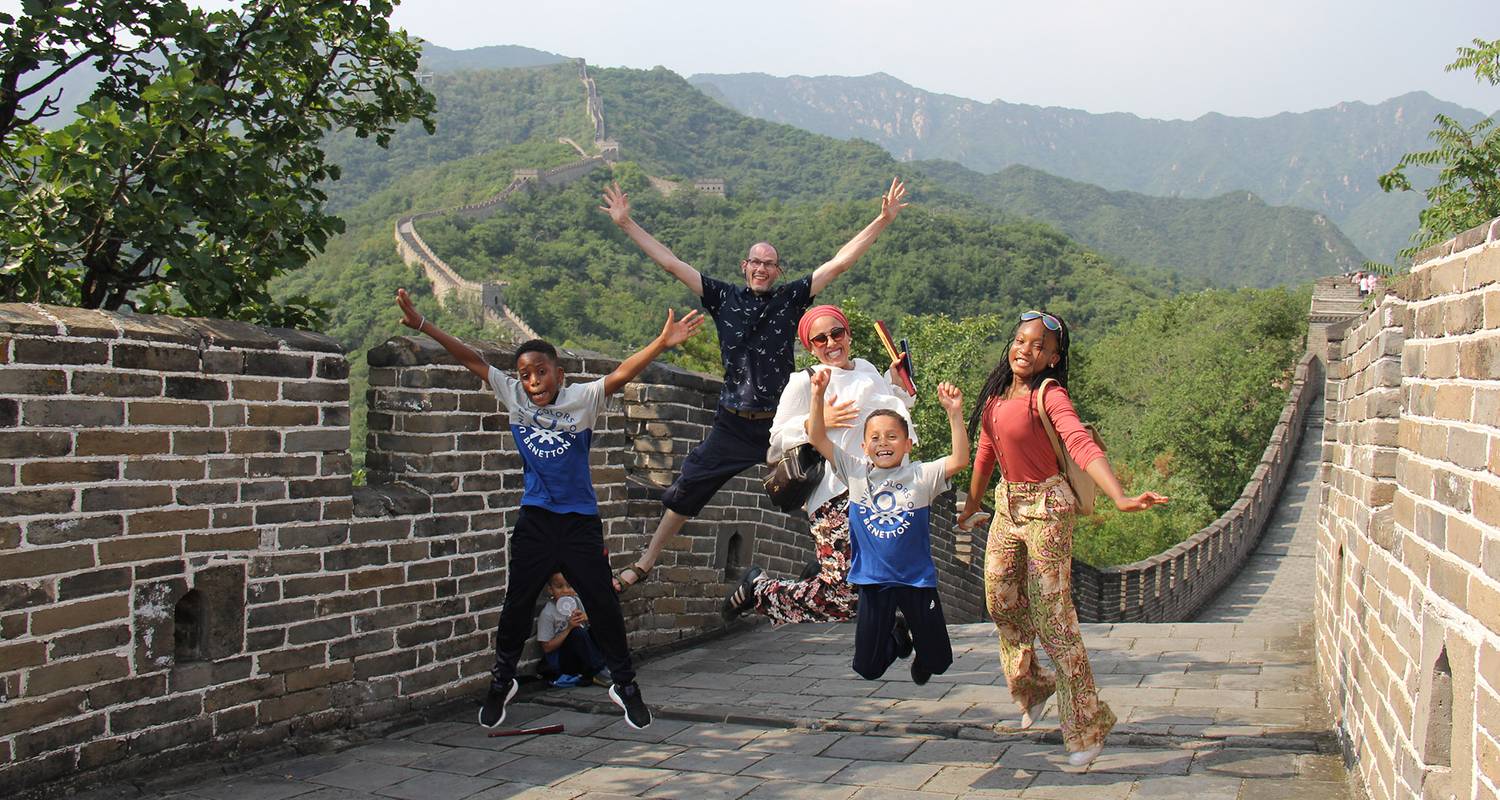
If school schedules force a summer visit, June is significantly better than July or August — cooler temperatures, lighter crowds, lower prices. If July or August is unavoidable, mid-to-late August is better than early August, as domestic school holidays wind down and crowds ease slightly.
4. Month by Month: The Full Picture
Beijing in January and February
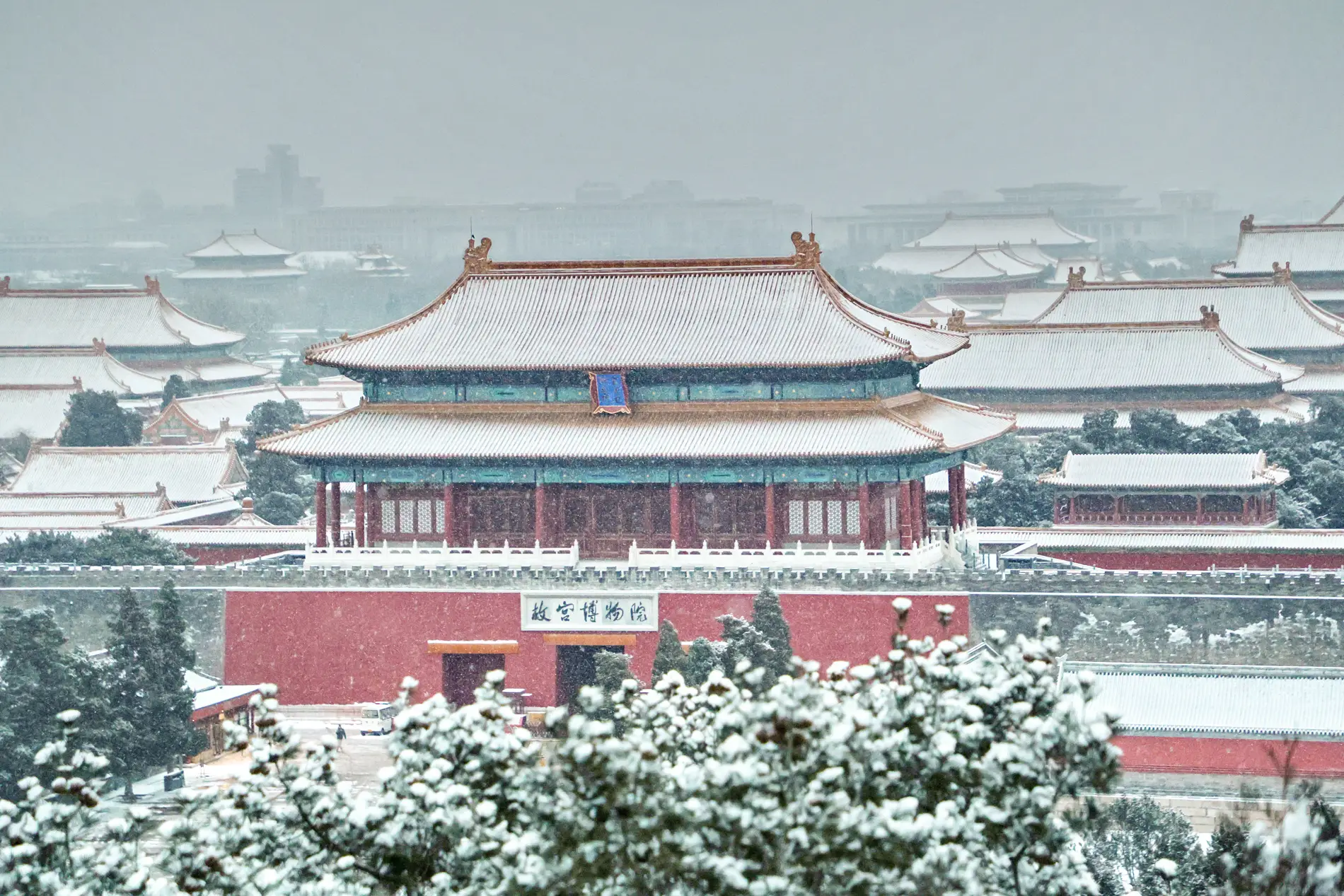
January is Beijing’s coldest month — lows reaching −9°C, with wind that makes it feel colder. But heating is everywhere: hotels, restaurants, subway stations, museums. Cold is manageable when you’re dressed for it.
One client — she’d been to Beijing twice before, always in summer — messaged us after her January visit to say the Forbidden City in snow was worth three previous trips combined. Prices are at their lowest. Hotel rates run 40–50% below peak season.
Chinese New Year warning: The Spring Festival (typically late January to mid-February) disrupts everything. Many restaurants and shops close. Tour guide availability drops sharply as local staff return to their hometowns. Prices spike dramatically for the week itself. If you’re set on visiting during this period, book everything at least 3–4 months ahead.
Beijing in March
March sits in an awkward spot. Temperatures recover to around 11°C by month’s end, but cold snaps still hit. More critically, this is peak sandstorm season.
On a clear March day, Beijing is uncrowded, prices are low, and there’s a freshness to the city waking up from winter. On a sandstorm day, the sky turns yellow, visibility drops to meters, and outdoor sightseeing is unpleasant and unhealthy. You cannot know which you’ll get more than a day or two ahead.
If budget is the priority and you’re flexible enough to pivot to indoor museums and sites on bad air days, late March can work well. Pack an N95 mask.
Beijing in April
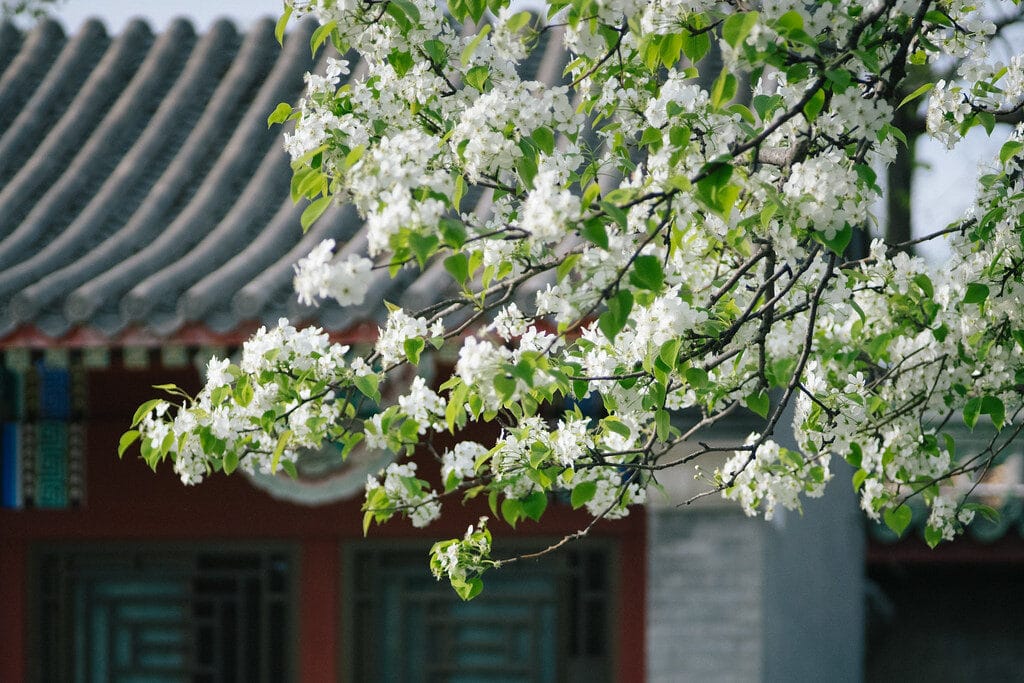
April is underappreciated. Sandstorm risk drops compared to March. Temperatures climb to a comfortable 10–21°C. Cherry blossoms and magnolias bloom across the city’s parks. The classic spots are Yuyuantan Park (cherry blossoms, early April), the Summer Palace grounds, and the Beijing Botanical Garden. The Temple of Heaven hosts its Lilac Festival in mid-April — less photographed than the cherry blossom parks, but locals consider it one of the city’s best spring events.
Watch for Qingming Festival (Tomb Sweeping Day, usually April 4 or 5) — a 3-day holiday that causes a moderate crowd increase, nothing like Golden Week.
One thing most guides don’t mention: from early April through late May, Beijing’s catkin season runs in parallel with the blooms. Over 280,000 female poplar and willow trees within the fifth ring road shed white cottony fluff — locals call it 杨花 (yáng huā), “poplar snow.” It drifts through the air near the Forbidden City and Tiananmen in a way that looks almost cinematic. For travellers with hay fever, allergic rhinitis, or asthma, it’s a genuine problem — Beijing hospitals see a sharp spike in allergy patients every April. If you’re prone to pollen allergies, pack antihistamines and avoid being outdoors between 10am and 4pm on dry, windless days when the fluff peaks. If you have no allergies, you’ll barely notice it.
April hotel rates are lower than May and the peak autumn months, making it solid value with good weather.
Beijing in May
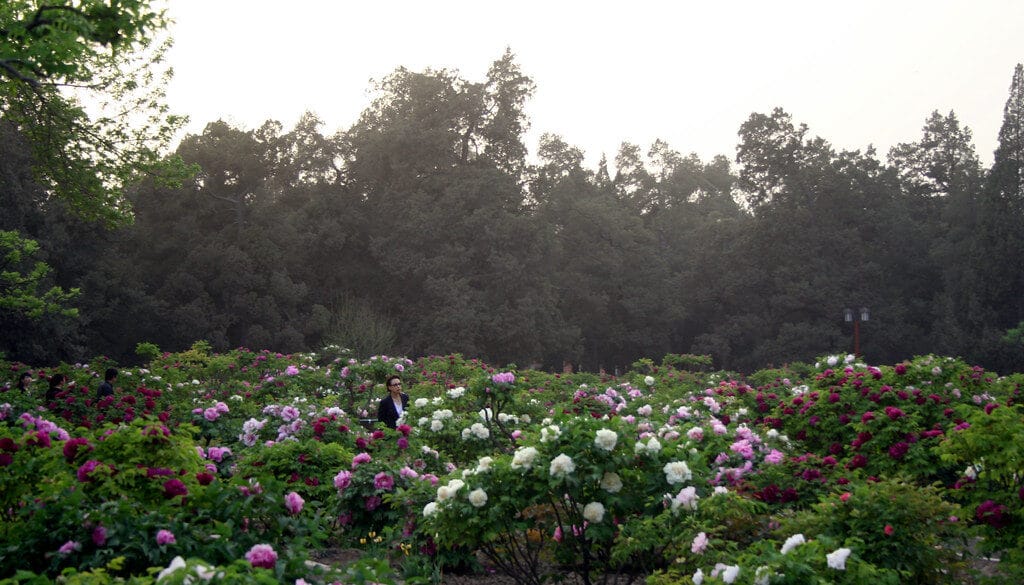
Probably the most reliable spring window. Temperatures are comfortable at 16–27°C. Sandstorm risk is low. Parks are at their most colorful. Daylight hours are long.
The only constraint is May Day (May 1–5). Skip that week entirely — it’s crowded and expensive. The period from May 6 to May 25 is excellent. Later in May the weather gets noticeably warmer, with highs approaching 30°C by month’s end.
Spring flowers timing reference:
- Cherry blossoms (Yuyuantan Park): late March to mid-April
- Magnolias: early to mid-April
- Peonies (Jingshan Park Peony Festival): mid-April to early May
- Lilacs (Temple of Heaven Lilac Festival): mid-April to early May
- Wisteria and late spring blooms: late April to mid-May
Note that the catkin (poplar fluff) season runs from early April through late May. See the April section above if you have pollen allergies.
Beijing in June
June doesn’t get the credit it deserves. Yes, it’s getting warm — highs reach 32°C by late June. Yes, there’s more rain than spring. But the rainfall mostly comes in short afternoon bursts rather than full-day downpours, and mornings are often clear and comfortable.
Crucially, June sits between the two main holiday surges. Domestic tourism peaks in July and August when schools break up, so June remains relatively uncrowded. International visitors often avoid it due to heat warnings, which means less competition for Forbidden City tickets and lower prices than the peak autumn months.
The first two weeks of June are the sweet spot — milder temperatures, summer holiday crowds not yet arrived.
Beijing in July and August

We’ll be direct: these are the months we talk most clients out of, unless they have no other option.
July highs hit 31°C with humidity. The rainy season peaks here — July averages around 185mm, mostly heavy bursts that can flood underpasses and cancel outdoor plans for a half-day. On top of that, domestic schools are out, so every major site gets its biggest crowds of the year. Flights and hotels cost more in July and August than any other time.
If you’re stuck with summer, a few things help. Get to sites before 9am. Treat midday as a break — find a café, do a museum. The Summer Palace is built for this weather; the covered Long Corridor runs along the lake for nearly three-quarters of a kilometer of shade. The Temple of Heaven’s cypress grove is old enough that it actually cools the air slightly.
And one thing summer does well: the clear-sky days between rainstorms produce a vivid blue backdrop that photographers actually chase. The Forbidden City’s yellow rooftiles against that blue is the classic Beijing image, and summer gives you more of those skies than the grey overcast of November.
There’s also one experience that only summer offers: lotus flowers inside the Forbidden City. Several of the palace’s courtyards contain large bronze vessels and pools where lotus blooms from July through August — a detail almost no one mentions, and something that makes a morning visit feel unlike any other time of year. The Summer Palace’s Kunming Lake also fills with lotus in this period.
Beijing in September
If we had to pick one month and one month only, it’s the second half of September.
Temperatures come down from summer — days sit around 20–24°C, evenings cool to 15°C. Rain drops off sharply after August’s peak. The air quality, by Beijing standards, is very good. The summer holiday crowds have gone home. And the city doesn’t yet have the “it’s peak autumn season” price premium that kicks in fully once the foliage turns.
Early September still feels like late summer — warm enough to be sweaty by noon. From around September 15, something shifts. The light changes. The sky gets that particular northern blue. Chinese has a specific four-character expression for exactly this feeling: 天高气爽 (tiān gāo qì shuǎng) — “the sky is high and the air is crisp.” It’s how Beijingers have described their autumn for centuries, and it doesn’t translate well but it describes something real. Our guides use it every year and mean it every time.
The one practical note: prices are high, and the last week of September sees hotels fill up as people plan around Golden Week. Book accommodation 4–6 weeks ahead for September travel.
Beijing in October
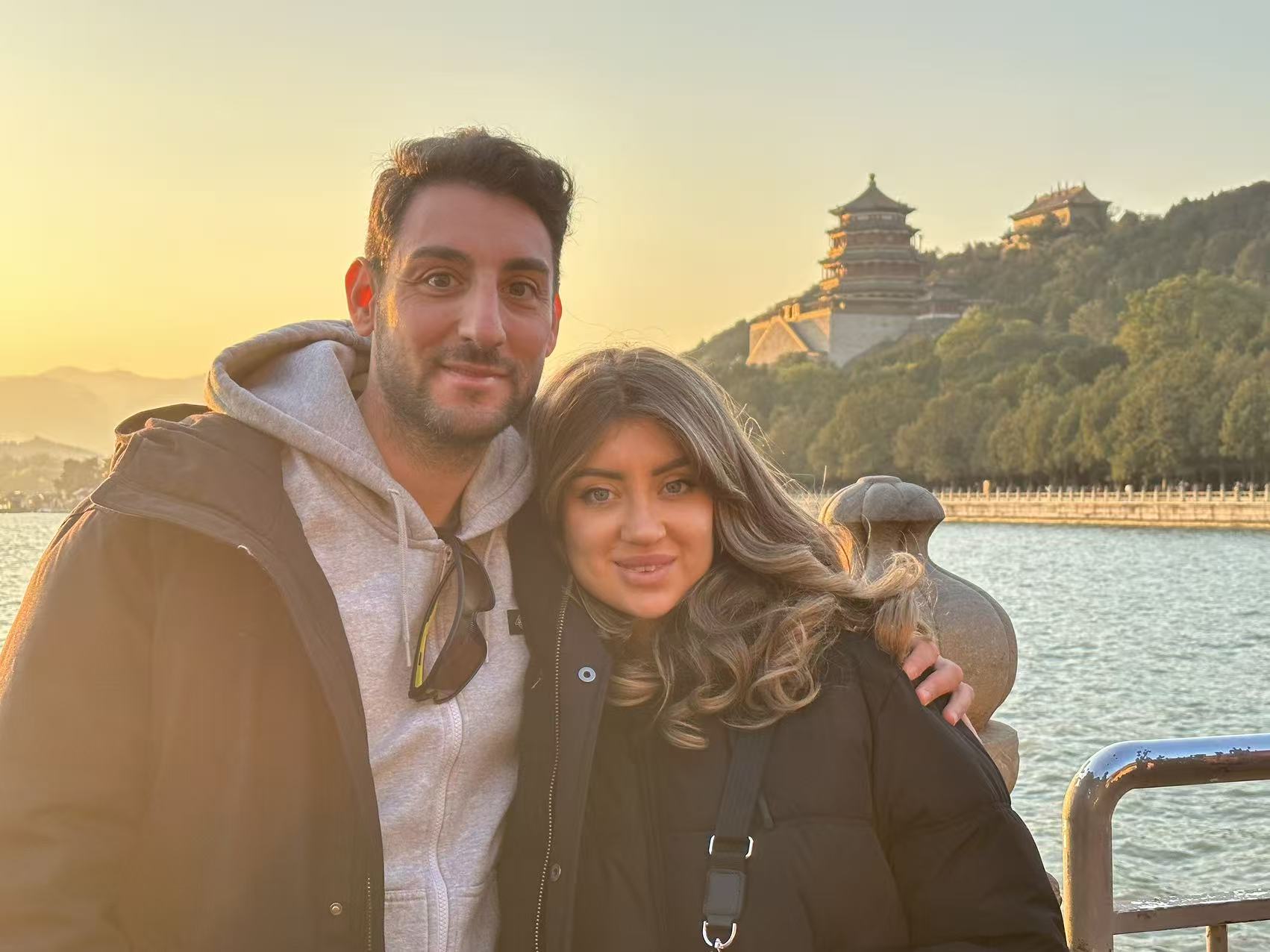
October needs more planning than any other month. The first week is a write-off for most travelers. Everything after the 7th is some of the best Beijing has to offer.
October 1–7: Avoid for sightseeing. Period.
October 8 onward: Crowds drop sharply. Prices start falling back to normal. Temperatures are crisp and ideal — highs of 17°C, dropping to 7°C in the evenings. This is when serious photographers and experienced travelers time their visits.
Late October: The foliage season begins in earnest. Fragrant Hills (Xiangshan Park) is the headline destination — the smoke trees, maples, and ginkgos peak roughly October 18 through early November. The Mutianyu Great Wall in late October, with red hillsides on both sides of the wall, is one of the more spectacular sights in Chinese tourism.
Cost note: Hotel prices in early October spike dramatically for Golden Week, then fall noticeably after the 7th. If you can check in on October 8, you may find rates 30–40% lower than the week before.
Beijing in November
This is the month we’d push experienced travelers toward if they’re open to cold.
The National Day crowds are long gone. Fragrant Hills foliage holds into early November. Diaoyutai Ginkgo Boulevard — a tree-lined street where ancient ginkgos turn brilliant gold — peaks around mid-November and is one of the most quietly beautiful urban walks we know. Jingshan Park in November morning light, with long shadows falling across the Forbidden City below, produces photographs that summer visitors never get.
Temperature by late November: highs of 7°C, with wind that pushes it lower. Layering matters here more than any other month — Beijing’s wind is cutting in a way that the numbers don’t capture. With proper gear, the days are walkable and the city is yours. Without it, you’ll be retreating indoors within half an hour.
Prices are below the October peak. Crowds are thin. On balance, November is the best value month that still has real outdoor appeal.
Beijing in December

December is Beijing at its coldest (lows to −7°C) and its most affordable. Hotels and flights hit their yearly floor. The Forbidden City, Temple of Heaven, and Summer Palace are as uncrowded as they ever get.
If you’re comfortable with serious cold — proper thermals, insulated jacket, wind-resistant outer layer — December offers exceptional value and an atmospheric city. The possibility of snow is real: Beijing’s highest snowfall probability is December and January, and the red walls of imperial Beijing under snow are a sight that justifies the trip on its own.
Ice skating on Beihai Lake and Shichahai is a proper local Beijing winter tradition worth experiencing if the ice is open.
5. Public Holidays to Avoid in Beijing
Beijing draws enormous domestic crowds during every major public holiday. These two are the most disruptive:
National Day Golden Week (October 1–7): The single most impactful event for travelers. Hotels triple in price. Popular sites become overwhelmingly crowded. Train and flight tickets are extremely hard to book last-minute.
May Day Holiday (May 1–5): Similar dynamics on a slightly smaller scale. Hotel prices and crowds spike sharply.
Chinese New Year (late January or early February): Heavy crowds around transportation hubs, many businesses closed, significant disruption to service availability.
Smaller holidays — Qingming Festival (early April), Dragon Boat Festival (May or June), Mid-Autumn Festival (September or October) — cause moderate increases but are manageable with planning.
DIG DEEPER: Chinese Holidays: A Traveler’s Guide
6. What to Pack by Season
Spring (April–May): Light layers you can add and remove. A windproof outer layer. N95 or KN95 mask for March–April sandstorm season. If you have pollen allergies or hay fever, also pack antihistamines — Beijing’s catkin season (early April to late May) is no joke for allergy sufferers.
Summer (June–August): Lightweight breathable clothing, hat, strong sunscreen, compact umbrella for afternoon rain.
Autumn (September–November): Layered wardrobe. A medium-weight jacket for evenings. By November, a proper warm coat is essential. Wind can make the temperature feel significantly colder than the numbers suggest.
Winter (December–February): Serious cold-weather gear. Thermal base layers, insulated jacket, warm hat and gloves, footwear that handles icy pavement.
7. Frequently Asked Questions
What is the absolute best month to visit Beijing?
September is the single best month for most travelers. The weather is warm and dry (15–24°C), air quality is excellent, summer crowds have eased, and the autumn colour season is just beginning. Avoid the first week of October, and you have a near-perfect window on either side of Golden Week.
Is Beijing worth visiting in winter?
Yes, for the right traveler. Beijing in December and January is cold (as low as −9°C) but strikingly affordable and beautiful — thin crowds, possible snow on historic sites, and prices 40–50% below peak season. The Forbidden City and Summer Palace under snow are sights most visitors never get to see. You need proper cold-weather gear and tolerance for wind.
When are sandstorms in Beijing?
Sandstorm season runs roughly from March to early May, with March and April carrying the highest risk. These storms blow in from the Gobi Desert and can spike air pollution dramatically with little warning. If traveling in spring, watch short-range weather forecasts and have indoor backup plans.
When is Beijing cheapest to visit?
December through February (excluding Chinese New Year week) is the cheapest window by a significant margin — hotel rates 40–50% lower than peak season, cheaper flights, and minimal crowds. You pay in cold weather. March and November are secondary budget options with better weather but still below peak pricing.
When should I avoid Beijing?
Avoid July and August if you’re sensitive to heat, humidity, and crowds. Also avoid the first week of October (National Day Golden Week) and the week of Chinese New Year, when prices surge and crowds overwhelm major sites.
How far in advance should I book for autumn?
For September and October — especially late October when Fragrant Hills foliage peaks — book accommodation 4–6 weeks ahead minimum, and 2–3 months ahead if you’re visiting around the National Day holiday period.
Is Beijing’s air quality still a concern?
It has improved substantially. In 2024, Beijing recorded 290 good-air-quality days, with average PM2.5 down 65.9% from 2013 levels. September and October are widely regarded as the clearest months — dry air, no heating season, low humidity. The main remaining risk is spring sandstorm events, which can temporarily push particle levels to extreme readings with little warning.
What’s the best time to hike the Great Wall?
Mid-September to mid-October is ideal — comfortable temperatures, clear skies, and spectacular autumn foliage at Mutianyu and Jinshanling. Late April to May is the second-best window with mild weather and spring greenery. Avoid July and August heat, and be cautious on icy steps in winter.
8. Planning Your Beijing Visit with Us
Beijing is a city that rewards getting the timing right — and getting the guidance right. At Travel China With Me, we’ve spent 20+ years refining Beijing itineraries that work with the season: slower mornings in autumn, indoor-focused middays in summer, early Great Wall starts before the heat builds.
We offer private tour guide services, charter cars, and fully customized China tours built around your travel dates and interests.
If Beijing is part of a broader China trip, our 10-day China itinerary guide and Beijing travel guide cover the full picture.