Traveling to China with Medicine: What to Bring, What’s Banned, and Where to Buy
Most medications you depend on at home can be brought into China — but a short list of common Western drugs will get you stopped at customs, and a few will get you detained. For anyone traveling to China with medicine, the categories that cause real problems are cold medicines containing pseudoephedrine, ADHD stimulants, and opioids. Get those right before you pack, and China’s pharmacies can handle anything else that comes up on the road.
Disclaimer: This article is for general travel reference only. Nothing here constitutes medical advice. Consult your physician before making any decisions about your medications.
TL;DR
- Banned at customs: pseudoephedrine cold medicines (Sudafed, Dayquil/Nyquil variants), ADHD stimulants (Adderall, Ritalin, Vyvanse), opioid painkillers, benzodiazepines, CBD products
- Allowed with documentation: most prescription medications, insulin + supplies, EpiPens, CPAP machines
- Bring enough of any specialist medication for your entire trip — Chinese pharmacies cannot fill foreign prescriptions for uncommon drugs
- Chinese chain pharmacies stock ibuprofen, paracetamol, antihistamines, antacids, and most OTC travel medicines — all without a prescription
- Our guides carry a translation reference and know the nearest 24-hour pharmacy in every city we operate in
Table of Contents
1. What Can You Buy at a Chinese Pharmacy Without a Prescription?
Many drugs that need a prescription in the US, UK, or Australia are sold freely over the counter in China. For routine travel ailments, the Chinese equivalent of what you need is almost always on the shelf.
Look for a 药品经营许可证 (Pharmaceutical Business Licence) and 营业执照 (Business Licence) displayed on the wall — any legitimate pharmacy will have both. Avoid street stalls and market vendors. Watsons (屈臣氏) is the one chain most foreign visitors already recognise. On the Chinese mainland, most branches stock OTC medicines — cold remedies, cough syrup, motion sickness tablets, vitamins — but selection is narrower than a dedicated pharmacy. In Hong Kong and Macau, larger Watsons branches have a full pharmacy counter with a registered pharmacist, including prescription dispensing. If you are entering China via Hong Kong, it is worth stocking up there.
Condition | Generic name | Chinese name (pinyin) | Common brand in China |
|---|---|---|---|
Pain / fever | Ibuprofen | 布洛芬 (Bùluòfēn) | 芬必得 (Fenbid) |
Pain / fever | Paracetamol / acetaminophen | 对乙酰氨基酚 (Duì yǐ xiān ān jī fēn) | 泰诺 (Tylenol), 百服宁 |
Allergy | Loratadine (Claritin) | 氯雷他定 (Lǜ léi tā dìng) | 开瑞坦 (Clarityne) |
Allergy | Cetirizine (Zyrtec) | 盐酸西替利嗪 (Yán suān xī tì lì qín) | 仙特明 (Zyrtec) |
Cold / flu | Paracetamol compound | 白加黑 (Bái jiā hēi) | White & Black tablets |
Cough | Ambroxol syrup | 盐酸氨溴索糖浆 (Yán suān ān xiù suǒ táng jiāng) | — |
Sore throat | Herbal lozenges | 金嗓子喉片 (Jīn sǎng zi hóu piàn) | Golden Throat |
Diarrhea | Loperamide | 洛哌丁胺 (Luò pài dīng àn) | 易蒙停 (Imodium) |
Diarrhea | Berberine (herbal) | 黄连素 (Huáng lián sù) | — |
Stomach / antacid | Aluminium magnesium carbonate | 铝碳酸镁片 (Lǚ tàn suān měi piàn) | 达喜 (Talcid) |
Stomach | Smectite powder | 蒙脱石散 (Méng tuō shí sàn) | 思密达 (Smecta) |
Motion sickness | Dimenhydrinate | 茶苯海明 (Chá běn hǎi míng) | 晕海宁 |
Nasal congestion | Budesonide nasal spray | 布地奈德鼻喷雾剂 | — |
Eye drops | Artificial tears | 人工泪液 (Rén gōng lèi yè) | 润舒 |
Antiseptic | Iodophor solution | 碘伏 (Diǎn fú) | — |
Basic antibiotics | Amoxicillin | 阿莫西林 (Ā mò xī lín) | — |
Show the pharmacist the generic name in Chinese characters, not your foreign brand name. A pharmacist in Zhangjiajie or Lijiang will not recognise “Tylenol,” but will immediately understand 对乙酰氨基酚. Save this table to your phone before you travel.
2. What Western Medicines Are Hard to Find in China?
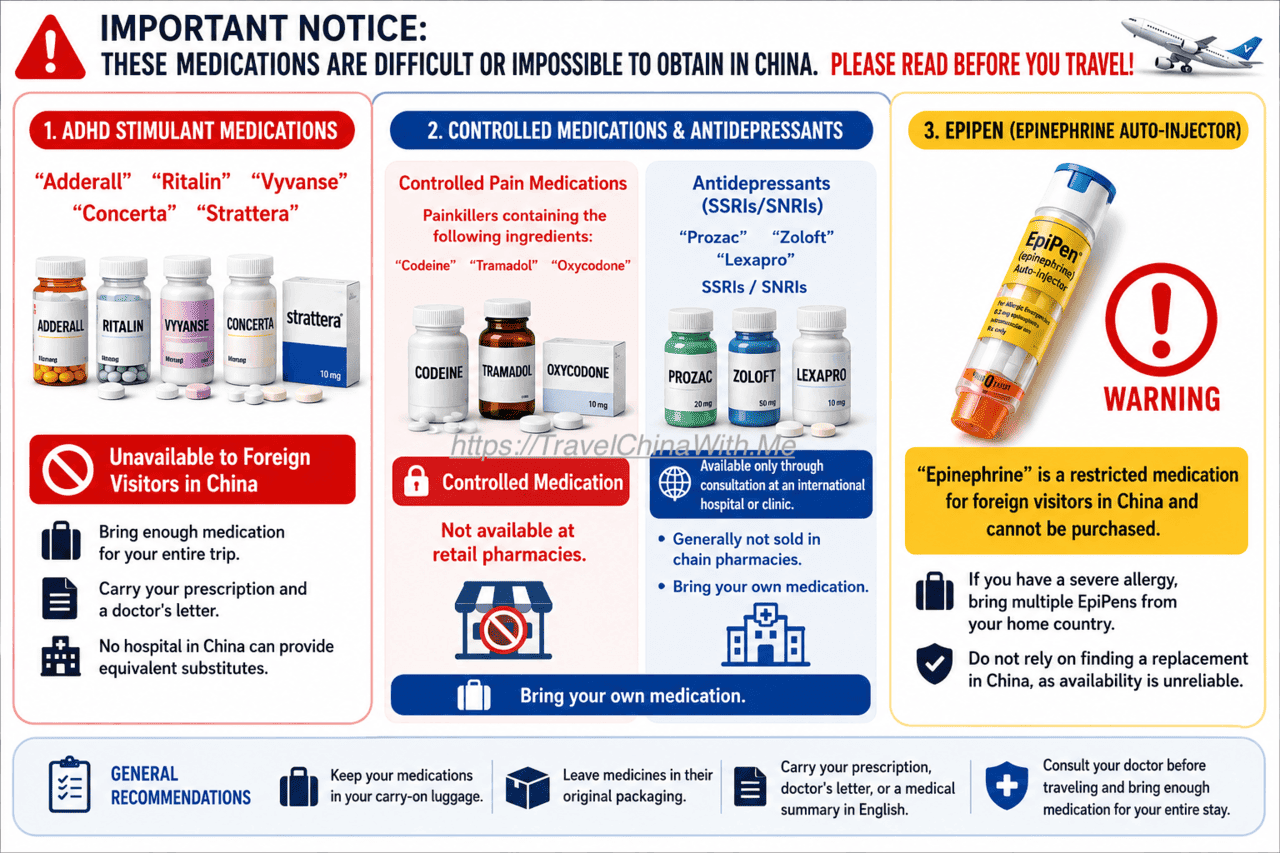
ADHD stimulants — Adderall, Ritalin, Vyvanse, Concerta, Strattera — are unavailable anywhere in China for foreign visitors. No hospital can substitute them. Bring your full trip supply with documentation.
Strong painkillers containing codeine, tramadol, or oxycodone are controlled substances and unavailable at retail pharmacies. SSRIs and SNRIs such as Prozac, Zoloft, and Lexapro are only available through international clinics after a consultation — not from chain pharmacies. Bring your own supply.
EpiPens are a special case: epinephrine is restricted for foreigners to purchase in China. If you have a severe allergy, bring multiple units from home. Finding a replacement on the ground is not reliable.
The pseudoephedrine trap in cold medicine
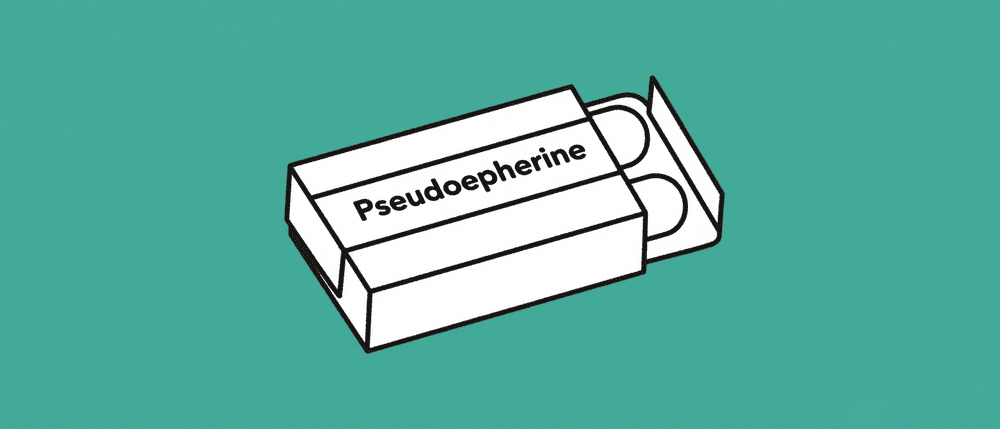
Many common cold and allergy brands contain pseudoephedrine, which China strictly controls as a methamphetamine precursor. The brands to watch are the “-D” allergy versions (Claritin-D, Zyrtec-D, Allegra-D) and combination cold medicines: Sudafed, Dayquil, Nyquil, Theraflu. Chinese cold and allergy alternatives are in Section 1. The non-D versions of Claritin and Zyrtec are fine to bring. Check the active ingredients of everything you pack.
What female travelers should bring from home
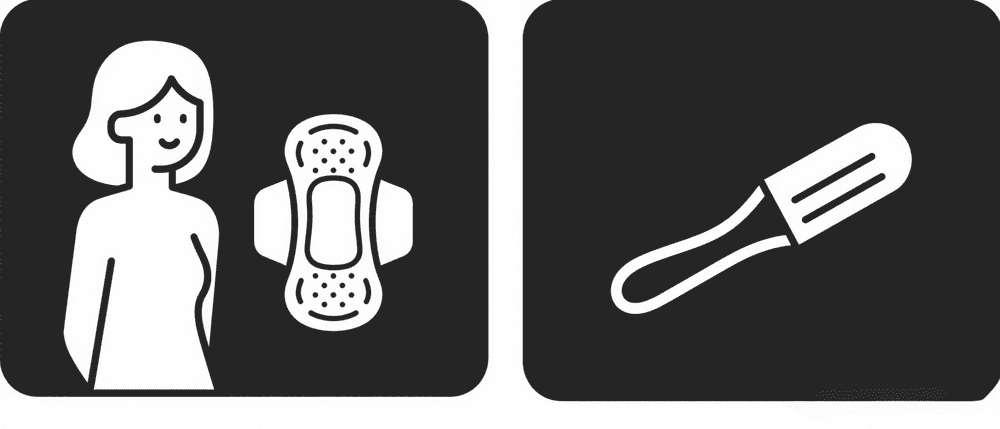
Tampons (internal/inserted type — OB, Tampax) are sold in China but hard to find offline. Large supermarkets and some Watsons branches in major cities usually stock them, but not every store carries them and size selection is limited. In smaller cities and towns, most pharmacies and supermarkets do not carry them at all. If you use tampons, bring enough for your trip — do not rely on finding your preferred brand or size on the ground. Sanitary pads are available everywhere without any issue. Common oral contraceptive pills — Diane-35, Marvelon, Yasmin — are sold OTC at most Chinese pharmacies without a prescription, but less common brands may not be stocked. Emergency contraception is available OTC without restriction.
3. How to Actually Buy Medicine at a Chinese Pharmacy
Many chain pharmacies have open shelves where you can browse and pick up OTC medicines directly. If you cannot find what you need, approach the counter and show the pharmacist the Chinese name of the active ingredient — not your brand name — and they will retrieve the closest available equivalent. The whole process typically takes under ten minutes and requires no prescription for OTC items.
HOW TO BUY MEDICINE AT A CHINESE PHARMACY
If there is no shared language, open DeepL or Google Translate and speak or type your symptom. Most pharmacists in city centres have done this before. Major chain branches near hospitals and in tourist areas typically operate 24 hours — our guides know the nearest one in every city on our itineraries.
Traditional Chinese Medicine in the pharmacy
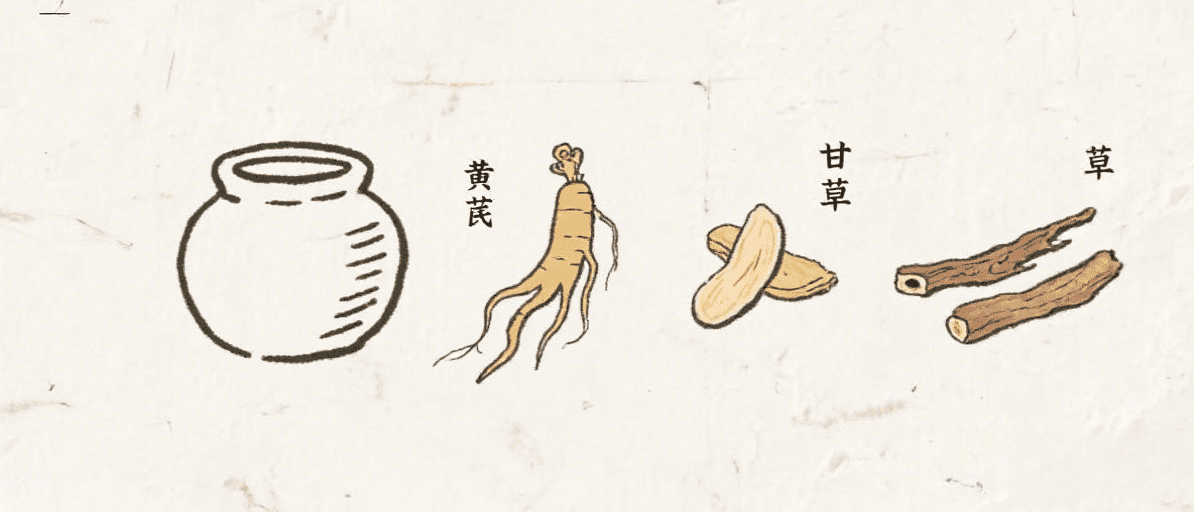
Most large pharmacies have a dedicated TCM section: glass jars of dried ingredients, herbal patent medicines in red-and-gold boxes, sometimes a practitioner available for a consultation. For minor complaints like fatigue, digestive discomfort, or skin irritation, packaged TCM medicines are worth exploring. For anything acute or unfamiliar, use the Western equivalents in Section 1. We tell our clients what we would tell a friend: TCM works, but you need to know what you are treating and why. A two-sentence symptom description to a pharmacist is a starting point, not a diagnosis.
4. What Medicines Are You Allowed to Bring Into China?
Foreign tourists traveling to China with medicine can bring personal-use medications as of 2026, provided the quantity matches their trip length and the drugs are not on the banned list in Section 5. The rules are set by the General Administration of Customs China (GACC).
Keep everything in original packaging
Never move pills into an organiser tray before customs. Labels must be intact, with both the brand name and generic name visible. Quantity must match your travel duration — a two-week trip with a three-month supply of a common medication triggers scrutiny regardless of the drug category.
Carry a prescription and doctor’s letter
For any prescription drug, bring the original prescription and a doctor’s letter. Include your name, the generic drug name, dosage, medical condition, and a statement that the medicine is for your own use. Chinese customs officers cannot read a US, UK, or European pharmacy label — a letter translated into Mandarin removes the guesswork entirely. If your trip is longer than two weeks and you depend on a prescription drug, get the letter translated before you leave.
What you’re carrying | Documentation needed |
|---|---|
OTC: ibuprofen, paracetamol, naproxen, plain antihistamines, antacids, Imodium, motion sickness, melatonin, vitamins | None for personal quantities |
Prescription: blood pressure, diabetes, thyroid, cardiac, most antibiotics, anti-epileptics (e.g. oxcarbazepine) | Prescription + doctor’s letter |
SSRIs / SNRIs: Prozac, Zoloft, Lexapro, Effexor | Prescription + doctor’s letter |
Insulin + supplies | Prescription + doctor’s letter; keep in original manufacturer packaging |
Injectable medications (biologics, fertility drugs) | Doctor’s letter; see Section 6 |
5. What Medicines Are Absolutely Banned at Chinese Customs?
Several categories of medication are banned or heavily restricted at Chinese customs, regardless of whether you hold a valid prescription from your home country. ADHD stimulants, opioid painkillers, cannabis products, and pseudoephedrine-based cold medicines are the categories that catch the most travelers off guard.
Every year we see clients arrive with an airport cold medicine that contains a substance China treats the same as a controlled drug. Travelers have been detained and placed on watchlists for medications their home pharmacist hands out over the counter. A foreign prescription does not change this — Chinese customs applies Chinese law.
BANNED & RESTRICTED MEDICATIONS — CHINA CUSTOMS
A foreign prescription does not change any of the above. Chinese customs applies Chinese law.
Before packing any cold medicine, check the back of the box. If it lists pseudoephedrine (伪麻黄碱), leave it behind. “PE” versions using phenylephrine instead are fine, as are the Chinese equivalents in Section 1.
READ ALSO: China Customs Guide: What You Can Bring
6. Medical Devices: CPAP, Insulin, EpiPens & More
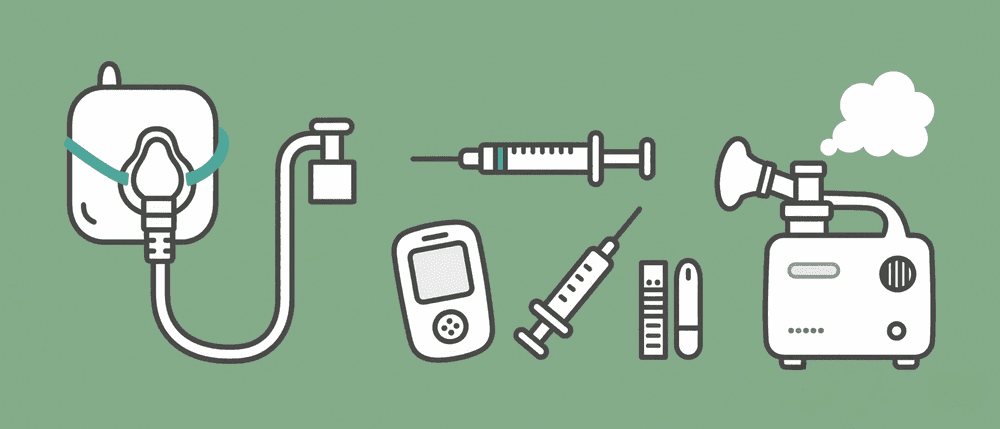
Personal medical devices are allowed into China with a doctor’s letter confirming diagnosis and medical necessity.
CPAP and BiPAP machines
Permitted with a doctor’s letter. Customs may inspect the equipment — carry sanitising wipes. China runs on 220V/50Hz; most modern CPAP machines are dual-voltage (100–240V), but check before you travel. Hotels in tourist cities can supply adapters.
Insulin delivery devices
Insulin pens, needles, and continuous glucose monitors are permitted with a doctor’s letter. Keep insulin in the original manufacturer box with your prescription label attached. Hospital pharmacies in major cities carry insulin for emergencies, but brand and formulation matching is not reliable — bring enough for the full trip, plus a few days’ buffer.
EpiPens and epinephrine auto-injectors
Permitted with a doctor’s letter. Epinephrine is restricted for foreigners to purchase in China, so bring at least two units — do not rely on finding a replacement.
Blood glucose monitors and test strips
Permitted for personal use without restriction. Keep in original packaging.
Nebulisers and portable oxygen concentrators
Permitted with a doctor’s letter. Tell your airline in advance — most carriers require documentation for oxygen devices used in-flight.
Unfilled syringes
Permitted for documented medical use (insulin, biologics) with a doctor’s letter. Do not carry unfilled syringes without written medical justification.
One thing our guides mention to every client heading into the mountains: if your itinerary includes Shangri-La (3,300m) or anywhere on the Tibetan Plateau (above 4,500m), bring a pulse oximeter. Altitude sickness medication — acetazolamide / Diamox — needs a prescription in most Western countries. Chinese hospital pharmacies can issue one after a short outpatient visit. Retail chain pharmacies stock it inconsistently, so do not try to buy it the morning you head uphill. Sort it before travel.
7. What If You Run Out of Medicine in China?
Out of OTC medicine
Any chain pharmacy will sort you out in minutes. Show the Chinese name from Section 1 — most tourist areas have a pharmacy within 300–500m of major hotels.
Out of prescription drugs
International clinics in Beijing, Shanghai, Guangzhou, and Chengdu can see you and issue a Chinese prescription the same day. VIP wards inside major public hospitals charge around CNY 500 per visit; clinics like United Family Healthcare (和睦家医院), Parkway Health (百汇医疗), and Oasis International Hospital run CNY 700–1,500 for a GP consultation, more for specialists (based on published rates from major international clinic networks, 2025–2026). Bring your original prescription, doctor’s letter, and passport.
Can’t get to a clinic
JD Health (京东健康) and Meituan (美团) deliver OTC medicines same-day or next-day in most major cities. For prescription items, WeDoctor (微医) and Ping An Good Doctor (平安好医生) offer telemedicine consultations that can generate a local prescription — English support varies.
Travel insurance with medical coverage is strongly recommended. A clinic consultation plus basic follow-up tests can reach CNY 2,000–5,000 before any treatment.
If you are traveling with us, our guides can take you directly to the right pharmacy or clinic, translate everything, and stay with you if needed. Contact us before your trip if you have questions about a specific medication.
8. Frequently Asked Questions
Can I buy antibiotics over the counter in a Chinese pharmacy?
Regulations tightened significantly after 2020. Most chain pharmacies now require a prescription for antibiotics, including amoxicillin, under National Medical Products Administration (NMPA) rules. For a minor infection, go to a public hospital outpatient department: they issue a prescription and dispense the medication the same visit, usually within an hour. The registration fee is CNY 20–80.
Do Chinese pharmacies have English-speaking staff?
Most do not, outside central Beijing and Shanghai. Watsons branches sometimes have staff with basic English, and their OTC packaging is often bilingual — useful for confirming what you are buying. The practical solution everywhere else is to use Chinese generic names from Section 1 and a translation app for symptoms. Showing your original packaging also works — the generic active ingredient in Latin characters is something Chinese pharmacists recognise, even if the brand name is not.
How much does medicine cost at a Chinese pharmacy?
Medicine in China is inexpensive by Western standards. Common OTC prices: ibuprofen (12–24 tablets) CNY 8–20; paracetamol CNY 6–15; loratadine antihistamines CNY 10–25; cetirizine CNY 12–28; ambroxol cough syrup CNY 15–35; loperamide (Imodium equivalent) CNY 15–25; smectite powder (Smecta) CNY 12–20; motion sickness tablets CNY 8–15; iodophor antiseptic CNY 5–15; artificial eye drops CNY 10–25. Prescription drugs dispensed after a hospital visit are subsidised under China’s national insurance system and typically cost less than the equivalent in the West. Prices are shown on shelf labels and are fixed — chain pharmacies do not negotiate. Keep your receipt — some travel insurance policies cover OTC purchases.
Is it safe to buy medicine from Chinese pharmacies?
Licensed chain pharmacies under NMPA supervision are safe and meet international GMP manufacturing standards. Counterfeit risk at established chains in cities is low. Avoid street vendors, informal stalls, and any seller without a business license on display.
Can I bring my herbal supplements into China?
Sealed commercial supplements in capsule or tablet form are fine for personal use. Loose dried herbs and raw plant materials face biosecurity restrictions — customs can confiscate anything that might carry pests or disease. Keep everything in original factory packaging. If you are unsure, ask your embassy before you travel.
What happens if Chinese customs finds a banned medication in my bag?
It depends on the category. Pseudoephedrine cold medicine: usually confiscated with no further action on a first-time case. Controlled substances (benzodiazepines, opioids, stimulants): confiscation, hours of questioning, possible watchlist. Hard-banned categories (ADHD stimulants, cannabis, narcotics): criminal detention and prosecution are real possibilities. A foreign prescription does not protect you. If you are unsure about anything, contact the Chinese Embassy before you travel — not at the airport.
Do I need to declare my medications at Chinese customs?
For standard OTC and prescription drugs in personal quantities and original packaging, most travelers are not stopped and nothing needs to be declared. If a customs officer asks, you must declare honestly. For controlled medications, injectables, or anything in the borderline categories in Section 5, declare proactively — carrying a controlled substance without declaration compounds the legal risk if it is found.
Can my tour guide help me at a Chinese pharmacy?
If you are traveling to China with medicine and have an operator with local guides on the ground, yes — guides can handle translation, locate the nearest pharmacy, and communicate with staff directly. At Travel China With Me, a China-based inbound tour operator running since 2006, our guides do this regularly. For hospital visits or prescription situations, our ground team coordinates directly. This support is included for all our clients, not an add-on.
Medical disclaimer: Drug regulations, availability, and customs enforcement change. Nothing here is medical or legal advice. Consult your doctor about your medications, and check with the Chinese Embassy in your country for current customs rules before travel.
Our team has handled health logistics for international visitors since 2006. Get in touch if you have questions before your trip.