Best Time to Visit Yunnan: A Month-by-Destination Guide
Last February, a couple stood frustrated at Yuanyang’s rice terraces. They’d compromised on March dates—missing January’s peak water reflections and April’s spring blooms. “Why didn’t anyone tell us this matters?” the husband asked.
Most guides give recycled answers: “Spring and autumn are best.” That’s useless for Yunnan.
After leading tours here since 2006, timing isn’t about finding perfect months. It’s about matching destinations to seasons. A photographer needs January for Yuanyang’s water mirrors. Someone escaping winter wants Xishuangbanna November through March. Wildflower enthusiasts need late May when Shangri-La’s meadows finally bloom at 3,300 meters.
Table of Contents
Quick Reference: When to Visit Where
Destination | Jan | Feb | Mar | Apr | May | Jun | Jul | Aug | Sep | Oct | Nov | Dec |
|---|---|---|---|---|---|---|---|---|---|---|---|---|
Kunming | ✓ | ✓ | ✓✓ | ✓✓ | ✓✓ | ✓ | ✓ | ✓ | ✓✓ | ✓✓ | ✓✓ | ✓ |
Dali | ✓ | ✓ | ✓✓ | ✓✓ | ✓✓ | ✓ | ✓ | ✓ | ✓✓ | ✓✓ | ✓✓ | ✓ |
Lijiang | ✓ | ✓ | ✓✓ | ✓✓ | ✓✓ | ✓ | ✓ | ✓ | ✓✓ | ✓✓ | ✓ | ✓ |
Shangri-La | – | – | – | – | ✓ | ✓✓ | ✓✓ | ✓ | ✓✓ | ✓✓ | – | – |
Xishuangbanna | ✓✓ | ✓✓ | ✓✓ | ✓✓ | ✓ | – | – | – | ✓ | ✓ | ✓✓ | ✓✓ |
Yuanyang | ✓✓ | ✓✓ | ✓ | – | – | – | – | – | ✓ | ✓ | ✓ | ✓ |
Luoping | – | ✓✓ | ✓✓ | ✓ | – | – | – | – | – | – | – | – |
✓✓ = Best time | ✓ = Good time | – = Avoid
Why Yunnan Breaks Normal Weather Rules
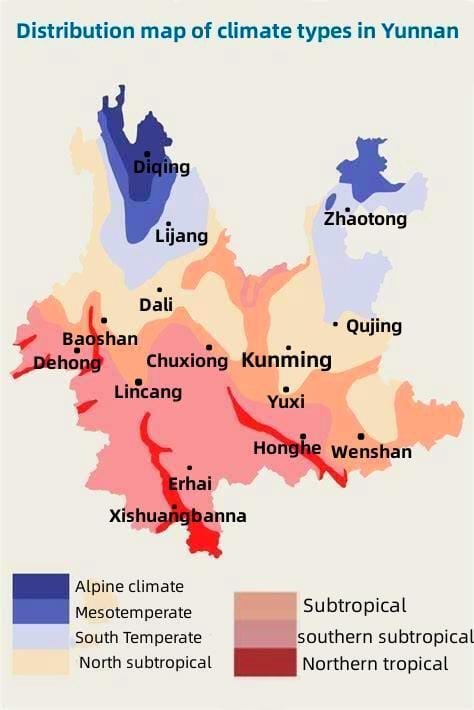
Drive from Xishuangbanna’s tropical rainforest at 25°C to Shangri-La’s snow at -5°C in one week. This happens regularly. Yunnan spans elevations from 76 meters to 6,740 meters, creating three completely different climate zones in one province.
A typical week-long trip involves packing for three different countries. Temperature swings of 20-25°C are normal. Layers become essential, not optional.
The upside? Some part of Yunnan stays pleasant year-round. Winter in Beijing? Xishuangbanna offers summer weather. Summer heat in Shanghai? Shangri-La maintains 18°C.
Northern Highlands (Shangri-La, Deqin area)
2,400-4,000+ meters elevation. Alpine climate with cold winters, cool summers, dramatic day-night temperature swings.
Central Plateau (Kunming, Dali, Lijiang area)
1,800-2,400 meters elevation. Subtropical highland genuinely spring-like most months.
Southern Lowlands (Xishuangbanna, Yuanyang, Pu’er area)
500-1,500 meters elevation. Tropical to subtropical with hot humid summers, perfect mild winters.
DIG DEEPER: Yunnan Weather
When to Visit Each Destination
Kunming
Best: March-May, September-November | Good: Year-round except June-August

Kunming‘s “Spring City” nickname is accurate. Daily temperatures hover 15-25°C most months. But seasons still matter for experience quality.
March through May brings peak blooms. Parks transform into flower showcases with cherry blossoms framing walkways. Day-night temperature differences reach 12-20°C, making layers essential despite the mild reputation.
September through November offers photography perfection. The rainy season passes, skies turn crystal blue, autumn foliage creates stunning contrasts. Mornings start crisp at 13°C, afternoons warm to 22°C.
June through August means afternoon rain. Not all-day downpours, but frequent showers requiring an umbrella. The upside? Fewer tourists and lower hotel prices.
Winter (December-February) stays mild at 3-15°C, genuinely comfortable for city exploration. Just bring a jacket for mornings and evenings.
Dali
Best: March-May, September-November | Good: Year-round except June-August
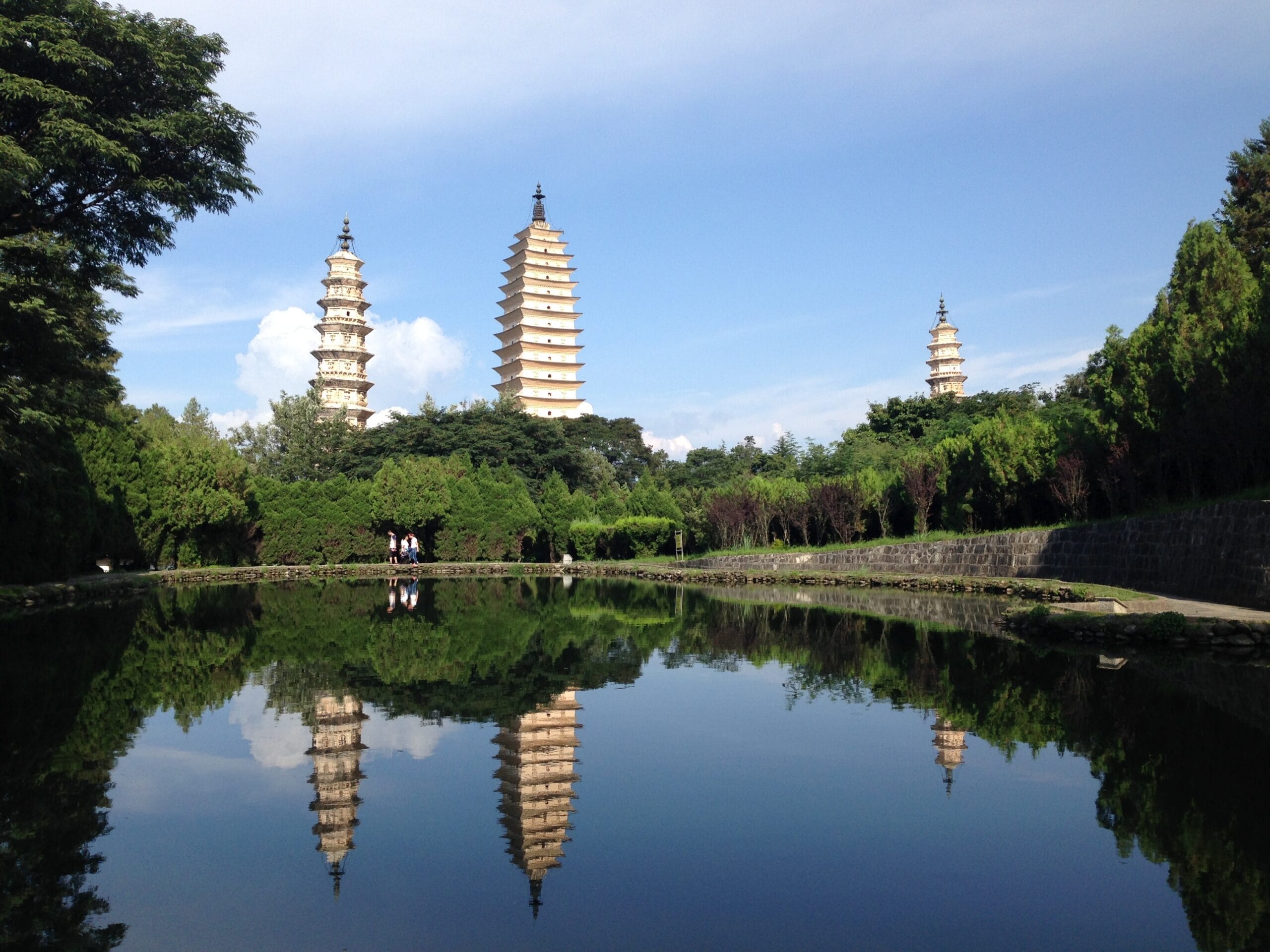
Dali sits at 2,000 meters with similar patterns to Kunming but slightly cooler temperatures and more dramatic mountain backdrops.
March through May brings cherry blossoms framing Erhai Lake. Ancient town streets bloom with flowers. Temperatures stay comfortable at 10-23°C for cycling around the lake—a popular 4-5 hour activity. March trips often see clients cycling in t-shirts at noon, adding jackets by evening.
September through November delivers perfect conditions. Post-rainy season clarity, comfortable 11-21°C temperatures. The Cangshan Mountains photograph beautifully against clear blue skies.
June through August brings afternoon rain regularly. The lake becomes misty, mountains often obscured. Not ideal for the scenic outdoor activities most visitors want, though Old Town wandering works fine.
Winter (December-February) turns cool but manageable. Nights drop to 1-5°C, days warm to 15°C. The Old Town becomes peaceful with prices dropping significantly.
Lijiang
Best: March-May, September-October | Good: November-February, June-August | Critical: Avoid Chinese New Year & National Day weeks

Lijiang works year-round but timing dramatically affects experience quality. This is one of China’s most popular domestic destinations, so avoiding peak periods matters more than weather.
Spring (March-May) brings comfortable 8-21°C temperatures and blooming flowers. The ancient town looks postcard-perfect. This is peak season—hotels that cost ¥200 off-season charge ¥500-600 in April.
Autumn (September-October) offers the best combination—excellent weather, fewer crowds than spring (except Oct 1-7), autumn foliage adding color to Jade Dragon Snow Mountain views.
October 1-7 (National Day) brings absolute chaos. Two-hour queues just to enter the ancient town are common. Hotels sell out 2 months ahead. Either avoid completely or accept crowds.
Winter (November-February) turns cold but manageable. Nights near freezing, days warming to 10-15°C. The ancient town becomes genuinely peaceful with prices dropping 30-40%. If you don’t mind cold mornings and want Lijiang without shoulder-to-shoulder crowds, this is the window.
Summer (June-August) means afternoon rain but stays cooler than eastern China at 13-23°C. Many domestic tourists visit specifically to escape 35°C+ heat elsewhere, so crowds approach spring levels despite rain.
Shangri-La
Best: Late May-July, September-October | Good: May, August | Avoid: November-April

Shangri-La at 3,300 meters requires understanding altitude’s effect on seasons. April still feels like winter’s tail here, not spring.
Late May through July brings alpine meadows in full bloom. Over 160 rhododendron species turn grasslands into color seas. Tibetan villages frame snow-capped peaks. Temperatures reach comfortable 10-20°C for hiking. June treks show meadows stretching endlessly in bloom—scenes that don’t exist in April.
Rainy season begins late May with afternoon showers becoming common. Morning activities usually stay clear. Hikes get scheduled for mornings, monastery visits for rainy afternoons.
September through October brings autumn clarity. The rainy season ends, skies turn crystal blue. Temperatures drop to 1-15°C but visibility peaks for Meili Snow Mountain views. Grasslands turn golden with magical light for photography.
Winter (November-April) turns brutally cold. Shangri-La regularly drops below -5°C at night. Roads occasionally close from snow. Tourist infrastructure mostly shuts down. Unless you specifically want winter landscapes and serious cold, wait for late May.
Day-night temperature swings reach 15-20°C year-round. Pack for cold mornings regardless of season.
Xishuangbanna
Best: November-April | Good: May, September-October | Avoid: June-August

While most of China suffers winter, Xishuangbanna at 500-1,500 meters elevation enjoys its finest weather.
November through April maintains 20-25°C—dry, sunny, perfect for escaping northern cold. December tours see travelers in t-shirts while friends back home deal with snow. The tropical rainforest stays accessible, Dai villages offer cultural immersion without oppressive humidity.
April 13-15 brings the Water Splashing Festival. The Dai New Year transforms Jinghong into a city-wide water fight. First two days feature cultural ceremonies, day three erupts into joyful chaos with thousands splashing water to wash away bad luck. Hotels triple prices and sell out months ahead. Book by February if you want this experience.
May stays acceptable at 19-30°C but humidity starts climbing. September-October sees temperatures dropping to pleasant 18-28°C.
June through September brings heavy rain and 80%+ humidity. Temperatures hit 30°C+ with crushing humidity. This is genuinely the worst time unless you specifically want tropical monsoon experience.
Yuanyang
Best: January-February | Good: September-November, December | Avoid: April-August
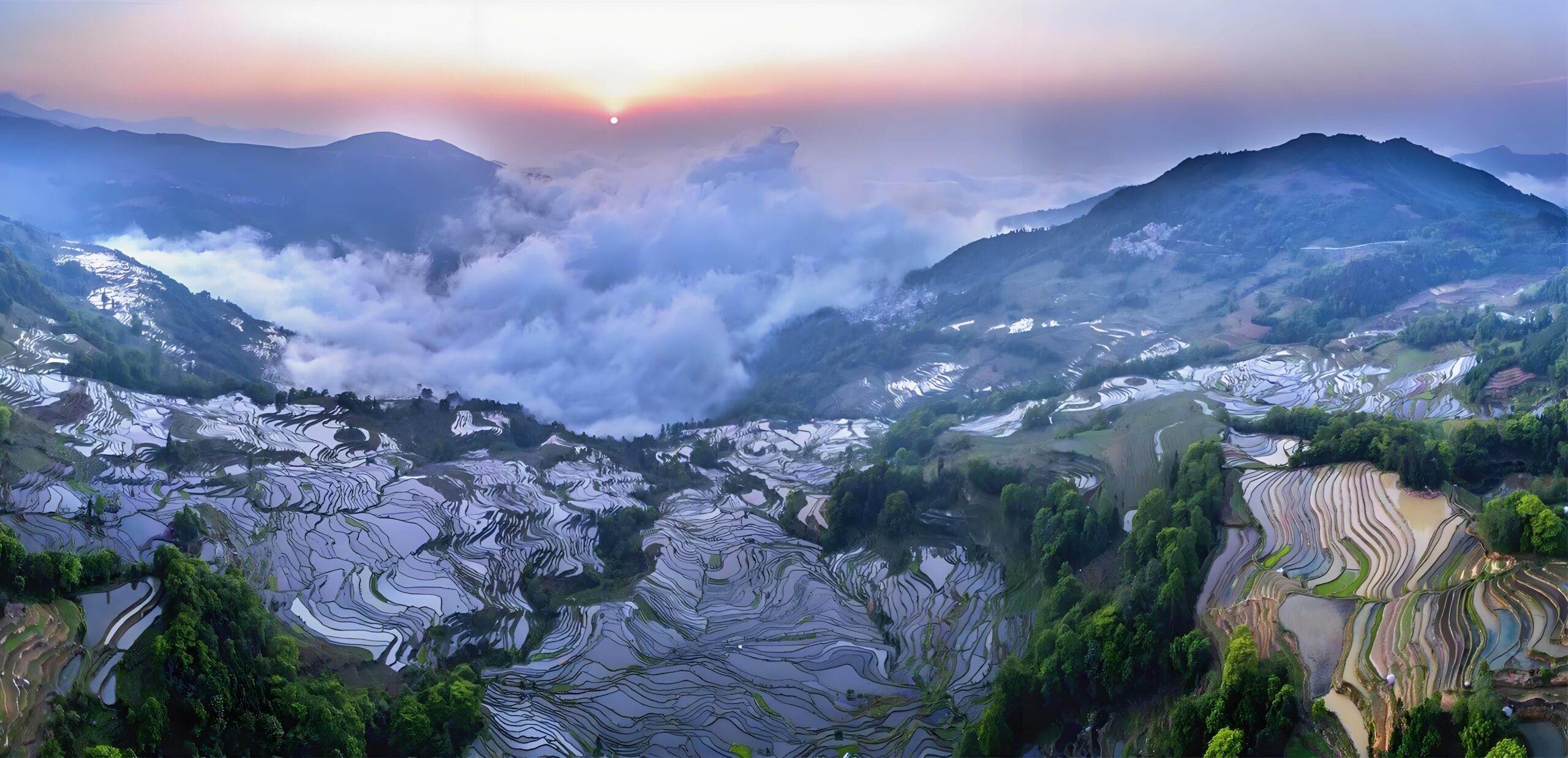
Yuanyang exists for photographing rice terraces. Timing determines whether you see famous reflections or just empty fields.
January through February delivers the iconic images. Terraces flood after harvest and become massive mirrors. Over 40 sunrise shoots here confirm the pattern: mid-December through March creates the reflection photography seen everywhere online.
Morning routine starts 5:30 AM, positioned at viewpoints by 6:00 AM before light breaks. Water surfaces catch dawn colors—oranges, golds, sometimes purples when clouds cooperate. Late February adds wild cherry blossoms and peach flowers across hillsides. Pink blooms mixed with golden water reflections only happen this month.
Weather flips daily. Plan minimum three sunrise attempts—one morning gives spectacular conditions, the next brings fog ruining everything. Allocate 2-3 days.
January mornings drop to 5-8°C, warming to 18-20°C by 10 AM.
September through November brings rice harvest. Terraces turn golden instead of reflecting water—dramatic golden steps against green mountains. Some photographers prefer this, though it’s less iconic than water reflections.
April through August shows planted rice growing. Green but unremarkable, not worth the trip unless combining with other destinations.
Luoping
Best: Late February-March | Good: Early April | Avoid: Rest of year

Luoping is purely seasonal. Late February through early April transforms the county into an ocean of yellow rapeseed flowers covering over 130 square kilometers.
Peak bloom hits mid-February through March. Golden flowers contrast against green karst hills creating postcard scenes. Stay 2 days minimum—sunrise and sunset both offer magical light at 8-20°C.
Elevated viewpoints work best, showing the full scope of flower seas stretching to horizons.
Outside this 6-8 week window, Luoping offers little tourist appeal. The rapeseed flowers are the only draw.
Month-by-Month Strategy
January-February
Focus on southern Yunnan. Xishuangbanna perfect at 20-25°C. Yuanyang reaches photographic prime with water reflections. Kunming and Dali mild and pleasant. Northern areas too cold.
Critical: Avoid Chinese New Year week (Jan 28-Feb 3, 2026). Hotels sell out completely, prices triple, sites become packed.
March-April
Classic peak season everywhere. Comfortable temperatures across all regions. Luoping’s rapeseed fields peak. Dali and Lijiang beautiful with spring blooms. Water Splashing Festival mid-April in Xishuangbanna.
Expect crowds and higher prices. Book hotels 2-4 weeks ahead.
May-June
Transition to summer. Shangri-La’s alpine meadows finally bloom—the window for wildflowers. Central areas start seeing afternoon rain late May.
Focus on high-altitude areas for flowers. Accept occasional rain.
July-August
Rainy season peaks with afternoon-only rain typically. Shangri-La reaches wildflower peak despite rain. Paradoxically peak domestic tourism—Chinese families escaping eastern heat.
If you can handle occasional wet weather and don’t mind crowds, this works. Otherwise skip.
September-November
Rainy season ends September. Crystal blue skies. Rice harvest transforms Yuanyang. Comfortable temperatures across all regions. Autumn colors at high elevations.
Critical: Avoid October 1-7 (National Day)—absolute chaos at all major sites. Book months ahead or skip this week entirely.
December
Northern areas cold, southern perfect. Excellent value with 30-40% lower prices. Minimal crowds except Christmas week. Yuanyang’s water reflections begin. Xishuangbanna maintains pleasant 20-25°C.
Best for budget travelers, photographers starting Yuanyang season, winter escape to tropical south.
Temperature Reality Across Regions
City | Winter (Dec-Feb) | Spring (Mar-May) | Summer (Jun-Aug) | Autumn (Sep-Nov) |
|---|---|---|---|---|
Kunming | 3-15°C | 12-24°C | 17-24°C | 13-22°C |
Dali | 1-15°C | 10-23°C | 16-25°C | 11-21°C |
Lijiang | -1-13°C | 8-21°C | 13-23°C | 8-20°C |
Shangri-La | -7-6°C | 2-16°C | 10-20°C | 1-15°C |
Xishuangbanna | 11-25°C | 19-33°C | 22-30°C | 18-28°C |
One week across Yunnan involves a 24-30°C temperature span. Pack layers—light jacket, warmer coat, t-shirts, long pants, rain jacket (March-October), sun protection.
Critical Holiday Periods
Chinese New Year (January 28-February 3, 2026)
Hotels sell out 1-2 months ahead. Prices triple. Popular sites shoulder-to-shoulder packed. Train and flight tickets disappear. Unless experiencing Spring Festival celebrations is your specific goal, avoid entirely.
May Day (May 1-3)
Extended weekend brings crowds but not as severe. Still busy at popular sites. Book 2 weeks ahead.
National Day (October 1-7)
Absolute worst for crowds. Two-hour queues just to enter Lijiang Ancient Town. Hotels that normally cost ¥300 charge ¥1,200. Tiger Leaping Gorge trail becomes a slow-moving human chain. Either avoid or book 2-3 months ahead and accept crowds.
Shift even one week earlier or later than these periods for dramatically different experiences. Weather difference is minimal. Crowd and price difference is massive.
Our Assessment After Years of Guiding
Best overall timing: Late September through mid-November
Excellent weather, clear skies, comfortable temperatures, autumn colors, manageable crowds outside Oct 1-7, reasonable prices.
Absolute worst: Chinese New Year week and October 1-7
These transform normally peaceful sites into human traffic jams. The experience quality drops dramatically.
Best value: December through February excluding Chinese New Year
Southern areas perfect, northern areas cold but rewarding. Minimal crowds. Prices 30-40% lower.
Best weather reliability: March through May, October through November
Minimal rain, pleasant temperatures, good visibility for mountain views.
Frequently Asked Questions
What month has the best weather across all Yunnan?
October offers the most reliable conditions—post-rainy season clarity, comfortable 15-25°C temperatures, autumn colors, good visibility. Skip October 1-7 when National Day brings massive crowds.
Can I visit Yunnan year-round?
Yes. Climate diversity means some region stays pleasant every month. Winter? Visit tropical Xishuangbanna or mild Kunming. Summer? Head to high-altitude Shangri-La. The province works year-round if you choose regions appropriately.
How many days do I need?
Minimum 5-7 days covers highlights (Kunming, Dali, Lijiang). 10-14 days allows deeper exploration including Shangri-La or Xishuangbanna. Three-week itineraries still miss entire regions like Yuanyang or Tengchong.
Is rainy season worth avoiding?
Not necessarily. Rain typically falls afternoons only in June-August, leaving mornings clear. Landscapes turn lush, waterfalls reach peak flow, crowds thin. If you can handle occasional wet weather and plan indoor activities for afternoons, summer offers advantages despite rainfall.
When do I need to book in advance?
Chinese New Year and National Day require 2-3 months minimum. Regular shoulder seasons (March-April, September-October) benefit from 2-4 weeks notice. Off-peak times (November-February excluding holidays, June-August) work with 1-week advance booking.
What’s the biggest mistake travelers make with timing?
Assuming “spring is always best” without considering specific goals. Photographers visiting in April miss January’s Yuanyang reflections. Wildflower enthusiasts coming in March miss late May’s Shangri-La blooms. Match timing to what you actually want to see, not generic seasonal advice.