The Ultimate Guide to China’s Ethnic Minority Destinations
You want to see the real China.
You have heard about China’s 5,000 years of history. You have seen pictures of the Great Wall. You know about Shanghai’s skyscrapers. But you are looking for something more. You are searching for authenticity. You want to connect with living cultures, ancient traditions, and breathtaking landscapes.
You are searching for China’s ethnic minority destinations.
We are Travel China With Me. For over 20 years, we have guided travelers deep into these vibrant regions. We don’t just visit. We connect. We have built relationships with local families, guides, and artisans. This is not just a list of places. This is our expert guide. It is built on years of personal experience and a passion for respectful, immersive travel.

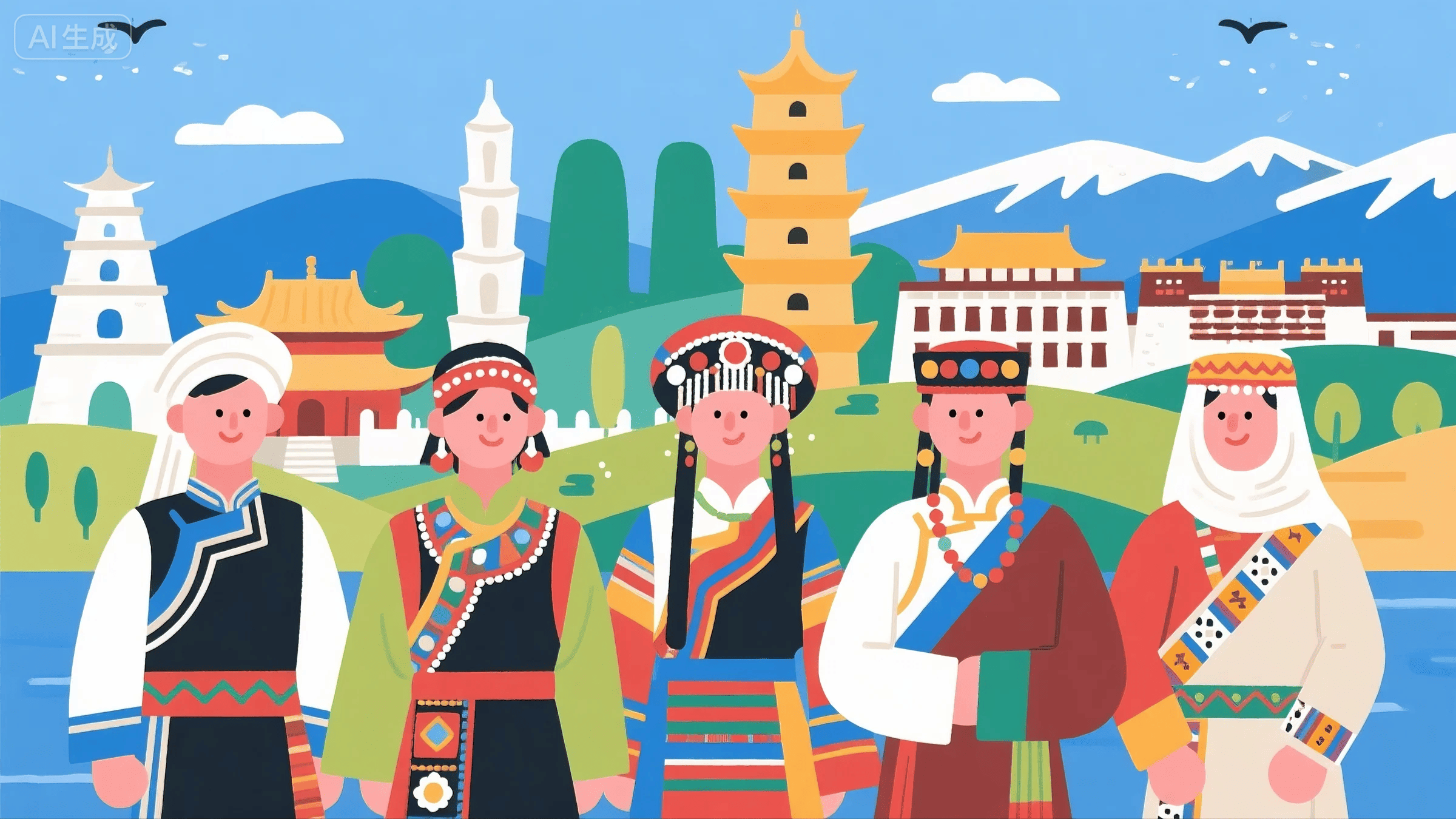
China officially recognizes 55 ethnic minority groups. They live across the country, from the tropical south to the northern grasslands. Exploring these areas is the most profound travel experience you can have in China. But it requires a different approach. It requires respect, curiosity, and expert planning.
This guide will show you the destinations. It will also show you the way to travel. We will share our unique insights. We will provide practical, up-to-date information for 2025. We want to help you plan a journey that is not just a vacation, but a true cultural immersion.
Table of Contents
Our Philosophy: Travel That Connects, Not Just Observes
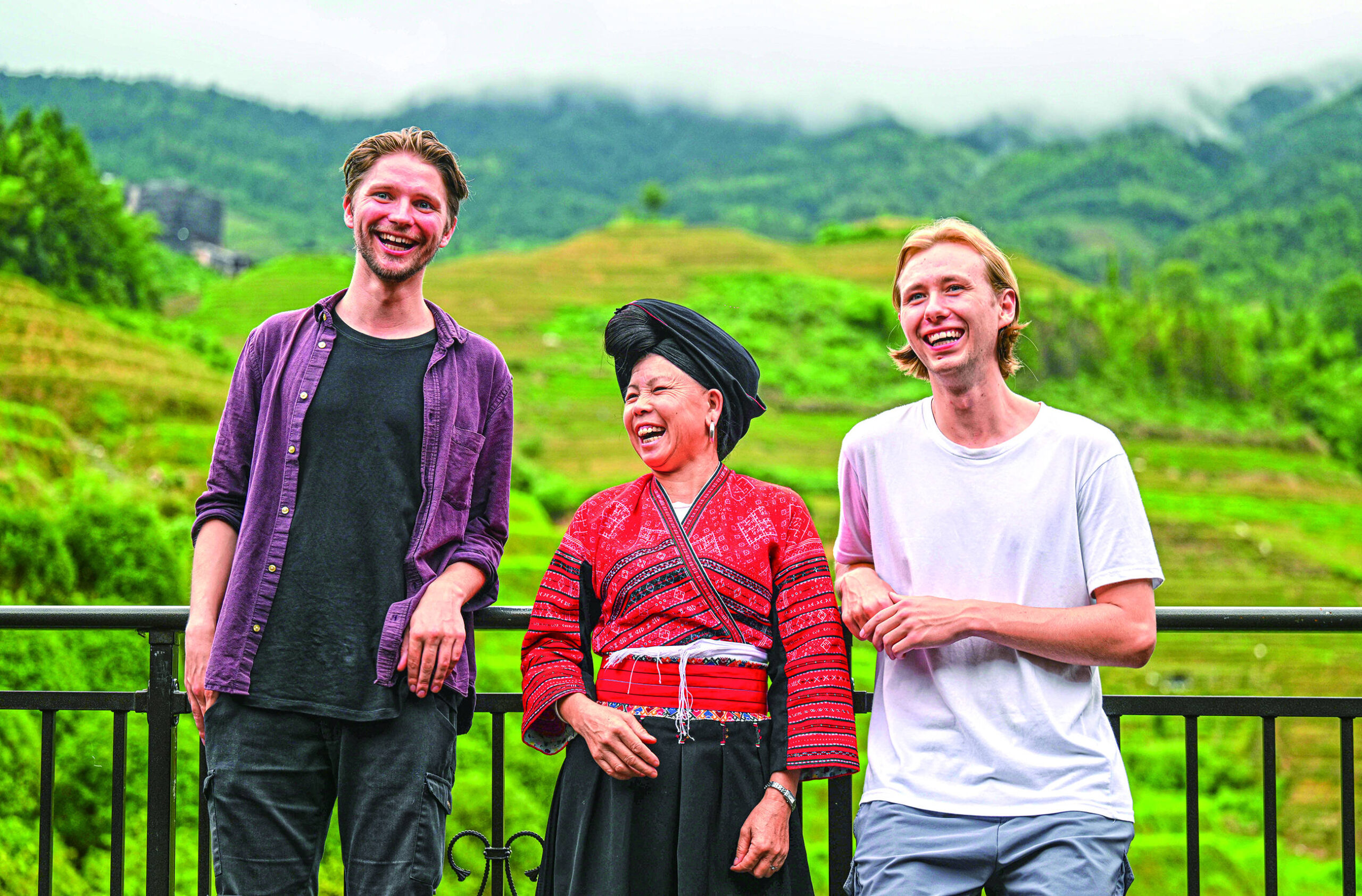
Visiting an ethnic minority region is a privilege. It is not a human zoo. We believe travel must be a force for good. It must be respectful. It must be sustainable. It is our promise to you and to the communities we visit.
Before we explore where to go, we must discuss how to go. Our approach is built on trust and respect.
The “Travel China With Me” Approach
We partner directly with local communities. We hire local guides. We stay in locally-owned guesthouses. We eat at family-run restaurants. This ensures your money supports the people who live there. It also gives you a much richer experience. You are not a tourist kept at a distance. You are a guest.
We have seen the impact of mass tourism. We have seen ancient towns lose their soul. Our goal is to avoid this. We design itineraries that are low-impact and high-engagement.
Key Principles for Respectful Travel
We ask all our travelers to follow these simple rules. They make a huge difference.
- Ask Before Photographing: This is the most important rule. Always ask permission before taking a photo of a person. A smile and a gesture are universal. Respect their answer if they say no.
- Support Local Craft: Avoid mass-produced souvenirs. Buy directly from the artisan. Ask your guide to take you to a local silversmith in Guizhou. Or a tie-dye workshop in Yunnan.
- Learn a Few Words: “Nǐ hǎo” (Hello) and “Xièxie” (Thank you) are essential. In Guizhou, “Mimang” is “hello” in the Miao language. In Tibet, it is “Tashi Delek.” These small efforts open doors.
- Be a Humble Guest: You are in someone else’s home and culture. Be open-minded. Be patient. Accept invitations for tea. Try the local food. Your curiosity is your greatest asset.
- Leave No Trace: This is standard. Carry out your trash. Stay on marked trails. Preserve the natural beauty that is central to these cultures.
A Deeper Look: The Ethical Photographer’s Pledge
We need to talk more about photography. Many travelers come to these regions for the stunning visuals. But it’s easy to make a mistake. We have seen tourists shove cameras in the faces of local elders. It is dehumanizing.
Our philosophy is “connection before the click.”
Before you even raise your camera, smile. Say hello. Have your guide introduce you. Ask about the textile they are weaving. Buy a small fruit from their stall. Show them a picture of your own family. Once you have made a human connection, then you can gesture to your camera and ask.
More often than not, they will be happy to share. The photo you get will be a genuine portrait, not a stolen snapshot. This is the difference between being a tourist and being a traveler.
What Our Travelers Say:
“I’m a keen photographer. Our guide in Guizhou, ‘Lucky,’ was amazing. He didn’t just take me to ‘photo spots.’ He introduced me to a family repairing a drum tower. We drank tea with them for an hour. Only then did I ask to take photos. They were my favorite pictures of the entire trip.“
– David R., Australia
The Core Guide: China’s Ethnic Minority Destinations
China is vast. You cannot see everything in one trip. We have organized this guide by the most culturally rich and accessible provinces. These regions offer the highest concentration of diverse ethnic groups.
We focus on four main areas:
- Yunnan: The “living museum” of diversity.
- Guizhou: The undiscovered heart of folk traditions.
- Guangxi: Karst peaks and riverside cultures.
- The Far West: The epic landscapes of Xinjiang and Tibet.
1. Yunnan Province: The ‘Living Museum’

Yunnan is the superstar of ethnic diversity. It is home to 25 different minority groups. The landscapes are just as varied. You will find tropical jungles, alpine peaks, and ancient towns.
Logistics Update: Travel in Yunnan has become very easy. High-speed trains now connect the capital, Kunming, to Dali (approx. 2.5 hours) and Lijiang (approx. 3.5 hours). A new line even connects Lijiang to Shangri-La (approx. 1.5 hours). This has replaced the long bus journeys of the past.
Dali: The Bai People and Erhai Lake
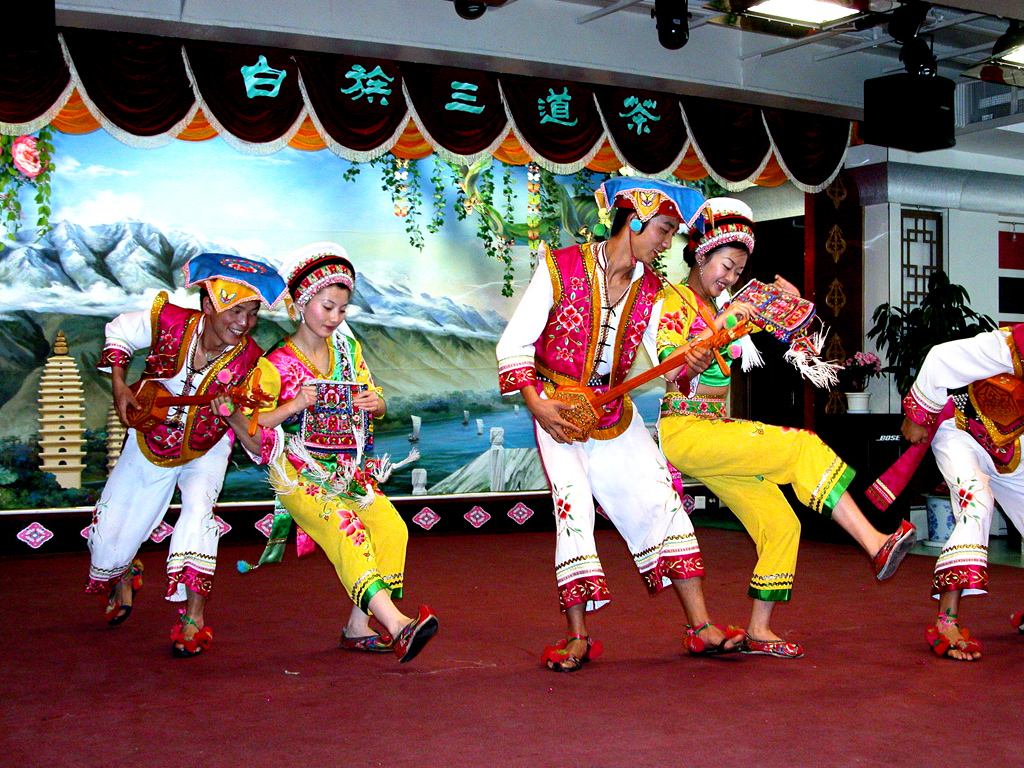
- Who Lives Here: The Bai people. They are known for their white-walled homes and intricate tie-dye art.
- What to See: Dali Old Town, the Three Pagodas, and the massive Erhai Lake.
- Our Unique Viewpoint: Most travelers get stuck in the Old Town. The real magic is outside the walls. We recommend a full day to circle Erhai Lake. We arrange bike rentals or a private car.
- Our Insider Tip: Stop in Xizhou. This is a preserved Bai village. It is far more authentic than Dali Old Town. We love the local “baba” (a type of flatbread). We can arrange a visit to a local family’s courtyard home. Here, you can learn the tie-dye process from masters. This is a hands-on experience you will never forget.
Lijiang & Shaxi: The Naxi Kingdom
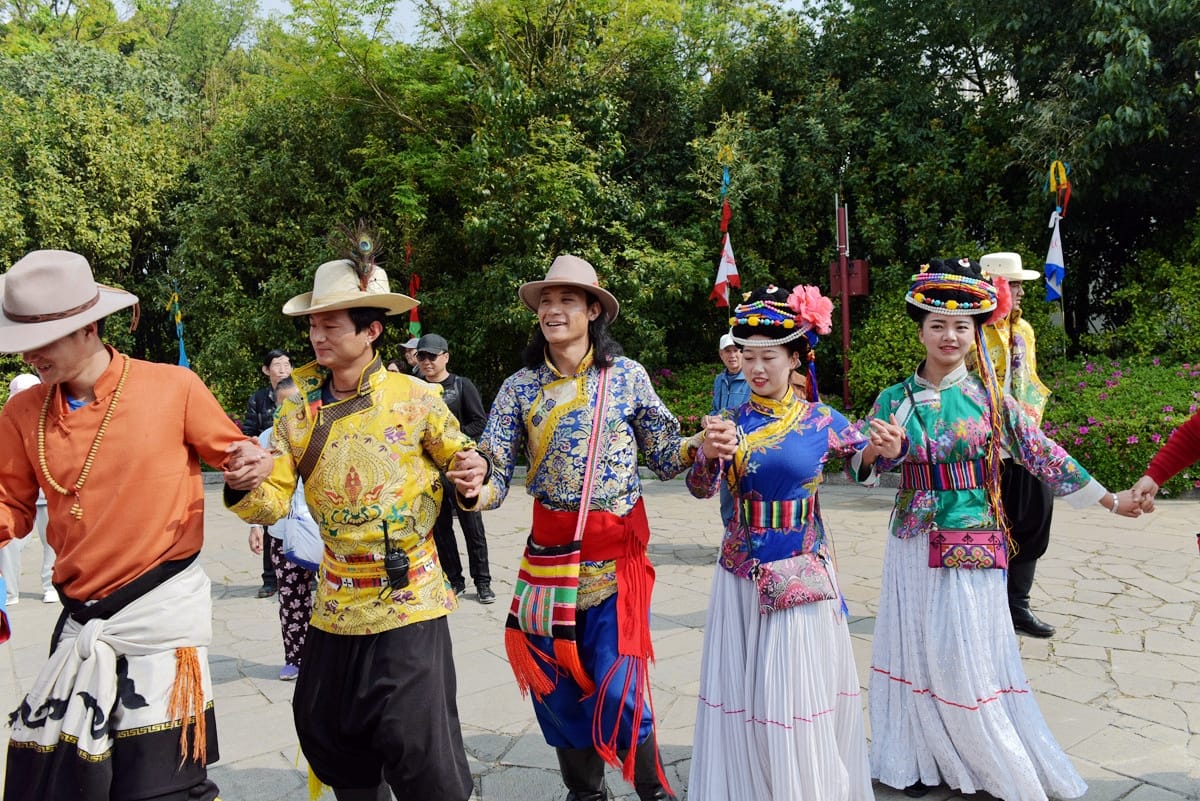
- Who Lives Here: The Naxi people. They have a unique matriarchal culture and a complex pictographic writing system called Dongba.
- What to See: Lijiang Old Town (a UNESCO site), Jade Dragon Snow Mountain, and Black Dragon Pool.
- Our Unique Viewpoint: Lijiang Old Town is beautiful. It is also extremely crowded and commercialized. We know the quiet alleys. We know the hidden courtyards. We suggest staying just outside the old town for peace. Visit the old town early in the morning.
- Our Insider Tip: For a true taste of the past, we take our clients to Shaxi. This is a 2-hour drive from Lijiang. It was a vital stop on the old Tea Horse Road. It is beautifully preserved and much quieter. We have a favorite guesthouse there, run by a local family. You can hike in the surrounding hills. You can visit the historic Friday market. Shaxi feels like Lijiang did 20 years ago.
What Our Travelers Say:
“We loved Lijiang, but Shaxi was where we breathed. Our guide took us to the Friday market, and we just sat and watched. It felt like stepping back 50 years. That’s what we came to China for.“
– Sarah & Tom, UK
Yuanyang Rice Terraces: The Hani Masterpiece

- Who Lives Here: The Hani and Yi people. They carved these staggering terraces over 1,300 years ago.
- What to See: This is a UNESCO World Heritage site. The main viewpoints are Duoyishu (for sunrise), Bada (for sunset), and Laohuzui (for dramatic sunset views).
- Our Expert Advice: Timing is everything. You must visit between December and March. This is when the terraces are filled with water after the harvest. The water reflects the sky. The sunrises and sunsets are beyond description. At other times, the fields are either growing green (April-Aug) or muddy and brown (Sept-Nov).
- Our Insider Tip: This is a photographer’s dream. Be prepared. The best spots on the platforms fill up fast. We get our clients to the Duoyishu platform at least 1.5 hours before sunrise. It is cold. Bring a tripod, extra batteries, and a thermos of hot tea. We can hire a local Hani guide to take you on a hike into the terraces. You walk along the edges, visiting villages the big buses cannot reach.
Xishuangbanna: The Dai People’s Tropical Paradise
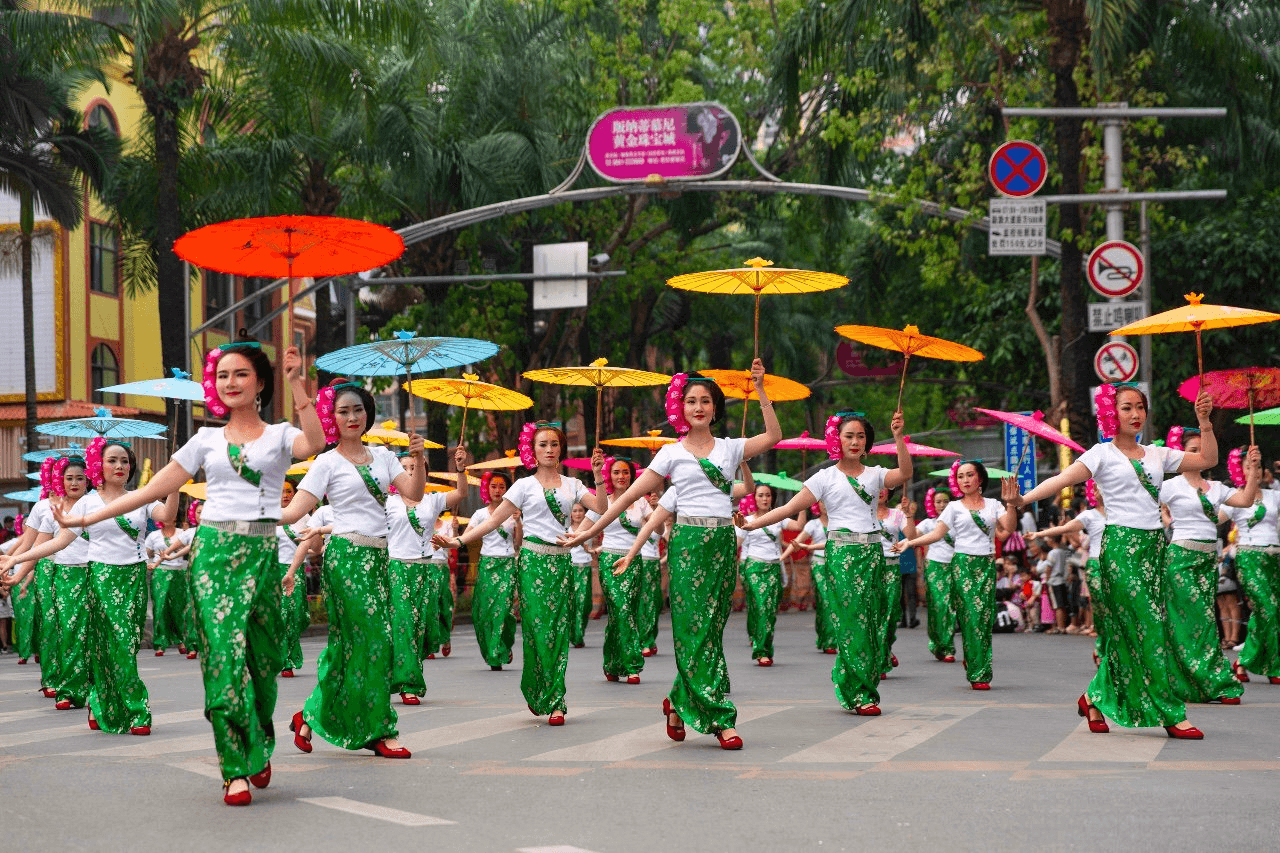
- Who Lives Here: The Dai people. Their culture, food, and architecture are very similar to Thailand and Laos. (They are part of the Tai-Kadai language family).
- What to See: Tropical botanical gardens, wild elephant valleys, and stunning Dai temples like the Manting Park.
- Our Expert Advice: This is China’s “Thailand.” The food is amazing. It is spicy, sour, and fresh. We skip the tourist traps. We take our clients to the bustling night markets for grilled fish, pineapple rice, and fresh passionfruit juice.
- Our Insider Tip: Plan your trip for the Water Splashing Festival (Songkran). It happens in mid April yearly. It is a wild, joyous celebration. Everyone takes to the streets with buckets and water guns. It is an incredible way to celebrate the Dai New Year. We can arrange traditional Dai outfits for you to participate fully.
DIG DEEPER: Yunnan Ethnic Minorities Diversity Uncovered
2. Guizhou Province: The Undiscovered Heart

If Yunnan is the star, Guizhou is the hidden gem. We at “Travel China With Me” have a special love for Guizhou. It is less developed. It feels more “raw” and authentic. It is home to the Miao, Dong, Buyi, and Shui peoples.
Logistics Update: This is our biggest insider tip. Guizhou is no longer hard to reach. The new high-speed rail network is a game-changer. You can reach Kaili (the Miao heartland) from the capital Guiyang in just 35-40 minutes. You can reach Congjiang (for the Dong villages) in under 2 hours. The era of 8-hour bus rides is over. This region is now incredibly accessible.
Kaili & Xijiang: The Miao World of Silver and Song

- Who Lives Here: The Miao people (a branch of the Hmong). They are famous for their elaborate silver headdresses, intricate embroidery, and “long table banquets.”
- What to See: Xijiang Qianhu Miao Village. This is the largest Miao village in the world. It is a stunning sight, with thousands of wooden houses climbing up a hillside.
- Our Unique Viewpoint: Xijiang is spectacular, but it is also very popular. We use it as a base. The real gems are the smaller villages nearby. We take our clients to places like Langde or Shiqiao. In Shiqiao, we visit a family that has made paper by hand using traditional methods for generations.
- Our Insider Tip: Attend a “long table banquet.” This is a Miao tradition of hospitality. You sit at a long table with dozens of villagers. They serve local dishes and sing toasting songs. They will offer you rice wine from a buffalo horn. It is impossible not to feel welcomed. We can arrange this with a family we know personally.
Zhaoxing & Congjiang: The Dong People’s Drum Towers
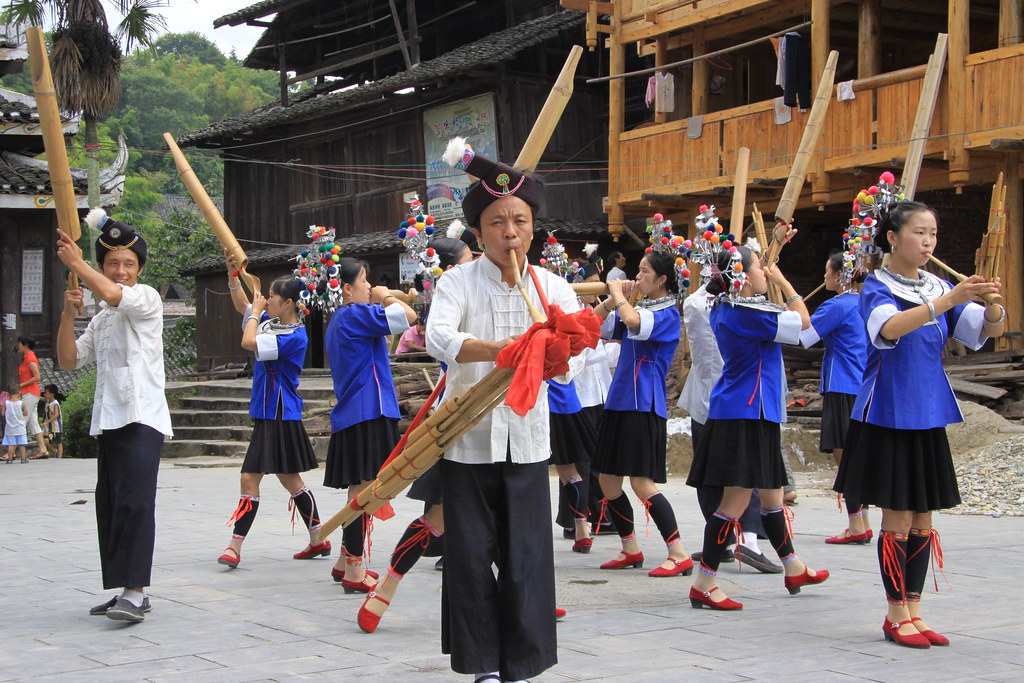
- Who Lives Here: The Dong people. They are master carpenters. They build incredible “Wind and Rain” bridges and “Drum Towers.” These are built with no nails.
- What to See: Zhaoxing Dong Village. It is one of the largest and most beautiful Dong villages. It has five drum towers, five bridges, and five stages.
- Our Expert Advice: The highlight of a Dong village is the music. They are famous for the “Grand Song of the Dong.” This is a polyphonic choir performance. It is sung with no instruments. It is a UNESCO Intangible Cultural Heritage. We always arrange a private performance for our groups.
- Our Insider Tip: Stay overnight in Zhaoxing. The village is magical at night. The towers and bridges are all lit up. The day-trippers are gone. You can walk the quiet lanes and listen to the river. We also love visiting Tangan, a smaller village on the mountain above Zhaoxing. It is a 40-minute hike. The views of the rice terraces are incredible.
3. Guangxi: Karst Peaks and River Life

Guangxi is famous for the limestone karst peaks of Guilin and Yangshuo. But these landscapes are also the homeland of the Zhuang and Yao peoples.
Longji Rice Terraces: The Dragon’s Backbone
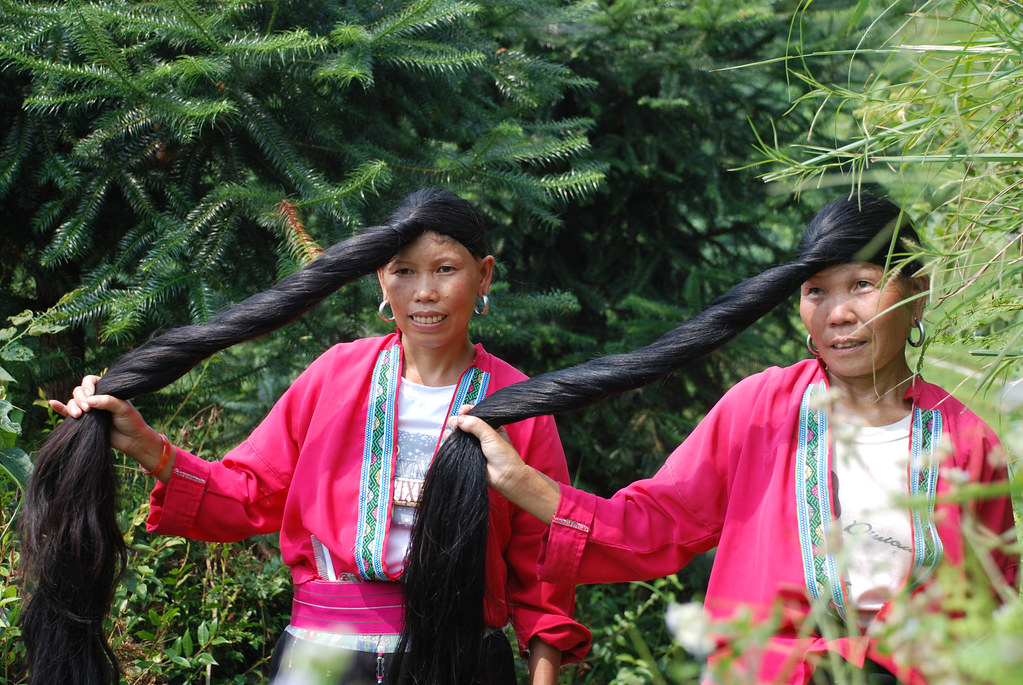
- Who Lives Here: The Zhuang and Red Yao peoples. The Red Yao women are famous for their long, black hair. They cut it only once in their lives.
- What to See: The Longji (Dragon’s Backbone) Rice Terraces. The two main areas are Ping’an (Zhuang) and Dazhai (Yao).
- Our Unique Viewpoint: Dazhai is our preference. It is larger, more dramatic, and requires a cable car or a hike to reach. This means it feels more remote. Ping’an is more accessible but also more crowded.
- Our Expert Advice: You must stay overnight. Do not do this as a day trip from Guilin. The magic happens at sunset and sunrise. The terraces are filled with mist. The day-trippers are gone. We book our clients into wooden guesthouses with balconies. The views are unbelievable.
- Our Insider Tip: We hire a local Yao guide to hike with us. We hike from Dazhai to a smaller, hidden village. The path goes right through the terraces. Our guide, Mrs. Pan, explains how they farm the terraces. She shows us her home. She will even cook us a local lunch of bamboo rice and cured pork. This is true, authentic interaction.
What Our Travelers Say:
“The hike in Longji was tough, but 100% worth it. Staying overnight was the key. Waking up above a sea of clouds, with the terraces just appearing… it was a spiritual experience. Our guide, Mrs. Pan, felt like family by the end.“
– Michael and Jen, Canada
Yangshuo: Beyond the Li River Cruise
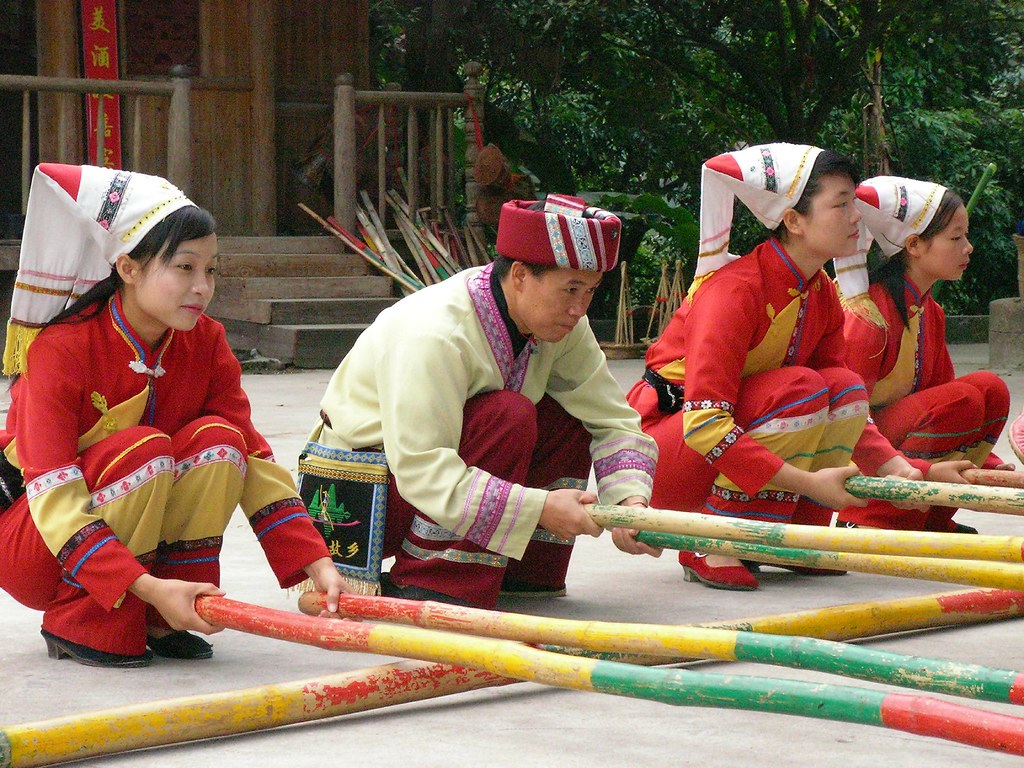
- Who Lives Here: Mostly Han Chinese now, but with a strong Zhuang cultural history.
- What to See: The Li River cruise, biking through the countryside, and the “Impression Liu Sanjie” show.
- Our Unique Viewpoint: The main Li River cruise is a tourist trap. It is crowded and expensive. We prefer a different way. We arrange a private bamboo raft trip on the Yulong River. This is a smaller, tributary river. It is much more peaceful. There are no large motors. You just float past the karst peaks and water buffalo.
- Our Insider Tip: Rent an e-bike. This is the best way to explore the countryside. We provide a map to hidden caves, ancient banyan trees, and small villages. We also highly recommend the “Impression Liu Sanjie” show. It is directed by Zhang Yimou (who directed the 2008 Olympics). It uses the river and mountains as a natural stage. It is an unforgettable spectacle.
4. The Far West: Xinjiang & Tibet (Sensitive Regions)
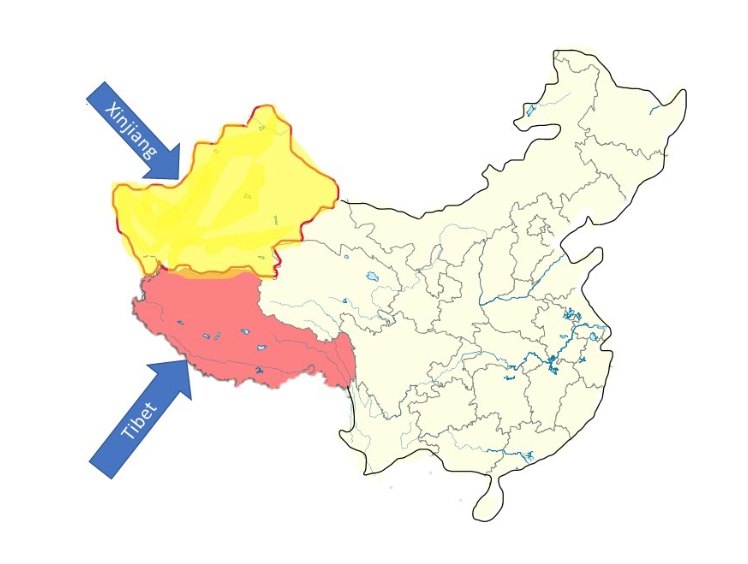
These regions are politically sensitive. They are also home to some of the most profound cultures and landscapes on earth. Travel here requires special planning. This is where our expertise, authoritativeness, and trust is most critical.
Tibet Autonomous Region: The Roof of the World

- Who Lives Here: The Tibetan people. Their culture is defined by Tibetan Buddhism, resilience, and adaptation to high-altitude life.
- What to See: Lhasa (the Potala Palace, Jokhang Temple, Barkhor Street), Shigatse, and Mount Everest Base Camp.
- Crucial 2025 Travel Requirements: This is non-negotiable.
- Independent travel is forbidden. You must be on a pre-arranged tour with a licensed travel agency. (That’s us!)
- You must have a Tibet Travel Permit (TTP). We apply for this on your behalf. It requires your passport and Chinese visa (or visa-free entry proof). The process takes about 20-21 days. Do not trust any agency that says otherwise.
- If you enter from Nepal, you need a different “Chinese Group Visa,” which we also help arrange.
- Our Expert Advice: Acclimatize! Altitude sickness is serious. We design our itineraries carefully. You will spend at least 3-4 days in Lhasa (3,650m) before moving higher. We do not rush. We include light activities and lots of rest. This is the key to a safe and enjoyable trip.
- Our Insider Tip: The Potala Palace is amazing. But the true heart of Tibet is the Jokhang Temple. This is the holiest site for Tibetan Buddhists. We take you to the Barkhor Street that circles the temple. We walk with the pilgrims. You see their devotion. It is one of the most moving spiritual experiences in the world.
Xinjiang: Oases of the Silk Road
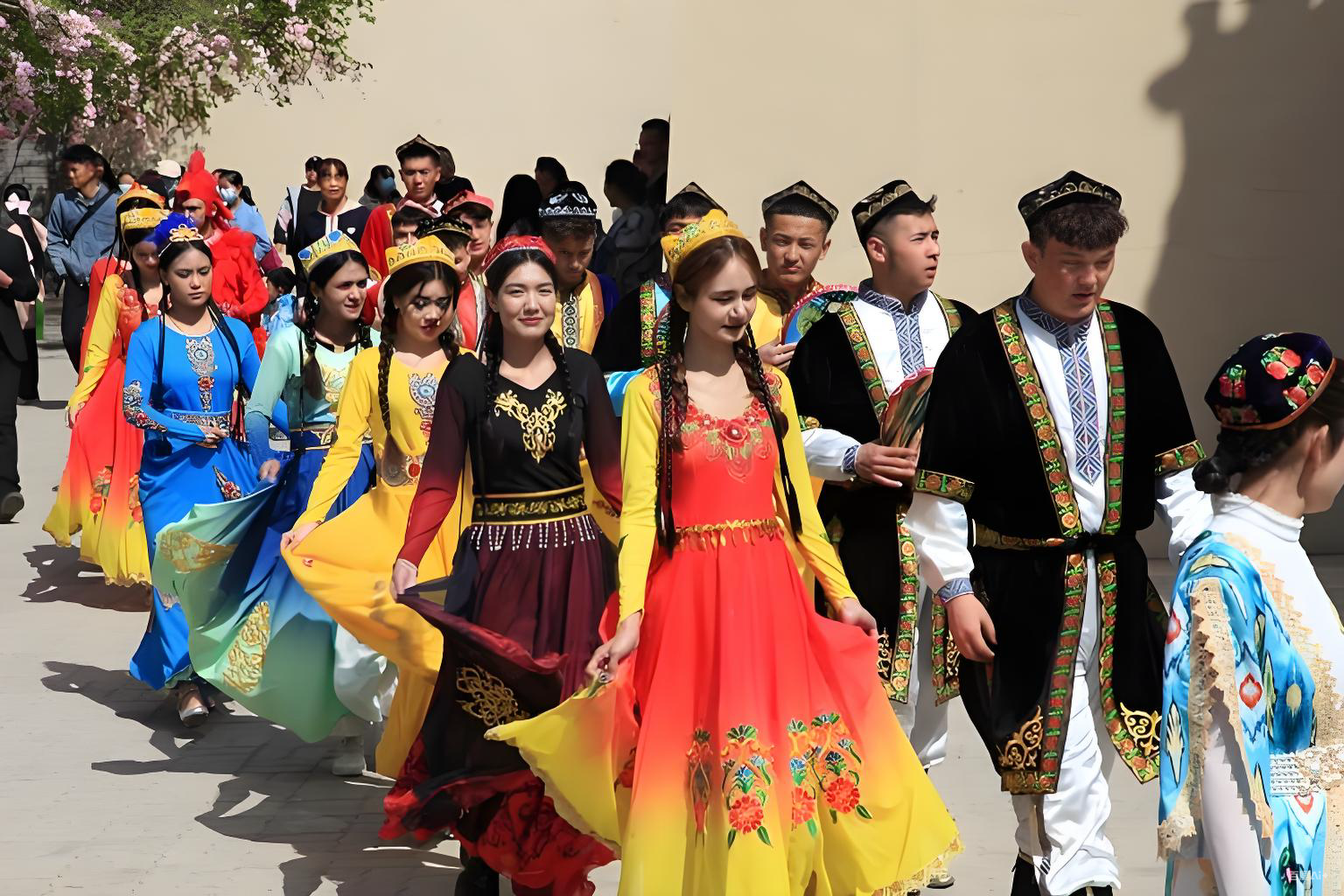
- Who Lives Here: The Uyghur people, as well as Kazakhs, Tajiks, and other Central Asian groups. This is a land of deserts, mountains, and ancient oasis towns.
- What to See: Kashgar (the Old City, Sunday Market), Turpan (Flaming Mountains, Karez wells), and Urumqi (the regional museum).
- Crucial 2025 Travel Requirements:
- Permits: For most of Xinjiang (Kashgar, Turpan, Urumqi), you do not need a special permit.
- You do need a Border Permit for remote areas like Kanas Lake or the Karakoram Highway. We can help you get this.
- Independent travel is allowed. However, we strongly advise against it. There are frequent security checkpoints. Language barriers are huge. Many hotels are not licensed to accept foreigners.
- Our Expert Advice: A guide is essential for logistics and context. Our local Uyghur guides are fantastic. They navigate the checkpoints. They take you to the best, non-touristy restaurants. They explain the complex history of the Silk Road.
- Our Insider Tip: Go to the Kashgar Sunday Market. It is one of the greatest markets in the world. It is a chaotic, vibrant mix of people from all over Central Asia. They trade livestock, carpets, spices, and knives. We also take our clients to a local teahouse in the Kashgar Old City. You sit on a platform, drink tea, and watch the world go by. It feels unchanged for centuries.
A Frank Talk: The Modernization Challenge & Authenticity
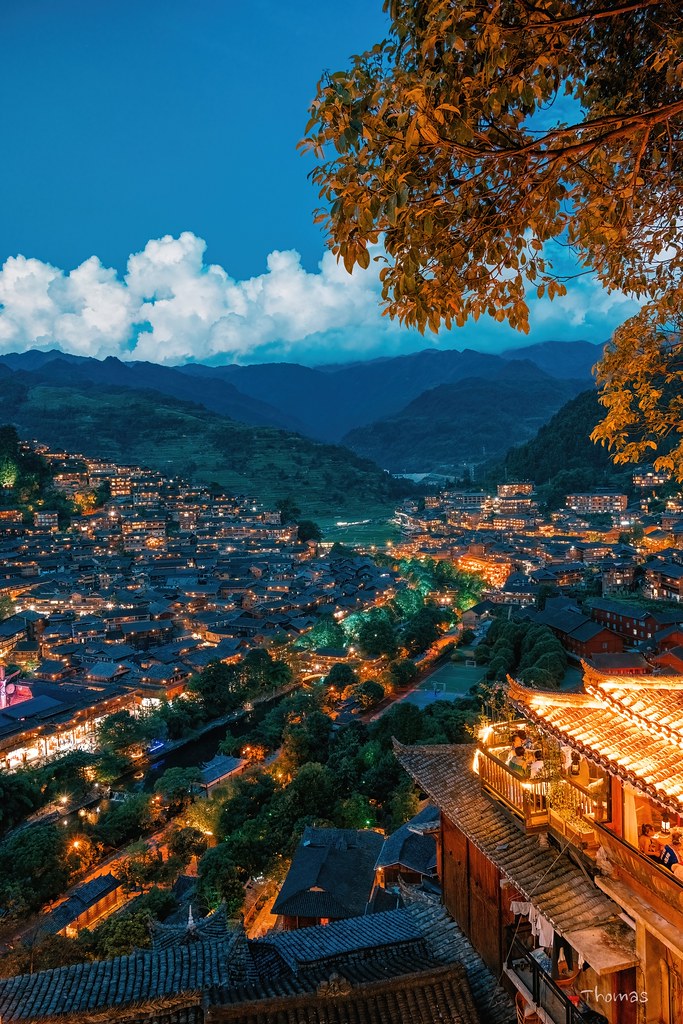
This is a topic other travel sites avoid. But our professional integrity demands we be honest. You will see commercialization. You will see Wi-Fi and satellite dishes in “ancient” villages. Lijiang and Xijiang can feel like theme parks in the middle of the day.
This is the complex reality of modern China.
Our Expert Perspective: It is easy to be disappointed. But this modernization is not all bad. Tourism has lifted many of these communities from deep poverty. That souvenir shop may be putting a child through university. The key is to understand this trade-off. We must not romanticize poverty.
Instead, we must be smarter travelers. We must know where to find the “authenticity” that still exists.
How We Find the Real Experience
- We Stay Overnight. This is our golden rule. The big tour buses arrive at 10 AM and leave by 4 PM. From 4 PM to 10 AM, the village is yours. The locals come out. The streets are quiet. The magic returns.
- We Go to “B-Side” Villages. Xijiang is the “A-side” Miao village. It’s huge. We also take you to Langde, a smaller, quieter village. You get both experiences: the spectacle and the serenity.
- We Use Local Guides. Our guides are not from Beijing or Shanghai. They are Miao, Dong, or Bai. They take you to their own homes. You meet their grandmother. You see their family photos. This is an access you simply cannot get on your own.
Authenticity is not a place frozen in time. It is a genuine connection with people living their lives today.
Beyond the Plate: Food as a Cultural Bridge

You can learn more about a culture from its dinner table than from a museum. In these regions, food is a story of the landscape.
- In Guizhou: You will eat Sour Fish Hotpot (Suāntāng Yú). This dish exists because of the mountains. Before refrigeration, fermenting (souring) was the only way to preserve food. The sourness comes from fermented tomatoes and chilies. It is a brilliant, delicious adaptation to the environment.
- In Xinjiang: You will eat Polo (hand-pilaf rice) and Naan. This is the food of the Silk Road. The rice, carrots, and mutton are Central Asian. The Naan is a portable, durable bread perfect for desert travelers. It’s a plate, a spoon, and a meal all in one.
- In Yunnan: You will find Edible Flowers and Wild Mushrooms. This reflects the province’s incredible biodiversity. The “Crossing the Bridge Noodles” (Guòqiáo Mǐxiàn) tells a story of love and care (a wife keeping soup hot for her husband).
Our Insider Tip: When you are offered food, try it. When you are offered rice wine, accept it (even if just a sip). This is the language of hospitality. Sharing a meal is the fastest way to make friends.
The Comparison Guide: Which Destination is Right for You?
Travelers often ask us, “Should I go to Yunnan or Guizhou?” or “Which rice terraces are better?” Here is our expert breakdown to help you choose.
If You Are Looking For… | Our Top Recommendation | Why We Recommend It (Our Expert Take) |
|---|---|---|
First-Time Ethnic Travel | Yunnan | It has the best infrastructure (trains, hotels). It offers incredible variety in a single province, from Dali to Shangri-La. It’s an “easier” introduction. |
Deep, Off-Grid Immersion | Guizhou | It’s less visited. The villages feel more “lived-in.” The potential for authentic homestays and personal connections is higher. It’s for the traveler who wants to work a bit harder. |
Epic Landscape Photography | Yuanyang Terraces, Yunnan | The water-filled terraces (Dec-Mar) are abstract, mirror-like, and painterly. It’s a fine-art photographer’s dream. Access is focused on viewpoints. |
Epic Landscape Hiking | Longji Terraces, Guangxi | These terraces are about hiking through them. The paths are steep and dramatic (“The Dragon’s Backbone”). It’s more of an active, physical experience. |
A Spiritual Journey | Tibet | The raw devotion, the stunning monasteries, and the “roof of the world” altitude create a powerful, spiritual, and moving experience. It is life-changing. |
Silk Road History | Xinjiang | This is it. This is the crossroads of empires. The cultures (Uyghur, Kazakh) are Central Asian, not East Asian. The food, music, and markets feel a world away from Beijing. |
Beyond the Big Four: For the Returning Traveler
Have you already seen Yunnan and Guizhou? Are you looking for the next level of experience? This is where our deep expertise shines.
Western Sichuan: The Qiang & Jiarong Tibetans
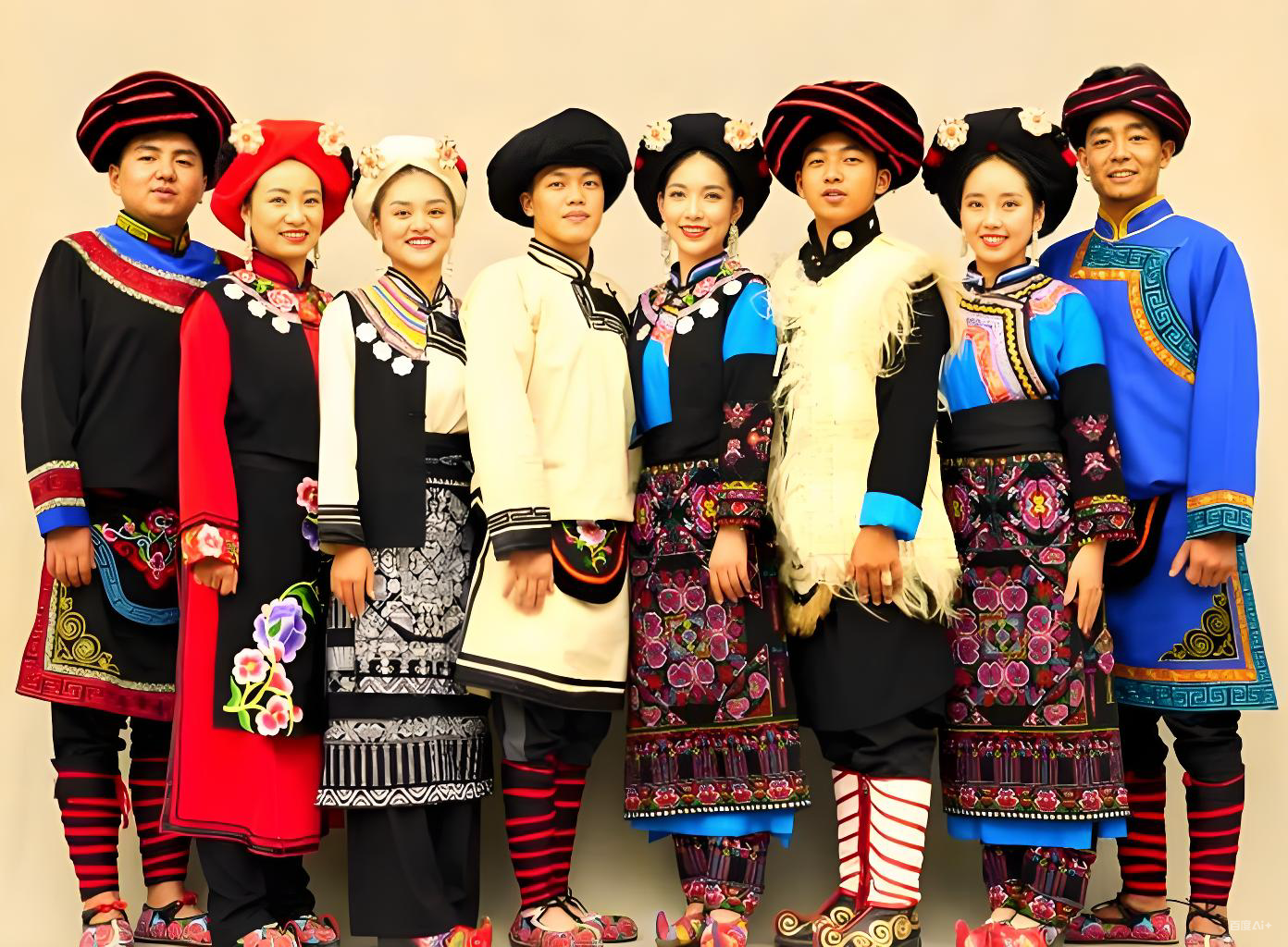
This is one of our biggest secrets. The western part of Sichuan province is ethnically Tibetan. But it is not part of the Tibet Autonomous Region (TAR). This means no Tibet Travel Permit is required.
You can fly into Chengdu. From there, we drive you into the mountains. You will see:
- Danba: Home to the Jiarong Tibetans. They are famous for their unique, tower-like stone houses that look like small castles.
- Taoping Qiang Village: An 800-year-old stone fortress village from the Qiang people. The internal structure is a labyrinth.
This region gives you a profound taste of Tibetan culture and landscapes without the permit restrictions.
Inner Mongolia: The Nomadic Grasslands
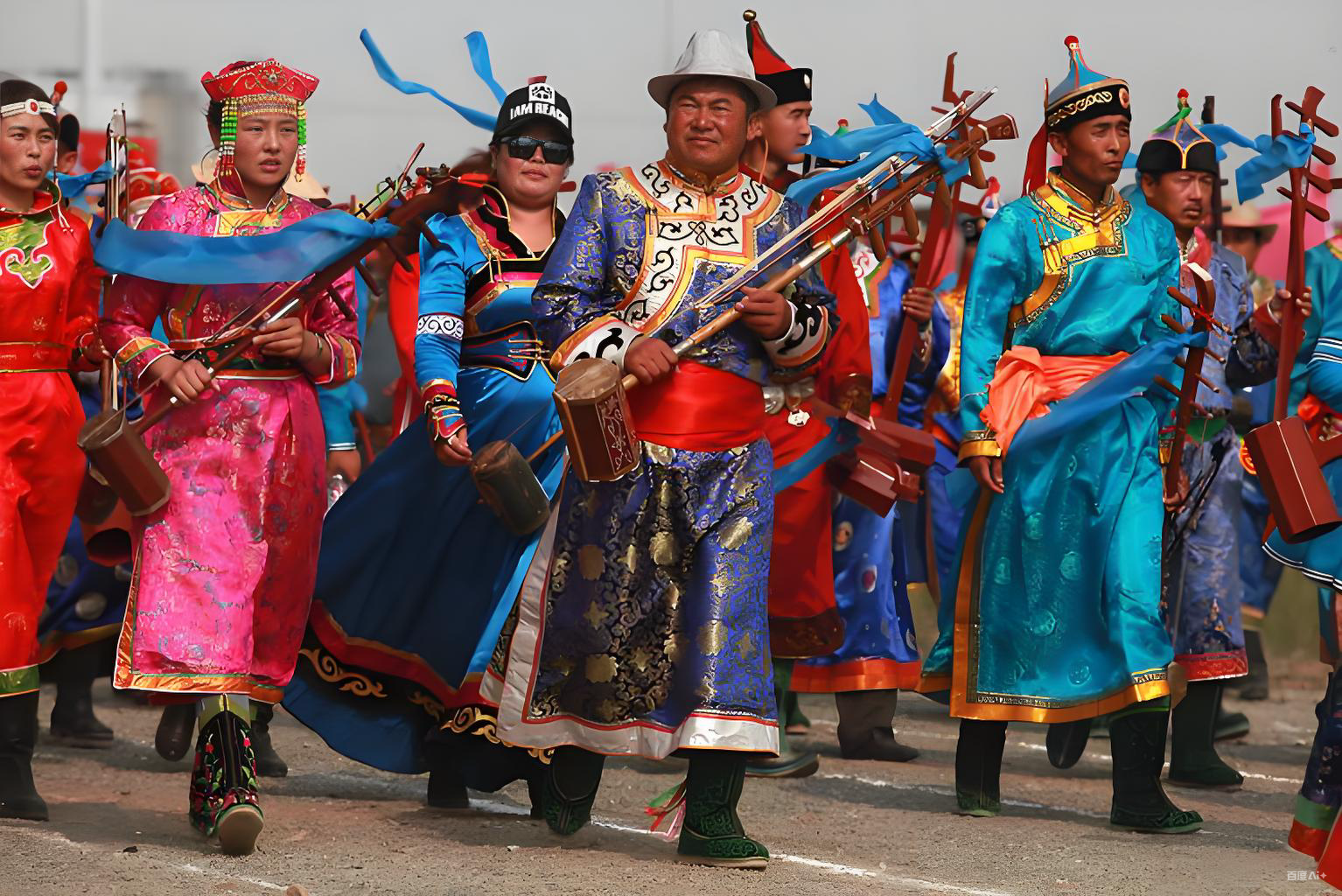
Do not confuse this with the country of Mongolia. This is a province in China. It is a land of endless grasslands, nomadic horsemen, and the legacy of Genghis Khan.
- Our Insider Tip: Visit during the Naadam Festival (usually in July/August). It is a celebration of the “three manly sports”: wrestling, horse racing, and archery. We avoid the big, touristy Naadam in Hohhot. We take our clients to smaller, local festivals on the grasslands.
- The Experience: We arrange for you to stay in a traditional ger (yurt). You will ride horses with local herders. You will drink suutei tsai (milk tea). You will see a sky so full of stars you will never forget it.
Plan Your Trip Around a Festival (Updated 2025)
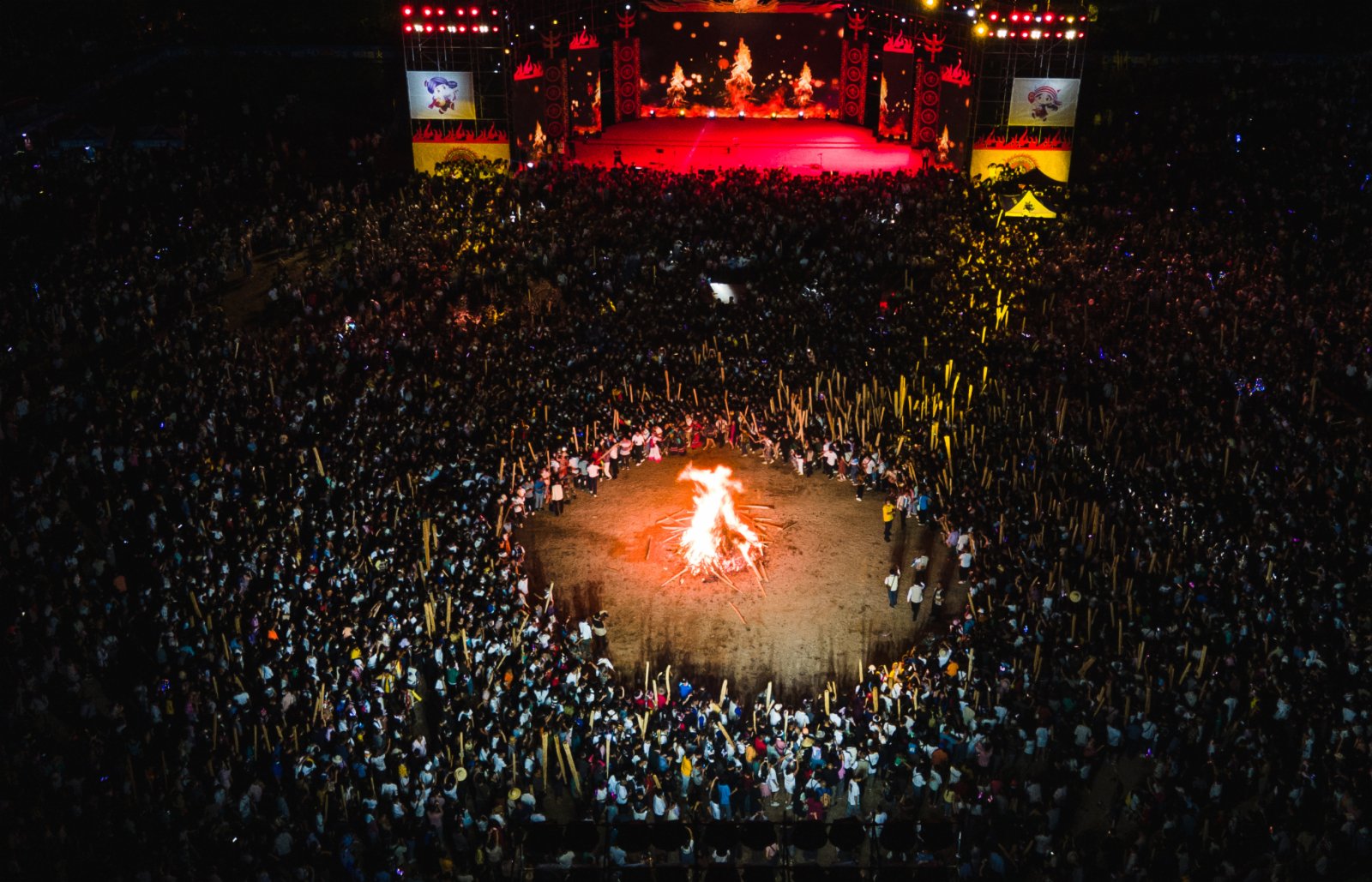
A festival is the best way to see a culture in full celebration. It requires expert planning. We book everything months in advance.
Festival Name | Minority Group | Location | Dates (2026) | What to Expect & Our Pro-Tip |
|---|---|---|---|---|
Tibetan New Year (Losar) | Tibetan | Tibet, W. Sichuan | Feb 18, 2026 | Deeply religious. Prayer, temple visits, and family feasts. |
Water Splashing Festival | Dai | Xishuangbanna, Yunnan | April 13-15, 2026 | The Dai New Year. A massive, joyous water fight to wash away bad luck. |
Torch Festival | Yi | Yunnan & Sichuan | Approx. Aug 17, 2026 | A major summer festival. Huge bonfires, bullfights, and firelit parades. |
Miao New Year | Miao | Kaili, Guizhou | Nov/Dec 2026 (TBD) | The biggest Miao holiday. Lusheng (pipe) music, buffalo fights, and stunning silver. |
Dong New Year | Dong | Zhaoxing, Guizhou | Dec 2026 / Jan 2027 (TBD) | Feasting, singing the “Grand Song,” and community gatherings at the Drum Towers. |
How We Design Our Ethnic Minority Tours
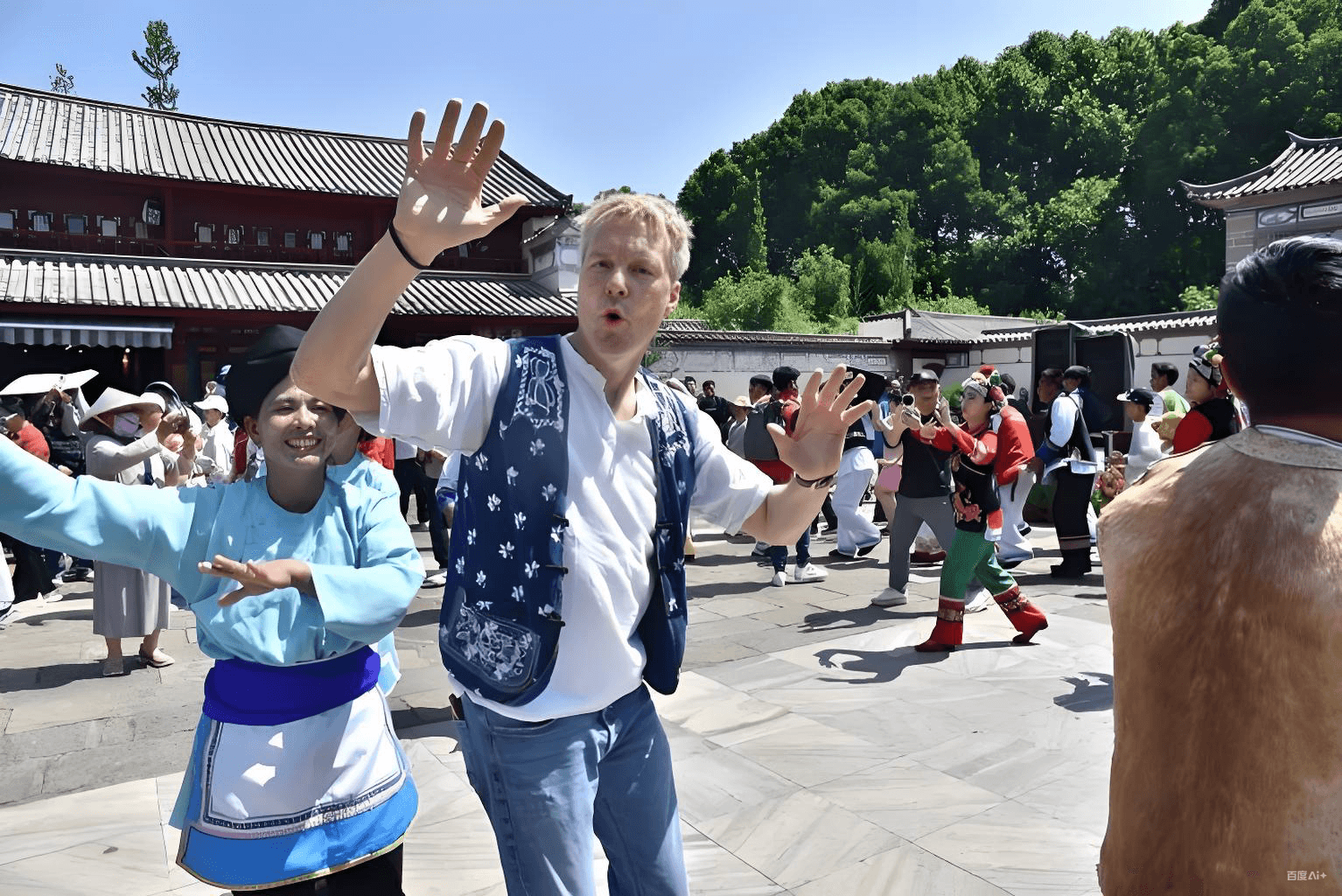
We do not sell “one-size-fits-all” packages. Every trip is custom. It starts with a conversation. We ask you: What are you curious about? Are you a hiker? A foodie? A photographer? A history buff?
Then, we build an itinerary based on your interests and our expertise. Learn more.
Case Study: A Family’s Journey to Guizhou
- The Travelers: A family of four from the USA. Two parents, two teenagers (15 and 17).
- Their Goal: They wanted an “off-the-beaten-path” trip. They wanted their kids to see a different side of the world. They were active and wanted hands-on experiences.
- Our Custom Itinerary (10 Days):
- Arrive in Guiyang: Met by our local guide, “Lucky.” Took the high-speed train to Kaili.
- Miao Villages: Stayed in Xijiang. We arranged a visit to Shiqiao village. The family learned to make paper from a master artisan.
- Hands-on Craft: We visited a Miao silversmith’s studio. The teenagers learned basic metalworking. They made their own simple bracelets.
- Dong Heartland: Traveled to Zhaoxing. We hiked the terraces above the village. We arranged a private lesson in Dong “Grand Song” with a local music teacher.
- Local Homestay: We arranged a 1-night stay with a Dong family we know. They cooked dinner together. The family said this was the highlight of their entire trip to China.
- Return: Traveled back to Guiyang via the high-speed train from Congjiang.
- The Result: The family had a deeply personal and immersive trip. The teenagers were engaged. They connected with local people. This is the kind of travel we love to create.
Frequently Asked Questions (FAQ)
Q: How many ethnic minorities are in China?
A: The government officially recognizes 55 ethnic minority groups. This is in addition to the Han majority. These 55 groups have their own languages, customs, and cultures.
Q: Is it safe to travel to China’s ethnic minority regions?
A: Yes. We have been guiding travelers here for 20+ years. These regions are extremely safe. People are generally very welcoming and curious. The main “dangers” are altitude sickness (in Tibet) and traveler’s stomach.
Q: Do I need special permits?
A: For the Tibet Autonomous Region (TAR), YES. You absolutely need a Tibet Travel Permit (TTP) and must be on a guided tour.
For Xinjiang, it depends. You need a Border Permit for remote areas, but not for major cities like Kashgar.
For Yunnan, Guizhou, and Guangxi, NO. You do not need any special permits.
For Western Sichuan (Tibetan areas), NO. This is our expert tip for a “permit-free” Tibetan experience.
Q: What is the most “authentic” ethnic minority village?
A: This is a common question. As we discussed, “authentic” is complicated. Many popular villages (like Lijiang or Xijiang) are beautiful but very commercial. We believe authenticity is found in experiences, not just places. It is found in the smaller villages nearby. It is found in a homestay, a cooking class, or a hike with a local guide.
Q: What is the biggest mistake travelers make?
A: Rushing. Trying to “do” Yunnan and Guizhou in 7 days. These are not checklists. The real magic happens when you slow down. We build “unstructured” time into our itineraries for this reason. The second biggest mistake is not hiring a local guide. You will have a surface-level, frustrating trip. You will see things, but you will not understand them.
Your Journey Beyond the Great Wall Awaits
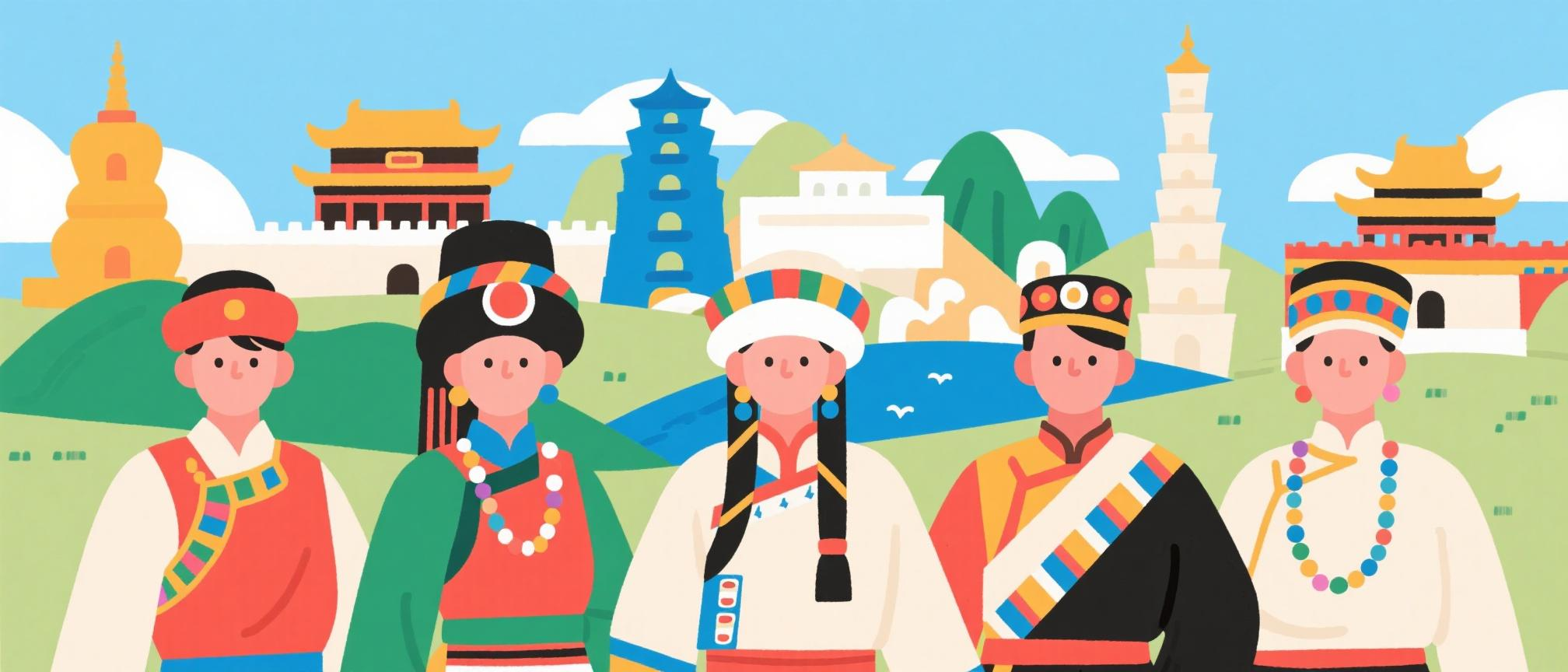
Exploring China’s ethnic minority destinations is a journey to the heart of the country. It is a chance to see living history. It is a chance to connect with people who hold ancient traditions. These experiences are transformative. They are the stories you will tell for the rest of your life.
This is not a simple trip. It requires a partner you can trust.
We at Travel China With Me have the expertise. We have the local relationships. We have the passion for respectful travel. We are here to handle the permits, the logistics, and the planning. We are here to get you beyond the crowds and into the heart of a culture.
All you have to do is bring your curiosity.
Contact our travel experts today. Let’s craft a custom itinerary that goes beyond the guidebook and into the real China.