Dali Three Pagodas of Chongsheng Temple: The Complete Travel Guide
Standing 69.13 meters tall for over 1,200 years, the Three Pagodas have survived more than 30 earthquakes while everything around them crumbled. After guiding thousands of travelers through this site, we’ve learned what guidebooks miss: this isn’t just ancient architecture—it’s where nine emperors surrendered their thrones for monastic life, creating a phenomenon unique in world Buddhist history.
Quick Facts
Chinese Name: 崇圣寺三塔 (Chóngshèng Sì Sāntǎ)
Official Name: Three Pagodas Cultural Tourism Zone of Chongsheng Temple
Exact Location: 1.5 km northwest of Dali Ancient City North Gate
Main Pagoda (Qianxun): 69.13 meters, 16 stories, built 823-840 CE
Side Pagodas: 42.19 meters each, 10 stories, octagonal, built ~100 years later
Original Temple Scale: 891 rooms, 11,400 Buddha statues (destroyed Qing Dynasty)
Temple Reconstruction: 2005 (based on archaeological evidence)
Scenic Area Size: 180 acres with 7 km walking route
Ticket: CNY 121 (US$17) – includes pagodas + entire temple complex
Opening Hours: 7:10-19:00 (May-Oct 7); 7:30-18:30 (Oct 8-Apr 30)
Visit Duration: 3-4 hours recommended (minimum 2 hours for basics)
Table of Contents
History: The Untold Stories That Make This Special

When a Pagoda Split and Healed Itself
On May 6, 1515, Qianxun Pagoda split during an earthquake. Ming Dynasty officials documented something extraordinary: ten days later, during an aftershock, the pagoda miraculously realigned itself. This isn’t legend—it’s recorded in official chronicles.
Even more remarkable: in 1925, only one in one hundred buildings in Dali survived a devastating earthquake, yet the Three Pagodas remained undamaged. This wasn’t divine intervention. The pagoda’s square hollow design with 3.3-meter-thick walls at the base creates a structure that flexes during seismic activity—engineering that predates modern anti-seismic design by a millennium.
Nine Kings Who Became Monks: A Phenomenon Without Parallel
Among the 22 kings of the Dali Kingdom (937-1253), nine abdicated their thrones to become monks at Chongsheng Temple. Think about that: nearly half the kingdom’s rulers voluntarily renouncing political power for monastic life. This phenomenon appears nowhere else in world Buddhist history.
Why did this happen? The Dali Kingdom’s unique interpretation of Buddhism combined political governance with spiritual cultivation. Kings saw monastic retirement not as abandonment of duty but as its ultimate fulfillment. This transformed Chongsheng Temple into essentially a retirement center for former royalty—a concept that baffled visiting Tang Dynasty officials and continues to fascinate historians today.
The 1978 Discovery That Rewrote History
During major restoration work in 1978, workers discovered over 680 precious artifacts from the Nanzhao and Dali Kingdoms inside Qianxun Pagoda. These included:
- Metalwork, crafts, and jewelry
- Hand-copied Buddhist sutras
- Over 600 varieties of medicinal ingredients (cinnabar, sanders, coral, mica)
- A golden Buddha statue weighing 1,135 grams
These weren’t ceremonial deposits made during construction—they were accumulated offerings spanning 400+ years. The medicinal ingredients particularly surprised archaeologists. Analysis revealed sophisticated pharmacological knowledge combining Chinese, Indian, and Southeast Asian traditions, providing evidence of previously unknown medical exchanges along ancient trade routes.
Dragons, Pagodas, and Flood Control
According to local legends, Dali was once a swamp inhabited by breeding dragons. As dragons were believed to deliberately create natural disasters to dispel human intruders but revered pagodas, the Three Pagodas were built to deter them.
While this sounds fantastical, there’s geological truth beneath the myth. Pre-pagoda Dali suffered devastating water disasters. The inscription “Forever Control Mountains and Rivers” reflects real concerns about flood management. The pagodas’ construction coincided with major hydraulic engineering projects that transformed the valley from swampland to habitable territory—a practical achievement mythologized into dragon-suppression stories.
Why Worth Visiting: Beyond Generic Tourist Descriptions
Engineering That Modern Builders Study
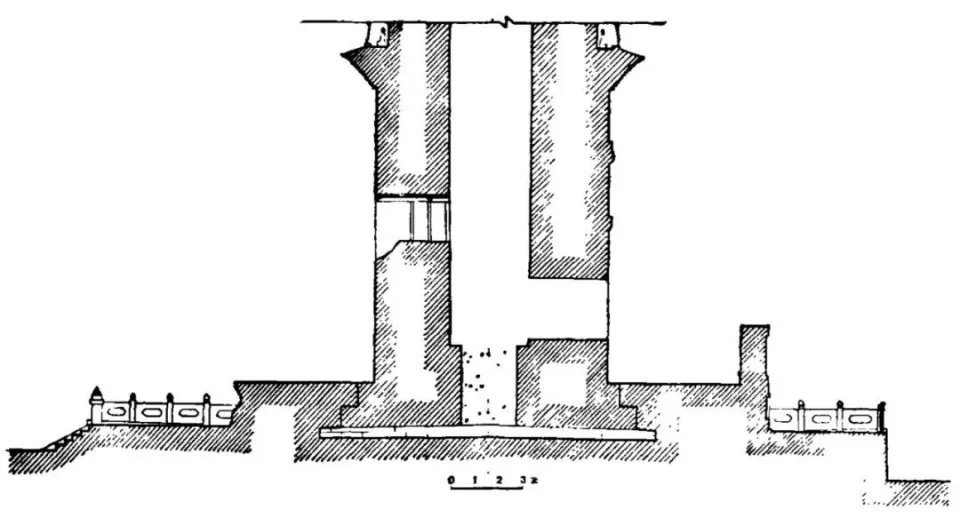
Qianxun Pagoda is completely hollow from the first through eighth stories, yet supports its massive weight through precisely calculated wall thickness that decreases gradually with height—from 3.3 meters at the base. This creates a structure that can flex during earthquakes without collapsing.
The two flanking pagodas demonstrate different engineering principles. They’re solid structures with octagonal plans, representing competing engineering schools solving the same problem through different methodologies. This wasn’t aesthetic choice—it was architectural experimentation on a monumental scale.
The Triangular Formation Nobody Explains Properly
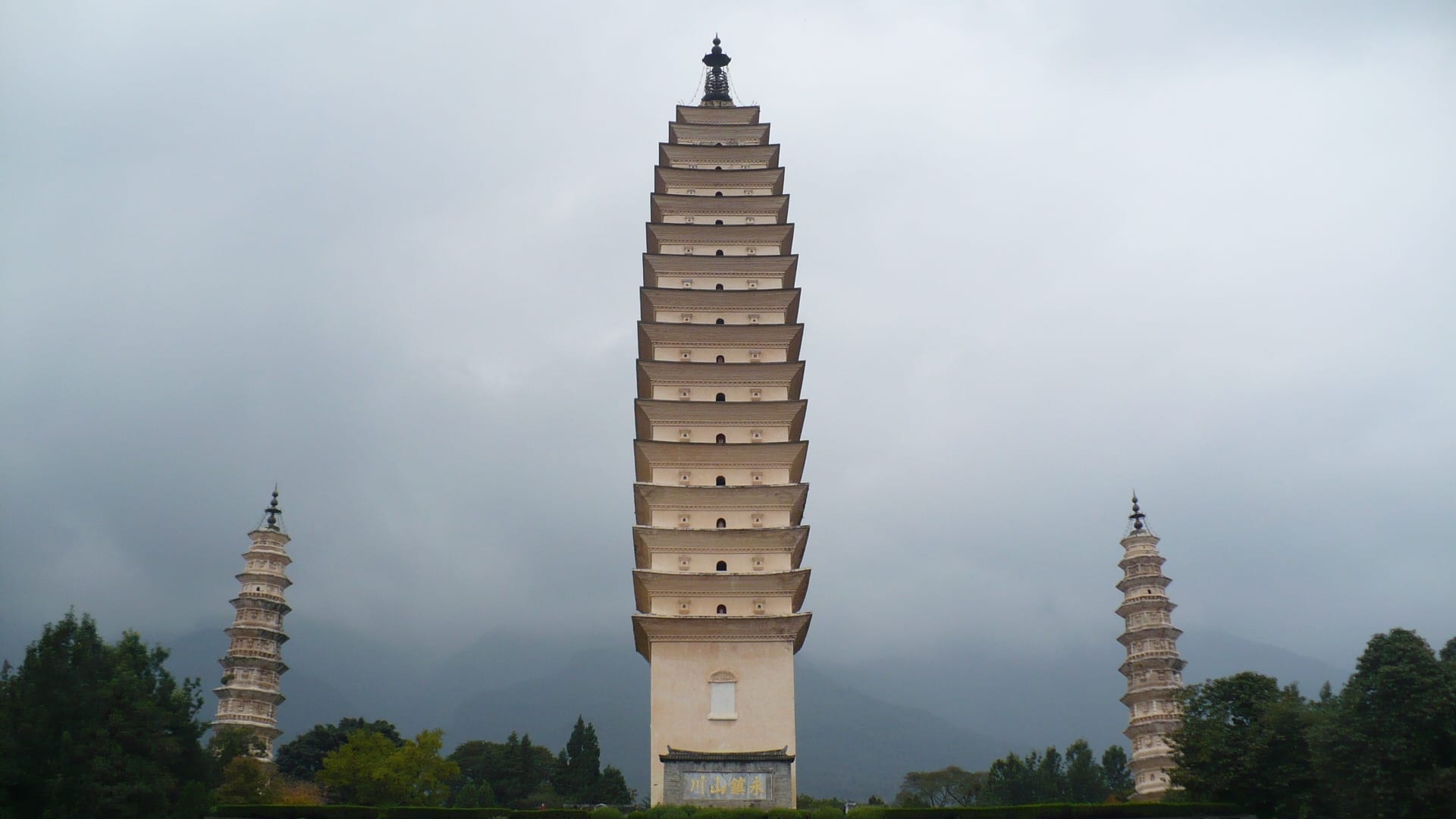
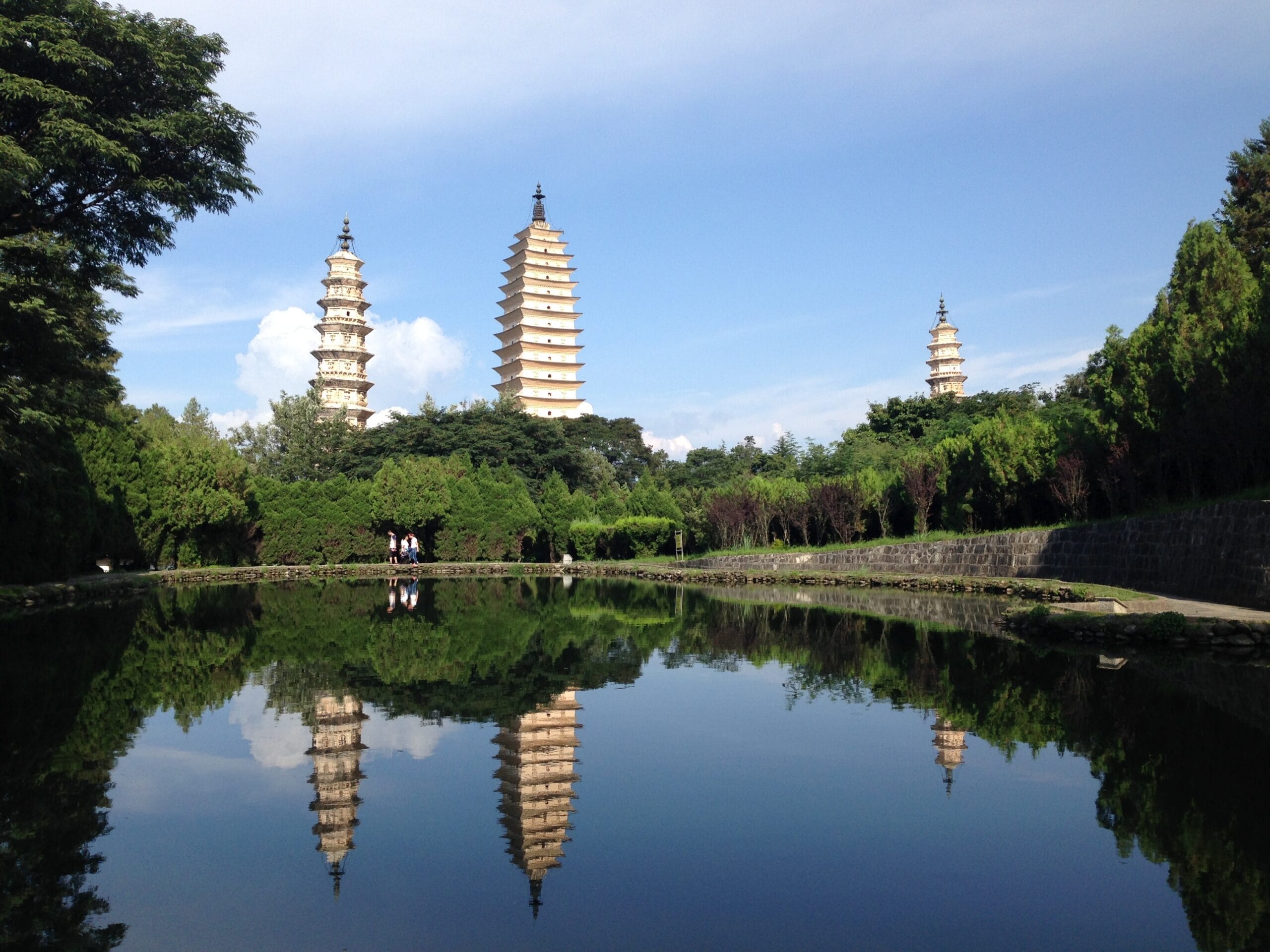
The two smaller pagodas stand exactly 70 meters from Qianxun Pagoda, creating perfect 60-degree angles. This wasn’t ceremonial geometry. Ancient records indicate the positioning aligned with feng shui calculations about mountain-to-lake energy flows specific to this valley.
More importantly, the triangular layout serves earthquake resistance. During seismic events, three independent structures sway differently based on their mass and design, preventing resonance effects that could amplify destructive forces. Modern structural engineers call this “distributed load balancing”—a concept ancient builders understood intuitively.
Reconstruction Done Right vs. Theme Park Fakery
Yes, Chongsheng Temple was destroyed during the Qing Dynasty and rebuilt in 2005. Critics dismiss it as “fake.” This misses the point entirely.
The reconstruction used archaeological evidence, surviving written descriptions from monks who lived there, and Tang-Song dynasty temple designs from elsewhere in China to create a historically accurate interpretation. The project involved leading architectural historians and took years of research before a single brick was laid.
The result: 8 acres with 21,000 square meters of building area incorporating authentic design elements from Tang, Song, Yuan, Ming, and Qing dynasties. It’s not a theme park replica—it’s cultural restoration based on scholarly rigor.
Complete Highlights Guide: What Actually Deserves Your Time
Qianxun Pagoda: Details Everyone Misses

The Buddhist Brick Inscriptions: Circle the base completely. Buddhist incantations in Sanskrit or Chinese are inscribed on each brick—creating a structure literally built from sacred texts. This practice appears in no other Chinese pagoda of the period. The inscriptions provide linguists with rare examples of medieval Sanskrit as used in southwestern China.
The Marble Buddha Evolution: White marble Buddha statues visible in niches at each story represent different periods. Lower statues are original Tang Dynasty work; upper levels show Song Dynasty replacements made after earthquake damage. Careful observation reveals 400 years of stylistic evolution in Buddhist iconography—from Tang’s rounded, serene features to Song’s more angular, detailed craftsmanship.
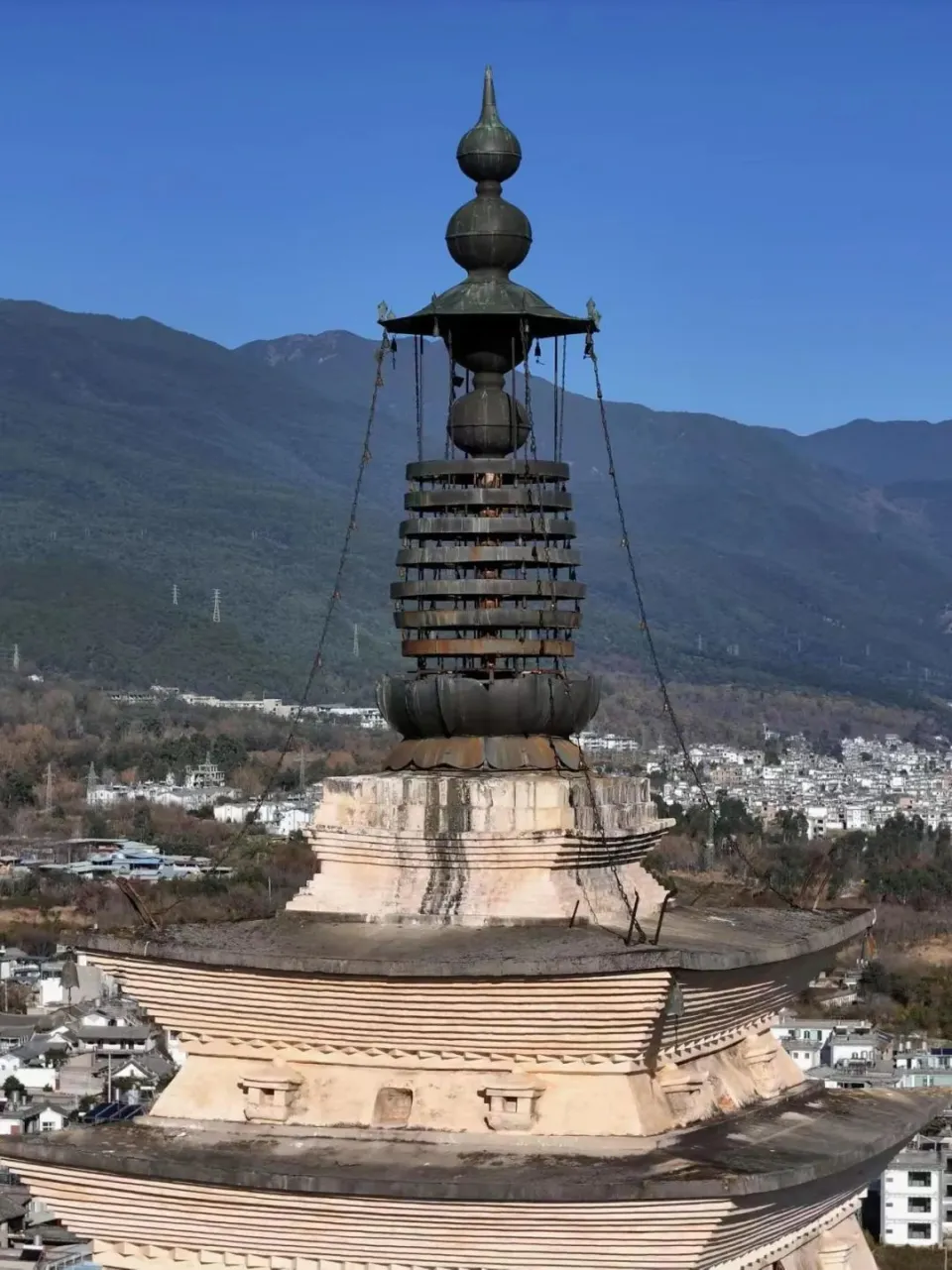
The Subtle Lean: While Qianxun appears perfectly vertical, precise measurements show a 3.8-centimeter deviation from true vertical—result of centuries of earthquakes. This lean doesn’t indicate structural weakness; it demonstrates flexibility that saved the pagoda when rigid structures around it shattered.
The Flanking Pagodas: Why Their Design Matters
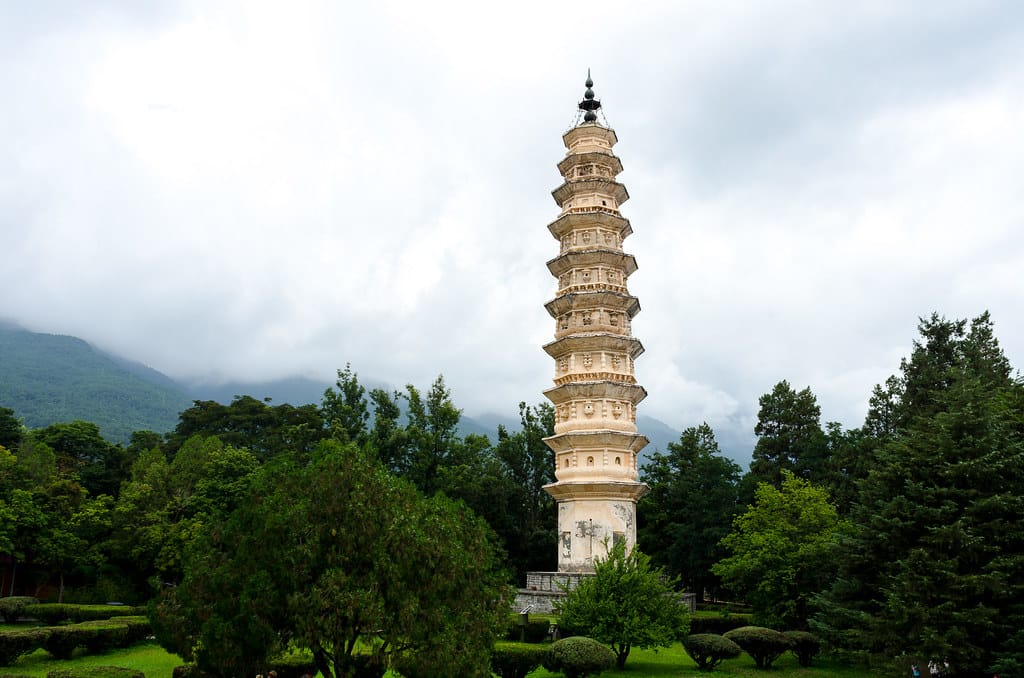
Built approximately 100 years after Qianxun, these 42.19-meter octagonal towers showcase Dali Kingdom’s Song Dynasty architectural evolution. The octagonal design allows eight-directional weight distribution, making them more stable than square towers during lateral stress.
The golden-plated roofs aren’t merely decorative. The metallic covering protects brick structure beneath from Yunnan’s intense UV radiation at 2,000-meter elevation—a practical solution that doubles as visual splendor.
The Visible Lean: One smaller pagoda leans noticeably. Tourism materials rarely mention this because it contradicts “perfect preservation” narratives. But the lean demonstrates resilience. The pagoda didn’t crack or collapse; it adjusted to new equilibrium and remained stable for another several centuries.
Reflection Pond: The Photography Secret
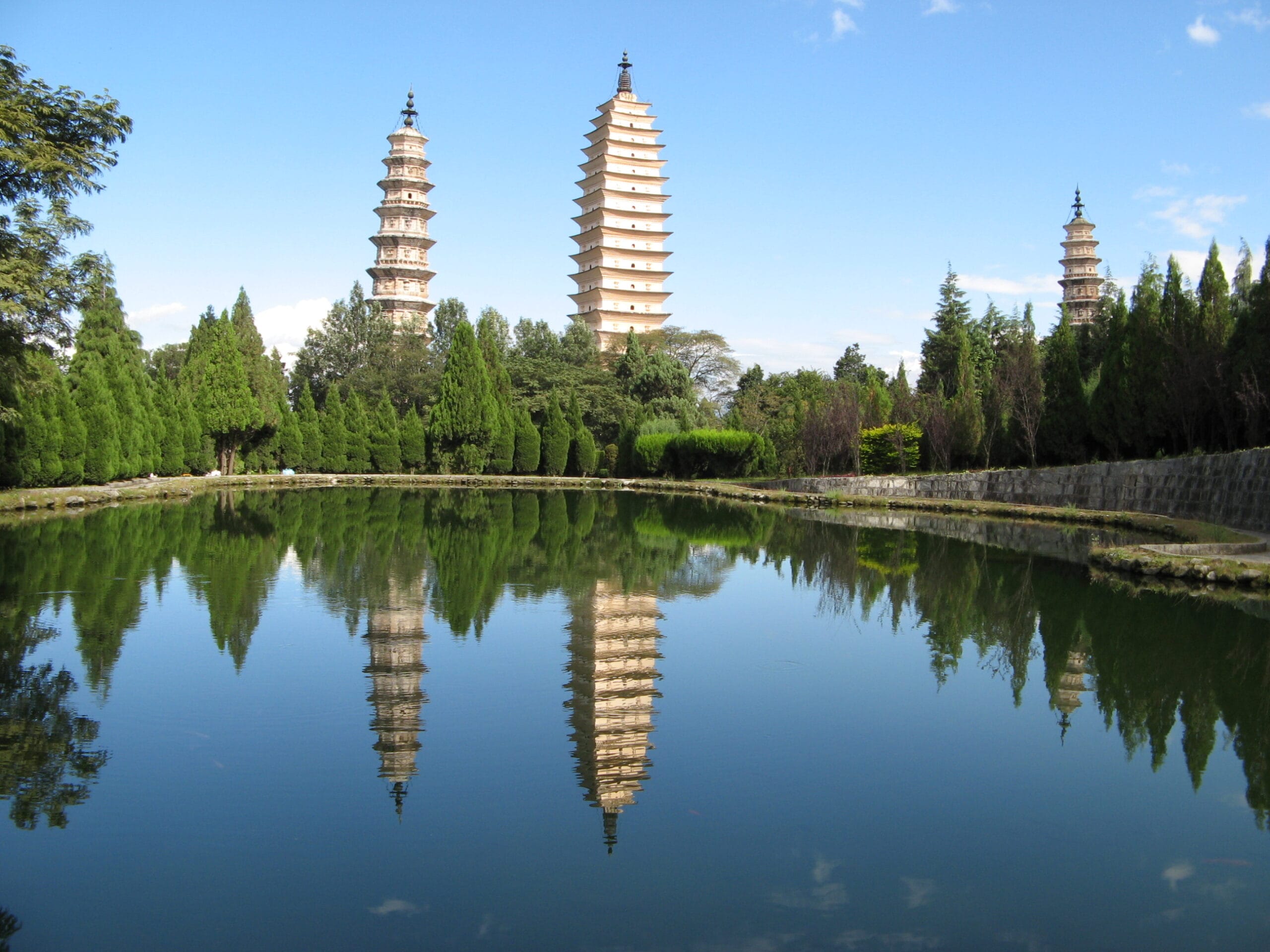
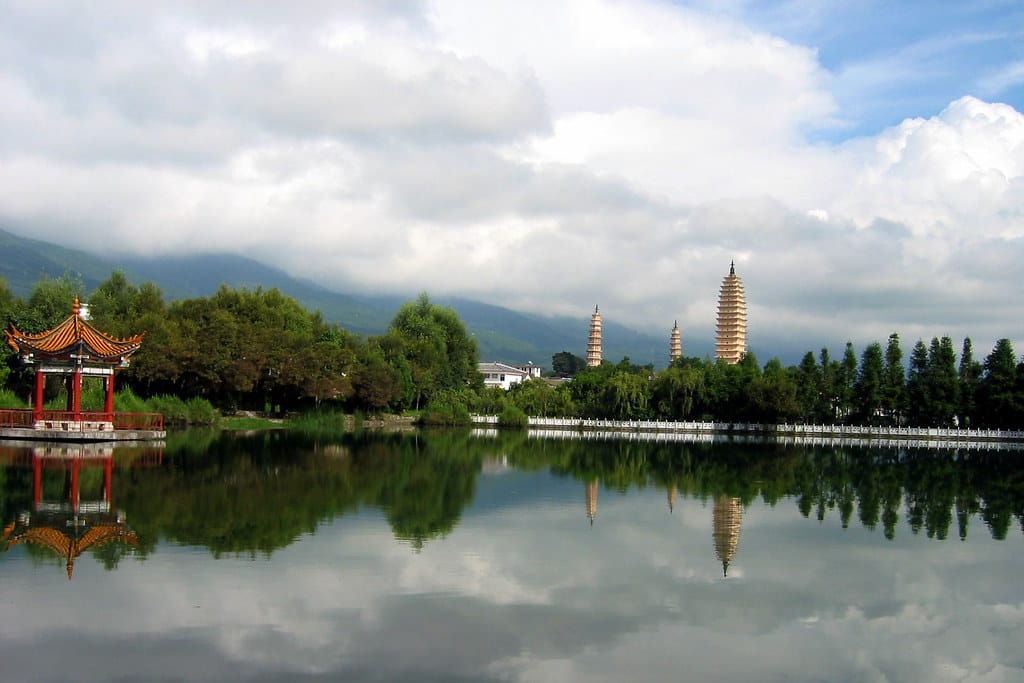
The pond sits at precisely calculated distance and angle from the pagodas. On windless mornings, the mirror image creates an illusion of “six pagodas”—three real, three reflected—that ancient builders intentionally designed into the site layout.
What Photography Guides Get Wrong: Everyone photographs from the southern edge where crowds gather. Position yourself at the southwestern corner at 7:30 AM when rising sun side-lights the pagodas. This angle reveals brick texture and creates depth that flat front-lighting eliminates. Use a polarizing filter rotated to maximum water reflection clarity.
The pond spans over 10 acres in oval shape. Its crystal-clear water comes from Cangshan Mountain streams—naturally filtered through limestone, which maintains exceptional clarity essential for mirror-surface reflections.
Chongsheng Temple Complex: Area-by-Area Guide
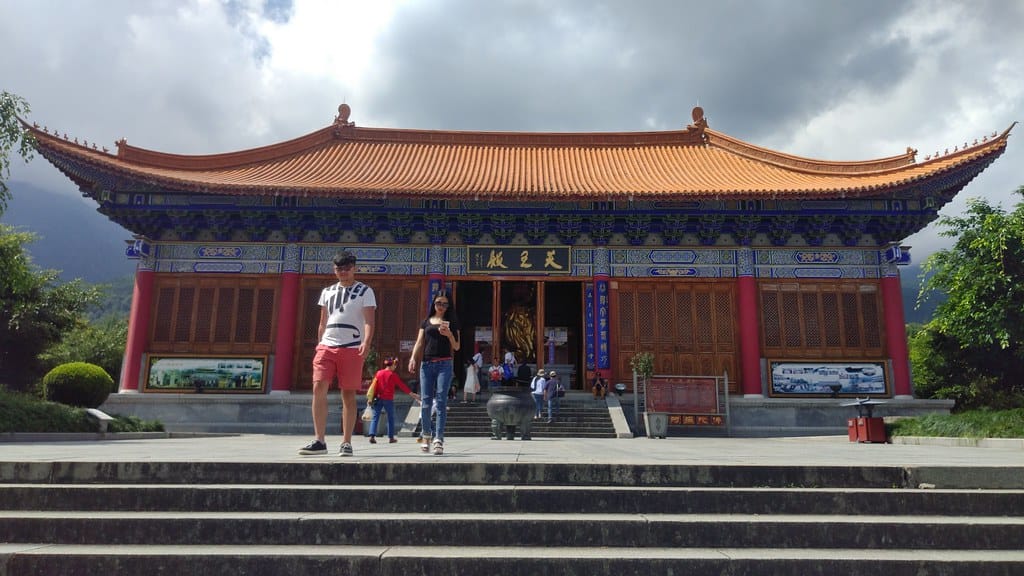
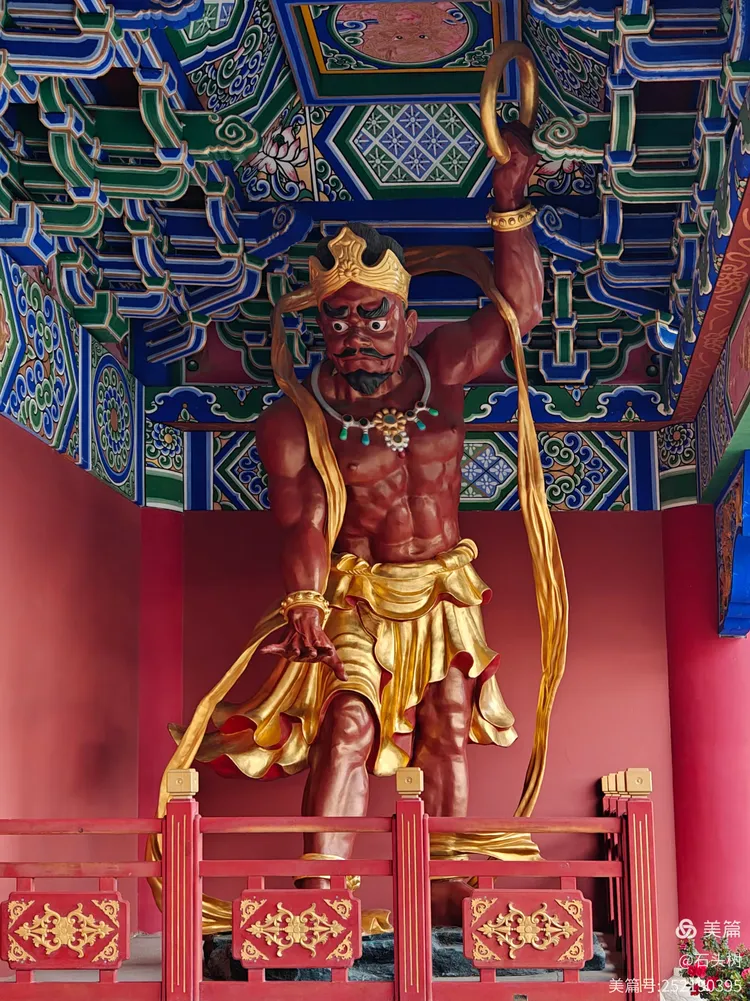
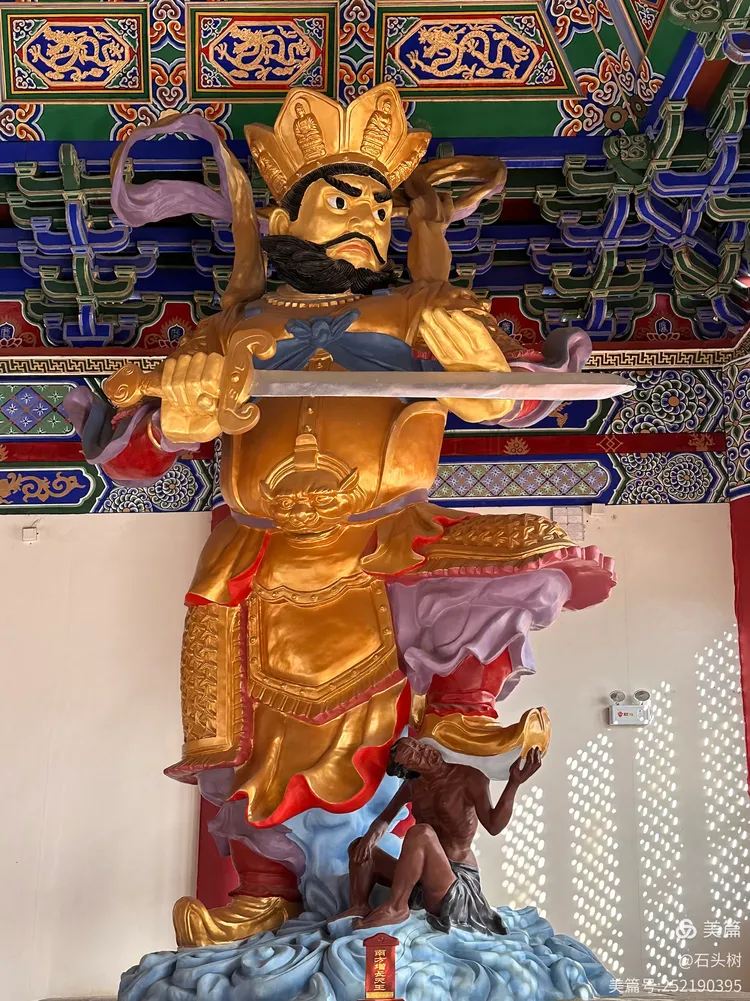
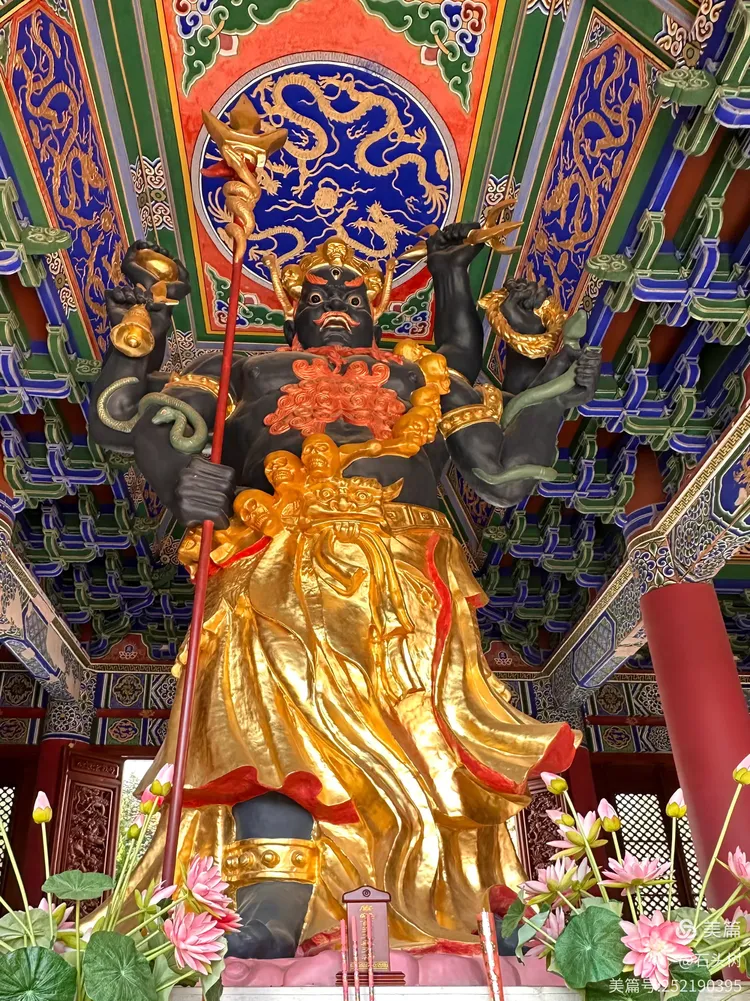
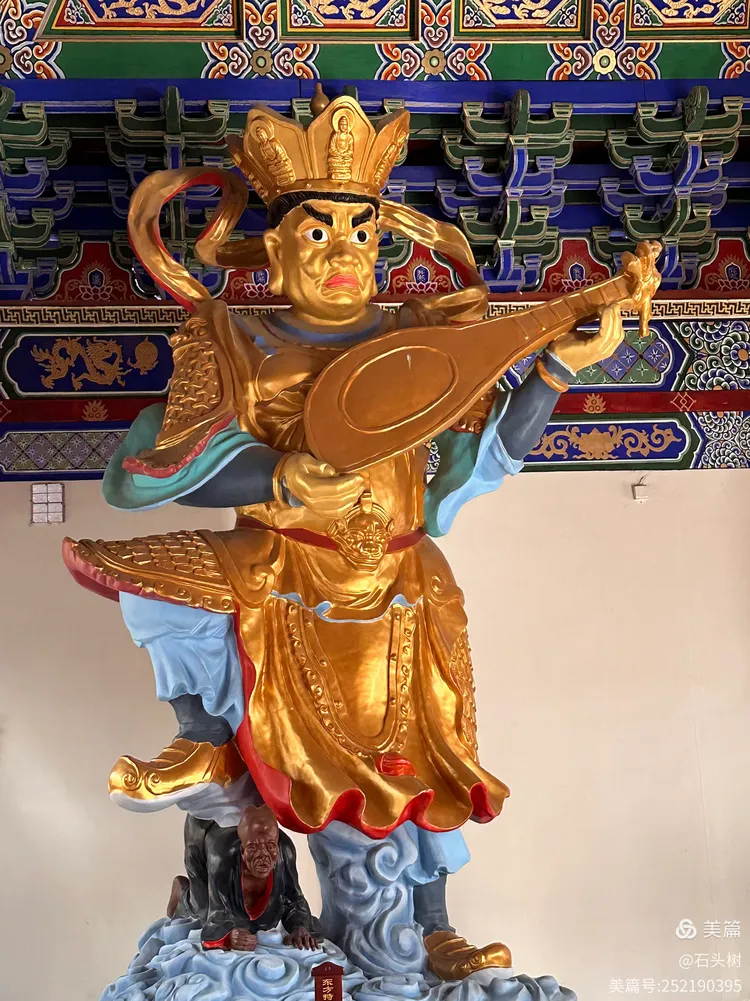
Hall of Heavenly Kings (天王殿) The entrance hall features four guardian deities protecting against evil from four cardinal directions. These aren’t generic temple guardians—their specific features reflect Bai ethnic interpretations of traditional Buddhist iconography, showing subtle cultural adaptations.
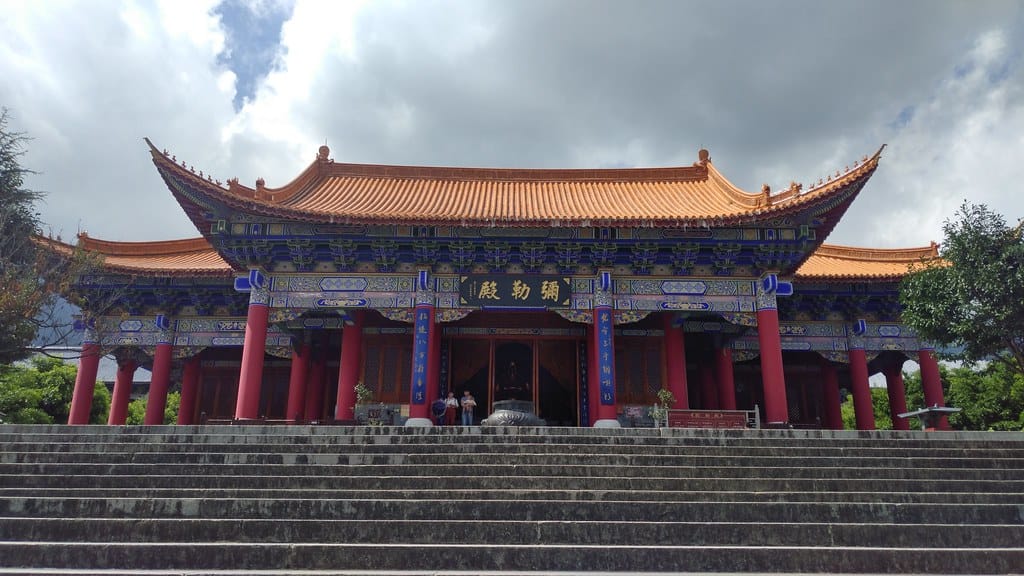
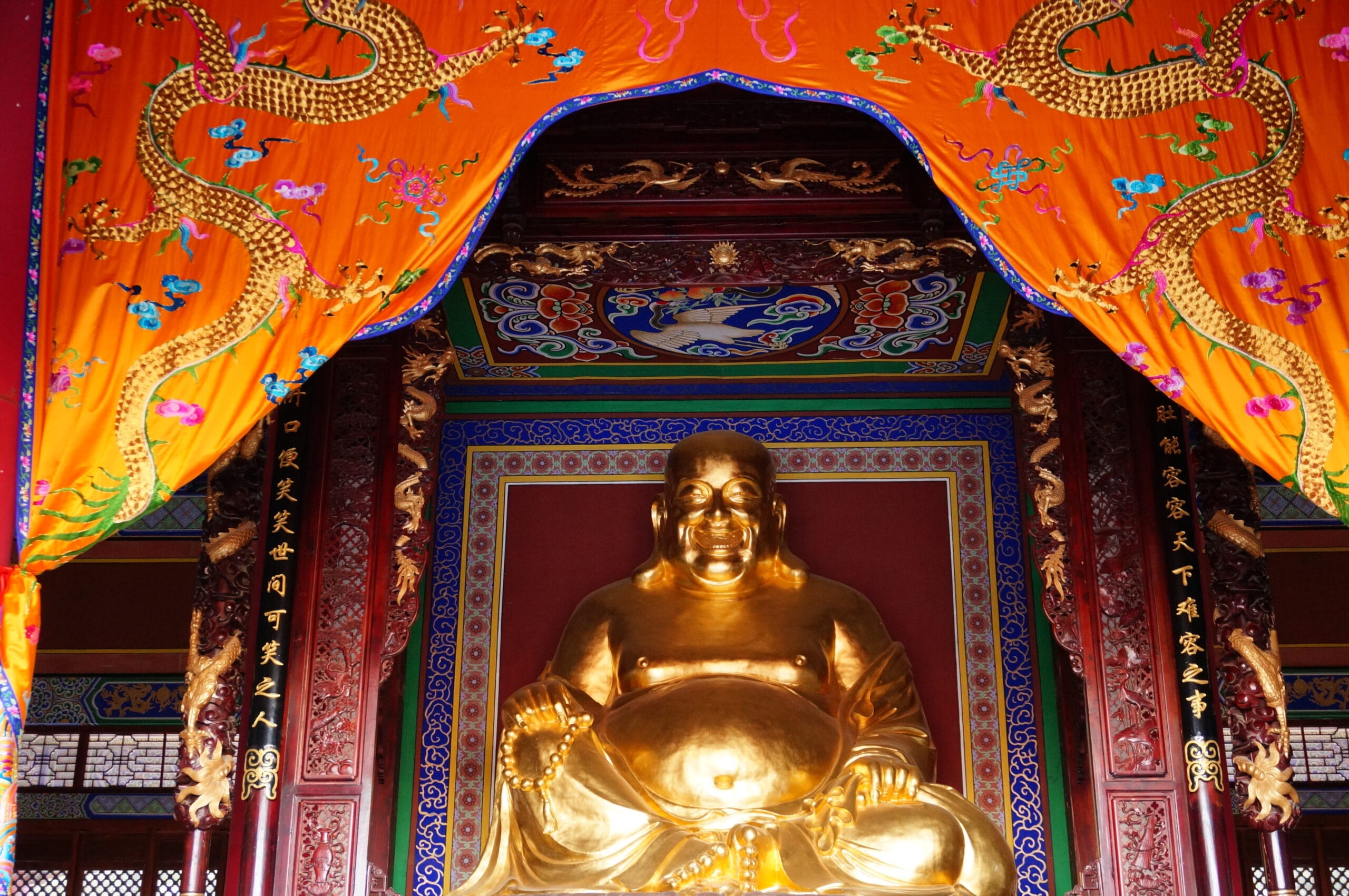
Maitreya Hall (弥勒殿) Houses a Maitreya Buddha statue distinctive for its smiling, welcoming expression—contrasting with the typically serene Shakyamuni representations. This reflects Nanzhao Kingdom beliefs about Maitreya as an accessible, joyful deity rather than a distant enlightened being.
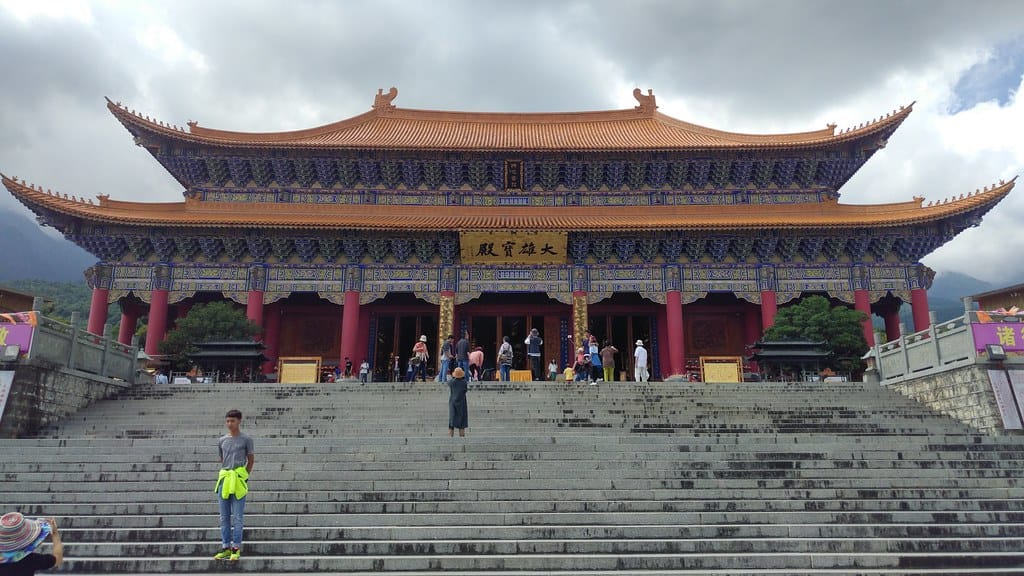
Mahavira Hall (大雄宝殿) The main hall houses an enormous Shakyamuni Buddha surrounded by exquisite murals depicting Buddhist narratives. What makes these special: the artisans had years to work without wartime or economic pressures rushing completion, resulting in details that match—and sometimes exceed—murals in ancient temples elsewhere in Yunnan.

Look for the side wall murals showing the Buddha’s life from birth to enlightenment. Each panel contains dozens of background figures engaged in daily activities, providing inadvertent documentation of Nanzhao period clothing, tools, and social customs.
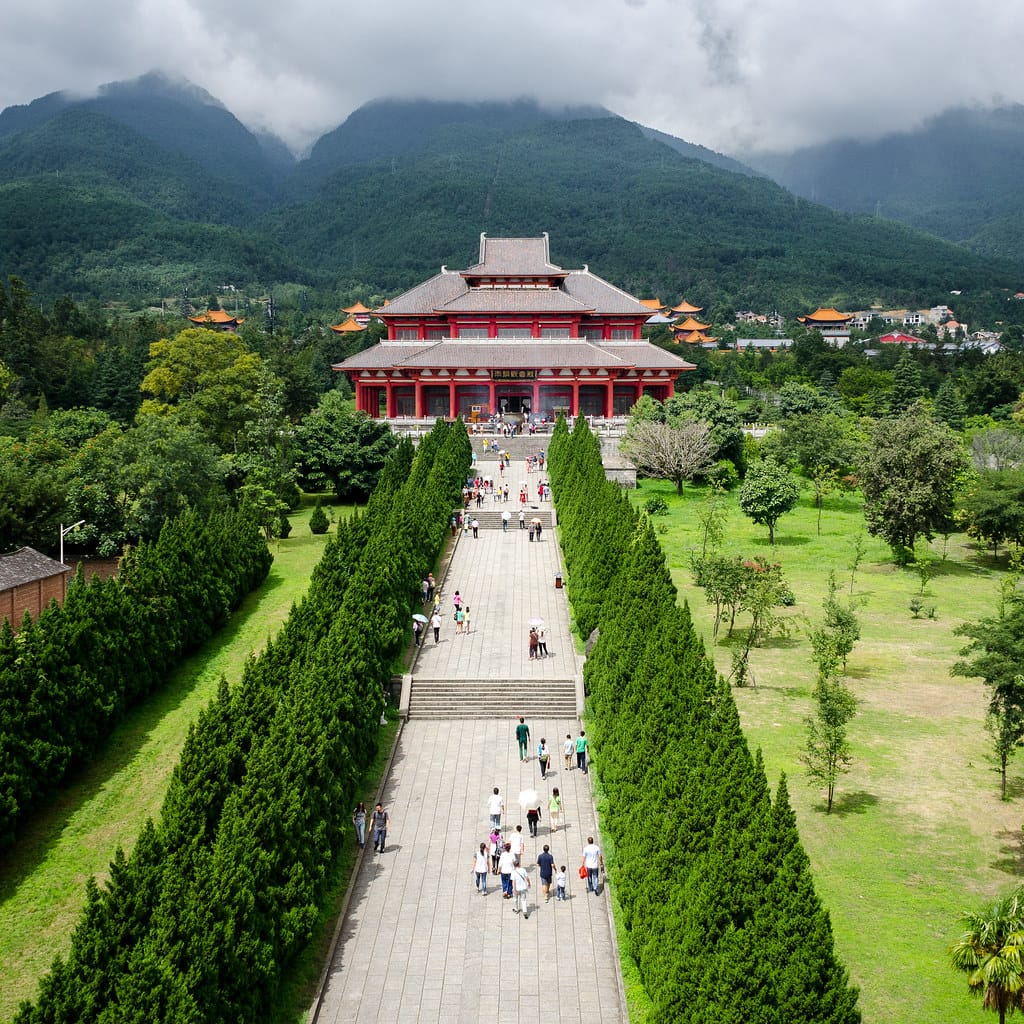
Yutong Guanyin Hall (雨铜观音殿) The 12.6-meter Rain Copper Guanyin statue combines male physique with feminine facial features—representing the Bai people’s matriarchal cultural influences. This androgynous interpretation of Guanyin appears only in Dali region, reflecting local beliefs about gender fluidity in spiritual beings.

The “Rain Copper” name comes from the statue’s material: copper allegedly rained from the sky during casting—obvious mythologizing of the advanced metallurgical techniques that produced the alloy. Analysis shows the copper contains trace elements found only in specific Cangshan Mountain deposits.
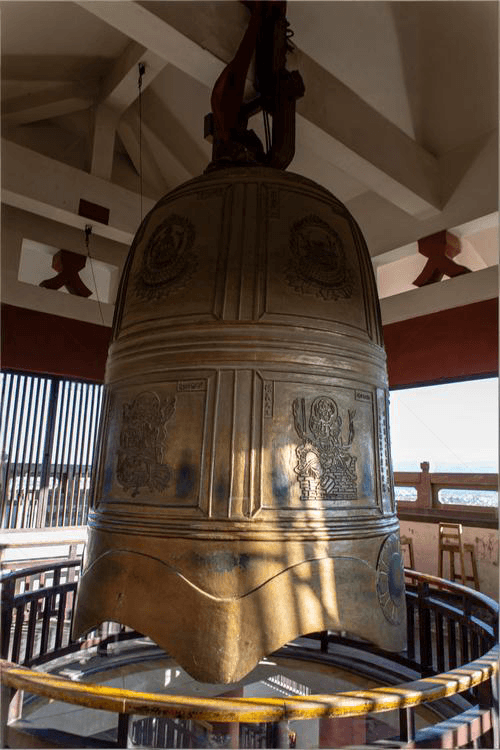
Nanzhao Jianji Great Bell (南诏建极大钟) Cast in 871 CE, this 16-ton bell is Yunnan’s largest surviving ancient instrument. Modern acoustic analysis reveals the bell’s particular bronze alloy creates harmonic overtones unlike standard bell metals—possibly intentional, possibly fortunate accident. The deep resonance can be heard across the valley during ceremonies.
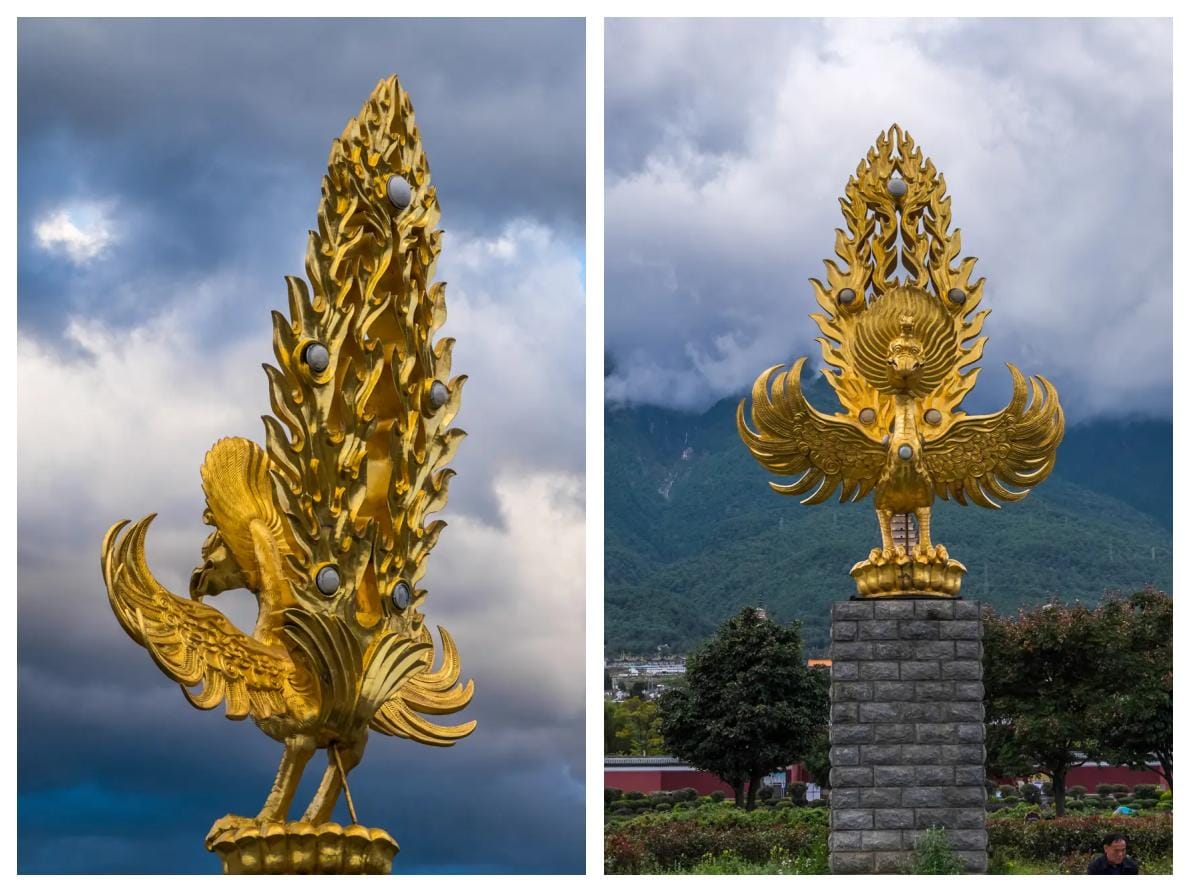
Dapeng Golden Wing Bird Square The golden bird statue represents Garuda from Indian Buddhist mythology, believed to control water spirits. According to legend, this bird possessed power to restrain evil forces causing water disasters. The square houses this statue alongside explanatory exhibits about Nanzhao hydraulic engineering projects—connecting myth to practical flood control.
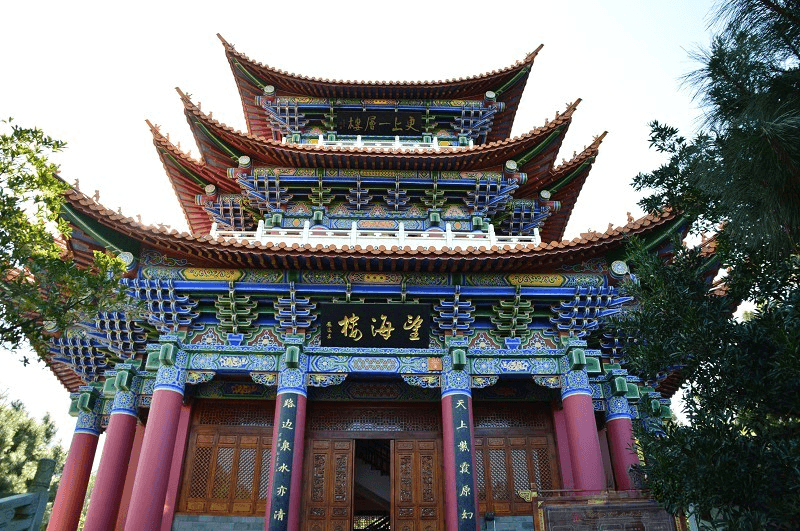
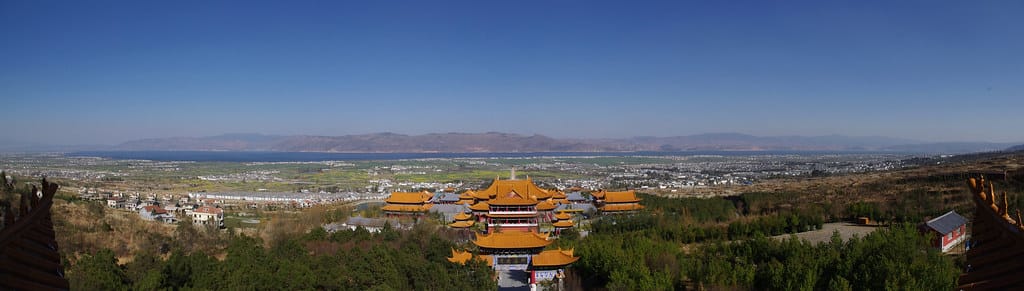
Wanghai Tower (望海楼) The highest point offering panoramic views: temple complex, Three Pagodas, Cangshan Mountain, and Erhai Lake visible simultaneously. Early morning here reveals something special—watch sunlight progressively illuminate the valley from east to west, showing how pagodas were positioned to capture first light while temple buildings remain in shadow.
This wasn’t accidental. It represented Buddhist concepts about enlightenment and awakening—the pagodas (symbolizing Buddha’s teachings) receive illumination first, then gradually spread light to surrounding structures (symbolizing the spreading of dharma).
Special Experiences Beyond Standard Tours
Night Illumination: The Hidden Evening Show

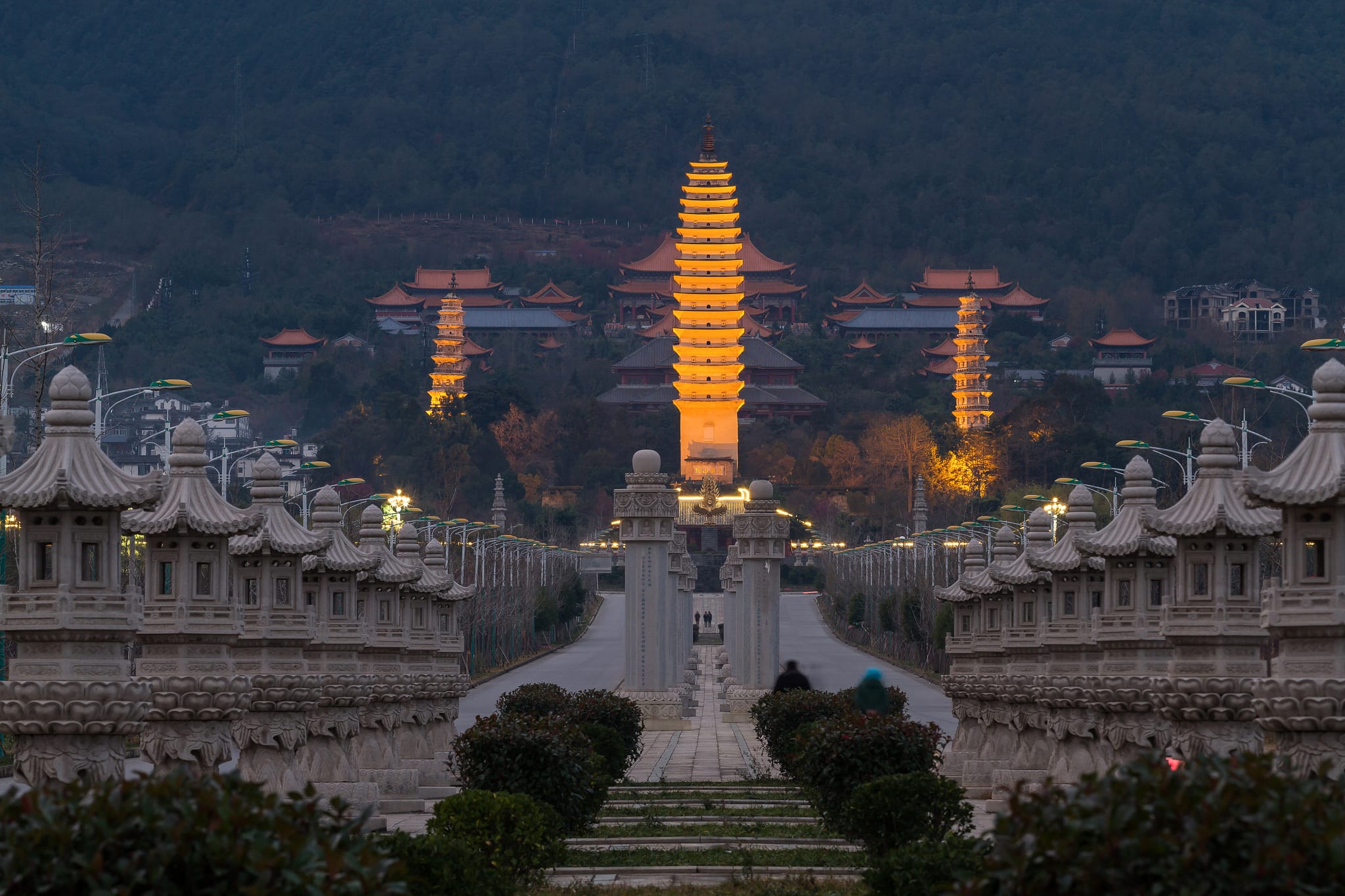
Few guidebooks mention staying until dusk for dramatic night illumination. The uplighting transforms pagodas into ethereal apparitions floating against dark mountains. More importantly, lighting reveals architectural details invisible during daytime.
The Buddhist incantations carved into each brick become visible under dramatic angles, creating mesmerizing patterns across tower surfaces. The effect resembles stars against night sky—appropriate symbolism for structures meant to represent cosmic order.
Optimal Strategy: Arrive at 16:00, photograph during golden hour (17:00-18:30), stay through illumination activation (usually 18:30-19:00 depending on sunset). The transition from natural to artificial light provides unique photo opportunities unavailable during day-only visits.
Cultural Relics Exhibition Hall
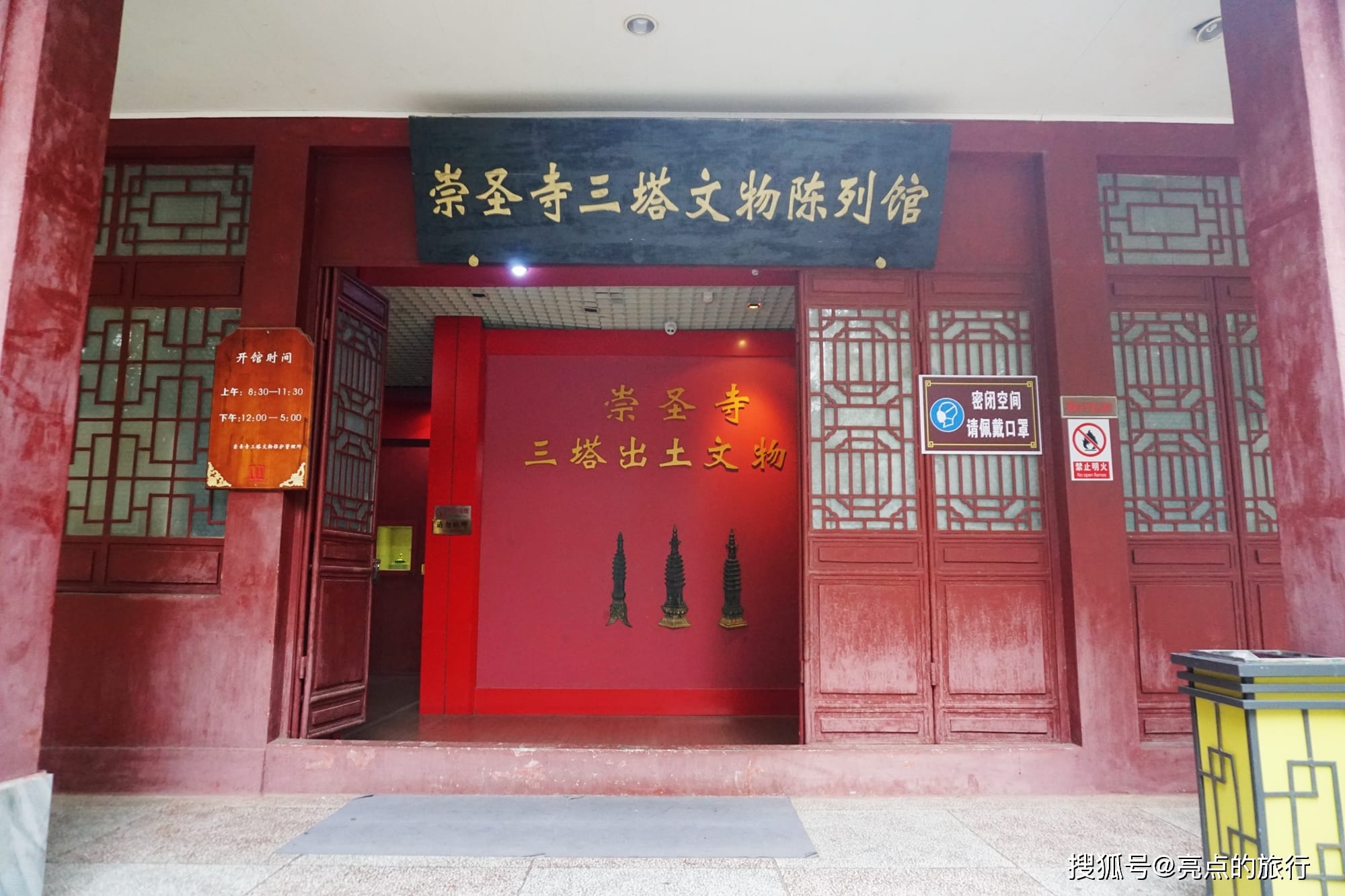
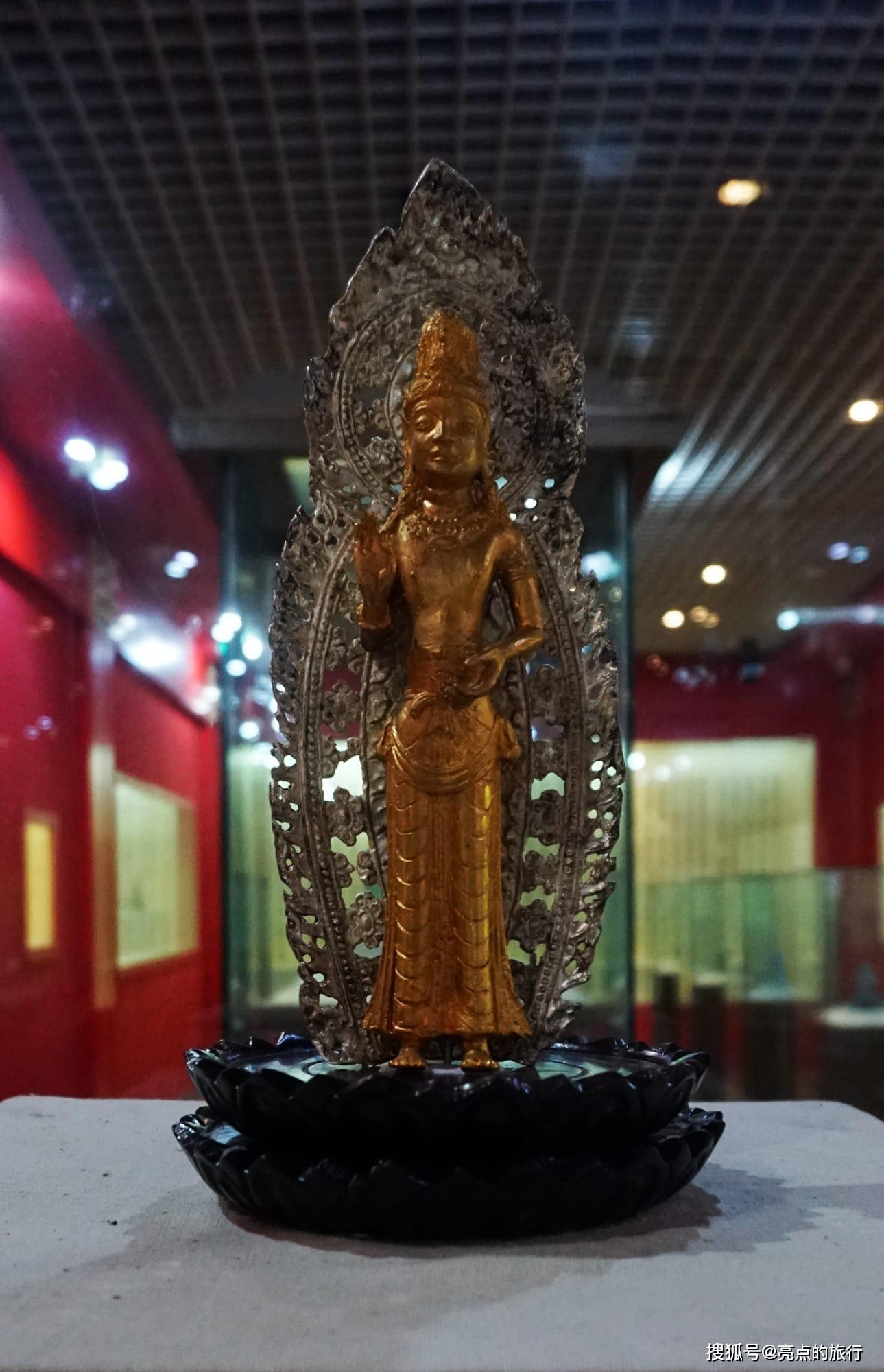
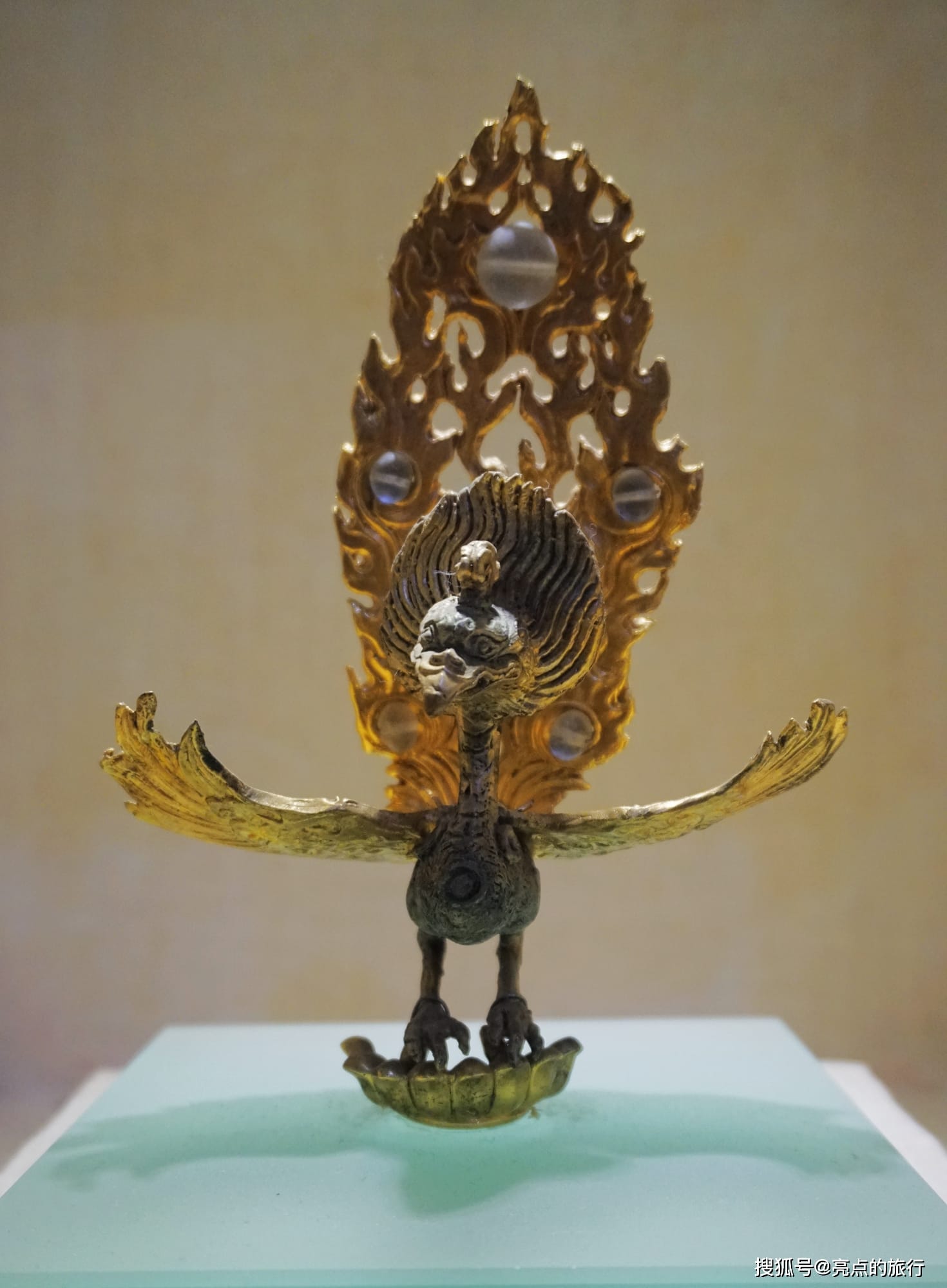
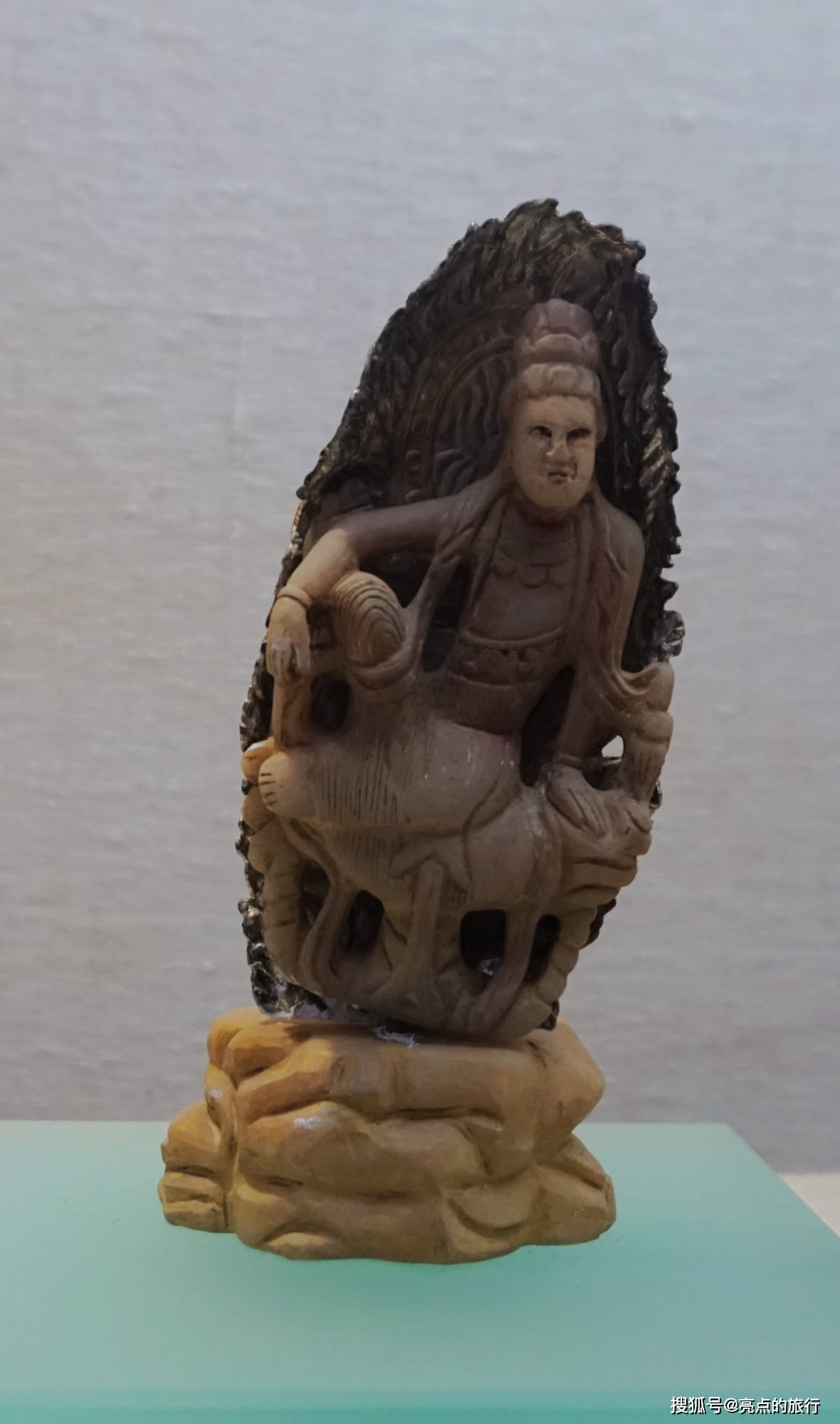
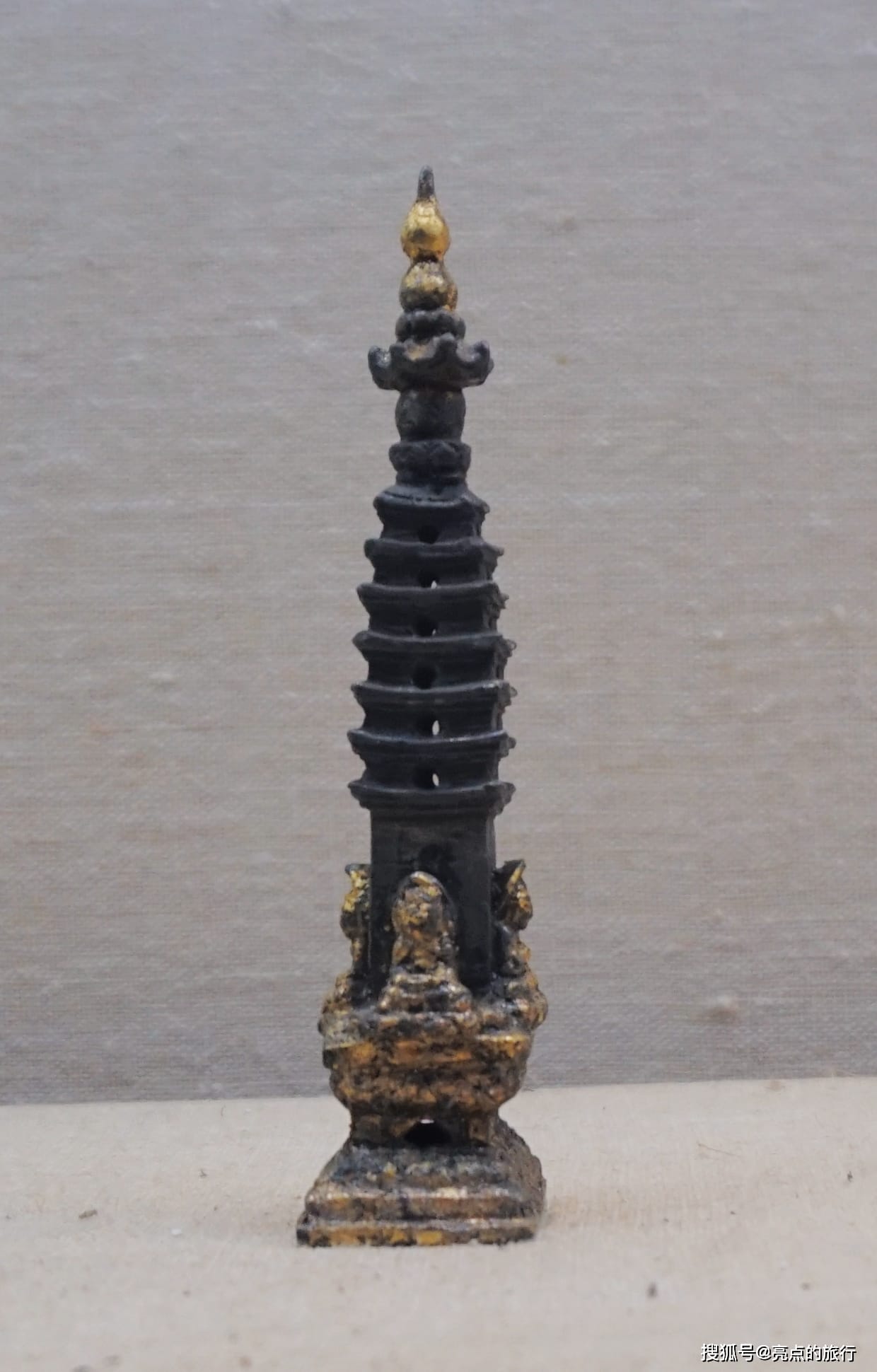
Located along the route between pagodas and temple, this hall displays the 680+ Buddhist artifacts discovered during 1978 restoration work. These include:
- Golden sculptures revealing Nanzhao metalworking sophistication
- Crystal carvings showing Central Asian artistic influences
- Ancient hand-copied sutras preserving variants of canonical texts
- Medicinal ingredients documenting medieval pharmacology
The exhibition provides tangible connections to the temple’s millennium-long history—transforming abstract historical narratives into physical artifacts you can examine closely.
The Buddhist Vegetarian Buffet
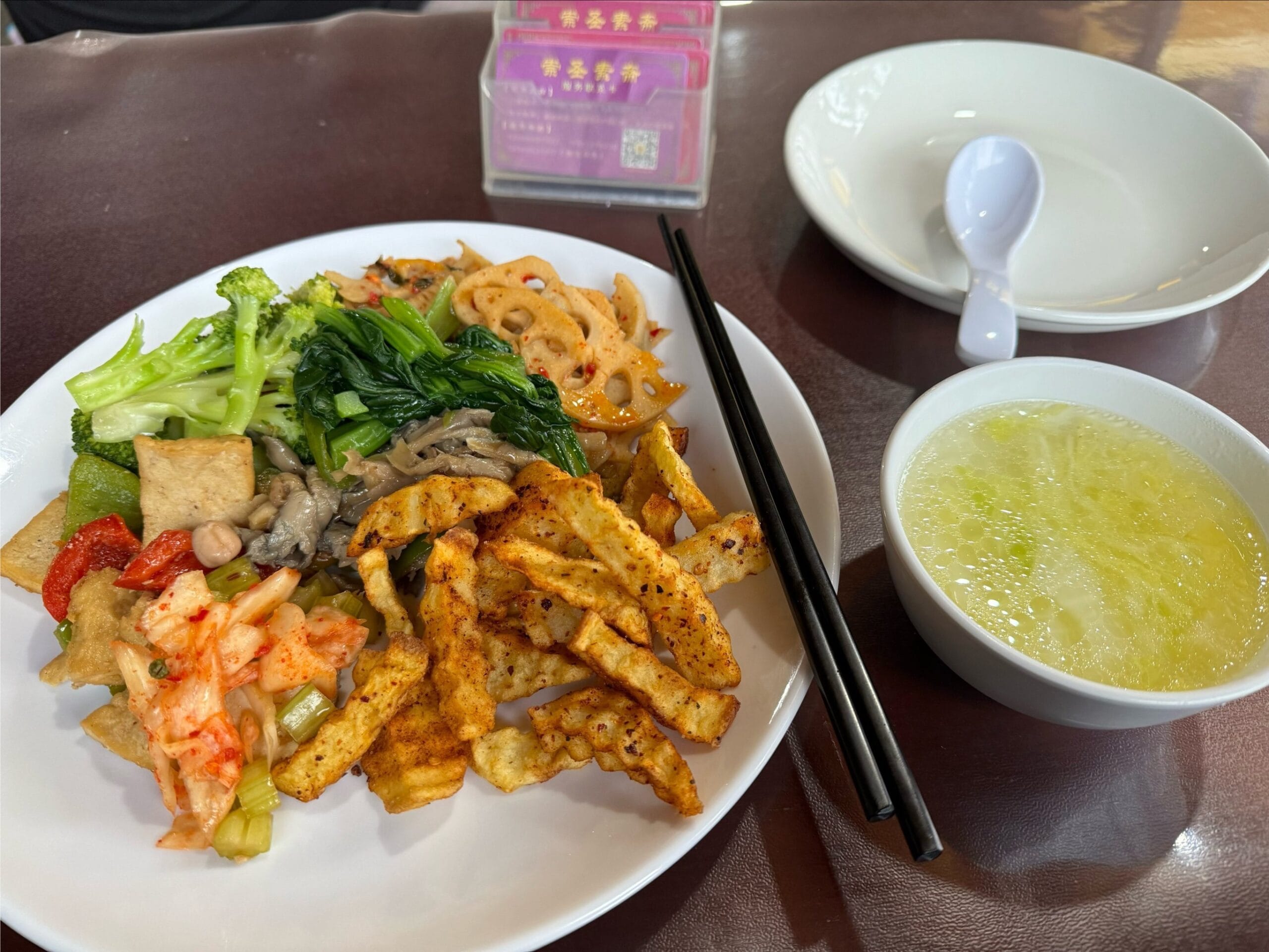
Inside the temple complex, a simple Buddhist vegetarian restaurant serves lunch (CNY 20, 11:30-13:00). This isn’t tourist-trap food. It’s authentic 斋菜 (zhāicài)—Buddhist vegetarian cuisine following traditional temple recipes.
The buffet includes dishes made from locally foraged mountain vegetables, house-made tofu, and rice from nearby Bai villages. For travelers interested in Buddhist culinary traditions, this provides authentic experience impossible to find in commercial Dali restaurants.
How to Visit: Complete Navigation Strategy
Recommended Walking Route (3-4 Hours)
Stop | Duration | Key Activities | Insider Tips |
|---|---|---|---|
Entrance Gate | 5 min | Purchase tickets, grab site map | Arrive at opening time to avoid crowds |
Reflection Pond | 20 min | Photograph “six pagodas” mirror effect | Southwest corner provides best angle |
Three Pagodas Plaza | 30 min | Circle all three, examine brick inscriptions | Look for the slight lean in smaller pagodas |
Cultural Relics Exhibition | 15 min | View 1978 archaeological discoveries | Don’t skip—provides historical context |
Dapeng Square | 10 min | Golden bird statue, Nanzhao Jianji Bell | Strike bell (CNY 10) for traditional experience |
Hall of Heavenly Kings | 10 min | Guardian deities, temple orientation | This sets context for upper complex |
Maitreya Hall | 10 min | Smiling Buddha, joyful iconography | Contrast with serene Shakyamuni later |
Mahavira Hall | 20 min | Main Buddha, detailed murals | Examine side wall panels showing daily life |
Yutong Guanyin Hall | 15 min | Androgynous Guanyin, unique to Dali | Note male/female feature combinations |
Secondary Halls | 30 min | Various Buddha halls, prayer wheels | Less crowded; find quiet contemplation spaces |
Wanghai Tower | 20 min | Panoramic valley photography | Ideal for understanding spatial layout |
Descent | 40 min | Gardens, final pagoda perspectives | Walk slowly; side paths reveal quieter views |
Electric Cart Strategic Route (2-3 Hours)
Battery cars cost CNY 25 and stop at: Entrance Gate → Reflection Pond → Three Pagodas Plaza → Mahavira Hall → Wanghai Tower.
Our Smart Approach: Walk from entrance to Three Pagodas platform (15 minutes), photograph at your pace, examine brick details up close, then take cart up steep slope to Mahavira Hall. Explore upper temple complex on foot (1 hour), then walk downhill at leisure.
This approach saves energy for steep sections while giving flexibility to stop during initial approach. Tour groups do the opposite—cart to top, rush through temple, speed past pagodas on exit—missing most worthwhile details.
Alternative: Reverse Tour for Afternoon Visits
Take electric cart directly to Wanghai Tower, explore temple complex descending, finish at Three Pagodas and Reflection Pond. This works excellently for afternoon visits, finishing at Reflection Pond during golden hour when lighting dramatically improves.
Best Time to Visit: Month-by-Month Reality

Seasonal Comparison Table
Season | Temperature | Precipitation | Crowd Level | Advantages | Disadvantages |
|---|---|---|---|---|---|
Mar-May | 15-25°C | Low | Very High | Third Month Fair (April 12-14, 2025), Cangshan azalea blooms, perfect weather | Crowded, hotel prices up 50-100% |
Jun-Aug | 19-28°C | Moderate | Medium | Afternoon thunderstorms create dramatic light, fewer crowds than spring, comfortable temperatures | Occasional rain interruptions |
Sep-Nov | 12-23°C | Low | High | Clear skies, golden rice paddies, ideal photography conditions | Second peak season pricing |
Dec-Feb | 4-17°C | Very Low | Low | Empty grounds, snow-capped mountain backdrop, serene atmosphere | Cold mornings require layers |
The Third Month Fair Factor
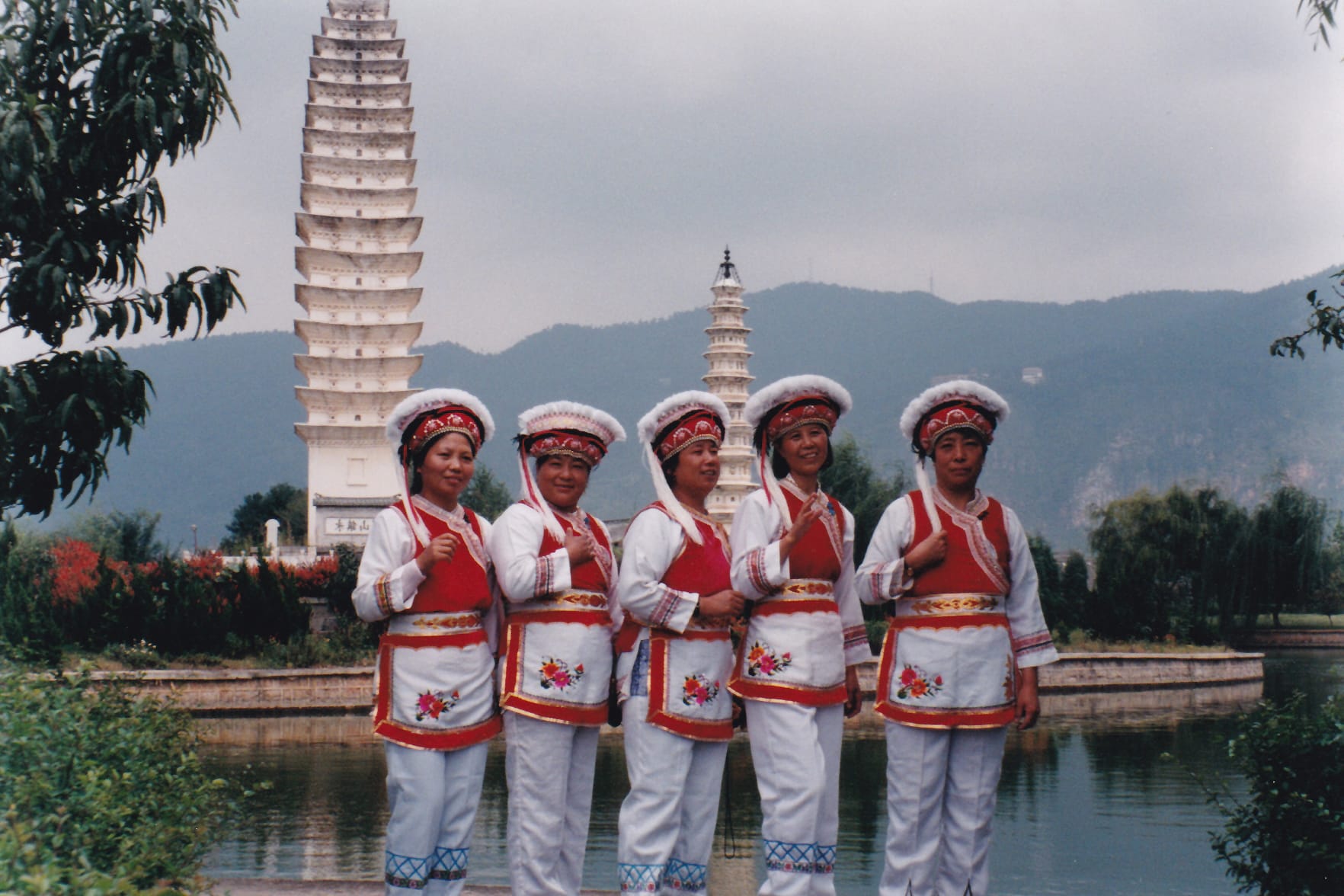
The Third Month Fair (三月街) begins on the 15th day of the third lunar month. This centuries-old Bai ethnic festival predates the Ming Dynasty, functioning as trading fair and cultural celebration.
During the fair, the Three Pagodas area experiences:
- Triple normal visitor numbers
- Hotel prices increase 50-100%
- Bai ethnic performances, traditional markets, cultural activities throughout Dali
- Significantly longer wait times for tickets and facilities
Our Recommendation: Visit during the fair ONLY if experiencing authentic Bai culture matters more than peaceful architectural appreciation. For photography and contemplation, avoid April 12-21 entirely. The crowds genuinely detract from the experience.
Daily Timing Strategy
Time Slot | Light Quality | Crowd Level | Reflection Pond | Best For |
|---|---|---|---|---|
7:10-8:30 AM | Golden side-light | Very Low | Mirror-calm | Reflection photography, architectural details |
9:00-11:00 AM | Harsh overhead | Medium | Often rippled | Temple interior halls (avoid exterior) |
11:00-14:00 PM | Worst light | High | Rippled | Lunch break, Cultural Relics Exhibition |
14:00-16:30 PM | Improving | Medium | Calming | Temple complex exploration |
16:30-18:30 PM | Golden hour | Low | Calm returning | Best overall photography window |
18:30-19:00 PM | Blue hour + lights | Very Low | Perfect stillness | Night illumination, unique compositions |
Planning Your Visit: Complete Practical Information
Transportation Options from Dali Ancient City
Method | Duration | Cost | When to Use | Pro Tips |
|---|---|---|---|---|
Walk North Gate | 20-30 min | Free | Good weather, morning | Scenic approach; pagodas visible halfway |
Bus No. 19 | 10 min | CNY 2 | Budget travel | Departs North Gate every 20 min; tell driver “San Ta” |
Tourist Shuttle | 10 min | CNY 10 | Convenience + commentary | Runs 8:30-17:30; air-conditioned |
Taxi/Didi | 5-7 min | CNY 15-20 | Early morning arrivals | Book return pickup to avoid wait |
E-bike rental | 8-10 min | CNY 30-40/day | Flexibility, multiple stops | Requires riding skill; helmet essential |
From Other Transportation Hubs
From Dali Railway Station: Direct shuttle buses (CNY 10, 30 minutes) or taxi (CNY 40-50, 20 minutes).
From Dali Airport: Airport shuttle bus to Dali Ancient Town (CNY 25, 40 minutes), then options above. Direct taxi costs CNY 100-120 and takes 35 minutes.
Tickets and Verified Discount Policies
Standard Admission: CNY 121 (US$17)
This comprehensive ticket includes:
- Three Pagodas viewing platform and surrounding areas
- Entire Chongsheng Temple complex (all halls and buildings)
- Reflection Pond access
- Cultural Relics Exhibition Hall
- All temple halls, gardens, and facilities
Additional Costs:
- Electric cart service: CNY 25 (5 key stop points)
- Audio guide rental: CNY 20 (Chinese, English, Japanese, Korean)
- Professional English-speaking guide: CNY 120-200 (book at entrance or advance through hotel)
Verified 2025 Discount Policies:
Visitor Category | Discount Amount | Required Documentation |
|---|---|---|
Children under 1.2m height | Free entry | Height verification at gate |
Children 1.2-1.4m height | 50% (CNY 60) | Height verification only |
Full-time students | 50% (CNY 60) | Valid student ID or international student card |
Seniors aged 60-69 | 50% (CNY 60) | ID card or passport showing birthdate |
Seniors aged 70+ | Free entry | ID card or passport |
Active military personnel | Free entry | Military ID required |
People with disabilities | Free entry | Official disability certificate |
Purchase Options: Main entrance ticket booth (cash or Alipay/WeChat Pay accepted) or advance booking through Chinese platforms (Ctrip, Meituan) for occasional 5-10% discounts. International credit cards not widely accepted—bring cash or mobile payment capability.
Practical Travel Tips: What Actually Matters
Clothing and Essential Equipment
Footwear Reality: The complex involves 2+ hours walking with 150+ meters elevation gain to Wanghai Tower. Wear cushioned walking shoes or trail runners with good tread. The stone paths become genuinely slippery during/after rain—we’ve seen numerous tourists in sandals struggling or injured. Don’t be that person.
Layering for Altitude: Dali’s 2,000-meter elevation creates 15°C+ temperature swings between morning and afternoon. Even summer visits require light jacket or fleece for early morning (7:10 arrival). Winter demands thermal underlayers plus wind-resistant outer jacket. The valley funnels wind through Cangshan-Erhai gap, lowering perceived temperature significantly.
Sun Protection Non-Negotiables: UV intensity at this elevation burns exposed skin in under 20 minutes. Apply SPF 50+ sunscreen before arrival, reapply every 2 hours. Wide-brimmed hat essential. The white pagoda surfaces create intense glare; polarized sunglasses reduce eye strain significantly and prevent headaches that ruin afternoon exploration.
Photography Equipment Specifics:
- Wide-angle lens (16-35mm equivalent full-frame) captures entire pagoda formation
- Polarizing filter dramatically improves reflection pond photos and reduces mountain haze
- Extra batteries essential—cold morning temperatures drain batteries 30-40% faster than specifications suggest
- Tripod allowed but be considerate of other visitors during crowded periods
- Memory cards with ample capacity—you’ll shoot more than expected
Managing Crowds: Tactical Approach
Chinese tour groups operate on predictable schedules determined by hotel checkout times and meal reservations:
9:00-11:00 AM: Large groups arrive from Dali hotels after breakfast 11:30 AM-1:30 PM: Groups pause for scheduled lunch (often at distant restaurants) 2:00-4:00 PM: Second wave of afternoon groups from Lijiang/other cities After 4:30 PM: Groups depart for dinner reservations
Our Proven Counter-Schedule:
- Arrive 7:10 opening
- Photograph Reflection Pond before tour groups (7:10-8:30)
- Explore Three Pagodas plaza while groups crowd pond (8:30-9:30)
- Enter temple complex as groups finish pagoda photos (9:30-11:00)
- Rest during lunch rush—visit Cultural Relics Exhibition or Buddhist restaurant (11:00-13:00)
- Resume exploring when groups depart (13:00-16:30)
- Stay through golden hour and evening illumination
Alternative for Late Risers: Arrive at 15:30, explore during golden hour and evening, completely avoiding morning crowds. You’ll miss optimal Reflection Pond conditions but gain peacefully empty grounds.
Respecting Sacred Spaces: Actual Etiquette
While Chongsheng Temple is reconstructed, it functions as active spiritual site for local Bai Buddhists who visit regularly for prayers and offerings. Observe these courtesies:
Required Behaviors:
- Remove hats when entering temple halls
- Lower voice inside all buildings
- Don’t point feet toward Buddha statues when sitting (feet are considered impure)
- Dress modestly—covered shoulders and knees minimum
- Walk clockwise around stupas and prayer wheels (traditional direction)
Prohibited Actions:
- Don’t touch offerings, incense burners, or religious objects
- Don’t walk directly in front of people actively praying
- Ask permission before photographing worshippers (many will politely decline)
- Don’t pose disrespectfully with religious images
Security guards will politely correct violations, but respectful behavior avoids awkward situations entirely.
Altitude Considerations That Actually Matter
Dali sits at approximately 2,000 meters—not extreme altitude by Himalayan standards, but enough to affect some visitors, particularly those arriving from sea-level locations.
Common Symptoms:
- Slightly faster breathing during physical exertion
- Mild headache (especially if arriving same day from low altitude)
- Faster dehydration than usual (increased respiration rate)
- Increased sunburn susceptibility (UV radiation 25% stronger than sea level)
Who Needs Precautions: Most visitors experience no problems. However, elderly visitors, those with respiratory conditions, or travelers with known altitude sensitivity should:
- Spend at least one night in Dali before visiting Three Pagodas
- Walk slowly, rest frequently during climbs
- Drink water throughout visit—bring minimum 2 bottles per person (vending machines available but expensive at CNY 10 vs. CNY 3 in ancient city)
- Avoid heavy exertion during hottest part of day
- Consider electric cart for steep sections if experiencing breathing difficulties
When to Descend Immediately: If experiencing dizziness, significant shortness of breath, or chest tightness, descend immediately and inform staff at entrance gate. These symptoms indicate your body isn’t acclimatizing properly.
Food and Refreshment Strategy
Several refreshment stands operate within the scenic area, but options are limited and prices inflated (CNY 10 for bottled water, CNY 15-20 for basic snacks).
Before Visiting:
- Eat substantial breakfast (8:00 AM visit means you’ll be hungry by 10:30)
- Bring 2 bottles water per person minimum (you’ll drink more than expected due to altitude and walking)
- Pack light snacks—fruit, nuts, energy bars, or trail mix
During Visit:
- Chongsheng Vegetarian Buffet (inside temple complex): CNY 20, serves 11:30-13:00
- Simple but authentic Buddhist vegetarian cuisine following temple recipes
- Good option if visiting 3+ hours and needing meal break
- Provides cultural experience unavailable in commercial restaurants
After Visiting:
- Save main meals for Dali Ancient City where restaurant quality and value far exceed tourist area options
- Ancient city restaurants offer authentic Bai cuisine at 30-40% the price
- Walk south 20 minutes or take bus back for significantly better dining options
Weather Contingency Planning
Dali earned its “Wind City” (风城) nickname through daily reality, not occasional events. Strong valley winds funnel through the Cangshan-Erhai gap almost every afternoon.
Wind Impacts:
- Reflection Pond: Even moderate breeze ruins mirror effect within minutes
- Perceived Temperature: Wind chill lowers felt temperature 5-10°C below actual reading
- Photography: Tripod stability becomes challenging; brace against structures or use higher ISO
- Clothing: Bring wind-resistant layer even if forecast shows warm temperatures
Summer Thunderstorms (June-September): Afternoon thunderstorms arrive suddenly but usually clear within 30-45 minutes.
If Caught in Rain:
- Take shelter in temple halls rather than rushing to exit (you’ll get soaked anyway)
- Wait for clearance—post-storm light creates spectacular photography opportunities
- Paths become slippery; walk carefully, especially on stone steps
- Reflection Pond actually improves immediately after rain stops (dust washed from air creates exceptional clarity)
- Bring compact rain jacket year-round as insurance
Real Traveler Reviews: Unfiltered Perspectives

Consistently Positive Feedback
An impressive royal temple with a history of thousands of years. We took the shuttle bus from the entrance to the top of the temple complex and walked down on foot by visiting different sites. – Tom, UK
This observation reflects our experience. The site consistently exceeds expectations, particularly for travelers unfamiliar with Chinese architectural achievements outside Beijing/Xi’an tourist circuits.
Flanked between Cangshan Mountain and Erhai Lake stands the 3 Pagodas which form a symmetrical triangle. As you ascend the steps to Chongsheng Temple, passing through prayer halls, you are greeted by the magnificent mountain. – James, Australia
The spatial relationship between pagodas, mountains, and lake creates a composition that photographs cannot fully convey—visitors consistently mention the site exceeded their pre-visit mental image.
Legitimate Criticisms Worth Considering
The entrance fee is RMB 121, quite expensive in my opinion as there is really no special service offered for this price except maybe the well-maintained park. – Juliana, USA
The CNY 121 ticket generates mixed reactions. Compared to other Chinese historical sites, it ranks in the higher price tier. However, comprehensive access to the temple complex, well-maintained grounds, professional management, and included Cultural Relics Exhibition provide value that most visitors find justified.
The inability to climb Qianxun Pagoda disappoints some travelers. Worth understanding: internal access was removed for structural preservation after engineers determined tourist traffic would compromise the 1,200-year-old staircases and walls. This decision prevents cumulative damage, benefiting future generations.
Budget Traveler’s Alternative Perspective
We actually didn’t pay the entrance fee to go in. We thought it was too over priced, so we walked around the area, quite far around and were actually able to get quite a good view of all three pagodas, from different angles, without paying. – Maurizio, Italy
This is factually accurate—you can view the pagodas from various external vantage points without entering. However, you’ll miss: Reflection Pond, Chongsheng Temple complex, Cultural Relics Exhibition, Wanghai Tower panoramas, and all historical context that transforms viewing into understanding. For budget travelers prioritizing surface-level photo opportunities over cultural immersion, external viewing suffices. For those wanting comprehensive experience, the ticket represents reasonable value.
Hidden Insights From Observant Visitors
The main pagoda is standing tall and straight whereas the other two smaller ones have a lean – the result of earthquakes years ago. – Sarah, Singapore (May 2024)
Observant visitors notice details tourism materials omit. The slight lean in flanking pagodas tells the survival story better than any explanatory plaque—these aren’t pristine museum pieces but authentic survivors bearing marks of their tumultuous history.
Off the main roads you will find many beautiful and very quiet places. – Thomas, Germany (November 2024)
The extensive temple complex contains numerous peaceful corners perfect for contemplation. Most visitors rush through following the main path, missing side gardens, meditation spaces, and quieter viewing angles. Allocating extra time to explore reveals these rewards.
What Temple Complex Enthusiasts Discover
Everyone talks about the three pagodas, but I thought the temples behind them were the real attractions. Take the time and make your way to the top. – TripAdvisor review
The temple at the top of the hill was really something special, the level of detail and craftsmanship was like nothing I have ever seen. I felt emotional being in that final temple after the adventure getting up there. – TripAdvisor
This feedback aligns with our guidance to travelers: allocate sufficient time for the temple complex. Many visitors budget only for pagoda photos, then rush through the temples—missing the site’s spiritual and architectural heart.
What We Tell Travelers Privately
After organizing thousands of visits, we’ve noticed clear patterns:
- Appreciate architectural history and Buddhist culture
- Allow 3+ hours for thorough exploration
- Visit during optimal times (early morning or late afternoon)
- Explore beyond the main path
- Read background information before visiting
- Combine site visit with broader understanding of Bai culture
- Expect something comparable to Forbidden City or Great Wall
- Rush through in under 90 minutes
- Visit during midday crowds and harsh light (11:00-14:00)
- Focus solely on “getting the Instagram photo”
- Have unrealistic expectations about climbing inside pagodas
- Skip the temple complex behind the pagodas
The Three Pagodas & Chongsheng Temple reward patient, thoughtful visitors who appreciate subtle details, engineering marvels, and cultural significance over spectacular grandeur or Instagrammable moments.
Frequently Asked Questions: Honest Answers
Q: Can I climb the Three Pagodas?
No. Internal access was permanently closed decades ago after engineers determined tourist traffic would compromise structural integrity. This decision preserves the pagodas for future generations. You can approach very close to examine exterior details, which provides better views of intricate carvings and Buddhist inscriptions than climbing inside would offer.
Q: Is the Chongsheng Temple “real” or just a reconstruction?
The original temple was destroyed during the Qing Dynasty. The current complex is a 2005 reconstruction based on archaeological evidence, historical records, and surviving architectural plans. While technically “new,” it represents authentic architectural styles from Tang through Qing dynasties and houses legitimate Buddhist worship. The Three Pagodas themselves are original structures over 1,000 years old.
Q: Is the site wheelchair accessible?
Partially. The Three Pagodas viewing area and Reflection Pond feature smooth paths. However, the temple complex involves significant uphill sections with steps. Electric carts help but don’t eliminate all stairs. Contact site management at +86-872-2666-068 before visiting to discuss specific needs.
Q: How long should I budget?
Minimum 2 hours for pagodas and reflection photography only. We recommend 3-4 hours for thorough exploration including temple complex. Photography enthusiasts easily spend 5+ hours. If time-limited, prioritize: Reflection Pond (30 min) → Three Pagodas (45 min) → Mahavira Hall (20 min) → Wanghai Tower (20 min).
Q: Are English-speaking guides worth hiring?
For visitors interested in cultural and historical context, yes. Guides cost CNY 120-200 but provide insights you won’t find on placards. Request guides with tourism bureau certification. Good guides explain engineering principles, Buddhist symbolism, and Bai cultural connections. Average guides recite basic Wikipedia facts.
Alternatively, download audio guides before visiting (search app stores for “Yunnan Tourism”). These cost less and allow self-paced exploration.
Q: Can I visit both the pagodas and Dali Ancient City in one day?
Absolutely—they’re only 1.5 kilometers apart. Recommended schedule: Three Pagodas & Chongsheng Temple morning (arriving 7:10 AM, finish by 11:00), walk to ancient city for lunch, explore ancient city afternoon and evening. This captures optimal morning light while avoiding midday crowds.
Q: What’s the best photography strategy?
Arrive at 7:10 opening time
Photograph Reflection Pond first (7:10-8:30, calmest conditions
Move to Three Pagodas platform, shoot from multiple angles (8:30-9:30)
If staying all day, return at 16:30 for golden hour
Stay through illumination (18:30-19:00) for unique night shots
Essential gear: wide-angle lens, polarizing filter, extra batteries. Tripod allowed but be considerate.
Q: Should I take the electric cart?
Depends on mobility and time. The cart (CNY 25) stops at: Entrance → Reflection Pond → Three Pagodas → Mahavira Hall → Wanghai Tower.
Recommended: Take cart uphill to Mahavira Hall and Wanghai Tower, walk down at own pace. This balances efficiency with flexibility.
Skip it if: You’re reasonably fit, have 3+ hours available, and want maximum photography opportunities during gradual approach.
Q: What if it rains during my visit?
Summer thunderstorms (June-September) clear quickly—typically 30-45 minutes. Take shelter in temple halls. Post-rain conditions create spectacular photography: crystal-clear air, dramatic clouds, perfect Reflection Pond mirror surface. The hour after rain stops often provides the day’s best light.
Carry compact rain jacket year-round. Paths become slippery when wet; walk carefully on stone steps.
A Personal Note from Our Team

After guiding travelers to the Three Pagodas & Chongsheng Temple for over two decades, we remain moved by first-time visitors’ reactions when these towers emerge into view against Cangshan’s backdrop. There’s something profound about structures that have witnessed twelve centuries of human history—through kingdoms rising and falling, through earthquakes that destroyed everything around them, through the endless cycle of seasons.
What distinguishes this site from China’s countless historical monuments isn’t just age or architectural merit—it’s the authentic presence in a living landscape. The pagodas aren’t museum pieces cordoned behind barriers. They remain integral to Dali’s identity, visible from almost everywhere in the valley, orienting travelers and locals alike.
We’ve watched sunrise here with solo travelers seeking solitude. We’ve celebrated with elderly Chinese visitors fulfilling lifelong pilgrimage dreams. We’ve witnessed children’s wonder at the Reflection Pond’s “magic mirrors.” Each visit reminds us why we love sharing Yunnan with the world.
But we also acknowledge this site won’t mesmerize everyone. If your travel style prioritizes rapid sightseeing and checking boxes, allocate 90 minutes, get your photos, and move on. That’s perfectly legitimate.
However, if you’re drawn to understanding how ancient peoples achieved engineering feats that still puzzle modern architects, if you appreciate the intersection of religious devotion and political power, if you find meaning in places that have endured while empires crumbled—then slow down. Arrive early. Explore thoroughly. Sit quietly and observe how morning light transforms stone and brick into something transcendent.
The Three Pagodas & Chongsheng Temple represent more than history. They embody the persistence of human spiritual aspirations, the dialogue between human creativity and nature’s power, and the bridges cultures build across time and distance. When you visit, you’re not just seeing ancient towers and reconstructed halls—you’re connecting with a story that spans continents and centuries, yet remains vibrantly present in this extraordinary corner of China.
We look forward to welcoming you to Dali. Until then, may your journey planning be smooth, your questions answered, and your anticipation growing. The Three Pagodas have waited 1,200 years—they’ll still be standing when you arrive.
Ready to experience the Three Pagodas & Chongsheng Temple? Travel China With Me creates personalized Dali itineraries combining this iconic landmark with Erhai Lake‘s azure waters, authentic Bai villages where traditional culture thrives, and Cangshan Mountain‘s hiking trails. We handle all logistics, tickets, and multilingual local guides, letting you focus on creating unforgettable memories in Yunnan. Contact us to start planning your journey.