The Ultimate Guide to Chengkan Village: Ancient Wisdom and Huizhou Soul
Are you tired of the crowded “water towns” near Shanghai? Do you want to see the real, pulse-beating history of China? Many travelers head straight to the famous Yellow Mountain (Huangshan). They often stop at Hongcun or Xidi. Those places are beautiful. However, they can feel like museums.
We want to introduce you to a place that feels like a secret. This is Chengkan Village. We have visited this village many times over the last decade. Every time we walk through its gate, we feel a shift in energy. It is not just a collection of old houses. It is a physical manifestation of ancient Chinese philosophy.
In this guide, we will go deeper than any other article on the internet. We will explain why Chengkan is the “First Village under Heaven.” We will share the secrets of its maze-like streets. We will show you why the Luo family spent centuries building this masterpiece.
Whether you are a photographer, a history buff, or a spiritual seeker, Chengkan has something for you. Let’s dive into the heart of Huizhou culture.
Table of Contents
Quick Facts for the Modern Traveler
Category | Details and Data |
|---|---|
Official Name | Chengkan Ancient Village (呈坎古村) |
Founding Date | Eastern Han Dynasty (approx. 1,800 years ago) |
Location | Huizhou District, Huangshan City, Anhui Province |
Coordinates | 29.92° N, 118.28° E |
Design Status | National 5A Tourist Attraction / AAAA Level Historic Site |
Key Architectural Style | Huizhou School (Ming and Qing Dynasties) |
Core Layout Philosophy | Bagua (Eight Trigrams) and Feng Shui |
Number of Heritage Sites | 49 National-level protected buildings |
Primary Surname | Luo (罗) |
Admission Fee | 107 RMB (Adults); Half price for seniors/students |
Opening Hours | 07:30 – 17:30 (Daily) |
Best Way to Arrive | 25-minute drive from Huangshan North Station |
History and Cultural Significance: More Than Just Ancient Architecture
History and the 1,800-Year Legacy of the Luo Clan
To understand Chengkan, you must understand the Luo family. Most villages in China are built around a single clan. Chengkan is perhaps the most prestigious example in the Huizhou region.
The story begins in the Eastern Han Dynasty. Two brothers, Luo Tianzhen and Luo Tianzhi, were experts in geomancy. They were scholars of the I Ching (Book of Changes). They were looking for a place to settle their family. They traveled across the mountains of Anhui. When they reached this valley, they stopped.
They saw eight mountains surrounding a flat basin. A river flowed through the center in an “S” shape. To their expert eyes, this was a perfect natural Bagua. They named the village “Chengkan.”
In the I Ching, “Cheng” means Yang or light. “Kan” means Yin or water. By naming the village this way, they hoped to balance the cosmic forces. They wanted to ensure the prosperity of their descendants.
And they succeeded. For 1,800 years, the Luo family flourished. During the Tang, Song, Ming, and Qing dynasties, they produced hundreds of officials. They produced world-renowned scholars and wealthy merchants. The village became a center of Huizhou culture.
Unlike many other villages, Chengkan was never destroyed by fire or war. The layout was designed to confuse attackers. The buildings were built with high firewalls. Today, walking through Chengkan is like walking through a time capsule. You are seeing the same stones that scholars walked on 500 years ago.
The Bagua Layout: A Living Philosophy
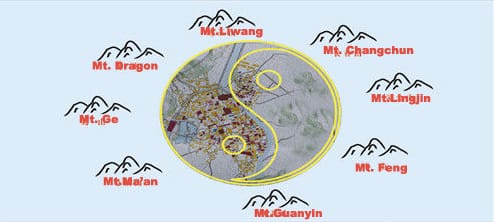
Eight mountains surrounding Chengkan Village, combined with the S-shaped Zhongchuan River winding through it, forms a natural Bagua pattern. This isn’t accidental aesthetics—it’s deliberate cosmic alignment.
The village’s street system reflects this philosophy with stunning precision: three main streets and 99 lanes, all paved with granite slabs, create a maze-like pattern that both confuses first-time visitors and protects residents from negative energy. According to local belief, the layout channels positive qi (energy) while deflecting harmful influences.
The Deep Cultural Significance: More Than Just “Feng Shui”
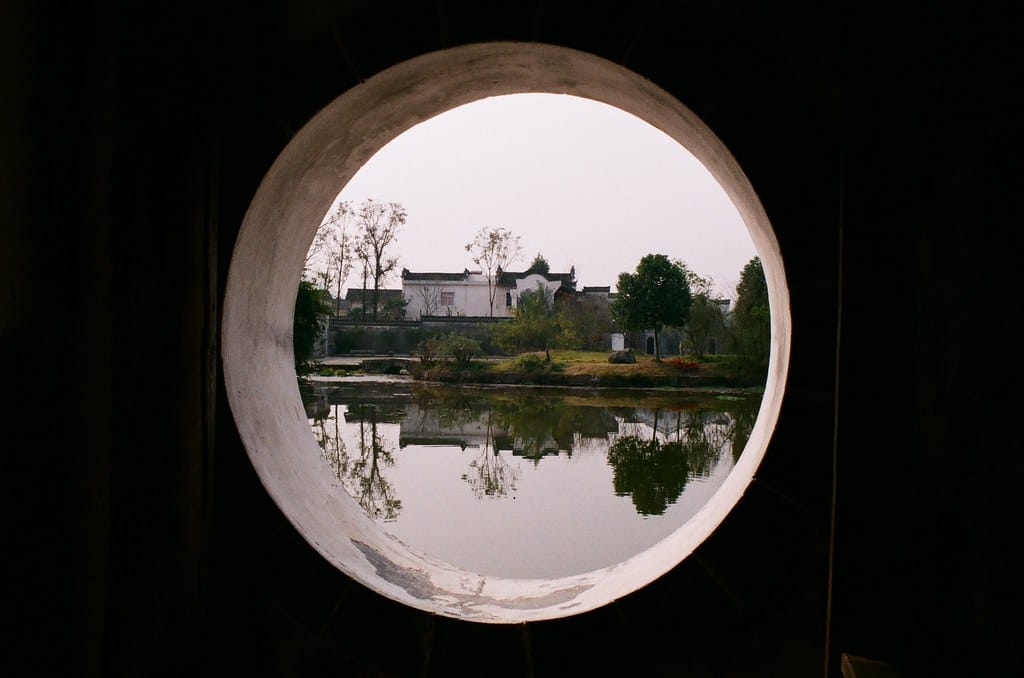
We often hear people use the term “Feng Shui” loosely. In Chengkan, it is a science. The village layout is a masterclass in ancient urban planning.
The Luo brothers didn’t just pick a spot. They reshaped the landscape. They dug canals. They diverted the river to enhance the “S” shape. They built the village according to the Eight Trigrams.
Why does this matter to you as a visitor? It matters because it creates a unique atmosphere. The village feels “closed” and “open” at the same time. The high walls provide privacy and protection. The open courtyards (Tianjing) bring in light and rain.
There is a local saying: “Visit Chengkan and you will have no obstacles in life” (游呈坎一生无坎). This is not just a marketing slogan. It refers to the belief that the village’s energy can “straighten” a person’s path. When we bring guests here, we always start by explaining this philosophy. It changes how you look at the walls and the water.
Why Chengkan Village Deserves Your Time (When Hongcun Doesn’t)
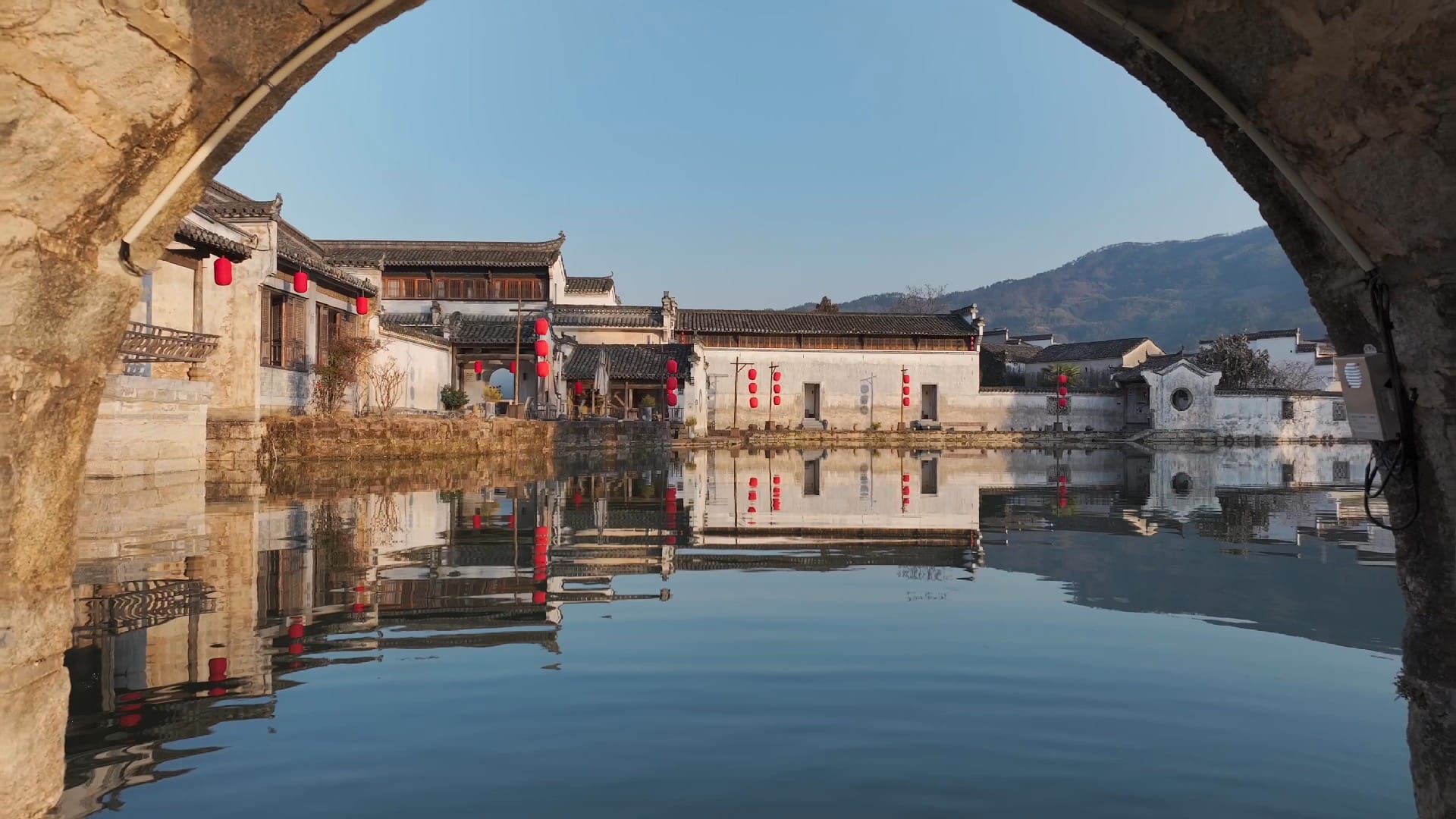
1. Authentic Village Life Without the Tourist Circus
We’ve guided clients through both Hongcun and Chengkan on the same day, and the contrast is striking. While Hongcun’s beauty comes at the cost of feeling like an outdoor museum, Chengkan remains a functioning village. Elderly residents still chat on doorsteps, children play in narrow alleys, and laundry hangs from Ming Dynasty windows.
One of our recent clients, Sarah from Australia, put it perfectly: “In Hongcun, I felt like I was observing. In Chengkan, I felt like I was experiencing.”
2. Superior Architecture with Better Stories
The village houses 22 national key protected cultural relics—the highest concentration per square meter of any village in China. These aren’t just old buildings; they’re masterpieces of Huizhou craftsmanship featuring the famous “three carvings”: intricate brick, wood, and stone work that has survived centuries.
The key difference? In Chengkan, you can actually enter most historic buildings without battling crowds or waiting in queues. The guides (when you hire them) aren’t rushing you to the next photo stop—they’re genuinely passionate about sharing their village’s stories.
3. The Fish Lantern Phenomenon
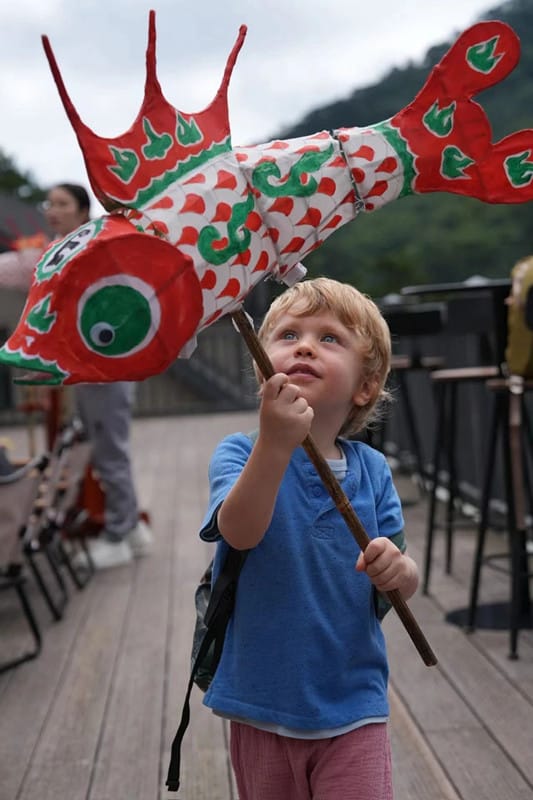
Each fish lantern performance draws more than 10,000 visitors, with the tradition recently gaining global recognition. This isn’t manufactured culture for tourists—it’s a centuries-old intangible cultural heritage that villagers have preserved through generations.
The village actively promotes a “cultural experience + local consumption” model, allowing visitors to experience fish lantern crafting and join lantern parades in traditional costumes. We’ve arranged these experiences for our clients, and watching them parade through 1,800-year-old streets with handmade glowing fish lanterns ranks among the most magical travel moments we’ve witnessed.
4. Significantly Less Expensive Than UNESCO Sites
While Hongcun charges similar entrance fees, Chengkan offers better value through lower accommodation costs, cheaper meals, and genuinely fair-priced souvenirs. The village hasn’t yet succumbed to the aggressive commercialization that plagues more famous destinations.
Highlights: What You Absolutely Cannot Miss
We recommend starting your visit at the entrance and working your way inward. Don’t rush. Here are the spots you cannot miss.
Yongxing Lake: The Gateway to the Soul
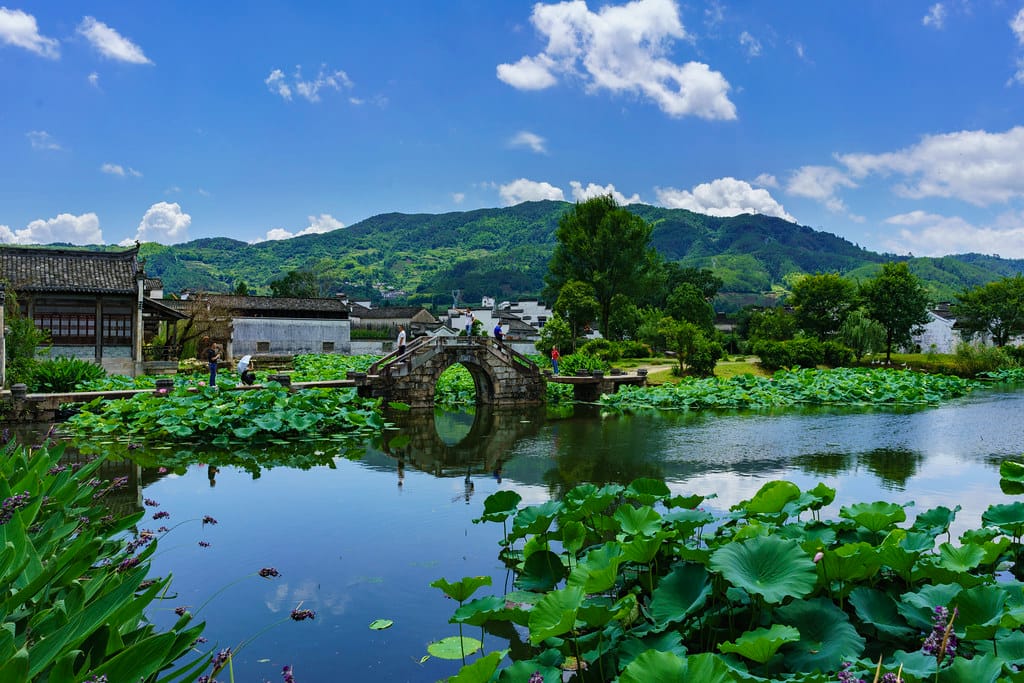
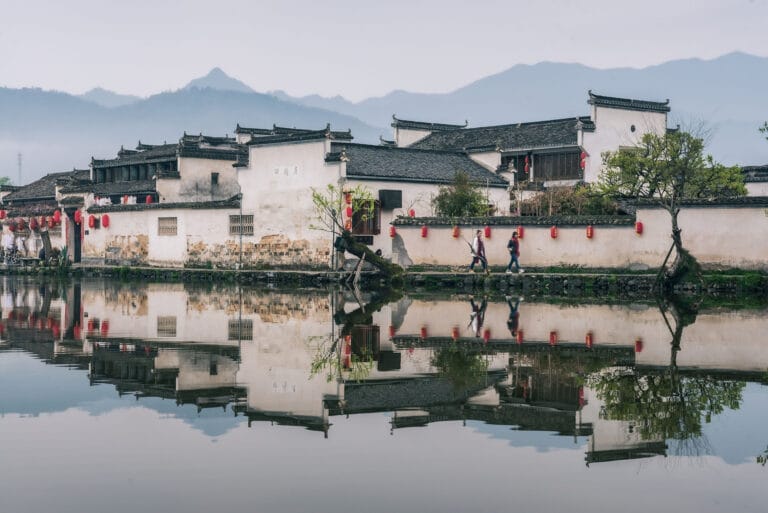
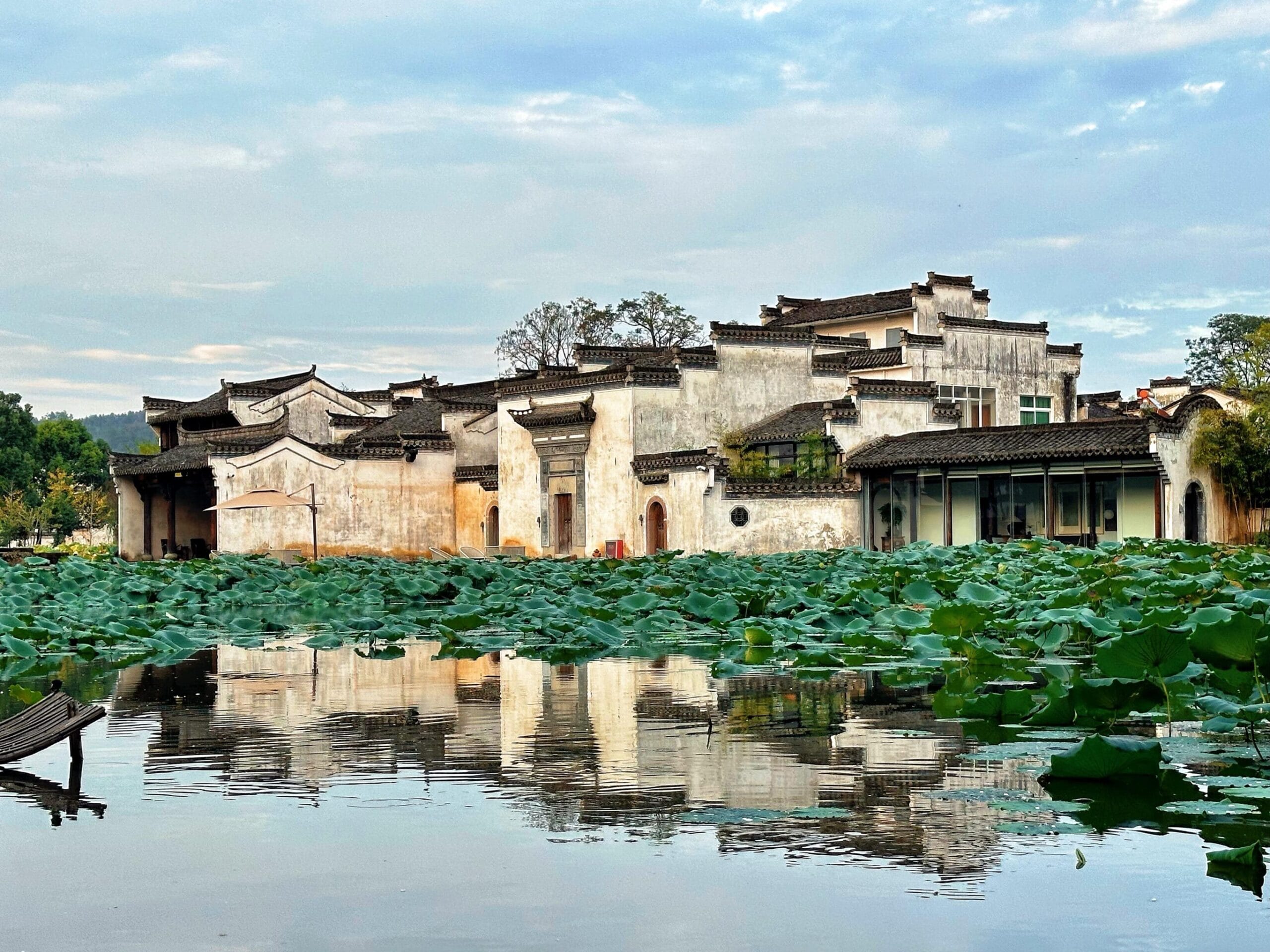
As you enter the village, you encounter Yongxing Lake. This is a large, man-made pond. In the summer, it is a sea of green lotus leaves. In the autumn, the withered lotuses look like a calligraphy painting.
This lake serves as the “mirror” of the village. It reflects the mountains and the white houses. But it also has a practical purpose. It acts as a reservoir for fire fighting. It also cools the air during the hot Anhui summers. We suggest spending at least 20 minutes here. The light changes every few minutes.
The Maze of 99 Lanes
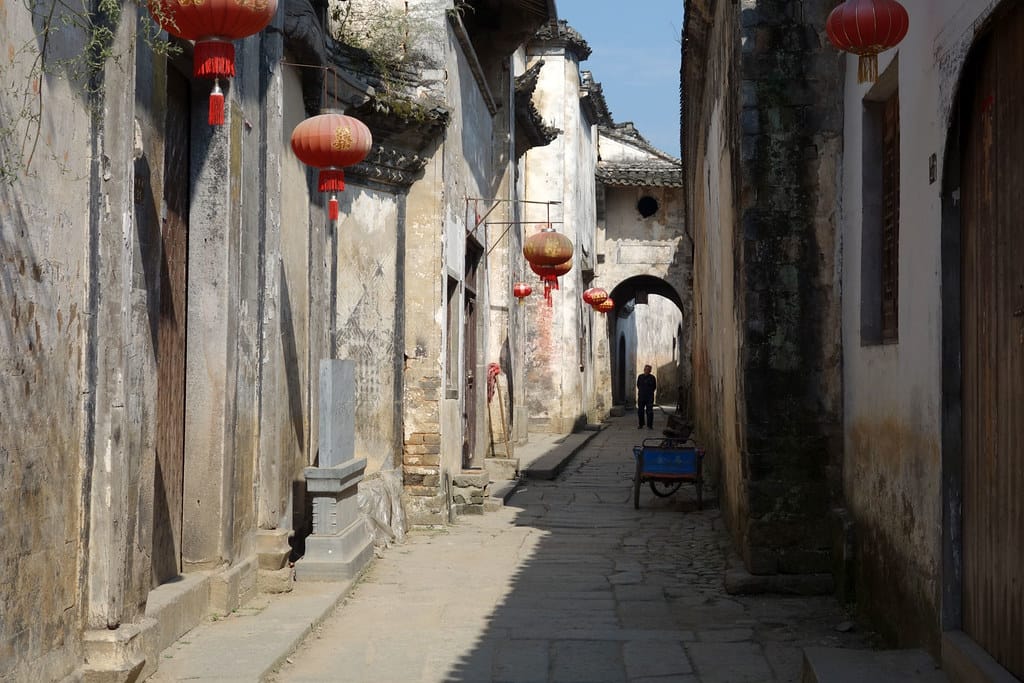
Once you leave the lake, you enter the residential area. This is where the “Bagua” layout begins. There are 99 lanes. Each one looks similar.
The villagers used to say that a stranger could enter but never leave. The layout was a defense mechanism. It was meant to trap bandits and enemy soldiers. Today, it mostly traps curious tourists.
Look at the ground. The stones are worn smooth by centuries of footsteps. Notice the drainage system. The water flows alongside the streets. This keeps the village clean even during heavy rains. We love wandering these lanes without a map. It is the best way to discover hidden workshops and small shrines.
Baolun Mansion: The Pinnacle of Huizhou Art
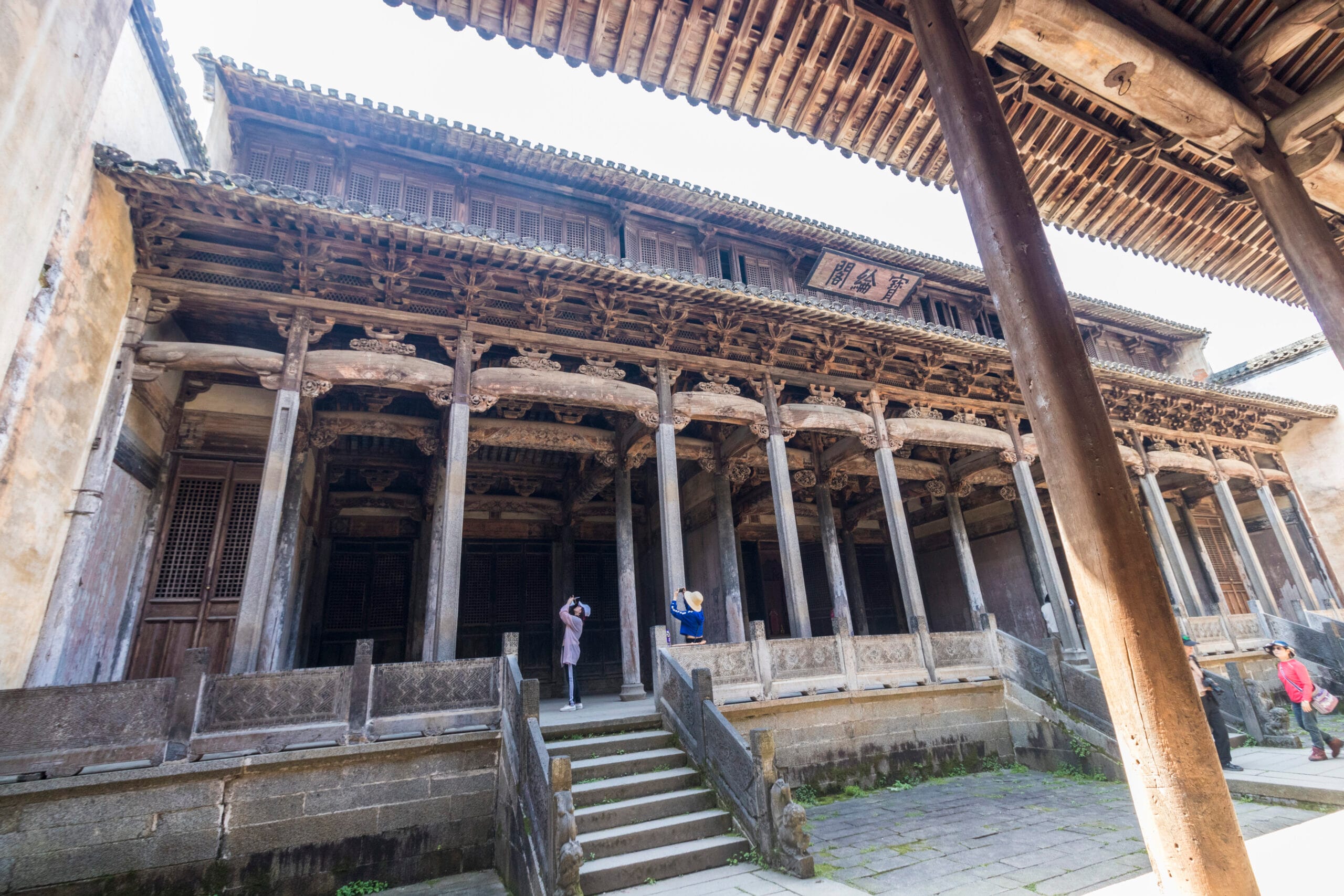
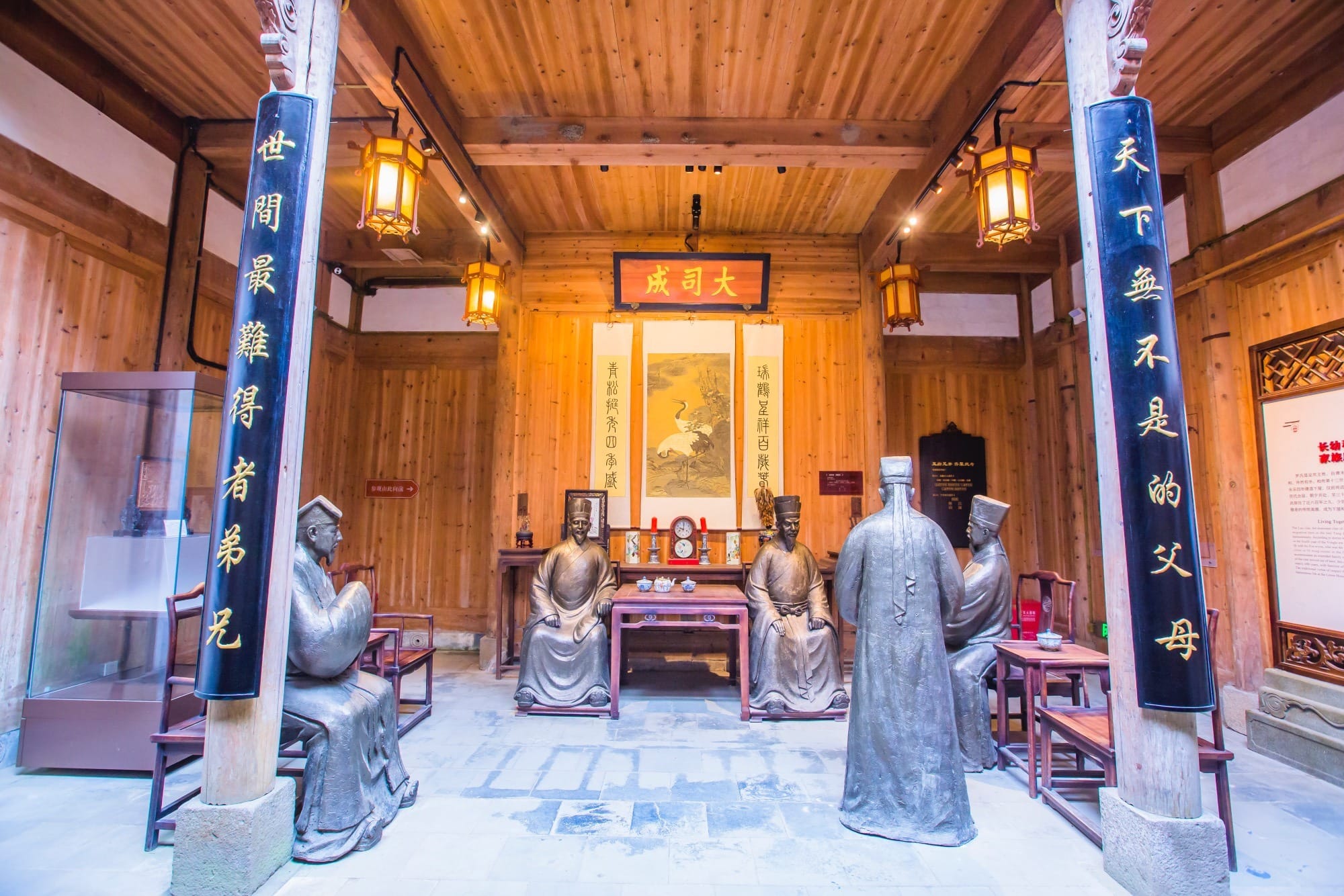
If you only see one building, make it the Baolun Mansion (Luo Dongshu Ancestral Hall). This is widely considered the best-preserved Ming Dynasty ancestral hall in China.
The scale is massive. The main hall is supported by giant pillars. These are made of Golden Nanmu wood. This wood is incredibly rare. In ancient times, only the Emperor could use it. The fact that the Luo family used it shows their immense power.
Look up at the ceiling. The colorful paintings are original. They use mineral pigments that have not faded in 400 years. The carvings on the beams depict scenes from history and mythology. We spent an hour here just looking at the woodcarvings. The level of detail is superior to almost anything in the Forbidden City.
We understand you want a guide that is useful for travelers. We will avoid fluff and focus on the details that help you navigate, eat, and photograph Chengkan like a pro.
Here is Segment 2 of our guide. We will focus on the specific architectural details, the local food experience, and the logistical planning you need to reach the village.
Yanyi Hall: The Fortress of Peace
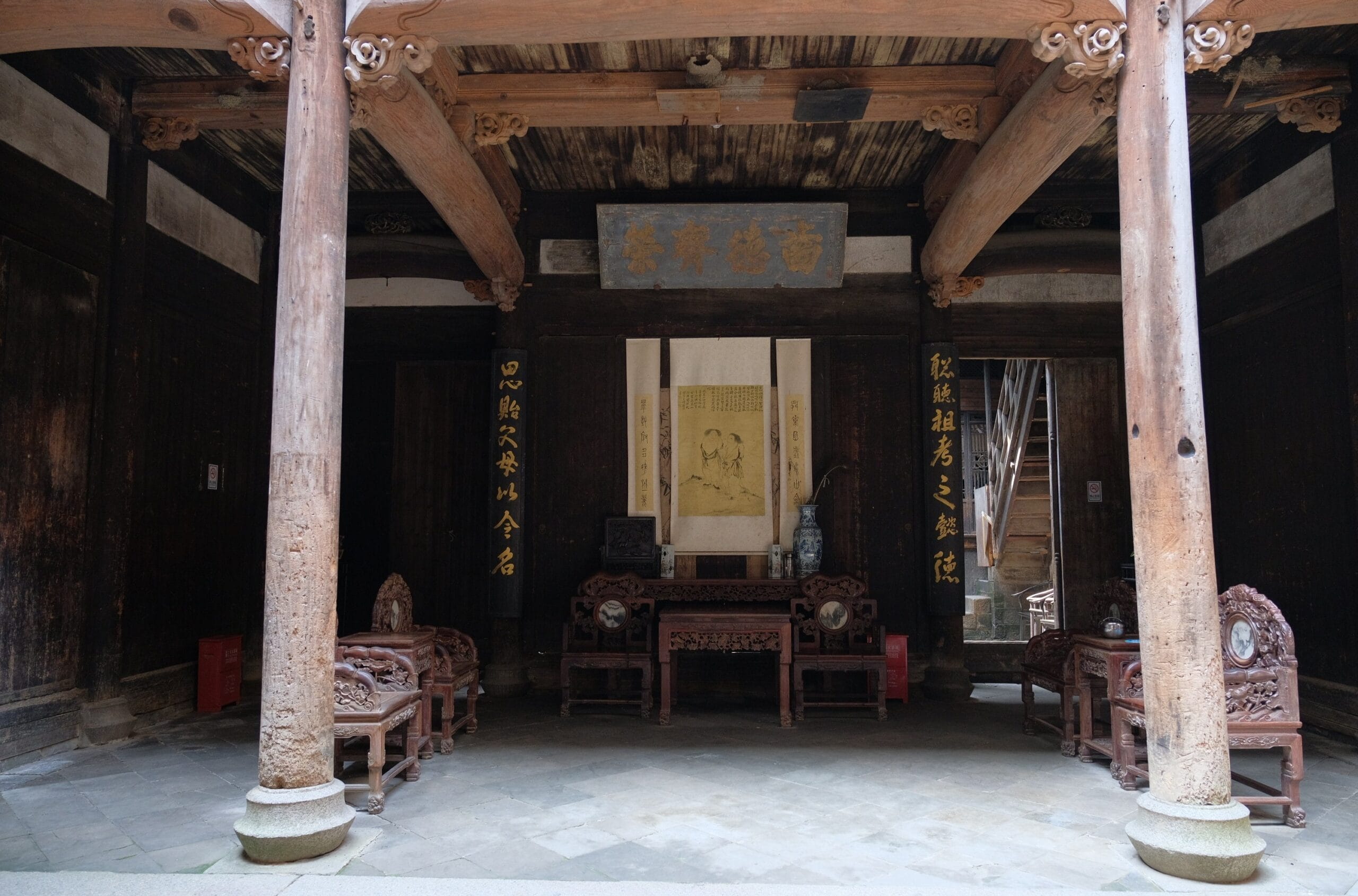
As we mentioned briefly before, Yanyi Hall is a Ming Dynasty residence. For a traveler, this is the best place to see how an actual family lived.
Look at the height of the walls. They were designed to be “fire-tight.” This also provided security against bandits. Inside, you can see the master bedroom, the study, and the kitchen. Notice the narrow wooden stairs. They were built steeply to save space. We recommend going up to the second floor if the staff allows. It offers a unique view of the surrounding rooftops.
The Ancient Wells of Chengkan
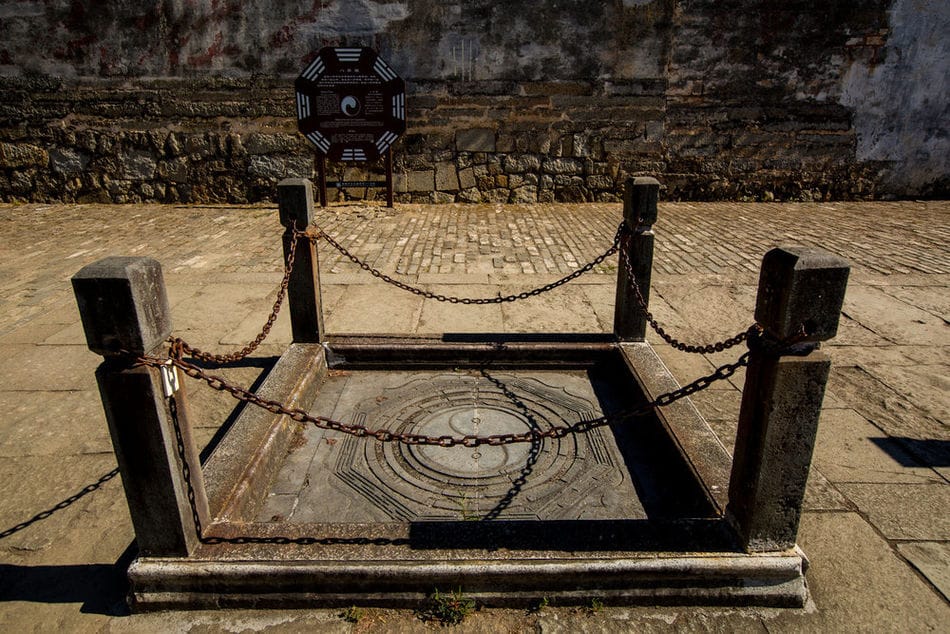
As you walk through the 99 lanes, you will see several stone wells. These are not just for decoration. Villagers still use them today.
There is one well near the center called the “Scholar’s Well.” Legend says that students who drank from it would pass the Imperial Examinations. We once saw a local mother bringing her son here before a big test. It is a beautiful example of how ancient traditions still breathe in Chengkan.
Special Cultural Experiences: Beyond Sightseeing
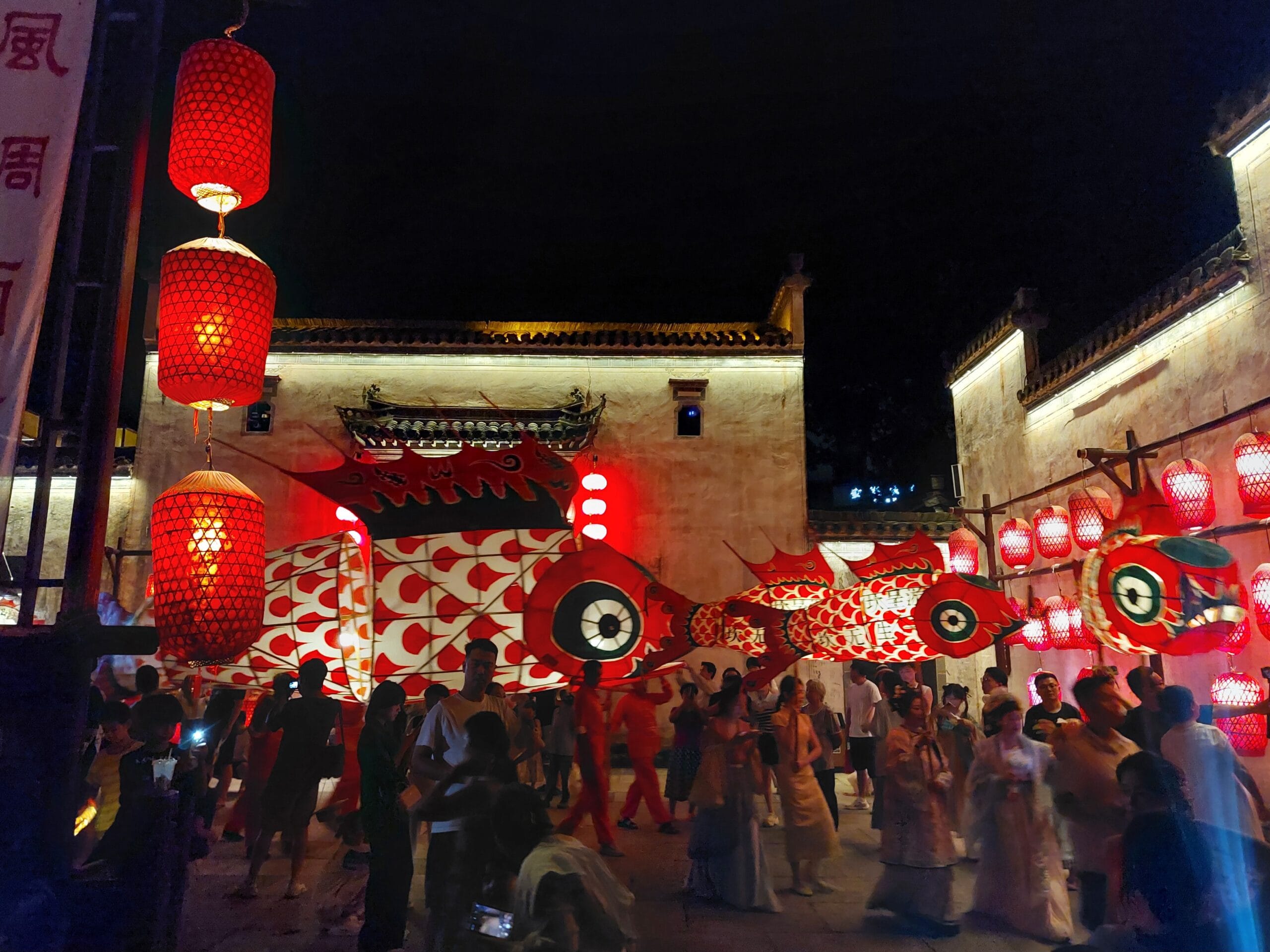
Fish Lantern Crafting Workshops
Visitors can experience fish lantern crafting and join the lantern parade in traditional costumes. The workshops typically run 1-2 hours and teach you to:
- Shape the bamboo frame structure
- Apply the translucent paper covering
- Paint traditional patterns and symbols
- Understand the cultural significance of each design element
Cost: ¥80-150 per person depending on lantern size Availability: Daily at village cultural center; advance booking recommended
Evening Fish Lantern Parades
The evening performances (typically 6:30-7:30 PM) transform the village into a glowing dreamscape. Hundreds of brightly lit fish-shaped lanterns float through the streets, creating a mesmerizing and colorful spectacle accompanied by traditional music.
Unlike passive watching, visitors can join the parade. We always book this experience for our multi-day clients—the combination of ancient architecture, traditional costumes, glowing lanterns, and enthusiastic villagers creates memories that outlast a thousand scenic photos.
How to Navigate the Bagua Maze
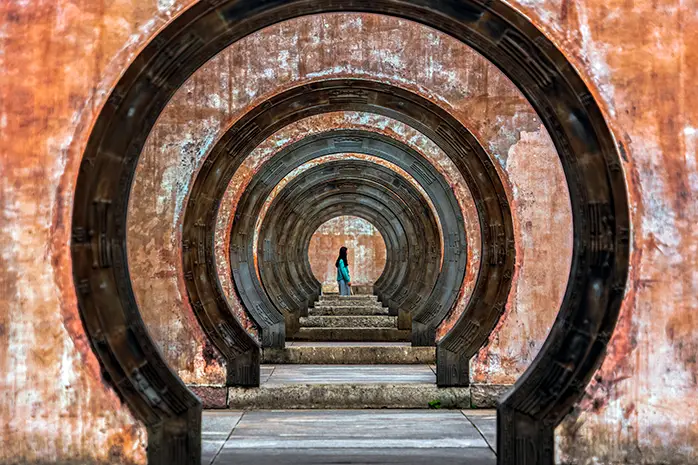
Photo by Zu Xiaoqun
We know that “getting lost” sounds romantic. However, if you are on a schedule, it can be frustrating. Here is our expert advice for navigating the village layout.
The “River on the Right” Rule
The Longxi River flows through the village in an S-shape. If you feel truly lost, try to find the river. If you keep the river on your right while walking downstream, you will eventually reach the main entrance/exit area.
Look for the Signage
The local government has installed small stone markers at major intersections. They are written in Chinese and English. However, they can be easy to miss. They are often low to the ground.
Use a Digital Map
Apps like Amap (Gaode) or Baidu Maps are surprisingly accurate inside the village. Google Maps is less reliable here because of the narrowness of the alleys. If you use a local SIM card, keep your GPS on. It will help you find the specific mansions.
Planning Your Visit: The Practical Details
We want to make sure your logistics are seamless. Chengkan is accessible, but it requires a bit of planning.
Getting to Chengkan from Major Cities
| From | Method | Time |
| Shanghai | High-speed train to Huangshan North | 2.5 – 3 hours |
| Hangzhou | High-speed train to Huangshan North | 1.5 hours |
| Beijing | High-speed train to Huangshan North | 5.5 – 6.5 hours |
| Huangshan City (Tunxi) | Taxi or Private Car | 40 minutes |
Getting Around Huangshan
| Route | Mode | Estimated Cost | Duration |
| Huangshan North to Chengkan | Taxi / Didi | 50 – 70 RMB | 25 Minutes |
| Tunxi (Old Street) to Chengkan | Private Car | 150 – 200 RMB | 45 Minutes |
| Huangshan North to Chengkan | Public Bus (17) | 2 – 5 RMB | 50 Minutes |
| Hongcun to Chengkan | Taxi / Didi | 120 – 150 RMB | 60 Minutes |
Opening Hours and Tickets: What You Need to Know
Operating Hours: 7:30-17:30 daily (Monday-Sunday, January 1st-December 31st)
The village technically operates 24 hours as a residential area, but ticketed attractions close at 5:30 PM. If you’re staying overnight in village guesthouses, you can explore street areas any time.
Ticket Prices (2026):
Category | Price |
|---|---|
Adults | ¥107 |
Students/Seniors (with ID) | ¥54 |
Children under 1.2m | Free |
Foreign Travelers | 50% discount throughout 2025 |
Combo Ticket (with Tangyue Memorial Archways & Huizhou Ancient City) | ¥150 |
Important Ticketing Notes:
- Tickets are valid for 3 days—ask staff to date them accordingly if staying multiple days
- Free entry every Wednesday, but requires advance booking
- Paper tickets must be validated three times: main entrance, Autumn Sun Plaza, and Luoshi Ancestral Hall
- If staying overnight, ask your guesthouse host about purchasing discounted tickets directly through them
Accommodation: Stay in History
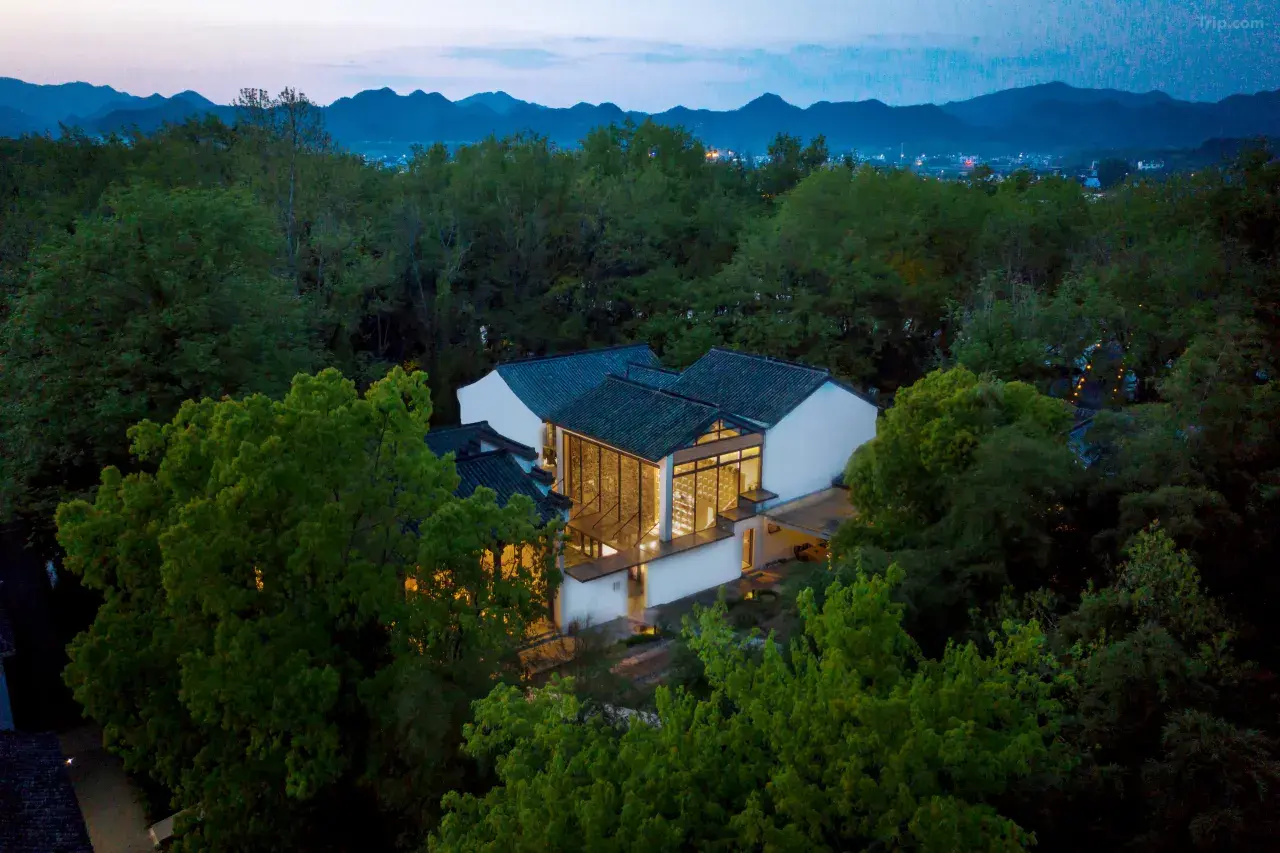
Within Chengkan Village:
Traditional guesthouses offer the most authentic experience. Expect:
- Restored Hui-style architecture with modern bathrooms
- Prices: ¥100-200/night for basic rooms, ¥250-400 for premium
- Breakfast included (typically local specialties)
- Owners often provide free guidance and local insights
- Limited English spoken (we can arrange translation assistance)
Recommended options our clients consistently praise:
- Su House: Beautiful courtyard, Instagram-worthy, ¥200-350/night
- Wangshan Life·Diaoxue Garden: Upscale village guesthouse, ¥300-500/night
- Traditional Luo Family Inn: Budget-friendly, incredibly authentic, ¥100-150/night
Pros of staying in village:
- Early morning mist photography (6:00-7:30 AM)
- Evening fish lantern parades
- Sunset views from Yongxing Lake
- Genuine village life experience
- Multiple-day ticket flexibility
Cons:
- Basic facilities compared to hotels
- Limited dining variety
- Minimal nightlife
- Language barriers
Dining: What to Eat and Where

Chengkan hasn’t developed extensive restaurant infrastructure, which is both charm and challenge.
In-Village Options:
Local Wonton Stall (Village Entrance): There’s a wonton stall as soon as you enter the village, famous from a Chinese reality TV show. Fresh, hand-wrapped, ¥15-20 per bowl. Our clients devour these.
Guesthouse Meals: Most accommodations offer home-cooked meals (¥30-60 per person). Typical dishes include:
- Huangshan braised bamboo shoots (笋炖腊肉)
- Stinky mandarin fish (臭鳜鱼)—smells terrible, tastes amazing
- Local tofu variations
- Seasonal vegetables from village gardens
Quality varies significantly by host. We maintain relationships with three guesthouses whose cooking we trust.
Small Cafes/Tea Houses: Several new establishments cater to younger Chinese tourists:
- Coffee ¥25-35
- Traditional tea sets ¥50-80
- Light snacks available
- Beverage shops have emerged as village tourism develops
Practical Advice:
- Bring your own water as there aren’t many shops
- Pack snacks for all-day exploration
- Arrange dinner with guesthouse in advance (many stop cooking after 7:00 PM)
- For dietary restrictions, communicate clearly (we provide translation cards)
Photography Tips from Our Professional Guide Partnerships
Golden Hours:
- Sunrise: 6:00-7:30 AM (summer), 6:30-8:00 AM (winter)
- Sunset: 5:30-6:30 PM (summer), 4:30-5:30 PM (winter)
Best Locations:
- Yongxing Lake: Perfect reflections, especially dawn with mist
- Ancient bridge near lake: Classic architecture framing
- Narrow alleyways: Dramatic light and shadow play
- Baolun Hall interior: Colored woodwork with natural window light
- Rooftop perspectives: Ask guesthouse owners for roof access
Equipment Recommendations:
- Wide-angle lens for architectural shots (16-35mm equivalent)
- 50mm prime for street photography and portraits
- Drone for panoramas (check current regulations—rules change)
- Tripod for fireworks during festivals
Special Conditions: Rainy days create a magical, ink-painting atmosphere—don’t cancel for rain! The mist and wet surfaces produce some of the most atmospheric images.
Best Time to Visit: Month-by-Month Analysis
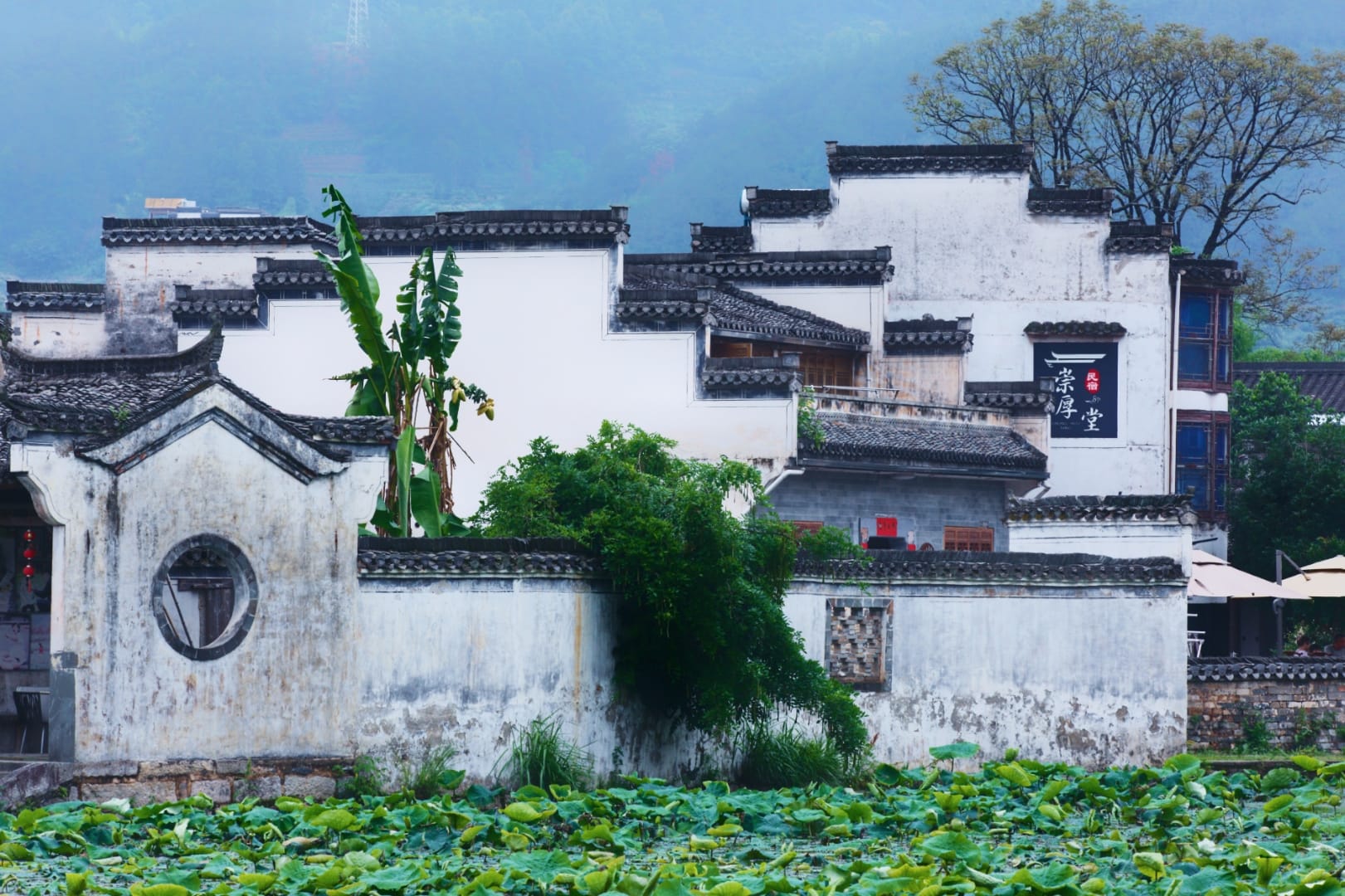
Spring (March-May): Peak Beauty, Moderate Crowds
March-April: Rapeseed Flower Season In April, Chengkan Village is bathed in spring breeze, with rapeseed flowers blooming in competition, forming a picturesque scene with Huizhou-style architecture. The yellow fields create stunning contrast with white walls and black tiles.
Temperature: 12-22°C (54-72°F) Pros: Beautiful photography, comfortable weather, spring festivals Cons: Weekend crowds, slightly higher accommodation prices
Late April-May: Perfect Balance Post-flower season offers the best of both worlds: pleasant weather without peak crowds. This is when we schedule most of our tours.
Summer (June-August): Lotus Season with Heat
June-Early July: Lotus Bloom Yongxing Lake and village ponds burst with lotus flowers. The heat is manageable early season.
Temperature: 25-35°C (77-95°F) Pros: Lotus flowers, extended daylight hours, fewer foreign tourists Cons: Heat, humidity, occasional thunderstorms
Late July-August: Hot but Authentic Locals’ daily life is most visible—you’ll see traditional activities like sun-drying autumn harvest preparations.
Autumn (September-November): Ideal Conditions
September-October: Perfect Weather The cool autumn from September to November is best time to visit, and you can enjoy the Autumn Sunning—a traditional practice of drying harvests on bamboo racks in front of houses, creating gorgeous orange and red displays.
Temperature: 15-25°C (59-77°F) Pros: Comfortable weather, autumn colors, harvest festivals, best photography light Cons: Chinese National Holiday crowds (October 1-7)
November: Hidden Gem Season Cooler but still pleasant. Crowds dissipate after National Holiday, yet weather remains good.
Winter (December-February): For Adventurous Souls
December-January: Quiet and Atmospheric Winter crowds are quietest, and occasional snow transforms the village into an ink painting come to life. Mist rising from the river at dawn creates ethereal scenes.
Temperature: 0-10°C (32-50°F) Pros: Virtually no crowds, dramatic photography, lowest prices, authentic village life Cons: Cold, some shops closed, limited dining options
February: Lunar New Year Magic If you visit during Chinese New Year, you’ll experience:
- Special temple ceremonies
- Traditional decorations on every doorway
- Fish lantern celebrations at their most vibrant
- Family reunion dinners (some local families welcome tourists)
The “No-Obstacles” Walking Route: A Step-by-Step Guide
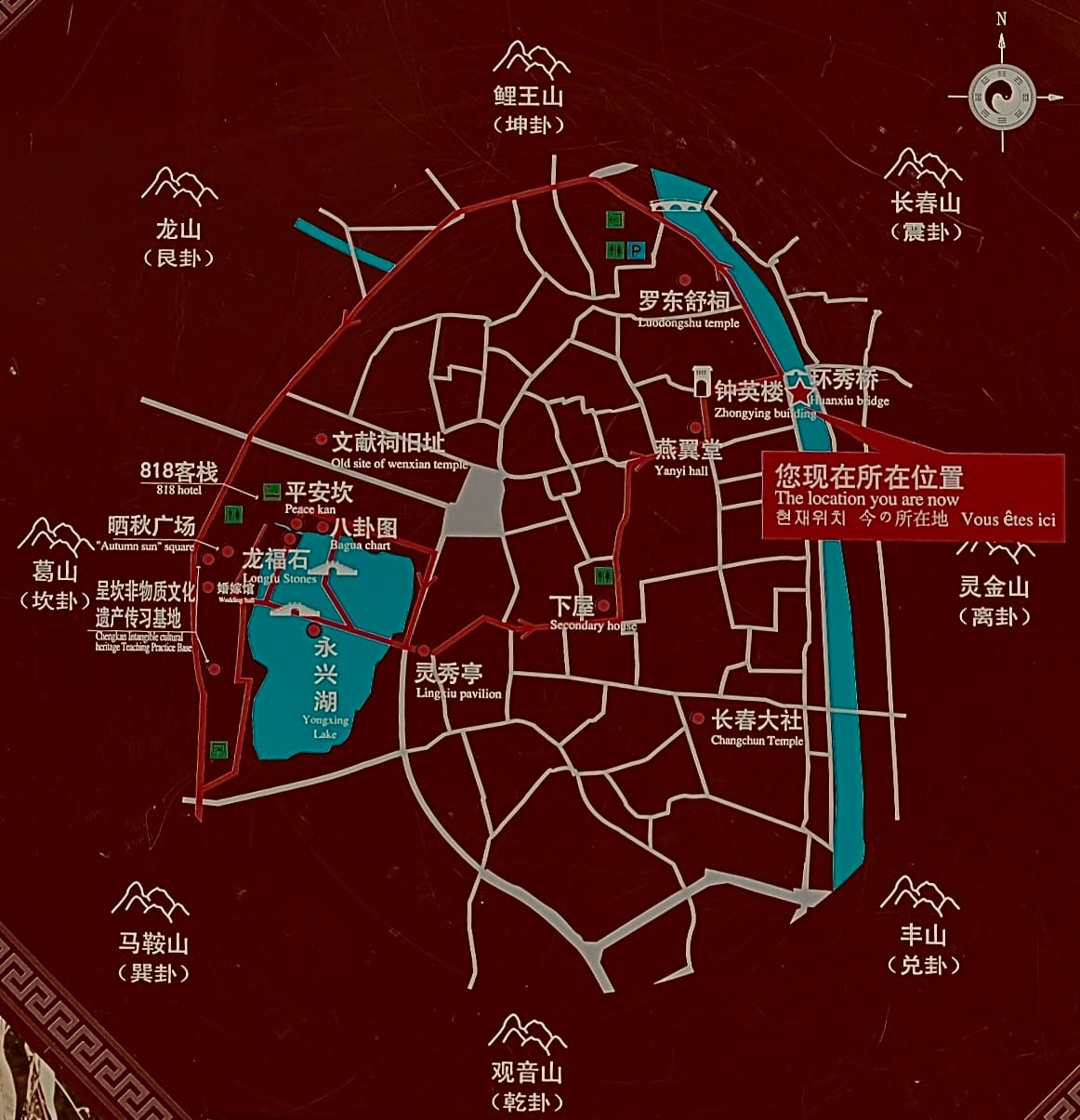
We have mapped out the most efficient and culturally rewarding path through the village. Following this route ensures you see the major sites while experiencing the “flow” of the Bagua layout.
Step 1: The Threshold of Luck
Start at the main tourist entrance. Before you cross the bridge into the village, stop. Look at the mountains. You are entering a “sacred” space designed 1,800 years ago. As you cross the stone bridge, remember the local saying. This is your “crossing” into a life without obstacles.
Step 2: Yongxing Lake Morning
Walk clockwise around Yongxing Lake. This offers the best light for photos of the white-walled houses. You will see the reflections of the Ming Dynasty eaves in the water. We suggest stopping at the small stone pavilion on the north side. It is a great place to watch the village wake up.
Step 3: Entering the Maze via the Longxi River
Follow the S-shaped river into the heart of the village. Do not turn into the small alleys yet. Stay by the water. You will pass several ancient washing stones. These are still used by locals today. This path leads you directly to the Baolun Mansion.
Step 4: The Baolun Mansion Immersion
Spend at least 45 minutes here. Start with the exterior carvings. Then, move into the main hall to see the Golden Nanmu pillars. Don’t forget to look at the “hidden” second floor from the courtyard. This was where the clan’s records were once kept.
Step 5: The Deep Alleys and the “Luo” Residences
Now, it is time to get lost. Turn away from the river and head into the narrowest lanes. Look for the “Yanyi Hall” and “Zhongyan Hall.” These are smaller but offer a more personal look at Huizhou life. We love the small gardens tucked away behind high walls.
Step 6: The Southern Exit and the Fields
Finish your walk by heading toward the southern edge of the village. Here, the ancient houses meet the green rice fields (or yellow rapeseed in spring). This transition is beautiful. It shows the harmony between the built environment and the natural world.
Understanding the “Bagua” Wisdom: A Deeper Dive
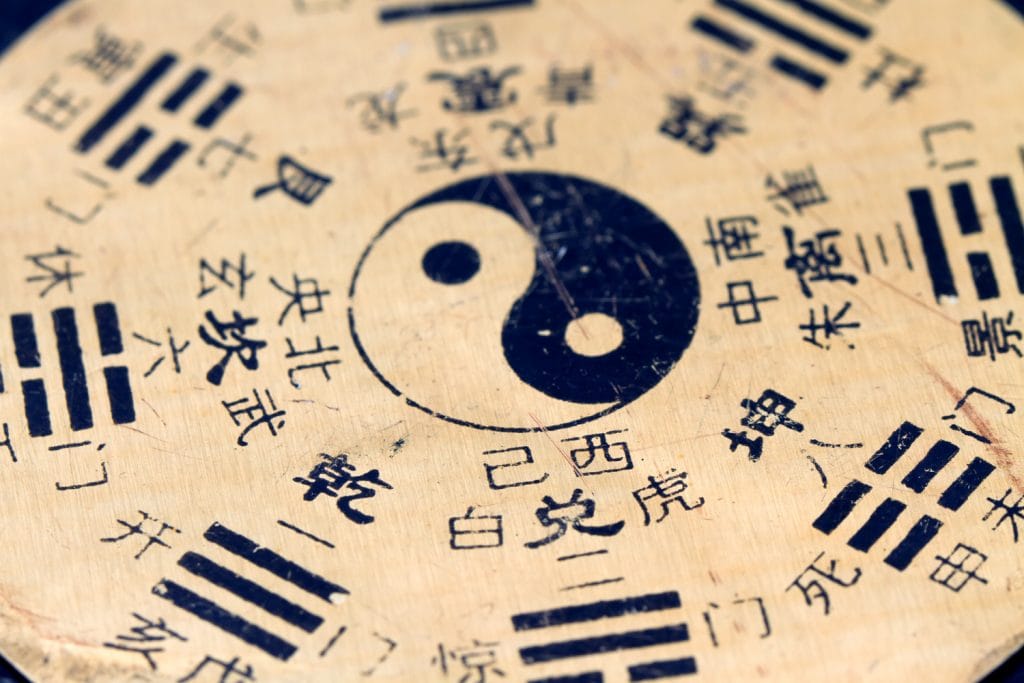
We want you to understand the “why” behind the layout. Many guides just say “it’s based on Bagua.” But what does that actually mean for a traveler?
The layout of Chengkan is based on the “Post-Heaven Bagua.” This system focuses on the cycles of life and the interaction of the five elements: Wood, Fire, Earth, Metal, and Water.
- Water (The Kan Position): The river flows in a way that “holds” the village. In Feng Shui, moving water brings wealth. But it must be slow and curving. If the water flows too straight, the wealth “escapes.”
- Earth (The Center): The central courtyards of the houses are open to the sky. This connects the home to the “Heavenly Qi.”
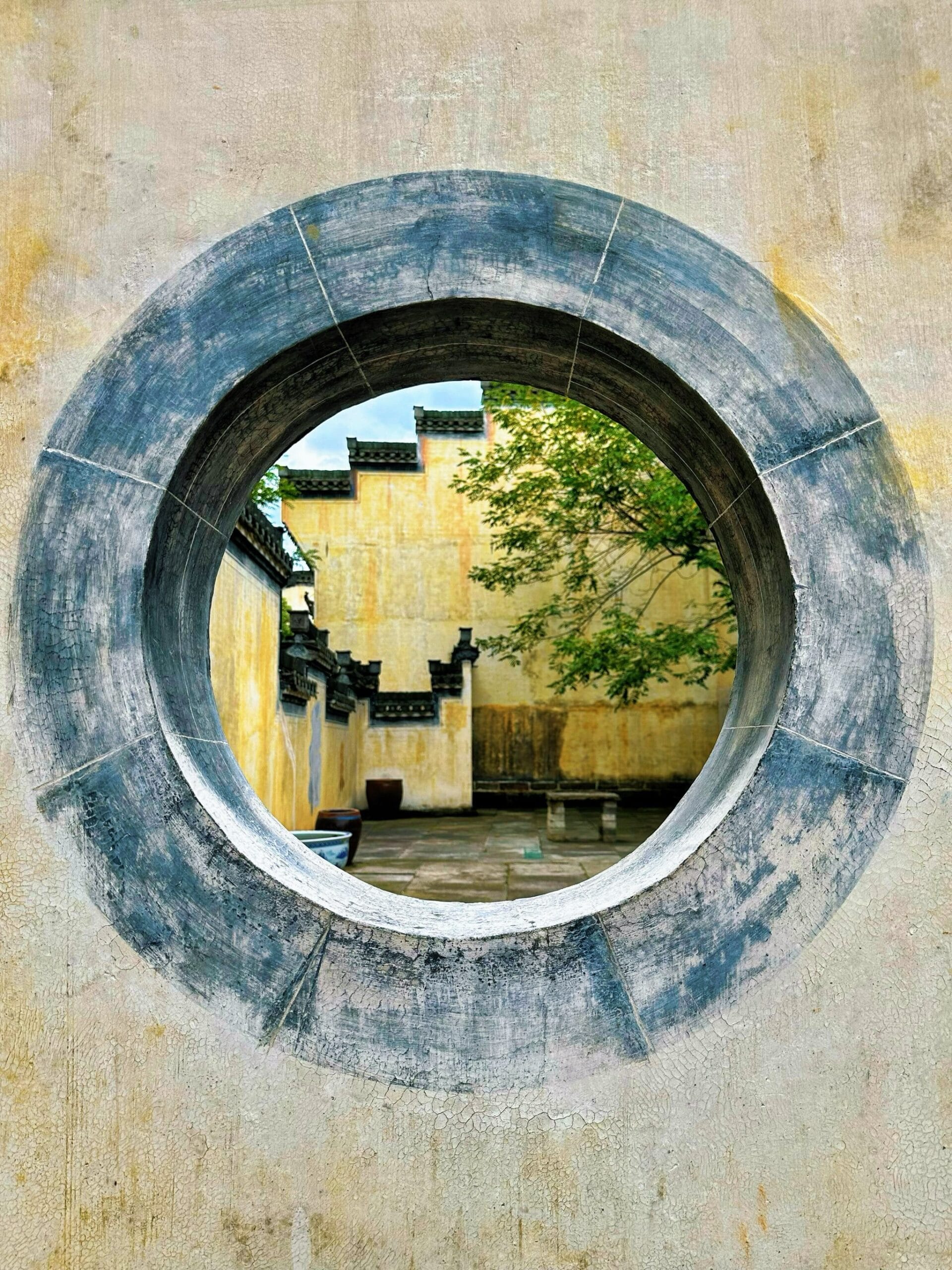
- Fire (Protection): Notice the high “Horse-Head Walls” (Ma Tou Qiang). These were designed to stop fire from spreading between wooden houses. They are also a symbol of status. The more “steps” a wall has, the higher the status of the family.
When you walk through the village, you are walking through a 3D model of these beliefs. It is an attempt to create a perfect society on earth.
Comparison: Why Choose Chengkan over Other Villages?
We are often asked to compare the “Big Three” villages of Anhui. Here is our expert breakdown.
Village | Atmosphere | Best For… | Cons |
|---|---|---|---|
Hongcun | Artistic, Crowded | Photography, Water views | Very touristy, expensive |
Ornate, Traditional | Stone carvings, History | Large and spread out | |
Chengkan | Mysterious, Spiritual | Philosophy, Peace, Architecture | Easy to get lost, less “famous” |
If you want the most “balanced” experience, we recommend Chengkan. It offers the best mix of authentic life and world-class architecture.
READ ALSO: Xixinan Village: Complete Travel Guide to Huangshan’s Hidden Ancient Water Village
Real Traveler Insights: What to Expect
We reached out to some of our past clients to share their honest thoughts on Chengkan.
“I was worried about the entry fee, but once I saw the inside of the Baolun Mansion, I understood. You are helping to keep a 500-year-old building standing. The details on the beams are better than what I saw in the Forbidden City in Beijing.” — Thomas, Germany
“Getting lost in the lanes was the highlight of my trip. We stumbled upon a small temple where an old man was practicing calligraphy. He didn’t speak English, but he showed us his work. It felt like a very real moment.” — Linda, Canada
“Pro tip: Go for the ‘Hairy Tofu’. It’s weird but so good. Also, if you go in the summer, the lotus flowers in the lake are huge. It looks like a movie set.” — Jason, Australia
Frequently Asked Questions (Expanded)
Is there a best time of day to visit?
Yes. Arrive as soon as the gates open at 7:30 AM. You will have the village to yourself for about two hours. The tour groups usually arrive after 10:00 AM.
Can I fly a drone in Chengkan?
Generally, yes, but you must be respectful. Don’t fly too low over private courtyards. The view of the Bagua layout from above is spectacular. Always check for local “No Drone” signs first.
How long should I spend in Chengkan Village?
We recommend minimum 3-4 hours for rushed sightseeing, but 6-8 hours allows proper exploration without stress. If you want to truly experience village life, stay overnight. The morning mist, evening lantern activities, and absence of day-trippers create entirely different experiences.
Is Chengkan Village better than Hongcun or Xidi?
“Better” depends on priorities. Choose Chengkan if you want authenticity, fewer crowds, lower prices, and deeper cultural experiences. Choose Hongcun/Xidi if you want the most famous scenery and don’t mind crowds. We actually recommend visiting all three, with Chengkan last—once you’ve seen the famous sites, you’ll appreciate Chengkan’s authenticity even more.
Is it accessible for wheelchairs?
Unfortunately, no. The ancient stone paths are very uneven. There are many steps and high thresholds. We do not recommend Chengkan for travelers with significant mobility issues.
Can I buy a combined ticket for multiple villages?
Yes. The combo ticket (¥150) includes Chengkan Village, Tangyue Memorial Archways, and Huizhou Ancient City—significant savings if visiting all three. Valid for three days, allowing flexible scheduling. Purchase at any included attraction or through Travel China With Me advance booking.
A Personal Note from Our Team
We’ve been guiding travelers through Anhui’s ancient villages since 2010, and Chengkan holds a special place in our hearts. While Hongcun and Xidi receive UNESCO recognition and international attention, we consistently find that our clients who visit all three villages rate Chengkan highest for authentic cultural experience.
There’s something profound about walking streets designed according to 1,800-year-old philosophical principles, knowing that generations of scholars, merchants, and families have walked these exact granite slabs. When elderly residents wave hello from Ming Dynasty doorways, when children play the same games in the same courtyards their ancestors played centuries ago, when the evening fish lanterns glow exactly as they did hundreds of years ago—these moments transcend typical tourism.
We’ve watched Chengkan evolve over the past 15 years. Tourism development has brought prosperity to villagers while testing the balance between preservation and commercialization. So far, Chengkan has managed this balance better than most heritage sites we’ve encountered globally. The village feels alive, not fossilized.
Our advice? Visit soon, before Chengkan inevitably becomes more famous and more developed. Visit with curiosity and respect. Hire a local guide. Stay overnight if possible. Join the fish lantern parade. Get lost in the maze streets. Accept tea from residents. Take your time.
This isn’t the most convenient destination—transportation requires planning, facilities are basic, English is limited. But these “inconveniences” are precisely what preserves Chengkan’s authenticity. The lack of mass tourism infrastructure means you’re experiencing something genuine, something increasingly rare in our over-connected, over-documented world.
Travel China With Me specializes in creating meaningful cultural experiences in destinations like Chengkan. We handle logistics, translation, and cultural bridging so you can focus on experiencing rather than coordinating. Whether you’re a solo photographer seeking that perfect dawn shot, a couple wanting romantic authenticity, a family introducing children to living history, or a scholar researching traditional architecture—we customize experiences that match your specific interests and needs.
The Chinese have a saying: “读万卷书不如行万里路” (Reading ten thousand books is not as useful as traveling ten thousand miles). Chengkan Village offers both—the wisdom of thousand-year-old philosophy and the enrichment of genuine cultural immersion.
We look forward to welcoming you to this extraordinary place.