Chinese Holidays 2026: A Traveler’s Guide

Planning a trip to China in 2026? Understanding Chinese holidays can make your experience more enriching, as many of these holidays offer a unique glimpse into Chinese culture and traditions. However, Chinese holidays also bring large crowds and travel restrictions, so knowing the holiday calendar is essential for a smooth journey.
Table of Contents
Quick Facts of Chinese Holidays 2026
Holiday | Date | Day | Duration | Work Adjustments | Travel Impact |
|---|---|---|---|---|---|
New Year’s Day | Jan 1–3, 2026 | Thu–Sat | 3 days | Work on Jan 4 (Sun) | High |
Spring Festival (Chinese New Year) | Feb 15–23, 2026 | Sun–Mon | 9 days | Work on Feb 14 (Sat) & Feb 28 (Sat) | Very High |
Qingming Festival | Apr 4–6, 2026 | Sat–Mon | 3 days | None | High |
Labour Day | May 1–5, 2026 | Fri–Tue | 5 days | Work on May 9 (Sat) | Very High |
Dragon Boat Festival | Jun 19–21, 2026 | Fri–Sun | 3 days | None | High |
Mid-Autumn Festival | Sep 25–27, 2026 | Fri–Sun | 3 days | None | High |
National Day (Golden Week) | Oct 1–7, 2026 | Thu–Wed | 7 days | Adjusted workdays before/after holiday | Very High |
Overview of China’s 2026 Holiday Calendar
China’s public holidays include a blend of ancient festivals based on the lunar calendar and national holidays aligned with the Gregorian calendar. While traditional holidays like the Spring Festival are deeply cultural, holidays like National Day serve as popular travel times, with extended breaks known as Golden Weeks. During these periods, family reunions, festivals, and large celebrations take place across China.
Below is an overview of the key holidays in China for 2026.
1. New Year’s Day – January 1
New Year’s Day in China is celebrated like in other parts of the world. Although not as widely significant as the Lunar New Year, it is a one-day public holiday. Many urban areas celebrate with countdown events, parties, and shopping discounts.
- Date: January 1
- Duration: 1 day
- Celebrations: Shopping, family gatherings, fireworks
- Travel Tips: Expect mild travel spikes, particularly in major cities.
2. Spring Festival (Chinese New Year) – January 29 to February 12
The Spring Festival, also known as Chinese New Year, is the most important holiday in China. Falling on the first day of the lunar month, it’s a time for family reunions, traditional meals, and celebrations. The festival typically lasts around 15 days, with a week-long public holiday, during which people travel home to reunite with their families.
- Date: Feb 15–23
- Duration: 7-day public holiday; celebrations last 15 days
- Traditions: Family reunions, fireworks, red envelopes, dragon dances
- Travel Tips: Avoid travel during this period if possible. Major transportation routes are crowded as people return to their hometowns.

3. Lantern Festival – February 13
The Lantern Festival marks the end of the Spring Festival celebrations. On this day, people release lanterns, symbolizing good fortune and warding off evil spirits. It’s a visually stunning event, particularly in cities like Beijing and Shanghai.
- Date: March 3
- Duration: 1 day (not a public holiday)
- Traditions: Lantern displays, dragon and lion dances, eating tangyuan (sweet rice balls)
- Travel Tips: Major parks and city squares will have light displays and lantern exhibitions. This is a great time to capture photos of traditional celebrations.
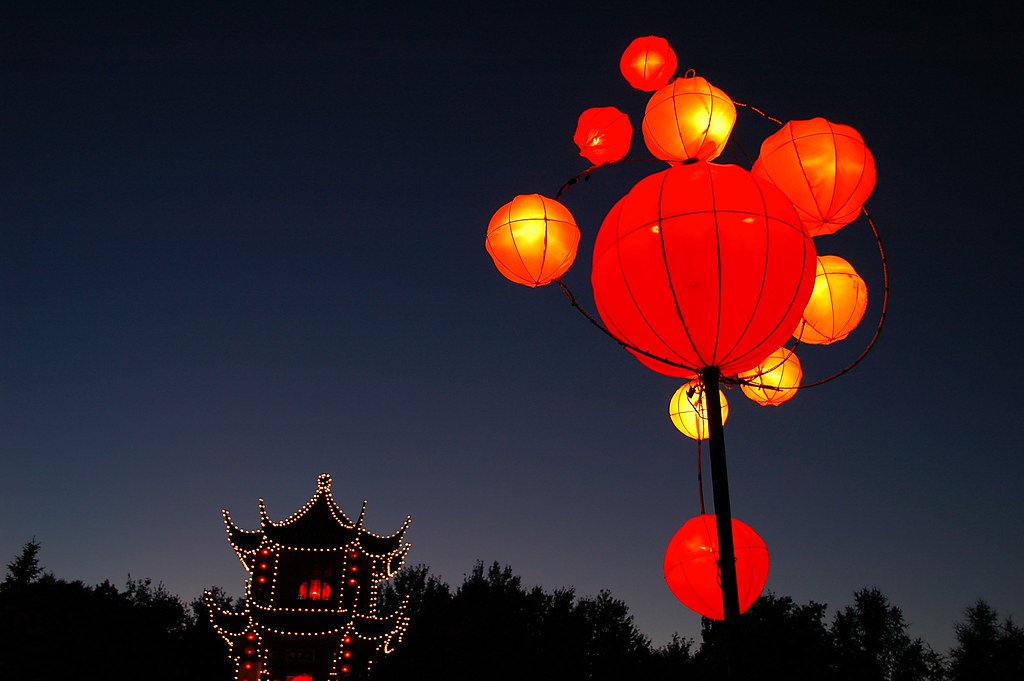
4. Qingming Festival (Tomb-Sweeping Day) – April 4 to April 6
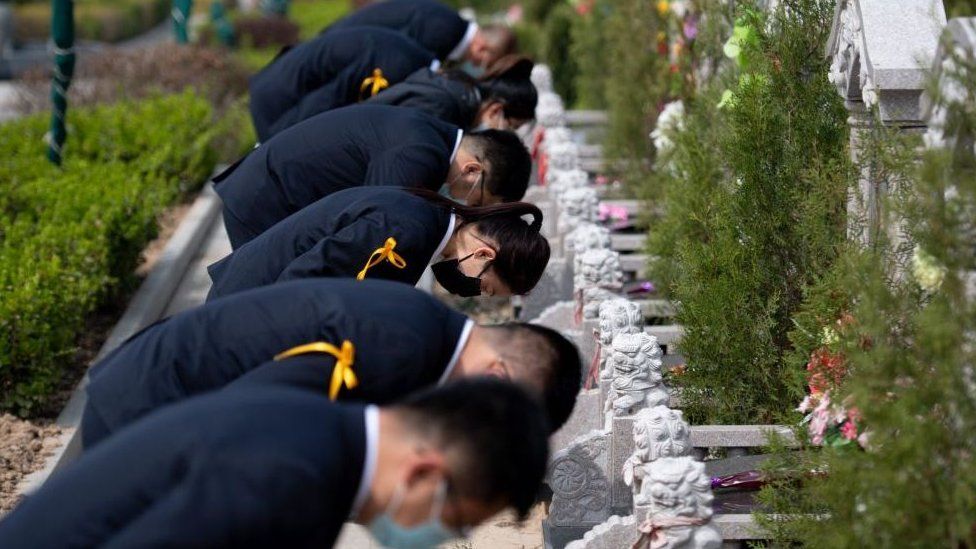
Qingming, or Tomb-Sweeping Day, is when families honor their ancestors by visiting graves and paying respects. Known as a “pure brightness” holiday, it symbolizes the arrival of spring and a time for outdoor activities.
- Date: Apr 4–6
- Duration: 3 days
- Traditions: Tomb-sweeping, kite flying, outdoor excursions
- Travel Tips: Expect more activity in rural areas and at cemeteries. Many locals also take the opportunity to enjoy nature outings.
5. Labor Day (May Day) – May 1 to May 5
The Labor Day holiday, or International Workers’ Day, is a week-long holiday in China, making it a popular travel time. Shopping malls and tourist attractions offer discounts, and many people take advantage of the time to explore various destinations.
- Date: May 1 to May 5
- Duration: 5 days
- Traditions: Shopping, travel, outdoor events
- Travel Tips: This period is one of the busiest for travel, with most attractions crowded. Book accommodations and transport early if you plan to travel during this time.
6. Dragon Boat Festival – June 1 to June 3
The Dragon Boat Festival commemorates the poet Qu Yuan, known for his patriotism and literary contributions. Traditionally celebrated with dragon boat races, this holiday is rich in culture and community events. People enjoy eating zongzi (sticky rice dumplings wrapped in bamboo leaves) as part of the celebration.
- Date: Jun 19–21
- Duration: 3 days
- Traditions: Dragon boat races, zongzi making, herbal drinks
- Travel Tips: Many riverside cities host dragon boat races, making it an exciting time to visit places like Suzhou and Hangzhou.

7. Mid-Autumn Festival – September 6 to September 8
The Mid-Autumn Festival is a time for families to reunite and admire the full moon. Known as the Moon Festival, it’s celebrated with mooncakes, lantern displays, and family gatherings. Although shorter than other holidays, it’s still a beloved time for families across China.
- Date: Sep 25–27
- Duration: 3 days
- Traditions: Mooncake sharing, lantern festivals, moon viewing
- Travel Tips: Cities and parks will often hold special moon-viewing events. Try mooncakes in different flavors as they vary by region.
8. National Day Holiday (Golden Week) – October 1 to October 7
National Day, commemorating the founding of the People’s Republic of China, is a week-long holiday known as the Golden Week. During this time, tourist destinations are bustling as people travel nationwide. Parades, fireworks, and flag-raising ceremonies take place in major cities, particularly in Beijing’s Tiananmen Square.
- Date: October 1 to October 7
- Duration: 7 days
- Traditions: Parades, fireworks, flag-raising ceremonies
- Travel Tips: Avoid major attractions during Golden Week if possible, as they are extremely crowded. Book hotels and transportation months in advance.

Minor Chinese Holidays and Observances
Aside from the major public holidays, China has several minor holidays and observances. While they are not public holidays, they are culturally significant.
1. Double Ninth Festival – October 18
The Double Ninth Festival, or Chongyang Festival, is a day to honor the elderly. Families visit elderly relatives, and people often go hiking to enjoy the autumn scenery.
2. Winter Solstice – December 22
The Winter Solstice is not a public holiday but is marked by traditional gatherings and special foods. In northern China, families celebrate by eating dumplings, while in the south, people enjoy tangyuan (glutinous rice balls).
Tips for Traveling During Chinese Holidays
1. Plan Accommodations Early
During peak holiday times, particularly the Spring Festival and National Day Golden Week, hotels fill up quickly. Book accommodations well in advance to avoid last-minute price surges.
2. Expect Crowds at Tourist Attractions
Popular destinations such as the Great Wall, Forbidden City, and scenic spots in Guilin and Zhangjiajie see heavy foot traffic. Consider visiting lesser-known attractions or traveling during off-peak seasons for a more relaxed experience.

3. Consider Off-Peak Travel for a Smoother Experience
If your schedule allows, plan around the holiday crowds. For instance, mid-January and late February are great times to visit before and after the Spring Festival rush.
4. Public Transportation Can Be Overwhelmed
Chinese holidays see a massive surge in domestic travel. Trains, buses, and flights are packed, so book tickets early and arrive at stations well before departure.
FAQs About Chinese Holidays 2026
1. How Many Public Holidays Does China Have in 2026?
In 2026, China has 11 public holidays across 7 key periods, including one-week holidays for the Spring Festival and National Day.
2. Which Holidays Are the Busiest for Travel?
The Spring Festival, Labor Day, and National Day Golden Week are the busiest. Travelers should expect high demand for tickets, accommodations, and popular tourist spots during these periods.
3. What Is the Best Time to Travel in China to Avoid Holiday Crowds?
The best times to travel are late February, June, September (before the Mid-Autumn Festival), and November. These months offer good weather without the peak holiday crowds.
4. Are Shops and Restaurants Open During Chinese Holidays?
Most businesses remain open during holidays, especially in major cities and tourist areas. Shopping malls, restaurants, and convenience stores often stay open, though smaller family-owned shops may close for certain holidays.
Final Thoughts
Understanding the 2026 holiday calendar is essential for planning a trip to China. While holidays like the Spring Festival and Golden Week are crowded, they also present unique opportunities to witness Chinese culture and tradition. With careful planning, you can enjoy the festivities while avoiding the busiest periods. Whether you’re interested in vibrant festivals or quiet cultural observances, China’s holiday calendar offers travelers a rich cultural experience.