How Much Cash to Bring to China? Complete Guide for International Travelers
Every single day, our inbox at Travel China With Me receives the same frantic email. It usually goes something like this:
“I read on a forum that China doesn’t use money anymore. I read that they won’t take my cash, my Visa card is useless, and if I don’t have a verified WeChat account, I will starve. Is this true?”
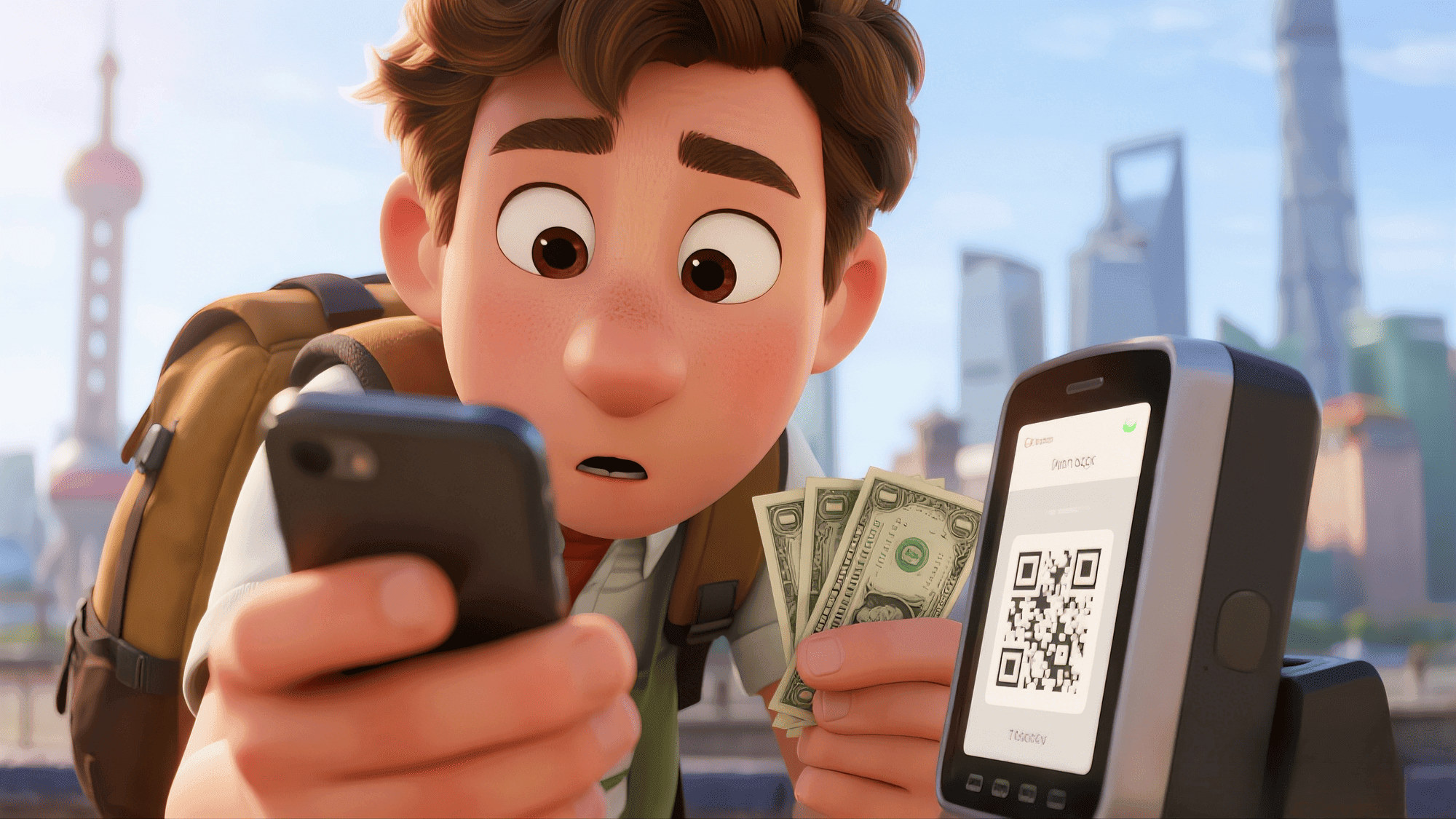
This is the “Cashless Panic.” It is the number one anxiety for inbound travelers to China in 2026.
Here is the honest truth, based on our experience guiding thousands of clients from the US, UK, Europe, and Australia through the streets of Beijing and the mountains of Yunnan: The internet is exaggerating.
Yes, China is the most digitally advanced payment ecosystem on Earth. Yes, you can survive months in Shanghai without touching a banknote. But the rumors of cash’s death have been greatly overstated. In fact, relying 100% on digital tools is a rookie mistake that can leave you stranded.
We are going to give you the most in-depth, battle-tested advice available. We will not just tell you “bring money.” We will tell you exactly how the algorithms of Chinese ATMs work, why your crisp 100 USD bill might get rejected, and the precise psychology of tipping in a non-tipping culture.
This is not a generic listicle. This is your financial bible for the Middle Kingdom.
Table of Contents
Quick Summary: How Much Cash to Bring to China?
For those in a rush, here is the breakdown based on our 2026 traveler data:
- Primary Payment: Use Alipay or WeChat Pay for 90% of transactions.
- The Recommendation: Bring 3,000 RMB (approx. $420 USD) per person.
- The Purpose: This is your “Safety Net” for when phones fail, banks block cards, or you visit rural areas.
- Daily Cash Budget: Plan to carry 100 – 300 RMB in your wallet daily for small purchases.
Part 1: The Golden Question – Exactly How Much Cash?
Let’s cut through the noise. You want a number.
Most travel blogs give vague advice like “bring enough for emergencies.” That is not helpful. Based on data from our 2026 and previous tour groups, we have calculated precise “Cash Burn Rates” for different traveler profiles.
We call our recommended strategy the “Hybrid Reserve Model.” You do not carry cash to spend it; you carry it to insure your trip.
The “Peace of Mind” Threshold: 3,000 RMB
If you take nothing else from this article, memorize this number: 3,000 RMB (approx. $420 USD).
This is the “Golden Mean.” It is enough to buy a high-speed train ticket from Beijing to Shanghai if you lose your passport and phone. It is enough to pay for a minor medical emergency. It is enough to cover a week of meals if your bank locks your credit card. Yet, it is small enough to carry safely in a money belt without feeling like a walking target.
Recommended Cash Amounts by Travel Style
Travel Duration | Budget Traveler | Mid-Range Traveler | Luxury Traveler |
|---|---|---|---|
1 Week | $200-300 (¥1,400-2,100) | $300-500 (¥2,100-3,500) | $500-800 (¥3,500-5,600) |
2 Weeks | $300-500 (¥2,100-3,500) | $500-800 (¥3,500-5,600) | $800-1,200 (¥5,600-8,400) |
1 Month | $500-800 (¥3,500-5,600) | $800-1,200 (¥5,600-8,400) | $1,200-2,000 (¥8,400-14,000) |
These amounts represent actual cash you should carry. Remember, you can bring up to $5,000 USD or ¥20,000 CNY without customs declaration. Above these thresholds requires formal declaration.
Our Tested Cash Strategy
After multiple trips, we developed a three-tier approach:
Emergency Reserve: Keep $100-150 (¥700-1,050) in small denominations. This covers unexpected situations where digital payments fail.
Daily Spending: Maintain ¥500-1,000 accessible for vendors who prefer cash. Rural areas and small family businesses fall into this category.
Backup Fund: Store an additional $200-300 securely at your hotel. This cushion protects against lost phones or frozen payment apps.
Part 2: Legal Limits and Customs Declaration
Understanding China’s currency regulations prevents complications at airports.
Bringing Cash Into China
You can bring up to $5,000 USD or its equivalent in foreign currency, or ¥20,000 CNY, without declaration. Exceeding these amounts requires customs paperwork.
We learned this firsthand in 2023. A traveling companion brought $6,000 for a month-long trip. The customs process took 45 minutes and required documentation proving the funds’ legitimate source.
Taking Cash Out of China
The same limits apply when leaving: $5,000 USD equivalent or ¥20,000 CNY without declaration. Plan accordingly if you intend to exit with significant cash.
One traveler we met purchased expensive jade in Beijing. Converting their remaining RMB back exceeded limits. They faced penalties and delays at Shanghai Pudong Airport.
The “Don’t Bring” List
Do not bring these, no matter what your bank at home tells you:
- Traveler’s Checks: These are paperweights. No bank in China wants them. You will waste half a day trying to cash them.
- Small Denomination Foreign Currency: Do not bring a stack of $1, $5, or $10 USD bills. Exchange counters only want $100 bills.
- Torn or Old Bills: Chinese banks are incredibly picky. If your $100 bill has a tiny tear, ink mark, or is the “old design” (pre-2006), it will be rejected. Bring crisp, new notes.
Part 3: The Digital Reality – Alipay and WeChat Pay

To understand why you need cash, you must understand the system that replaced it.
In 2026, China is running on a dual-app operating system: Alipay (Zhifubao) and WeChat Pay (Weixin Pay).
The Major Policy Shift
In late 2023 and throughout 2024, the People’s Bank of China realized that inbound tourism was suffering because foreigners couldn’t pay for things. They launched the “Payment Convenience Initiative.”
Here is what changed for you:
- Transaction Limits Raised: Foreigners can now spend up to $5,000 USD in a single transaction (up from $1,000).
- No Chinese Number Required: You can now register for Alipay using international phone numbers relatively easily.
- Direct Card Linking: You can link your Visa, Mastercard, or Amex directly to the wallet. You do not need a Chinese bank account anymore.
The “3% Fee” Trap
This is where our expertise saves you money. Both Alipay and WeChat charge a transaction fee for foreign cards.
- Under 200 RMB: Free.
- Over 200 RMB: 3% Service Fee.
The Strategy: If you are buying a silk scarf for 300 RMB, ask the vendor to scan your code twice for 150 RMB each. Most vendors know this trick and are happy to help you save the fee. If you cannot split the payment, pay with cash. This is a prime example of where cash saves you money.
Real-World User Scenario: The “Alipay Fail”
Case Study: Sarah from the UK (October 2024)
Sarah did everything right. She linked her Monzo card to Alipay. It worked fine for coffee in Shanghai. Then, she took a bullet train to Xi’an. She tried to buy a ticket for the Terracotta Warriors (120 RMB).
Result: “Transaction Failed.”
The Reason: Her UK bank saw a sudden transaction in a new city and flagged it as fraud. She had no internet to log into her banking app to approve it.
The Fix: She used her “Safety Net” cash. Without it, she would have missed her tour slot.
Lesson: Mobile payments rely on a chain of three things: The Chinese App + Your Internet Connection + Your Home Bank. If any link breaks, you need cash.
Part 4: The Cost of Living in 2026 (Where Your Cash Goes)
To determine exactly how much cash to bring, you need to understand the purchasing power of the Renminbi (RMB) in 2026. Inflation has happened, but China remains surprisingly affordable for Western travelers in many aspects.
We have compiled a detailed price index based on current prices in Beijing and Shanghai (Tier 1 cities). Expect prices to be 20-30% lower in smaller cities like Chengdu or Guilin.
DIG DEEPER: Chinese Economy and Price Levels: What Travelers Need to Know
Food & Beverage (The Daily Burn)
- Convenience Store Water: 2 – 4 RMB ($0.30).
- Starbucks Latte: 30 – 35 RMB ($4.50). Comparable to US prices.
- Bowl of Beef Noodles (Local Spot): 25 – 40 RMB ($3.50 – $5.50).
- McDonald’s Meal: 35 – 50 RMB ($5.00 – $7.00).
- Dinner at a Nice Chinese Restaurant (Per Person): 100 – 150 RMB ($14 – $21).
- Peking Duck Dinner (High End): 200 – 400 RMB per person ($28 – $56).
- Beer at a Bar: 40 – 60 RMB ($6 – $9).
Transportation
- Subway Ride: 3 – 9 RMB ($0.40 – $1.25). Extremely cheap.
- Taxi Drop (First 3km): 13 RMB ($1.80) in Beijing.
- 20-Minute Taxi Ride: 40 – 60 RMB ($6 – $8).
- High-Speed Train (Beijing to Shanghai, 4.5 hours): ~600 RMB ($85) for Second Class.
Sightseeing
This is the hidden budget killer. Entrance fees in China are state-regulated but expensive.
- The Forbidden City: 60 RMB.
- Great Wall (Mutianyu including cable car): ~180 RMB.
- Yellow Mountain Entry + Cable Cars: Can exceed 400 RMB ($56).
Expert Insight: Most major attractions are now Cashless Booking Only. You must book via a WeChat Mini-Program 7 days in advance. You physically cannot buy a ticket at the door with cash anymore. However, the souvenir shops and water stands inside the attractions happily take cash.
DIG DEEPER: China Tourist Attraction Ticket Booking Guide for Foreign Visitors
Hidden Costs Often Overlooked
A local SIM card with data costs approximately $10-20 for weekly usage. VPN subscriptions add another $10 monthly for accessing blocked services.
“We initially underestimated data costs. International roaming charges exceeded $200 for our first week. Learning from this, we purchased local SIM cards immediately upon subsequent visits.”
— American traveler
Travel insurance typically costs $50-100 weekly. This investment protects against medical emergencies requiring cash payment.
Part 5: The Art of Withdrawal – ATMs and Banks
Many travelers arrive with thousands of dollars in USD, planning to exchange it. We advise against this.
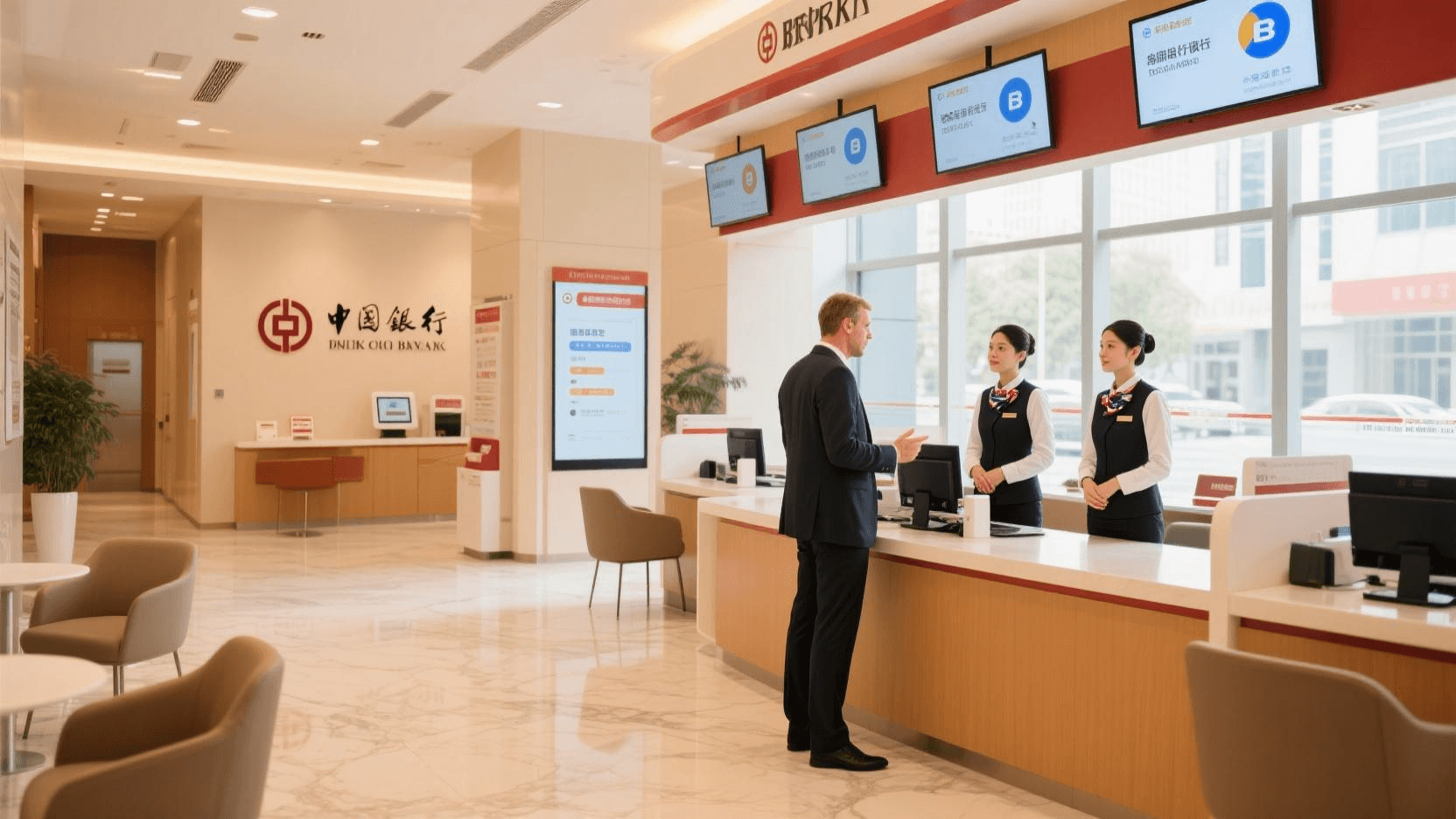
Standing in line at a Bank of China branch is a bureaucratic nightmare. It can take 45 minutes of passport scanning, form filling, and waiting just to exchange $200.
The ATM Strategy
The smartest way to get cash is to pull it directly from a Chinese ATM using your debit card.
1. Which ATMs work?
Stick to the “Big Four” state banks. They are reliable and always have English interfaces.
- Bank of China: Most extensive network, reliable English instructions
- ICBC (Industrial and Commercial Bank of China): Common in cities
- China Construction Bank: Tourist-friendly locations
- Agricultural Bank of China: Good rural coverage
2. The PIN Code Myth
You might have heard that China requires a 6-digit PIN.
- The Truth: Yes, Chinese cards use 6 digits.
- The Fix: If your card has a 4-digit PIN, simply enter your 4 digits and press “Enter” (green button). The machine is smart enough to recognize it. Rarely, some old machines might require you to add “00” to the end, but this is largely a thing of the past in 2025.
3. Withdrawal Limits
Most ATMs have a per-transaction limit of 2,500 RMB to 3,000 RMB. If you need 5,000 RMB, you just have to insert your card twice.
4. The “Card Eating” Risk
Chinese ATMs are aggressive. Once your cash comes out, if you do not take your card back within 30 seconds, the machine will suck it back in to “protect” you.
- Our Advice: Focus. Do not be checking your phone. Get your cash, get your card.
Part 7: Currency Exchange: Best Practices
Getting optimal exchange rates requires strategic planning.
Exchange Locations Ranked
Best Option – Chinese Bank Branches: Banks offer the most reliable exchange rates with minimal risk, though waiting times can reach 2-3 hours.
Major banks (Bank of China, ICBC, CCB) provide legitimate rates. Bring your passport as identification is mandatory. We recommend weekday mornings for shorter queues.
Acceptable Option – Airport Exchange: Exchange approximately $100 worth at airports for initial expenses like taxi fare and first meals. Rates are unfavorable but acceptable for small amounts.
Avoid – Hotel Currency Exchange: Hotels charge the worst rates. We compared rates in Shanghai: hotels offered 10-12% worse rates than banks.
Never Use – Black Market: Black market currency exchange is risky and unnecessary given widespread ATM availability. Don’t risk legal complications or counterfeit currency.
Pre-Departure Exchange Challenges
Chinese yuan (RMB) is not freely convertible, making it difficult to obtain before entering China. Most home country banks don’t stock RMB.
We attempted exchanging currency in Los Angeles before departure. Only one bank branch held RMB, requiring three days advance notice. The rate was 15% worse than Chinese ATMs.
Part 8: The “Small Change” Crisis
Here is a unique perspective you won’t find on generic travel sites.
The problem in China isn’t having cash; it’s having the right cash.
Because mobile payments are so dominant, physical change is drying up. If you hand a taxi driver a 100 RMB note for a 15 RMB ride, he might genuinely not have 85 RMB in change. He hasn’t seen a cash transaction in three days. This leads to awkward standoffs.
The “Convenience Store Protocol”:
When you withdraw 2,000 RMB from an ATM, it will dispense twenty 100 RMB notes. These are useless for small purchases.
Immediately go to a 7-Eleven, FamilyMart, or Lawson. Buy a bottle of water. Break a 100. Then buy a pack of gum. Break another 100.
Hoard your 10 RMB and 20 RMB notes. They are gold dust. Keep them separate from your big bills. Use the 100s only for large meals or supermarket runs.
Part 9: Regional Differences – The Urban vs. Rural Divide
We cannot treat China as a monolith. The cash rules changes depending on your geography.
The Tier 1 Cities (Beijing, Shanghai, Shenzhen, Guangzhou)
In these metropolises, cash is almost a novelty. We have seen coffee shops that strictly say “No Cash” (which is technically illegal, but they do it anyway).
- Cash Need: Very Low.
- Vibe: You will feel archaic using it.
The Tier 2 & 3 Cities (Xi’an, Chengdu, Kunming, Guilin)
Cash is widely accepted, but mobile is preferred.
- Cash Need: Moderate.
- Vibe: Drivers and waiters are happy to take it, but might fumble for change.
The Countryside (Longji Rice Terraces, Rural Yunnan, The Silk Road)
This is where Travel China With Me specializes. When we take you to a minority village in Guizhou to see traditional batik making, grandmothers do not want your Visa card. They might have a personal Alipay QR code printed on a piece of paper, but they prefer cash.
Furthermore, internet signals in the mountains can be spotty. If you are buying handmade silver ornaments or local spices in a rural market, cash is the only way.
- Cash Need: High.
- Vibe: Essential for survival.
Part 10: Tipping Culture – The Confusion
Western travelers, especially Americans, have a muscle memory for tipping. You finish a meal, you leave cash on the table.
Do not do this in China.
In a local restaurant, leaving money on the table is often interpreted as you forgetting your change. The waiter will chase you down the street to return it. It can even be seen as condescending—implying they are beggars who need your charity.
The Exceptions (Where Cash is King):
While general service staff do not expect tips, the tourism industry runs on them.
- Tour Guides: It is standard industry practice to tip your private guide.
- Standard: 150 – 200 RMB per day.
- Private Drivers:
- Standard: 50 – 100 RMB per day.
- Hotel Porters:
- Standard: 10 – 20 RMB per bag.
For these interactions, digital transfer feels impersonal. Handing an envelope with cash at the end of the trip is considered a polite, formal “Thank You.”
Part 11: Safety, Scams, and Counterfeits
One of the great benefits of the “Cashless Revolution” is the death of the counterfeit money industry. Ten years ago, fake 100 RMB notes were a plague. Today, they are rare because nobody uses cash.
However, because they are rare, tourists are the prime targets for the remaining scammers.
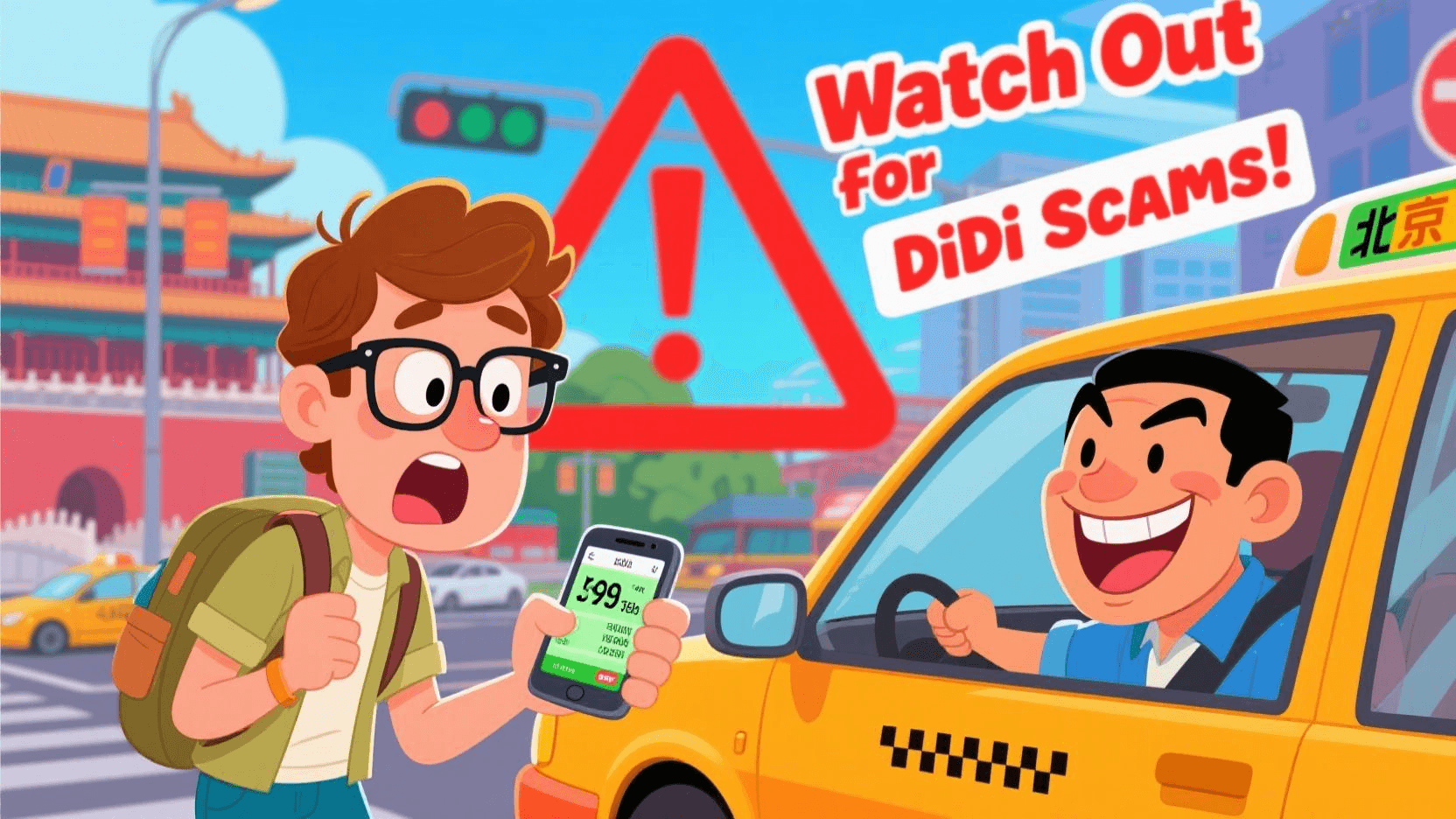
The “Switcheroo” Scam
This is the most common cash scam remaining in 2026.
- Scenario: You take a taxi (usually an illegal “Black Taxi” outside a tourist spot). The fare is 40 RMB. You hand the driver a real 100 RMB note.
- The Move: He takes it, drops it, or turns around for a split second. He then hands a 100 RMB note back to you, saying, “This corner is torn, I can’t take it.”
- The Catch: He swapped your real note for a fake one. You apologize and hand him another real note.
- Result: He keeps your real note. You keep the fake note. You pay double.
How to avoid it:
- Use Didi (the ride-hailing app) where payment is automatic.
- If you must use cash, read out the last 4 digits of the serial number on the bill as you hand it to him. It shows you are watching.
- Pay with small change (10s and 20s) so they cannot swap a large bill.
DIG DEEPER: Avoiding Taxi and DiDi Scams in China: A Complete Guide for Travelers
Part 12: Real User Reviews & Experiences
At Travel China With Me, we believe in transparency. Here is what our actual clients from the 2024-2025 season have said about the cash vs. card situation.
“I felt naked without my phone.”
“I prepared everything. Alipay, WeChat, roaming data. But on day 3 in Beijing, I dropped my phone and the screen shattered. I was alone. Thankfully, I had followed the advice to keep 1,000 RMB in my sock. That cash paid for the taxi to the repair shop and my lunch while I waited. Without it, I don’t know what I would have done.”
— Mark D., USA (April 2025)
“The Credit Card Struggle is Real.”
“I didn’t want to use Alipay because of privacy concerns, so I planned to just use my Chase Sapphire card. Big mistake. The hotel took it. The high-end mall took it. But the 7-Eleven? No. The subway? No. The cute dumpling shop? No. I spent half my trip looking for ATMs. Just use the apps, guys. It’s worth it.”
— Elena G., Spain (August 2025)
“Cash was fun!”
“We traveled with kids to Chengdu. We gave our kids a budget of 50 RMB cash each day to buy snacks and toys. The street vendors loved it. It was a great math lesson for the kids and the vendors were so patient helping them count the coins. It was a lovely human interaction that scanning a QR code just doesn’t have.”
— The Harrison Family, Australia (November 2024)
Part 13: Common Cash-Related Mistakes to Avoid
Learning from others’ errors saves frustration.
Mistake 1: Bringing Only Large Denomination Bills
¥100 bills create problems at small vendors. They often lack change. We recommend requesting ¥50, ¥20, and ¥10 bills when exchanging currency.
Mistake 2: Relying Solely on One Payment Method
Every payment method has vulnerabilities. Cards get declined. Apps malfunction. ATMs reject foreign cards. Diversification provides security.
Mistake 3: Not Informing Your Bank
Banks frequently freeze cards detecting unusual foreign activity. Always alert your bank about China travel dates to prevent account lockouts.
We witnessed multiple travelers unable to access funds because their banks flagged legitimate transactions as fraud. Some required international calls lasting hours to resolve.
Mistake 4: Ignoring PIN Requirements
You’ll need your PIN for all ATM and many card transactions. Credit cards and debit cards both require PINs in China.
Americans particularly struggle with this. Many U.S. credit cards don’t use PINs domestically. Call your card company to establish or verify your PIN before departure.
Mistake 5: Carrying All Cash in One Location
Theft and loss happen. Distribute cash across multiple secure locations:
- Money belt under clothing
- Hotel safe
- Separate wallet for daily use
- Hidden compartment in luggage
Part 14: Expert Recommendations from Our Experience
After countless China trips totaling over six months, we’ve refined our approach.
Our Current Money Strategy
Week 1:
- Arrive with $100-150 in USD/Euro for emergencies
- Exchange $100 at airport for immediate needs
- Set up Alipay/WeChat within 24 hours
- Make first ATM withdrawal (¥2,000-3,000) on day 2
Weeks 2-4:
- Maintain ¥500-1,000 cash reserves
- ATM withdrawals every 5-7 days
- Monitor mobile payment limits
- Keep emergency fund untouched
Monthly Review:
- Assess payment method effectiveness
- Adjust cash levels based on actual needs
- Identify situations requiring different approaches
What We’d Do Differently
Looking back, we wish we’d:
- Tested mobile payments before arrival (friends in China can help)
- Brought two different bank cards from separate institutions
- Researched specific ATM locations near accommodations
- Understood regional payment variations before booking rural stays
Part 15: The Final Checklist – Before You Board
We have covered a lot of ground. To make this actionable, here is your pre-flight financial checklist.
- Bank Notification: Call your bank. Tell them: “I am going to China. I will be making transactions via Alipay and WeChat, and withdrawing from ATMs.”
- App Setup: Download Alipay and WeChat. Link your cards. Verify your identity with your passport photo. Do this at home, not at the airport.
- VPN: Install a reliable VPN (or use an eSIM with roaming). You cannot access your Western banking apps (Citibank, Barclays, etc.) inside China easily without one to check your balance.
- The Emergency Stash: Pack $200 USD/EUR in your home currency, just in case you land and the ATMs are down.
- The Wallet: Clean out your wallet. Remove your library card, your gym membership, and your local loyalty cards. Travel light. Bring two debit cards (one as a backup).
Conclusion: Embrace the Hybrid
The question How Much Cash to Bring to China? does not have a single answer. It has a philosophy.
China is a country rushing headlong into the future, but it has not completely erased the past. The most successful travelers are those who can straddle both worlds. They wield their smartphones like locals to order delivery and book rides, but they keep a stash of Chairman Mao notes in their pocket for the unexpected twists of travel.
Don’t let money stress ruin your journey. The Great Wall is majestic. The food in Sichuan is life-changing. The skyline of Shanghai is mesmerizing. These are the things you should be focusing on—not whether you can pay for a bottle of water.
Prepare your digital wallet, secure your physical cash, and get ready for the trip of a lifetime.
Ready to explore China without the headache?
Travel China With Me provides comprehensive support for all our guests. When you book a tour with us, we provide a pre-departure “Tech & Money” workshop to ensure your apps are set up and your questions are answered before you even pack your bags.
[Contact Us Today for a Free Consultation]
Frequently Asked Questions (FAQ)
Q: Can I use Apple Pay or Google Pay in China?
A: Generally, no. While some international chains (like Starbucks or Apple Stores) might accept Apple Pay linked to a foreign card, 99% of Chinese merchants do not have the NFC terminals for it. They use QR codes. Do not rely on Apple Pay.
Q: What is the best currency to bring to exchange?
A: US Dollars (USD), Euros (EUR), or British Pounds (GBP). Ensure the notes are the latest issue and in pristine condition. Currencies like Canadian Dollars or Australian Dollars are exchangeable but less commonly accepted at smaller bank branches.
Q: Can I pay with US Dollars directly at shops?
A: No. This is illegal. All transactions in China must be done in Renminbi (RMB).
Q: Is it safe to link my credit card to Alipay?
A: Yes. Alipay and WeChat Pay are heavily regulated by the Chinese government and use advanced encryption. They are as safe as using PayPal or Apple Pay. Millions of foreigners use them every year without issue.
Q: What if I have leftover RMB at the end of the trip?
A: If you have a large amount (over 1,000 RMB), you can exchange it back to your home currency at the airport. You will need to show your withdrawal slip or exchange receipt to prove you obtained it legally. If it is a small amount, spend it at the airport Duty-Free or keep it as a souvenir!