Great Wall Night Tour Guide: Sections, Timing & How to Do It Right
The tour operator’s website shows dramatic photos of illuminated wall sections snaking across dark ridge lines. What they don’t show: you standing in a cable car queue for 40 minutes while sunset happens without you.
The gap between marketing promises and actual experience is massive, and most guides won’t tell you the uncomfortable truths until you’ve already paid. After walking thousands of international visitors through these night experiences over 20 years, we’ve learned what actually matters versus what the promotional materials promise. And these are what we gonna tell you in this article.
Table of Contents
Why Visit the Great Wall at Night?
The authentic answer isn’t what travel blogs usually say.
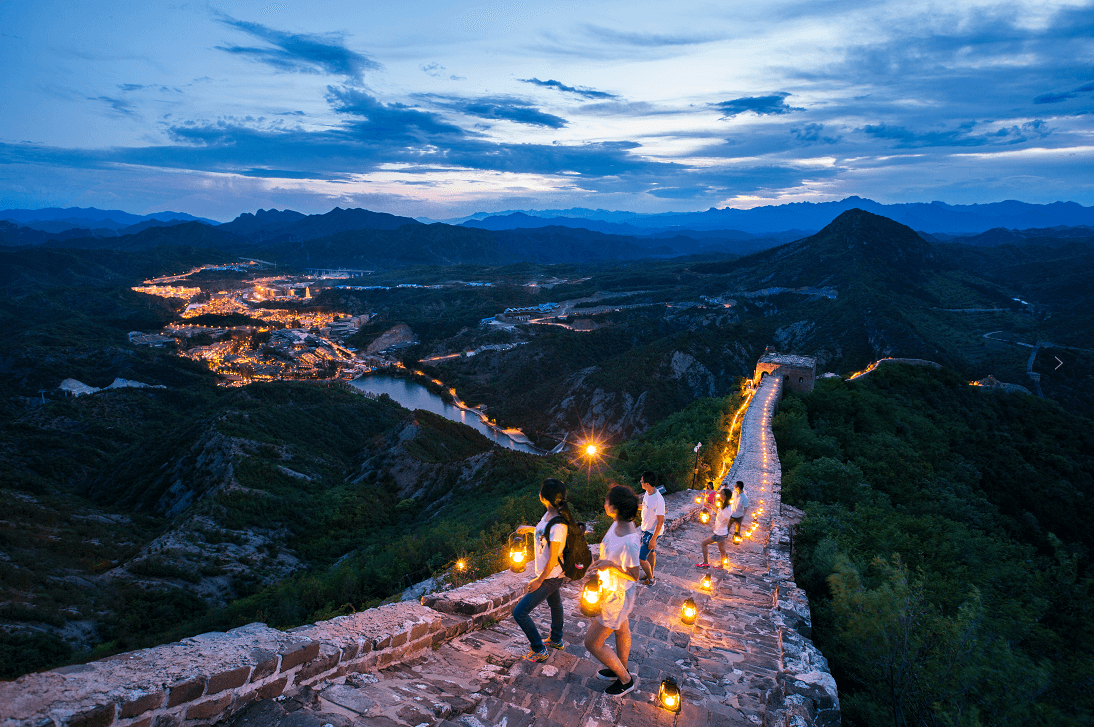
Night tours won’t give you “peaceful solitude on an ancient wonder.” During peak season, 500+ people crowd onto sections measuring less than 800 meters. You’ll wait in lines, dodge selfie sticks, and navigate human traffic jams at every watchtower.
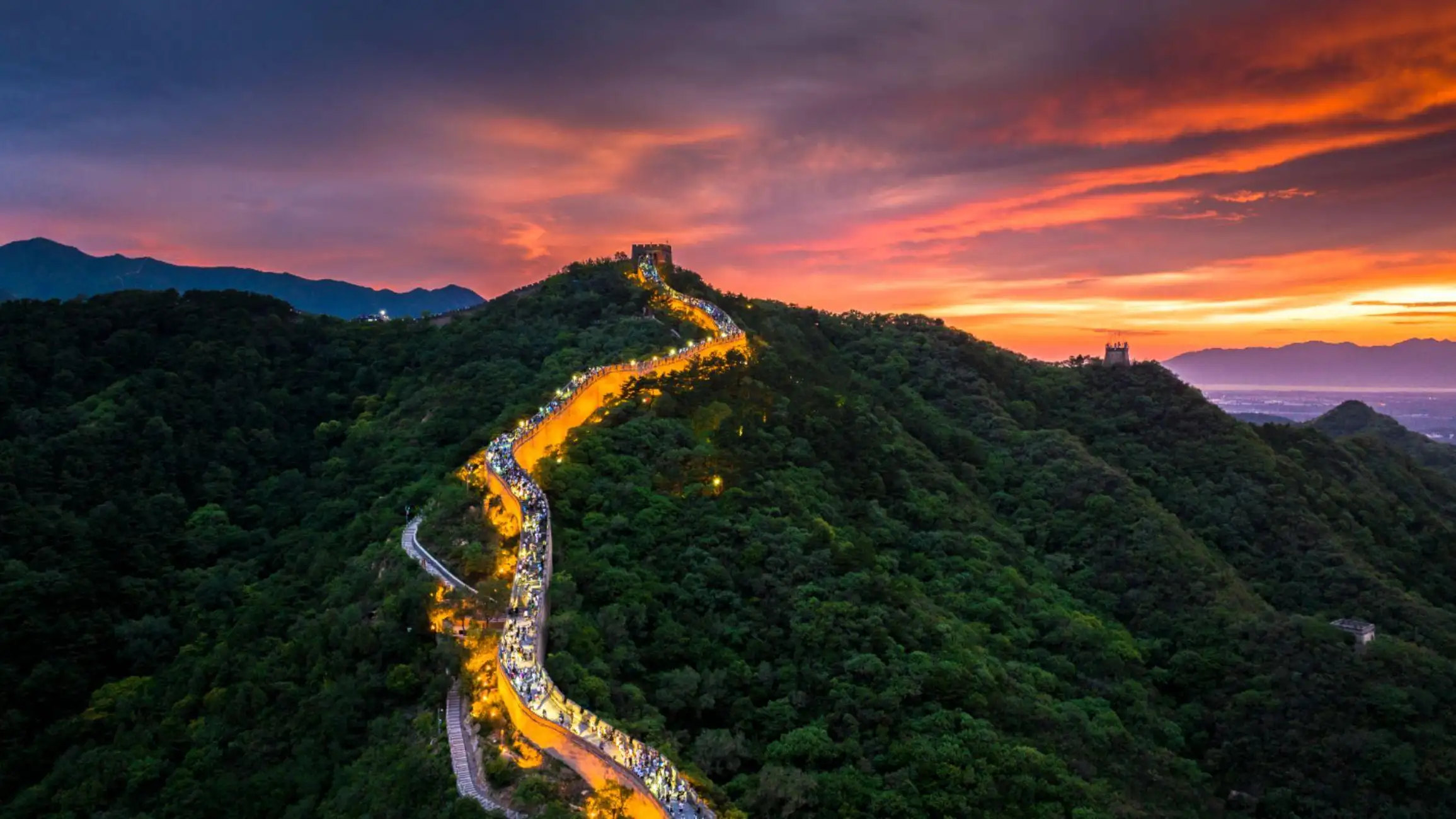
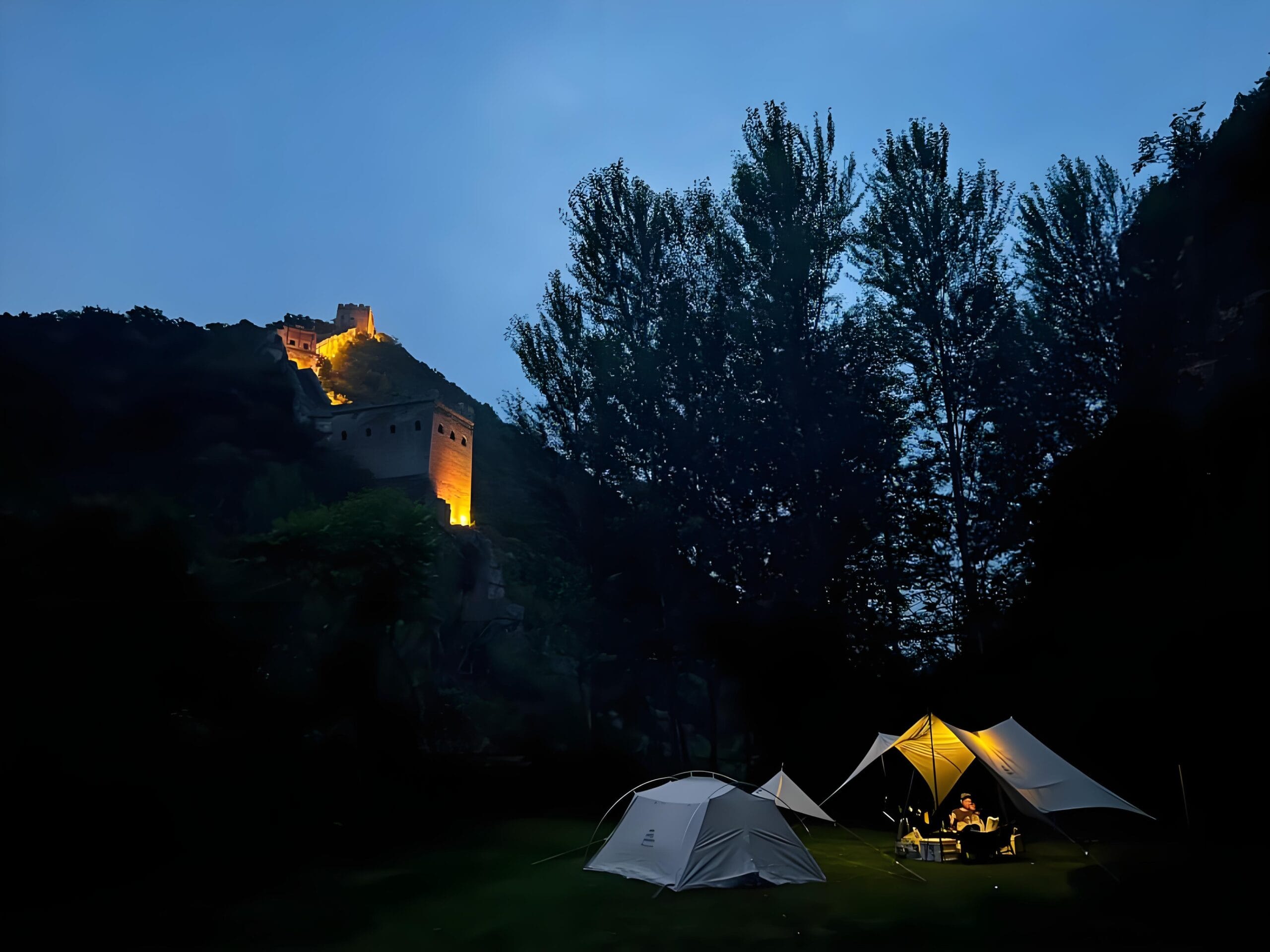
But here’s what night tours actually deliver that justifies the hassle: seeing the wall lit against darkness creates visual drama impossible during daylight hours. The architectural details pop under artificial lighting. If you time it correctly and weather cooperates, those 20-30 minutes of twilight blue sky contrasted with amber-lit stones produce genuinely stunning photographs.
The temperature drop also matters. Beijing’s summer daytime wall visits mean 35°C heat and sun exposure with minimal shade. Night tours happen when temperatures fall to 22-25°C, making the physical climbing far more comfortable.
For photographers specifically, the controlled lighting eliminates harsh midday shadows that flatten detail in daytime photos. You’re working with designed illumination rather than fighting against natural light angles.
Is this worth 7-8 hours of your Beijing evening including transport? That’s genuinely personal. If you’re visiting Beijing once and want Great Wall checked off your list, daytime Mutianyu makes more sense. If you’re a repeat visitor, serious photographer, or specifically interested in the Gubei Water Town overnight experience, night tours add something you can’t get elsewhere.
Comparing Night Tour Sections: Which Fits Your Trip?
Factor | Simatai | Badaling | Mutianyu |
|---|---|---|---|
Operating Season | Year-round | Apr 30 – Oct 7 | Jun 27 – Aug 31 + holidays |
2026 Ticket Price | CNY 160 | CNY 198 (weekday) / 298 (weekend) | CNY 200 |
Distance from Beijing | 150km (2.5 hours) | 70km (1.5 hours) | 75km (1.5 hours) |
Accessible Section | 800m (Tower 5-6) | 600m (North 1-4) | Towers 10-15 |
Sunset Viewing | Possible May-Oct | Very difficult (19:30 cutoff) | Possible during season |
Cable Car | Mandatory | Optional | Included |
Cultural Add-ons | Gubei Water Town | Live performance | Weekend shows |
English Booking | No (tour company needed) | Yes (official site works) | Yes (official site works) |
Overnight Option | Yes (Gubei hotels) | Limited | Limited |
Weather Reliability | Good | Good | Poor (frequent cancellations) |
Best For | Photographers, overnight stays | Performance seekers with Chinese skills | Families during limited season |
The table tells you logistics. Here’s what actually matters: Simatai gives the longest season but charges premium prices and requires longest travel time. Badaling offers the shortest travel but operates only half the year. Mutianyu has the narrowest window and worst cancellation record but includes the easiest legitimate English booking.
The Real Section Breakdown
Simatai: Only True Year-Round Option
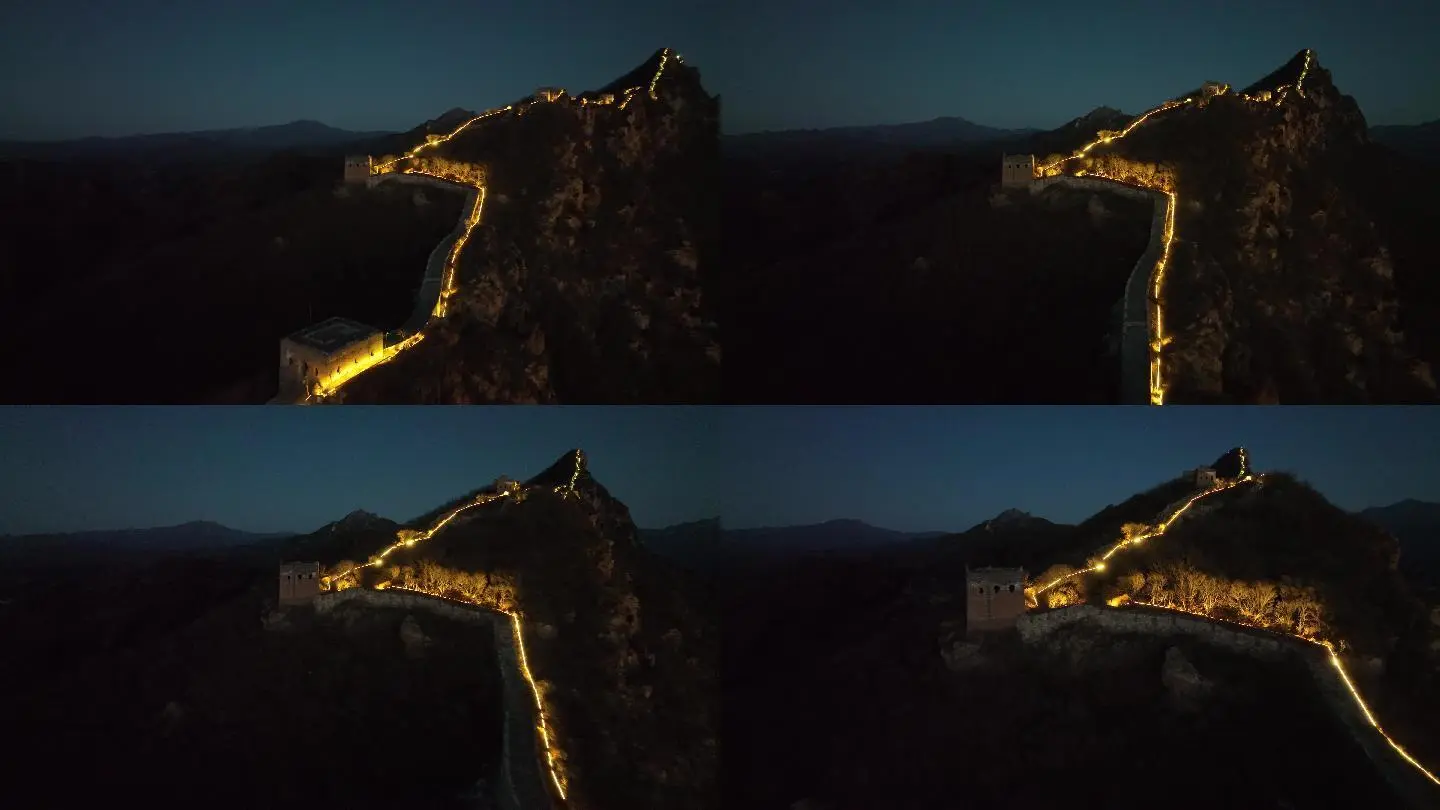
Simatai opens nightly year-round, but that “year-round” status comes with serious catches.
Current 2026 hours:
- May-October: 18:00-21:40 (weekends close 21:40, weekdays 21:10)
- November-April: 17:30-20:40 (weekends), 17:30-20:10 (weekdays)
Here’s the problem nobody discusses: winter sunset hits around 16:45. The gates don’t open until 17:30. You’re climbing the wall in complete darkness, missing the entire dusk transition that makes these tours worth it.
Ticket bundles cost CNY 160 (Gubei Water Town entry + Great Wall + mandatory cable car). Can’t separate these components. Can’t skip the cable car even if you’re an experienced hiker.
The walkable section? East 5th to East 6th Tower. That’s 800 meters total. The cable car deposits you 200 meters from Tower 5, leaving you roughly 30 minutes of actual wall time if you want to catch the return cable car without running.
What we tell clients: Book only May through October. Arrive minimum 45 minutes early to beat cable car queues. Skip winter visits unless you’re specifically interested in night photography without sunset context.
Badaling: The Immersive Theater Experiment
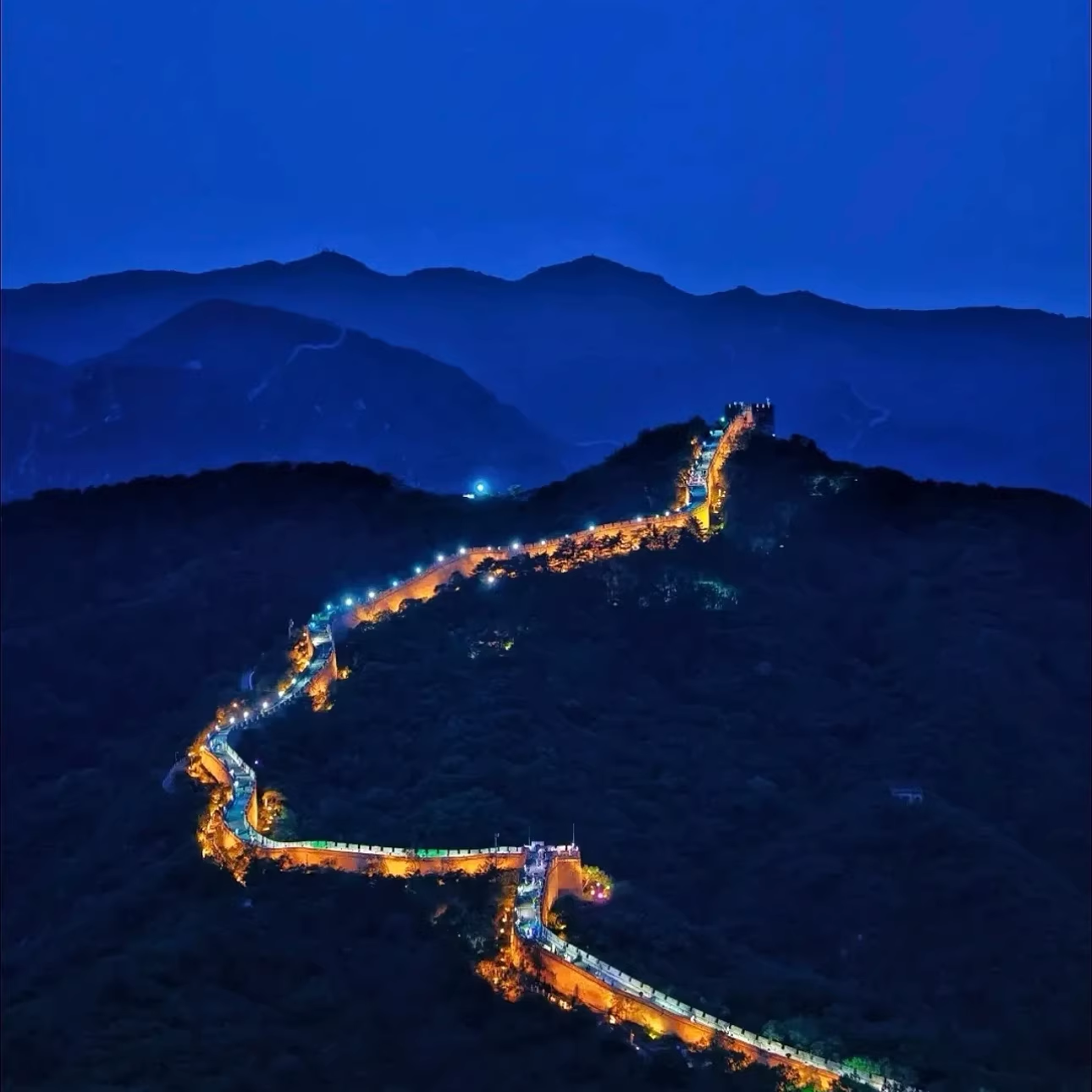
Badaling‘s 2026 season runs April 30-October 7, operating 17:30-22:00 (entrance closes 19:30).
Pricing split:
- CNY 198 weekdays (Thursday night counts as “weekday”)
- CNY 298 weekends (Friday, Saturday, Sunday) and all holidays
That CNY 100 weekend markup buys access to the “Dreaming Back to the Great Wall” live performance. Full disclosure: it’s impressive production value but script-heavy Mandarin dialogue. English-speaking visitors get minimal value unless traveling with a translator.
Open section: North 1 to North 4. Roughly 600 meters.
Booking reality: Tickets sell through “长城内外旅游” WeChat mini-program only. No English interface. No international payment options. Foreign visitors must book through tour companies or Chinese-speaking friends. This isn’t mentioned anywhere in English marketing materials.
The wall illumination itself? Professionally done. But here’s what surprised us: only the right-side segment gets lit. Left side has lights installed but stays dark, presumably due to operating costs.
Mutianyu: Extremely Limited Season
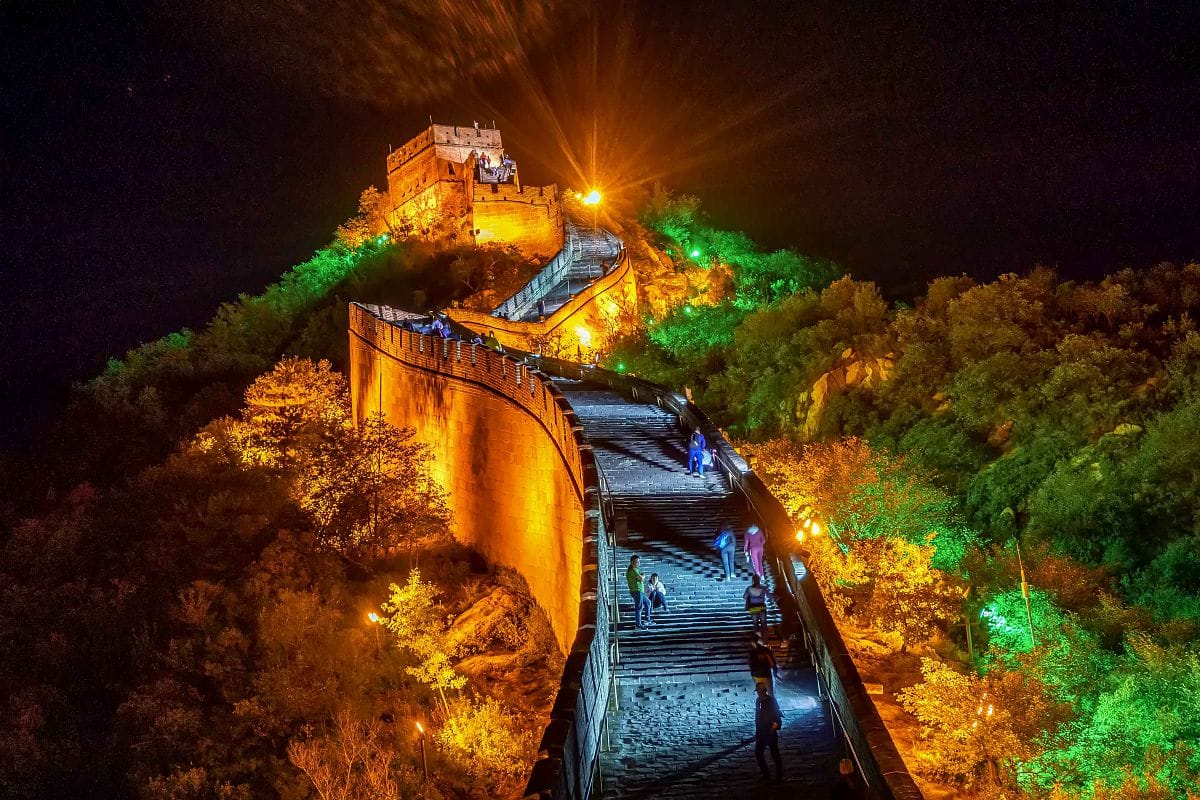
Mutianyu‘s 2026 night tours operate June 27-August 31, plus Mid-Autumn Festival weekend and October 1-7 National Day holiday.
Hours: 17:30-21:00 (lights on at 19:00).
CNY 200 covers admission, cable car, and shuttle bus.
Accessible section: Towers 10-15.
The catch: Weekend cultural performances sound great on paper. In practice, they draw huge crowds to platforms with limited standing room. We watched a family of four spend 40 minutes waiting for photo opportunities at the face-changing opera spot, leaving almost no time for actual wall walking.
Weather cancellations happen frequently. Mutianyu’s mountain location means afternoon thunderstorms July-August. No refund policy published anywhere. Tour companies told us they’ve had entire weeks cancelled during what should be peak season.
Timing Reality: When Night Tours Actually Work

The Sunset Problem
Most visitors don’t realize: seeing sunset from the wall requires precise timing that varies drastically by season.
Beijing sunset times 2026:
- June-July: 19:45-20:00 (Badaling gates close 19:30 – impossible)
- September: 18:30-18:45 (Workable at Simatai)
- November: 16:45-17:00 (Gates open 17:30 – you’ve already missed it)
At Simatai, you need to board the cable car no later than 18:00 in June-August to catch golden hour on the wall. The cable car itself takes 8-10 minutes. Walking from upper station to good viewpoint: another 15 minutes. Do the math backwards from sunset.
Badaling’s entrance cutoff (19:30) was clearly designed around the performance schedule, not optimal viewing times. Unless you’re there specifically for the show, you’re fighting against the clock.
Temperature Gaps Nobody Mentions
Here’s data from actual visits with thermometer readings:
Month | Beijing Downtown | Simatai Wall | Difference | Wind Factor |
|---|---|---|---|---|
June | 28°C | 21°C | -7°C | Moderate gusts |
August | 30°C | 24°C | -6°C | Light breeze |
September | 22°C | 15°C | -7°C | Strong gusts |
November | 8°C | 1°C | -7°C | Very strong |
That consistent 7-degree drop plus wind chill means real-feel temperatures 10-12°C colder than Beijing. We’ve had July visitors in shorts and t-shirts literally huddled behind watchtowers trying to stay warm.
Photography Windows: The Technical Reality
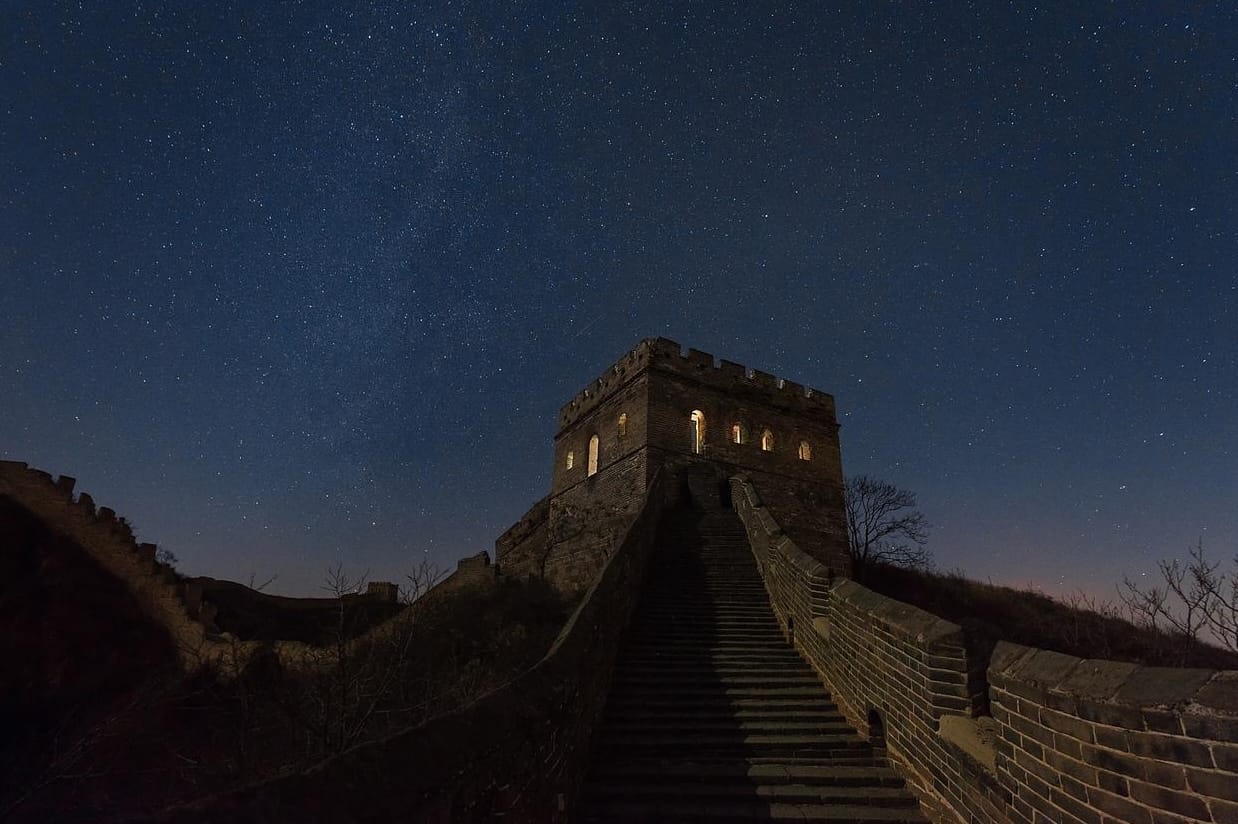
Forget the romantic marketing about “starlit walls.” Light pollution from Gubei Water Town at Simatai makes true astrophotography nearly impossible on the accessible section.
What actually works photographically:
Twilight window (20-40 minutes after sunset): Deep blue sky provides contrast with amber wall lights. This is your money shot period. Requires tripod, 2-4 second exposures at f/2.8, ISO 800-1600.
Full darkness (90+ minutes after sunset): Foreground detail disappears. Long exposures blur moving tourists. Unless everyone cooperates (they won’t), you’re fighting constant light trails.
New moon nights help, but only at the far ends of the accessible section where crowd density drops.
The Badaling complication: Performance lights cycle through reds, blues, greens during shows. Ruins any attempt at natural-looking photography. You either shoot the spectacle or shoot the architecture – can’t get both.
The Booking Nightmare (And Actual Solutions)
Why This Is So Difficult
Every English guide says “book online.” None explain that “online” means Chinese-only platforms requiring Chinese payment methods. We’ve watched tourists spend hours trying to complete purchases only to hit dead ends at payment verification.
Simatai/Gubei booking system: Platform: “古北水镇” WeChat Mini Program
Language: Chinese only
Payment: WeChat Pay or Alipay (both require Chinese bank account)
ID requirement: Chinese national ID or passport number
Foreign passport numbers technically work, but the system rejects approximately 40% of international passport entries based on format issues we still can’t predict. No error message explanation. Just fails.

Badaling booking: Platform: “长城内外” WeChat Mini Program (NOT the “八达岭长城” account)
Language: Chinese / English
Payment: WeChat Pay or Alipay (both require Chinese bank account)
ID requirement: Chinese national ID or passport number
Additional complication: Tickets release exactly 7 days in advance at 00:00. Weekend slots sell out within 2-3 hours during peak season.

What Actually Works
Option 1: Hotel booking (Gubei only)
If staying overnight in Gubei Water Town, hotels book wall tickets directly. Costs CNY 120 versus CNY 160 standard price. But summer weekend rooms start CNY 800/night, so “savings” are relative.
Recommended ONLY if you’re already planning an overnight trip. Don’t book a hotel just for ticket access.
Option 2: Tour company markup
Third-party tour operators charge CNY 50-100/person booking fees but handle all Chinese platform headaches.
What we tell clients: Yes, it’s annoying to pay extra. Compare that to the value of 2-3 hours spent failing to book independently. For most visitors, this is the pragmatic choice.
Option 3: Chinese-speaking friend/hotel concierge
Beijing hotels with foreign clientele often book as a guest service. Ask your hotel first before pursuing other options.
Hidden Booking Details
Simatai group sizes: Booking shows “1 adult ticket” but actually sells in increments matching cable car capacity (6 persons). If you book 4 tickets, expect to ride up with 2 strangers.
Badaling performance tickets: Weekend CNY 298 tickets are actually divided – CNY 198 wall access + CNY 100 performance upgrade. Some third-party sellers unbundle these but don’t clearly explain the difference.
Mutianyu availability: Official site opens bookings 3 days advance. Reality: tickets allocated to tour groups 2 weeks prior. Individual slots are whatever’s left over. July-August weekends often show “sold out” while tour operators still have access.
Getting There: Transport Reality Check
Every guide says “transportation is easy” then lists public bus numbers. None explain that those buses don’t run during night tour hours, making them completely useless information.
For Simatai (150km from Beijing): The public route exists only on paper for night visitors. Tourist buses return at 16:00-17:00, hours before tours start. The Bus 980 + Bus 51 combination takes 3.5-4 hours one way with a final return around 16:30. You’re left with two actual options: private car (CNY 600-900 for groups of 4) or tour company shuttle (CNY 400-500 per person including tickets). Solo travelers and couples pay more per person going private than using tour companies. Groups of 3-4 save money hiring private cars.
Friday afternoon traffic adds 30-45 minutes to all Beijing departure times. What should be a 2-hour drive becomes 2.5-3 hours if you’re leaving the city between 15:00-17:00. This timing matters because you need to arrive before sunset, which happens around 18:30-19:00 in summer months.
For Badaling (70km from Beijing): The S2 train costs CNY 6-8 and sounds perfect until you check the schedule. Last train back departs Badaling at 20:28. Night tours run until 22:00. This creates a 90-minute gap with no solution except expensive taxi rides. We’ve watched drivers quote CNY 400-600 to stranded tourists who missed the train, knowing they have captive customers with zero alternatives.
Private car services run CNY 400-600 round trip with 90-minute travel time each way. Tour shuttle buses through companies like BusDa cost CNY 150-200 per person, departing Beijing around 15:00-16:00 and returning around 21:30. For 1-2 people, the shuttle makes more sense financially than splitting a private car.
For Mutianyu (75km): Zero public transportation exists for night hours. Private car services charge CNY 500-700, while tour operators bundle transport, tickets, and guide for CNY 450-600 per person. The tour package actually costs less than DIY for solo travelers and couples.
The overnight alternative at Gubei Water Town eliminates transport stress entirely. Budget guesthouses start around CNY 300-500 nightly, mid-range hotels run CNY 600-900, and luxury properties exceed CNY 1200. You get free water town admission the next morning plus discounted wall tickets (CNY 120 versus CNY 160). For couples, paying CNY 800 for accommodation versus CNY 700 for round-trip car plus CNY 320 in tickets only adds CNY 180-220 for the privilege of avoiding 5 hours in vehicles. If your time has value, this trades money for convenience reasonably.
What to Actually Bring (Based on Mistakes We’ve Seen)

Tour companies say “bring a jacket” which tells you nothing useful. The temperature differential between downtown Beijing and exposed Great Wall ridgelines runs consistently 7°C, with wind chill pushing real-feel temperatures 10-12°C lower. We’ve watched July visitors in shorts and t-shirts huddle behind watchtowers trying to stay warm at 21°C with wind gusts.
For June through August visits, you need moisture-wicking base layers (you’ll sweat during cable car queues), a mid-layer fleece or thin down vest, and a windbreaker with actual wind resistance. Long pants work better than shorts once you’re on the wall. September through October requires long-sleeve merino or synthetic base layers, fleece or light puffy jacket, windproof shell, and light gloves since the stones get cold to touch. November through March means serious winter gear: down jacket rated for -5°C minimum, thermal base layers top and bottom, warm gloves, neck gaiter, and hat covering ears. Chemical hand warmers become necessary rather than optional.
The footwear problem deserves its own warning. Those 400-year-old stones are polished smooth from millions of feet, and evening dew makes them slippery. Hiking boots work best if you have them. Trail runners with good tread prove acceptable. Regular sneakers become risky. Fashion shoes, sandals, and heels guarantee falls. We’ve called ambulances. Don’t be that person who ruins their Beijing trip with a preventable injury.
Camera gear requires different thinking than daytime photography. Tripods become essential rather than optional since exposures run 1-5 seconds. Lightweight travel tripods weighing 1-2 pounds work adequately for phones and small cameras. Full tripods at 3-4 pounds become required for DSLRs. Wide-angle lenses (16-35mm equivalent) capture wall perspectives, while fast primes (35mm or 50mm at f/1.8 or wider) enable low-light shooting without tripods. Temperature drops kill battery capacity dramatically – what gives you a full day of daytime shooting becomes 40% capacity at night in September. Bring at least two spares, not as backup but as necessity.
Flash photography doesn’t work (ruins ambient light, annoys everyone, gets you yelled at by guards). Smartphone gimbal stabilizers can’t handle 2+ second exposures. Drones remain illegal at all Great Wall sections. What does work: phone cameras with night mode when mounted on portable tripods, and DSLR/mirrorless cameras with proper support.
Phone power drains faster than you expect. Between photos, GPS use, translation apps, and weak cellular signals forcing constant connection searches, batteries deplete rapidly. A 10,000mAh power bank represents minimum capacity. Bring 20,000mAh if you’re sharing between multiple people. Also critical: you need your phone to display QR code tickets for entry. Dead phone creates real problems beyond photography. We’ve helped visitors whose phones died mid-tour, leaving them unable to produce return cable car confirmation codes.
The food timing gap catches people unprepared. Realistic schedule: 15:00 departure from Beijing after lunch, 17:30 arrival and immediate cable car queue, 18:00-19:30 on the wall with zero food facilities, 19:30 return cable car, 20:00 back in base area. You’ve gone 7+ hours since lunch with 2-3 hours remaining until Beijing return. Bring energy bars, nuts, trail mix, or chocolate (doesn’t melt in cool weather). Avoid anything requiring unwrapping (trash blows away), smelly foods (guards confront you), or drinks in rigid containers (you’re carrying them back down). Water bottles need to be 1 liter minimum per person with no refill stations available on the walls.
WiFi reality differs from promotional materials. Gubei Water Town offers decent coverage in commercial areas but spotty signals on the wall itself. Badaling and Mutianyu both suffer weak cellular signals with crowded network bandwidth. Download offline maps beforehand. Cache translation tools. Don’t count on connectivity when you need it.
Safety: What Actually Goes Wrong
Ming Dynasty construction standards didn’t include uniform step heights. Stairs vary 15-45cm with no consistency, unlike modern building codes. Add darkness, add tourists watching scenery instead of feet, and falls happen frequently. We personally witness 3-4 falls per night at Simatai during busy periods. Common scenarios: descending stairs while looking at phones, stepping backwards for photos, missing transitions in shadowed sections between light pools, or stumbling on uneven stones while walking and talking.
Mandatory cable car use at Simatai exists because the alternative hiking route includes 60-degree inclines with loose rock. In darkness, that’s not adventurous, it’s stupid.
Weather closures happen for high winds (15+ m/s sustained), thunderstorms, heavy snow, or ice accumulation. The communication problem: cancellation notices come via Chinese WeChat announcements. Tour companies sometimes miss these updates. We’ve had clients arrive at closed gates after 2.5-hour drives. Check official WeChat accounts day-of (use phone camera translation if you can’t read Chinese): 古北水镇 for Simatai, 八达岭长城 for Badaling, 慕田峪长城 for Mutianyu. Look for 暂停开放 (temporarily closed) or 闭园 (closed).
Chinese National Day week (October 1-7) creates the crowd problem everyone tries to avoid. Badaling’s 500-person nightly capacity sells out instantly. On-wall density makes walking difficult. We watched October 2nd, 2023: 500 people crammed into 600 meters. Constant traffic jams at staircases. 40+ minute waits for photo spots. Aggressive shoving. Visiting Badaling during Golden Week delivers exactly what you’re trying to escape by choosing night tours.
Medical issues we’ve encountered: altitude combined with exertion affects visitors more than expected. Badaling’s summit sits at 1,015 meters. Visitors from sea level rushing upstairs in cold air face increased cardiac stress. We’ve seen 3 medical evacuations over 18 months, all visitors 55+ who underestimated physical demands. Dehydration compounds the problem – people don’t drink enough because bathrooms only exist at entrance areas, not on walls. Mild dehydration plus altitude plus exertion equals headaches, dizziness, nausea.
Guards strictly enforce prohibitions against climbing barrier walls (immediate ejection), commercial photography with professional lighting, flying drones, and removing stones or artifacts. They technically prohibit but don’t consistently enforce eating on the wall, sitting on barrier walls, or playing loud music. Nobody cares about phone selfie sticks, personal photography with tripods, or reasonable voice levels.
Mistakes That Cost People Their Experience

“I’ll Just Buy Tickets at the Gate”
Sold out weeks in advance during summer weekends and all major holidays. Zero walk-up availability.
Even off-peak periods: Simatai limits sales to 1,200 people nightly. That sounds like plenty until tour groups buy 400-500 tickets in block bookings. Individual quota shrinks fast.
We’ve turned away walk-up hopefuls who flew from Shanghai specifically for night wall access. Don’t be them.
“The Performance Sounds Cool, I’ll Do Badaling”
If you don’t speak Mandarin: the performance is actors speaking Mandarin in period costumes. Dramatic, visually impressive, historically interesting – but the storytelling happens through dialogue you won’t understand.
Non-Chinese speakers get 30% of the value while paying full freight. Better to save CNY 100 and visit Simatai on a weekday.
Arriving at Official Opening Time
Opening time = when gates unlock. Not when you should arrive.
Simatai example:
- 18:00 gates open
- 18:00-18:30 cable car queue builds (200+ people)
- 18:30-18:40 you board cable car
- 18:50 you reach upper station
- 19:05 you reach a viewpoint
- 19:30 sunset fully passed
Arrive minimum 30-40 minutes before official opening to position yourself in the first cable car group.
“I’ll Figure Out Transport When I Get There”
Taxi apps struggle in Gubei/Badaling areas. Minimal vehicles available after dark. The few taxis that show up charge 2-3x normal rates because they know you’re stuck.
We watched a family of four pay CNY 600 for a one-way taxi back to Beijing after their tour company “forgot” their return pickup. Normal rate: CNY 250-300.
The Phone Battery Error
You need phone for:
- Ticket QR codes (can’t enter without them)
- Photos
- Translation
- Navigation
- Light (flashlight function)
Dead phone = real problems. We’ve helped visitors whose phones died mid-tour, leaving them unable to produce return cable car confirmation codes.
Bringing Valuable Bags/Equipment
Minimal secure storage available. Bathrooms exist only at entrance areas – requiring you to either skip them or leave bags unattended.
Leave the designer purse at the hotel. Bring a small cross-body bag or backpack that you can keep with you constantly.
Questions Visitors Actually Ask Us
Can I do both day and night tours of the same section on one visit?
Technically yes at Simatai, but you’re required to completely exit before 17:00, then re-enter and re-purchase tickets for night access. You’re paying twice for tickets and cable cars (CNY 320 total). Plus spending 5+ hours in Gubei Water Town killing time.
We don’t recommend this unless you’re genuinely interested in the water town itself.
Is sunrise better than sunset?
Wrong question. Night tours don’t offer sunrise access. Gates lock at closing time:
Simatai: 21:40 (weekends) / 21:10 (weekdays)
Badaling: 22:00
Mutianyu: 21:00
If you want sunrise on the wall, that requires standard daytime access (opens 06:00-07:30 depending on section and season).
Do I need a tour guide?
Depends entirely on your goals.
For photography and atmosphere: No. Guides add minimal value and rush your timing.
For historical context: Maybe. Badaling’s performance provides context through theatrical staging. Simatai’s visual impact speaks for itself.
For language barrier help: Possibly useful for booking/logistics but not essential on the wall itself. Signage is bilingual at key points.
Can kids handle night tours?
Age matters less than temperament and experience with stairs/hiking.
Our observations:
Ages 3-6: Genuinely difficult. Long cable car wait, cold, scary darkness, constant stair climbing. Most get cranky within 20 minutes.
Ages 7-10: Depends on the kid. Active hikers do fine. Sedentary screen-time kids struggle.
Ages 11+: Generally fine if they handle daytime hiking.
Mandatory cable car at Simatai eliminates the most dangerous hiking sections, making it slightly more kid-friendly than alternatives.
What if it rains?
Light drizzle: Tours operate. Stones get slicker, bring proper footwear.
Moderate rain: Tours usually continue but photography suffers. Lights reflect off wet stone creating exposure challenges.
Heavy rain or thunderstorms: Immediate closure. You’ll receive WeChat notification if it happens before tour start. Mid-tour closures trigger evacuation procedures (follow guard instructions).
Can I see the Milky Way?
From Simatai: Barely. Gubei Water Town creates significant light pollution. Long exposures (20-30 seconds) can capture some stars, but don’t expect dark sky quality.
From Badaling: Even worse. Closer to Beijing’s glow plus performance lighting.
From Mutianyu: Slightly better than Simatai but still compromised.
For serious astrophotography, Great Wall night tours don’t deliver. These are ambient-light architecture tours that happen to occur after sunset.
Is winter worth it?
Honest answer: Only if you accept missing sunset, value fewer crowds over optimal conditions, and handle serious cold well.
We get repeat clients who prefer winter specifically because tourist density drops 80-90%. You get the wall nearly to yourself. But you’re trading comfort and golden hour photography for solitude.
Which Section Should You Actually Choose?
After 20 years walking visitors through these experiences, here’s our unfiltered assessment:
Choose Simatai if:
- You want the longest operating season and most scheduling flexibility
- You’re willing to pay premium prices for year-round access
- You value the Gubei Water Town setting and might stay overnight
- You’re visiting May-October when sunset timing actually works
Skip Simatai if:
- You’re budget-conscious (most expensive option)
- You’re visiting November-March (miss sunset, extreme cold)
- You strongly dislike mandatory cable cars
- Light pollution in night sky photos bothers you
Choose Badaling if:
- You want the live performance cultural experience
- You speak Mandarin (or travel with Mandarin speakers)
- You’re visiting during operating season (April 30-October 7)
- You can handle Chinese-language booking systems or tour company markups
Skip Badaling if:
- You don’t speak Chinese and visit on expensive weekends (CNY 298 for limited value)
- You prefer sunset photography over theatrical lighting
- You want flexibility (rigid 19:30 entrance cutoff, fixed performance schedule)
- Chinese holidays coincide with your trip (extreme crowds)
Choose Mutianyu if:
- You’re visiting during the narrow summer season when it operates
- You want weekend cultural performances alongside wall access
- You value the most “China Highlights” package-tour convenience
- Weather backup plans exist (frequent summer cancellations)
Skip Mutianyu if:
- You need scheduling certainty (unpredictable weather closures)
- You’re visiting outside June-August plus specific holidays
- You prefer authenticity over produced entertainment
Realistic time investment
Minimum time commitment including transport:
- From Beijing departure to return to Beijing: 7-8 hours
- Actual time on the wall: 45-90 minutes
That ratio matters. You’re trading a full evening for roughly one hour of wall access. Go into this knowing that’s the deal.
The illuminated Great Wall genuinely delivers moments worth experiencing. Watching ancient brickwork glow amber against deepening blue sky creates memories that justify the logistics – if you set expectations correctly and choose the right section for your specific circumstances.
Choose wrong (winter Simatai for sunset, non-Chinese speaker at weekend Badaling, August Mutianyu during thunderstorm season), and you’ll wonder why you bothered.
Choose right, arrive prepared, accept the limitations, and you’ll get why people keep recommending this despite the hassles.